


The built in bbq charcoal trend is making a remarkable comeback for 2026, promising to transform British gardens into culinary retreats. Homeowners are rediscovering the authentic flavour and luxury that only a dedicated charcoal setup can deliver.
This expert guide will help you choose the right grill, plan your design, and master the art of built in bbq charcoal cooking. We will cover everything from installation and material selection to expert grilling techniques, maintenance, and the latest trends.
Ready to elevate your outdoor entertaining? Explore the definitive 2026 guide to built in bbq charcoal and create an alfresco experience that impresses every guest.
Built in bbq charcoal grills are rapidly regaining popularity among discerning UK homeowners. Whether you are an enthusiastic host or a culinary purist, these grills combine timeless tradition with modern sophistication, offering an experience that gas and electric alternatives simply cannot match.
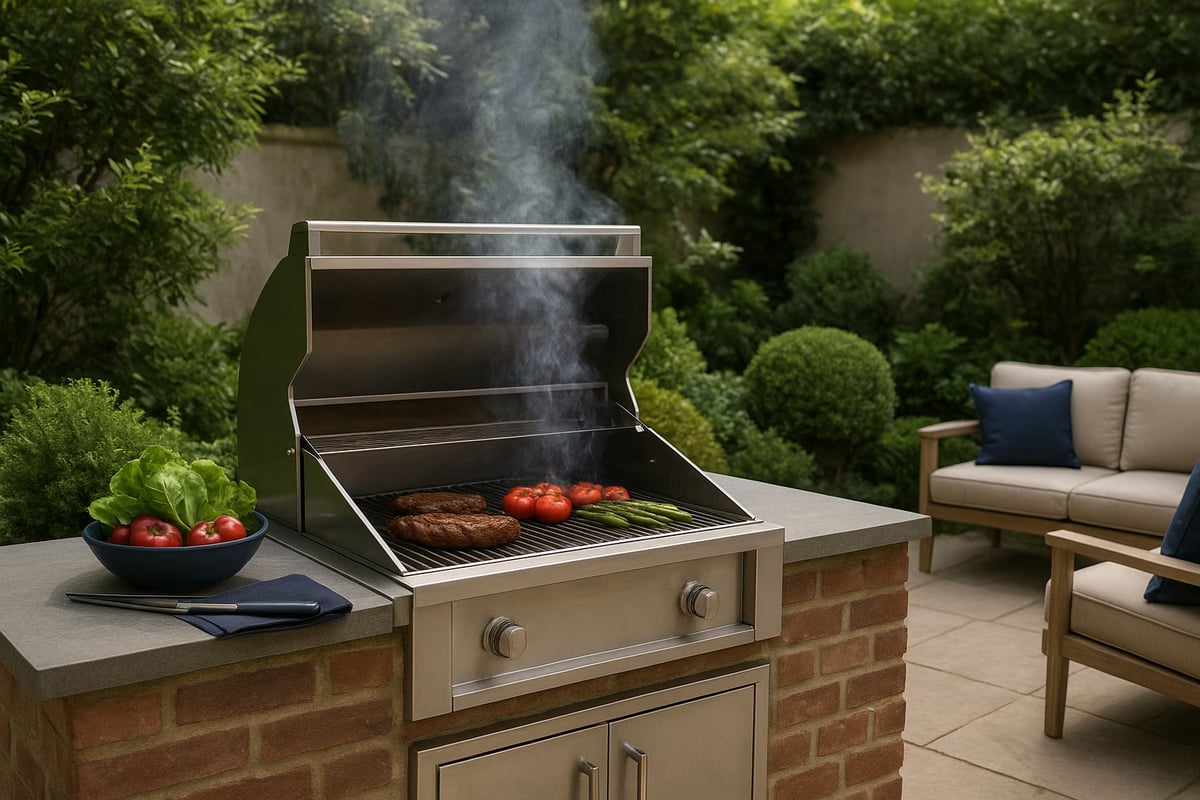
The primary draw of a built in bbq charcoal grill is the unmistakable smoky flavour it imparts to food. Charcoal reaches higher temperatures than most gas or electric models, allowing for perfect searing and caramelisation. This depth of flavour is what elevates steaks, burgers, and even vegetables to restaurant quality at home.
Recent consumer research shows that over 60% of UK outdoor cooks now favour charcoal for its authentic taste and versatility. Unlike gas or electric, built in bbq charcoal grills can be used for direct grilling, slow smoking, and everything in between. The resurgence of alfresco dining has seen more homeowners invest in outdoor kitchens, making the grill a centrepiece for entertaining.
Sustainability is another advantage. Modern built in bbq charcoal models are designed with efficient airflow and reduced emissions. Many brands now offer eco-friendly charcoal sourced from sustainable forests, minimising environmental impact.
Luxury outdoor spaces often feature built in bbq charcoal grills. Imagine a bespoke stone island with integrated storage, prep surfaces, and ambient lighting. These installations do not just add function, they add a sense of occasion to every gathering.
Cost is a key consideration. While the initial investment may be higher than freestanding or portable grills, built in bbq charcoal options deliver long-term value. Their durability, low running costs, and property enhancement make them a wise choice for those seeking both enjoyment and return.
For a curated selection of premium grills, the Built-In BBQs Collection showcases models that blend style, performance, and reliability for modern outdoor living.
When comparing built in bbq charcoal grills to freestanding models, several advantages become clear. Permanence is a major factor. Built in installations are designed to last, with materials that withstand British weather and daily use. This permanence contributes to property value, making your garden more attractive to future buyers.
Aesthetically, built in bbq charcoal units can be fully integrated into your garden design. They save space by consolidating cooking, prep, and storage areas into one streamlined feature. This integration allows for customisation, whether you prefer classic brickwork, sleek steel, or a combination of both.
Built in bbq charcoal grills also offer greater design flexibility. They can be positioned to optimise flow between your kitchen, dining, and leisure spaces. Garden designers frequently incorporate these grills into outdoor kitchens and entertainment zones, blending function with visual appeal.
Consider the following benefits:
Ultimately, built in bbq charcoal grills create a permanent focal point for socialising and family meals. Their adaptability ensures they meet both daily needs and special occasions, making them a worthy investment for anyone passionate about outdoor cooking.
Planning the perfect built in bbq charcoal setup is about blending practicality with style. A thoughtful approach ensures your BBQ becomes a true centrepiece for outdoor living, tailored to your unique space and entertaining needs.
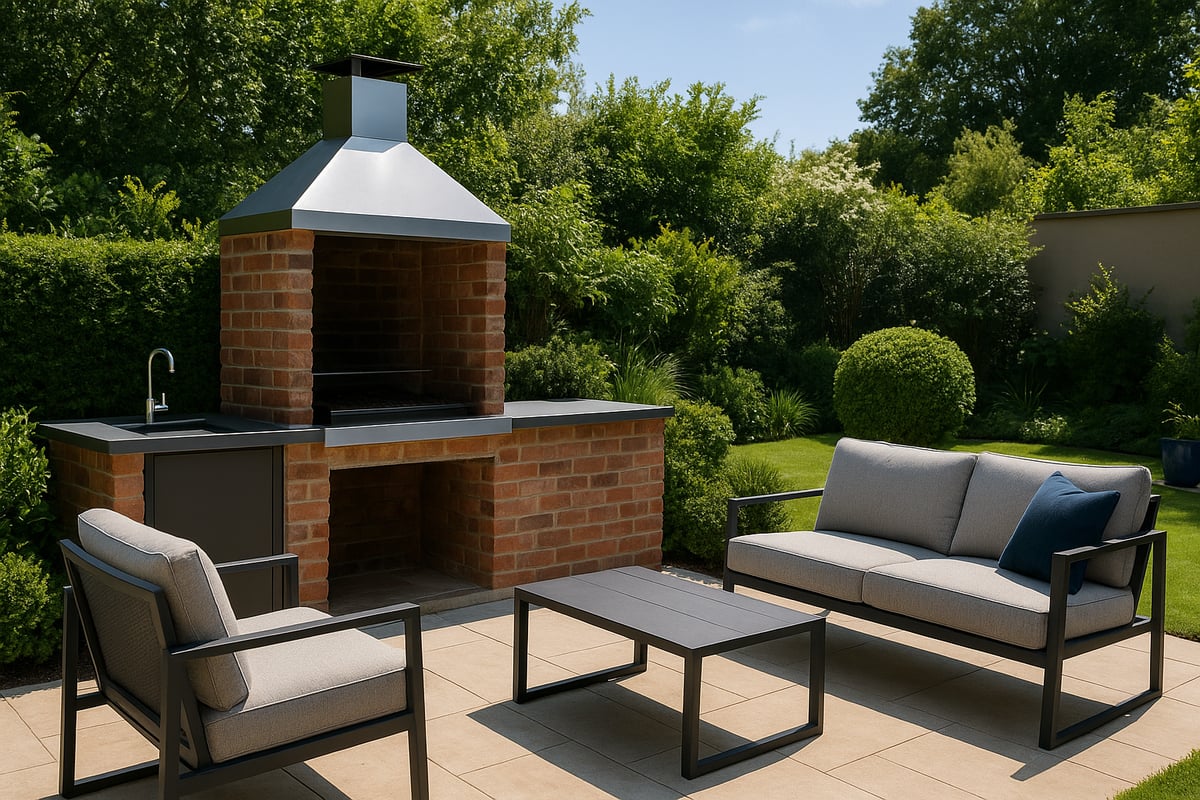
Before choosing your built in bbq charcoal, evaluate your garden’s layout. Measure available space and consider how often you host gatherings. Proximity to the kitchen can make food prep and serving more convenient, while access to seating and shelter enhances comfort in any weather.
Safety is crucial. Ensure your BBQ is positioned away from overhanging branches, fences, or structures. Good ventilation is essential, especially if you’re building close to the house. Always check local regulations or planning permissions, as requirements may vary across the UK.
Popular configurations for built in bbq charcoal units include L-shaped counters, island setups, or compact wall installations for smaller gardens. Tailor your design for both daily use and larger celebrations, ensuring there’s ample room for guests and easy movement around the grill.
The materials you select for your built in bbq charcoal will impact both performance and longevity. Brick and stone offer classic appeal and excellent heat resistance, while concrete provides a modern, minimalist look. Stainless steel is favoured for its durability and ease of cleaning, often used as an accent for worktops or doors.
Weather resistance should guide your choices, especially in the UK’s variable climate. Opt for frost-proof bricks, treated stone, or marine-grade stainless steel to reduce maintenance. In 2026, expect to see a rise in eco-friendly materials, such as recycled composites and sustainable finishes that complement natural surroundings.
For expert advice on selecting the right materials and ensuring your BBQ stands up to British weather, consider reviewing Designing your built-in barbecue for detailed guidance. Combining different textures—such as brick bases with stainless steel accents—adds both visual interest and practical benefits to your built in bbq charcoal project.
When planning a built in bbq charcoal, focus on components that enhance both function and style. Choose a grill size that suits your cooking habits, with enough space for both direct and indirect grilling. Incorporate prep areas for food preparation, storage for utensils and charcoal, and ensure proper ventilation to manage smoke and heat.
Optional extras can elevate your outdoor kitchen. Pizza ovens, rotisseries, and integrated lighting are popular upgrades for 2026. Accessibility matters, too—design counters and storage at comfortable heights, and provide clear access for all users.
Case studies show that well-designed built in bbq charcoal layouts often include weatherproof cabinets, pull-out drawers, and even herb planters. These thoughtful touches create a seamless flow between cooking and entertaining, making your BBQ area both practical and inviting.
Cost planning is vital for any built in bbq charcoal installation. Typical UK projects range from a few hundred to several thousand pounds, depending on size, complexity, and materials. Custom stonework, premium grills, and extras like lighting or pizza ovens will increase your investment.
Key factors affecting price include the footprint of the BBQ, the choice of materials, and the number of integrated features. Labour costs are another consideration, especially if you hire professionals for construction or gas and electrical work.
Installation timelines vary. Simple builds can be completed in a weekend, while more elaborate designs may take several weeks. Planning ahead, ordering materials early, and allowing time for weather delays will help keep your project on track. Proper budgeting and scheduling ensure your built in bbq charcoal project delivers lasting value and enjoyment.
Installing a built in bbq charcoal grill transforms your garden into a culinary centrepiece. This guide walks you through every essential step, from preparing your site to those finishing touches that make your barbecue both functional and beautiful. Whether you are a keen DIY enthusiast or considering professional help, careful planning is the key to a successful installation.
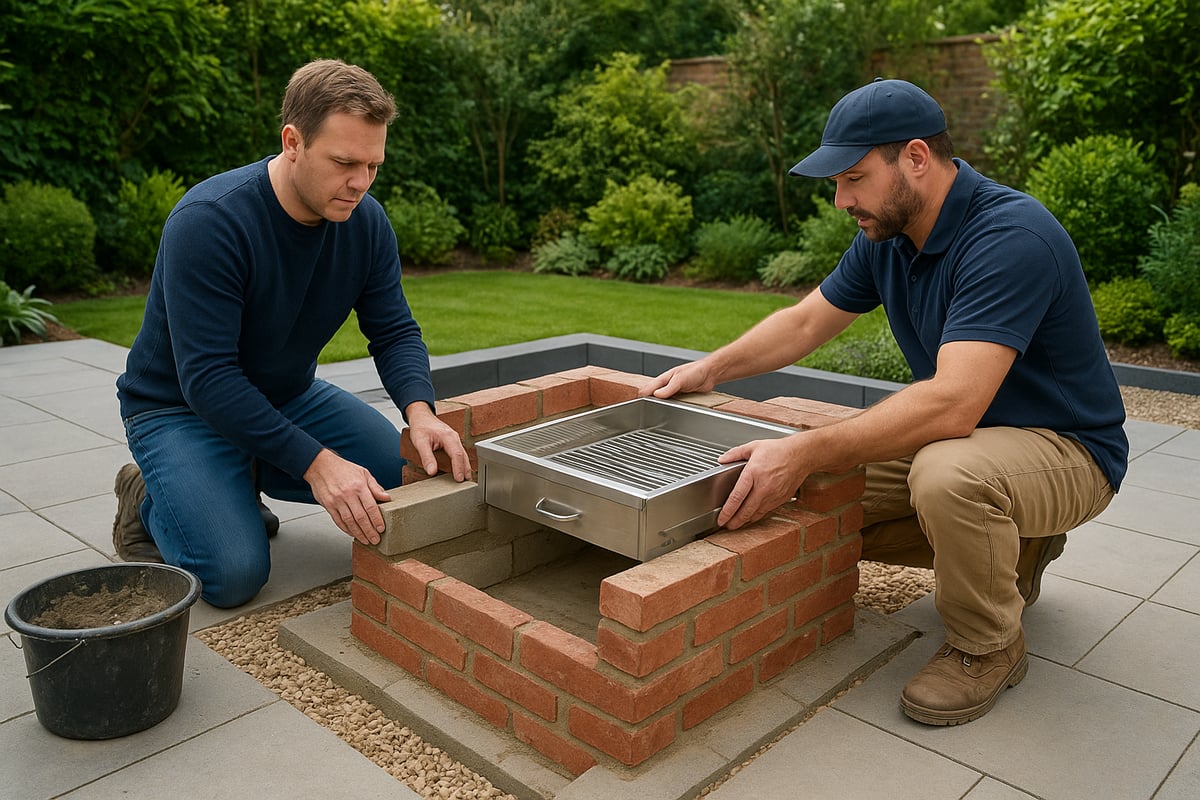
Before you begin building your built in bbq charcoal feature, assess your chosen location carefully. Select a flat, stable area with enough clearance from fences, trees, and seating areas. Proximity to your kitchen and shelter from wind will make cooking more convenient.
Check local planning permissions and building regulations. Some UK councils require approval for permanent outdoor structures, especially if your design includes gas or electrical connections. Contact your local authority to avoid costly mistakes.
Gather all necessary tools and materials in advance. You will typically need bricks or stone, firebricks, heat-resistant mortar, concrete, a grill unit, ventilation components, and weatherproof finishes. Common tools include a spade, spirit level, trowel, and safety gear. Confirm that all items are on hand before breaking ground on your built in bbq charcoal project.
With your groundwork complete, start by laying a solid concrete foundation to support the weight of your built in bbq charcoal grill. Use a spirit level to ensure a perfectly flat base, which is crucial for stability and even cooking.
Construct the base and framework using your chosen materials. Brick and stone are popular for their durability and traditional appeal. Firebricks line the cooking chamber, providing insulation and protecting the structure from intense heat. Install heat protection barriers where needed, especially near worktops or storage.
Fit the grill unit securely, allowing for proper ventilation and airflow. Integrate a chimney or vent system to direct smoke away from the cooking area. For a detailed guide on brick construction methods and layout tips, consult this Building a brick BBQ guide.
Once the main structure of your built in bbq charcoal grill is complete, focus on the details that enhance both usability and longevity. Add worktops in materials such as granite or weather-sealed wood for easy food prep. Splashbacks protect surfaces from grease and flames, while weatherproofing treatments extend the life of your barbecue.
Integrate storage solutions like shelves or cabinets for charcoal, utensils, and cleaning supplies. Consider adding accessories such as integrated lighting or a pizza oven for extra functionality. Before your first cook, perform a thorough safety check, inspecting all joints, surfaces, and ventilation. Light your built in bbq charcoal grill for the first time with a small batch of fuel to test airflow and ensure everything is operating as intended.
Deciding between professional installation and a DIY approach for your built in bbq charcoal setup depends on your skills, budget, and project complexity. Professionals offer expertise, adhere to regulations, and often complete the build faster, but their services come at a higher cost. DIY projects save money and allow for personalisation, though they require more time, careful research, and hands-on effort.
For complex designs, integrated features, or if you are unsure about meeting safety standards, consulting a specialist is wise. Typical costs vary, but professional installation can offer peace of mind and a polished result, while DIY builds reward you with hands-on satisfaction and future bragging rights. No matter your route, a well-planned built in bbq charcoal installation will add value and enjoyment to your home.
Selecting the ideal built in bbq charcoal is essential for unlocking the true potential of your grill. The right choice not only enhances flavour but also supports consistent heat, efficient cooking, and a memorable outdoor dining experience.
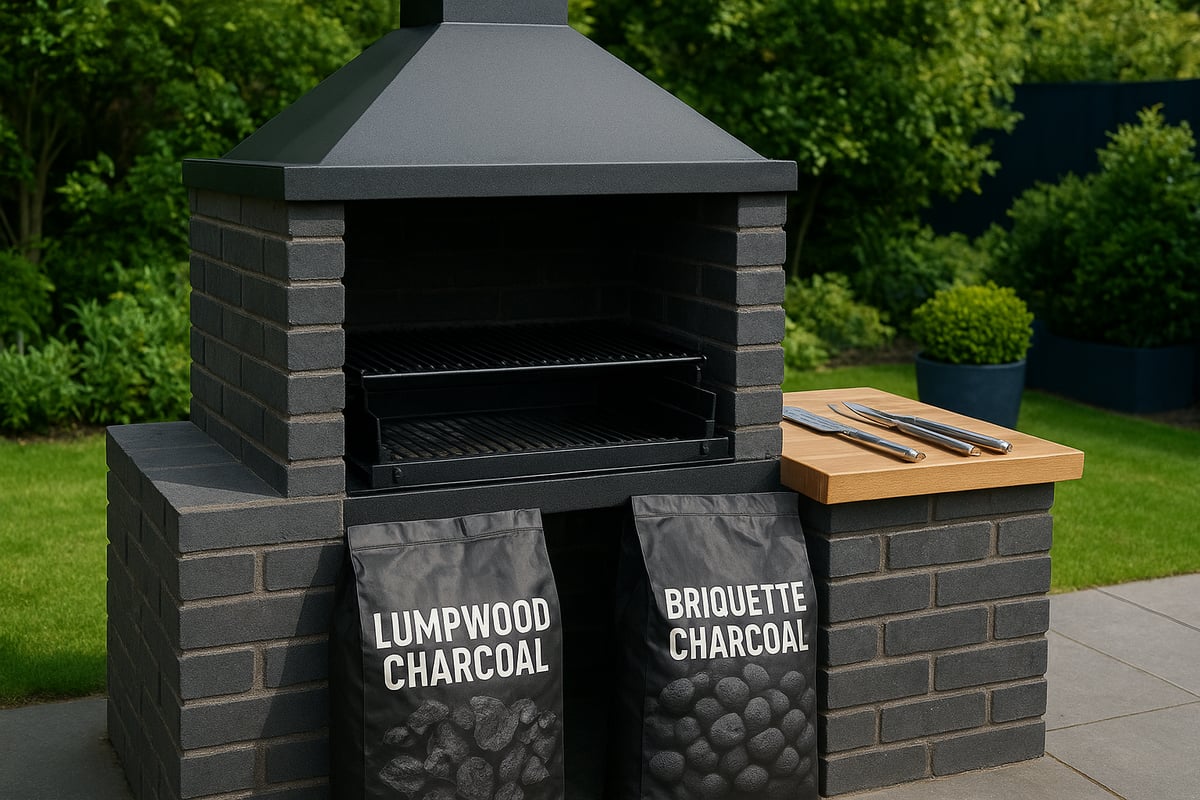
When it comes to built in bbq charcoal, two main options dominate: lumpwood charcoal and briquettes. Each has distinct characteristics that influence the grilling experience.
| Charcoal Type | Flavour | Burn Time | Heat Output | Sustainability |
|---|---|---|---|---|
| Lumpwood | Bold, natural | Short-Medium | High, responsive | Often eco-friendly |
| Briquettes | Consistent, milder | Long | Steady, even | Varies by brand |
Lumpwood charcoal is made from natural hardwood, offering an authentic smoky taste and reaching high temperatures quickly. This makes it perfect for searing steaks or grilling vegetables. However, it tends to burn faster and may require more frequent top-ups during extended cooks.
Briquettes, on the other hand, provide a longer, steadier burn. They are often chosen for slow-cooked dishes or larger gatherings. Some modern briquettes now feature natural binders and sustainable materials, appealing to eco-conscious grillers.
For 2026, sustainability remains a strong trend. Look for charcoal sourced from responsibly managed woodlands and certified by the Forest Stewardship Council (FSC). Whichever type you choose, selecting quality built in bbq charcoal ensures both performance and peace of mind.
Finding the best built in bbq charcoal in the UK requires attention to both quality and provenance. Leading brands such as Big K, Oxford Charcoal, and Eco Blaze are known for their consistency and ethical sourcing.
Local garden centres and specialist BBQ retailers often stock a wide range of options, including FSC-certified products. When shopping, always check for certifications that guarantee sustainable harvesting practices. For larger events or frequent use, consider buying in bulk to save on cost and reduce packaging waste.
Price comparisons can vary, but investing in premium charcoal usually results in better flavour and less ash. For those seeking authentic charcoal cooking appliances or inspiration, explore the Charcoal Ovens and Grills collection, which highlights high-quality solutions and accessories suited for built in bbq charcoal enthusiasts.
Proper storage and safe handling of built in bbq charcoal are crucial for both performance and safety. Charcoal should always be kept in a dry, well-ventilated area, preferably in a sealed metal or plastic container to prevent moisture absorption.
Avoid storing charcoal directly on the ground, as dampness can compromise its effectiveness and create clumps. Always keep charcoal away from heat sources, open flames, or flammable materials to reduce fire risk.
When handling charcoal, wear gloves to avoid dust and residue. Rotate your stock regularly to ensure you use older bags first, maintaining freshness and extending shelf life. Following these steps guarantees your built in bbq charcoal remains ready for every grilling occasion.
Unlocking the true potential of your built in bbq charcoal setup requires more than just quality ingredients. It is about mastering the art and science of grilling, from controlling heat to perfecting flavour. In this section, you will discover proven expert techniques to elevate your grilling experience, ensuring every meal is memorable and every occasion a success.
Achieving consistent results with a built in bbq charcoal grill depends on understanding and controlling heat. The two primary grilling zones are direct and indirect. Direct grilling is ideal for quick-cooking foods like steaks and burgers, placing them directly over the coals for intense searing. Indirect grilling, on the other hand, involves placing food away from the heat source, perfect for roasting larger cuts or slow-cooking delicate dishes. For a deep dive into this method, see Indirect grilling techniques.
Airflow is your main tool for temperature regulation. Adjust the intake and exhaust vents to control oxygen flow, which directly affects the burn rate and heat output of your built in bbq charcoal. Consider using heat deflectors or grill accessories to maintain even temperatures across your cooking surface.
A simple comparison:
| Grilling Zone | Uses | Temperature Range | Food Examples |
|---|---|---|---|
| Direct | Searing, fast cooking | 230–290°C | Steaks, chops, kebabs |
| Indirect | Roasting, slow cooking | 120–180°C | Whole chickens, ribs, fish |
Mastering these zones will help you cook with precision, maximising the capabilities of your built in bbq charcoal.
Lighting your built in bbq charcoal correctly is essential for safety and efficiency. Use a chimney starter for the most reliable results, as it evenly ignites the charcoal without the need for lighter fluid, preserving food flavour. Arrange the coals based on your chosen grilling method—spread evenly for direct heat or bank them to one side for indirect cooking.
Once lit, maintain a consistent temperature by gradually adding more charcoal as needed. Adjust the vents to fine-tune the airflow, keeping a close eye on how your built in bbq charcoal responds. If you notice temperature spikes or drops, act promptly by opening or closing vents or redistributing coals.
Troubleshooting common fire issues is part of becoming an expert. If your fire burns too hot, restrict airflow slightly and move food to a cooler zone. If it cools down too quickly, add more charcoal and increase airflow. Always keep a long-handled brush and fireproof gloves nearby for safe adjustments.
To truly excel with a built in bbq charcoal grill, you need to master a range of techniques. Searing is the cornerstone of great flavour, achieved by placing food directly above hot coals for a caramelised crust. Smoking introduces complex aromas, using wood chunks or chips alongside your charcoal to infuse meats and vegetables with distinct character. Slow-cooking is ideal for tougher cuts, using indirect heat to gently break down fibres.
Try this step-by-step guide for the perfect steak on your built in bbq charcoal:
Experiment with different woods, such as oak for robust flavour or cherry for a sweeter note, to personalise your results. Your built in bbq charcoal grill is versatile enough to handle everything from classic British sausages to global specialities.
The future of built in bbq charcoal cooking embraces both tradition and innovation. Expect to see global flavours leading the way—think Korean-style short ribs, Mediterranean vegetables, and bold spice blends. Plant-based options are increasingly popular, with grilled aubergine steaks and smoky jackfruit burgers taking centre stage.
Pairings matter just as much as technique. Serve chargrilled mains with fresh salads, homemade flatbreads, or tangy sauces to balance the smoky notes your built in bbq charcoal imparts. For a classic touch, nothing beats a perfectly grilled chicken paired with herbed new potatoes and seasonal greens.
Stay inspired by experimenting with new recipes and adapting your favourite dishes for the grill. The built in bbq charcoal trend is all about creativity, quality, and unforgettable outdoor meals.
Caring for your built in bbq charcoal is essential to preserve its performance, longevity, and aesthetic appeal. Regular attention not only ensures safe, flavourful grilling but also protects your investment for years to come. A thoughtful maintenance routine will keep your outdoor cooking space ready for every occasion.
Maintaining your built in bbq charcoal begins with routine cleaning after each use. Always allow the grill to cool fully before brushing the grates with a stiff wire brush to remove residue and charred remains. Empty the ash pan regularly, as built up ash can restrict airflow and cause corrosion over time.
Wipe down all exterior surfaces using warm, soapy water and a soft cloth. For stubborn grease or smoke stains, a mixture of baking soda and water can be effective. Deep cleaning should be performed at the start and end of each season. This includes removing and soaking grates, cleaning the firebox, and inspecting all components for wear.
Create a maintenance checklist to stay organised:
By consistently caring for your built in bbq charcoal, you maintain both hygiene and peak performance.
Protecting your built in bbq charcoal from the elements is vital in the UK’s unpredictable climate. Invest in a high quality, weatherproof cover to shield the grill from rain, frost, and UV exposure. When not in use, ensure all vents and lids are closed to prevent moisture ingress and deter pests.
Regularly check for signs of rust, particularly around the firebox and hinges. Apply a suitable food safe oil to metal surfaces after cleaning to create a barrier against corrosion. Consider installing your built in bbq charcoal in a sheltered area or under a pergola for added protection.
Proper storage of accessories, such as utensils and charcoal, is crucial. Keep these items dry and away from the ground to avoid damp and pest issues. These preventative steps will help extend the life of your built in bbq charcoal.
Even with diligent care, your built in bbq charcoal may occasionally develop issues. Common problems include ash blockages, reduced airflow, or cracks in firebricks. For minor ash build up, use a small shovel or brush to clear vents and channels. If airflow is restricted, inspect the ventilation system and remove any obstructions.
Loose fittings, broken grates, or damaged components should be addressed promptly. If you need replacement parts or wish to upgrade your grill, browse the Grills and Smokers Selection for compatible options and expert advice.
When deciding whether to repair or replace, consider the extent of the damage and the overall condition of your built in bbq charcoal. Routine inspections and timely fixes will keep your grill safe and functional, ensuring every barbecue is a success.
The future of built in bbq charcoal is bright, with innovation and sustainability leading the way in 2026. As outdoor living becomes a priority for UK homeowners, built in bbq charcoal solutions are evolving to meet modern needs. Expect smarter technology, eco-friendly features, and seamless integration with stylish outdoor spaces.
Design and technology are transforming the built in bbq charcoal landscape. Many new models now come with smart temperature controls, wireless app integration, and digital displays for precise heat management. Hybrid fuel options, allowing a switch between charcoal and wood, are gaining popularity for their versatility.
Modular add-ons, such as rotisseries, side burners, and prep stations, make it easy to customise your setup. These innovations ensure that built in bbq charcoal units can cater to both casual grilling and gourmet cooking, offering flexibility and enhanced user experience.
Sustainability is central to the next generation of built in bbq charcoal grills. Manufacturers are focusing on cleaner-burning charcoals that reduce smoke and emissions, making outdoor cooking more environmentally responsible. Recycled and upcycled materials are increasingly used in construction, supporting green building practices.
Eco-friendly finishes and non-toxic coatings further improve safety and longevity. By choosing a built in bbq charcoal system with these features, you can enjoy authentic flavours while supporting a greener future for outdoor cooking.
Outdoor spaces are being reimagined with built in bbq charcoal at their heart. Homeowners are integrating these grills into bespoke kitchens, complete with pergolas, weatherproof storage, and entertainment zones. Trends show a move towards year-round usability, with features like integrated lighting and all-weather covers.
For inspiration on planning and integrating your own built in bbq charcoal grill, explore these Outdoor Kitchens Design Ideas. Many UK gardens now feature multifunctional cooking spaces that transform gatherings into memorable culinary experiences, whatever the season.
As you explore the world of built in charcoal BBQs, from selecting the perfect grill to mastering expert techniques, you’ll see just how much thoughtful planning and design can elevate your outdoor space. If you’re ready to bring these ideas to life and create a truly bespoke alfresco kitchen, why not take the next step? Our team at The Cotswold Cooking Company is here to guide you every step of the way—sharing expertise, inspiration, and tailored solutions for your home. Start your journey today with a Get a Free Design Consultation and transform your garden into a refined culinary destination.

Leave a comment