


A built in outdoor kitchen represents far more than a simple cooking appliance positioned on a patio. It embodies a thoughtfully designed extension of your home, seamlessly integrating culinary functionality with architectural beauty to create an all-season entertaining destination. For discerning homeowners across the UK, particularly those drawn to refined outdoor living, the transition from portable barbecues to permanent, professionally installed cooking spaces marks a significant elevation in garden design and lifestyle quality. As outdoor entertaining becomes increasingly central to contemporary British living, understanding the principles behind successful built-in kitchen design becomes essential for those seeking to maximise their investment.
A built in outdoor kitchen differs fundamentally from freestanding alternatives through its permanent integration with your garden architecture. Rather than moveable units, these installations feature fixed cabinetry, integrated appliances, and purpose-built infrastructure including plumbing, gas lines, and electrical connections.
The permanence brings substantial advantages. Weather-resistant materials withstand British seasons whilst maintaining aesthetic integrity. Countertop surfaces extend seamlessly across preparation zones, cooking areas, and serving spaces. Storage solutions incorporate weather-sealed drawers and cupboards that protect equipment and accessories year-round.
Before construction begins, careful planning ensures your built in outdoor kitchen functions harmoniously with existing architecture. Site analysis considers prevailing wind direction, sun exposure throughout different seasons, and proximity to indoor kitchen facilities.
Essential planning considerations include:
Professional design consultancies, such as those offered through Cotswold Cooking Company, guide clients through these technical requirements whilst maintaining focus on aesthetic aspirations. The consultative journey typically encompasses site surveys, design development, material selection, and installation coordination.
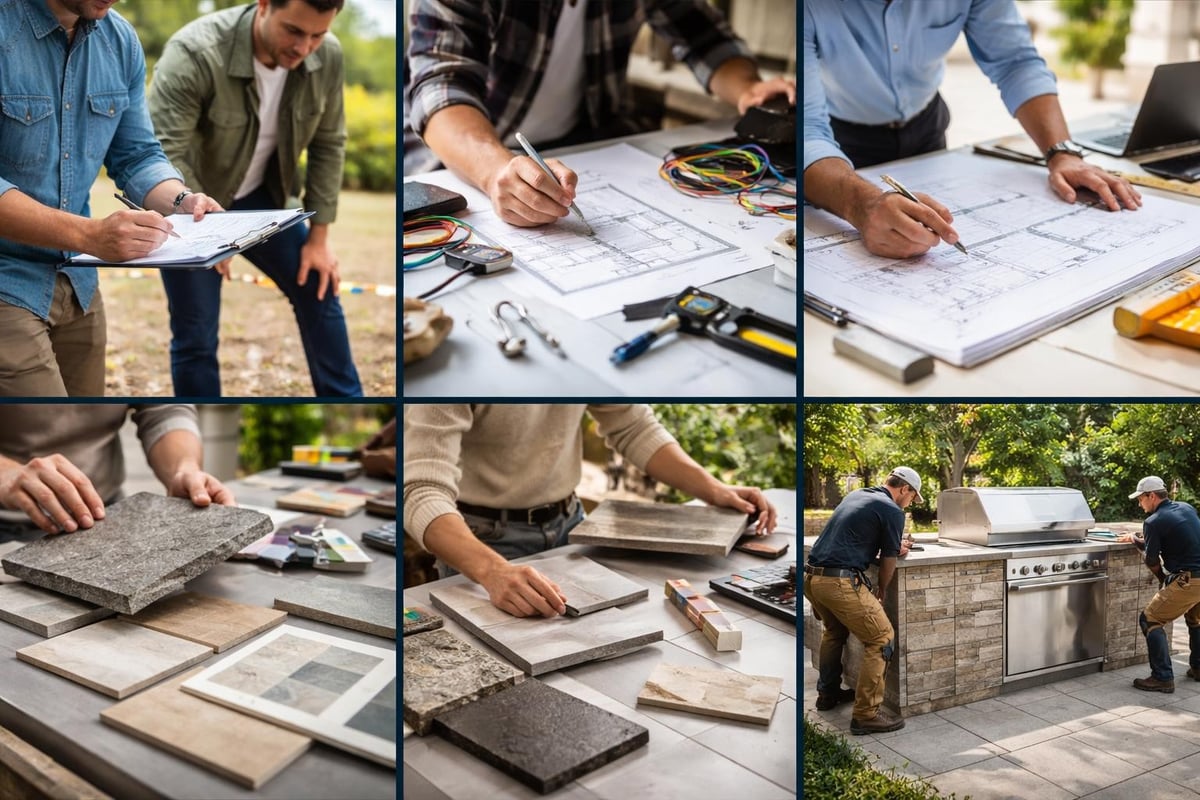
Choosing appropriate materials determines both the longevity and visual character of your built in outdoor kitchen. British weather demands robust, weather-resistant solutions that maintain performance across temperature fluctuations, moisture exposure, and UV radiation.
| Material Type | Durability Rating | Maintenance Level | Aesthetic Appeal | Cost Bracket |
|---|---|---|---|---|
| Stainless Steel | Excellent | Low | Contemporary | Premium |
| Natural Stone | Excellent | Medium | Traditional | High |
| Porcelain Tile | Excellent | Very Low | Versatile | Medium-High |
| Marine-Grade Timber | Good | High | Warm, Natural | Medium |
| Powder-Coated Aluminium | Excellent | Very Low | Modern | Medium-Premium |
Stainless steel remains the professional standard for appliance housing and worktop edging. Its non-porous surface resists bacterial growth, maintains hygiene standards, and withstands constant exposure to moisture without degradation. For cabinetry, metal outdoor kitchen cabinets offer superior weather resistance compared to traditional timber alternatives.
Countertop selection balances practical performance with design vision. Granite and engineered stone deliver exceptional heat resistance, crucial when positioning hot cookware directly onto surfaces. Porcelain offers remarkable versatility, available in finishes mimicking natural materials whilst providing superior stain resistance and minimal maintenance requirements.
Natural stone brings timeless elegance but requires periodic sealing to maintain water resistance. Concrete countertops, increasingly popular in contemporary designs, can be customised with integral pigments and polished to varying sheens, though they demand expert installation to prevent cracking in freeze-thaw conditions.
Effective layout design maximises workflow efficiency whilst accommodating your entertaining style. The working triangle principle, borrowed from indoor kitchen design, positions cooking, preparation, and cleaning zones within comfortable reach.
Straight-line configurations suit narrow spaces or positioned against boundary walls. All appliances and storage align along a single axis, creating clean, architectural lines. This arrangement works particularly well for smaller gardens or where the built in outdoor kitchen forms part of a covered structure such as a loggia or pergola.
Linear designs typically measure between 2.5 and 4.5 metres in length, incorporating essential elements without overwhelming available space. Storage compartments sit below counter height, whilst upper shelving or overhead structures might accommodate lighting or decorative elements.
L-shaped designs create natural work zones whilst opening sightlines towards garden features or entertaining areas. The perpendicular arrangement allows cooks to engage with guests without turning away from preparation tasks.
Typical L-shaped zones include:
This configuration suits medium to large gardens, providing approximately 20-30% more working surface compared to linear equivalents in similar footprints.
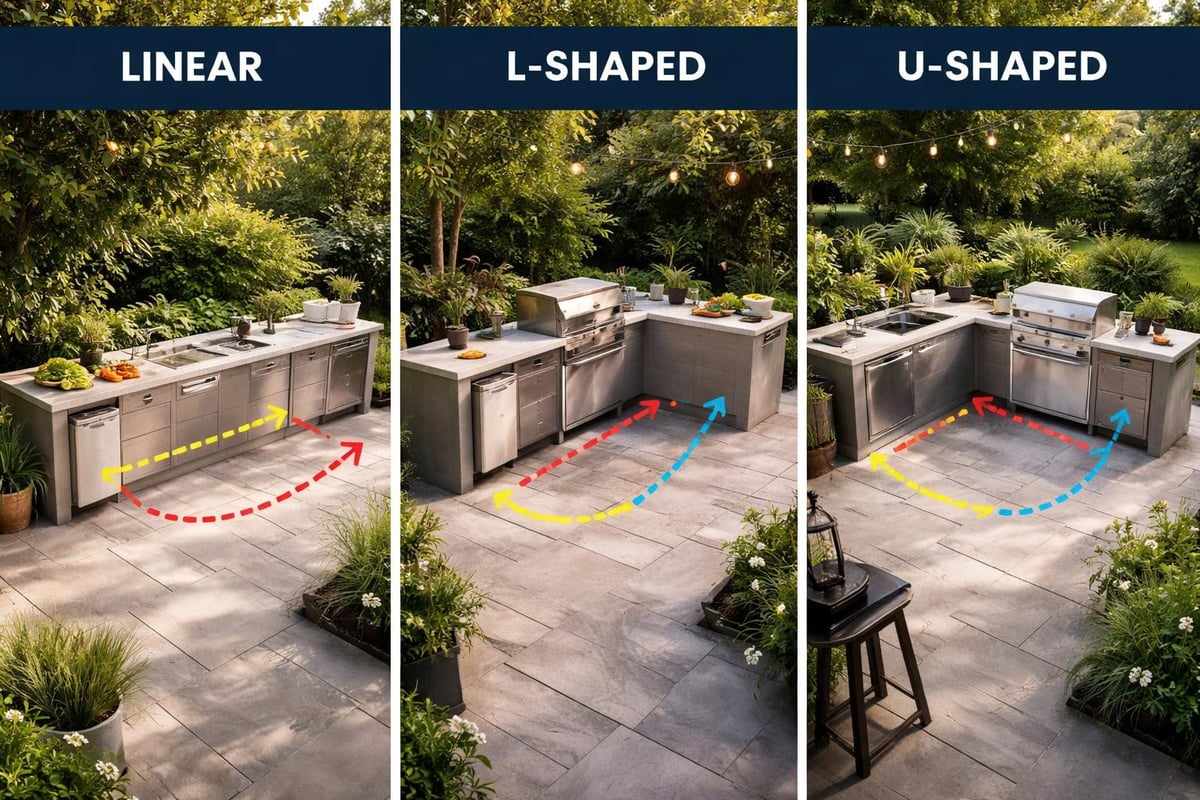
U-shaped layouts surround the cook on three sides, creating dedicated work zones with minimal travel between tasks. This premium configuration requires substantial space but delivers restaurant-quality functionality for serious outdoor chefs.
Island designs position the built in outdoor kitchen as a central feature, accessible from multiple angles. They excel in large gardens or entertainment-focused designs where social interaction takes priority. However, islands demand careful utility routing, as plumbing and gas lines must traverse open ground.
A comprehensive built in outdoor kitchen incorporates multiple functional elements, each serving specific culinary and storage purposes. Component selection should reflect your cooking preferences, entertaining frequency, and budget allocation.
Built-in grills form the centrepiece of most outdoor kitchens. Premium options feature multiple burner zones, infrared searing stations, and rotisserie capabilities. Look for models constructed from 304-grade stainless steel or higher, ensuring longevity in outdoor environments.
Side burners expand cooking versatility, accommodating sauces, side dishes, or morning coffee preparation. Integrated wok burners deliver intense heat for Asian-inspired cuisine. For those passionate about authentic pizza, a built-in outdoor pizza oven creates a spectacular focal point whilst delivering exceptional culinary results.
Outdoor-rated refrigeration maintains ingredients and beverages at optimal temperatures regardless of ambient conditions. Purpose-built outdoor refrigerators incorporate enhanced insulation, weatherproof seals, and ventilation systems designed for external installation.
Dedicated wine refrigeration, beverage centres, and ice makers elevate entertaining capabilities. Storage drawers, designed with marine-grade materials and positive-close mechanisms, protect outdoor cooking accessories from moisture whilst keeping essentials organised and accessible.
Integrated sinks dramatically improve outdoor kitchen functionality, enabling food preparation, cleaning, and hand washing without indoor trips. Undermount stainless steel sinks resist corrosion whilst maintaining clean countertop lines. Faucets should feature ceramic disc valves and solid brass construction for reliable performance.
Hot water access, though requiring additional infrastructure, transforms user experience during cooler months. Consider incorporating covered taps or insulated supply lines to prevent winter freezing in unheated installations.
Your built in outdoor kitchen should harmonise with existing architecture whilst expressing personal style preferences. British gardens encompass diverse design traditions, from classical stone terraces to contemporary minimalist spaces.
Clean lines, handleless cabinetry, and monochromatic palettes define contemporary outdoor kitchens. Modular systems like the Cubic C1 Style Outdoor Kitchen exemplify this approach, combining sleek aesthetics with exceptional functionality through precision-engineered components and weather-resistant finishes.
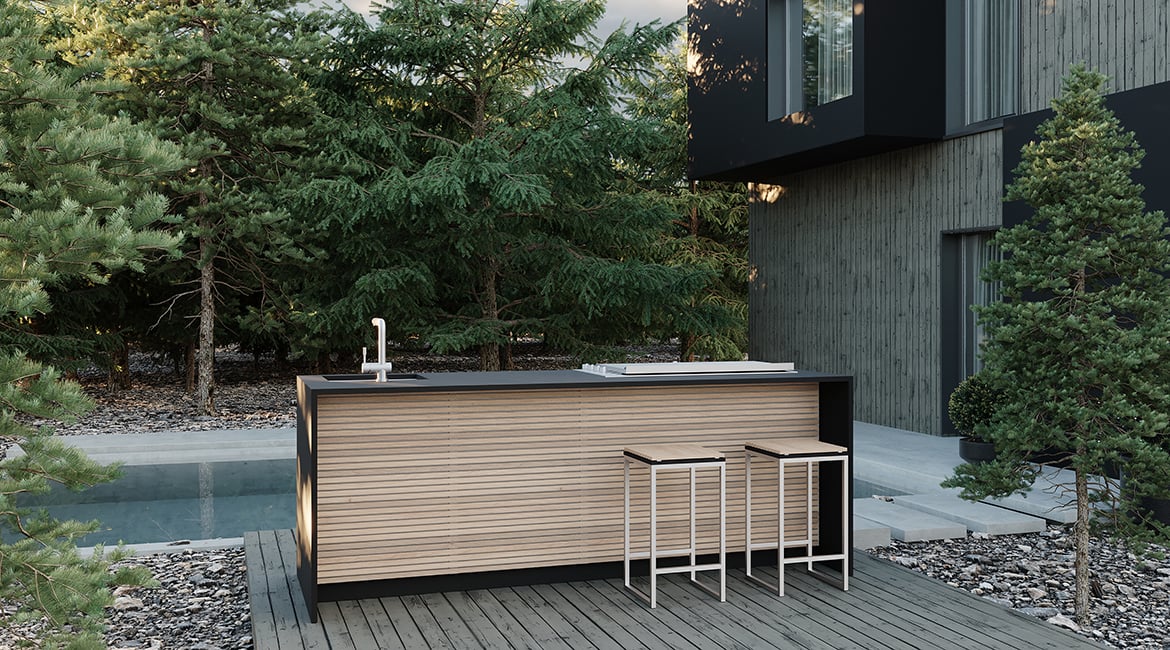
Integrated lighting, flush-mounted appliances, and seamless countertop transitions create sophisticated, uncluttered entertaining environments. Material choices favour stainless steel, polished concrete, and large-format porcelain tiles.
Stone, brick, and natural timber evoke timeless appeal in traditional built in outdoor kitchen designs. Reclaimed materials, aged finishes, and artisanal detailing create characterful spaces that complement period properties or country estates.
Granite worktops, tumbled stone surrounds, and wrought iron accents reference heritage whilst incorporating modern conveniences. These designs often integrate decorative elements such as corbels, arched openings, or exposed beam structures.
Transitional designs balance contemporary functionality with softer, more approachable aesthetics. Neutral colour schemes, natural wood accents, and tactile materials create welcoming environments suitable for both formal entertaining and casual family gatherings.
This approach allows integration of cutting-edge appliances within framework that respects traditional proportions and material palettes, achieving timeless appeal without sacrificing modern performance.
Professional installation ensures structural integrity, code compliance, and optimal performance. Construction approaches vary based on design complexity, site conditions, and material selections.
Proper foundations prevent settling, cracking, and premature material failure. Concrete slab foundations, poured to depth below frost line, provide stable platforms for heavy masonry or stone construction. Reinforcing mesh or rebar increases structural capacity, particularly important for large islands or multi-level designs.
Raised timber deck installations require additional engineering. Load-bearing calculations ensure adequate support for appliance weights, particularly when incorporating heavy stone countertops or masonry elements.
Base construction typically involves:
Masonry construction using concrete blocks or brick creates robust, permanent structures. Weather-resistant cement renders or stone cladding finish external surfaces. This traditional approach suits heavy stone countertops and provides excellent thermal mass.
Alternatively, aluminium or stainless steel framework systems offer quicker installation with reduced weight. Modular designs arrive pre-fabricated, requiring only site assembly and utility connection. These systems excel in contemporary designs where precision and clean lines take precedence.
Gas, water, and electrical installations must meet current UK building regulations. Gas-safe registered engineers handle LPG or natural gas connections, ensuring leak-free operation and proper ventilation. Electrical work requires Part P compliance, with weatherproof connections rated for outdoor exposure.
Water supply lines need frost protection in unheated installations. Drainage solutions must prevent standing water whilst complying with local authority requirements regarding waste water disposal.
The delivery and installation service coordinates these technical aspects, managing trade coordination and regulatory compliance throughout the build process.
British weather necessitates thoughtful shelter planning to extend usability across seasons. A built in outdoor kitchen performs optimally when protected from prevailing winds and excessive rainfall whilst maintaining adequate ventilation.
Architectural pergolas create defined outdoor rooms whilst allowing natural light and air circulation. Adjustable louvre systems provide variable coverage, opening fully during fair weather and closing to shed rain during inclement conditions.
Bioclimatic designs incorporate automated sensors that respond to weather changes, adjusting louvre positions without manual intervention. Integrated drainage channels within supporting posts route water away from cooking zones, maintaining dry, comfortable conditions.
Solid roof structures deliver comprehensive protection, enabling year-round outdoor kitchen use. Insulated roof panels maintain comfortable temperatures during colder months when combined with radiant heaters or outdoor fireplaces.
Proper pitch and guttering prevent water pooling whilst directing runoff to appropriate drainage points. Transparent roof sections or generous eave overhangs balance weather protection with natural illumination.
Maximising your built in outdoor kitchen investment involves planning for extended seasonal use. Year-round outdoor cooking requires additional infrastructure beyond basic installations.
Radiant patio heaters extend comfortable outdoor time into spring and autumn evenings. Mounted overhead or integrated within pergola structures, they deliver focused warmth without consuming valuable floor space.
Built-in fireplaces or fire features create atmospheric focal points whilst providing substantial heat output. Position these elements perpendicular to prevailing winds to maximise effectiveness and prevent smoke interference with cooking zones.
Layered lighting transforms outdoor kitchens from purely functional spaces into atmospheric entertaining environments. Task lighting illuminates preparation surfaces and cooking zones, whilst ambient fixtures create welcoming atmosphere after dark.
Effective outdoor kitchen lighting includes:
All fixtures must carry appropriate IP ratings (minimum IP44, preferably IP65) for outdoor exposure and moisture resistance.
Built in outdoor kitchen projects span considerable budget ranges depending on size, specification, and material quality. Comprehensive planning guides help establish realistic expectations aligned with desired outcomes.
| Budget Tier | Typical Range | Features Included | Appliance Quality |
|---|---|---|---|
| Entry Level | £8,000-£15,000 | Basic grill, minimal storage, simple countertops | Consumer-grade stainless |
| Mid-Range | £15,000-£35,000 | Multiple cooking zones, refrigeration, quality finishes | Commercial-grade appliances |
| Premium | £35,000-£65,000 | Comprehensive cooking suite, luxury materials, shelter integration | Professional specifications |
| Bespoke Luxury | £65,000+ | Fully customised design, architectural integration, premium brands | Restaurant-quality equipment |
Professional design consultation, typically representing 10-15% of total project costs, delivers substantial value through optimised layouts, appropriate material specification, and construction coordination that prevents costly errors.
Protecting your investment requires understanding maintenance needs specific to outdoor installations. Regular care preserves both functionality and appearance across decades of use.
Spring preparation:
Autumn winterisation:
Stainless steel benefits from regular cleaning with appropriate products that remove grease whilst preventing surface scratching. Avoid abrasive cleaners that damage protective oxide layers. Natural stone requires periodic sealing, typically annually, to maintain water resistance.
Timber elements need seasonal treatment with appropriate oils or stains. Powder-coated surfaces require only gentle cleaning, though damaged areas should receive prompt touch-up to prevent corrosion spreading beneath coatings.
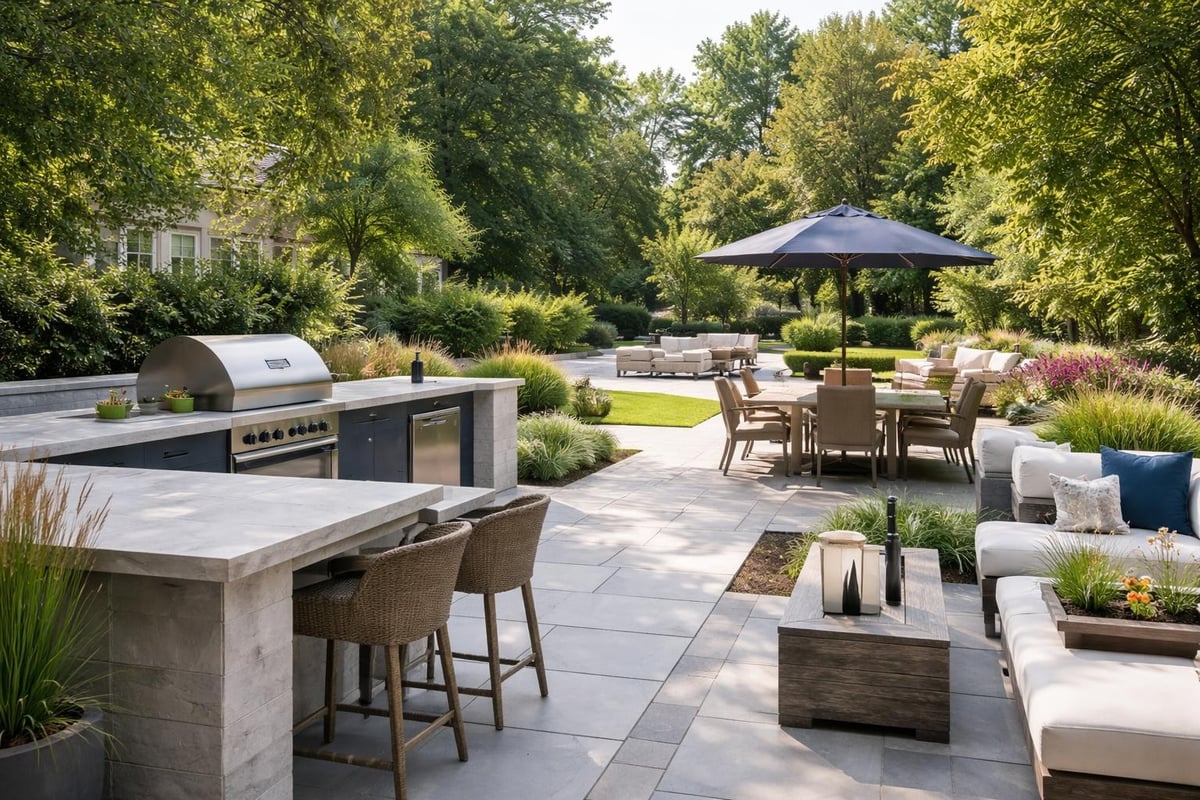
Your built in outdoor kitchen should feel intrinsic to overall garden composition rather than appearing as an afterthought. Successful integration considers sightlines, circulation patterns, and spatial relationships.
Define distinct outdoor zones whilst maintaining visual and physical connectivity. Cooking areas might adjoin dining spaces, which transition into relaxation zones or garden features. Hard landscaping materials, such as matching paving or consistent edging details, create continuity.
Screening elements provide privacy without total enclosure. Evergreen plantings, decorative screens, or partial walls define boundaries whilst maintaining openness and light penetration.
Echo interior finishes in outdoor spaces to blur distinctions between inside and outside. Coordinated flooring materials, complementary colour schemes, or repeated architectural details create sophisticated transitions that enhance spatial generosity.
Consider how outdoor kitchen designs interact with surrounding plantings. Permanent structures form backdrop for seasonal colour whilst herb gardens positioned within reach enhance culinary convenience.
Navigating the complexities of built in outdoor kitchen design benefits enormously from professional expertise. Experienced consultants bring technical knowledge, aesthetic judgement, and practical problem-solving to ensure successful outcomes.
Specialist retailers curate appliance selections from proven manufacturers, eliminating uncertainty around quality and performance. They understand British weather challenges, regulatory requirements, and installation best practices developed through years of project delivery.
Design consultations explore lifestyle requirements, aesthetic preferences, and site-specific opportunities. Detailed specifications prevent miscommunication during construction whilst photorealistic visualisations help clients envision completed spaces before committing to final decisions.
The collaborative process typically encompasses initial concept development, detailed design refinement, material specification, installation coordination, and post-completion support. This comprehensive approach ensures every element functions harmoniously whilst delivering lasting satisfaction.
A thoughtfully designed built in outdoor kitchen elevates garden entertaining whilst adding substantial value to your property. From initial planning through material selection, construction, and ongoing maintenance, each decision influences long-term satisfaction and performance. Whether you envision intimate family dinners or elaborate gatherings, professional guidance ensures your outdoor kitchen fulfils both practical needs and aesthetic aspirations. Cotswold Cooking Company brings decades of expertise in luxury outdoor living, offering consultative design services, carefully curated appliance collections, and comprehensive installation support to transform your garden into a refined, all-season culinary destination.

Leave a comment