


Imagine stepping outside to a tailor-made sanctuary where you can cook, entertain, and unwind, all within the comfort of your own garden. As outdoor living continues to gain popularity, the desire to design kitchen outdoor spaces that blend luxury with practicality is stronger than ever.
This expert guide will show you how to design kitchen outdoor environments that are not only stylish and functional but also ready for the future demands of 2026. Whether you are a homeowner, designer, or hospitality professional, you will find clear strategies and inspiration tailored to modern lifestyles and evolving trends.
We will walk you through every stage, from planning and layout to choosing materials, appliances, and sustainable solutions. Ready to unlock the full potential of your outdoor space and create a culinary haven that stands the test of time? Let’s begin your journey.
Outdoor living is evolving rapidly, with the drive to design kitchen outdoor spaces more sophisticated than ever. Homeowners and professionals alike are seeking environments that blend luxury, utility, and flexibility. The 2026 landscape is shaped by the latest trends, practical needs, and a focus on future-ready solutions.
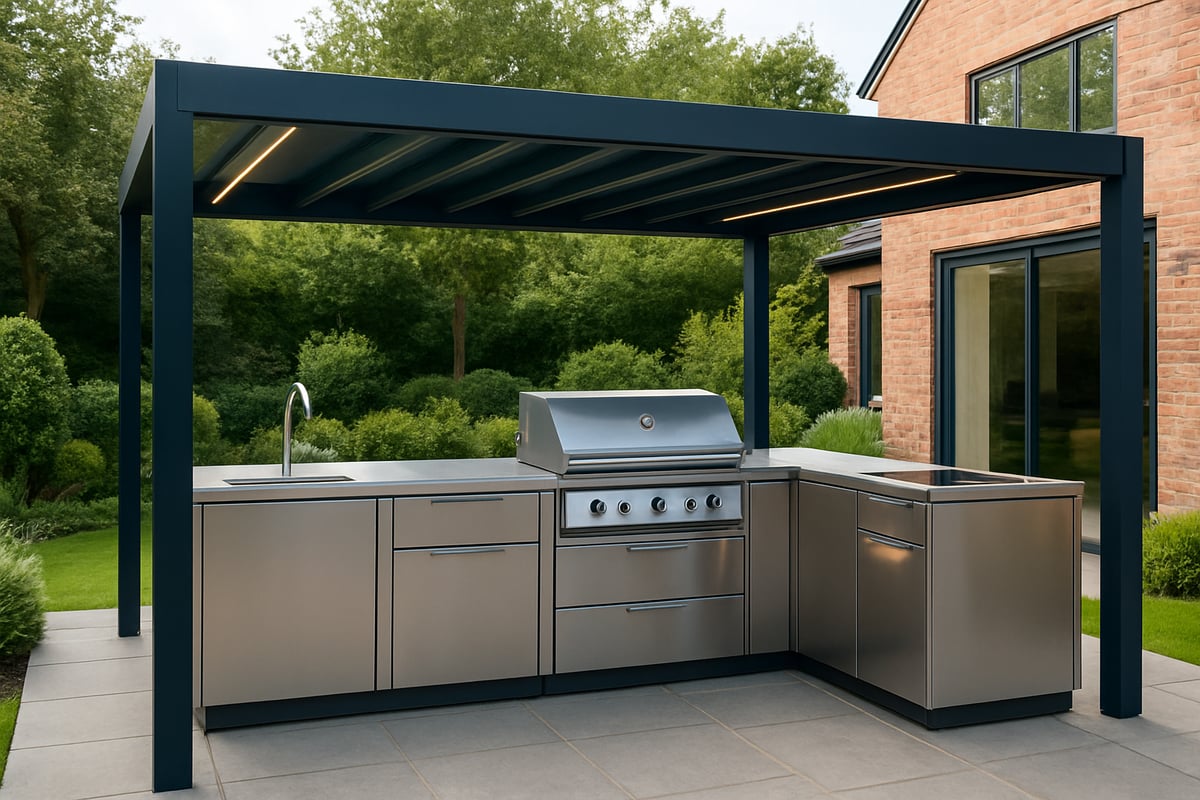
The surge in outdoor kitchen installations across the UK is unmistakable. Following the pandemic, families and designers increasingly prioritise the desire to design kitchen outdoor areas that serve as true extensions of the home.
Today’s outdoor kitchens are more than a barbecue and a table. There is a growing demand for integrating indoor comforts outdoors, including heating systems, layered lighting, and entertainment zones. Modular and adaptable setups are becoming the norm, making it possible to fit a design kitchen outdoor concept into spaces both large and small.
Multi-seasonal use is in high demand, with weatherproofing and shelter solutions like pergolas and retractable canopies. IKEA’s modular GRILLSKÄR and BÅTSKÄR series, for example, are designed to adapt to various garden sizes, showing how flexibility is taking centre stage. The seamless flow between the indoor and outdoor environments is a key design goal, alongside the integration of smart technology and app-controlled appliances.
When planning to design kitchen outdoor areas for 2026, specific considerations must be addressed. Space constraints often top the list, especially for compact gardens or urban patios. Maximising function in limited square footage requires creative thinking and modular layouts that can evolve over time.
Flexibility is crucial. Modular installations let homeowners adapt their kitchen as their needs change, whether that means expanding for larger gatherings or reconfiguring for privacy. Environmental factors like sun, wind, and rain all influence placement and choice of shelter, while privacy and noise control also play important roles.
Accessibility to the main house is essential for convenience. According to UK outdoor kitchen market growth statistics, the market is projected to grow by over 5% annually, highlighting the increasing importance of these features in modern garden design. Each of these factors supports a practical, lasting approach to design kitchen outdoor spaces that are both beautiful and efficient.
To ensure your design kitchen outdoor investment stands the test of time, future-proofing must be a top priority. Start by choosing adaptable units and appliances that can be reconfigured or upgraded as technology advances.
Plan for future tech, such as smart grills, automated lighting, and app-controlled entertainment systems. All-season usability is vital, so include covers, pergolas, and outdoor heating to extend your kitchen’s use throughout the year. Sustainability should also guide every decision, from materials to energy-efficient appliances.
For example, IKEA’s modular kitchens offer easy reconfiguration, allowing you to expand or relocate units as your needs evolve. This adaptability is key to creating a design kitchen outdoor space that will remain relevant and enjoyable for years to come.
Designing a successful outdoor kitchen starts with careful planning. To make your project a reality, follow these essential steps and ensure your design kitchen outdoor is tailored to your space, needs, and future aspirations.
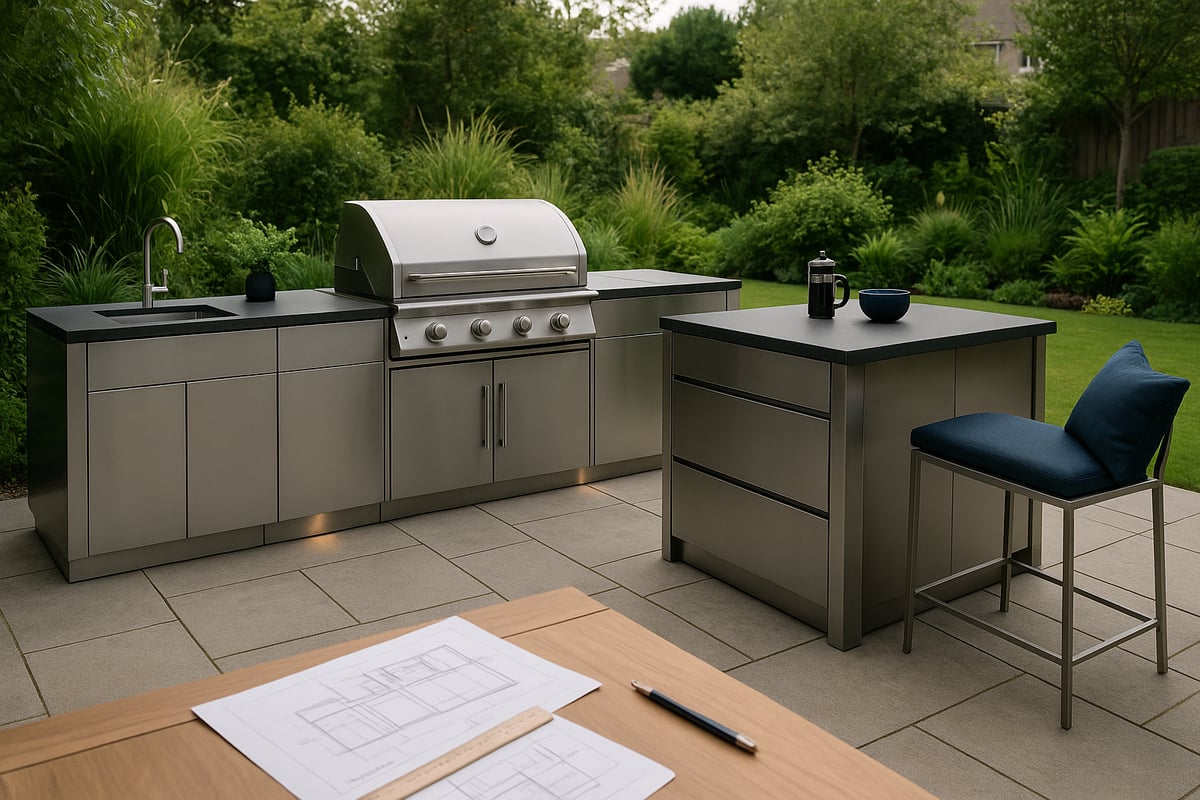
Begin by evaluating your available space. Measure the area where you plan to design kitchen outdoor, noting how sunlight, shade, and wind affect the location. Identify entry points, existing features, and the proximity to your main house.
Define the primary purpose for your outdoor kitchen. Will you use it mainly for family meals, entertaining guests, or casual evenings? Understanding how you intend to design kitchen outdoor ensures your layout and features are aligned with your lifestyle.
Consider how often you will use the space and the typical number of guests. Small patios might benefit from island units, while larger gardens support more elaborate U-shaped or L-shaped layouts. Thoughtful assessment at this stage will help you avoid costly modifications later.
Establish a clear budget before you move forward. List the essential elements required to design kitchen outdoor, including the structure, appliances, installation costs, and finishing touches.
Remember to factor in ongoing maintenance and the potential for future upgrades. A well-planned budget will help you prioritise key features and avoid overspending. It is wise to allocate an extra 10 to 20 percent as a contingency for unexpected expenses, such as utility adjustments or unforeseen site issues.
Budgeting for your design kitchen outdoor project ensures you can achieve your goals without compromising on quality or style. Regularly review your budget as your plans evolve to stay on track.
The location you select is crucial when you design kitchen outdoor. Proximity to the indoor kitchen improves convenience, especially for carrying food and supplies. Consider the direction of prevailing winds and the movement of sunlight throughout the day.
Look for natural shelter from trees, walls, or existing structures. If privacy is a concern, position your outdoor kitchen where it is screened from neighbours or use fencing and planting to create a secluded retreat.
Noise should also be evaluated. Placing your kitchen away from busy streets will enhance the enjoyment of your design kitchen outdoor. Taking time to find the ideal spot will make daily use more comfortable and practical.
Now it is time to design kitchen outdoor with a layout that supports your cooking style and social needs. Popular configurations include straight runs, L-shapes, U-shapes, and islands. Each offers unique benefits in terms of workflow and space utilisation.
Ensure your layout allows for a smooth flow between preparation, cooking, serving, and cleaning zones. Modular units are highly recommended, as they allow you to adapt or expand your kitchen as your needs change. For inspiration and flexible solutions, explore Modular Outdoor Kitchen Designs to see how modularity can future-proof your space.
A well-designed kitchen outdoor layout enhances efficiency and enjoyment. Take time to visualise how you will move between tasks and interact with guests.
Proper planning for utilities is essential when you design kitchen outdoor. Water access for sinks, drainage solutions, and hose connections should be mapped out early. Consider safe and efficient gas or electricity supplies for grills, fridges, and lighting.
Lighting is another key factor. Plan for a mix of task, ambient, and decorative lighting to ensure your kitchen is functional and welcoming at any hour. Storage should be weatherproof and accessible, with cabinetry and shelving designed to withstand the elements.
Organise your infrastructure so that it supports your daily routines and minimises maintenance. Early planning prevents costly retrofits and supports a seamless design kitchen outdoor experience.
Before starting construction, check local planning regulations. Some structures or utility connections may require permissions. Taking care of this early will prevent legal or safety issues as you design kitchen outdoor.
Prepare the site with a solid foundation. Options include decking, paving, or concrete bases, depending on your garden and kitchen size. Site preparation is crucial for long-term durability and ensures your investment stands the test of time.
Careful attention to this final step will set your project up for success and provide a strong base for your design kitchen outdoor vision.
Designing a kitchen outdoor means investing in elements that will last, perform, and look stunning for years to come. From the unpredictable British weather to evolving style trends, making the right choices now ensures your outdoor kitchen remains a centrepiece in 2026 and beyond. This section explores the materials and appliances that combine resilience with visual appeal, guiding you step by step through every consideration.
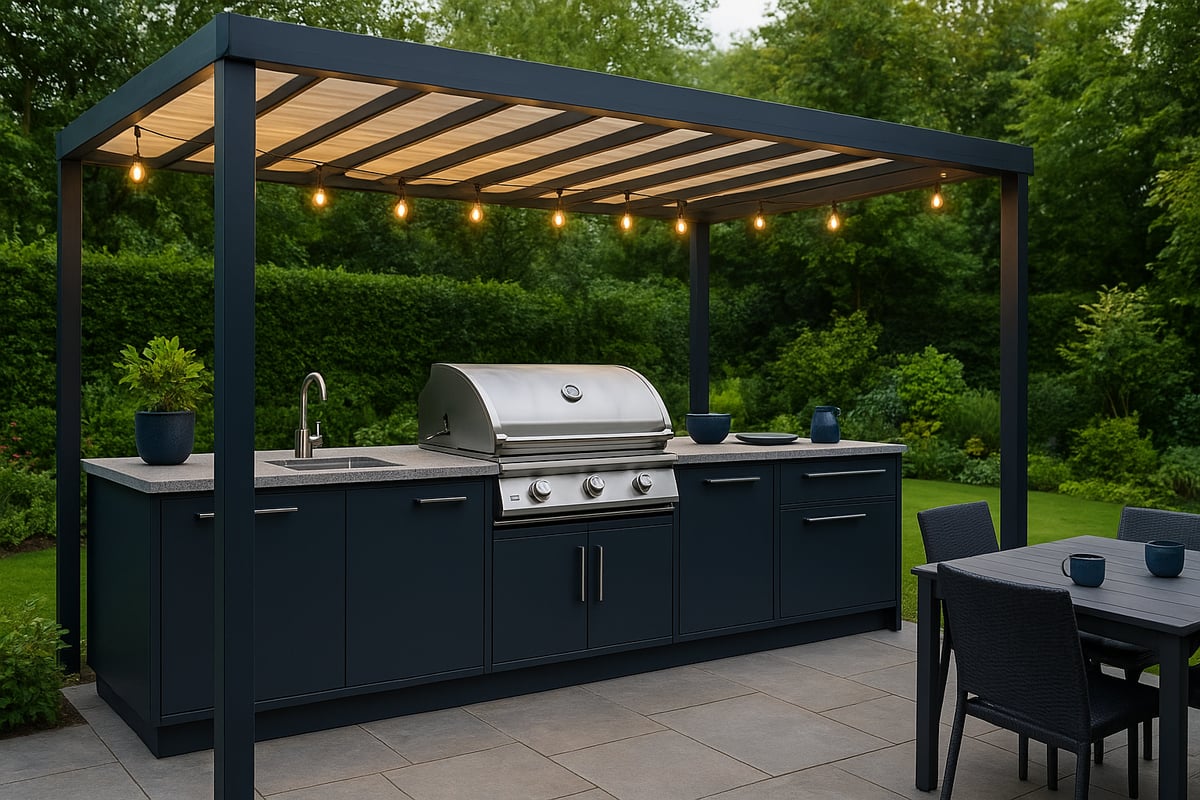
When you design kitchen outdoor spaces, weather resistance is the foundation for longevity. Stainless steel stands out for worktops and cabinetry, offering both sleek looks and exceptional resistance to rust and corrosion. Stone, porcelain, and composite surfaces bring elegance and are highly resilient against stains, scratches, and temperature changes.
For supporting structures, treated wood and powder-coated aluminium deliver both strength and style. Treated timber provides a natural, warm finish, while aluminium is lightweight, rustproof, and available in a range of colours. Regular cleaning and sealing are essential for all surfaces, ensuring your space remains pristine and inviting throughout the seasons.
The appliances you choose are pivotal to how you design kitchen outdoor experiences. BBQs remain the heart of most setups. Charcoal grills offer smoky flavour, gas models provide convenience, and hybrids deliver the best of both worlds. Pizza ovens, available in wood-fired, gas, or electric versions, add versatility for family meals or entertaining.
Outdoor fridges and sinks should be specifically rated for external use, with weather-resistant finishes and durable seals. Modular appliances allow you to upgrade or adapt your layout as your needs evolve. For a curated selection of high-performance grills and smokers designed for the British climate, explore Outdoor Grills and Barbecues.
Effective storage is vital when you design kitchen outdoor spaces, protecting utensils and ingredients from the elements. Closed units with soft-closing hinges, such as those found in the BÅTSKÄR series, keep cookware safe and organised. Open shelving offers quick access for frequently used items and can double as display for herbs or decorative pieces.
Integrated bins and recycling solutions support sustainability and convenience. Weatherproof cabinetry and robust shelving are essential, especially in exposed gardens, to prevent warping and moisture damage. Thoughtful organisation transforms your outdoor kitchen into a highly functional and enjoyable environment.
A successful design kitchen outdoor project blends seamlessly with your home and garden. Choose a colour palette that either complements natural surroundings or introduces bold accents for a contemporary feel. Monochrome schemes evoke modernity, while earth tones create a calm, inviting atmosphere.
Lighting and decor are equally important. Ambient and task lighting extend usability into the evening, while stylish rugs and cushions add comfort. Harmonising your outdoor kitchen’s materials and finishes with indoor spaces creates a unified look that elevates the entire property.
Sustainability is no longer optional when you design kitchen outdoor features for the future. Opt for recycled or low-impact materials wherever possible. Energy-efficient appliances reduce your carbon footprint and can cut long-term costs.
Consider rainwater harvesting systems for sinks and garden irrigation. Integrated composting and recycling bins encourage eco-friendly habits. By making conscious choices at every stage, you ensure your outdoor kitchen is not only beautiful but also responsible and future-ready.
Designing the perfect outdoor kitchen is not about the size of your garden, but how you use every inch. Whether you are working with a petite patio or a sprawling lawn, the way you design kitchen outdoor spaces can transform how you cook, entertain, and relax.
Careful planning and the right modular solutions make it possible to create a space that is both beautiful and practical, tailored to your unique lifestyle.
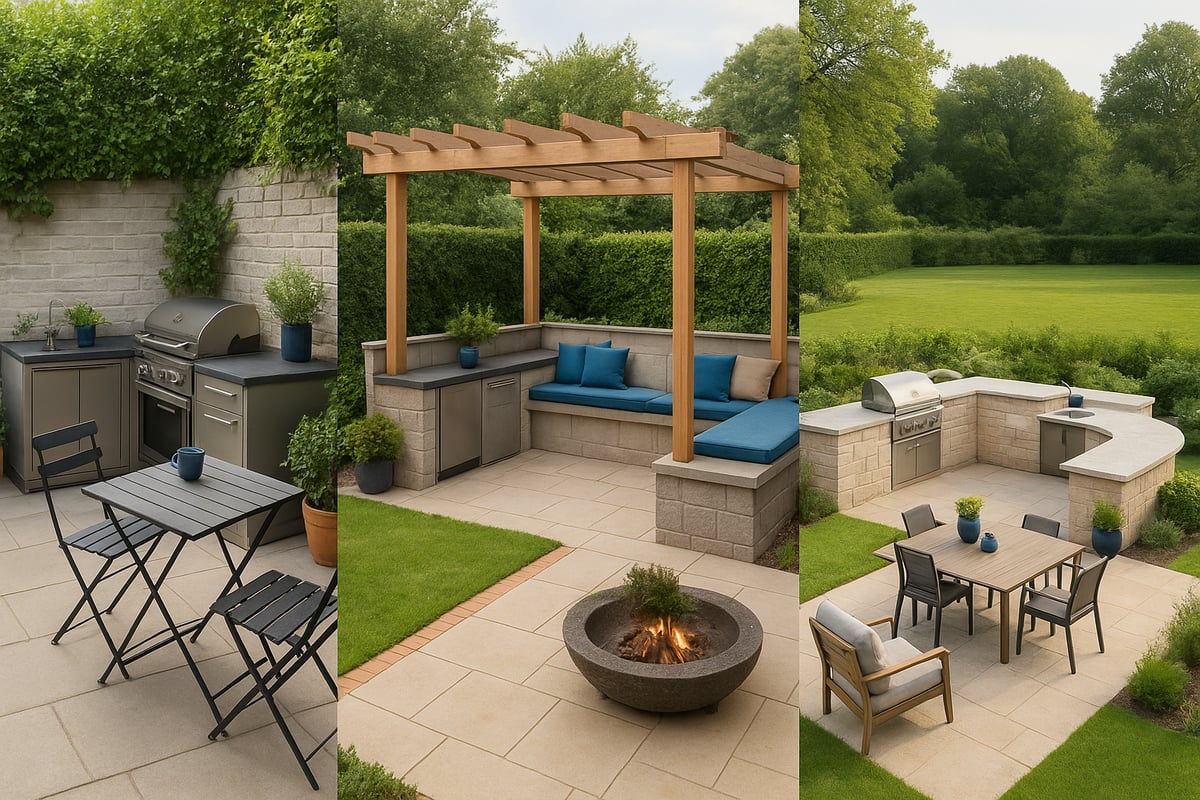
Maximising a small area when you design kitchen outdoor means thinking vertically and multi-functionally. Choose foldable side tables and stackable units to keep surfaces clear and adapt the space for different occasions. Multi-purpose furniture, such as benches with hidden storage, can double as seating and a place to keep utensils or covers.
Vertical storage, like wall-mounted shelves and hooks, uses minimal floor space but keeps essentials within reach. Mobile kitchen islands are ideal for compact patios, letting you reconfigure the area as needed or move your cooking station to catch the sun or shade.
For the smallest gardens, consider a straight-run layout with integrated appliances. This approach ensures you do not compromise on function or style, even when space is at a premium.
A medium-sized garden offers the flexibility to design kitchen outdoor layouts that balance preparation, cooking, and socialising. L-shape or island configurations are popular because they provide clear workflow zones and encourage interaction between cook and guests.
Built-in seating and dedicated dining zones can make the area feel cohesive and welcoming. Consider adding a pergola or retractable canopy for weather protection, extending the use of your outdoor kitchen throughout the seasons.
Sheltered areas are especially valuable in the UK climate. Modular units let you adapt the space for larger gatherings or intimate family meals, ensuring your kitchen remains versatile as your needs evolve.
When you have a large garden, the opportunity to design kitchen outdoor spaces expands significantly. U-shaped or multi-zone kitchens allow for dedicated prep, cooking, and serving areas, streamlining workflow and enhancing safety.
Create distinct zones for cooking, dining, and lounging to make your outdoor area feel like an extension of your home. Integrate features such as fire pits, outdoor bars, and pergolas to encourage year-round use and elevate the entertaining experience.
A well-zoned large space not only impresses guests but also provides practical benefits for day-to-day family life, making outdoor living effortless and enjoyable.
Innovative brands like IKEA have shown how modular kitchens can be adapted to suit any garden size. Their GRILLSKÄR series is designed for compact patios, offering flexibility and essential features in a condensed footprint.
For unique or challenging spaces, B&Q highlights custom-built solutions that address specific site constraints. These examples prove that when you design kitchen outdoor environments with modularity in mind, the results are both flexible and futureproof.
For further inspiration on adaptable layouts and evolving trends, see the latest in modular outdoor kitchen designs, which offer insights into flexible concrete kits and contemporary approaches for every garden.
The most successful outdoor kitchens are those that grow with you. Choose modular units to design kitchen outdoor areas that can be expanded or reconfigured as your lifestyle changes. Seasonal storage, such as weatherproof covers from the TOSTERÖ series, helps protect your investment and keeps everything ready for use.
Plan for future upgrades by selecting appliances and fixtures that are easy to swap or add. This mindset ensures your kitchen remains up-to-date and tailored to your evolving tastes and needs.
Incorporate storage solutions for covers and accessories, so your space stays organised all year round. With these strategies, your outdoor kitchen will remain functional, stylish, and a joy to use for years to come.
Transforming your outdoor cooking area into a true extension of your home is the ultimate goal when you design kitchen outdoor. The best outdoor kitchens are more than just functional, they offer comfort, style, and innovation that invite you to enjoy your garden in every season.
A well planned transition between indoors and outdoors is key when you design kitchen outdoor for modern living. Matching materials, finishes, and colour palettes creates visual continuity. Large bi fold or sliding doors dissolve boundaries, allowing easy movement and maximising natural light.
Consider echoing your interior style outside with similar worktops, cabinetry, or flooring. Outdoor rugs, cushions, and decor soften hard surfaces and add warmth. The aim is to make your outdoor kitchen feel like a natural extension of your home, blending comfort with practicality.
Weather in the UK is unpredictable, so protecting your outdoor kitchen is essential. When you design kitchen outdoor, include shelter solutions like pergolas, verandas, or retractable canopies. These structures not only shield from rain and sun but also help define the space.
For options that combine style and durability, explore Pergolas and Weather Protection, which offer flexible cover and integrated lighting. Add outdoor heaters and layered lighting to enjoy your kitchen comfortably year round, whatever the forecast.
Modern outdoor kitchens are equipped with technology designed for convenience and enjoyment. As you design kitchen outdoor, consider smart grills with app based controls for precision cooking. Install weather resistant speakers and outdoor TVs to keep guests entertained.
Wi Fi connectivity and automated lighting create an effortless atmosphere for gatherings. Integrating these features ensures your outdoor kitchen is as functional and future ready as any indoor space, supporting both relaxation and celebration.
Every garden and homeowner is unique, so tailor your space when you design kitchen outdoor. Bespoke furniture, fire tables, and water features elevate the ambience. Custom cabinetry, premium appliances, and dedicated herb gardens reflect your culinary interests.
Consider adding vertical planters or built in seating for a personal touch. Outdoor kitchens are increasingly social hubs, so focus on comfort and flexibility to make every gathering memorable.
Sustainability is at the heart of every forward thinking design kitchen outdoor project. Choose solar powered lighting, energy efficient appliances, and eco friendly decor. Opt for recycled or responsibly sourced materials for worktops and cabinetry.
For more inspiration, see these Sustainable outdoor kitchen materials, which highlight trends in low impact surfaces and off grid solutions. Combining green choices with stylish finishes ensures your kitchen is both beautiful and future proof.
Maintaining your design kitchen outdoor is essential for protecting both your investment and enjoyment. By following structured care routines and selecting the right protective measures, you can ensure your outdoor kitchen remains functional and attractive for years to come.
To keep your design kitchen outdoor in prime condition, protection from the unpredictable UK weather is paramount. Use weatherproof covers on grills, counters, and appliances to shield against rain, snow, and UV rays. Stainless steel and stone worktops require gentle but regular cleaning to prevent corrosion or staining. Ensure that your kitchen features proper drainage for sinks and surfaces, so water cannot pool and cause damage.
Taking these steps will extend the lifespan of your outdoor space and keep it looking its best.
Seasonal maintenance helps your design kitchen outdoor stand up to changing weather conditions. As winter approaches, disconnect water supplies, cover appliances, and store removable accessories indoors. In spring, deep clean all surfaces, inspect for wear, and refresh protective finishes as needed. Establish a regular schedule for checking appliances, fixtures, and structural elements to catch issues early.
This routine ensures your kitchen is always ready for use, regardless of the season.
One of the key advantages of a modular design kitchen outdoor is the ease of repairs and future upgrades. If an appliance becomes outdated or your cooking needs change, modular units allow you to swap or add new features without major disruption. For larger upgrades or professional installation, consider using services such as Outdoor Kitchen Delivery & Installation for expert support.
This flexibility means your outdoor kitchen can grow and adapt with your lifestyle.
Caring for your design kitchen outdoor can also support your sustainability goals. Choose eco-friendly cleaning products that are gentle on the environment but effective on tough stains. Set up recycling and composting systems for kitchen waste. Regular maintenance not only reduces environmental impact, it also extends the life of your materials and appliances.
Sustainable habits keep your outdoor kitchen both green and long-lasting.
Avoiding common mistakes is crucial for the longevity of your design kitchen outdoor. Neglecting to use covers leaves surfaces vulnerable to weather damage. Failing to winterise plumbing and appliances can result in costly repairs. Overlooking regular maintenance can shorten the lifespan of your investment and reduce your enjoyment of the space.
By staying proactive, you safeguard your outdoor kitchen for years of exceptional use.
As you start planning your dream outdoor kitchen for 2026, remember that the right design is just the beginning — it's the quality of your kitchen that truly transforms your space into a year round culinary haven. At The Cotswold Cooking Company, we combine Cotswold heritage with the latest innovations, helping you turn your vision into a stylish and functional reality. If you're feeling inspired and ready to elevate your outdoor entertaining, why not take the next step? Explore a curated collection of modular and bespoke kitchens designed for every garden and lifestyle. Shop Outdoor Kitchens

Leave a comment