


The Cotswolds region demands a particular approach to outdoor living design. When selecting garden furniture for Cotswold properties, discerning homeowners must balance aesthetic heritage with modern performance, choosing pieces that complement both honey-stone architecture and the contemporary outdoor kitchens increasingly defining luxury garden spaces. The right furniture doesn't simply fill a terrace; it extends your living envelope, creating year-round zones for dining, relaxation, and culinary entertaining that withstand the unique climate patterns of the Midlands region whilst respecting the character of this protected landscape.
Garden furniture cotswolds choices must respond to a distinct set of environmental and aesthetic parameters. The Cotswolds Area of Outstanding Natural Beauty carries specific landscape character guidelines that inform material selection, colour palettes, and design appropriateness for outdoor installations.
The Cotswolds experiences moderate rainfall throughout the year, with occasional heavy downpours and frost periods extending from November through March. Temperature fluctuations demand furniture materials that cope with thermal expansion, UV exposure during long summer days, and moisture penetration during wetter months. Metal frames require powder-coating protection, timber needs appropriate treatment schedules, and synthetic materials must resist brittleness in freezing conditions.
Key climate factors affecting furniture longevity:
Seasonal weather patterns particularly influence when furniture remains outdoors versus requiring winter storage. Properties with covered pergola zones or sheltered courtyards extend usability significantly, making garden furniture cotswolds installations viable for eight to ten months annually rather than seasonal-only use.
Cotswold vernacular architecture-characterised by limestone construction, mullioned windows, and steeply pitched roofs-creates a visual context that contemporary garden furniture must either complement or deliberately contrast. Successful outdoor spaces often adopt one of three design philosophies: sympathetic traditional styling using natural materials and muted tones; refined contemporary minimalism providing crisp counterpoint to period buildings; or hybrid approaches blending modern engineering with traditional forms.
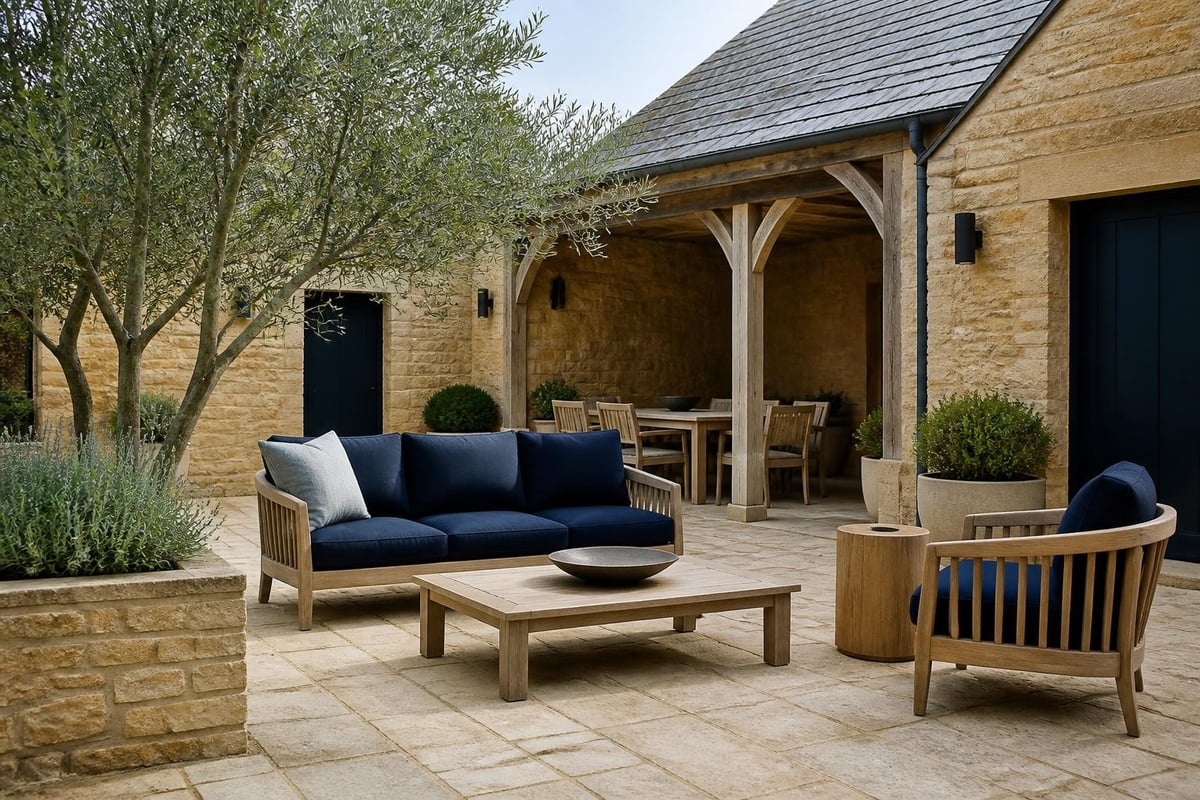
Choosing appropriate materials determines both longevity and maintenance requirements for garden furniture cotswolds installations. Each material family offers distinct performance characteristics, aesthetic qualities, and sustainability credentials requiring careful evaluation.
| Material Category | Durability (Years) | Maintenance Level | Cotswolds Suitability | Typical Price Point |
|---|---|---|---|---|
| Teak & Hardwood | 25-30+ | Medium (annual treatment) | Excellent – traditional aesthetic | £££ |
| Powder-Coated Aluminium | 15-20 | Low (occasional cleaning) | Very Good – modern lines | ££ |
| Stainless Steel | 20-25+ | Low (regular cleaning) | Excellent – contemporary zones | £££-££££ |
| Synthetic Rattan | 8-12 | Very Low (wipe clean) | Good – requires style consideration | ££ |
| Stone & Composite | 30+ | Very Low (permanent installation) | Excellent – landscape integration | £££-££££ |
| Corten Steel | 25+ | None (self-weathering) | Good – statement contemporary | £££ |
Premium hardwoods remain popular for garden furniture cotswolds projects, particularly teak, iroko, and European oak. These species offer natural weather resistance through high oil content and tight grain structure. However, achieving decades-long performance requires understanding proper maintenance regimes including annual cleaning, oiling schedules, and appropriate winter protection.
Sustainable timber procurement has become essential for environmentally conscious clients. FSC or PEFC certification ensures responsible forestry practices, whilst reclaimed timber offers characterful alternatives with proven durability and lower environmental impact.
Powder-coated aluminium and stainless steel dominate modern garden furniture specifications, particularly when integrating with outdoor kitchen installations. These materials provide clean lines, customisable colour finishes, and structural integrity that complements architectural kitchen modules.
Advantages of metal garden furniture systems:
When specifying metal furniture for integration with outdoor cooking zones, consider how dining tables, bar seating, and lounge configurations relate to kitchen work triangles and serving sequences. Brands like EO Outdoor Kitchens demonstrate how powder-coated stainless steel furniture modules can extend kitchen cabinetry into dining zones, creating cohesive material palettes throughout the outdoor space.
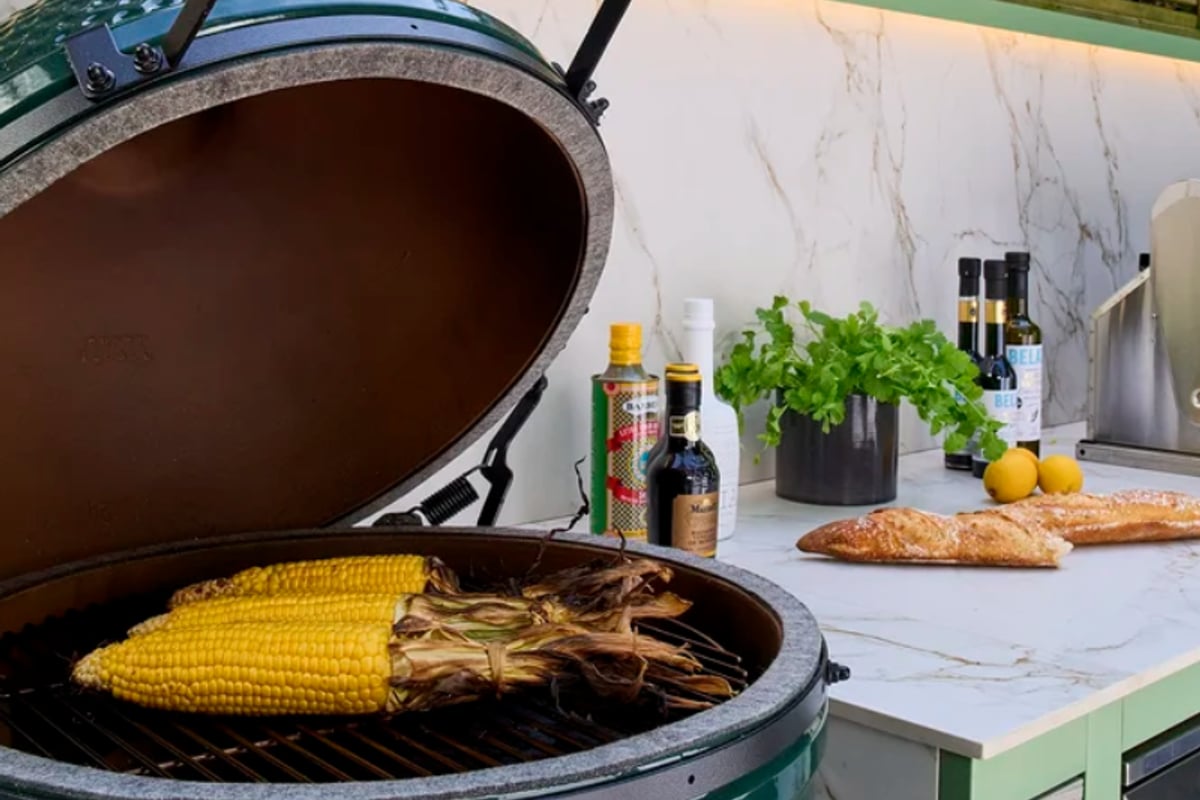
Strategic furniture placement transforms gardens into multi-functional outdoor rooms. Garden furniture cotswolds properties typically accommodate three primary zones: dining areas directly adjacent to cooking facilities, lounge spaces for relaxed entertaining, and tertiary seating pockets capturing specific views or microclimates.
Position dining furniture within 2-3 metres of outdoor kitchen serving counters to maintain comfortable service flow whilst allowing adequate circulation space. Table sizing should accommodate your typical guest count plus 20% buffer capacity-a family of four benefits from six-seat tables for entertaining flexibility.
Dining zone specifications:
The relationship between dining furniture and outdoor kitchen orientation determines entertaining success. Contemporary outdoor kitchen arrangements often position the cook facing guests, requiring L-shaped or galley kitchen layouts with dining tables perpendicular to primary work zones.
Secondary lounge zones extend dwelling time in gardens, providing comfortable retreats beyond formal dining. Deep-seated sofas, modular sectionals, and club chairs arranged in U-shaped configurations encourage conversation whilst maintaining sight lines across gardens and toward architectural focal points.
Layer lounge furniture with outdoor-appropriate coffee tables, side tables at sofa-arm height, and occasional ottomans providing flexible footrest or extra seating capacity. Weatherproof cushion storage-integrated beneath bench seating or within dedicated deck boxes-keeps soft furnishings protected during unexpected rain.
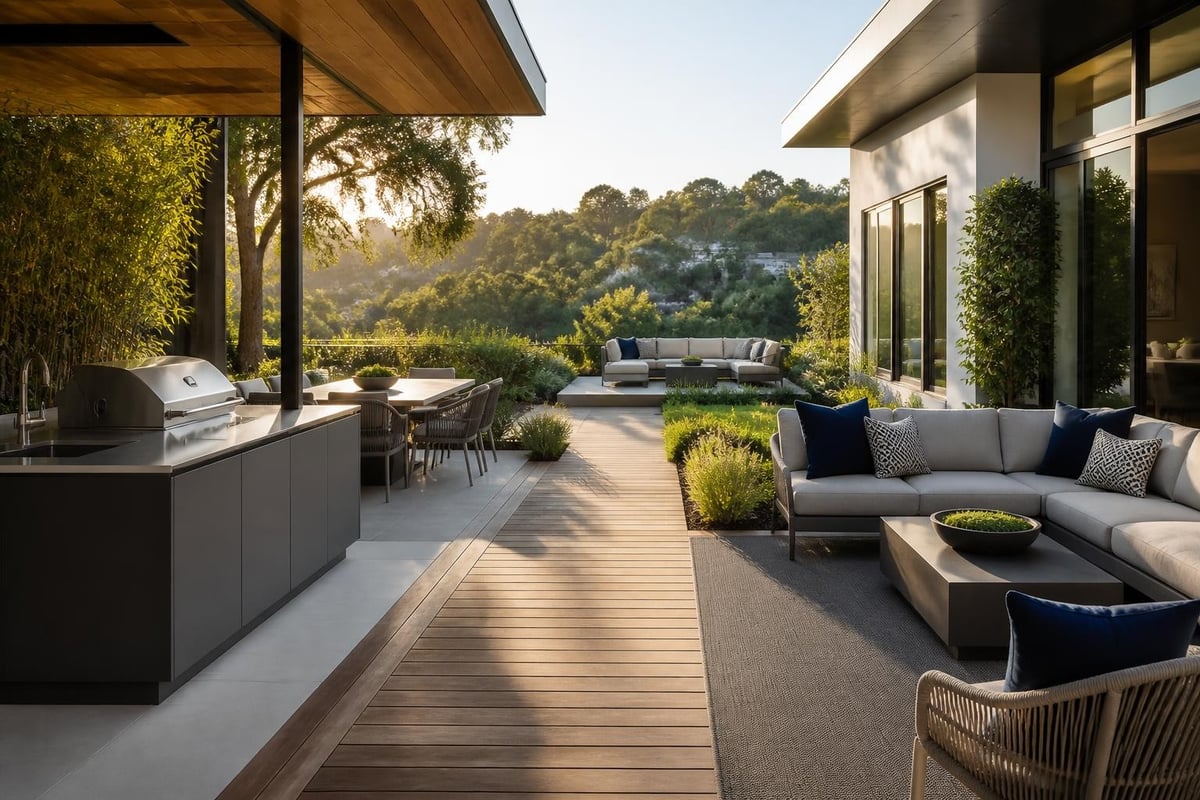
The most successful garden furniture cotswolds installations treat outdoor kitchens and surrounding furniture as unified design systems rather than separate purchases. This integrated approach ensures material consistency, proportional harmony, and functional efficiency throughout outdoor living spaces.
Specify furniture finishes that either match or deliberately contrast with kitchen cabinetry colours. Monochromatic schemes using varied textures-matte powder-coat cabinetry with brushed stainless worktops and teak dining furniture-create sophisticated depth without visual fragmentation. Alternatively, high-contrast pairings such as charcoal kitchen modules with pale stone dining tables establish clear zone definition.
Premium outdoor furniture increasingly incorporates the same performance materials found in luxury kitchens: marine-grade stainless steel, Dekton or sintered stone surfaces, and powder-coated aluminium frameworks. This material crossover enables seamless visual transitions whilst ensuring equivalent weather resistance across all elements.
Modern garden furniture cotswolds specifications often include integrated storage solutions that extend kitchen utility into dining and lounge zones. Bench seating with lift-up compartments stores cushions, outdoor dining accessories, and entertaining essentials. Side tables with weatherproof drawers keep cutlery, napkins, and serving implements close to dining areas, reducing trips to indoor kitchens.
For properties with significant outdoor cooking equipment including pizza ovens, grills, and rotisseries, consider furniture with heat-resistant surfaces positioned at safe distances whilst maintaining functional serving access. Trolley systems or mobile islands bridge kitchen and dining zones, providing flexible surface area that relocates as entertaining needs evolve.
Garden furniture cotswolds properties benefit from four-season design thinking, extending outdoor living beyond traditional summer months. Strategic furniture selection combined with architectural shelter enables entertaining from March through November, with some covered zones remaining viable throughout winter.
Architectural pergolas dramatically extend furniture usability by providing overhead protection from rain and controllable shade during summer months. Bioclimatic louvred systems offer adjustable coverage, opening fully during pleasant weather and closing during rainfall or intense sun.
When specifying furniture beneath pergola structures, consider fixed versus movable configurations. Built-in bench seating maximises space efficiency and provides permanent, weatherproof seating that requires no seasonal storage. Complement fixed elements with movable dining chairs and occasional tables offering layout flexibility for varying group sizes.
Even premium garden furniture cotswolds installations benefit from winter care protocols. Furniture covers tailored to specific piece dimensions protect surfaces during prolonged wet periods, whilst raised storage platforms prevent ground-moisture wicking into timber legs or metal frames.
Establish annual maintenance schedules aligned with seasonal transitions:
| Furniture Material | Spring Preparation | Autumn Protection | Winter Storage |
|---|---|---|---|
| Teak/Hardwood | Oil application, sand weathered areas | Final oil coat, remove cushions | Optional cover or dry storage |
| Powder-Coated Metal | Inspect coating, touch up chips | Clean thoroughly, check drainage holes | Cover or leave exposed |
| Stainless Steel | Polish surfaces, check welds | Deep clean, apply protective wax | Wipe clean, no cover needed |
| Synthetic Materials | Wash with mild detergent | Final clean, store cushions | Cover recommended |
Discerning clients increasingly evaluate garden furniture cotswolds purchases through sustainability and lifecycle value lenses. Premium furniture represents significant investment; understanding longevity, repairability, and environmental credentials informs responsible specification.
Calculate furniture value across expected lifespan rather than purchase price alone. A £3,000 teak dining set lasting 25 years costs £120 annually, whilst a £800 synthetic alternative requiring replacement every 8 years costs £100 annually with higher cumulative environmental impact through multiple manufacturing cycles.
Factors influencing long-term value:
Sustainable garden furniture selection considers raw material sourcing, manufacturing energy intensity, transport distances, and end-of-life disposal. Locally crafted timber furniture using UK-grown oak or reclaimed materials minimises transport emissions whilst supporting regional craftspeople.
Metal furniture from European manufacturers typically offers superior environmental credentials compared to far-Eastern imports, with shorter supply chains, higher recycled content, and more stringent production standards. Some premium brands now offer furniture constructed entirely from recycled aluminium or ocean-recovered plastics processed through certified circular economy programmes.
Visual cohesion between garden furniture cotswolds installations and surrounding architecture determines whether outdoor spaces feel purposefully designed or haphazardly assembled. Successful colour and texture strategies respond to building materials, landscape context, and intended atmosphere.
Cotswold limestone buildings naturally suggest neutral furniture palettes drawing from the local material spectrum: warm greys echoing weathered stone, sandy beiges reflecting fresh-cut limestone, and charcoal tones providing contemporary contrast. These restrained colours ensure furniture complements rather than competes with architectural backdrops.
Natural timber finishes offer warmth and textural interest within neutral schemes. Allow teak to weather naturally to soft silver-grey patina, or maintain golden-honey tones through regular oiling. Iroko develops rich amber hues, whilst limed oak provides pale Scandinavian aesthetics suited to contemporary garden rooms.
Alternatively, deliberately contrasting furniture colours create dynamic focal points within traditional settings. Deep charcoal or matte black metal frames provide crisp definition against honey stone walls, whilst rust-red corten steel introduces warm industrial character that ages gracefully over time.
Limit bold colours to accent pieces rather than dominant furniture elements. A statement fire pit in weathering steel, vibrant outdoor cushions in terracotta or deep olive, or a sculptural side table in powder-coated colour draw attention without overwhelming spaces.
Appropriate furniture sizing relative to garden dimensions, architectural scale, and user requirements separates sophisticated outdoor rooms from cramped or sparse arrangements. Garden furniture cotswolds properties often feature generous plot sizes permitting substantial furniture groups, yet proportion remains critical.
Large gardens accommodate-and often require-substantial furniture pieces creating presence within expansive settings. Dining tables seating 8-12 guests, deep sectional sofas spanning 4-5 metres, and oversized daybeds establish human-scaled comfort zones within otherwise overwhelming spaces.
Balance large furniture pieces with adequate circulation space. A 3-metre dining table requires minimum 5.5-metre terrace width allowing 90cm clearance each side-tighter spacing creates uncomfortable, cramped conditions regardless of garden size beyond the immediate furniture zone.
Period Cotswold properties often feature intimate courtyard gardens where compact, multi-functional furniture proves essential. Folding dining sets, nesting tables, and stackable seating maximise flexibility whilst permitting full clearance when spaces serve alternative functions.
Built-in bench seating utilising boundary walls or integrated with raised planters provides permanent seating without consuming floor area. Combine fixed benches with a central pedestal table offering dining capacity whilst maintaining visual lightness through slender table profile.
Premium garden furniture cotswolds installations distinguish themselves through considered comfort enhancements and refined detailing. These finishing touches transform functional outdoor furniture into genuinely inviting spaces rivalling indoor living rooms.
Invest in premium outdoor cushioning using quick-dry foam cores and solution-dyed acrylic covers. These fabrics resist fading, mildew, and moisture absorption whilst offering comfort equivalent to interior upholstery. Leading brands provide 5-year fade warranties on outdoor fabric collections spanning hundreds of colours and patterns.
Performance fabric specifications:
Specify cushion storage within furniture bases, dedicated deck boxes positioned nearby, or covered storage rooms for off-season protection. Even premium outdoor cushions benefit from protection during extended wet periods and winter months.
Extend furniture usability into evening hours and cooler months through integrated heating and lighting systems. Freestanding patio heaters provide flexible warmth, whilst built-in fire pits or fire tables serve as both heating source and social focal point within lounge arrangements.
Subtle lighting enhances ambiance without harsh glare. Specify low-voltage LED strip lighting beneath bench seating, integrated table lighting within dining surfaces, or sculptural floor lamps designed for outdoor exposure. Layer ambient, task, and accent lighting creating sophisticated nocturnal atmospheres comparable to interior spaces.
Garden furniture cotswolds projects often involve choices between curated ready-made collections and fully bespoke commissions. Each approach offers distinct advantages depending on project timescale, budget parameters, and customisation requirements.
Established outdoor furniture brands offer refined ready-made collections designed by leading industrial designers and proven through years of market testing. These systems provide known performance, guaranteed availability of replacement components, and showroom viewing opportunities before purchase.
Premium collections typically offer customisation within defined parameters: choice of frame colours from manufacturer palettes, fabric selection across coordinated ranges, and modular configurations assembled from standard components. This semi-custom approach balances personalisation with production efficiency and competitive pricing.
Complex sites with irregular dimensions, heritage buildings requiring sympathetic designs, or clients seeking entirely unique furniture warrant bespoke commissions from specialist outdoor furniture makers. Custom fabrication accommodates precise dimensional requirements, unusual material combinations, and design details echoing architectural features.
Budget for bespoke furniture approximately 40-60% premium over equivalent premium ready-made pieces, with 12-16 week lead times for design development, fabrication, and finishing. Establish clear design briefs including dimensional constraints, material preferences, functional requirements, and aesthetic references ensuring makers deliver furniture meeting expectations.
Creating refined outdoor living spaces in the Cotswolds requires thoughtful furniture selection that balances aesthetic heritage with contemporary performance, material quality with appropriate maintenance, and immediate beauty with decades-long durability. Whether integrating dining furniture with outdoor cooking zones, specifying lounge areas beneath architectural pergolas, or selecting sustainable materials suited to regional climate patterns, every decision shapes how successfully your garden extends your living envelope throughout the seasons. Cotswold Cooking Company brings deep expertise in designing cohesive outdoor environments where premium garden furniture, luxury outdoor kitchens, and architectural shelter combine to create year-round culinary destinations-explore how our consultative approach transforms your outdoor vision into refined reality.

Leave a comment