


A garden pergola represents far more than an architectural afterthought. For discerning homeowners seeking to elevate their outdoor living experience, this essential structure provides the foundation for creating sophisticated, all-season entertaining spaces that blend seamlessly with the natural landscape. When thoughtfully designed and expertly positioned, a garden pergola transforms an ordinary patio into a refined culinary destination, offering shelter, style, and structure that enhances both the functionality and aesthetic appeal of your property. Whether you envision intimate family dinners beneath wisteria-draped beams or grand gatherings centred around a professional-grade outdoor kitchen, the right pergola design establishes the architectural framework that makes these experiences possible throughout the British seasons.
Modern outdoor living demands more than simply placing cooking equipment on a patio. A well-conceived garden pergola creates distinct zones within your outdoor space, establishing visual boundaries that define cooking, dining, and relaxation areas without imposing physical barriers. This approach particularly suits British gardens, where the interplay between shelter and openness allows you to enjoy outdoor cooking even during unpredictable weather.
The architectural presence of a garden pergola anchors your outdoor kitchen design, providing vertical structure that draws the eye upward and creates a sense of enclosure without feeling confined. Premium materials such as powder-coated aluminium, engineered timber, or bespoke metalwork ensure longevity whilst complementing the aesthetic of period properties and contemporary builds alike.
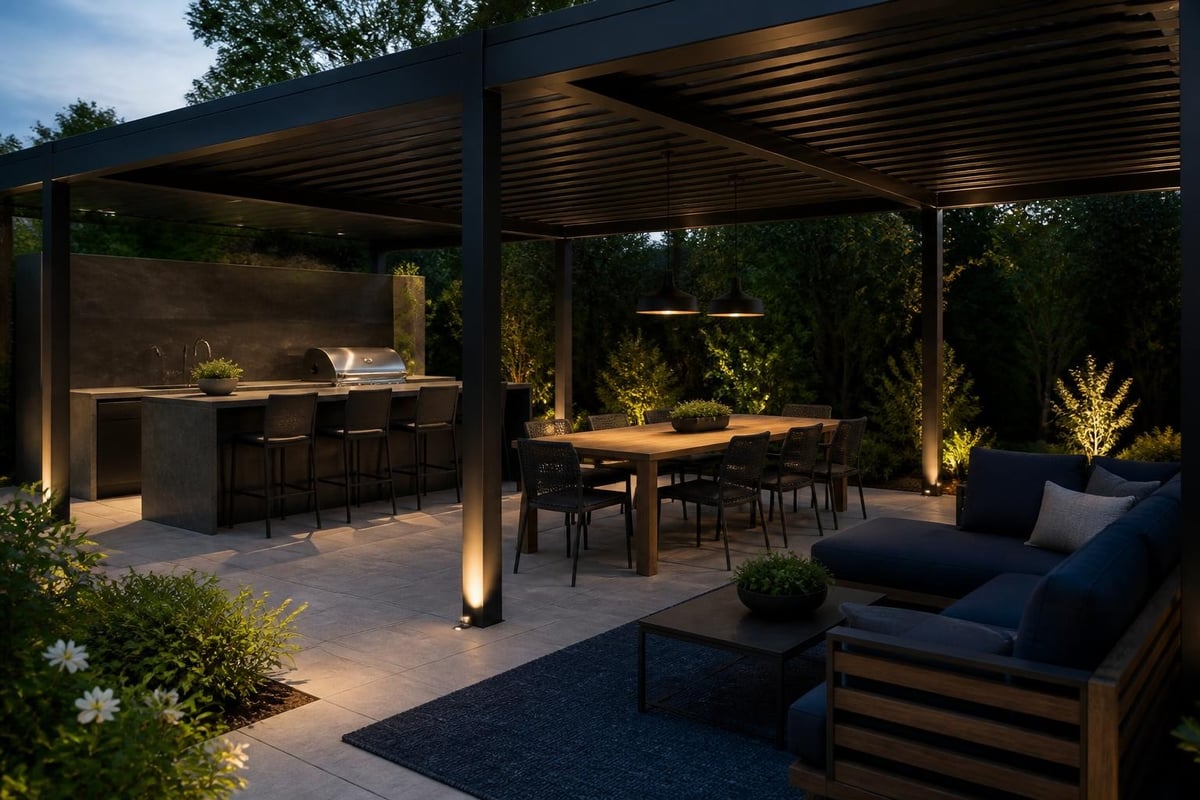
Selecting the appropriate materials for your garden pergola requires balancing aesthetic preference with practical performance. Consider these primary options:
| Material | Durability | Maintenance | Aesthetic Character | Typical Lifespan |
|---|---|---|---|---|
| Powder-coated aluminium | Exceptional | Minimal | Contemporary, clean lines | 25+ years |
| Engineered hardwood | Excellent | Moderate | Traditional warmth | 15-20 years |
| Stainless steel | Outstanding | Low | Industrial elegance | 30+ years |
| Composite materials | Very good | Minimal | Versatile styling | 20-25 years |
European manufacturers now produce bioclimatic pergola systems featuring adjustable louvred roofs that adapt to changing weather conditions. These sophisticated structures allow you to control sunlight, ventilation, and protection from rain, making year-round outdoor cooking genuinely practical rather than aspirational.
For those seeking premium architectural pergolas, bespoke European-made solutions offer unparalleled customisation, integrating seamlessly with luxury outdoor kitchens whilst maintaining the refined aesthetic essential to high-end garden design.
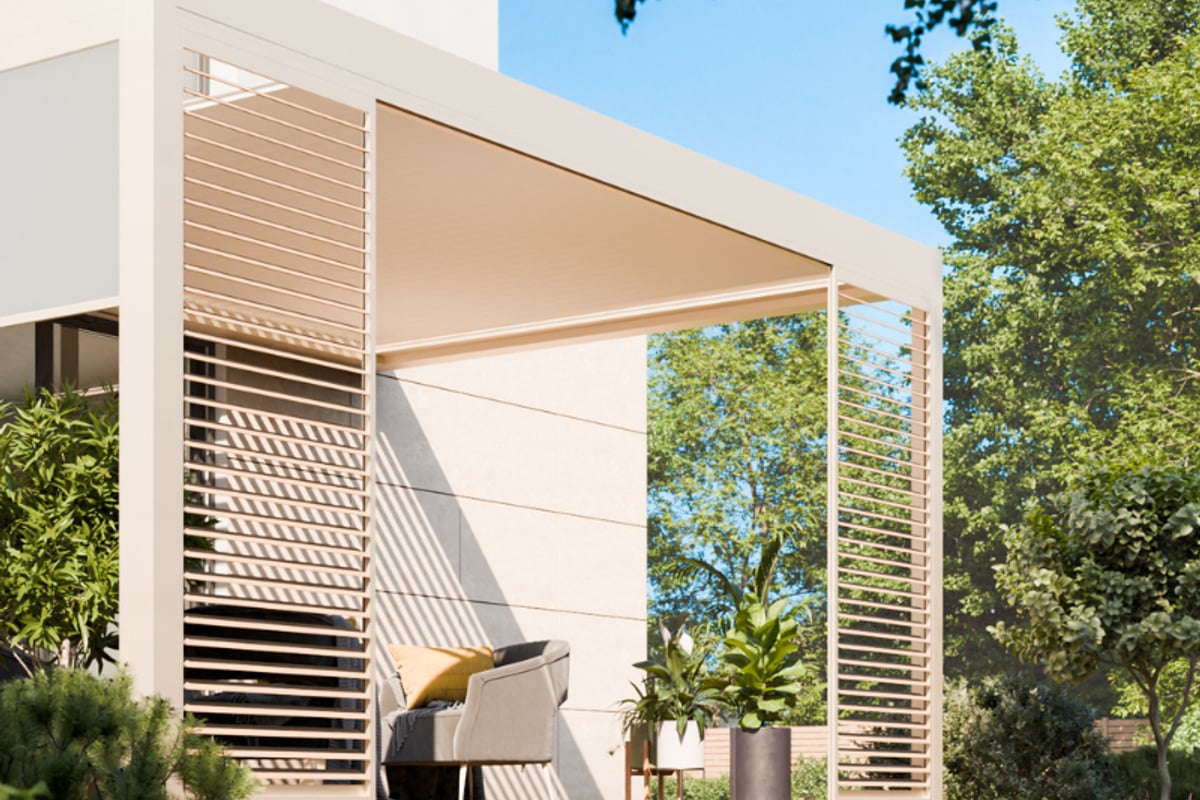
Strategic placement determines whether your garden pergola becomes a cherished focal point or an underutilised structure. Begin by assessing sunlight patterns throughout the day, noting where morning light falls for breakfast settings and where afternoon shade naturally occurs. Position your pergola to maximise these advantages, typically with the primary cooking zone facing northeast to avoid direct afternoon sun whilst preparing meals.
Consider sightlines from your main living spaces. A garden pergola should enhance views from interior rooms, creating visual continuity between indoor and outdoor environments. This connection proves particularly valuable during winter months when you observe your garden from inside, ensuring the structure contributes to your property's aesthetic appeal year-round.
When incorporating cooking facilities beneath a garden pergola, specific technical requirements demand attention:
The design process for outdoor kitchens should address these elements during initial planning stages, ensuring your garden pergola accommodates all functional requirements whilst maintaining its architectural integrity.
Contemporary garden pergola design has evolved considerably beyond traditional wooden structures. Today's sophisticated homeowners increasingly favour resort-style aesthetics that transform residential gardens into private retreats reminiscent of luxury hotels and exclusive resorts.
Clean lines, monochromatic palettes, and geometric precision characterise this approach. Powder-coated aluminium frames in charcoal, anthracite, or bronze create striking architectural statements that complement modern properties. Flat-roof designs with concealed drainage systems maintain the sleek profile whilst managing rainwater effectively.
These structures work particularly well when paired with modular outdoor kitchen systems, where the pergola's linear design echoes the clean cabinetry lines and integrated appliances beneath.
For period properties or those seeking timeless appeal, garden pergolas crafted from engineered oak or treated hardwood evoke the heritage craftsmanship synonymous with the Cotswolds. Exposed beam construction, mortise-and-tenon joinery, and natural wood finishes create warmth and character that matures beautifully over time.
Climbing roses, clematis, or wisteria soften these structures, whilst maintaining the architectural framework necessary for outdoor kitchen functionality. The best climbing plants for pergolas enhance visual appeal without compromising practical performance.
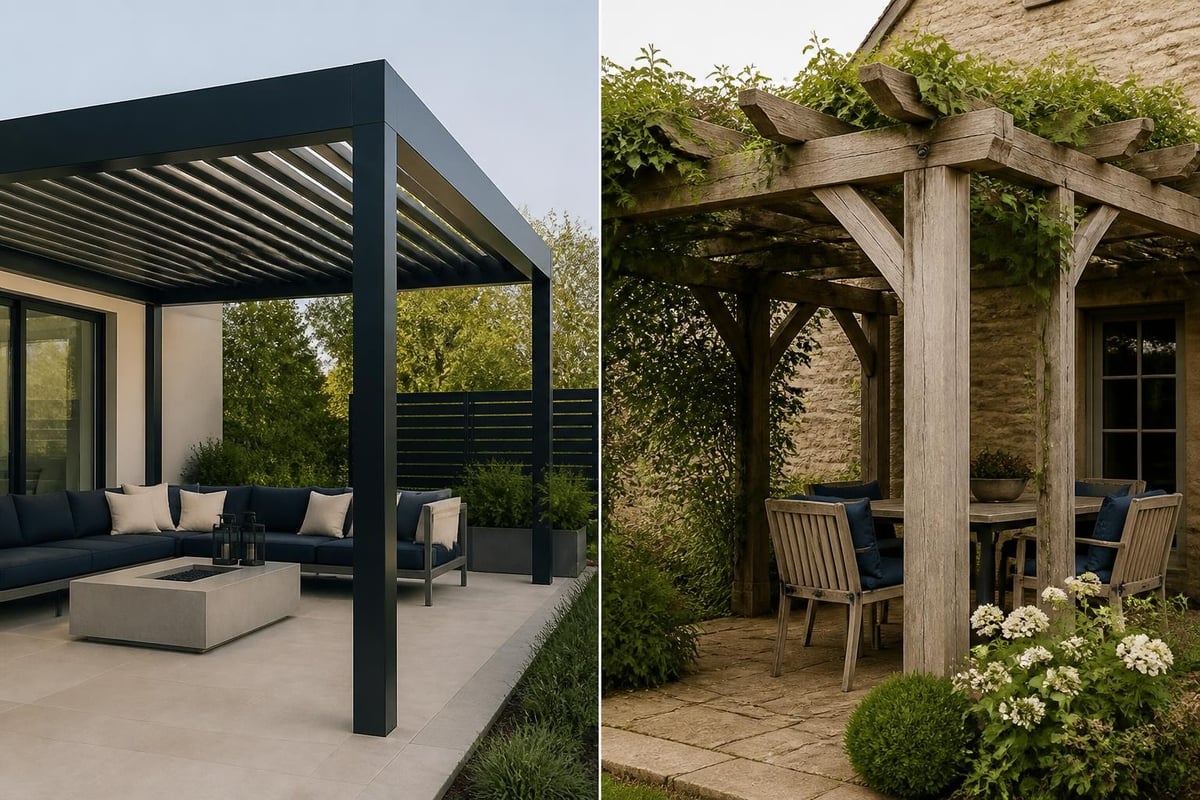
Representing the pinnacle of garden pergola innovation, bioclimatic systems incorporate rotating louvres that adjust to weather conditions. These intelligent structures provide full sun exposure when desired, partial shade during peak heat, and complete weather protection during rain. Integrated LED lighting, heating elements, and automated controls transform these pergolas into sophisticated outdoor rooms.
When combined with professional-grade cooking equipment, bioclimatic pergolas enable genuine year-round outdoor cooking lifestyles, extending the usability of your outdoor kitchen far beyond traditional summer months.
Thoughtful illumination distinguishes exceptional garden pergolas from merely functional structures. Layered lighting design creates ambience whilst ensuring adequate task lighting for food preparation and cooking.
Consider these lighting strategies:
Warm colour temperatures (2700K-3000K) prove most flattering for entertaining, whilst cooler temperatures (4000K) suit task lighting in cooking zones. Dimmable systems offer flexibility for different occasions and times of day.
The vertical surfaces surrounding your garden pergola present opportunities for both aesthetic enhancement and practical functionality. Rather than leaving these planes empty, consider how they might contribute to the overall design.
Living walls and climbing plants soften architectural lines whilst providing natural screening. Evergreen varieties such as star jasmine maintain year-round coverage, whilst deciduous climbers offer seasonal variation. Support systems must be planned during initial installation to avoid retrofitting complications.
Retractable screens and glass panels extend usability during inclement weather or cooler evenings. Modern track systems allow seamless operation, transforming open structures into enclosed spaces within moments. Frameless glass maintains transparency whilst providing wind protection, particularly valuable in exposed garden locations.
British gardens often require thoughtful screening solutions that balance openness with privacy. Strategic placement of solid panels, decorative screens, or planted hedges creates intimate zones without completely enclosing your garden pergola.
Prevailing wind direction should inform these decisions. A single solid wall positioned perpendicular to typical wind patterns dramatically reduces drafts, making the space comfortable during breezy conditions. This proves particularly important when designing outdoor kitchens where consistent heat control requires sheltered cooking zones.
The relationship between structural architecture and culinary equipment determines your outdoor kitchen's overall functionality and aesthetic coherence. Your garden pergola should accommodate all necessary appliances whilst maintaining visual harmony.
Premium outdoor kitchens typically incorporate:
Each element requires specific spatial allowances and technical considerations. For instance, wood-fired pizza ovens generate significant heat and require adequate ventilation clearance above, whilst built-in refrigeration demands reliable electrical supply and proper ventilation for condenser units.
The variety of outdoor kitchen ideas available today allows you to customise your setup precisely to your cooking preferences and entertaining style, with your garden pergola providing the architectural framework that unifies these individual components.
A well-designed garden pergola functions effectively across British seasons, adapting to varied weather patterns whilst maintaining comfort and usability. This requires thoughtful planning regarding heating, weather protection, and seasonal adjustments.
Infrared heating panels mounted within pergola structures provide targeted warmth without affecting food preparation temperatures. These efficient systems activate quickly and focus heat on people rather than attempting to warm the entire space. Combined with enclosed sides and overhead protection, heated pergolas extend outdoor cooking seasons well into autumn and winter months.
During warmer months, your garden pergola should facilitate airflow whilst providing shade. Adjustable louvres offer precise control, whilst fixed structures benefit from strategically positioned fans that promote circulation without creating uncomfortable drafts in cooking zones.
Consider seasonal furniture arrangements that maximise summer entertaining capacity whilst contracting to more intimate configurations during cooler months. This flexibility ensures your outdoor space remains inviting regardless of season or occasion.
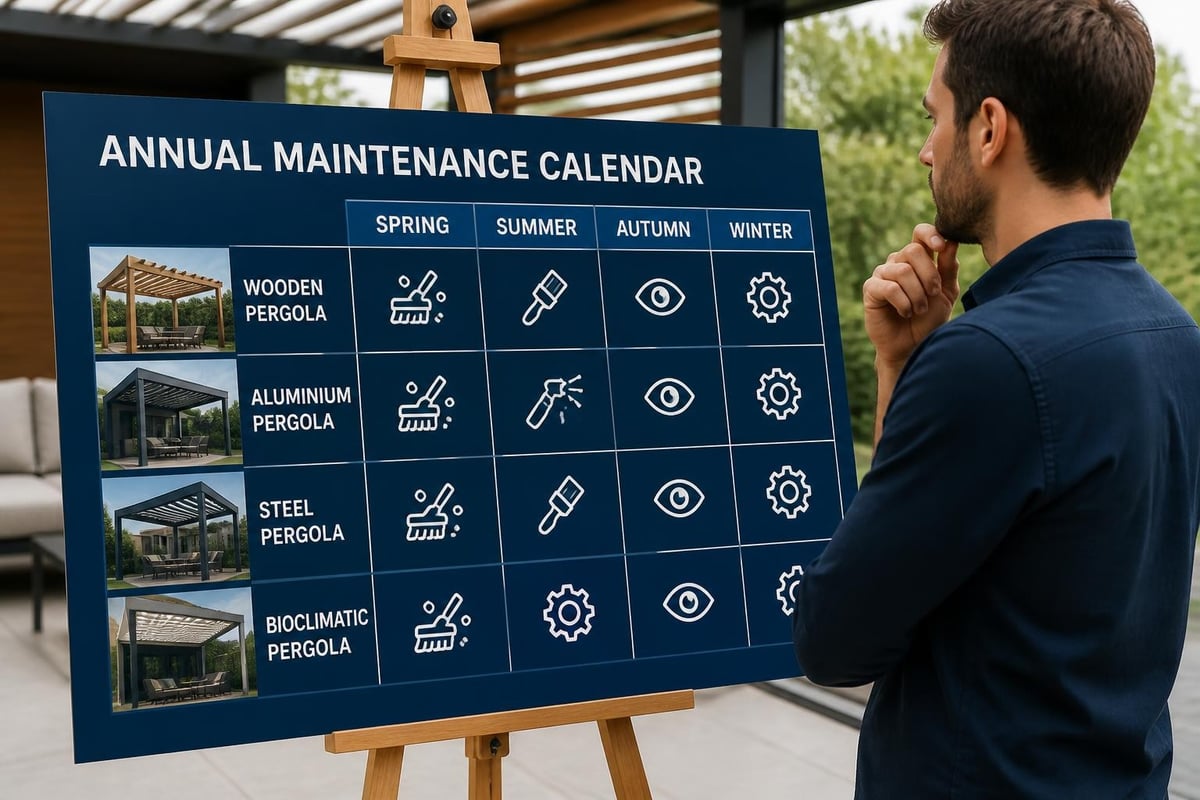
Investment in a quality garden pergola deserves protection through appropriate maintenance routines. Requirements vary considerably based on materials and environmental exposure.
| Maintenance Task | Aluminium Pergolas | Timber Pergolas | Bioclimatic Systems |
|---|---|---|---|
| Annual cleaning | Mild detergent wash | Clean and treat | Professional service |
| Structural inspection | Every 2-3 years | Annually | Annually |
| Finish restoration | Minimal | Every 2-3 years | Component-specific |
| Mechanical servicing | N/A | N/A | Annually |
| Plant management | As needed | As needed | As needed |
Establishing maintenance schedules from installation ensures your garden pergola maintains its appearance and structural integrity throughout its lifespan. Many premium manufacturers offer maintenance packages that provide professional servicing, particularly valuable for complex bioclimatic systems with electronic components.
Most garden pergolas fall within permitted development rights, avoiding formal planning applications. However, specific circumstances require careful consideration:
Size limitations: Structures typically must not exceed certain height thresholds or ground coverage percentages. Local authority requirements vary, making preliminary consultation advisable.
Listed buildings and conservation areas: Properties with protected status face stricter controls. Sympathetic design that respects historical character proves essential, with formal consent often required regardless of structure size.
Boundary proximity: Regulations govern how close structures may sit to property boundaries. Premium garden pergola designs should incorporate these constraints from initial conceptual stages.
Building regulations may apply when incorporating electrical installations, plumbing, or permanent heating systems. Working with experienced outdoor kitchen specialists ensures compliance whilst achieving your design vision.
A professionally designed and expertly installed garden pergola represents significant property enhancement, both in terms of lifestyle quality and potential resale value. British homeowners increasingly prioritise outdoor living capabilities, with well-executed projects delivering measurable returns.
Quality varies enormously across price points:
When evaluating investment levels, consider longevity, maintenance requirements, and functional capabilities rather than initial cost alone. A premium garden pergola that performs flawlessly for decades whilst requiring minimal maintenance often proves more economical than cheaper alternatives requiring frequent repairs or replacement.
Your garden pergola should not exist in isolation but rather form part of a cohesive landscape design strategy. Consider how it relates to existing garden features, pathways, planted areas, and architectural elements of your property.
Visual corridors created by pergola placement guide movement through garden spaces, encouraging exploration whilst maintaining clear circulation routes. Aligning the structure with significant views or focal points establishes intentional sightlines that enhance spatial experience.
Material continuity between pergola construction, paving selections, and architectural details creates harmonious relationships. Matching stone coping on walls to paving materials beneath your garden pergola, for instance, establishes visual connections that feel considered rather than coincidental.
The diverse pergola design inspiration available demonstrates how these structures adapt to varied garden styles, from formal symmetrical layouts to naturalistic cottage gardens.
Whilst DIY approaches might suit basic structures, luxury garden pergolas benefit immensely from professional expertise. Experienced designers consider factors that escape amateur attempts, including structural engineering requirements, material specifications suitable for local climate conditions, and integration opportunities with existing architecture.
Professional installation ensures critical details receive proper attention:
The consultative approach offered by specialists transforms conceptual ideas into refined realities, incorporating your aesthetic preferences whilst addressing practical requirements you might not initially consider. This collaborative process typically produces superior outcomes that justify the additional investment through enhanced functionality, longevity, and visual impact.
A thoughtfully designed garden pergola elevates outdoor living from occasional activity to integral lifestyle component, providing the architectural foundation for sophisticated entertaining and culinary excellence throughout the year. Whether you envision contemporary minimalism or traditional Cotswold charm, expert guidance ensures your outdoor space achieves its full potential. Cotswold Cooking Company specialises in creating bespoke outdoor living solutions that blend heritage craftsmanship with cutting-edge performance, offering comprehensive design consultancy from initial concept through installation and beyond.

Comments
Leave a comment