


Transforming your garden into a sophisticated culinary destination requires thoughtful planning and an understanding of how form meets function. Whether you're designing a compact grilling station or a comprehensive outdoor cooking environment, the principles of successful outdoor bbq design remain consistent: seamless integration with your home's architecture, consideration of practical workflow, and selection of materials that withstand British weather whilst maintaining visual appeal. This guide explores the essential elements that elevate a simple barbecue area into a refined entertaining space worthy of the most discerning homeowners.
Creating a functional and beautiful outdoor cooking space begins with understanding your specific requirements and how the area will be used throughout the seasons. Unlike indoor kitchens where parameters are relatively fixed, outdoor bbq design demands consideration of exposure to elements, spatial flow, and the relationship between cooking and entertaining zones.
The first decision involves determining the primary purpose of your space. Will this be a dedicated grilling station for weekend gatherings, or a comprehensive outdoor kitchen capable of year-round use? This distinction fundamentally shapes every subsequent design choice, from the scale of your installation to the sophistication of materials and integrated features.
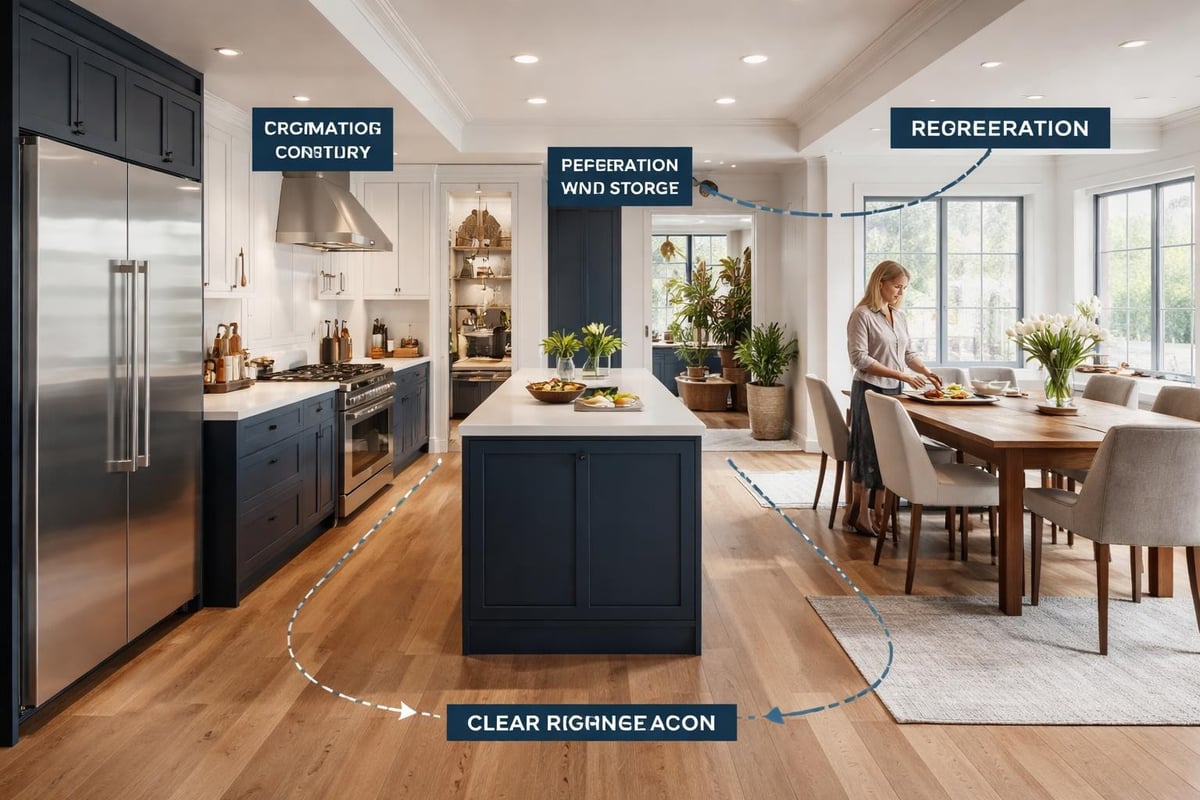
Proximity to the main house proves crucial for both convenience and aesthetic cohesion. Ideally, your outdoor bbq design should connect naturally with your kitchen or main entertaining areas, reducing the distance for carrying ingredients, utensils, and finished dishes. However, this must be balanced against practical considerations such as smoke direction and the need for adequate ventilation away from windows and seating areas.
Consider these spatial requirements when planning your layout:
The relationship between sun exposure and your cooking area deserves careful thought. Morning sun might be delightful for breakfast preparation, whilst afternoon shade proves essential for comfortable summer grilling. Built-in outdoor grill ideas often incorporate pergolas or architectural canopies that provide adjustable protection whilst enhancing the visual appeal of the space.
Your outdoor bbq design should echo the architectural language of your home and existing garden features. A contemporary property with clean lines and minimalist detailing calls for sleek, integrated cooking stations, whilst a traditional Cotswold stone residence might benefit from natural stone cladding and timber accents that reference local building heritage.
| Design Style | Key Characteristics | Suitable Materials | Best For |
|---|---|---|---|
| Contemporary Minimalist | Clean lines, handleless cabinetry, monochromatic palette | Stainless steel, composite stone, powder-coated aluminium | Modern properties, urban gardens |
| Classic Heritage | Natural textures, traditional detailing, warm tones | Cotswold stone, reclaimed brick, solid timber | Period properties, rural settings |
| Mediterranean Rustic | Textured finishes, terracotta accents, curved elements | Rendered surfaces, natural stone, ceramic tiles | Courtyard gardens, south-facing terraces |
| Industrial Modern | Exposed materials, mixed metals, bold proportions | Corten steel, concrete, blackened steel | Converted properties, contemporary builds |
The most successful outdoor bbq design schemes achieve visual continuity through repeated materials, complementary colours, or shared architectural details. If your home features exposed timber beams, consider echoing this in your pergola structure. Stone mullions might inspire the choice of natural stone cladding for your cooking island.
Beyond the barbecue itself, a well-designed outdoor cooking space incorporates multiple functional elements that work together to create an efficient and enjoyable cooking environment. The specific combination depends on your culinary ambitions and entertaining style.
Built-in grills form the centrepiece of most outdoor bbq design schemes, offering superior performance compared to freestanding alternatives. High-quality built-in units provide precise temperature control, multiple cooking zones, and integrated features such as rotisseries and infrared burners. When selecting your primary grill, consider fuel type carefully. Gas offers convenience and consistent heat, whilst charcoal delivers traditional flavour. Hybrid options provide versatility for different cooking styles.
Expanding beyond traditional grilling opens exciting culinary possibilities. Many homeowners now incorporate complementary cooking methods into their outdoor spaces:
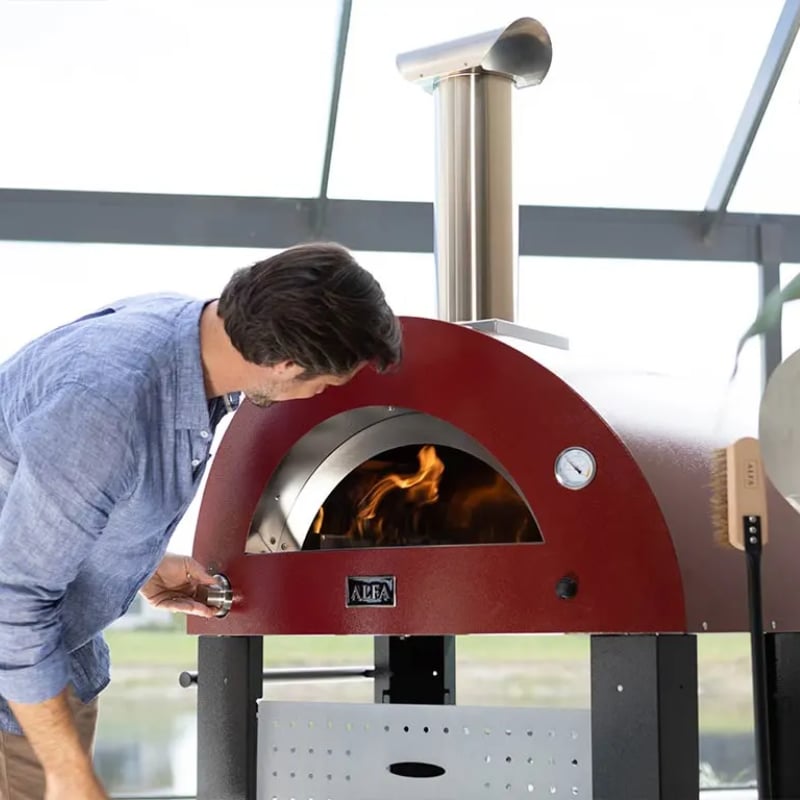
The Alfa Forni Moderno Hybrid Pizza Oven exemplifies how modern outdoor cooking equipment can combine traditional craftsmanship with contemporary convenience. Handmade in Italy, this stunning piece reaches 500°C in around thirty minutes and offers the flexibility of both wood and gas firing, making it an ideal companion to a comprehensive grilling station.
Professional outdoor bbq design extends well beyond the cooking equipment to encompass the full workflow of outdoor culinary preparation. Adequate counter space proves absolutely essential, with designers typically recommending a minimum of 1500mm of continuous work surface for comfortable food preparation.
Refrigeration transforms occasional barbecuing into serious outdoor cooking. Built-in outdoor refrigerators and beverage centres maintain ingredients at safe temperatures and eliminate countless trips to the indoor kitchen. Look for units specifically rated for outdoor use, with weatherproof construction and adequate insulation to cope with temperature variations.
Sink integration might seem like a luxury, but it fundamentally changes how you use your outdoor space. A proper sink with hot and cold running water enables proper food safety practices, simplifies cleanup, and allows you to prepare vegetables, rinse utensils, and wash hands without leaving the cooking area.
Consider these storage solutions when developing your outdoor bbq design:
The British climate presents unique challenges for outdoor installations. Temperature fluctuations, persistent moisture, and freeze-thaw cycles demand materials that combine visual appeal with proven durability. Your outdoor bbq design must withstand these conditions whilst maintaining its appearance year after year.
Natural stone remains the premium choice for outdoor countertops, offering unmatched beauty and exceptional durability. Granite provides excellent heat resistance and requires minimal maintenance, whilst limestone and marble deliver softer, more traditional aesthetics suited to heritage properties. All natural stone should be properly sealed to resist staining and moisture penetration.
Porcelain paving has emerged as a compelling alternative, offering the look of natural stone with superior consistency and lower maintenance requirements. Large-format porcelain slabs create seamless surfaces with minimal grout lines, resisting staining, scratching, and heat damage whilst remaining impervious to freeze-thaw cycles.
For a more contemporary aesthetic, polished concrete and composite materials provide flexibility in colour and finish whilst delivering robust performance. These engineered surfaces can be customised to complement your home's palette and integrate seamlessly with modern architectural styles.
The framework of your outdoor bbq design determines both its longevity and maintenance requirements. Stainless steel remains the professional standard, offering complete corrosion resistance and a sleek, modern appearance. Opt for 304-grade stainless steel as a minimum, with 316-grade (marine grade) providing superior protection in coastal locations.
Powder-coated aluminium delivers excellent weather resistance at a lower price point, with the coating providing both colour options and protection against oxidation. Quality powder coating should be applied over properly prepared surfaces to ensure adhesion and prevent delamination.
Traditional materials such as brick and stone create permanent structures with considerable visual presence. When incorporating masonry into your outdoor bbq design, ensure proper foundations, adequate drainage, and weatherproofing to prevent moisture damage and frost heaving.
| Material | Advantages | Considerations | Typical Lifespan |
|---|---|---|---|
| 304 Stainless Steel | Corrosion resistant, modern aesthetic, low maintenance | Premium cost, shows fingerprints | 20-30+ years |
| Powder-Coated Aluminium | Lightweight, colour options, good weather resistance | Can chip or scratch, quality varies | 15-25 years |
| Natural Stone | Timeless beauty, exceptional durability, heat resistant | Requires sealing, weight considerations | 30-50+ years |
| Porcelain | Stain resistant, consistent appearance, low maintenance | Professional installation required | 25-40 years |
| Marine Plywood (sealed) | Cost effective, versatile, can be clad | Requires proper weatherproofing | 10-15 years |
Successful outdoor bbq design extends usability well beyond daylight hours through thoughtful illumination and comprehensive utility provision. These technical considerations require early planning to ensure proper installation and optimal functionality.
Task lighting proves essential for safe food preparation and cooking after sunset. Position LED strip lighting beneath wall-mounted cabinets to illuminate work surfaces without creating harsh shadows. Adjustable spotlights above the primary grill enable precise monitoring of cooking progress and accurate assessment of food doneness.
Ambient lighting transforms your outdoor cooking area into an inviting evening destination. Consider these layered lighting approaches:
All outdoor lighting should carry appropriate IP ratings (minimum IP65 for exposed locations) and connect to RCD-protected circuits for safety. Expert tips on styling a BBQ area emphasise how proper lighting extends both the functionality and atmosphere of your outdoor space.
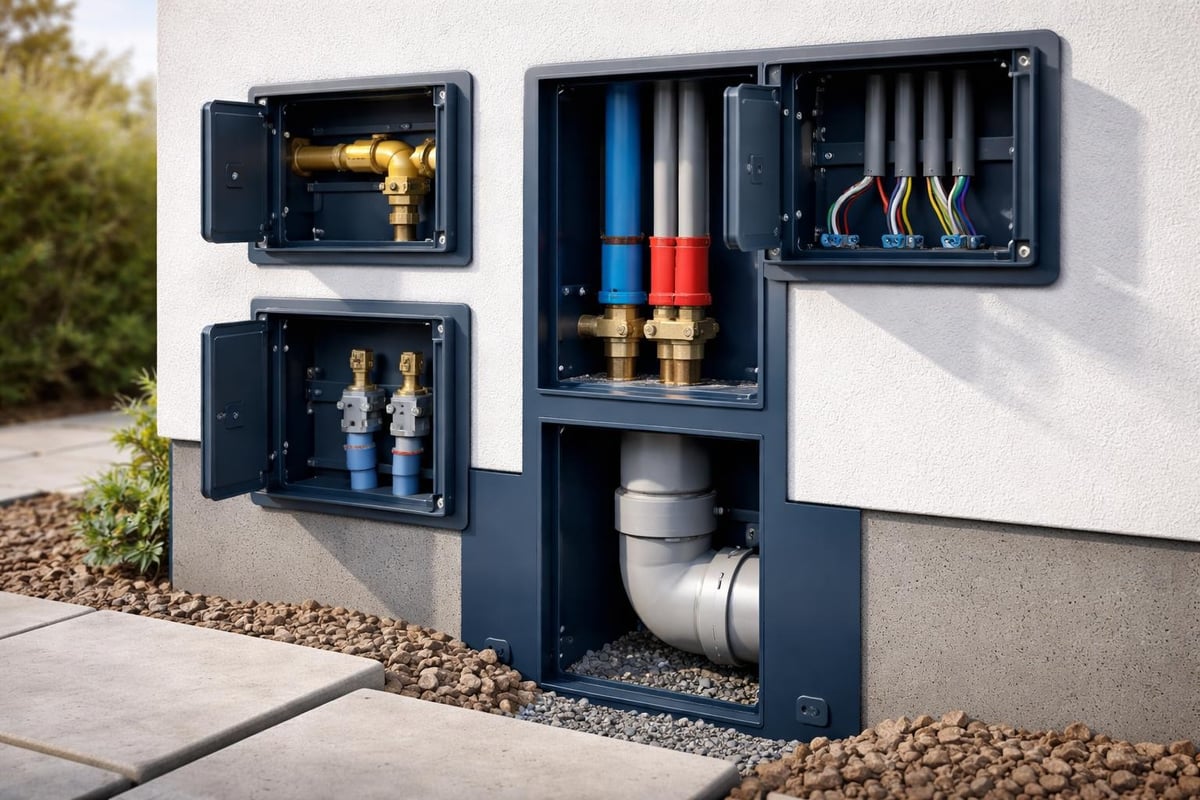
Gas supply for built-in grills and other appliances should be installed by qualified professionals in accordance with current regulations. Natural gas connections provide unlimited fuel supply and eliminate the need for bottle storage, whilst LPG offers flexibility for locations without mains gas access.
Electrical provision must meet stringent safety standards for outdoor use. Plan for adequate circuits to support lighting, refrigeration, electrical grills, and convenience outlets for small appliances. All installations require weatherproof fittings, appropriate circuit protection, and compliance with current electrical regulations.
Water supply and drainage complete the infrastructure requirements for a fully functional outdoor kitchen. Both supply and waste pipes should be installed below frost depth with proper insulation in exposed sections. Consider installing an outdoor tap with built-in vacuum breaker to prevent backflow contamination.
The most sophisticated outdoor bbq design schemes recognise that cooking represents just one element within a broader outdoor living environment. Successful spaces create natural flow between preparation, cooking, dining, and relaxation zones whilst maintaining visual and functional coherence.
The cooking zone requires clear definition and adequate space for the chef to work comfortably without interference from guests. L-shaped or U-shaped configurations place the grill as the focal point whilst providing ample counter space and storage within easy reach. This layout naturally creates a subtle barrier that keeps curious guests at a respectful distance whilst still enabling conversation.
Dining areas should be positioned close enough to the cooking zone for convenient service yet sufficiently separated to avoid smoke and cooking heat. A transitional bar or counter seating creates an intermediate zone where guests can interact with the chef whilst enjoying pre-dinner drinks and canapés.
Lounge seating completes the outdoor living environment, providing comfortable space for aperitifs before dining or coffee afterwards. Position these areas to enjoy garden views or evening sun whilst maintaining connection to the cooking and dining zones through careful spatial planning and sight lines.
British weather demands robust protection if you intend to use your outdoor bbq design throughout the year. Architectural pergolas with adjustable louvres or retractable canopies provide flexible shelter that adapts to changing conditions. Outdoor kitchen ideas often showcase how thoughtful overhead protection extends usability whilst enhancing visual appeal.
Heating solutions transform cool spring evenings and autumn afternoons into comfortable outdoor cooking opportunities:
Wind protection proves equally important, particularly in exposed locations. Solid walls, glazed screens, or strategic planting create sheltered microclimates that make outdoor cooking considerably more pleasant. Retractable screens offer flexibility, providing protection when needed whilst opening the space to garden views in favourable conditions.
Limited garden dimensions need not prevent the creation of a sophisticated outdoor cooking environment. Compact outdoor bbq design requires careful prioritisation and creative solutions that maximise functionality whilst maintaining aesthetic appeal.
Linear configurations make optimal use of narrow terraces or courtyard boundaries. A thoughtfully designed run of cabinetry can incorporate a built-in grill, compact refrigeration, generous prep space, and storage within a remarkably small footprint. Vertical storage solutions and fold-down work surfaces further enhance capacity without consuming precious floor area.
Corner installations transform awkward angles into highly functional cooking zones. L-shaped layouts naturally create efficient work triangles whilst providing physical separation between cooking and dining areas. This configuration proves particularly effective in small courtyards where multiple boundaries meet.
For truly compact spaces, consider these strategies:
The Cubic C1 Style Outdoor Kitchen demonstrates how contemporary modular design can deliver comprehensive functionality within a compact, architecturally refined footprint, making it ideal for space-conscious luxury installations.
Whilst enthusiastic homeowners might manage certain aspects of outdoor bbq design implementation, professional expertise proves invaluable for ensuring safety, longevity, and optimal performance. The complexity of integrating utilities, ensuring weatherproofing, and achieving precise fit and finish justifies expert involvement.
Load-bearing capacity determines whether your chosen location can support the substantial weight of built-in cooking equipment, stone countertops, and cabinetry. Comprehensive installations may require dedicated foundations with proper drainage to prevent settling or movement over time.
Weatherproof construction extends well beyond selecting durable materials. Proper installation includes:
Utility connections must comply with current building regulations and safety standards. Gas work requires certification by Gas Safe registered engineers, whilst electrical installations need completion by qualified electricians with appropriate testing and certification. Water supply connections should include backflow prevention and proper drainage provision.
Planning permission requirements vary depending on the scale and nature of your outdoor bbq design. Modest installations typically fall under permitted development rights, whilst larger structures or those affecting listed buildings may require formal approval. Building regulations apply to gas, electrical, and drainage work regardless of whether planning permission is needed.
Safety considerations include adequate clearances from combustible materials, proper ventilation for gas appliances, and appropriate fire suppression equipment. Position grills at least 900mm from building walls and 600mm from overhanging structures unless specifically rated for closer installation.
Preserving the beauty and functionality of your outdoor bbq design requires appropriate seasonal maintenance adapted to the specific materials and equipment you've selected. Establishing a regular care routine prevents deterioration and ensures your investment continues delivering exceptional performance year after year.
Stainless steel surfaces require regular cleaning with appropriate products to prevent water spotting and maintain their lustrous appearance. Avoid abrasive cleaners or steel wool that can scratch the surface, instead using microfibre cloths and specialised stainless steel cleaners that remove fingerprints whilst providing protective coating.
Natural stone countertops benefit from annual resealing to maintain stain resistance and prevent moisture absorption. Clean spills promptly to prevent etching or discolouration, and avoid acidic cleaners that can damage calcium-based stones such as limestone and marble.
Built-in grills demand thorough cleaning after each use alongside periodic deep cleaning of burners, heat diffusers, and internal surfaces. Follow manufacturer guidelines for specific cleaning products and procedures to preserve warranties and ensure optimal performance.
Even year-round outdoor cooking enthusiasts should undertake specific winterisation steps to protect their installations:
For those maintaining active outdoor cooking throughout winter, ensure adequate heating and consider outdoor cooking station ideas that incorporate effective climate control solutions.
The finishing touches transform functional outdoor bbq design into truly distinctive entertaining environments that reflect your personal style and culinary preferences. Thoughtful accessorising enhances both practicality and aesthetic appeal whilst demonstrating attention to detail characteristic of luxury outdoor spaces.
Professional-grade cooking tools deserve proper storage and display. Magnetic knife strips, utensil rails, and designated drawers keep frequently used items organised and immediately accessible. Consider dedicated storage for:
Serving and presentation items merit their own storage solutions. Built-in warming drawers maintain plates at ideal serving temperature, whilst dedicated shelving accommodates platters, serving bowls, and presentation pieces sized for outdoor entertaining.
Architectural detailing elevates outdoor bbq design from functional to exceptional. Consider these refined finishing elements:
Textile elements soften hard landscaping whilst introducing colour and pattern. Outdoor-rated cushions, weather-resistant rugs, and elegant table linens create inviting dining environments that encourage lingering conversations long after the meal concludes.
The relationship between outdoor barbecue grill designs and broader garden design deserves careful consideration. Successful installations feel like natural extensions of both home and garden rather than isolated elements imposed upon the landscape.
Serious outdoor chefs increasingly specify sophisticated equipment and features that rival or exceed their indoor kitchen capabilities. These advanced elements support ambitious culinary projects and enable restaurant-quality results in garden settings.
Rotisserie systems deliver evenly cooked roasts, whole poultry, and spectacular presentations for impressive entertaining. Quality motorised rotisseries with adjustable speeds and counterbalance systems handle substantial loads whilst ensuring even rotation for perfect results.
Smoking chambers expand your repertoire beyond direct grilling to include authentic low-and-slow barbecue. Dedicated smokers with precise temperature control enable traditional American-style brisket, ribs, and pulled pork that require hours of gentle smoking at controlled temperatures.
Teppanyaki plates and plancha griddles provide versatile high-heat surfaces ideal for vegetables, seafood, and interactive cooking performances. These flat cooking surfaces complement traditional grills and enable entirely different cooking techniques and presentations.
Smart temperature monitoring systems wirelessly transmit real-time temperature data from multiple probes, enabling precise control of complex cooks without constant attendance. These systems alert you when targets are reached and track temperature history for consistent results.
Automated ignition and control systems simplify operation and ensure reliable performance. Electronic ignition eliminates the frustration of temperamental manual systems, whilst programmable controls maintain precise temperatures for techniques requiring extended cooking periods.
Integrated audio systems enhance the entertainment experience, allowing you to enjoy music whilst cooking and dining outdoors. Weather-resistant speakers integrated into pergola structures or mounted discreetly in landscaping provide quality sound without visual intrusion.
Creating a truly exceptional outdoor cooking environment requires balancing aesthetic ambition with practical functionality whilst selecting materials and equipment capable of delivering reliable performance throughout British weather patterns. The investment in thoughtful outdoor bbq design transforms gardens into year-round culinary destinations that enhance property value whilst enriching daily living and entertaining experiences. Whether you're planning a compact grilling station or a comprehensive outdoor kitchen, Cotswold Cooking Company offers expert design consultation and access to the finest outdoor cooking equipment from premier European manufacturers, helping you create a refined outdoor space perfectly tailored to your culinary ambitions and entertaining style.

Leave a comment