


The outdoor cooking landscape has transformed dramatically over recent years, evolving from simple charcoal grills to sophisticated culinary environments that rival professional indoor kitchens. Today's discerning homeowners demand outdoor cooking appliances that deliver exceptional performance whilst complementing refined architectural aesthetics. Whether you're designing a new outdoor kitchen in the Cotswolds or enhancing an existing entertaining space, understanding the breadth of available equipment and how different appliances integrate is essential to creating a truly exceptional outdoor living environment.
Outdoor cooking appliances have undergone remarkable development, driven by advances in materials science, combustion technology, and consumer expectations. Modern equipment now features precision temperature control, weather-resistant construction, and integration with smart home systems.
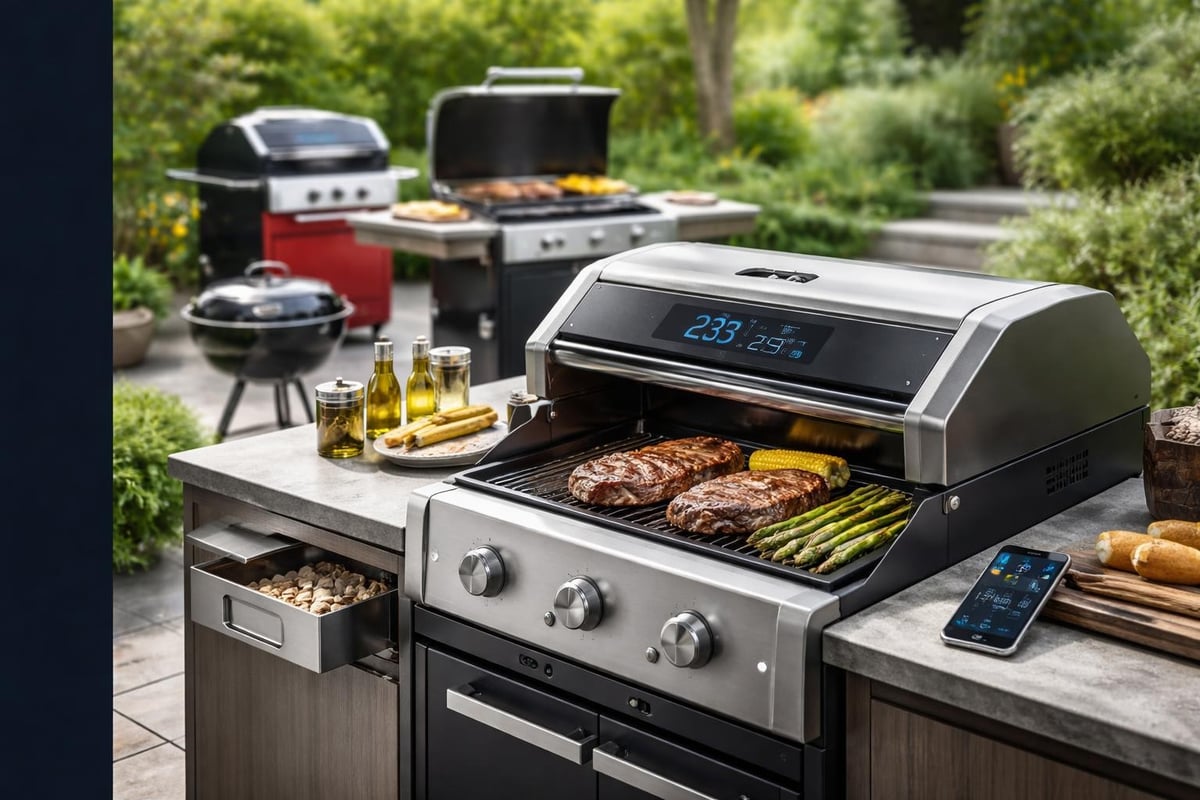
The contemporary market reflects a significant shift towards year-round usability. According to recent industry analysis, manufacturers are increasingly focusing on durability and multi-season performance, recognising that UK clients seek appliances capable of withstanding varied weather conditions whilst maintaining aesthetic appeal.
Premium outdoor cooking appliances distinguish themselves through superior material selection. Commercial-grade stainless steel, typically 304 or 316 grade, offers exceptional corrosion resistance essential for British climates. These alloys contain chromium and nickel in precise proportions, creating a passive oxide layer that protects against moisture, salt air, and temperature fluctuations.
Key material considerations include:
The quality of welding and fabrication directly impacts longevity. Hand-finished welds, common in luxury appliances, eliminate weak points where moisture might penetrate. This craftsmanship ensures equipment maintains both structural integrity and visual refinement over decades of use.
Building a comprehensive outdoor kitchen requires understanding how different appliance categories complement one another. Each element serves distinct culinary purposes whilst contributing to the overall design narrative.
Gas grills remain the cornerstone of most luxury outdoor kitchens, offering immediate heat control and consistent performance. High-end models feature multiple burner zones, infrared searing stations, and rotisserie systems that expand cooking versatility significantly.
Contemporary outdoor cooking equipment emphasises precision engineering. Premium burners utilise brass or stainless steel construction with carefully calibrated port spacing to ensure even heat distribution across the cooking surface. This attention to detail eliminates hot spots and allows confident execution of complex recipes.
| Feature | Standard Models | Premium Systems | Professional Grade |
|---|---|---|---|
| BTU Output | 30,000-40,000 | 50,000-75,000 | 75,000+ |
| Burner Material | Stainless Steel | Brass/Cast Brass | Commercial Brass |
| Temperature Range | 150-260°C | 90-370°C | 65-425°C |
| Grate Material | Porcelain Cast Iron | Stainless Rod | Heavy Cast Iron |
| Ignition System | Battery | Electronic | Hot Surface |
The BTU rating, whilst important, represents only one performance metric. Efficient burner design, grate configuration, and hood construction collectively determine cooking capability. Premium systems often produce superior results with moderate BTU outputs through superior engineering rather than brute thermal force.
Pizza ovens have emerged as statement pieces within luxury outdoor environments, combining functional excellence with architectural presence. Traditional wood-fired models deliver authentic flavour profiles, whilst hybrid systems offer remarkable flexibility for varied cooking styles.
The Alfa Forni Moderno range exemplifies this versatility beautifully. Handcrafted in Italy with meticulous attention to authentic design, these ovens reach optimal cooking temperatures around 500°C within thirty minutes, enabling genuine Neapolitan pizza preparation in approximately ninety seconds. Their hybrid capability allows seamless switching between gas convenience and wood-fired tradition.
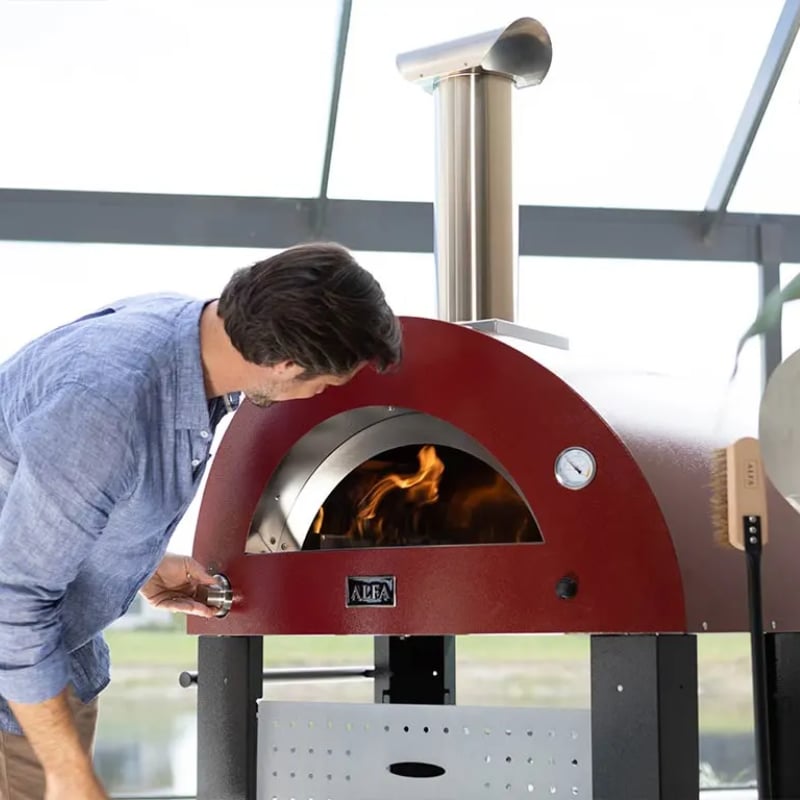
Modern pizza oven design focuses on heat retention and temperature stability. Multi-layer dome construction, combining ceramic fibre insulation with refractory materials, maintains consistent internal environments essential for proper dough development and leopard-spot charring. Exterior finishes now range from traditional terracotta to contemporary powder-coated metals, allowing integration with diverse architectural styles.
Professional outdoor kitchens demand refrigeration systems engineered specifically for exterior environments. Standard indoor refrigerators fail rapidly when exposed to temperature fluctuations, humidity, and direct sunlight that characterise outdoor installations.
Purpose-built outdoor refrigeration features:
Storage extends beyond refrigeration to encompass dry goods, utensils, and cooking accessories. Premium outdoor kitchen modules incorporate weatherproof cabinetry with marine-grade plywood construction and soft-close mechanisms that function reliably despite exposure to elements.
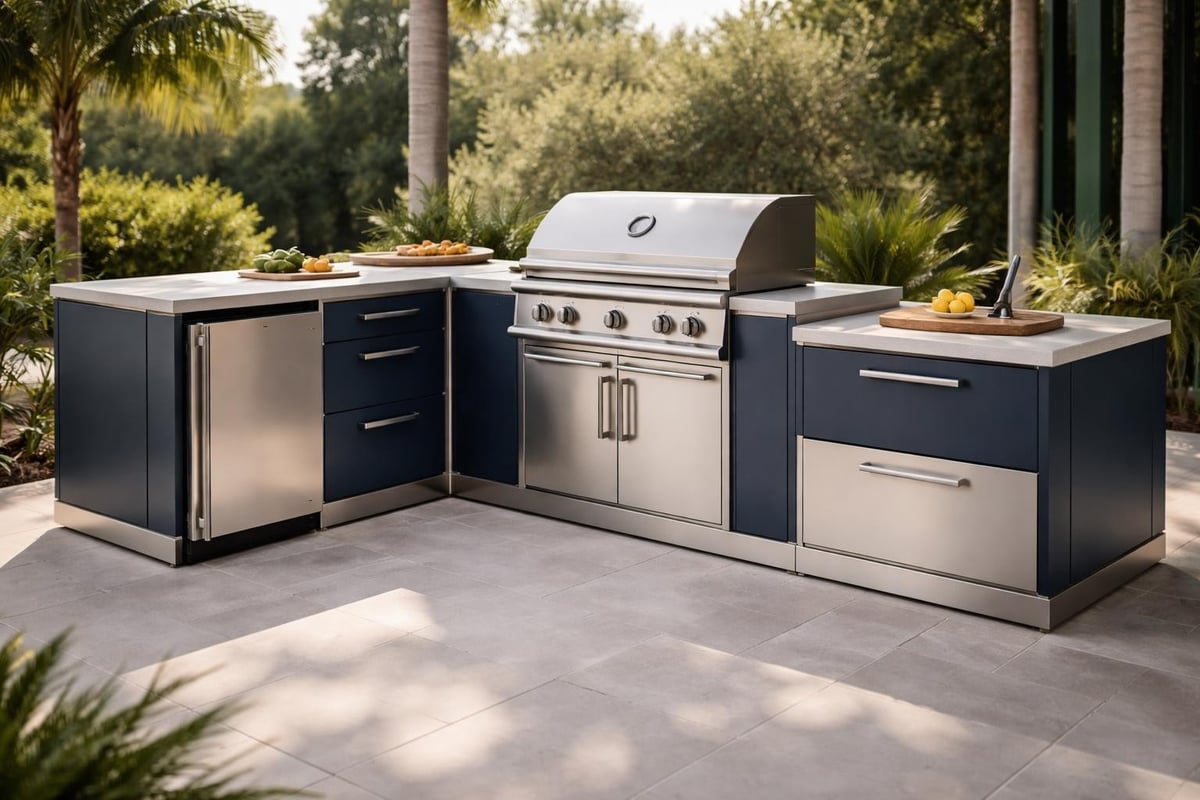
Creating cohesive outdoor cooking environments requires thoughtful appliance selection and spatial planning. The most successful installations balance culinary functionality with aesthetic harmony, ensuring equipment enhances rather than dominates the surrounding landscape.
Professional kitchen design principles apply equally to outdoor environments. The classic work triangle connecting refrigeration, preparation, and cooking zones minimises unnecessary movement whilst maintaining logical workflow patterns.
Outdoor contexts introduce additional considerations. Prevailing wind direction influences grill placement to prevent smoke interference with dining areas. Proximity to the main residence affects utility connections and guest flow patterns. Selecting appropriate outdoor kitchen appliances requires balancing these practical constraints with design aspirations.
Different outdoor cooking appliances demand specific utility requirements. Gas grills typically connect to natural gas lines or propane tanks, whilst electric smokers and induction surfaces require substantial electrical capacity. Planning infrastructure before installation prevents costly modifications later.
Essential utility considerations include:
Professional installation ensures compliance with UK building regulations whilst optimising performance. Gas connections require certification by Gas Safe registered engineers, whilst electrical work must meet current wiring regulations to ensure safety and insurance validity.
Premium equipment distinguishes itself through innovative features that enhance cooking precision, user experience, and long-term satisfaction. Understanding these refinements helps identify appliances that justify their investment through superior performance.
Modern outdoor cooking appliances increasingly incorporate connected technology, allowing remote monitoring and control through smartphone applications. These systems track internal temperatures, adjust burner output, and send alerts when food reaches desired doneness.
According to recent trends in outdoor cooking technology, integration with home automation platforms represents significant growth within the luxury segment. Voice control through virtual assistants, automated lighting coordination, and energy consumption monitoring create seamless user experiences that extend beyond mere cooking functionality.
However, technology should enhance rather than complicate. The most successful implementations maintain intuitive manual controls alongside digital features, ensuring reliable operation regardless of connectivity status or user preference.
Hybrid systems offering multiple fuel sources provide remarkable flexibility for different culinary applications. Gas delivers immediate temperature control ideal for precision cooking, whilst wood or charcoal imparts distinctive smoke flavours cherished in traditional barbecue preparation.
Premium grills and smokers often feature interchangeable fireboxes or burner systems allowing transformation between cooking modes. This versatility maximises equipment utility, particularly valuable within space-constrained outdoor kitchens where every appliance must justify its footprint.
| Cooking Method | Fuel Type | Temperature Range | Best Applications | Flavour Profile |
|---|---|---|---|---|
| Direct Grilling | Gas/Charcoal | 230-290°C | Steaks, burgers, vegetables | Clean or smoky |
| Indirect Roasting | Gas/Wood | 120-180°C | Whole poultry, roasts | Subtle smoke |
| Low-Slow Smoking | Wood/Charcoal | 95-135°C | Brisket, ribs, pork shoulder | Intense smoke |
| Pizza Baking | Wood/Gas | 370-480°C | Neapolitan pizza, flatbreads | Wood-fired char |
| Searing | Infrared Gas | 425-540°C | Premium cuts, tuna | Caramelised crust |
Luxury outdoor cooking appliances represent substantial investments deserving protection through proper maintenance protocols. Whilst premium materials resist weathering better than economy alternatives, proactive care extends equipment lifespan and maintains optimal performance.
Different appliances require specific maintenance approaches. Gas grills benefit from regular burner cleaning to prevent port blockage that causes uneven heating. Stainless steel surfaces need periodic polishing with appropriate products that enhance rather than damage protective oxide layers.
Seasonal maintenance checklist:
Professional servicing every 12-18 months ensures safety systems function correctly whilst identifying potential issues before they escalate. Many luxury appliance manufacturers offer comprehensive maintenance programmes through authorised service networks, providing peace of mind alongside warranty protection.
British winters demand specific protection strategies for outdoor cooking appliances. Whilst quality equipment withstands freezing temperatures, moisture management prevents corrosion and mechanical damage during dormant periods.
Comprehensive covers designed specifically for each appliance model provide optimal protection. Generic covers rarely fit properly, allowing wind-driven moisture infiltration that undermines their protective purpose. Custom-fitted covers with ventilation panels prevent condensation accumulation whilst blocking precipitation and UV exposure.
Different cooking styles and entertaining patterns demand particular equipment combinations. Understanding your primary culinary objectives ensures appliance selection aligns with actual usage rather than aspirational scenarios that rarely materialise.
Households prioritising frequent entertaining benefit from appliances supporting simultaneous preparation of diverse menu items. Multi-burner grills with dedicated zones for direct and indirect cooking accommodate varied proteins and vegetables concurrently. Supplementary warming drawers maintain finished dishes at serving temperature whilst final items complete cooking.
Pizza ovens create theatrical focal points during gatherings, allowing guests to customise individual pizzas whilst enjoying the spectacle of wood-fired preparation. This interactive element transforms meal preparation into shared entertainment rather than isolated kitchen work.
Serious home chefs demand equipment enabling restaurant-quality techniques. Infrared burners delivering extreme temperatures sear steaks with professional-calibre crusts. Precision smokers with sophisticated temperature management execute authentic low-and-slow barbecue rivalling specialised restaurants.
When choosing outdoor kitchen appliances for safety and performance, enthusiast cooks prioritise control granularity over simplicity. Digital controllers allowing single-degree temperature adjustments, multiple probe thermometers, and programmable cooking profiles provide the precision serious cooking demands.
Family-focused outdoor kitchens emphasise reliability, safety, and ease of use. Push-button ignition systems, clear temperature indicators, and straightforward controls reduce complexity whilst maintaining excellent cooking results. Durable construction withstands enthusiastic use by multiple household members with varying skill levels.
Safety features including automatic shut-off systems, cool-touch exterior surfaces, and secure fuel connections provide confidence when children participate in outdoor cooking activities. These protective elements need not compromise performance, with many premium family-oriented systems delivering professional-grade results through user-friendly interfaces.
The outdoor cooking industry continues evolving rapidly, driven by technological innovation, environmental consciousness, and changing lifestyle patterns. Understanding emerging trends helps future-proof equipment selections against premature obsolescence.
Environmental awareness increasingly influences appliance design and consumer selection. Manufacturers develop burner systems achieving greater thermal efficiency, reducing fuel consumption whilst maintaining cooking performance. Hybrid electric-gas systems leverage renewable energy for portions of the cooking process, minimising carbon footprints without sacrificing flavour development that gas and wood provide.
Recent consumer cooking appliance surveys indicate growing preference for equipment demonstrating measurable sustainability credentials. This shift extends beyond energy efficiency to encompass responsible material sourcing, extended product lifecycles, and end-of-life recyclability.
Modular design philosophy allows outdoor kitchens to evolve alongside changing needs and budgets. Initial installations might comprise essential cooking and refrigeration elements, with subsequent additions incorporating pizza ovens, teppanyaki griddles, or specialised smoking chambers as interests develop.
Premium modular systems maintain consistent aesthetic language across components introduced years apart. Standardised dimensions, unified material selections, and coordinated finishes ensure seamless integration regardless of installation timeline. This approach particularly suits clients developing outdoor spaces incrementally rather than through single comprehensive projects.
The boundaries between outdoor cooking appliances and architectural elements continue blurring. Contemporary luxury installations increasingly feature custom-fabricated equipment integrated directly into masonry structures, pergola systems, or purpose-built pavilions. These bespoke approaches create cohesive outdoor rooms where cooking capability flows naturally from the architectural vision.
Luxury outdoor kitchen specialists collaborate with architects and landscape designers from project inception, ensuring appliance selections harmonise with broader design intentions. This consultative approach prevents the disconnected appearance that results from treating outdoor kitchens as afterthought additions to completed landscapes.
Premium outdoor cooking appliances demand professional installation ensuring optimal performance, safety compliance, and warranty validity. Whilst some homeowners possess skills for basic assembly, comprehensive systems involving gas connections, electrical circuits, and structural integration require qualified expertise.
Reputable suppliers provide end-to-end service encompassing design consultation, equipment specification, installation coordination, and post-installation support. This integrated approach ensures all elements function cohesively whilst meeting relevant building regulations and manufacturer specifications.
Gas Safe registration remains mandatory for any installation involving natural gas or LPG connections. Electrical work requires compliance with BS 7671 wiring regulations, typically demanding qualified electricians rather than general builders. Water and drainage systems must satisfy building control requirements, particularly regarding waste disposal and backflow prevention.
Luxury outdoor cooking appliances typically include comprehensive warranty coverage protecting against manufacturing defects and premature component failure. Understanding warranty terms before purchase prevents disappointment when issues arise outside covered parameters.
Many premium brands maintain authorised service networks throughout the UK, ensuring access to factory-trained technicians and genuine replacement parts. This infrastructure proves invaluable for complex equipment where generic repairs might compromise performance or safety. When evaluating appliances, consider manufacturer reputation for post-sale support alongside initial purchase specifications.
Quality outdoor cooking appliances represent substantial financial commitments deserving careful evaluation. Understanding true ownership costs beyond initial purchase prices enables informed decisions balancing immediate budgets against long-term satisfaction.
Purchase price constitutes only one component of ownership costs. Premium equipment typically delivers superior energy efficiency, reducing ongoing fuel expenses over years of operation. Durable construction minimises repair frequency, whilst readily available parts and service support prevent extended downtime when maintenance becomes necessary.
Lifetime cost comparison factors:
Budget alternatives often prove more expensive across typical 10-15 year ownership periods when accounting for these cumulative factors. Premium appliances maintain functionality and appearance longer, reducing replacement frequency whilst delivering consistently superior cooking results throughout their service life.
Thoughtfully designed outdoor kitchens enhance property values significantly, particularly within premium residential markets. Estate agents consistently report that quality outdoor entertaining spaces attract buyer interest and support asking prices, especially when equipment demonstrates obvious quality and careful maintenance.
The most valuable installations balance personal enjoyment during ownership with broad appeal for potential future buyers. Whilst highly specialised equipment might serve specific culinary interests beautifully, mainstream appeal typically maximises investment recovery. Focusing core systems on versatile, widely appreciated appliances whilst incorporating personal preferences through accessories and supplementary elements achieves this balance effectively.
Creating exceptional outdoor cooking environments demands thoughtful equipment selection, professional installation, and ongoing care that preserves both performance and appearance. By understanding the breadth of available outdoor cooking appliances, their respective strengths, and how different elements integrate within cohesive designs, you can develop outdoor spaces that deliver lasting culinary satisfaction and entertaining pleasure. The Cotswold Cooking Company brings decades of expertise to every project, guiding discerning clients through the complete journey from initial concept through final installation, ensuring your outdoor kitchen reflects both personal vision and professional excellence that enhances your home for generations.

Comments
Leave a comment