


An outdoor kitchen with fridge transforms garden entertaining from casual to sophisticated, offering the convenience of indoor culinary amenities in an alfresco setting. Refrigeration is no longer a luxury consideration but an essential component for discerning homeowners who demand seamless outdoor living experiences. Whether you're hosting summer soirées or preparing family meals in the fresh air, having chilled storage at arm's reach elevates functionality whilst maintaining the refined aesthetic that characterises premium outdoor spaces.
The evolution of outdoor cooking spaces has shifted dramatically over the past decade. What began as simple barbecue stations has matured into fully equipped culinary destinations that rival their indoor counterparts. Refrigeration sits at the heart of this transformation.
Without dedicated cold storage, outdoor cooking becomes an exercise in constant movement between garden and house. This disrupts the flow of entertaining and undermines the very purpose of creating an outdoor kitchen. Refrigerated storage eliminates these inefficiencies whilst protecting perishable ingredients from temperature fluctuations that can compromise food safety.
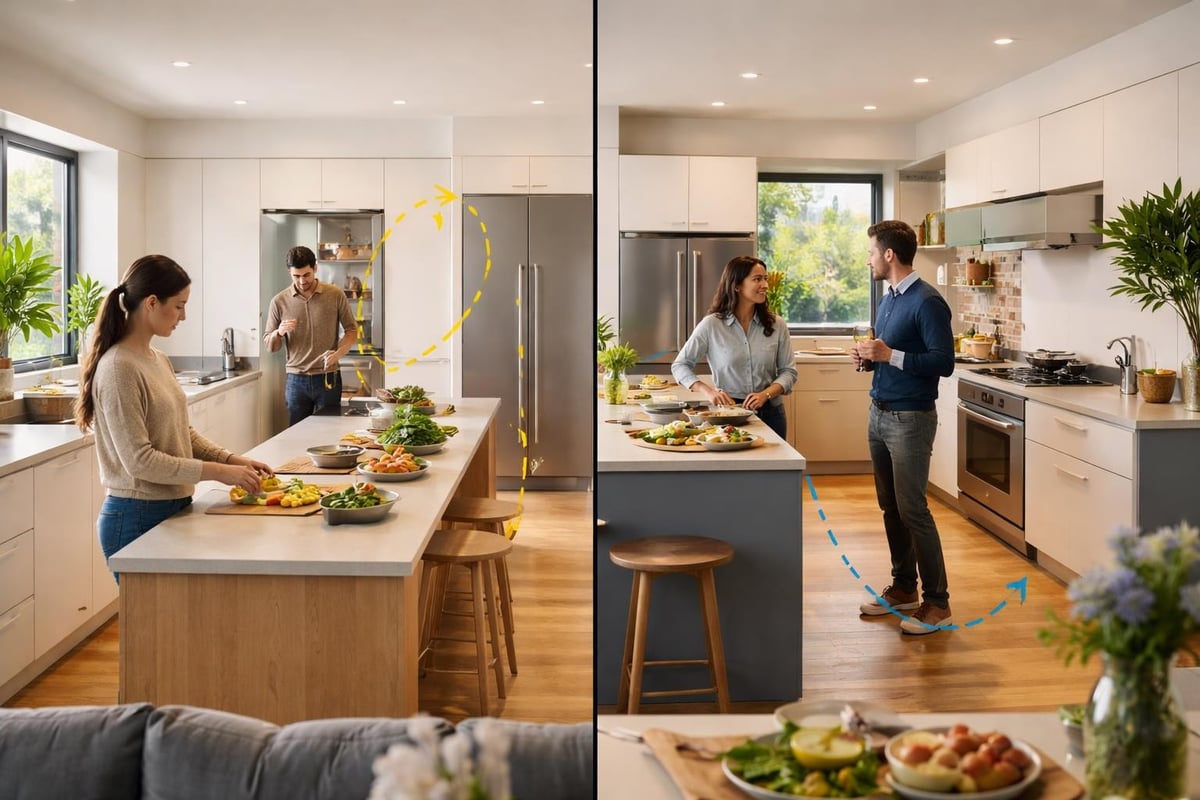
Modern outdoor kitchens serve multiple purposes beyond weekend barbecues. They function as:
Each of these applications depends heavily on accessible refrigeration. When designing your outdoor kitchen with fridge integration, consider not just current needs but how the space might evolve over time.
Selecting the appropriate refrigeration system requires understanding the distinct categories available and their respective advantages. The market offers solutions ranging from compact under-counter units to full-size refrigerators comparable to indoor models.
| Refrigeration Type | Capacity | Best For | Typical Width |
|---|---|---|---|
| Compact Under-Counter | 3-5 cu ft | Beverages, condiments | 24-30 inches |
| Standard Outdoor Fridge | 5-8 cu ft | Mixed use, small families | 30-36 inches |
| Full-Size Outdoor Unit | 8-15 cu ft | Large households, frequent entertaining | 36-48 inches |
| Beverage Centre | 4-6 cu ft | Drinks only, party hosting | 24-30 inches |
| Drawer-Style Refrigerator | 3-6 cu ft | Ergonomic access, modern design | 24-30 inches |
This comprehensive guide to outdoor kitchen refrigerators explores sizing considerations in greater depth, helping you match capacity to your specific entertaining patterns.
Built-in refrigeration units integrate flush with cabinetry, creating a cohesive aesthetic that aligns with luxury design principles. These models typically feature front ventilation systems that allow installation within enclosed spaces without overheating concerns.
Freestanding units offer flexibility but often appear less refined. They require clearance on sides and rear for proper air circulation, which can disrupt the clean lines essential to premium outdoor kitchen design.
For clients prioritising architectural coherence, built-in models represent the superior choice despite higher initial investment. The seamless integration justifies the premium through both aesthetic impact and long-term property value enhancement.
Durability in outdoor environments demands specific material specifications. Unlike indoor appliances, outdoor refrigeration units face exposure to moisture, temperature extremes, and UV radiation that can rapidly degrade inferior components.
Marine-grade stainless steel (typically 304 or 316 grade) provides optimal corrosion resistance. This specification proves particularly crucial in coastal regions or areas with high humidity where standard stainless steel develops rust spots within seasons.
Premium manufacturers incorporate these features as standard, whilst budget options often compromise on one or more elements. When investing in an outdoor kitchen with fridge, prioritising construction quality over initial cost savings typically yields better long-term value.
The same durability principles apply across all outdoor kitchen components, which is why choosing metal outdoor kitchen cabinets that match refrigeration standards creates cohesive longevity throughout the installation.
Strategic refrigerator placement dramatically influences kitchen workflow efficiency. The classic kitchen work triangle principle-positioning refrigerator, sink, and cooking surface in triangular formation-translates effectively to outdoor spaces.
Place your outdoor kitchen with fridge between the preparation zone and cooking area, allowing natural movement from cold storage to prep surface to heat source. This sequence minimises cross-traffic and creates intuitive workflow patterns.
Counter clearance matters. Allocate minimum 15 inches of landing space adjacent to the refrigerator door swing. This provides somewhere to set down ingredients immediately after retrieval, preventing the awkward juggling that occurs with inadequate counter provision.
Consider traffic flow beyond the cook's movements. If your outdoor kitchen serves as an entertainment focal point, position refrigeration where guests can access beverages without interfering with meal preparation. Dual refrigeration-one for the cook, one for guests-represents an elegant solution for serious entertainers.
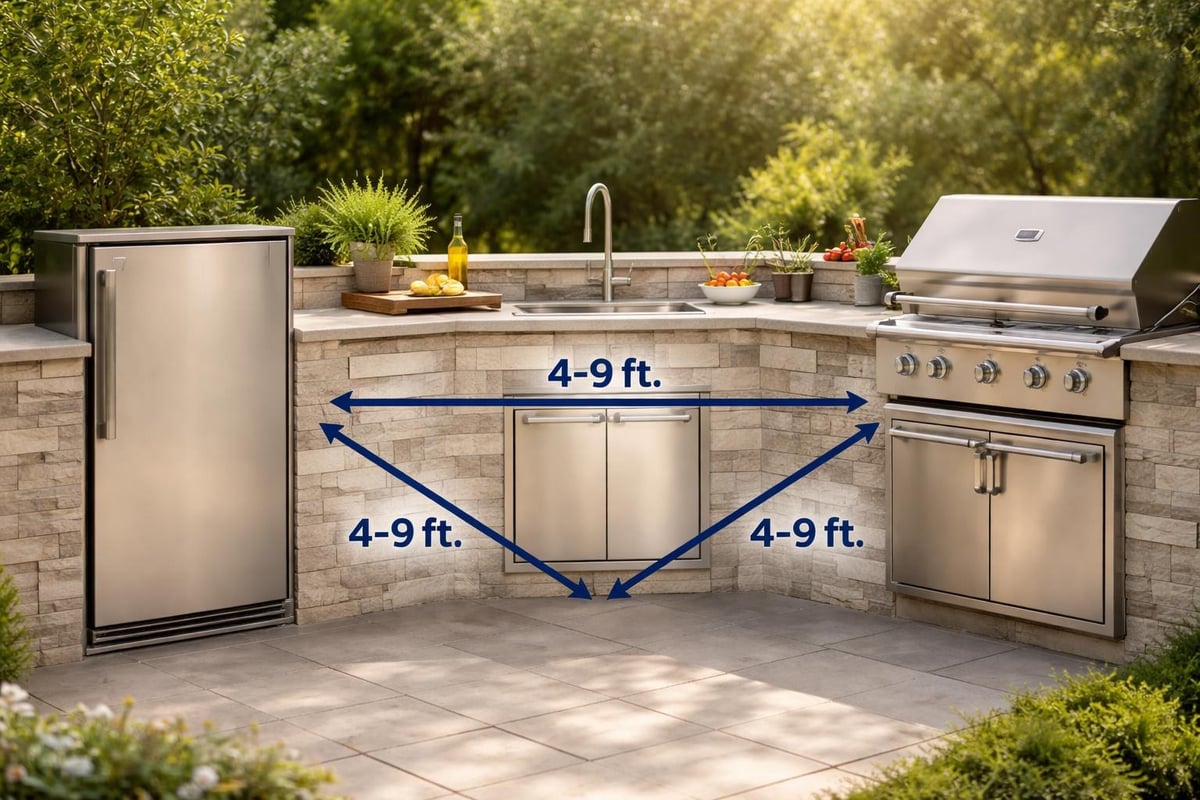
These outdoor kitchen ideas demonstrate various layout approaches that successfully integrate refrigeration within different garden configurations and architectural styles.
British weather presents unique challenges for outdoor refrigeration. Whilst purpose-built outdoor fridges withstand exposure better than indoor models, thoughtful installation enhances longevity and performance.
Covered placement proves essential. Even weather-rated refrigerators benefit from overhead protection that shields against direct rainfall and reduces temperature fluctuations caused by direct sunlight. Pergolas, roof extensions, or dedicated kitchen canopies provide this protection whilst maintaining the alfresco ambience.
Temperature extremes affect refrigerator efficiency in both directions. During heat waves, units work harder to maintain cool temperatures, increasing energy consumption. In winter, extremely cold ambient temperatures can interfere with thermostat function or cause lubricants to thicken.
Quality outdoor refrigerators specify operational temperature ranges, typically from -15°C to 40°C. Units designed for temperate climates like Britain incorporate adaptive compressor systems that adjust to ambient conditions, maintaining consistent interior temperatures regardless of seasonal variations.
For year-round outdoor kitchen usage, consider how outdoor cooking accessories complement refrigeration during different seasons, from winter warmers to summer refreshments.
Outdoor refrigeration typically consumes more energy than comparable indoor units due to environmental exposure and temperature differentials. Understanding these costs informs both product selection and operational practices.
Modern outdoor fridges feature improved insulation and compressor efficiency that narrow the gap with indoor models. Look for energy ratings specifically tested under outdoor conditions rather than standard indoor certifications.
These seven efficiency tips apply equally to outdoor refrigeration:
Covered placement significantly reduces energy consumption by minimising solar heat gain. Even a simple pergola structure can reduce running costs by 15-20% compared to fully exposed installation.
Luxury outdoor refrigeration extends beyond basic cold storage. Discerning clients increasingly specify advanced features that enhance functionality and user experience.
Dual-zone temperature control allows simultaneous refrigeration and wine storage at different temperatures within a single unit. This eliminates the need for separate appliances whilst accommodating varied storage requirements.
| Feature | Benefit | Ideal For |
|---|---|---|
| LED Interior Lighting | Enhanced visibility, energy efficiency | Evening entertaining |
| Digital Temperature Display | Precise monitoring, quick adjustments | Wine storage, temperature-sensitive items |
| Automatic Defrost | Reduced maintenance, consistent performance | Year-round use |
| Lockable Doors | Security, child safety | Pool areas, rental properties |
| UV-Protected Glass Doors | Beverage display, reduced sun damage | Showcase refrigeration |
Glass-door refrigerators create visual interest whilst allowing guests to browse beverage selections without opening doors repeatedly. This design choice suits entertaining-focused installations where the refrigerator becomes a design feature rather than purely functional element.
Professional installation ensures optimal performance and longevity for your outdoor kitchen with fridge. Whilst DIY enthusiasts might tackle basic outdoor kitchens, refrigeration integration demands specific expertise.
Electrical requirements vary by model but typically demand dedicated circuits with GFCI protection for outdoor safety. Voltage fluctuations from shared circuits can damage compressor components, making dedicated power essential rather than optional.
Ventilation clearances must match manufacturer specifications precisely. Insufficient airflow causes compressors to overheat, dramatically reducing lifespan. Built-in models require specific cabinet dimensions that accommodate front-venting systems whilst maintaining proper door clearance.
For complex installations incorporating multiple appliances, engaging specialists familiar with outdoor kitchen delivery and installation ensures coordinated execution that addresses electrical, plumbing, and structural requirements comprehensively.
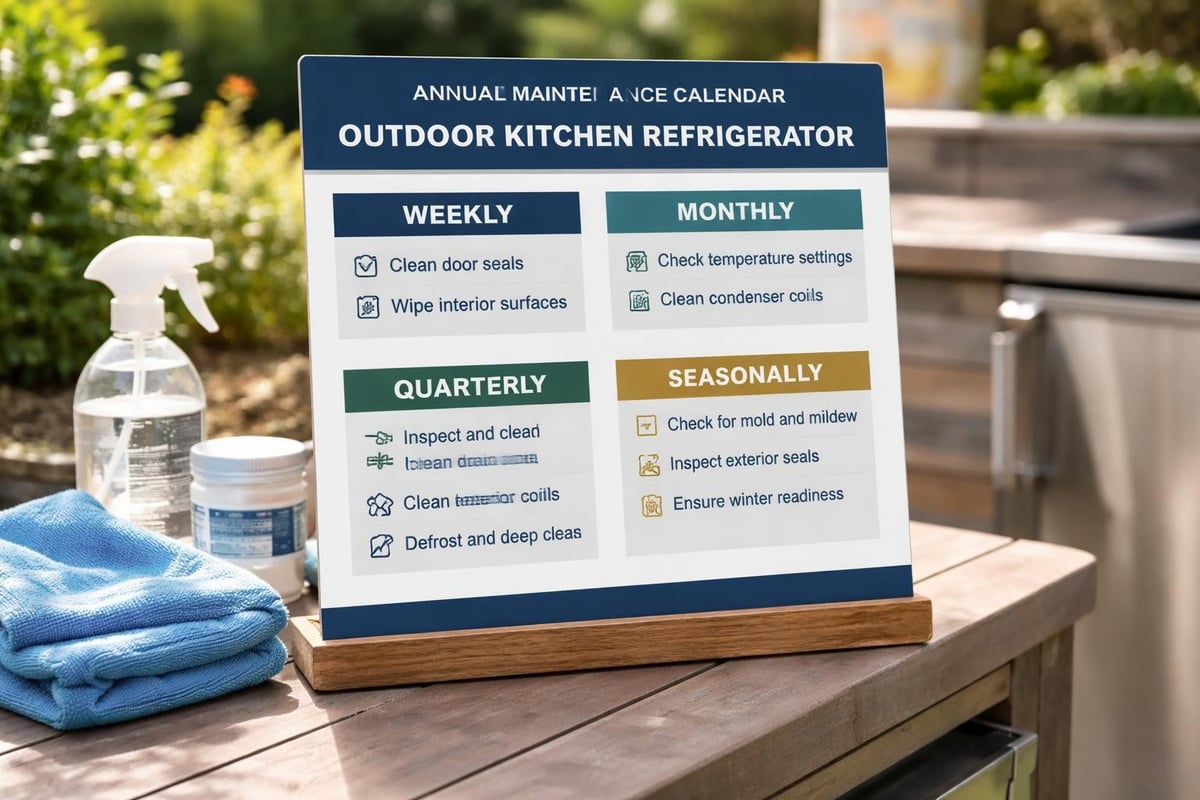
Regular maintenance extends refrigerator lifespan whilst maintaining peak efficiency. Outdoor units require more frequent attention than indoor models due to environmental exposure.
This weekly appliance maintenance routine provides an excellent framework adaptable to outdoor refrigeration. Key practices include:
Winter preparations prove especially important in Britain. If the outdoor kitchen remains unused during colder months, proper winterisation prevents freeze damage to water lines (in ice makers) and protects seals from temperature-induced cracking.
An outdoor kitchen with fridge succeeds when refrigeration integrates seamlessly with overall design vision rather than appearing as an afterthought. This requires considering refrigeration during initial planning stages, not after layout finalisation.
Modular outdoor kitchen systems like the Cubic C1 Style Outdoor Kitchen demonstrate how contemporary design accommodates refrigeration within clean, architectural frameworks. These systems feature pre-planned refrigerator bays that maintain visual consistency whilst providing proper ventilation and electrical access.
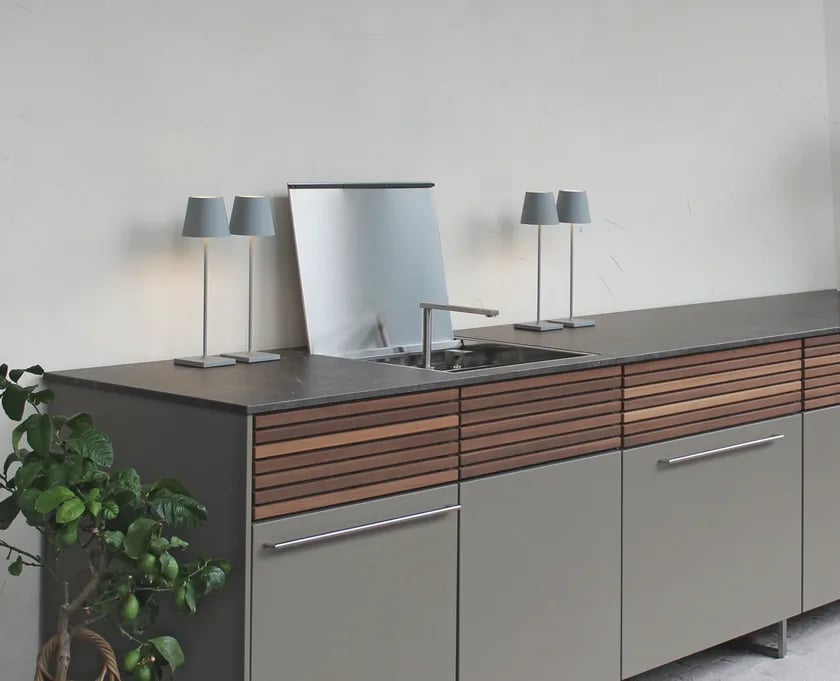
Luxury outdoor kitchens succeed through thoughtful component selection that prioritises harmony over individual feature prominence. The refrigerator should enhance rather than dominate the design narrative.
Compact outdoor refrigerators demand strategic organisation to maximise limited space. Unlike spacious indoor models, every cubic inch matters in outdoor units.
Adjustable shelving provides flexibility for varying item heights. Position frequently accessed items at eye level, whilst dedicating bottom shelves to heavier items and less-used ingredients.
Door storage suits condiments, beverages, and small containers. However, door sections experience greater temperature fluctuation than main compartments, making them unsuitable for highly perishable items.
Drawer-style refrigerators excel at organisation through compartmentalisation. Separate drawers for produce, proteins, and beverages prevent cross-contamination whilst simplifying access. Users retrieve items without bending or extensive searching through stacked contents.
Whilst refrigeration forms a cornerstone element, complete outdoor kitchens incorporate additional features that create comprehensive cooking capabilities.
Ice makers represent logical refrigeration companions, particularly for beverage-focused entertaining. Dedicated ice production eliminates the need to stockpile bags from indoor freezers or constantly refill ice cube trays.
These elements combine with refrigeration to create self-sufficient outdoor cooking environments that genuinely reduce dependence on indoor kitchens. The investment in comprehensive outdoor kitchens pays dividends through enhanced property value and lifestyle quality.
Quality outdoor refrigeration represents significant investment, with units ranging from £800 for compact models to £4,000+ for premium full-size installations. Understanding cost drivers helps allocate budgets effectively.
| Price Range | Features | Expected Lifespan |
|---|---|---|
| £800-£1,500 | Basic weatherproofing, manual defrost, limited features | 5-7 years |
| £1,500-£2,500 | Marine-grade steel, automatic defrost, moderate capacity | 8-12 years |
| £2,500-£4,000 | Premium construction, dual-zone, advanced features | 12-15 years |
| £4,000+ | Commercial-grade, maximum capacity, luxury finishes | 15+ years |
Installation costs add 10-30% depending on electrical work required and integration complexity. Sites requiring new dedicated circuits or extensive cabinetry modification trend toward higher installation percentages.
Total cost of ownership extends beyond purchase price. Energy consumption, maintenance requirements, and expected lifespan dramatically affect long-term value. A £3,000 unit lasting 15 years with modest energy costs often proves more economical than a £1,200 model requiring replacement after 6 years.
Outdoor refrigeration introduces specific food safety considerations that differ from indoor storage. Temperature monitoring becomes paramount when refrigerators face environmental exposure that can affect performance.
Digital thermometers provide accurate interior temperature readings independent of built-in displays. Place thermometers in the warmest section (typically upper shelves near the door) to ensure entire compartment maintains safe temperatures.
British summers might seem mild compared to Mediterranean climates, but afternoon temperatures regularly exceed safe food storage thresholds. Maintaining vigilance about refrigerator performance protects both food quality and guest wellbeing.
Premium outdoor kitchens reflect individual style through thoughtful customisation. Refrigeration units increasingly offer personalisation beyond basic stainless steel finishes.
Panel-ready models accept custom door panels matching surrounding cabinetry, creating completely integrated appearances where refrigeration becomes invisible within the design scheme. This approach suits traditional aesthetics and period properties where modern appliances might clash with architectural character.
The choice between prominent refrigeration (making it a design feature) versus integrated refrigeration (concealing it within cabinetry) depends on overall kitchen philosophy. Both approaches succeed when executed consistently with broader design vision.
Well-designed outdoor kitchens anticipate future enhancement rather than requiring complete reconstruction for additions. When planning your outdoor kitchen with fridge, consider how the space might evolve.
Electrical infrastructure should include capacity beyond immediate needs. Installing additional circuits during initial construction costs substantially less than retrofitting later. Many homeowners who initially install compact refrigeration eventually upgrade to larger units or add supplementary refrigeration for beverages or wine storage.
Modular cabinetry systems accommodate expansion more readily than custom-built installations. Leaving space for potential additions-whether additional refrigeration, ice makers, or other appliances-provides flexibility without compromising current functionality or aesthetics.
Professional design consultations, such as those available through booking a showroom appointment, help identify expansion possibilities and plan infrastructure accordingly, protecting your investment through thoughtful foresight.
British outdoor kitchens face unique environmental conditions that influence refrigeration selection. Whilst not experiencing extreme heat common to Mediterranean regions, Britain's combination of humidity, moderate temperatures, and frequent precipitation demands specific considerations.
Humidity resistance proves especially important. Coastal properties and areas with high annual rainfall require enhanced weatherproofing beyond standard outdoor ratings. Look for units specifically tested in humid conditions rather than merely certified for outdoor use in dry climates.
The moderate temperature range typical of British summers actually benefits refrigerator efficiency compared to hotter climates. Units don't face the same thermal stress common to continental European or North American installations, potentially extending lifespan when properly maintained.
However, winter dormancy requires attention. If your outdoor kitchen sees limited winter use, develop winterisation protocols preventing damage during extended idle periods. This might include adjusting temperature settings, thorough cleaning, and potentially disconnecting water lines if ice maker functionality exists.
Creating an outdoor kitchen with fridge represents a significant investment in lifestyle quality and property value, demanding thoughtful consideration of materials, placement, features, and long-term maintenance. By prioritising quality construction, strategic integration, and climate-appropriate specifications, your outdoor kitchen becomes a refined extension of your home that delivers year-round functionality. The Cotswold Cooking Company specialises in creating bespoke outdoor living spaces that seamlessly blend refrigeration with premium cooking equipment, architectural cabinetry, and weather-resistant materials, transforming gardens into sophisticated culinary destinations. Explore how our consultative approach and curated product selection can bring your outdoor kitchen vision to life at Cotswold Cooking Company.

Leave a comment