


The outdoor stove oven has evolved from a simple camping necessity into a sophisticated centrepiece for luxury garden kitchens across the UK. In 2026, discerning homeowners are discovering that the right outdoor cooking solution can transform their entertaining spaces into year-round culinary destinations. Whether you're planning intimate family gatherings or hosting lavish garden parties, understanding the nuances of outdoor stove oven design, functionality, and integration is essential for creating a truly refined outdoor living experience.
Outdoor cooking has undergone a remarkable transformation over the past decade. Traditional methods have given way to sophisticated hybrid systems that combine the authenticity of wood-fired cooking with the convenience of modern fuel sources. Today's outdoor stove oven represents the pinnacle of this evolution, offering unprecedented versatility for homeowners who refuse to compromise on quality or performance.
The modern outdoor stove oven differs substantially from its predecessors. Where earlier models focused solely on basic heating, contemporary designs incorporate precise temperature control, multiple cooking zones, and weather-resistant construction that withstands the British climate. These advancements have made outdoor cooking viable throughout the year, not merely during summer months.
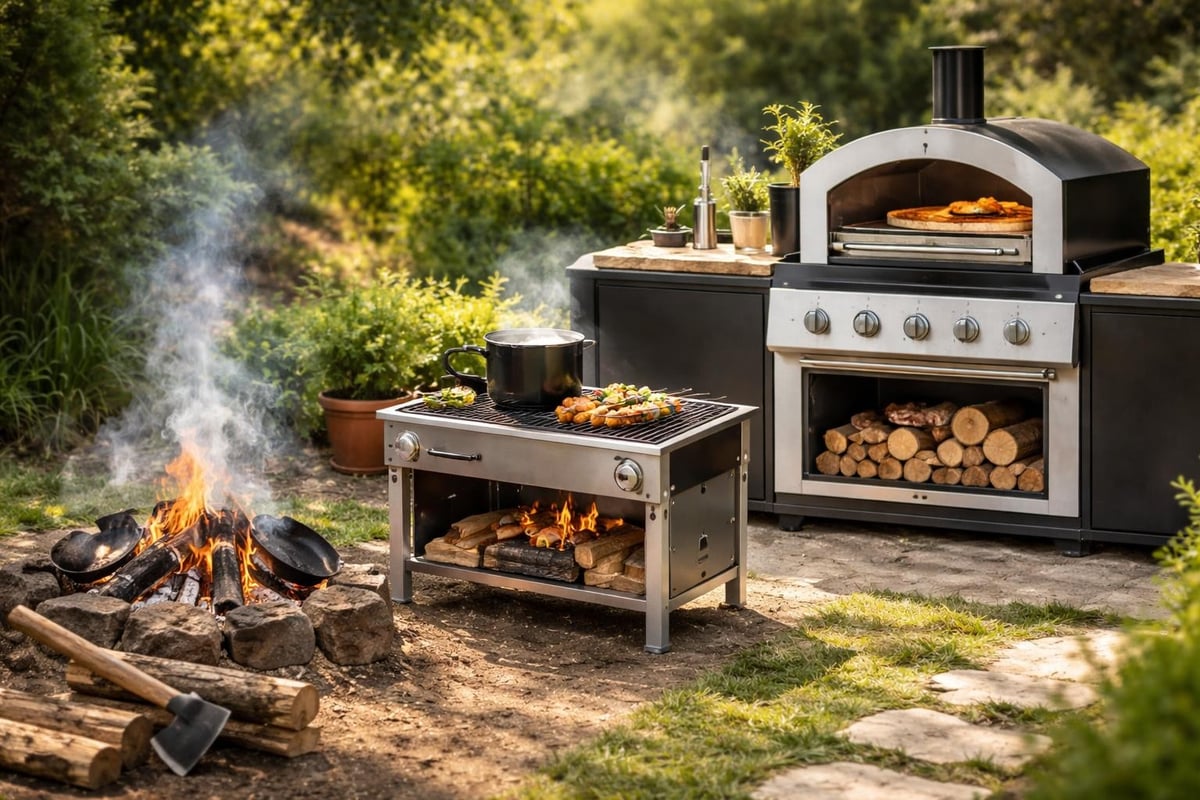
One of the defining characteristics of a premium outdoor stove oven is its fuel flexibility. Modern systems accommodate wood, charcoal, gas, or hybrid combinations, each offering distinct advantages for different culinary applications. Selecting the optimal fuel type depends on your cooking preferences, installation requirements, and desired flavour profiles.
Wood-fired cooking delivers authentic smoky flavours that cannot be replicated through other methods. The natural combustion process creates a unique taste profile ideal for artisan breads, pizzas, and slow-roasted meats. However, wood requires more active management and produces ash that needs regular removal.
Gas-powered systems provide immediate heat control and minimal maintenance. Professional-grade outdoor stove oven installations often incorporate LPG connections for convenience, particularly in architectural outdoor kitchens where consistent temperature regulation is paramount.
Hybrid configurations represent the optimal solution for many homeowners. These versatile systems allow you to switch between fuel types based on your immediate needs, combining the romance of wood-fired cooking with the practicality of gas ignition.
Integrating an outdoor stove oven into your garden requires thoughtful planning and architectural consideration. The most successful installations balance aesthetic appeal with functional efficiency, creating spaces that enhance both property value and lifestyle quality.
Your outdoor stove oven should anchor a broader outdoor kitchen design rather than exist in isolation. Consider the workflow between preparation zones, cooking areas, and dining spaces. Professional designers recommend positioning the oven to create natural gathering points whilst maintaining adequate clearance for safety and ventilation.
| Design Element | Recommended Specification | Purpose |
|---|---|---|
| Clearance from combustibles | Minimum 600mm | Fire safety compliance |
| Counter height | 900-920mm | Ergonomic preparation |
| Ventilation zone | 1200mm overhead | Smoke dispersal |
| Service access | 750mm minimum | Maintenance and cleaning |
The relationship between your outdoor stove oven and surrounding elements determines the overall functionality of your garden kitchen. Incorporate adequate counter space for food preparation, strategically placed storage for cooking tools and fuel, and appropriate lighting for evening entertaining.
British weather demands robust construction materials that withstand temperature extremes, moisture, and UV exposure. Premium outdoor stove oven installations utilise stainless steel, powder-coated aluminium, or specialist weather-resistant materials designed for longevity.
Natural stone surrounds create visual harmony with traditional Cotswold architecture whilst providing excellent heat retention properties. Granite, limestone, and engineered stone surfaces offer durability alongside timeless aesthetic appeal. When selecting materials, consider how they will weather over time and whether they complement your existing outdoor design scheme.
Understanding the technical capabilities of your outdoor stove oven ensures you select a system that meets your culinary ambitions. Temperature range, heat distribution, and cooking capacity vary significantly between models, with professional-grade systems offering capabilities that rival commercial kitchens.
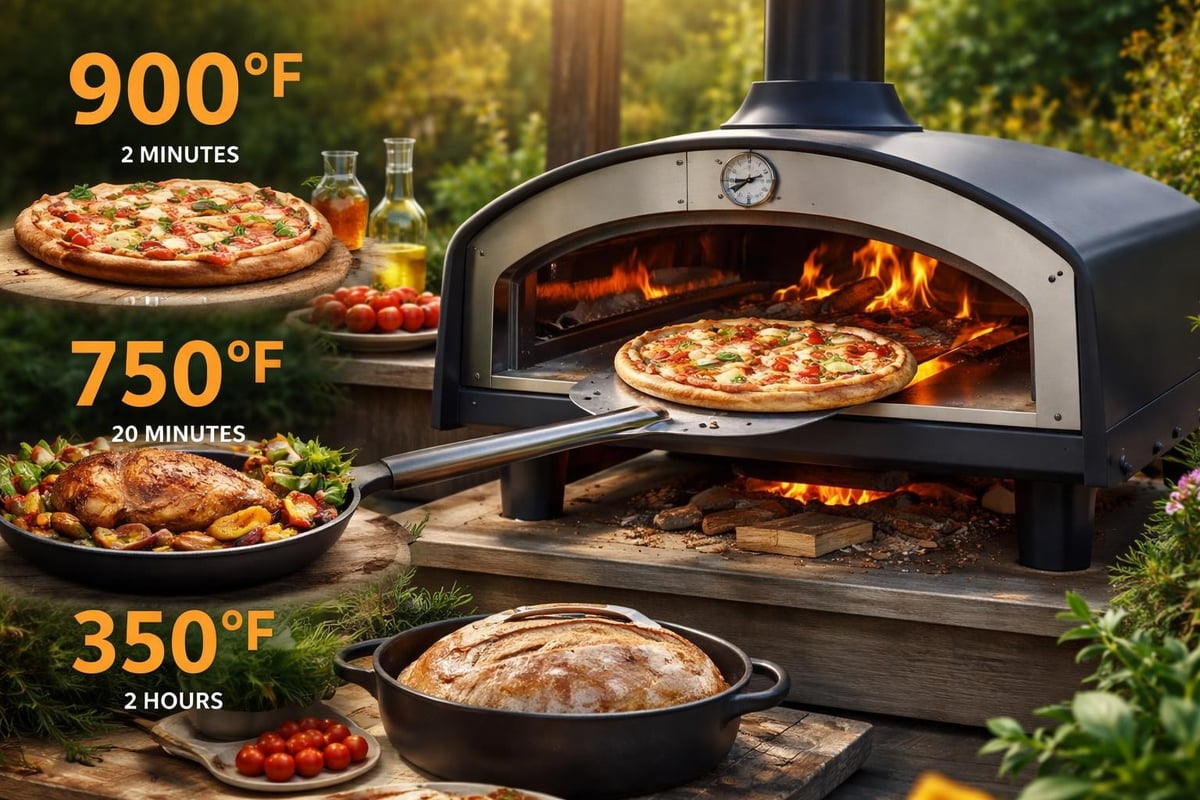
Premium outdoor stove oven systems achieve temperatures exceeding 500°C, essential for authentic Neapolitan pizza preparation. However, versatility lies in the ability to maintain lower temperatures for bread baking, slow roasting, and delicate pastries. The best systems offer precise temperature regulation across multiple zones, allowing simultaneous preparation of different dishes.
Thermal mass plays a crucial role in heat retention and cooking consistency. Refractory materials absorb heat during the warming phase then release it gradually, creating stable cooking conditions. This characteristic proves particularly valuable for bread baking and extended cooking sessions.
Insulation quality determines fuel efficiency and external surface temperatures. Double-walled construction with high-grade insulation materials ensures maximum heat retention whilst keeping exterior surfaces safe for outdoor entertaining environments.
Whilst many homeowners initially envision pizza preparation, a well-designed outdoor stove oven supports diverse culinary techniques. Roasting, baking, grilling, and smoking all become possible with appropriate accessories and temperature management.
Traditional methods, such as those employed in reflector oven cooking, have influenced modern outdoor stove oven design, particularly in heat distribution and radiant cooking techniques.
Proper installation distinguishes a functional outdoor stove oven from a potentially hazardous liability. Professional installation ensures compliance with building regulations, gas safety standards, and manufacturer specifications whilst optimising performance and longevity.
The substantial weight of masonry outdoor stove oven systems necessitates appropriate foundation design. A reinforced concrete base distributing load evenly prevents settling and structural damage over time. Specifications vary based on oven weight, but foundations typically require:
Modular and portable outdoor stove oven units require less extensive foundations but still demand stable, level surfaces capable of supporting operating weights including fuel and cookware.
For those considering a hybrid outdoor stove oven with gas capability, professional installation by Gas Safe registered engineers is legally required. LPG systems offer flexibility for garden locations without mains gas access, though proper storage and connection protocols must be observed.
Electrical connections support integrated lighting, rotisserie motors, and ventilation systems. Weather-proof outlets rated for outdoor use and RCD protection ensure safe operation in all conditions. The complexities of outdoor cooking installations often benefit from integrated design approaches that consider all utility requirements simultaneously.
The outdoor stove oven market encompasses vast quality variation, from budget import models to handcrafted Italian masterpieces. Understanding quality indicators helps navigate options and ensures your investment delivers lasting value.
Superior outdoor stove oven construction employs food-grade stainless steel, refractory cement, and precision-engineered components. Examine weld quality, material thickness, and joint construction when evaluating options. Premium manufacturers provide detailed specifications and materials certifications demonstrating compliance with safety standards.
Italian craftsmanship remains the benchmark for wood-fired cooking equipment. Manufacturers combining traditional masonry techniques with modern materials science produce ovens that deliver exceptional performance alongside aesthetic distinction. For example, hybrid systems that seamlessly integrate wood and gas capabilities represent pinnacle engineering, allowing rapid heat-up times whilst preserving authentic cooking characteristics.
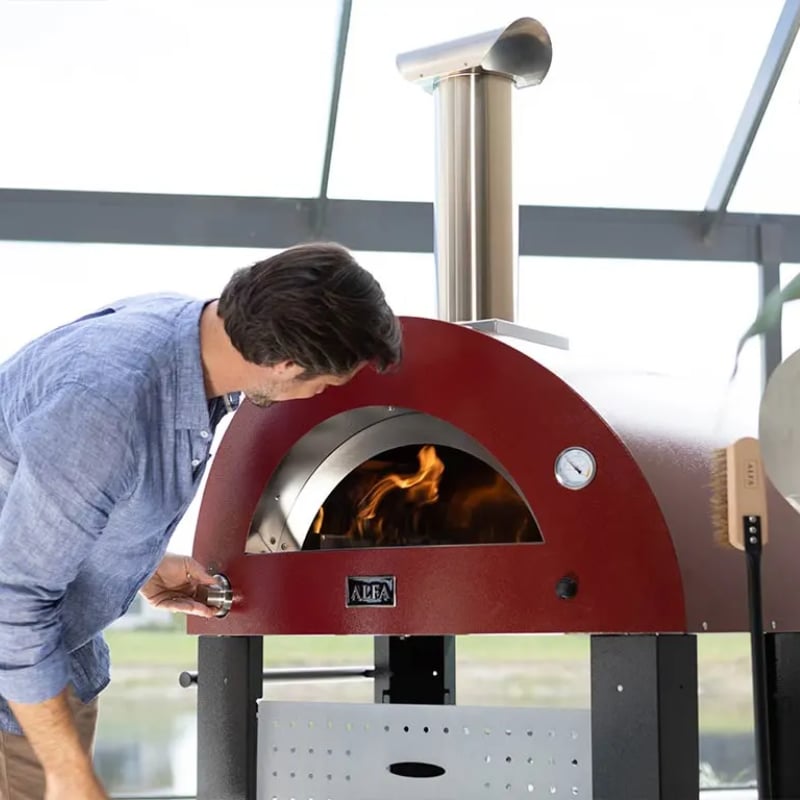
Those seeking exemplary craftsmanship might explore options like the Alfa Forni Moderno Hybrid Pizza Oven, which beautifully demonstrates how traditional Italian design integrates with modern hybrid fuel technology, reaching temperatures up to 500°C whilst offering the flexibility to cook with either LPG or wood.
Comprehensive warranty coverage indicates manufacturer confidence in product longevity. Premium outdoor stove oven systems typically include:
| Component | Standard Warranty | Premium Warranty |
|---|---|---|
| Structural elements | 2-5 years | 10+ years |
| Refractory materials | 1-2 years | 5 years |
| Burner systems | 1 year | 3-5 years |
| Cosmetic finishes | 1 year | 2-3 years |
Beyond warranty duration, assess manufacturer reputation, spare parts availability, and technical support accessibility. Established brands maintain comprehensive spare parts inventories and provide detailed maintenance guidance ensuring your investment remains functional for decades.
Achieving consistent results with your outdoor stove oven requires understanding operational techniques and implementing proper maintenance routines. These practices maximise performance whilst extending equipment lifespan.
Successful outdoor cooking begins with proper preheating. Allow adequate time for your outdoor stove oven to reach target temperatures, typically 30-45 minutes for wood-fired systems or 15-20 minutes for gas models. Use infrared thermometers to verify internal temperatures rather than relying solely on built-in gauges.
Fuel management significantly impacts cooking results. For wood-fired cooking, use seasoned hardwoods with moisture content below 20%. Avoid softwoods that produce excessive smoke and creosote buildup. Position fuel strategically to create desired heat zones within the cooking chamber.
Draft control regulates combustion intensity and temperature stability. Adjust intake and exhaust vents to maintain optimal airflow, learning how your specific outdoor stove oven responds to different configurations. This skill develops through experience but proves essential for consistent results.
Regular maintenance preserves performance and prevents premature wear. After each cooking session, allow the outdoor stove oven to cool completely before cleaning. Remove ash deposits, wipe cooking surfaces, and inspect for damage or wear.
Weather protection extends lifespan significantly. Use breathable covers when the outdoor stove oven is not in use, preventing moisture accumulation whilst allowing air circulation. For those in exposed locations, consider architectural solutions like pergolas or dedicated cooking pavilions that provide permanent weather protection.
Your outdoor stove oven should complement comprehensive outdoor living design rather than function independently. The most successful installations create seamless transitions between cooking, dining, and relaxation zones that encourage outdoor use throughout the year.
A complete outdoor kitchen extends beyond the primary cooking appliance. Consider how your outdoor stove oven integrates with refrigeration, preparation surfaces, and storage solutions. Professional outdoor kitchens incorporate multiple cooking methods, allowing hosts to prepare diverse menus efficiently.
Essential accessories enhance functionality and cooking outcomes:
British climate need not restrict outdoor cooking to summer months. Strategic design elements transform your outdoor stove oven area into a four-season destination. Heated zones, weather protection, and appropriate lighting extend usability well beyond traditional outdoor entertaining periods.
Architectural elements like glazed screens, retractable awnings, and strategic landscaping create comfortable microclimates around your cooking area. These features protect against wind and precipitation whilst maintaining the open-air ambience that defines outdoor living.
The radiant heat generated by your outdoor stove oven naturally warms surrounding spaces, creating comfortable zones even on cool evenings. Position seating to capitalise on this warmth whilst maintaining safe clearances from hot surfaces.
Maximising your outdoor stove oven investment requires exploring its full culinary potential. Beyond traditional applications, creative cooks discover innovative techniques that leverage unique capabilities of outdoor cooking environments.
Wood combustion creates complex flavour compounds that infuse foods with distinctive characteristics impossible to replicate in conventional ovens. Different wood species impart varied flavour profiles: oak provides robust, traditional notes; fruit woods contribute subtle sweetness; and hickory delivers pronounced smoky character.
For inspiration on various outdoor cooking approaches, explore comprehensive guides on cooking off the grid, which demonstrate creative applications of outdoor cooking equipment beyond traditional methods.
Temperature variation within your outdoor stove oven creates distinct cooking zones. Position foods requiring intense heat near the fire source whilst utilising cooler areas for gentle warming or slow cooking. This spatial temperature management mirrors professional kitchen techniques adapted for outdoor environments.
Converting conventional recipes for outdoor stove oven preparation requires adjustments for different heat characteristics and cooking environments. Reduce cooking times by 15-25% when working with wood-fired equipment due to superior heat transfer and radiant cooking effects.
Moisture management becomes critical in outdoor environments. The dry heat generated by wood combustion can desiccate foods if not properly managed. Use covered cookware, introduce steam through water-filled pans, or mist foods periodically to maintain desired moisture levels.
Batch cooking capitalises on thermal mass and fuel efficiency. Once your outdoor stove oven reaches temperature, prepare multiple dishes sequentially, starting with those requiring highest heat and progressing to items suited for declining temperatures.
Operating an outdoor stove oven safely requires understanding potential hazards and implementing appropriate precautions. Responsible use protects family members, guests, and property whilst ensuring compliance with insurance requirements.
Maintain appropriate clearances from combustible materials as specified by manufacturer guidelines and building regulations. Never position your outdoor stove oven beneath overhanging vegetation, awnings, or structures without adequate heat-resistant barriers.
Keep fire extinguishing equipment readily accessible. A Class A fire extinguisher suitable for wood and paper fires should be mounted within 10 metres of your cooking area. Ensure all family members and regular users understand its operation.
Supervision requirements vary based on fuel type and system design. Never leave wood-fired outdoor stove oven systems unattended during operation. Gas systems may permit brief absences but require monitoring during active cooking.
Incomplete combustion produces carbon monoxide, an odourless, colourless gas that poses serious health risks. Ensure adequate ventilation around your outdoor stove oven, particularly in covered or partially enclosed spaces. Never operate outdoor cooking equipment in enclosed areas or position near open windows or air intakes.
For those interested in building custom installations, resources like DIY brick oven construction guides provide valuable insights into proper ventilation design and safety considerations, though professional installation remains advisable for permanent installations.
Acquiring an outdoor stove oven represents significant investment requiring careful financial planning and value assessment. Understanding cost components and long-term benefits ensures informed decision-making aligned with your lifestyle objectives and budget parameters.
Total project costs extend beyond equipment purchase price. Comprehensive budgeting accounts for foundation preparation, professional installation, utility connections, accessories, and ancillary elements creating functional cooking environments.
| Cost Category | Budget Range | Considerations |
|---|---|---|
| Equipment | £1,500 - £15,000+ | Quality, size, fuel type, brand |
| Installation | £800 - £3,500 | Complexity, utilities, accessibility |
| Foundation | £600 - £2,000 | Soil conditions, size requirements |
| Utilities | £400 - £1,800 | Gas, electrical, drainage |
| Accessories | £300 - £1,200 | Cookware, tools, covers |
| Surrounds | £1,000 - £8,000+ | Materials, design complexity |
Premium systems command higher initial investment but deliver superior performance, longevity, and aesthetic appeal. When evaluating options, consider cost-per-use over expected lifespan rather than initial purchase price alone.
Well-designed outdoor cooking installations significantly enhance property appeal and marketability. Estate agents consistently report that luxury outdoor kitchens featuring quality equipment like outdoor stove oven systems attract premium buyers and support higher valuations.
Beyond financial considerations, lifestyle value proves equally significant. The enjoyment derived from outdoor entertaining, culinary exploration, and year-round garden use justifies investment for many homeowners regardless of resale considerations.
Personalising your outdoor stove oven installation creates unique spaces reflecting individual taste and specific requirements. From aesthetic customisation to functional adaptations, modern manufacturing capabilities support extensive personalisation.
Finish options range from traditional terracotta and brick to contemporary stainless steel and powder-coated colours. Select finishes complementing your property's architectural character and existing outdoor design elements. For Cotswold properties, natural stone finishes and heritage colours create harmonious integration with regional architectural traditions.
Custom metalwork, decorative tiles, and bespoke cabinetry transform functional cooking equipment into artistic focal points. Collaborate with designers who understand both technical requirements and aesthetic possibilities, ensuring customisation enhances rather than compromises performance.
Bespoke outdoor stove oven installations accommodate specific culinary interests and entertaining patterns. Rotisserie systems suit those who frequently prepare whole roasted meats. Additional cooking surfaces expand capacity for larger gatherings. Integrated warming drawers maintain finished dishes at serving temperature during extended events.
Consider how your outdoor stove oven integrates with existing outdoor amenities. Those with outdoor dining areas benefit from strategic positioning that facilitates service whilst maintaining comfortable distances from intense heat sources.
Responsible outdoor cooking balances culinary enjoyment with environmental stewardship. Modern outdoor stove oven systems incorporate efficiency improvements and sustainable practices reducing environmental impact whilst delivering exceptional performance.
Premium outdoor stove oven designs maximise fuel efficiency through superior insulation, optimised combustion chambers, and controlled airflow. These features reduce fuel consumption whilst minimising emissions compared to basic models.
Wood-fired cooking proves surprisingly sustainable when using properly sourced, seasoned fuel. Hardwood from managed British woodlands represents renewable resources with near-neutral carbon footprints. Avoid imported exotic woods or treated materials that produce harmful emissions.
Gas systems offer immediate temperature control with minimal waste. Modern burner designs achieve complete combustion, reducing carbon monoxide and particulate emissions. For those prioritising environmental responsibility, renewable LPG derived from biological sources provides lower-impact alternatives to fossil fuel options.
Evaluate environmental impact across the complete product lifecycle, from manufacturing through disposal. Premium outdoor stove oven systems constructed from recyclable materials like stainless steel and natural refractory materials prove more sustainable than composite alternatives containing plastics or synthetic insulators.
Longevity fundamentally influences environmental footprint. Equipment lasting decades reduces replacement frequency and associated manufacturing impacts. Prioritise quality over initial cost when environmental responsibility factors into purchasing decisions.
Creating exceptional outdoor cooking experiences requires careful consideration of equipment capabilities, installation requirements, and operational techniques that maximise both performance and enjoyment. Whether you're drawn to the authentic flavours of wood-fired cooking or the convenience of modern hybrid systems, an outdoor stove oven transforms your garden into a versatile culinary destination that extends entertaining possibilities throughout the year. Cotswold Cooking Company brings together curated collections from premium European manufacturers with expert design consultancy, helping discerning homeowners across the UK create refined outdoor cooking spaces that blend Cotswold heritage with cutting-edge performance.

Comments
Leave a comment