


The allure of a wood fire pizza oven extends far beyond the delicious pizzas it produces. For discerning homeowners seeking to elevate their outdoor living spaces, these artisanal cooking appliances represent a fusion of culinary tradition, architectural beauty, and social theatre. Whether you're designing a comprehensive outdoor kitchen or adding a standalone statement piece to your garden, understanding the nuances of wood-fired cooking transforms your outdoor space into a refined, all-season culinary destination.
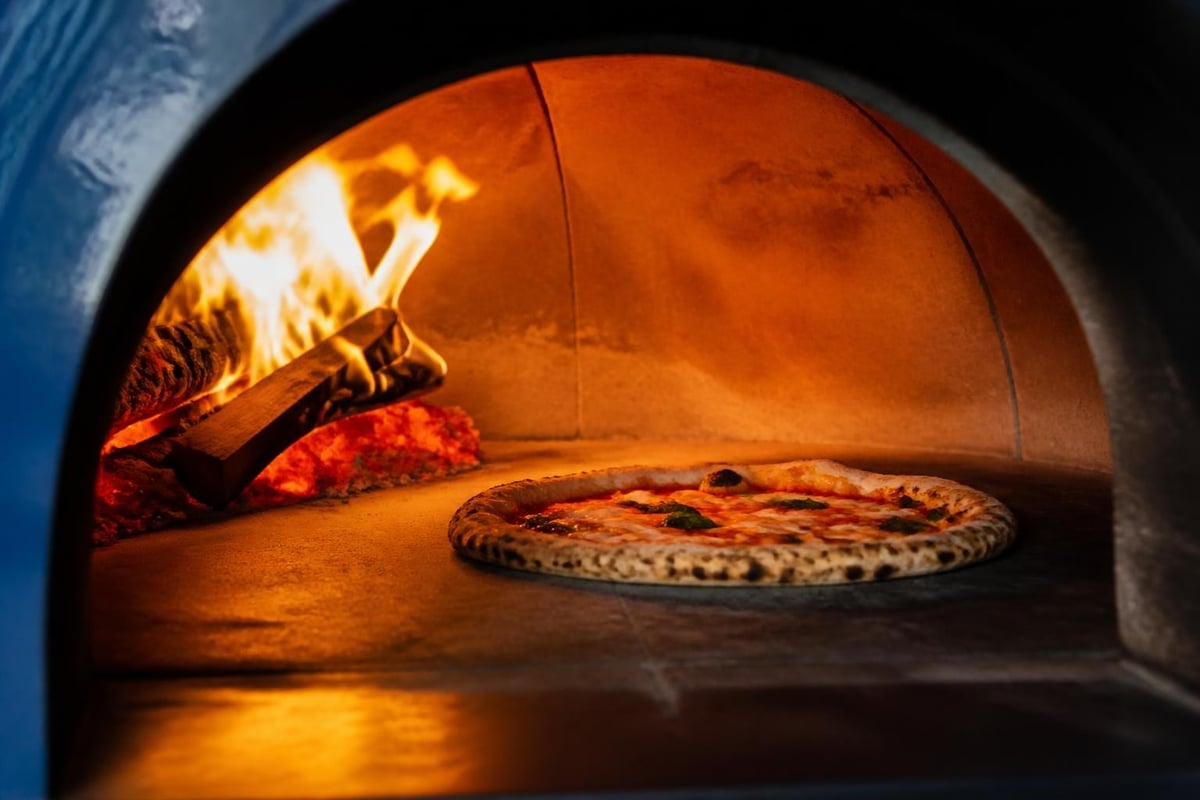
A wood fire pizza oven delivers an incomparable cooking experience that gas or electric alternatives simply cannot replicate. The intense heat, typically reaching 400-500°C, creates the signature leopard-spotted crust whilst maintaining a tender, pillowy interior. This temperature differential happens because wood combustion produces radiant heat from the dome, conductive heat from the floor, and convective heat from the flame itself.
The flavour profile achieved through wood combustion adds subtle smoky notes that complement rather than overwhelm the ingredients. Different wood species impart distinct characteristics: oak provides steady, consistent heat; fruitwoods like apple or cherry offer delicate sweetness; whilst ash delivers clean-burning efficiency. Many luxury outdoor kitchen designs incorporate dedicated wood storage solutions that become architectural features in their own right.
Traditional wood fire pizza oven construction techniques date back centuries, with Mediterranean artisans perfecting dome shapes that optimise heat distribution and retention. Contemporary manufacturers now blend this time-honoured knowledge with advanced materials and engineering. Refractory materials, heat-resistant ceramics, and precision-insulated shells ensure superior performance whilst reducing heat-up times and fuel consumption.
The aesthetic versatility of modern wood-fired ovens means they complement diverse architectural styles. From rustic Cotswold stone settings to sleek contemporary outdoor kitchens, the right oven becomes a focal point that anchors your entire outdoor design scheme. Outdoor cooking collections now feature models that range from compact portable units to substantial built-in installations worthy of professional kitchens.
Selecting the appropriate wood fire pizza oven requires careful consideration of your cooking ambitions, available space, and design aspirations. The decision between freestanding, built-in, or hybrid models fundamentally shapes your outdoor kitchen's functionality and aesthetic.
Freestanding models offer installation flexibility and portability. These self-contained units can be positioned on heat-resistant surfaces or purpose-built stands, making them ideal for homeowners who may relocate or prefer adaptable outdoor arrangements. Premium freestanding ovens feature powder-coated steel exteriors, integrated trolleys, and weatherproof covers.
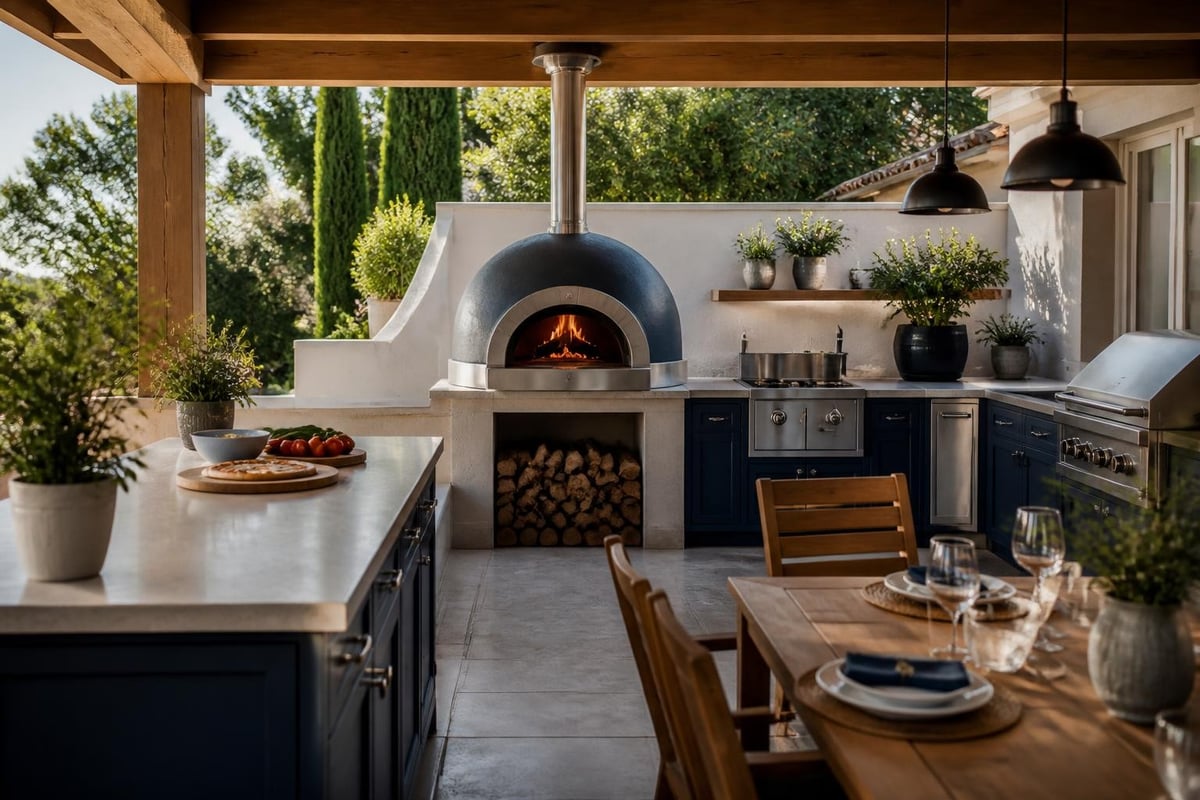
Built-in configurations integrate seamlessly within custom outdoor kitchen designs, creating cohesive culinary workspaces. These installations typically involve masonry surrounds, granite or concrete countertops, and bespoke cabinetry that houses wood storage, preparation zones, and serving areas. The permanence of built-in installations allows for sophisticated utilities integration, including lighting, extraction, and weather protection systems.
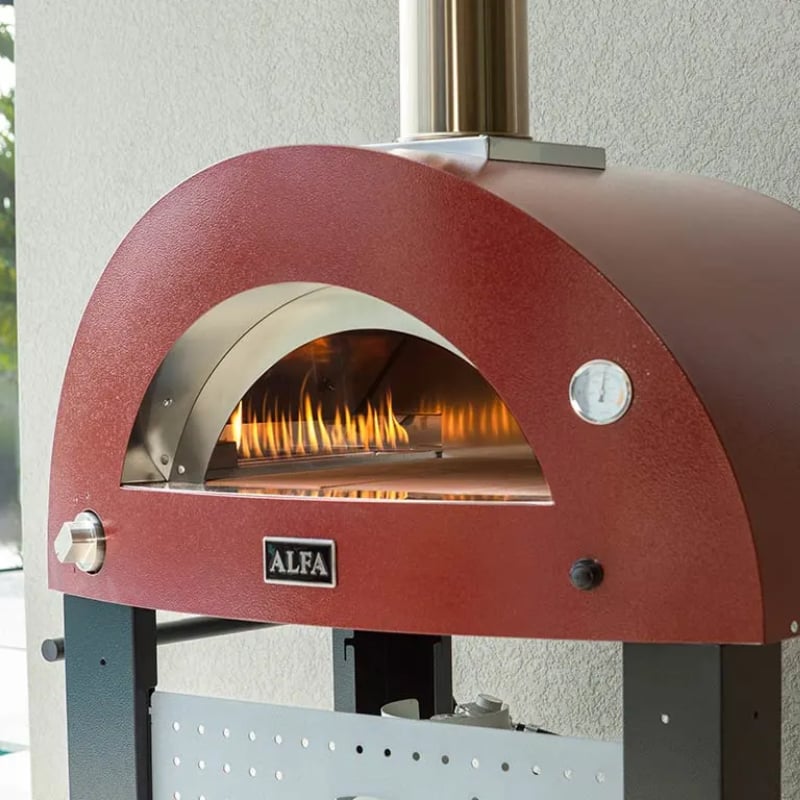
Hybrid wood fire pizza ovens represent the pinnacle of contemporary outdoor cooking flexibility. These ingenious designs accommodate both traditional wood-firing and gas-powered operation, allowing you to choose your preferred method based on circumstances, time constraints, or desired flavour profiles.
The dual-fuel capability proves particularly valuable for UK homeowners who entertain frequently. Gas ignition provides rapid heating and consistent temperature control for weeknight dinners, whilst wood-firing creates an immersive culinary experience for weekend gatherings. The Alfa Forni Moderno Hybrid Pizza Oven exemplifies this approach, handcrafted in Italy with meticulous attention to both performance and aesthetics, reaching optimal temperatures in approximately 30 minutes whilst offering the authentic wood-fired experience when desired.
| Feature | Wood-Only | Gas-Only | Hybrid |
|---|---|---|---|
| Heat-up Time | 45-60 minutes | 20-30 minutes | 20-60 minutes (mode dependent) |
| Flavour Profile | Authentic smoky character | Clean, neutral | Versatile options |
| Fuel Management | Active monitoring required | Precise control | Best of both approaches |
| Installation Complexity | Moderate (chimney essential) | Simpler (gas line needed) | Comprehensive (both systems) |
| Operating Cost | Variable (wood prices) | Consistent (gas rates) | Flexible choice |
Integrating a wood fire pizza oven into your outdoor space demands thoughtful planning that balances aesthetics, functionality, and safety. Professional design consultancy ensures your investment delivers decades of reliable performance whilst enhancing your property's value and visual appeal.
The substantial weight of quality wood fire pizza ovens necessitates robust foundations. A typical masonry oven weighs 300-500 kilograms, requiring reinforced concrete bases with appropriate depth and compaction. Freestanding models need stable, level, heat-resistant platforms that prevent ground subsidence and ensure proper drainage.
Clearance distances prove equally critical for safe operation and longevity. Most manufacturers specify minimum distances from combustible materials, typically 600-900mm from walls and 1000mm overhead clearance to permanent structures. These specifications comply with UK building regulations whilst protecting adjacent surfaces from radiant heat damage. Consulting professional service partners ensures compliance with all relevant standards.
Chimney positioning affects both performance and aesthetics. Proper draught prevents smoke spillage whilst efficiently removing combustion gases. The chimney height, typically 300-450mm above the dome, must account for prevailing winds, nearby structures, and visual sightlines. Stainless steel flue systems resist corrosion whilst requiring minimal maintenance compared to traditional masonry chimneys.
Successful wood fire pizza oven integration considers the entire workflow of outdoor cooking and entertaining. The classic kitchen triangle principle applies equally outdoors, with logical relationships between preparation zones, cooking equipment, and serving areas.
For comprehensive outdoor entertainment systems, coordinating with specialists in related fields enhances the overall experience. Just as ANR media creates bespoke home cinema environments through integrated audio-visual solutions, your outdoor kitchen deserves the same level of thoughtful design that considers lighting, sound, and atmospheric elements.
Operating a wood fire pizza oven successfully requires understanding the relationship between fuel, airflow, and thermal management. Whilst the learning curve proves gentler than many anticipate, developing expertise transforms good results into exceptional outcomes that rival professional pizzerias.
Wood species dramatically influence heating characteristics, burn duration, and flavour contributions. Hardwoods provide superior results compared to softwoods, which contain resins that create excessive smoke and undesirable flavours. Seasoned wood with moisture content below 20% ensures clean combustion and efficient heat generation.
Recommended wood species for UK users:
The fire-building sequence establishes the foundation for consistent cooking performance. Start with small kindling arranged in a pyramid or log cabin structure, using natural firelighters rather than chemical accelerants that impart unpleasant flavours. As flames establish, gradually introduce larger pieces whilst maintaining airflow through the oven entrance and chimney.
Temperature management involves strategic fuel placement and replenishment. For pizza cooking, position the active fire to one side of the oven floor, creating distinct heat zones. This configuration provides intense direct heat for launching pizzas whilst maintaining ambient dome temperature. Operating tips for pizza ovens offer valuable insights into maintaining optimal cooking conditions throughout extended cooking sessions.
Professional-grade wood fire pizza ovens incorporate multiple temperature zones that accommodate diverse cooking techniques. The floor temperature, measured with infrared thermometers, should reach 370-430°C for authentic Neapolitan pizza. The dome typically runs 20-30°C hotter, whilst the oven entrance remains cooler, creating a gradient that allows simultaneous cooking of different items.
Visual cues supplement thermometer readings for experienced operators. The dome interior transitions from black soot to clean white or cream as it reaches optimal temperature. Flour scattered on the cooking surface should brown within 5-7 seconds without immediate combustion. These traditional indicators prove remarkably reliable once you develop familiarity with your specific oven's characteristics.
| Cooking Task | Floor Temperature | Dome Temperature | Approximate Time |
|---|---|---|---|
| Neapolitan Pizza | 400-430°C | 430-480°C | 60-90 seconds |
| Roman-Style Pizza | 320-370°C | 350-400°C | 3-5 minutes |
| Roasted Vegetables | 200-250°C | 220-280°C | 15-25 minutes |
| Bread Baking | 200-230°C | 220-260°C | 25-40 minutes |
| Slow-Roasted Meats | 150-180°C | 170-200°C | 2-4 hours |
Preserving your wood fire pizza oven's performance and appearance requires systematic maintenance that addresses both immediate cleaning and long-term weatherproofing. Quality ovens reward proper care with decades of reliable service, becoming cherished heirlooms that enhance property value.
Allowing the oven to cool naturally after cooking prevents thermal shock that could compromise refractory materials. Never introduce water whilst significant heat remains, as rapid temperature changes create stress fractures. Once cooled to approximately 50°C, remove ash residue using purpose-designed brushes with brass or stainless bristles that won't damage cooking surfaces.
The cooking floor benefits from regular brushing to remove carbonised food particles and flour buildup. For stubborn residue, slightly dampening the surface once fully cooled allows easier removal without aggressive scrubbing. Expert cleaning guidance emphasises gentle techniques that preserve surface integrity whilst maintaining food-safe conditions.
External surfaces require different approaches depending on materials. Stainless steel benefits from specialised cleaners that prevent streaking whilst protecting against corrosion. Powder-coated finishes need only gentle washing with pH-neutral solutions. Masonry surrounds may develop attractive patinas that enhance character, though periodic sealing prevents moisture ingress in exposed locations.
UK weather patterns demand robust weatherproofing strategies for outdoor cooking equipment. Quality covers designed specifically for wood fire pizza ovens provide essential protection against rain, frost, and UV degradation. Breathable materials prevent condensation whilst blocking moisture, extending component lifespan significantly.
Winter preparations prove particularly important for homeowners in exposed locations. Ensuring complete drainage from all cavities prevents freeze-thaw damage to refractory materials and insulation. Some owners prefer complete seasonal shutdown with comprehensive covering, whilst others maintain year-round operation with enhanced weather protection through pergolas or dedicated shelters.
Structural inspections should occur annually, examining for hairline cracks, mortar degradation, or door seal wear. Minor cracks in refractory cement represent normal expansion cycles and rarely require intervention unless they propagate or exceed 2-3mm width. Proper maintenance for stone-built ovens details appropriate repair techniques that preserve structural integrity.
Whilst pizza represents the quintessential wood fire oven dish, these versatile appliances accommodate an impressive range of cooking techniques. Understanding temperature management and heat retention unlocks creative possibilities that justify the investment beyond occasional pizza evenings.
Bread baking flourishes in wood fire ovens, with the residual heat after pizza cooking providing ideal conditions for artisan loaves. The moisture retained within the dome creates natural steam injection, producing crispy crusts and tender crumb structures that conventional ovens struggle to achieve. Sourdough, focaccia, and rustic country breads develop exceptional character through wood-fired baking.
Roasting techniques benefit from the intense radiant heat and ambient temperature control. Whole chickens, lamb shoulders, and vegetable medleys acquire caramelisation and depth impossible with conventional cooking methods. The temperature gradient from front to back allows simultaneous cooking of items requiring different intensities, maximising efficiency during dinner parties.
Innovative wood fire oven applications:
The theatrical aspect of wood fire cooking enhances social gatherings immeasurably. Guests gravitate naturally toward the dancing flames and aromatic smoke, creating convivial atmospheres that extend entertainment beyond mere dining. This social dimension justifies wood fire pizza ovens as lifestyle investments rather than simple cooking appliances.
Mastery develops through consistent practice and systematic experimentation. Maintaining a cooking journal documenting temperatures, fuel types, and outcomes accelerates learning whilst creating personalised reference guides. Many enthusiasts discover their ovens' unique characteristics evolve with seasoning, as accumulated carbonisation subtly influences heat distribution and flavour profiles.
Workshops and demonstration events provide invaluable hands-on learning opportunities. Pizza oven specialists frequently offer guidance on techniques specific to their products, whilst artisan pizza makers share insights refined through thousands of cooking cycles. Understanding how to care for wood-fired ovens ensures your investment continues performing optimally throughout its lifespan.
A wood fire pizza oven achieves its full potential when thoughtfully integrated within a holistic outdoor living strategy. Rather than existing as an isolated appliance, it becomes the centrepiece of entertaining zones that function seamlessly across seasons and occasions.
Material selection creates visual continuity between the oven, surrounding cabinetry, and broader landscape elements. Natural stone complements traditional architecture whilst providing heat resistance and durability. Porcelain tiles offer contemporary aesthetics with minimal maintenance requirements. Stainless steel accents introduce professional-grade functionality whilst coordinating with appliances and fixtures.
Roofing solutions extend usability dramatically, protecting both equipment and entertainers from unpredictable British weather. Architectural pergolas with adjustable louvres allow ventilation for smoke clearance whilst providing shelter during rain. Fixed canopies with proper pitch ensure drainage whilst creating defined outdoor rooms that feel intimate despite exterior locations.
The relationship between cooking and dining zones influences guest flow and conversation dynamics. Some designs position ovens as theatrical focal points visible from primary seating areas, whilst others create dedicated cooking zones that separate preparation from consumption. Neither approach proves universally superior; the optimal configuration depends on entertaining style and property layout.
Professional installations coordinate multiple utility systems that enhance functionality whilst maintaining aesthetic standards. Electrical circuits power task lighting, refrigeration, and entertainment systems. Plumbing connections enable integrated sinks for food preparation and cleanup. Gas lines serve hybrid ovens and supplementary cooking equipment.
Weather protection extends beyond the oven itself to encompass entire cooking zones. Outdoor-rated electrical components resist moisture ingress, whilst properly specified cabinetry withstands humidity and temperature fluctuations. Outdoor kitchen delivery and installation services ensure coordinated implementation that addresses regulatory requirements alongside functional objectives.
Lighting design deserves particular attention, balancing practical illumination with atmospheric enhancement. Task lighting focused on work surfaces prevents accidents whilst enabling precise cooking. Accent lighting highlights architectural features and creates welcoming ambience. Dimmable systems allow adjustment based on occasion, from focused cooking sessions to relaxed evening entertaining.
Acquiring a wood fire pizza oven represents a significant investment that warrants careful evaluation of immediate costs, ongoing expenses, and long-term returns. Understanding the complete financial picture enables informed decisions aligned with budget parameters and lifestyle aspirations.
Purchase prices vary dramatically based on size, construction quality, and feature sophistication. Entry-level portable units begin around £500-800, offering basic functionality suitable for occasional use. Mid-range freestanding models from reputable European manufacturers typically cost £2,000-5,000, delivering excellent performance and durability. Premium built-in installations often exceed £10,000-15,000 when accounting for masonry work, utilities integration, and architectural finishes.
Installation expenses depend heavily on configuration complexity and site conditions. Freestanding models require minimal professional involvement beyond delivery and positioning on appropriate bases. Built-in projects involve substantial construction including foundations, cabinetry, countertops, utilities, and weatherproofing. Engaging experienced contractors familiar with outdoor kitchen systems prevents costly mistakes whilst ensuring compliance with building regulations.
Typical installation cost components:
Fuel costs remain modest compared to overall investment, with seasoned hardwood typically costing £80-120 per cubic metre delivered. A typical pizza evening consumes approximately 0.1-0.15 cubic metres, translating to £8-18 per session. Hybrid models offer gas alternatives when convenience outweighs the desire for authentic wood-fired character.
The entertainment value delivered by wood fire ovens often exceeds quantifiable financial metrics. Memorable gatherings, enhanced property appeal, and lifestyle enrichment represent intangible returns that justify investment for many homeowners. Properties featuring comprehensive outdoor kitchens demonstrate enhanced marketability, particularly within premium segments where discerning buyers appreciate turnkey entertaining capabilities.
Professional-grade equipment from established manufacturers maintains value remarkably well. Quality construction ensures decades of reliable service, whilst brand reputation supports resale potential should circumstances change. Curated collections from luxury brands combine proven performance with timeless aesthetics that resist obsolescence.
Successful wood fire pizza oven projects begin with thorough planning that clarifies objectives, establishes budgets, and coordinates timelines. Whether pursuing DIY installation or engaging professional services, systematic preparation prevents costly mistakes whilst ensuring outcomes align with aspirations.
Experienced DIY enthusiasts may consider self-building approaches for smaller projects, particularly when working with kit ovens designed for owner installation. Comprehensive building guides detail construction sequences from foundation preparation through dome completion. However, achieving professional-quality results demands specialised knowledge in masonry, refractory materials, and thermal dynamics.
Professional implementation offers significant advantages including design expertise, regulatory compliance assurance, and comprehensive warranties. Experienced contractors understand material compatibilities, structural requirements, and finishing techniques that separate adequate installations from exceptional results. The consultative process typically involves site assessments, conceptual designs, detailed specifications, and phased implementation that minimises disruption.
Design consultancy proves particularly valuable for comprehensive outdoor kitchen projects incorporating multiple cooking appliances, extensive cabinetry, and integrated utilities. Specialists coordinate trades, manage timelines, and ensure cohesive outcomes that reflect individual preferences whilst maintaining architectural integrity. Luxury outdoor kitchen specialists provide end-to-end services from initial concept through final commissioning.
UK weather patterns influence optimal construction timing significantly. Spring and summer months offer favourable conditions for masonry work, allowing proper curing without frost damage risk. Autumn projects remain viable with appropriate weatherproofing, whilst winter installations demand enhanced protection measures that increase complexity and costs.
Lead times for premium equipment often extend 8-16 weeks from order placement through delivery, particularly for bespoke specifications or handcrafted European models. Planning projects well ahead of anticipated completion dates prevents disappointment whilst allowing flexibility for unforeseen delays. Coordinating with showroom appointments enables hands-on equipment evaluation that informs confident purchasing decisions.
Phased implementation strategies allow budget spreading across multiple seasons whilst delivering incremental functionality improvements. Initial phases might establish foundations and install core equipment, with subsequent stages adding cabinetry, utilities, and weather protection. This approach particularly suits homeowners managing larger outdoor living transformations that encompass multiple zones and features.
Creating an exceptional outdoor cooking environment centred around a wood fire pizza oven transforms how you entertain, cook, and enjoy your property throughout the year. From selecting the perfect oven configuration through mastering operational techniques and integrating comprehensive design elements, every decision contributes to crafting spaces that blend culinary performance with architectural distinction. The Cotswold Cooking Company specialises in guiding discerning homeowners through this transformative journey, offering curated equipment selections, expert design consultation, and comprehensive installation services that turn outdoor living aspirations into refined reality.

Leave a comment