


Creating a sheltered barbecue area transforms your outdoor cooking experience from a seasonal activity into a year-round culinary destination. Whether you're hosting summer gatherings or winter suppers, the right roof structure protects your investment in premium grills and outdoor kitchens whilst extending your entertaining season. From architectural pergolas to bespoke pavilions, today's barbecue roof ideas blend sophisticated design with practical functionality, offering homeowners the opportunity to create refined outdoor spaces that rival their indoor kitchens in both performance and aesthetic appeal.
Protection from the elements extends far beyond simple rain coverage. A well-designed roof system shields expensive cooking equipment from weather damage, prevents rust and corrosion, and maintains consistent cooking temperatures regardless of conditions. Premium barbecues and outdoor cooking equipment represent significant investments that deserve proper protection.
Beyond equipment preservation, covered barbecue areas create comfortable spaces for chefs and guests alike. Direct sunlight, unexpected showers, and evening dew all interfere with outdoor entertaining. A thoughtfully designed roof structure eliminates these obstacles whilst adding architectural interest to your garden design.
Key benefits of covered barbecue areas include:
The right barbecue roof ideas also integrate lighting, heating, and ventilation systems that transform basic cooking areas into sophisticated culinary environments. This infrastructure supports evening entertaining, winter cooking sessions, and professional-grade food preparation in outdoor settings.
Bioclimatic pergolas represent the pinnacle of contemporary barbecue roof ideas, combining weather protection with architectural elegance. These sophisticated structures feature rotating louvres that adjust to changing conditions, providing shade when needed and opening fully to capture sunshine and starlight.
For discerning homeowners seeking premium solutions, architectural pergola systems offer unmatched versatility. The Tarsaola bioclimatic pergolas exemplify this approach, delivering European craftsmanship and intelligent design features that adapt to British weather patterns whilst maintaining refined aesthetics.
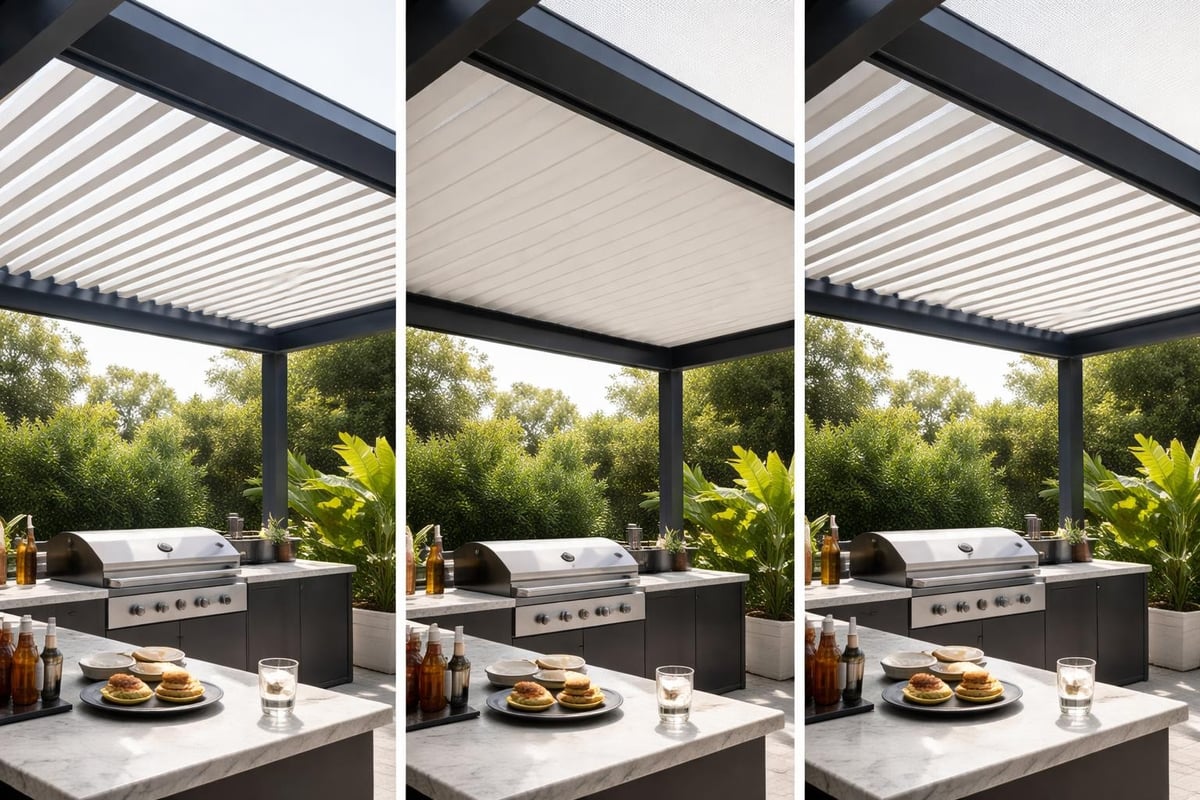
Modern pergola systems incorporate advanced materials and engineering to deliver long-term performance. Extruded aluminium frames resist corrosion whilst maintaining structural integrity across wide spans, allowing for generous coverage without intrusive support columns.
| Feature | Standard Pergola | Bioclimatic System | Traditional Roof |
|---|---|---|---|
| Weather Control | Fixed shade only | Adjustable louvres | Full coverage |
| Ventilation | Limited airflow | Controlled ventilation | Minimal airflow |
| Light Management | Static shading | Variable light levels | Fixed shade |
| Drainage | Basic runoff | Integrated guttering | Comprehensive drainage |
| Automation | None | Motorised options | Not applicable |
| Aesthetic Flexibility | Moderate | High | Low |
The integration of automated controls transforms these structures into responsive environments. Rain sensors trigger automatic closure, protecting your barbecue area without manual intervention. Wind sensors prevent damage during storms whilst temperature controls optimise comfort levels throughout the season.
This level of sophistication supports luxury outdoor furniture and creates refined entertaining spaces that function seamlessly regardless of weather conditions. The ability to control your environment enhances both everyday cooking and special event hosting.
Permanent pavilions offer timeless elegance for barbecue roof ideas rooted in classical architecture. These freestanding structures create defined rooms within your garden, establishing dedicated cooking and dining zones with substantial weather protection and visual presence.
Timber-framed pavilions bring warmth and character to outdoor kitchens, particularly when constructed from oak or cedar that weathers beautifully over time. The natural materials complement traditional Cotswold architecture whilst providing robust shelter for high-performance cooking equipment.
Design considerations for pavilion structures:
The covered BBQ spaces featured in comprehensive design galleries demonstrate how pavilion structures create focal points that anchor entire outdoor living schemes. These permanent features define space whilst offering flexibility for furniture arrangement and equipment placement.
Extending your home's roofline creates integrated barbecue areas that feel like natural extensions of your indoor living space. These attached structures share architectural details with your main residence, maintaining visual continuity whilst expanding usable square footage into the garden.
Lean-to designs prove particularly effective for terraced properties or locations with limited garden depth. The single-slope roof efficiently sheds water whilst maximising headroom near the building face where cooking equipment typically sits.
Glass roofing systems flood attached barbecue areas with natural light whilst maintaining weather protection. Laminated safety glass or polycarbonate panels create bright, airy spaces that don't feel enclosed. Transparent roofing works particularly well in Oxfordshire and Cotswold locations where maximising daylight enhances year-round usability.
Solid roofing materials like clay tiles or metal panels match existing architecture more closely. These options provide superior insulation and sound dampening, creating quieter cooking environments protected from temperature extremes. The choice between transparent and solid roofing fundamentally shapes the character of your outdoor kitchen.
For those exploring outdoor BBQ area designs with comprehensive roof coverage, the integration of proper ventilation becomes critical. Cooking smoke, heat, and moisture must escape efficiently to prevent buildup and maintain comfortable conditions.
Flexibility defines modern outdoor living, and retractable roof systems deliver adaptive coverage that responds to changing needs. These innovative barbecue roof ideas allow complete exposure during pleasant weather whilst providing instant protection when conditions deteriorate.
Fabric retractable systems use weather-resistant textiles tensioned across motorised frames. The cloth retracts completely when not needed, creating open-air cooking conditions perfect for summer entertaining. When deployed, these systems block UV radiation and deflect light rain whilst maintaining airflow that prevents heat accumulation.
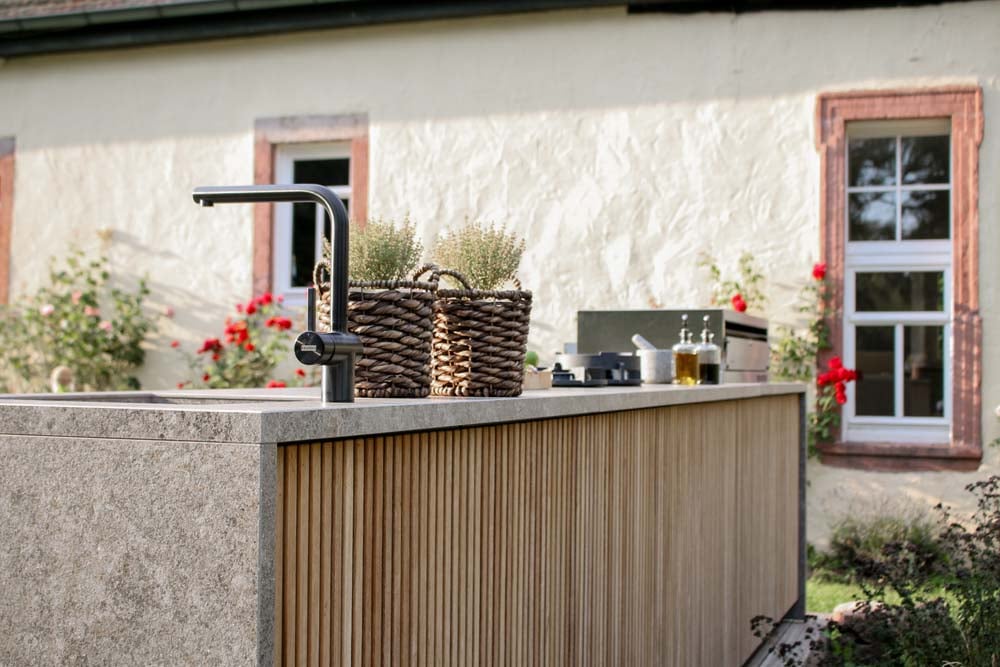
Rigid retractable systems employ louvred panels or sliding roof sections that stack or fold away. These structures offer superior weather protection compared to fabric alternatives whilst preserving the ability to open completely. The Cubic outdoor kitchens pair beautifully with such systems, creating modular outdoor living spaces that adapt to varied entertaining requirements.
Advantages of retractable roof systems:
Proper ventilation separates functional barbecue roof ideas from problematic designs. Cooking smoke, grease-laden air, and heat buildup require careful management to prevent discomfort and structural damage. The most successful covered cooking areas incorporate multiple ventilation strategies that work together.
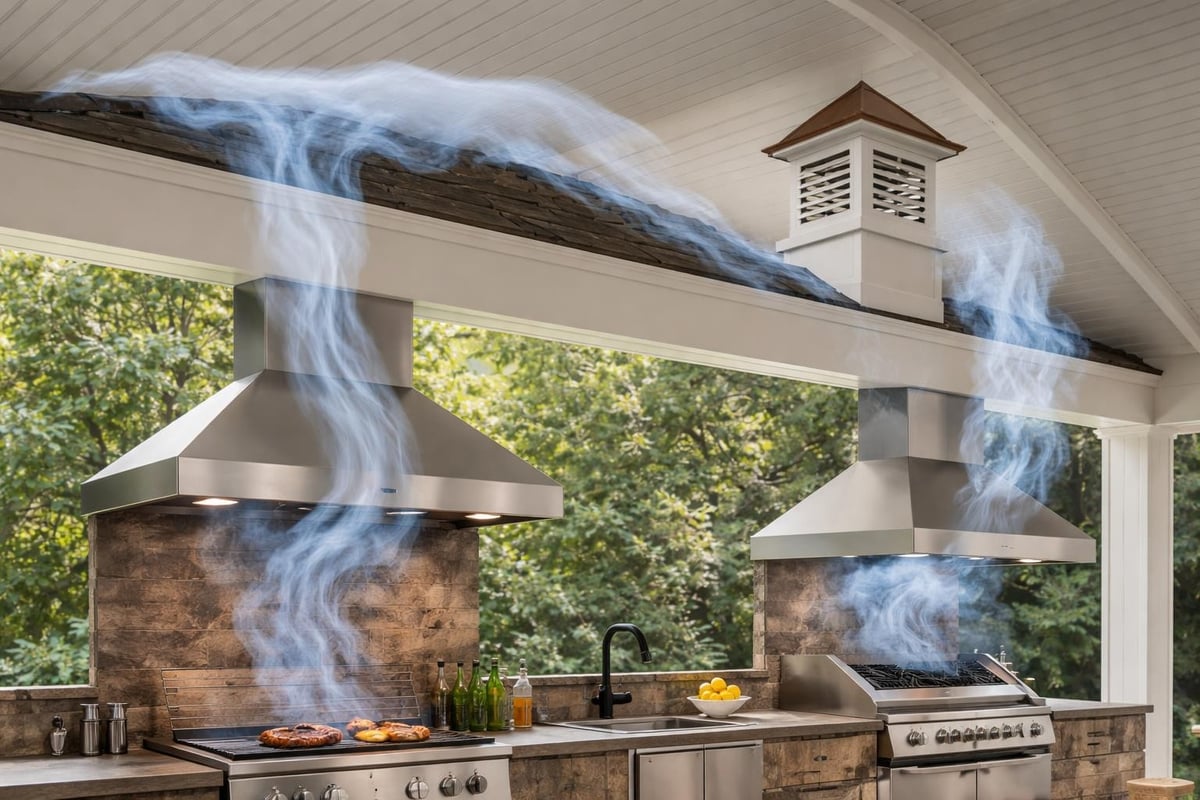
Natural ventilation relies on thermal buoyancy and cross-breezes. Hot air rises naturally, so raised ceiling peaks or cupolas encourage upward flow. Open sides allow cool air to replace rising heat, creating continuous circulation that removes smoke without mechanical assistance.
High-performance outdoor kitchens benefit from dedicated extraction systems similar to commercial kitchens. Canopy hoods positioned directly above grills and smokers capture cooking emissions at source, preventing dispersion throughout the covered area.
| Ventilation Method | Effectiveness | Installation Complexity | Operating Cost | Aesthetic Impact |
|---|---|---|---|---|
| Natural Draft | Moderate | Low | None | Minimal |
| Ridge Vents | Good | Moderate | None | Low |
| Cupola Systems | Good | Moderate | None | Traditional character |
| Canopy Hoods | Excellent | High | Moderate (electricity) | Commercial appearance |
| Integrated Fans | Excellent | High | Low to moderate | Minimal when recessed |
The choice of ventilation approach influences roof design from initial planning stages. Cupolas require structural support and weatherproofing. Mechanical systems need electrical supply and maintenance access. These requirements shape the overall barbecue roof ideas you ultimately pursue.
The materials comprising your barbecue roof determine its lifespan, maintenance requirements, and visual contribution to your outdoor living space. Premium selections deliver decades of service whilst developing attractive patinas that enhance character over time.
Aluminium frameworks offer exceptional strength-to-weight ratios and complete resistance to rust and corrosion. Powder-coated finishes provide colour stability and additional weather protection. These modern materials suit contemporary architectural approaches whilst requiring minimal ongoing maintenance.
Timber structures bring organic warmth and traditional craftsmanship to barbecue roof ideas. Oak, Western red cedar, and thermally modified woods withstand outdoor exposure whilst ageing gracefully. Regular treatment with appropriate oils or stains maintains appearance and extends service life. The choice between contemporary metal and traditional timber fundamentally shapes your outdoor kitchen's character.
Roofing material comparison:
The materials selected for your barbecue roof should harmonise with existing architecture whilst meeting functional requirements. A Cotswold stone cottage benefits from timber and clay tile combinations that reference regional building traditions. Contemporary homes suit clean-lined metal and glass systems that extend modern design language outdoors.
Transforming seasonal barbecue areas into year-round outdoor kitchens requires thoughtful integration of heating, lighting, and weather protection. The most successful barbecue roof ideas incorporate these systems from initial design stages rather than retrofitting later.
Radiant heating extends outdoor season dramatically. Ceiling-mounted infrared heaters deliver warmth directly to people and surfaces without heating air that quickly disperses. Strategic placement above seating and cooking zones creates comfortable microclimates even during cold months.
Comprehensive lighting schemes support cooking safety whilst creating atmospheric evening environments. Task lighting illuminates work surfaces and grill controls. Ambient lighting establishes mood and highlights architectural features. The combination transforms outdoor kitchens into venues for sophisticated entertaining after sunset.
Complete weather protection involves more than overhead coverage. Prevailing wind direction influences comfort significantly, particularly in exposed locations. Partial wall panels, screening, or strategic planting blocks cold breezes whilst maintaining open aspects toward gardens or views.
Drawing inspiration from stylish covered patio and grill space designs, consider how different elements work together. Flooring selection affects comfort and maintenance. Heating extends usability. Storage keeps equipment protected between uses. These details transform basic covered areas into fully functional outdoor rooms.
Understanding regulatory requirements prevents costly mistakes when implementing barbecue roof ideas. Permitted development rights allow certain structures without formal planning permission, but specific criteria must be met. Size, height, proximity to boundaries, and conservation area status all influence requirements.
Structures exceeding 4 metres in height typically require planning permission. Roof pitches above certain angles may trigger restrictions. Sites within conservation areas or near listed buildings face additional scrutiny. Early consultation with local planning authorities clarifies requirements before significant expenditure.
Common regulatory considerations:
Building regulations address structural safety, drainage, and permanent installations. Electrical work requires certified installation by qualified electricians. Gas connections demand registration with Gas Safe professionals. These requirements protect safety whilst ensuring long-term reliability.
Professional design consultancies navigate these requirements efficiently. Their experience with local authorities accelerates approvals whilst ensuring compliant designs. This expertise proves invaluable when creating sophisticated outdoor kitchens that meet both aesthetic ambitions and regulatory obligations.
Investment in quality barbecue roof ideas varies considerably based on scale, materials, and complexity. Understanding cost drivers helps establish realistic budgets aligned with your vision and property value.
Basic pergola structures begin around £3,000 for simple designs, whilst premium bioclimatic systems range from £15,000 to £40,000 depending on size and specification. Custom pavilions span £20,000 to £75,000 for architect-designed structures incorporating bespoke details and premium materials.
Budget allocation framework:
These proportions guide initial planning whilst remaining flexible based on priorities. Some homeowners prioritise structural quality and timeless design over equipment, installing premium outdoor kitchens within outstanding architectural frameworks. Others invest heavily in cooking capabilities whilst selecting simpler roof structures.
Viewing various outdoor BBQ area roof designs and installation approaches demonstrates how different budget levels deliver satisfying results when thoughtfully planned. The key lies in identifying priorities and allocating resources accordingly rather than compromising across all elements.
Successful barbecue roof ideas enhance overall garden composition rather than appearing as isolated additions. The structure's scale, positioning, and style should complement existing architecture, planting schemes, and circulation patterns.
Sight lines matter significantly. Consider views from indoor living spaces, approaching paths, and neighbouring properties. The structure should frame desirable vistas whilst screening less attractive aspects. Positioning influences functionality too, with proximity to kitchen doors reducing serving distances whilst encouraging outdoor kitchen usage.
Material continuity creates visual harmony between house and garden structures. Matching roof materials, timber species, or metal finishes strengthens connections whilst maintaining distinct character for outdoor living areas. Alternatively, deliberate contrast highlights the barbecue pavilion as a focal feature within the landscape.
Planting softens architectural edges whilst providing seasonal interest. Climbing plants on pergola columns bring vertical greenery without compromising structure. Surrounding borders transition from hard landscaping to garden proper. These thoughtful details integrate barbecue roof ideas into cohesive outdoor living environments.
The collection of must-try outdoor BBQ designs with roof coverage illustrates how successful integration elevates entire properties. The covered cooking area becomes part of a larger outdoor living narrative rather than standing alone.
Complex barbecue roof ideas benefit enormously from professional design expertise. Experienced consultants understand structural requirements, material performance, and integration challenges that aren't immediately apparent to homeowners. Their involvement typically improves outcomes whilst avoiding expensive corrections.
Structural engineering ensures safety and longevity. Roof loads, wind resistance, and foundation adequacy require calculation and verification. Professional engineers specify appropriate materials and construction methods that deliver reliable performance across decades.
Installation quality determines long-term satisfaction. Precise alignment, proper weatherproofing, and careful finishing distinguish professional work from amateur efforts. Established contractors carry appropriate insurance, provide warranties, and employ skilled tradespeople capable of executing sophisticated designs.
Questions for potential contractors:
Thorough vetting prevents disappointments whilst establishing clear expectations. Site visits to completed projects reveal build quality and design capabilities more effectively than photographs alone.
Preserving your investment requires appropriate maintenance tailored to materials and systems installed. Proactive care prevents minor issues from developing into expensive repairs whilst maintaining aesthetic appeal.
Timber structures benefit from annual inspection and treatment. Check for moisture damage, insect activity, and finish deterioration. Reapply protective oils or stains according to manufacturer recommendations. Address any structural movement promptly before damage extends.
Metal frameworks require less frequent intervention but shouldn't be neglected. Clean powder-coated surfaces annually to remove contaminants that degrade finishes. Inspect fasteners for corrosion and tightness. Lubricate moving parts on retractable or bioclimatic systems.
| Component | Inspection Frequency | Typical Maintenance | Professional Service Interval |
|---|---|---|---|
| Timber Frame | Annually | Cleaning, treatment, finish renewal | Every 3-5 years |
| Metal Structure | Annually | Cleaning, corrosion check | Every 5-7 years |
| Roof Covering | Biannually | Debris removal, seal inspection | Every 5-10 years |
| Gutters/Drainage | Quarterly | Clear debris, check flow | Annually |
| Electrical Systems | Annually | Visual inspection | Every 3-5 years (testing) |
| Mechanical Components | Annually | Lubrication, adjustment | Every 2-3 years |
Automated systems including bioclimatic louvres and retractable roofs require regular servicing to maintain smooth operation. Annual professional inspection identifies wear before failures occur, preventing inconvenient breakdowns during peak entertaining season.
The best barbecue roof ideas extend beyond basic weather protection to create comprehensive outdoor living environments. Strategic additions transform covered cooking areas into multifunctional spaces supporting varied activities and occasions.
Integrated storage keeps cooking equipment, utensils, and tableware accessible whilst protected from weather. Weather-resistant cabinetry designed for outdoor use withstands moisture and temperature fluctuations. Lockable compartments secure valuable equipment when spaces aren't in use.
Preparation surfaces adjacent to cooking equipment streamline workflow and reduce movement between indoor kitchens and outdoor areas. Durable worktops in granite, stainless steel, or composite materials provide hygienic food preparation zones that withstand outdoor conditions.
Complementary features to consider:
These enhancements create self-contained outdoor living spaces that reduce dependency on indoor facilities. Guests remain comfortable throughout events without repeatedly moving indoors, improving flow and atmosphere during gatherings.
Year-round outdoor kitchens adapt to seasonal variations through removable and adjustable elements. This flexibility maintains comfort whilst responding to changing weather patterns and usage requirements throughout the year.
Removable side panels transform open pavilions into semi-enclosed spaces during winter months. Clear vinyl or glass panels preserve views whilst blocking wind and rain. These temporary additions store compactly when not needed, maintaining open aspects during pleasant weather.
Adjustable heating levels accommodate temperature variations. Multiple zones allow targeted heating that warms occupied areas without waste. Programmable controls automate temperature management based on time and conditions.
The adaptability of pizza ovens designed for outdoor installation demonstrates how equipment choice influences seasonal usability. Dual-fuel options provide flexibility between wood-fired authenticity and gas convenience depending on weather and occasion.
Thoughtfully designed barbecue roof ideas transform outdoor cooking from a fair-weather activity into a year-round passion, creating sophisticated culinary environments that rival indoor kitchens whilst celebrating outdoor living. Whether you favour contemporary bioclimatic pergolas or traditional timber pavilions, the right structure protects your investment, extends your entertaining season, and adds substantial value to your property. The Cotswold Cooking Company brings decades of expertise in designing and installing luxury outdoor kitchens throughout Oxfordshire and beyond, offering comprehensive consultative services from initial concept through installation and commissioning. Explore how bespoke outdoor living solutions can transform your garden into a refined all-season culinary destination at Cotswold Cooking Company.

Leave a comment