


Selecting the best pergola for your outdoor space demands more than aesthetic consideration alone. Today's discerning homeowners seek structures that combine architectural excellence with functional versatility, creating refined outdoor rooms that perform beautifully across all seasons. Modern pergolas have evolved far beyond simple garden features into sophisticated systems that control light, ventilation, and weather protection whilst maintaining timeless visual appeal. Understanding the landscape of premium options enables you to make an informed investment that elevates your property and lifestyle for decades to come.
The best pergola solutions today integrate cutting-edge engineering with classical design principles. Unlike traditional timber structures that offered merely shade, contemporary premium pergolas incorporate motorized louvred roofs, integrated drainage systems, and smart home connectivity. These advancements transform outdoor spaces into true extensions of your living area, functional throughout the year regardless of British weather patterns.
Quality distinguishes itself through materials, construction methods, and design pedigree. European manufacturers have established themselves as leaders in this field, combining generations of metalworking expertise with modern architectural sensibilities. Aluminium frames treated with powder-coating processes resist corrosion whilst maintaining crisp, clean lines that complement both period properties and contemporary builds.
When evaluating options, several characteristics separate exceptional designs from standard offerings:
The construction process and structural considerations vary significantly between premium manufactured systems and DIY approaches, with engineered solutions offering superior performance guarantees.
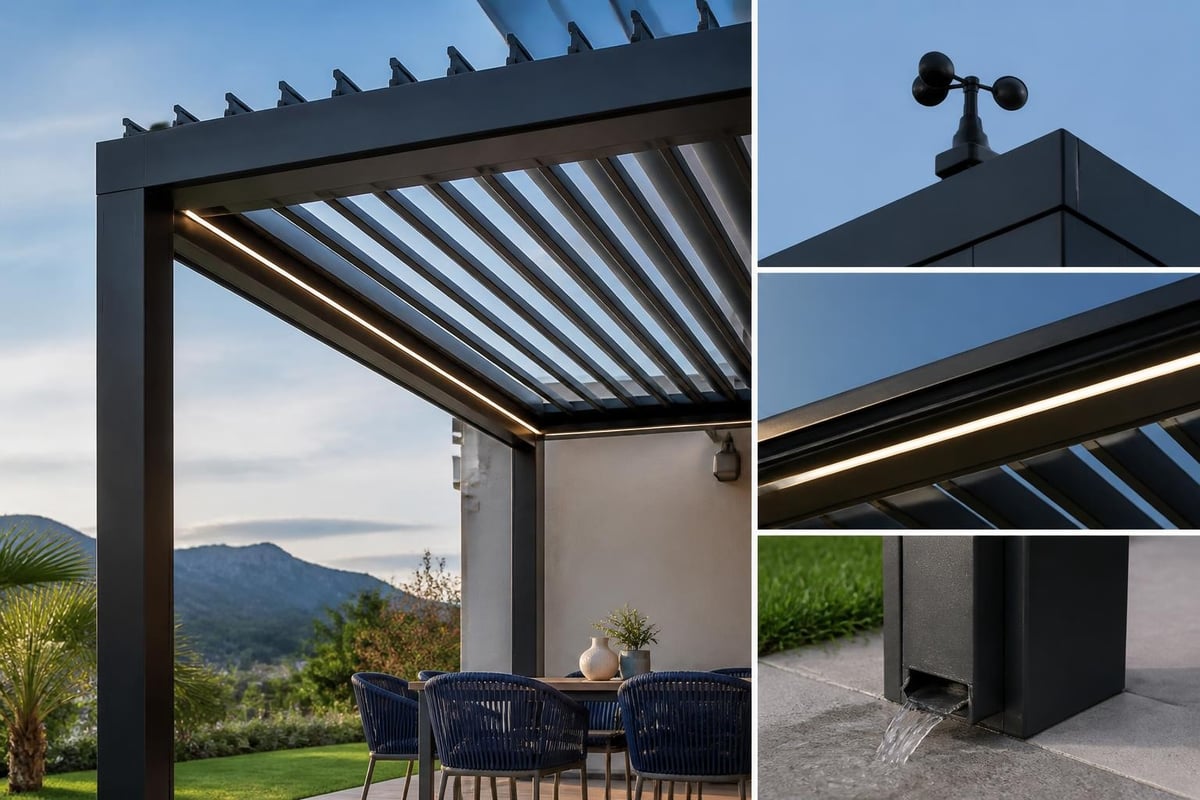
Material choice fundamentally impacts both longevity and maintenance requirements. The best pergola installations utilize materials specifically engineered for outdoor exposure in demanding climates.
Marine-grade aluminium represents the gold standard for contemporary pergola construction. Its exceptional strength-to-weight ratio enables larger spans without intermediate supports, whilst powder-coating technology delivers colour permanence and corrosion resistance. Unlike timber, aluminium requires virtually no maintenance beyond occasional cleaning, maintaining structural integrity and appearance for decades.
Premium manufacturers extrude custom profiles specifically for pergola applications, incorporating reinforcement channels and precise joinery systems. These engineered sections achieve the structural performance of steel whilst remaining lightweight and corrosion-proof.
| Material | Lifespan | Maintenance | Structural Span | Weather Resistance |
|---|---|---|---|---|
| Marine Aluminium | 30+ years | Minimal | Excellent | Superior |
| Hardwood Timber | 15-20 years | Annual treatment | Good | Moderate |
| Mild Steel | 20+ years | Regular painting | Excellent | Requires coating |
| Composite Materials | 25+ years | Low | Moderate | Good |
Whilst timber pergolas offer undeniable warmth and traditional appeal, modern alternatives provide similar aesthetics without the maintenance burden. Composite materials replicate wood grain textures whilst resisting rot, insect damage, and UV degradation. For those committed to authentic timber, sustainably sourced hardwoods like oak or sweet chestnut deliver superior durability compared to softwoods.
However, even premium timber requires regular treatment to prevent weathering, particularly in the UK's damp climate. This ongoing commitment makes aluminium increasingly attractive for homeowners seeking permanence without perpetual upkeep.
The best pergola designs in 2026 embrace bioclimatic technology, representing the apex of outdoor living engineering. These intelligent systems respond to environmental conditions, optimizing comfort whilst protecting furnishings and entertaining spaces from the elements.
Rotating aluminium louvres form the core of bioclimatic functionality. Positioned at precise angles, these blades can fully open to maximize sunlight and views, partially close to filter light whilst maintaining airflow, or seal completely to create weatherproof protection during rain. The transition occurs silently via integrated motors controlled through multiple interface options.
Advanced models incorporate weather stations that monitor wind speed, rainfall, and ambient light levels. When sensors detect approaching rain, louvres automatically close even when you're away from home. Similarly, strong wind alerts trigger protective positioning to prevent structural stress.
For those seeking the ultimate in architectural sophistication, the Tarasola bioclimatic pergola delivers premium European engineering with bespoke customization options. These systems integrate seamlessly with outdoor kitchens and entertaining areas, creating cohesive outdoor rooms designed for year-round use.
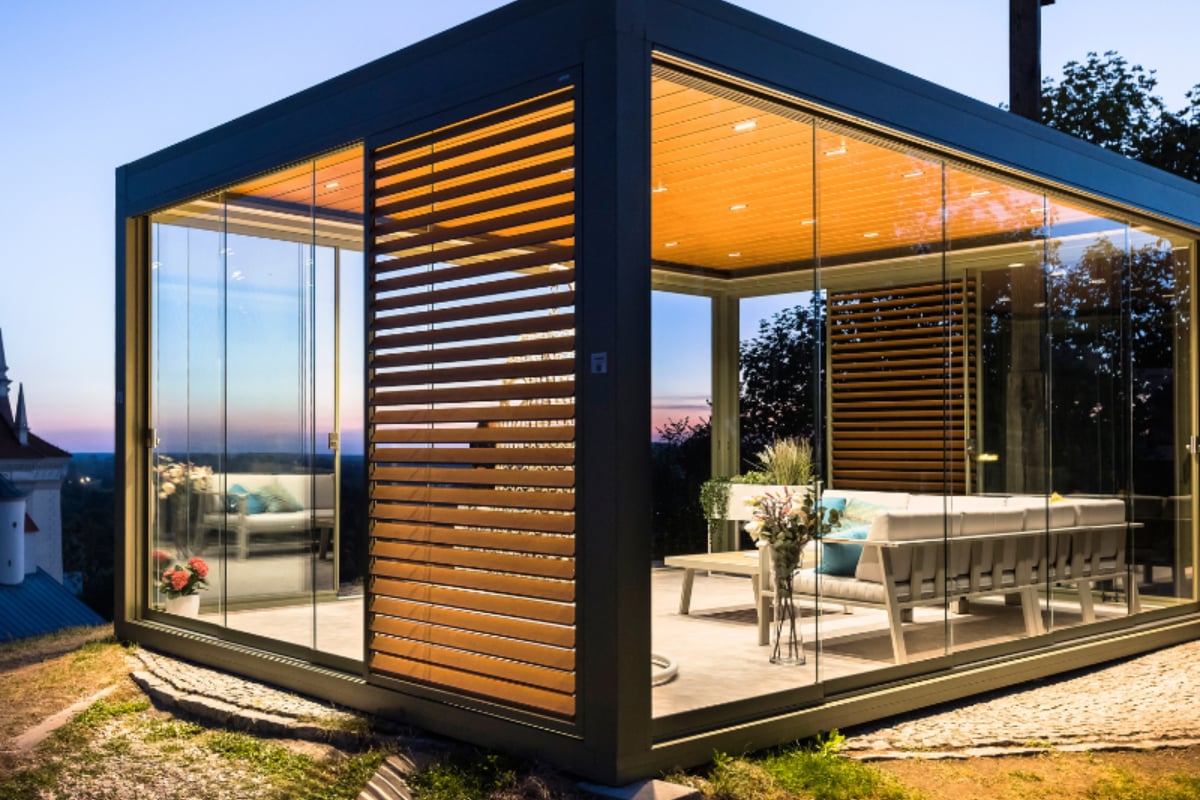
The best pergola installations don't exist in isolation but rather anchor comprehensive outdoor living schemes. Positioning your pergola to shelter outdoor kitchen zones creates functional cooking and dining areas protected from sun and rain alike. This integration proves particularly valuable for serious outdoor cooks who require reliable year-round access to their equipment.
Thoughtful design considers sightlines from interior spaces, creating visual connections between indoor and outdoor areas. Luxury outdoor living design increasingly treats gardens as additional rooms, with pergolas defining distinct zones for cooking, dining, lounging, and entertaining.
Configuration decisions significantly impact both functionality and planning requirements. Understanding the advantages and limitations of each approach informs better design choices.
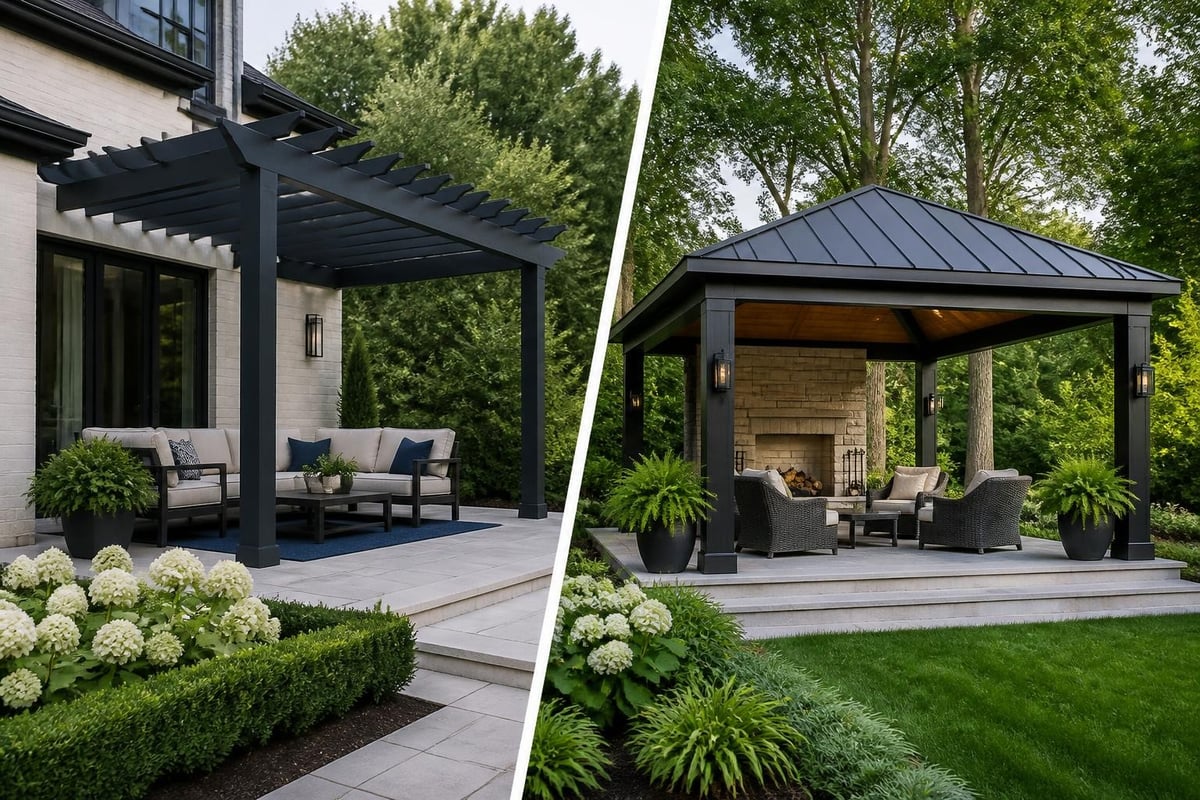
Attaching a pergola directly to your home creates natural flow between interior and exterior spaces. This approach works particularly well for covering patios or terraces immediately adjacent to kitchen or living areas. The structural connection simplifies installation whilst creating architectural cohesion.
Considerations when attaching a pergola to your house include wall fixings, weatherproofing connections, and ensuring structural compatibility with existing building fabric. Period properties may require careful detailing to maintain character, whilst modern builds often incorporate attachment points during initial construction.
Planning considerations for attached structures include:
Freestanding pergolas offer positioning flexibility, creating destination spaces anywhere within your garden. This independence proves valuable when establishing distinct outdoor rooms away from the main house, such as poolside lounges or remote dining pavilions.
Structural requirements differ from attached models, necessitating robust foundation systems across all support posts. However, this independence simplifies installation and avoids any concerns about affecting your home's structure or weatherproofing.
Determining the best pergola dimensions requires balancing practical requirements with visual harmony. Undersized structures appear insignificant and fail to provide adequate coverage, whilst oversized installations overwhelm garden proportions and dominate sightlines.
Begin by mapping the activities your pergola will shelter. Outdoor dining areas require sufficient coverage for your largest table arrangement plus circulation space for serving and seating movement. A table accommodating eight guests typically demands at least 4 by 3 metres, with total pergola dimensions of 5 by 4 metres providing comfortable margins.
Kitchen zones need weather protection extending beyond equipment footprints, allowing cooks to work comfortably without exposure to rain when louvres are closed. Factor in space for preparation surfaces, storage access, and safe clearances around cooking appliances.
| Use Case | Minimum Size | Recommended Size | Key Considerations |
|---|---|---|---|
| Dining (6-8 guests) | 4m × 3m | 5m × 4m | Table size + circulation |
| Outdoor Kitchen | 3m × 2.5m | 4m × 3m | Equipment + prep space |
| Lounge Area | 3m × 3m | 4m × 3.5m | Seating + movement |
| Combined Use | 5m × 4m | 6m × 5m | Multiple zones |
Visual success depends upon maintaining appropriate relationships between pergola size, garden scale, and adjacent architecture. The best pergola proportions typically utilize classical ratios, with length approximately 1.3 to 1.6 times width. This creates pleasing rectangles that avoid both square awkwardness and excessive elongation.
Height proves equally critical, with post heights typically ranging from 2.4 to 3 metres. Lower profiles create intimate, cocooning atmospheres, whilst taller structures emphasize grandeur and airiness. Consider how height relates to adjacent building elevations, aiming for harmonious rather than competing scales.
The question of whether to build or buy a pergola depends upon your skills, available time, and performance expectations. Whilst DIY timber pergolas remain accessible to competent woodworkers, bioclimatic systems require professional installation.
Building your own timber pergola offers customization and potential cost savings. Comprehensive building guides detail the process from foundation preparation through final assembly. However, achieving professional results demands proper tools, construction knowledge, and significant time investment.
Critical elements include:
Engineered bioclimatic pergolas require specialist installation to ensure proper function and warranty compliance. Professional installers bring expertise in electrical integration, weather sealing, and structural anchoring. The best pergola manufacturers provide comprehensive installation services, ensuring systems perform as designed from day one.
Proper anchoring methods vary by surface type, with different approaches for concrete patios, timber decking, or soft landscaping. Professional installers assess site conditions and apply appropriate techniques, from concrete-embedded posts to adjustable mounting feet that accommodate surface variations.
The best pergola installations incorporate thoughtful additions that extend functionality and comfort across seasons.
Infrared heating panels mounted within pergola structures deliver efficient warmth during cooler evenings, extending outdoor season well beyond summer months. Modern systems provide targeted heating zones without the inefficiency of attempting to warm open air.
Lighting transforms pergola spaces after dark, with multiple approaches creating different moods:
Retractable screens add versatility, providing wind protection, privacy, or insect exclusion without permanent visual barriers. Premium systems integrate screens within pergola posts, deploying smoothly when needed and retracting invisibly when not required.
Glass sliding panels offer year-round weather protection whilst maintaining views and natural light. This approach transforms pergolas into true garden rooms, climatically comfortable regardless of external conditions. Frameless glass systems minimize visual interruption, preserving the connection between sheltered and open garden areas.
Selecting appropriate climbing plants softens architectural elements whilst providing additional seasonal interest. Classic choices include wisteria for its dramatic spring blooms, climbing roses for summer colour and fragrance, or evergreen options like star jasmine for year-round coverage.
Bioclimatic pergolas with solid louvre systems don't support traditional climbers, but adjacent planting can still frame and soften structures. Consider planters integrated within the pergola footprint or positioned at corners to anchor the structure within garden composition.
Contemporary pergola design embraces diverse aesthetic approaches whilst maintaining focus on quality and performance.
Clean-lined aluminium structures with slim profiles epitomize modern design sensibilities. Monochromatic colour schemes in anthracite grey, pure white, or matte black create sophisticated backdrops for outdoor furnishings. The best pergola designs in this category emphasize material honesty and precision engineering, celebrating rather than concealing structural elements.
Integration with contemporary architecture demands careful proportion and detail alignment. Matching window frame colours, coordinating with existing exterior metalwork, and maintaining consistent material palettes creates cohesive schemes.
Traditional timber pergolas suit period properties and cottage gardens, offering warmth and established character. Oak structures weather beautifully, developing silvery patinas that blend harmoniously with aged stone and brick. For those seeking traditional aesthetics with modern performance, aluminium systems now replicate timber grain textures convincingly.
Design inspiration drawn from classical garden architecture includes features such as:
The best pergola installations sometimes embrace bold contemporary design, becoming sculptural garden features in their own right. Cantilevered sections, asymmetric layouts, or dramatic colour choices create memorable outdoor spaces that reflect owner personality. Innovative pergola concepts demonstrate how structure, function, and artistry converge.
This approach suits confident modern architecture and spacious gardens where dramatic gestures have room to breathe. Working with design professionals ensures bold concepts maintain practical functionality alongside visual impact.
Understanding the financial dimensions of premium pergola installation enables realistic budgeting and value assessment.
Premium bioclimatic pergolas represent significant investments, typically ranging from £15,000 to £50,000 depending upon size, specification, and customization. This positions them as substantial home improvements comparable to conservatory or extension projects.
Budget allocation should encompass:
Simpler timber pergolas can start from £2,000 to £5,000 for DIY kits, with professionally installed hardwood structures ranging from £6,000 to £15,000. However, lifetime costs including maintenance and eventual replacement often favour durable aluminium systems.
High-quality outdoor living infrastructure appeals strongly to prospective buyers, particularly for premium properties where gardens form significant selling features. Well-executed pergola installations demonstrate thoughtful property development and create functional spaces that buyers immediately envision using.
Beyond direct property value, the best pergola investments deliver lifestyle returns through expanded usable space, enhanced entertaining capabilities, and year-round garden access. For hospitality applications, weather-independent outdoor seating extends revenue opportunities across seasons.
Understanding care requirements ensures your pergola maintains performance and appearance throughout its service life.
Premium powder-coated aluminium demands minimal maintenance. Quarterly cleaning with mild detergent solution and soft brushes removes accumulated dirt and organic matter. Annual inspections should verify motor function, sensor accuracy, and drainage system clearance.
Louvre mechanisms benefit from periodic lubrication at pivot points, though sealed bearing systems may operate maintenance-free for years. Electrical connections require professional inspection every three to five years, ensuring safe ongoing operation.
Timber pergolas demand considerably more attention. Annual treatment with appropriate preservatives maintains weather resistance and prevents rot. Inspection should identify any developing cracks, loose fixings, or insect damage requiring remedial action.
Maintenance schedule for timber pergolas:
Well-maintained hardwood structures can serve beautifully for decades, developing character through weathering whilst retaining structural integrity. However, the ongoing commitment suits those who enjoy garden maintenance rather than those seeking minimal-intervention solutions.
British weather patterns place particular demands on outdoor structures, making climate-appropriate design essential for the best pergola performance.
Coastal and elevated locations experience significant wind loads requiring robust structural engineering. Premium manufacturers calculate wind resistance and provide certified structural calculations ensuring safety margins. Installation must follow engineered specifications precisely, with foundation systems matched to local conditions.
Bioclimatic systems offer advantages in exposed locations, as louvres can close completely during severe weather whilst remaining partially open during calmer conditions. This adaptability proves valuable in changeable British weather where conditions shift rapidly.
Effective water management separates successful installations from problematic ones. Integrated gutter systems must discharge away from entertainment areas, ideally connecting to existing drainage infrastructure. Inadequate drainage creates puddles, water damage to furnishings, and potentially undermines foundations through saturation.
The best pergola designs incorporate generous gutter capacity with sealed joints preventing leaks. Downpipes should be positioned thoughtfully, avoiding conflict with foot traffic or furnishing placement whilst maintaining visual discretion.
Selecting the best pergola transforms outdoor spaces into refined, functional extensions of your home, delivering year-round utility and lasting architectural value. From bioclimatic innovation to classical timber elegance, today's options accommodate every design preference and performance requirement. The Cotswold Cooking Company brings decades of expertise in luxury outdoor living, curating premium European pergola systems alongside comprehensive outdoor kitchen solutions. Our consultative approach ensures your investment perfectly suits your property, lifestyle, and aesthetic vision. Explore how Cotswold Cooking Company can elevate your outdoor living experience through expertly specified, professionally installed pergola systems designed for discerning homeowners across the UK.

Comments
Leave a comment