


Creating an exceptional outdoor kitchen centred around a built in bbq and pizza oven represents the pinnacle of alfresco entertaining. This dual-functionality approach transforms your garden into a versatile culinary destination, capable of everything from slow-smoked brisket to authentic Neapolitan pizza. For discerning homeowners across the UK, particularly those who appreciate architectural design and year-round usability, integrating these two cooking methods requires careful planning, premium materials, and a deep understanding of spatial flow. Whether you're reimagining a Cotswolds terrace or designing a contemporary London garden, the marriage of BBQ and pizza oven functionality demands both technical precision and aesthetic sophistication.
Before construction begins, establishing a comprehensive design brief ensures your built in bbq and pizza oven installation meets both practical requirements and aesthetic aspirations. The planning phase should address positioning, fuel sources, ventilation, and weather protection.
Selecting the optimal location for your outdoor cooking station involves evaluating multiple factors simultaneously. Prevailing wind direction affects smoke dispersal, whilst proximity to your main residence influences utility connections and entertaining flow. Consider positioning your installation where natural shelter exists, whether from established hedging, boundary walls, or architectural features.
Key positioning considerations include:
The relationship between your built in bbq and pizza oven should facilitate efficient movement during multi-course preparations. Professional outdoor kitchen designers recommend positioning these elements along a continuous run rather than opposite faces, creating an ergonomic work triangle similar to indoor kitchen planning principles.
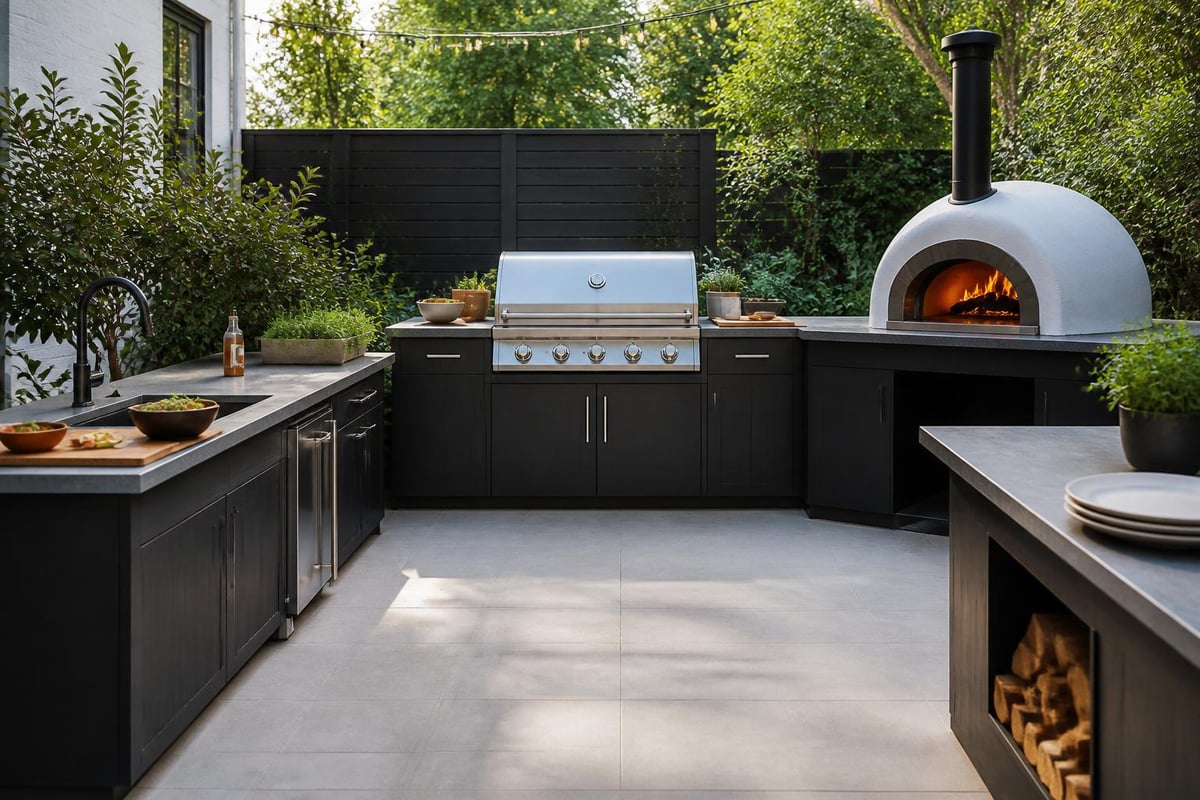
Substantial foundations differentiate permanent installations from portable alternatives. A built in bbq and pizza oven combination typically requires a reinforced concrete base measuring 150-200mm thick, extending at least 300mm beyond the footprint in all directions.
| Infrastructure Element | Specification | Purpose |
|---|---|---|
| Concrete Base | 150-200mm reinforced | Load distribution and stability |
| Drainage | 40mm fall per metre | Surface water management |
| Gas Supply | 28mm copper pipe minimum | BBQ and auxiliary appliances |
| Electrical Supply | 32-amp RCD-protected circuit | Lighting, rotisserie, accessories |
| Water Feed | Frost-protected armoured supply | Sink, prep areas, cleaning |
Professional installation teams often incorporate ducting beneath foundations for future service additions. This forward-thinking approach accommodates evolving requirements without disruptive retrofitting.
Architectural coherence transforms functional cooking equipment into a considered focal point. The most successful built in bbq and pizza oven installations demonstrate material continuity, proportional balance, and purposeful detailing.
Britain's variable climate demands exceptional weather resistance. Natural stone, engineering brick, and high-fired ceramics withstand freeze-thaw cycles whilst developing attractive patina over decades. Combining these materials with stainless steel work surfaces creates practical maintenance advantages.
Premium limestone from UK quarries offers timeless appeal, particularly varieties with proven frost resistance such as Portland or Bath stone. When budgets permit, these indigenous materials create meaningful connections to regional architectural heritage. Engineering bricks rated FL classification provide reliable performance in exposed locations, whilst their modular dimensions simplify construction.
For those seeking contemporary minimalism, large-format porcelain panels deliver seamless aesthetics with minimal grout lines. Built-in BBQ ideas demonstrate how material choices influence overall design language, from rustic charm to urban sophistication.
Discerning clients increasingly specify commercial-quality components within their built in bbq and pizza oven installations. Professional outdoor cooking equipment engineered for hospitality environments delivers superior longevity and performance consistency compared to domestic alternatives.
High-performance BBQ specifications worth considering:
Pizza ovens designed for built-in applications typically feature dual-fuel capability, allowing wood-fired authenticity when entertaining whilst offering gas convenience for weeknight use. The Alfa Forni Moderno Hybrid Pizza Oven exemplifies this versatility, reaching 500°C in thirty minutes and delivering authentic Neapolitan results through its handcrafted Italian construction and hybrid fuel system.
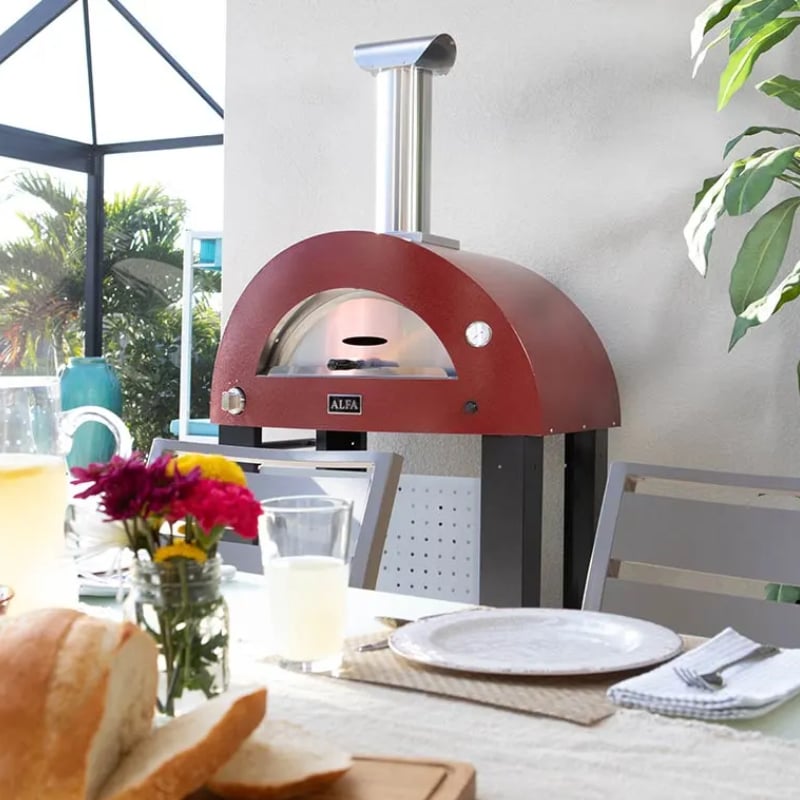
Effective layout planning prevents bottlenecks during ambitious cooking sessions. Your built in bbq and pizza oven should anchor distinct work zones, each supported by appropriate preparation surfaces, storage, and utilities.
Adapting commercial kitchen principles to outdoor environments creates intuitive workflow. Position your BBQ as the primary cooking station, with the pizza oven offset by 1.5-2 metres. Between these anchors, incorporate a preparation zone measuring at least 900mm wide.
Landing zones either side of cooking appliances provide essential staging areas. Plan for 600mm minimum clear worktop space adjacent to your BBQ for plating finished dishes, with similar provision beside the pizza oven for launching and retrieving pizzas using long-handled peels.
Recommended work zone dimensions:
Concealed storage maintains visual refinement whilst keeping essentials within reach. Design your built in bbq and pizza oven surround to incorporate cupboards, drawers, and specialized storage solutions at ergonomic heights.
| Storage Type | Recommended Location | Typical Contents |
|---|---|---|
| Deep base cabinets | Below BBQ | Gas bottles, charcoal bags |
| Drawer units | Prep zone | Utensils, thermometers, skewers |
| Shelf cupboards | Pizza oven side | Wood storage, pizza peels |
| Refrigerated drawers | Central prep zone | Ingredients, marinades |
| Open shelving | Upper sections | Serving platters, condiments |
Marine-grade stainless steel drawer systems resist moisture infiltration, whilst soft-close mechanisms prevent slamming during outdoor use. Specify IP65-rated hinges and handles to ensure decade-long reliability despite weather exposure.
Your built in bbq and pizza oven installation should feel intrinsic to your property's architectural language rather than an afterthought. Achieving this coherence requires attention to proportion, detailing, and contextual sensitivity.
Oversized installations overwhelm modest gardens, whilst undersized features appear tentative in expansive landscapes. Professional designers typically allocate 4-6 linear metres for comprehensive built in bbq and pizza oven combinations, with overall height rarely exceeding 2.2 metres to maintain human scale.
The pizza oven dome naturally becomes a focal element. Rather than attempting to minimise this feature, embrace its sculptural quality through complementary proportions. If using a 75cm diameter oven dome, for instance, consider cladding dimensions that establish harmonious ratios-perhaps a surrounding structure measuring 1.5-1.8 metres wide.
Where different materials meet, thoughtful detailing prevents visual conflict. Coping stones projecting 50-75mm beyond vertical faces create deliberate shadow lines whilst protecting masonry from water ingress. These projections also provide natural finger grips when handling hot pizza peels or BBQ tools.
Innovative built-in outdoor grill ideas showcase how material junctions can become design features rather than compromises. Consider introducing accent materials at threshold moments-perhaps blackened steel trim defining the BBQ aperture, or limestone hearth stones extending forward from your pizza oven.
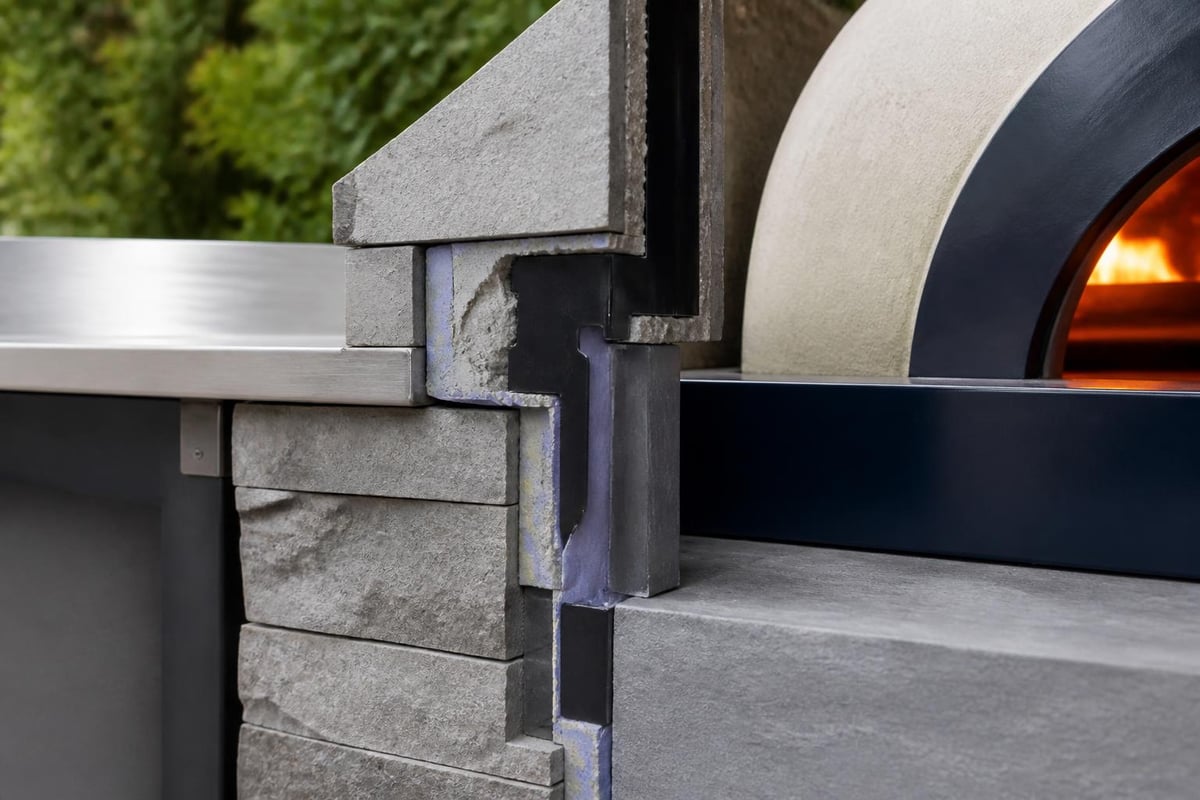
British weather patterns demand robust weatherproofing and thermal management. Your built in bbq and pizza oven must perform reliably during damp November evenings as confidently as summer garden parties.
Whilst both BBQs and pizza ovens tolerate outdoor exposure, integrating them beneath permanent shelter extends equipment lifespan significantly. Overhead protection prevents rain from pooling on work surfaces and entering ventilation systems.
Bioclimatic pergola systems offer exceptional versatility, with louvred roofs adjusting to suit cooking requirements. Open louvres during pizza sessions allow rising heat to disperse, then close them when rain approaches. These engineered systems withstand wind loading whilst creating defined outdoor rooms that extend your property's usable footprint.
Shelter options ranked by protection level:
Vertical weather protection proves equally important. Side screens in toughened glass or outdoor-rated fabric reduce wind disruption whilst maintaining visual connection to gardens. These elements can incorporate heating panels or infrared emitters, transforming your cooking station into a comfortable retreat during colder months.
Adequate ventilation prevents smoke accumulation whilst complying with planning considerations regarding neighbour amenity. Pizza ovens generate substantial smoke during initial firing and wood-fuel operation, requiring careful flue design.
Your built in bbq and pizza oven ventilation strategy should incorporate flues extending at least 600mm above the highest point of any roof within 3 metres. Stainless steel twin-wall insulated flue systems maintain draft efficiency whilst reducing external surface temperatures-an important safety consideration around occupied spaces.
Choosing specific BBQ and pizza oven models influences your entire design approach. Equipment dimensions dictate minimum enclosure sizes, whilst fuel types determine infrastructure requirements.
Drop-in BBQ units designed for masonry or cabinetry integration offer cleaner aesthetics than freestanding alternatives. Premium manufacturers provide built-in specifications including exact cutout dimensions, minimum clearances, and ventilation requirements.
Key selection criteria include:
Many outdoor kitchen installations now incorporate modular BBQ systems allowing configuration changes without structural modifications. This flexibility accommodates evolving cooking preferences and emerging technologies.
Modern pizza ovens for built in bbq and pizza oven combinations typically offer multi-fuel capability. This versatility accommodates different cooking scenarios-wood for entertaining theatre and authentic flavour, gas for convenient weeknight pizzas.
Reviewing the best pizza ovens of 2026 reveals significant performance variation between entry-level and premium models. Commercial-quality units maintain temperature stability when doors open repeatedly, recover quickly between pizzas, and deliver consistent results across extended cooking sessions.
Pizza oven comparison considerations:
| Feature | Entry Level | Mid-Range | Premium/Commercial |
|---|---|---|---|
| Heat-up time | 45-60 minutes | 30-40 minutes | 20-30 minutes |
| Maximum temperature | 400-450°C | 450-500°C | 500-550°C |
| Cooking floor material | Cordierite | Refractory stone | Biscotto refractory |
| Insulation thickness | 30-40mm | 50-60mm | 80-100mm |
| Fuel flexibility | Single fuel | Dual fuel option | Hybrid with quick-change |
| Warranty coverage | 1-2 years | 3-5 years | 5-10 years |
For built-in installations, prioritize models engineered for permanent positioning. These typically feature reinforced shells, superior insulation for exterior temperature management, and weather-resistant componentry.
Constructing a built in bbq and pizza oven installation demands multiple trade disciplines. Bricklayers, gas engineers, electricians, and landscapers must coordinate their efforts to achieve cohesive results.
Whilst enthusiastic DIYers can complete successful projects, professional installation delivers assured compliance with building regulations, gas safety standards, and manufacturer warranties. Complex aspects including gas installations legally require Gas Safe registered engineers.
Step-by-step building tutorials provide valuable insights into construction sequences, even for those engaging professional installers. Understanding the process facilitates meaningful discussions with contractors and helps establish realistic timelines.
Professional installation through specialized outdoor kitchen designers ensures coordinated delivery and installation services aligned to manufacturer specifications. This approach typically includes foundation preparation, utility connections, equipment fitting, final commissioning, and operational training.
Most built in bbq and pizza oven installations proceed under permitted development rights, avoiding formal planning applications. However, several scenarios trigger planning requirements:
Building regulations typically apply when constructing permanent structures, particularly regarding foundations, electrical work, and gas installations. Early consultation with your local authority building control department clarifies requirements specific to your location and design.
A comprehensive built in bbq and pizza oven installation benefits from thoughtful auxiliary features. These elements expand culinary possibilities whilst improving user experience.
Strategic lighting transforms evening cooking from frustrating to delightful. Your lighting scheme should address three distinct requirements: task illumination for food preparation, ambient lighting for entertaining atmosphere, and accent lighting highlighting architectural features.
Essential lighting zones:
Specify IP65-rated fittings minimum for all outdoor lighting. Warm colour temperatures (2700-3000K) create inviting ambience whilst providing accurate food colour rendering essential for judging cooking progress.
Comprehensive outdoor kitchens extend beyond cooking equipment alone. Integrating utilities at the design stage prevents disruptive later additions.
Consider incorporating:
Your built in bbq and pizza oven aesthetic should harmonize with your property's existing character whilst expressing personal style preferences. Several established design directions offer proven success.
Clean-lined installations emphasizing horizontal proportions and restrained material palettes suit modern architectural contexts. Large-format cladding panels, flush-mount BBQ grills, and concealed storage create serene outdoor environments focused on cooking performance rather than decorative embellishment.
Material choices typically include honed limestone or concrete, brushed stainless steel, and engineered hardwood. Colour palettes remain neutral-greys, whites, and warm earth tones predominate.
Traditional materials and time-honored construction methods create outdoor kitchens resonating with British architectural heritage. Handmade brick, reclaimed stone, and aged timber combine naturally with traditional pizza oven domes and robust BBQ grills.
This approach suits period properties across the Cotswolds and established garden settings where contemporary interventions might appear discordant. Careful detailing distinguishes refined rustic installations from crude approximations-consider lime-washed brick, bronze hardware, and beautifully resolved junctions.
Drawing inspiration from southern European courtyard cooking traditions, these designs celebrate conviviality and outdoor living culture. Warm-toned render finishes, terracotta detailing, and generous proportions characterize this approach.
Built in bbq and pizza oven combinations suit Mediterranean styling particularly well, as both cooking methods originate from this region. Enhance authenticity through complementary elements like decorative tile work, climbing vines, and intimate seating arrangements.
Proper maintenance preserves performance and appearance whilst protecting your substantial investment. Establishing regular care routines prevents minor issues escalating into expensive repairs.
BBQ components require cleaning after each use to prevent grease accumulation and maintain hygiene standards. Remove cooking grates and clean thoroughly with appropriate degreasers, whilst brushing burner ports clear of debris. Stainless steel surfaces benefit from specialized cleaners formulated to prevent streaking and restore lustre.
Pizza ovens develop beneficial seasoning over time, similar to cast iron cookware. Avoid aggressive cleaning inside the cooking chamber-simply brush out ash residue whilst still warm and wipe the cooking floor with a damp cloth. The oven's exterior cladding requires only occasional washing with mild detergent solution.
Seasonal maintenance calendar:
Premium equipment delivers impressive service life when properly maintained. Realistic replacement expectations help budget for ongoing costs:
| Component | Expected Lifespan | Maintenance Impact |
|---|---|---|
| Stainless steel burners | 5-10 years | Regular cleaning doubles lifespan |
| Ignition systems | 3-5 years | Protected location extends life |
| Pizza oven refractory floor | 10-15 years | Gentle cleaning prevents cracking |
| Masonry cladding | 30-50+ years | Repointing maintains integrity |
| Stainless counters | 20-30 years | Proper cleaning prevents corrosion |
| Insulated flue systems | 15-20 years | Annual inspection recommended |
Many manufacturers offer extended warranties through authorized installers, providing additional peace of mind for premium installations. Retaining detailed installation documentation and photographs simplifies warranty claims should issues arise.
Your built in bbq and pizza oven succeeds best within thoughtfully designed outdoor environments. Consider how cooking facilities relate to dining areas, circulation routes, and landscape features.
Successful outdoor spaces create distinct zones supporting different activities. Your cooking station forms the culinary heart, with adjacent zones accommodating dining, lounging, and circulation.
Physical and visual separation between zones prevents cooking smoke from affecting dining comfort. Low walls, planters, or level changes define boundaries whilst maintaining visual connections. Position dining areas downwind of prevailing summer breezes to keep them smoke-free during cooking.
Durable, slip-resistant surfaces surrounding your built in bbq and pizza oven ensure safe movement whilst carrying hot dishes and managing spills. Porcelain pavers offer exceptional performance, combining natural stone aesthetics with superior technical properties.
Non-slip ratings (R10-R11) prove essential in areas prone to water or grease exposure. Porcelain's freeze-thaw resistance and stain resistance make it ideal for British climates. Large-format pavers minimize grout lines where debris might accumulate.
Establishing proper falls towards drainage points prevents water pooling-particularly important around cooking stations where water and cooking oils mix. Typically, 1:60 falls (approximately 15mm per metre) provide adequate drainage without creating uncomfortable walking surfaces.
Cutting-edge outdoor kitchen design incorporates emerging technologies and sophisticated spatial planning approaches.
Connected devices bring indoor kitchen convenience outdoors. Modern BBQ systems offer smartphone-controlled temperature monitoring, automatic fuel adjustment, and cooking timers. These technologies prove particularly valuable when managing multiple cooking zones simultaneously-monitoring pizza oven temperature whilst tending BBQ proteins.
Weather-resistant tablets mounted within protective enclosures provide recipe access, timer management, and entertainment control. Ensure adequate WiFi coverage extends to outdoor cooking areas, potentially requiring mesh network systems or dedicated outdoor access points.
Forward-thinking installations incorporate modular elements allowing configuration changes without major reconstruction. Standardized cabinet dimensions, removable equipment panels, and adaptable utility connections accommodate evolving requirements.
This flexibility proves valuable as cooking preferences change or new technologies emerge. A modular built in bbq and pizza oven design might allow BBQ replacement with alternative cooking equipment whilst retaining surrounding infrastructure.
Understanding cost drivers helps establish realistic budgets and identify potential savings without compromising quality.
Comprehensive built in bbq and pizza oven installations typically involve:
Premium materials and commercial-grade equipment shift budget allocations towards equipment and materials, whilst complex sites with challenging access or difficult ground conditions increase labour proportions.
Thoughtful specification allows budget optimization whilst maintaining quality where it matters most. Consider prioritizing investment in:
Potential economies include:
Choosing appropriate professional support significantly influences project success. Specialist outdoor kitchen designers bring technical expertise and supplier relationships unavailable through generalist contractors.
Established designers demonstrate comprehensive project portfolios showing varied styles and scales. Request references from recent clients with similar requirements, and verify relevant accreditations including Gas Safe registration for team members handling fuel connections.
The best designers adopt consultative approaches, asking detailed questions about cooking preferences, entertaining styles, and aesthetic aspirations before proposing solutions. Be cautious of firms pushing predetermined packages without understanding your unique requirements.
Booking a showroom appointment allows hands-on evaluation of equipment quality and construction standards. Experiencing materials and finishes firsthand prevents costly specification regrets discovered only after installation.
Professional outdoor kitchen projects typically follow structured phases ensuring coordinated delivery. Understanding this journey helps set realistic expectations:
Typical timelines span 8-16 weeks from initial consultation to completion, depending on design complexity and equipment lead times. Custom elements or bespoke finishes extend schedules, whilst planning permission requirements add 6-8 weeks minimum.
Designing and installing a built in bbq and pizza oven creates a transformative outdoor culinary destination combining versatility, performance, and architectural refinement. By addressing spatial planning, material selection, equipment specification, and lifestyle integration, you'll develop an outdoor kitchen delivering decades of exceptional cooking experiences. Cotswold Cooking Company brings specialist expertise in luxury outdoor kitchen design, combining hand-selected premium brands with comprehensive consultative services from initial concept through installation, helping discerning clients across the UK create refined alfresco cooking environments perfectly suited to their properties and entertaining aspirations.

Leave a comment