


A built in gas barbecue grill represents the pinnacle of outdoor kitchen design, transforming garden spaces into year-round culinary destinations. Unlike portable alternatives, these permanent installations integrate seamlessly into bespoke cabinetry, creating a cohesive aesthetic that elevates both functionality and property value. For discerning homeowners seeking to replicate the sophistication of indoor cooking outdoors, a built in gas barbecue grill offers unmatched convenience, performance, and architectural presence. As outdoor living continues to define luxury property design in 2026, understanding the nuances of built-in gas grilling systems becomes essential for creating spaces that blend Cotswold heritage with modern craftsmanship.
A built in gas barbecue grill differs fundamentally from freestanding models through its permanent integration into outdoor kitchen infrastructure. These sophisticated cooking systems require dedicated counter space, proper ventilation, and professional installation, but deliver restaurant-quality performance and longevity that justifies the investment.
The anatomy of a built in gas barbecue grill extends beyond the cooking surface itself. Understanding these elements helps homeowners make informed specification decisions:
The best built-in gas grills feature heavy-gauge stainless steel construction that withstands decades of outdoor exposure whilst maintaining consistent heat distribution.
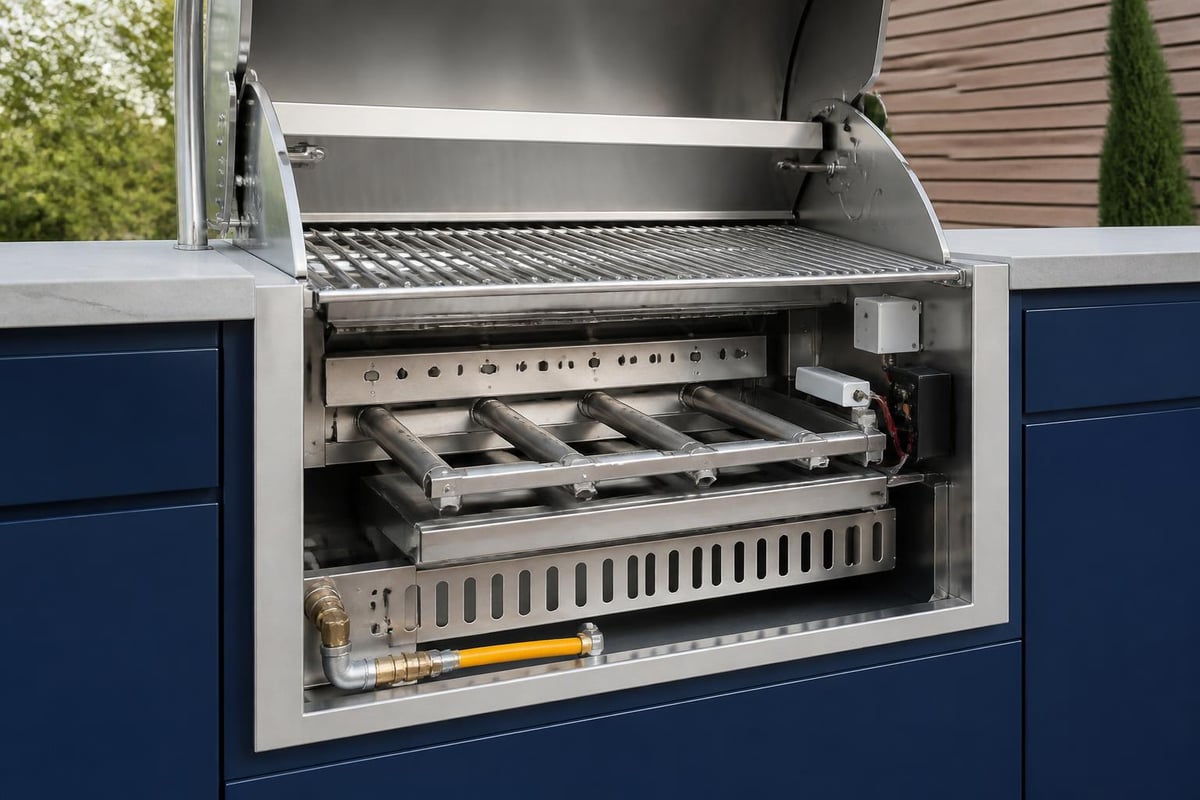
When evaluating a built in gas barbecue grill, several technical specifications directly impact cooking results and user experience. British homeowners should prioritise these measurable criteria:
| Specification | Entry-Level Range | Premium Range | Impact on Cooking |
|---|---|---|---|
| BTU Output | 30,000-50,000 | 60,000-100,000+ | Heat intensity and recovery time |
| Cooking Surface | 400-600 sq inches | 700-1,000+ sq inches | Capacity for entertaining |
| Burner Material | Stainless steel | Cast brass or stainless | Longevity and heat distribution |
| Grate Material | Porcelain-coated cast iron | Solid stainless steel | Sear quality and maintenance |
| Warranty Coverage | 1-3 years | 5-15 years | Manufacturer confidence |
Premium models often incorporate infrared burners, rotisserie systems, and integrated lighting that extends functionality beyond basic grilling. These features transform a built in gas barbecue grill into a versatile outdoor cooking station.
Successful built in gas barbecue grill installation begins with thoughtful spatial planning that balances aesthetics, workflow, and safety. The relationship between the grill and surrounding outdoor kitchen elements determines both usability and visual impact.
Professional outdoor kitchen designers employ the classic work triangle principle, positioning the grill, preparation zones, and storage within comfortable reach. A built in gas barbecue grill typically anchors this arrangement, with specific clearance requirements:
Minimum clearances for safe operation:
These dimensions ensure safety whilst creating an ergonomic workspace. Delivery and installation specialists understand how British building regulations and manufacturer specifications intersect to inform proper placement.
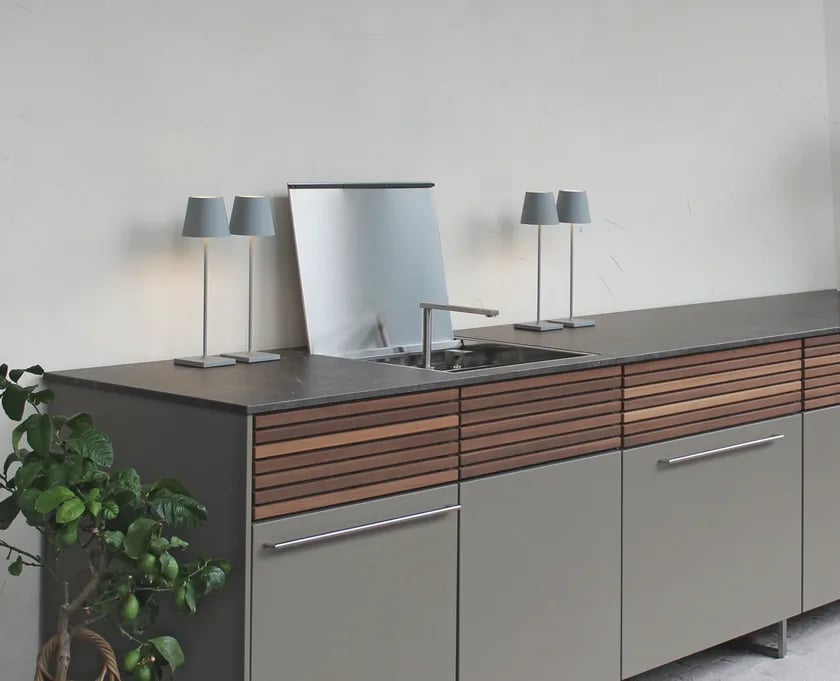
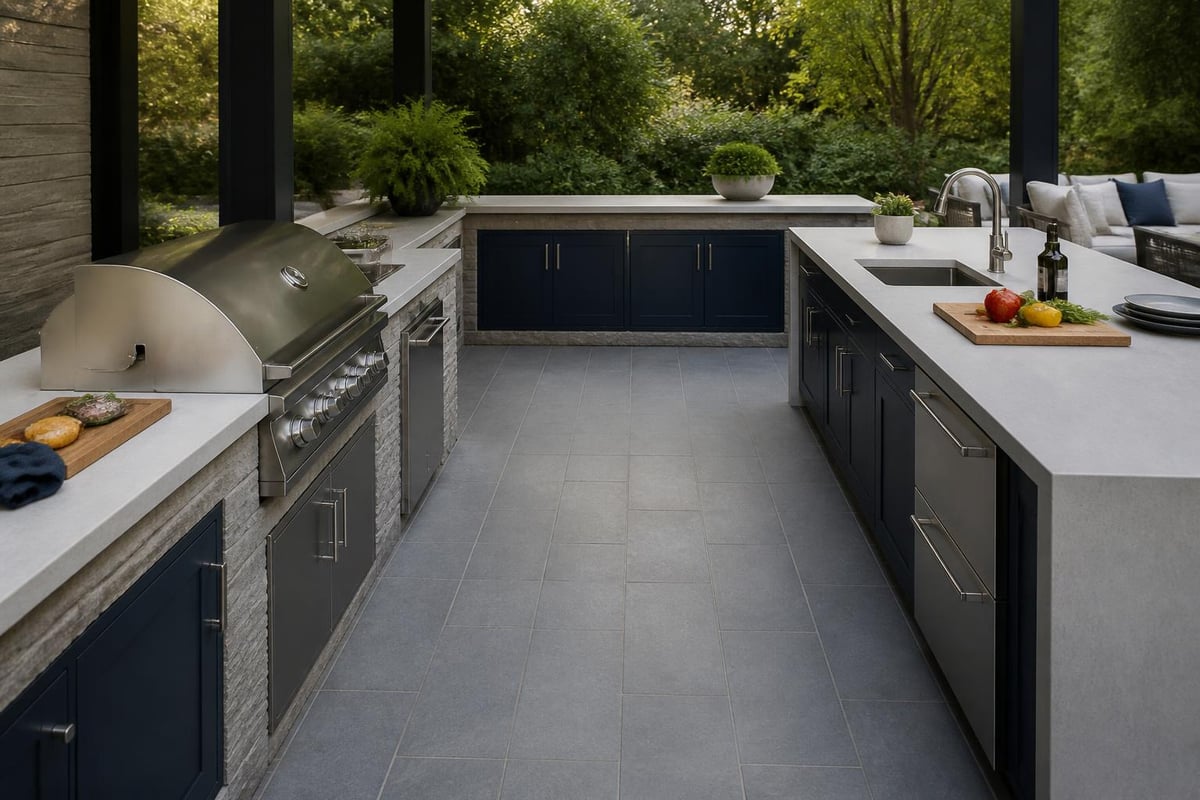
The cabinetry and countertop materials surrounding a built in gas barbecue grill must withstand heat exposure whilst complementing the overall design vision. Contemporary luxury outdoor kitchens pair stainless steel grills with diverse materials:
The Cubic C1 Style Outdoor Kitchen exemplifies how modular configurations integrate a built in gas barbecue grill within sleek, weather-resistant cabinetry that creates seamless indoor-outdoor entertaining spaces. This approach ensures the grill becomes a natural focal point rather than an afterthought.
British weather patterns present unique challenges for outdoor cooking equipment. A built in gas barbecue grill designed for the UK market must address moisture, temperature fluctuation, and extended periods of non-use.
Coastal properties and areas with high humidity require enhanced corrosion protection. The stainless steel grade matters significantly:
Expert reviews from BBQ Host consistently emphasise material quality as the primary determinant of longevity in outdoor installations. British homeowners should prioritise manufacturers offering comprehensive weather warranties specific to European climates.
The choice between natural gas and LPG (propane) significantly impacts installation complexity and ongoing convenience. Each option presents distinct advantages:
Natural Gas Benefits:
LPG Advantages:
Professional installation teams calculate gas line sizing based on BTU requirements, ensuring adequate pressure at the burners. This technical precision prevents performance issues that plague undersized installations.
Installing a built in gas barbecue grill involves multiple trades and careful coordination. Unlike portable barbecues reviewed in T3's gas barbecue guide, built-in units require permanent infrastructure modifications.
Successful installation begins long before the grill arrives. These preparatory steps ensure smooth execution:
The complexity of these requirements explains why consulting with specialists early in the design process saves time and costly modifications.
In the UK, any work involving gas appliances requires Gas Safe registered engineers. A built in gas barbecue grill installation typically involves:
These regulatory requirements ensure safety whilst protecting property insurance validity. Professional installers navigate these obligations as standard practice, providing peace of mind alongside technical expertise.
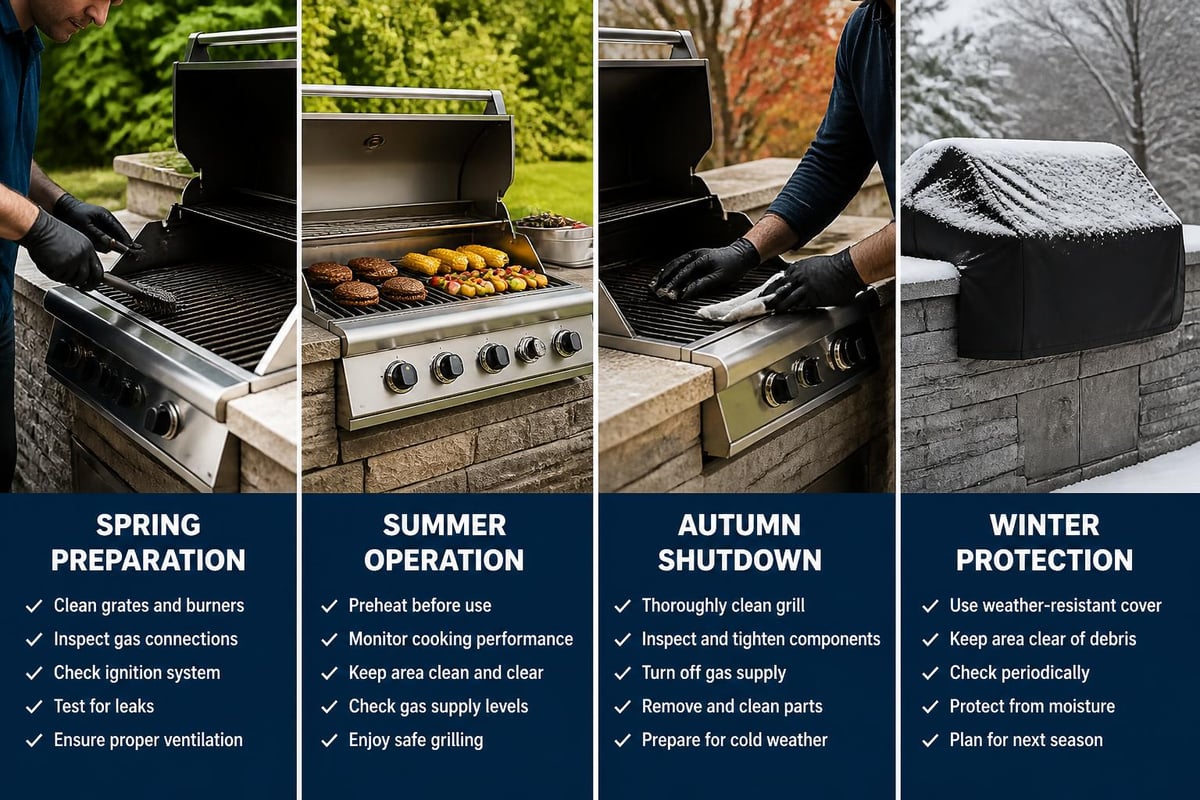
A properly maintained built in gas barbecue grill delivers decades of reliable service. Establishing routine maintenance protocols protects the investment whilst ensuring consistent cooking performance.
British weather patterns demand specific maintenance timing:
Spring Preparation (March-April):
Summer Operation (May-September):
Autumn Shutdown (October-November):
Winter Dormancy (December-February):
This disciplined approach prevents the deterioration that shortens equipment lifespan. Premium Wolf built-in grills demonstrate how quality construction combines with proper maintenance to achieve multi-decade service life.
Understanding failure modes allows proactive intervention:
| Issue | Symptom | Prevention Strategy |
|---|---|---|
| Burner corrosion | Uneven flames, yellow colour | Seasonal deep cleaning, moisture protection |
| Ignition failure | No spark or inconsistent lighting | Annual electrode cleaning, battery replacement |
| Grease fires | Excessive flare-ups | Regular drip tray maintenance, fat rendering |
| Gas leaks | Smell, hissing, or poor performance | Annual professional inspection, connection checks |
| Surface rust | Discolouration, pitting | Immediate stain removal, protective coating |
Early detection of these conditions through regular inspection prevents minor issues escalating into costly repairs or safety hazards.
The built in gas barbecue grill market spans entry-level models to professional-grade systems with corresponding price variations. Understanding what differentiates these tiers helps align investment with expectations.
Leading manufacturers in the luxury outdoor kitchen sector offer built in gas barbecue grill models with distinct characteristics:
Construction Quality Indicators:
Brands such as Sub-Zero & Wolf, curated by specialists in luxury outdoor cooking, exemplify this premium tier through engineering heritage and performance consistency.
Budget allocation for a built in gas barbecue grill extends beyond the unit itself:
Complete Project Investment Breakdown:
Total investment typically ranges from £6,800 to £25,000 for comprehensive installations. This represents significant capital allocation, yet delivered value includes enhanced property appeal, outdoor entertainment capability, and decades of service life.
Comparative analysis from BBQ Kitchen Pros consistently demonstrates that mid-to-premium tier grills offer superior cost-per-use over 10-15 year ownership periods compared to frequent replacement of budget models.
Contemporary built in gas barbecue grill systems incorporate technology that elevates cooking precision and convenience to professional standards.
2026 models increasingly feature:
These innovations transform outdoor cooking from guesswork into repeatable precision, particularly valuable for entertaining when timing multiple courses.
Beyond standard burners, premium built in gas barbecue grill configurations incorporate dedicated cooking zones:
This modularity allows customisation matching specific culinary preferences. A built in gas barbecue grill becomes the centrepiece of comprehensive outdoor cooking capability rather than a single-purpose appliance.
The most successful built in gas barbecue grill installations form one element within cohesive outdoor living ecosystems that function year-round.
Thoughtful designers position grills within broader amenity collections:
Essential Companions:
The relationship between a built in gas barbecue grill and architectural pergolas deserves particular attention. Proper clearances prevent heat damage whilst creating sheltered cooking environments that enable outdoor entertaining regardless of British weather.
Strategic design transforms outdoor kitchens from summer-only spaces into year-round destinations:
This holistic approach maximises return on investment, with a built in gas barbecue grill serving as the functional heart of these refined outdoor rooms.
Modern outdoor cooking increasingly addresses environmental impact through fuel efficiency and responsible material selection.
Gas barbecues inherently offer environmental advantages over charcoal alternatives:
A well-designed built in gas barbecue grill with proper burner tuning achieves impressive thermal efficiency, converting 50-60% of fuel energy directly into cooking heat compared to 20-30% for charcoal systems.
Premium manufacturers increasingly emphasise responsible sourcing:
These considerations matter to environmentally conscious buyers seeking luxury outdoor solutions aligned with broader sustainability values.
Choosing the optimal built in gas barbecue grill requires systematic evaluation across multiple dimensions.
Prioritise these factors based on individual circumstances:
Usage Intensity:
Household Size:
Culinary Ambitions:
Budget Allocation:
This framework helps align expectations with investment, ensuring satisfaction throughout ownership.
The complexity of built in gas barbecue grill selection rewards professional guidance. Consultative specialists offer:
Resources like Own The Grill's reviews provide valuable research foundations, but site-specific consultation translates generic knowledge into tailored solutions.
Anticipating evolving needs ensures outdoor kitchen relevance over decades of ownership.
Incorporate adaptability into initial planning:
A thoughtfully specified built in gas barbecue grill installation accommodates lifestyle evolution without requiring wholesale reconstruction.
Emerging outdoor cooking technology suggests future integration opportunities:
Building infrastructure supporting these potential additions protects against obsolescence whilst maintaining immediate functionality.
A built in gas barbecue grill represents far more than cooking equipment-it anchors outdoor living spaces that extend home enjoyment and entertaining capability throughout the year. By understanding the technical, design, and practical considerations outlined above, discerning homeowners create refined culinary destinations that blend performance with timeless aesthetics. Cotswold Cooking Company specialises in guiding clients through every stage of this transformative journey, from initial concept through installation and beyond, ensuring outdoor kitchens achieve their full potential as all-season gathering places that honour Cotswold heritage whilst embracing cutting-edge performance.

Comments
Leave a comment