


A built in grill represents far more than a cooking appliance-it embodies a fundamental shift in how we approach outdoor living. As homeowners increasingly seek to extend their living spaces beyond traditional boundaries, the permanent installation of professional-grade grilling equipment has become central to creating refined, functional outdoor kitchens. Unlike freestanding alternatives, a built in grill integrates seamlessly into bespoke cabinetry and worktop configurations, delivering both aesthetic cohesion and exceptional performance. This comprehensive guide explores the design considerations, material choices, installation requirements, and long-term maintenance practices that distinguish truly exceptional outdoor cooking spaces.
The decision to incorporate a built in grill into your outdoor kitchen demands careful planning from the earliest design stages. Spatial configuration fundamentally determines both the practical functionality and the visual impact of your installation.
Professional outdoor kitchen design mirrors the principles established in high-end indoor spaces. Your built in grill should form one point of a cooking triangle, with preparation zones and service areas positioned within comfortable reach. Typically, this means:
The sophistication of modern modular systems allows designers to create configurations that feel intuitive whilst respecting both safety regulations and aesthetic preferences. For discerning clients seeking premium solutions, the Cubic C1 Style Outdoor Kitchen exemplifies how integrated design thinking transforms functional requirements into architectural statements, with precision-engineered modules that accommodate professional-grade built in grills whilst maintaining clean, contemporary lines.
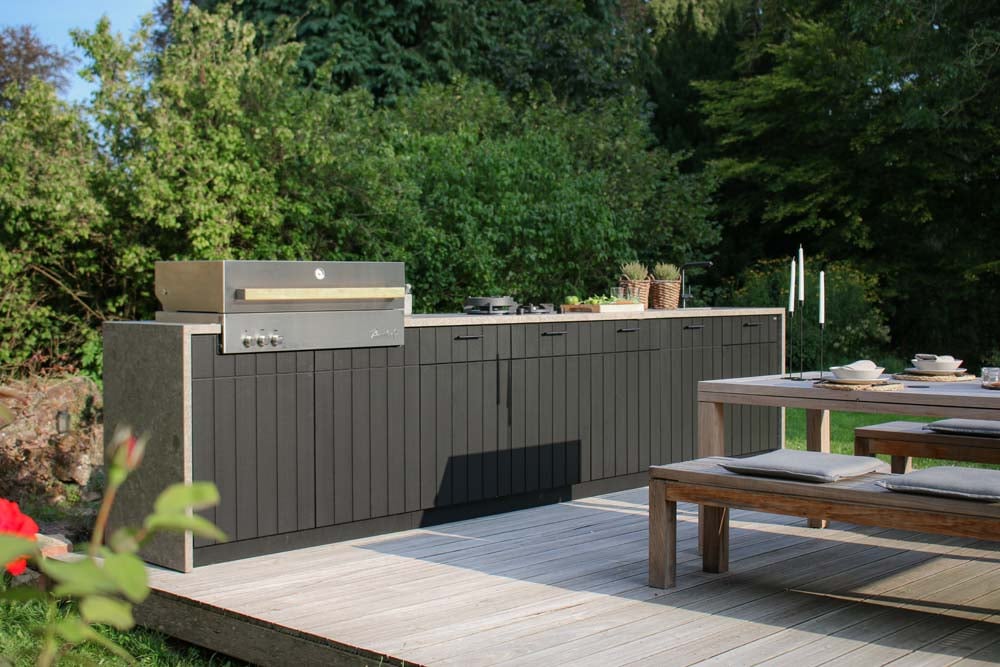
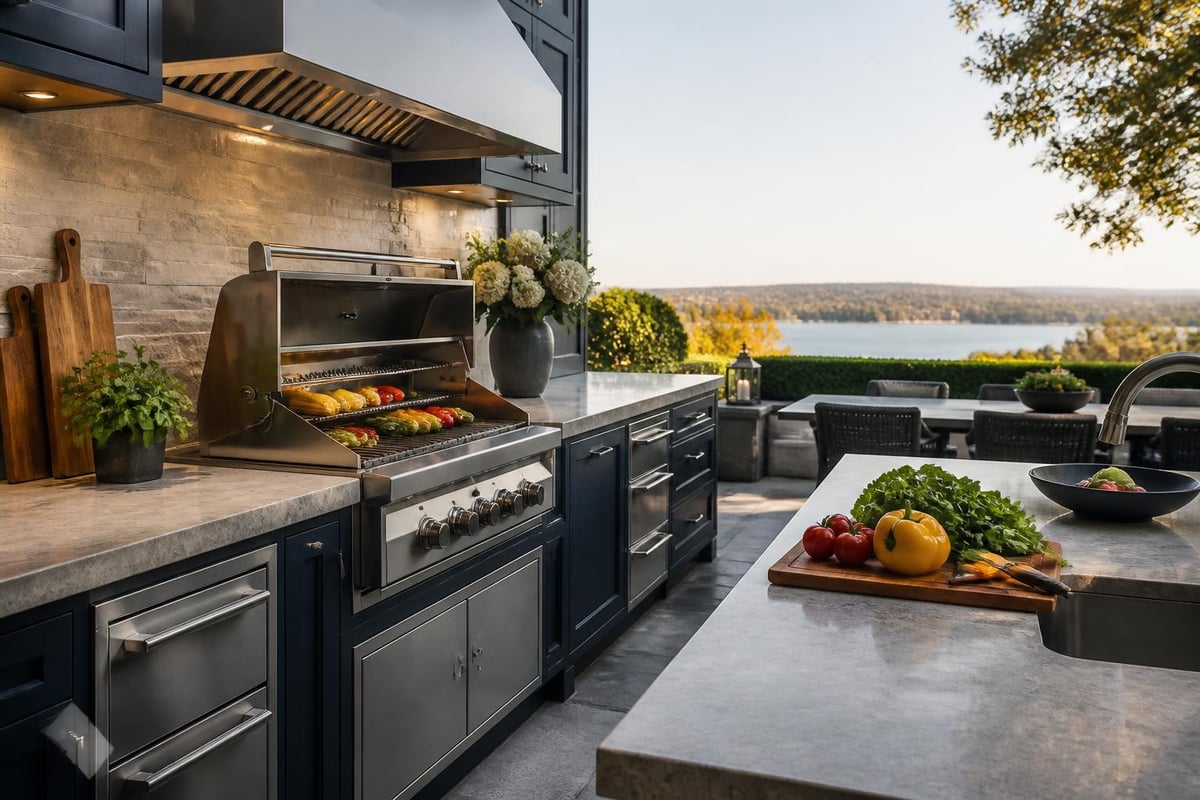
Your built in grill must withstand the British climate whilst maintaining its appearance across seasons. Stainless steel construction remains the gold standard, but specifications matter considerably:
| Grade | Composition | Corrosion Resistance | Application | Longevity |
|---|---|---|---|---|
| 304 | 18% chromium, 8% nickel | Good | Standard outdoor use | 10-15 years |
| 316 | 17% chromium, 12% nickel, 2% molybdenum | Excellent | Coastal environments | 20+ years |
| 430 | 16-18% chromium | Moderate | Budget applications | 5-8 years |
Beyond the grill itself, surrounding cabinetry requires equally thoughtful specification. Marine-grade polymer systems, powder-coated aluminium frameworks, and properly sealed natural stone all contribute to installations that age gracefully rather than deteriorate.
Proper installation distinguishes a functional built in grill from a professional-grade outdoor cooking station. The technical requirements extend well beyond simply creating an aperture in your worktop.
A built in grill installation demands robust structural support. Professional-grade units typically weigh between 40-90kg, requiring:
The installation procedures for built-in grills vary considerably between fuel types, with electric models requiring dedicated circuits and gas installations demanding qualified Gas Safe engineers for all connection work.
Your built in grill requires reliable connections to fuel sources, and the methodology directly impacts long-term functionality.
Gas installations must incorporate:
Electrical requirements for rotisserie motors, lighting, and ignition systems typically include dedicated 13-amp circuits with RCD protection. Forward-thinking designs incorporate additional capacity for future upgrades or supplementary equipment.
Service access often receives insufficient attention during initial design. Panels that facilitate burner inspection, regulator adjustment, and connection maintenance prevent costly reinstallation work when routine servicing becomes necessary.
The choice between gas, charcoal, or hybrid systems for your built in grill fundamentally shapes the cooking experience and maintenance requirements.
Natural gas built in grills offer unparalleled convenience for properties with mains connections. The continuous fuel supply eliminates cylinder changes, whilst precise temperature control supports diverse cooking techniques. However, installation costs typically exceed LPG alternatives due to permanent piping requirements.
LPG systems provide greater installation flexibility, particularly advantageous for garden locations distant from main buildings. Modern regulators deliver consistent performance, though cylinder storage requires weatherproof housing and adequate ventilation.
Both configurations benefit from:
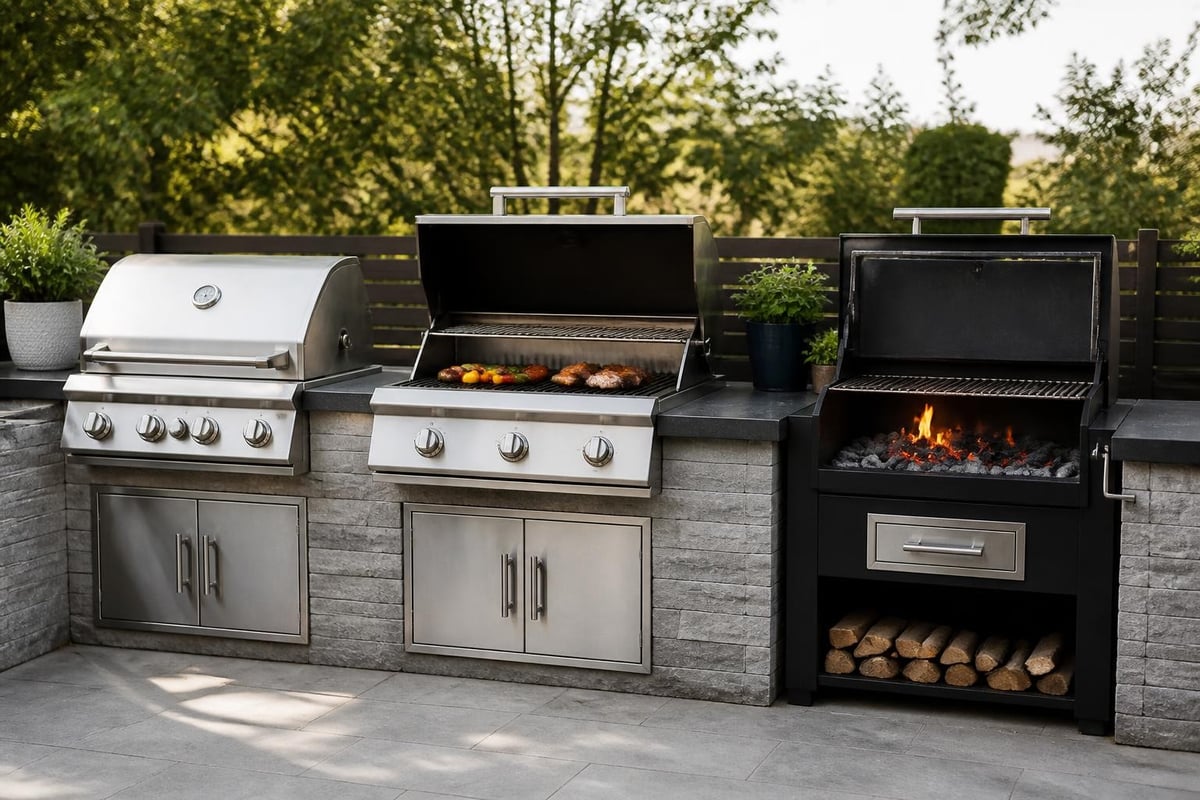
Charcoal built in grills appeal to purists who value the distinctive flavour imparted by traditional cooking methods. Modern built-in charcoal grill designs incorporate sophisticated airflow management and ash collection systems that elevate the experience beyond basic kettle grills.
Key advantages include:
The primary considerations involve heat-up time (typically 20-30 minutes) and ash management, though well-designed systems mitigate both through efficient layouts and integrated disposal solutions.
Hybrid systems combine gas convenience with charcoal flavour, typically featuring dual fuel capabilities or supplementary smoker boxes. These versatile installations accommodate varying cooking styles and guest preferences.
A built in grill represents a significant investment in your outdoor living infrastructure. Systematic maintenance preserves both performance and appearance whilst preventing costly repairs.
Professional-grade care extends beyond post-cooking cleanup. Comprehensive grill maintenance encompasses:
Weekly tasks:
Monthly protocols:
Seasonal maintenance:
The importance of thorough built-in grill cleaning cannot be overstated, as accumulated grease poses both fire hazards and performance degradation risks.
Even premium stainless steel requires proactive care in outdoor environments. Surface rust typically results from:
Restoration techniques for rusty grill surfaces often involve common household solutions, though prevention through consistent maintenance proves far more effective than remediation.
For premium installations, consider:
A built in grill forms the centrepiece of an outdoor kitchen, but thoughtfully selected accessories elevate both capability and convenience.
Rotisserie equipment transforms your built in grill into a versatile cooking platform. The Whistler Bibury Burford heavy-duty rotisserie kit exemplifies how premium accessories extend cooking possibilities, accommodating whole poultry, rolled joints, and even spit-roasted vegetables with professional results.
Side burners, though often considered supplementary, provide essential support for:
Professional outdoor kitchens incorporate dedicated storage that keeps essential tools within immediate reach. Purpose-built drawers and cabinets should accommodate:
Weatherproof construction ensures contents remain dry and accessible regardless of conditions, maintaining the refined appearance that distinguishes luxury installations.
The visual integration of your built in grill within the broader outdoor living environment demands equal attention to technical specifications. Contemporary outdoor kitchens blur the boundaries between cooking functionality and architectural expression.
Successful installations create visual continuity through thoughtful material selection:
Worktop materials:
Cabinet finishes:
The key lies in establishing a coherent design language that resonates with your property's architectural character whilst delivering practical functionality.
Properly specified lighting transforms your built in grill area from purely functional to truly atmospheric. Consider layered illumination:
LED technology offers energy efficiency and longevity, whilst dimming capabilities allow ambience adjustment throughout evening entertaining.
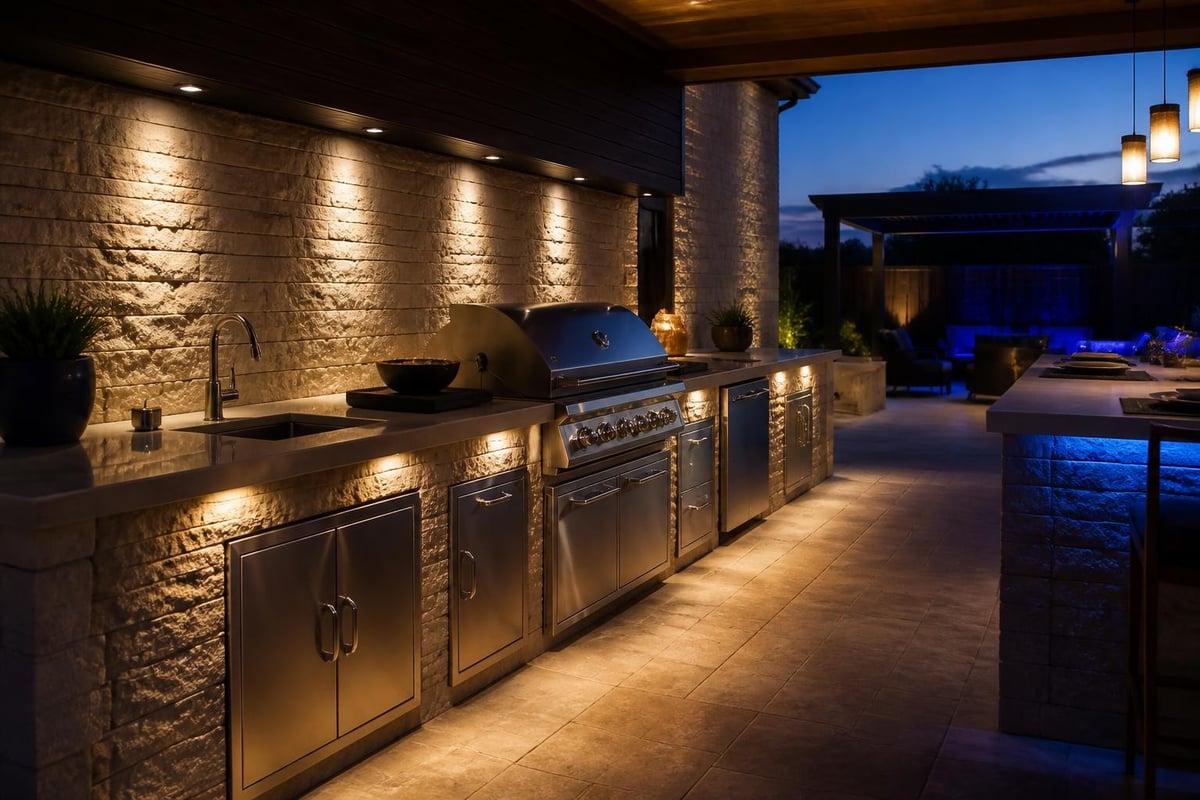
The UK climate presents unique challenges for outdoor cooking infrastructure. A properly specified built in grill installation accommodates year-round use through thoughtful environmental protection.
Overhead coverage extends usability dramatically. Options include:
Each approach offers distinct advantages, balancing weather protection against openness and connection to garden spaces.
Wind management proves equally important, as strong breezes disrupt burner performance and create uncomfortable cooking conditions. Strategic positioning relative to existing structures, supplementary screens, or planted windbreaks all contribute to more pleasant outdoor cooking experiences.
Modern built in grills maintain functionality even during colder months, though operational adjustments optimise performance:
Winter cooking demands attention to safety, particularly regarding carbon monoxide in partially enclosed spaces. Adequate ventilation remains non-negotiable regardless of weather protection measures.
The complexity of built in grill installations raises legitimate questions about professional engagement versus self-completion.
Certain aspects of built in grill installation legally require qualified tradespeople:
Beyond legal requirements, professional installation delivers:
The detailed installation requirements for premium built in grills highlight the technical knowledge required for optimal results.
Competent home improvers can successfully manage certain installation aspects:
The key lies in recognising personal limitations and engaging specialists for elements demanding specific expertise or certification.
Built in grill installations span a considerable price range, reflecting variations in specification, materials, and integration complexity.
A comprehensive outdoor kitchen budget should encompass:
| Component | Percentage Range | Typical Investment |
|---|---|---|
| Built in grill unit | 30-40% | £2,500-£15,000+ |
| Cabinetry and worktops | 25-35% | £2,000-£10,000+ |
| Installation and labour | 20-25% | £1,500-£6,000+ |
| Utilities and connections | 10-15% | £800-£4,000+ |
| Accessories and finishing | 5-10% | £500-£2,500+ |
Premium brands command higher initial investment but typically deliver superior longevity, warranty coverage, and resale value. The distinction between consumer-grade and professional equipment becomes apparent through sustained use over years.
Whilst outdoor kitchens rarely deliver direct financial returns, they contribute to property appeal and lifestyle value. Well-executed installations:
The intangible benefits of enhanced outdoor living often exceed purely financial calculations, particularly for families who prioritise garden use and al fresco dining.
Your built in grill rarely operates in isolation. The most successful outdoor kitchens connect seamlessly with dining areas, lounging zones, and garden landscapes.
Effective outdoor space planning establishes distinct but connected zones:
Cooking zone: Centred on the built in grill with adequate preparation space Dining zone: Positioned within comfortable serving distance (3-5 metres) Lounging zone: Slightly removed to avoid cooking heat and activity Circulation zones: Clear pathways connecting all areas
Subtle level changes, material transitions, or planted boundaries can delineate zones without creating visual barriers that fragment the space.
The finest outdoor kitchens accommodate use across seasons through thoughtful design. Consider:
This holistic approach transforms gardens from fair-weather spaces into true outdoor rooms offering year-round appeal.
Technology and lifestyle preferences evolve continuously. Forward-thinking built in grill installations incorporate flexibility for future enhancement.
Specify systems allowing component replacement or upgrade without wholesale reinstallation:
This approach protects your investment against obsolescence whilst accommodating changing cooking preferences and equipment innovations.
Contemporary outdoor kitchen design increasingly addresses environmental impact:
These considerations align luxury outdoor living with responsible environmental stewardship, creating spaces that deliver enjoyment without compromise.
The market offers numerous built in grill manufacturers, each positioning products at distinct quality and price points. Discerning buyers should evaluate:
Construction standards:
Warranty coverage:
After-sales support:
Established retailers with demonstrated expertise in outdoor kitchen design provide invaluable guidance throughout specification and installation processes, ensuring selections align with specific requirements and site conditions. Specialist outdoor living consultancies offer curated brand selections, professional design services, and comprehensive installation support.
A built in grill represents the cornerstone of exceptional outdoor living spaces, combining architectural integration with professional cooking performance. Through careful attention to design principles, material specifications, and maintenance protocols, your outdoor kitchen will deliver decades of reliable service and culinary enjoyment. The Cotswold Cooking Company specialises in creating bespoke outdoor kitchens that seamlessly blend functionality with refined aesthetics, offering comprehensive consultative services from initial design through installation and beyond. Discover how expertly curated equipment and thoughtful design can transform your outdoor space into a true culinary destination at Cotswold Cooking Company.

Leave a comment