


Luxury outdoor living spaces are transforming homes across the UK, with a growing number of homeowners seeking a custom outdoor kitchen to elevate their gardens in 2026. Imagine hosting friends and family in a beautiful, functional setting that seamlessly blends cooking, entertaining, and relaxation.
A custom outdoor kitchen offers more than just style, it enhances your lifestyle and can increase your property's value. With tailored design, you enjoy the perfect blend of function, aesthetic appeal, and harmony with your outdoor environment.
This expert guide delivers clear, step-by-step advice on planning, design trends, materials, appliances, and professional insight to help you create the ultimate custom outdoor kitchen in 2026.
Embarking on a custom outdoor kitchen project starts with a thorough assessment of your space and lifestyle requirements. Careful planning at this stage ensures your investment delivers maximum value, seamless integration, and lasting enjoyment.
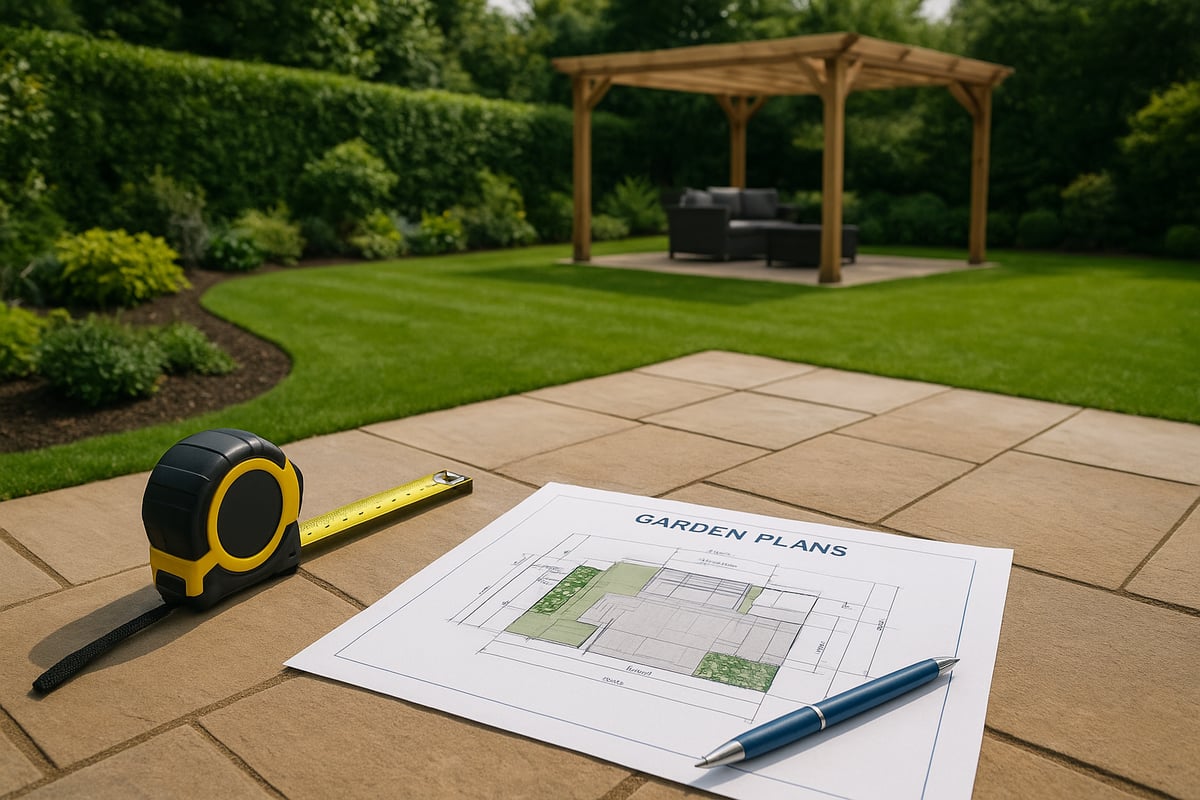
Start by evaluating the available space for your custom outdoor kitchen. Measure the dimensions carefully and consider how the area is zoned. Take note of sun exposure throughout the day and prevailing wind direction, as these factors influence comfort and cooking efficiency.
Examine existing features such as patios, decks, mature trees, or water elements. These elements can guide the layout and positioning of your kitchen. Think about how the kitchen will interact with your garden, blending seamlessly with landscaping and architectural details.
Accessibility is crucial. Assess the proximity to your main house, existing utilities, and how people will move between indoor and outdoor spaces. Good access ensures a smooth flow during gatherings and everyday use.
Privacy and shelter also play a role. Consider options like screening, pergolas, or built-in seating to create an inviting, protected environment. For example, a small city garden may require compact solutions and clever use of vertical space, while an expansive country estate offers more flexibility for larger zones and integrated features.
For those seeking inspiration and a broad overview of possibilities, the Outdoor Kitchen Design Collection offers an excellent starting point to visualise different configurations and finishes.
Your custom outdoor kitchen should reflect the way you love to cook and entertain. Do you envision lively barbecues, wood-fired pizza nights, or sophisticated multi-cuisine gatherings? Define your preferred cooking style and the appliances needed to support it, such as grills, smokers, or pizza ovens.
Think about your entertaining needs. How many guests do you typically host? Do you prefer casual bar seating, formal dining, or flexible arrangements for different occasions? Consider the frequency of use as well. Will your kitchen be the centrepiece for occasional summer parties or a year-round extension of your living space?
Storage and prep space are vital for a functional outdoor kitchen. Plan for weatherproof cabinetry, counter space for food preparation, and easy access to utensils and ingredients. According to recent industry reports, 67% of UK homeowners now prioritise outdoor dining and entertaining, highlighting the growing demand for well-equipped outdoor spaces.
By clearly defining your culinary ambitions and social preferences, you can ensure your custom outdoor kitchen supports your lifestyle and enhances every occasion.
Establishing a realistic budget is a key step in any custom outdoor kitchen project. Begin by outlining the total investment, including design fees, construction costs, appliances, and finishing touches. Factor in additional expenses such as permits, delivery, and a contingency fund for unexpected changes.
A typical cost breakdown might look like this:
| Category | Approximate % of Budget |
|---|---|
| Materials | 40% |
| Labour | 35% |
| Appliances | 15% |
| Permits/Extras | 10% |
Balance your wish-list features with practical constraints. For example, prioritise essential cooking and entertaining zones before adding luxury extras. Consider whether a modular kitchen system could meet your needs or if a fully bespoke design is warranted for your space and goals.
Modular solutions often offer flexibility and cost savings, while bespoke kitchens provide unmatched tailoring and integration. By thoughtfully allocating your budget, you can create a custom outdoor kitchen that delivers exceptional value, style, and durability for years to come.
A well-designed layout is at the heart of every successful custom outdoor kitchen. The right configuration not only enhances workflow, but also ensures your outdoor space is functional, inviting, and future-ready. Whether you have a compact terrace or a sprawling garden, planning the perfect layout will set the stage for years of memorable gatherings.
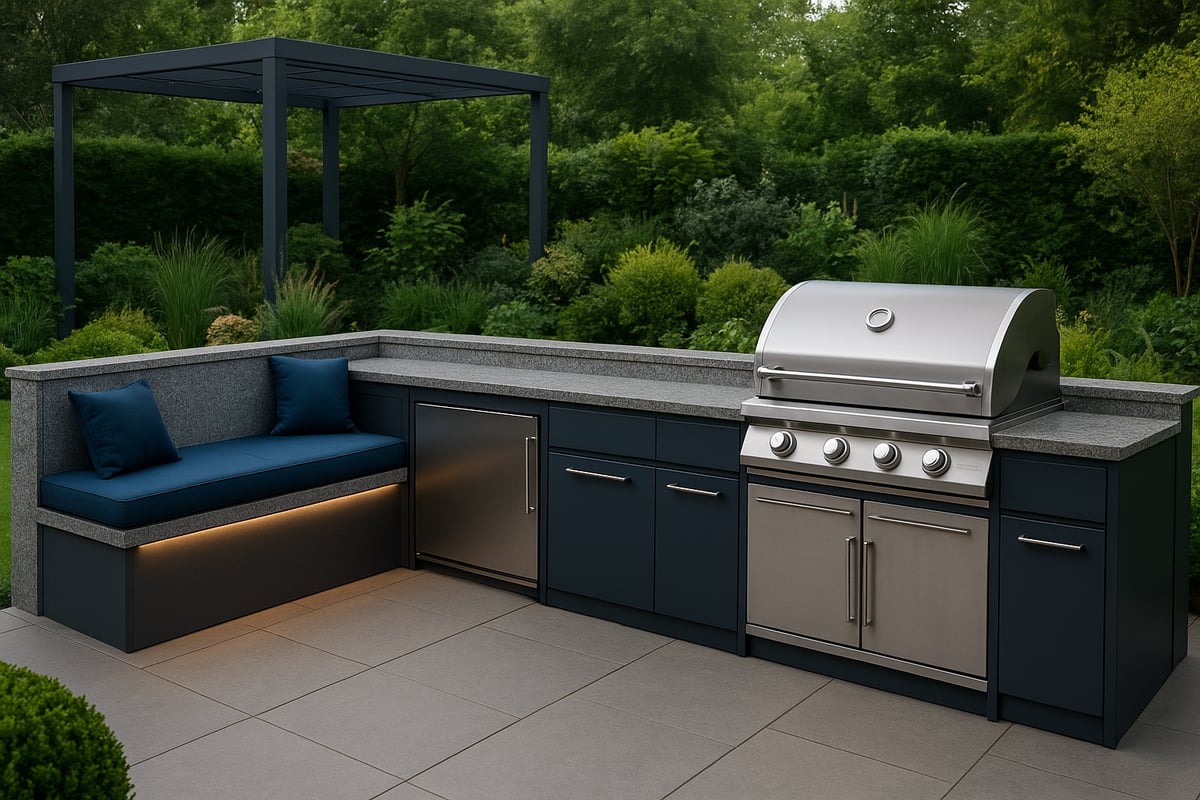
Selecting the best layout is the first step in crafting a custom outdoor kitchen tailored to your space and lifestyle. The most common configurations include L-shape, U-shape, galley, and island setups. Each offers unique advantages:
A key decision is choosing between modular and fully bespoke options. Modular solutions offer flexibility and can adapt as your needs evolve, while custom-built kitchens allow for complete personalisation. For those exploring flexible layouts, Modular Outdoor Kitchen Solutions provide an excellent starting point. Zoning is equally vital, with dedicated areas for cooking, prep, serving, and relaxing. Thoughtful zoning ensures every aspect of your custom outdoor kitchen works in harmony.
Ergonomics are fundamental to a seamless cooking and entertaining experience. The “outdoor kitchen triangle” principle positions the grill, sink, and fridge within easy reach, minimising unnecessary movement. This classic approach enhances efficiency, mirroring the best practices of indoor kitchen design.
Safe and convenient traffic flow is crucial, especially when hosting guests. Make sure there is ample space between zones to avoid congestion and allow hosts to interact effortlessly. Accessibility should be prioritised, with worktops at comfortable heights and wide pathways for users of all ages and abilities. With a custom outdoor kitchen, careful planning ensures the space is both practical and inclusive.
A successful custom outdoor kitchen blends seamlessly with its surroundings. Begin by harmonising materials and finishes with your home’s style and existing garden features. For example, modern minimalist schemes often use sleek stone and steel, while a rustic Cotswold-inspired design might feature natural stone and timber.
Hardscaping, planting, and lighting should work together to create a visually unified space. Consider planting borders for softness, or integrated lighting for evening ambience. The goal is a kitchen that feels like a natural extension of your garden and home, reflecting your personal taste and enhancing overall property value.
Designing a custom outdoor kitchen is an investment for the future. Plan for possible expansion, such as adding a pizza oven or a bar, by allowing extra space and utility connections. Integrating smart technology, like app-controlled lighting or energy-efficient appliances, ensures your kitchen remains cutting-edge as trends evolve.
Sustainability is increasingly important. Opt for eco-friendly materials, solar-powered features, and water-saving fixtures to reduce your environmental impact. Industry estimates show that 42% of new outdoor kitchens in 2025 included smart appliances, highlighting the shift toward innovation. Future-proofing guarantees your custom outdoor kitchen continues to deliver value and enjoyment for years to come.
Designing a custom outdoor kitchen involves more than just aesthetics. The right materials and finishes are essential for long-term durability, visual harmony, and effortless maintenance. In this step, you will discover how to choose surfaces, cabinetry, flooring, and shelter solutions to ensure your custom outdoor kitchen stands the test of time and the unpredictable UK climate.
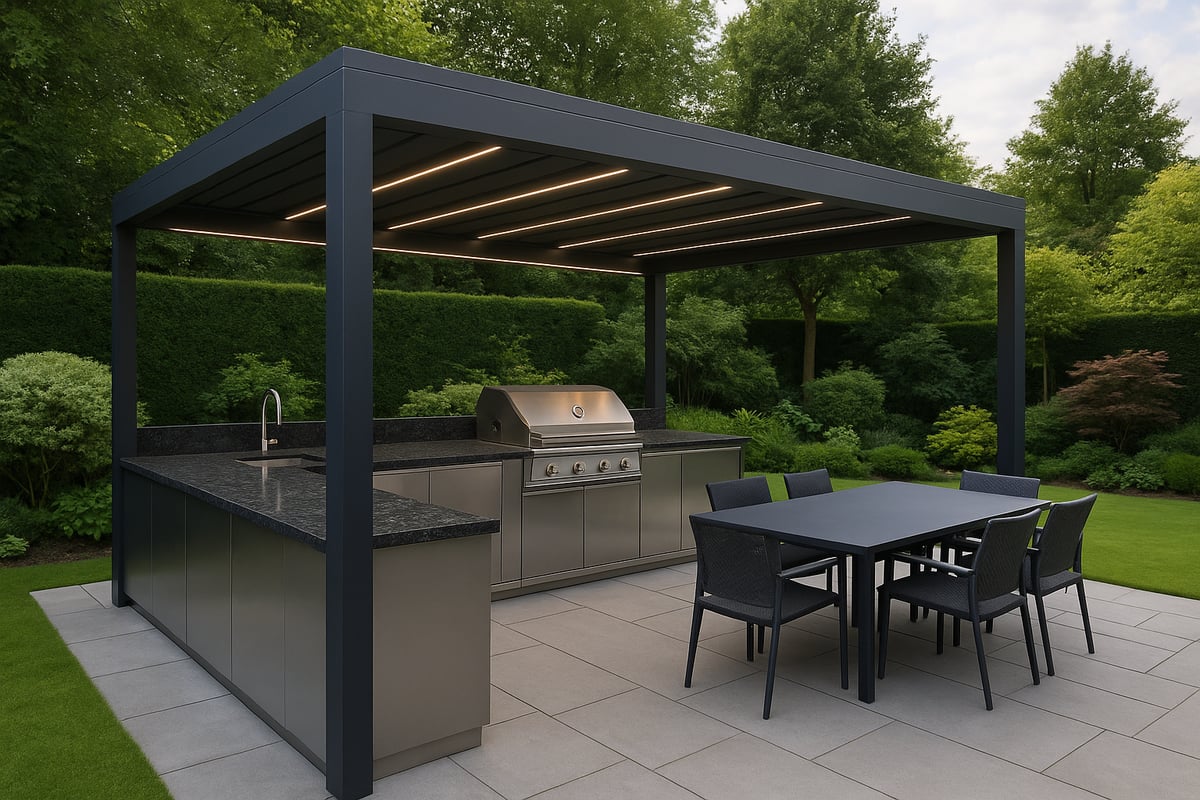
Worktops are the centrepiece of any custom outdoor kitchen, so your choice should balance style with resilience. Granite remains a favourite due to its natural elegance and resistance to heat, stains, and weather. Porcelain slabs are gaining popularity for their UV stability, low porosity, and wide range of textures and colours, making them ideal for both contemporary and classic gardens.
Stainless steel is another practical option, offering a hygienic, easy-to-clean surface that withstands the elements, especially in coastal or urban settings. Composite materials, which blend resin and stone, provide design flexibility and are available in finishes that mimic natural stone or timber.
When selecting worktops, consider maintenance requirements and how the colours will complement your garden’s palette. For inspiration on the latest worktop choices, you may wish to explore kitchen worktop trends 2026, which highlights the materials set to define the year.
Cabinetry in a custom outdoor kitchen must withstand moisture, drastic temperature changes, and potential pests. Stainless steel cabinets are favoured for their rust resistance and robust security. High-density polyethylene (HDPE) offers a lighter, weatherproof alternative that resists warping and fading. Aluminium cabinetry is sleek and corrosion-resistant, while treated hardwoods like teak or iroko add warmth for traditional schemes.
Consider whether you need fully custom-built cabinets or modular units that can be expanded over time. Modular systems allow you to adapt your storage as your needs evolve, while bespoke cabinetry ensures a seamless fit with your kitchen’s shape and style.
Security is crucial, especially if you plan to store valuable utensils or appliances outdoors. Opt for lockable cabinets and integrated pest-proofing to keep your custom outdoor kitchen organised and protected.
Flooring plays a pivotal role in the safety and appearance of your custom outdoor kitchen. Choose non-slip, frost-resistant materials to ensure year-round usability, especially in the UK’s variable climate. Porcelain paving is a standout option for modern schemes, providing a seamless transition between indoor and outdoor spaces while resisting stains and algae growth.
Natural stone, such as limestone or sandstone, brings a timeless, rustic feel, but may require periodic sealing. Composite decking is another low-maintenance solution, offering durability and a comfortable surface underfoot. Always ensure that your chosen flooring is compatible with furniture and appliance placement.
For a cohesive look, coordinate the flooring with your worktops and cabinetry finishes. This holistic approach enhances the flow of your outdoor space and elevates the overall function of your custom outdoor kitchen.
Shelter is essential for extending the usability of your custom outdoor kitchen across all seasons. Pergolas, louvred roofs, retractable canopies, and glass verandas provide flexible options for shade and weather protection. Integrated shelter not only shields your cooking and dining areas from rain and sun, but also adds architectural interest and comfort.
According to recent market research, 55% of UK outdoor kitchens now include some form of built-in shelter, reflecting the growing desire for all-weather entertaining. When planning your custom outdoor kitchen, consider whether a permanent or adjustable shelter best suits your lifestyle and garden design.
For those seeking inspiration and practical solutions, a range of weatherproof outdoor kitchen shelters are available, offering both style and durability. These features ensure your investment delivers comfort and usability, whatever the weather.
Selecting the right appliances and features is the heart of any custom outdoor kitchen. The choices you make will define how you cook, entertain, and relax in your outdoor space. Whether you dream of lively summer barbecues or quiet autumn evenings by the fire, the right planning ensures your custom outdoor kitchen delivers on every front.
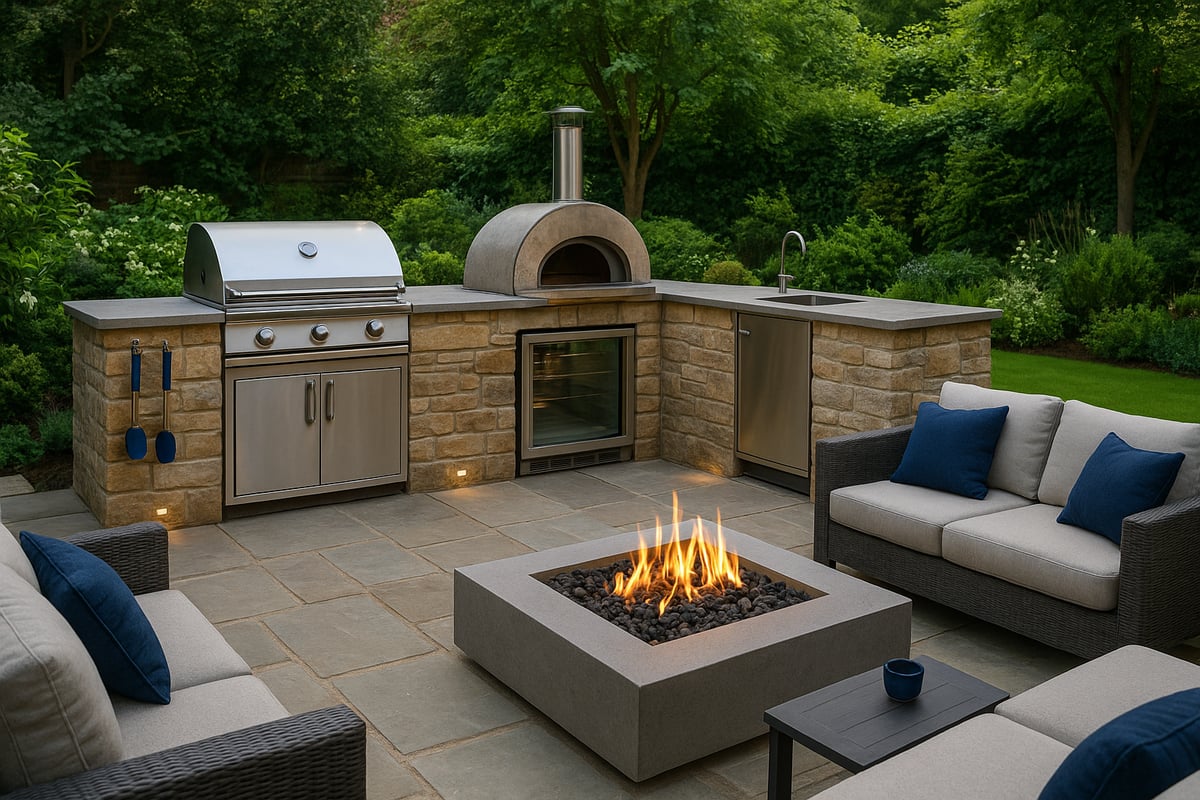
Cooking appliances are the centrepiece of your custom outdoor kitchen. Begin by considering your preferred cooking style and the range of dishes you wish to prepare outside. Gas BBQ grills are popular for their convenience and precise temperature control, making them ideal for everyday use. Charcoal grills bring that authentic smoky flavour, while hybrid models offer flexibility for different occasions. Ceramic grills and kamados are perfect for slow-cooked meats and versatile recipes.
For pizza lovers, dedicated ovens are a must. Wood-fired options create that traditional crisp base, while gas or dual-fuel ovens offer quicker heat-up times and ease of use. Integrated smokers and side burners expand your culinary capabilities, allowing you to experiment with smoked meats or prepare sides without leaving the party.
Choosing quality appliances is key to long-term satisfaction. For a curated selection of top-tier grills and smokers, explore the Outdoor Kitchen Appliances and Grills range, which showcases options ideal for a custom outdoor kitchen. Always ensure appliances are designed for outdoor use and can withstand the British climate.
A well-equipped custom outdoor kitchen needs more than just cooking appliances. Outdoor-rated fridges and wine coolers keep drinks and ingredients fresh, even during the hottest summer days. An ice maker is a practical addition for cocktails and chilled refreshments.
Sinks and prep stations are essential for hygiene and convenience. Stainless steel sinks with integrated taps make it easy to wash vegetables, rinse utensils, or fill pots without returning indoors. When planning, consider the proximity to existing plumbing, as this can influence both design and cost.
Proper refrigeration and washing facilities not only boost efficiency but also support food safety. In a custom outdoor kitchen, these features transform the space from a simple grilling area to a fully functional culinary hub.
A custom outdoor kitchen should be as inviting for guests as it is functional for the chef. Built-in bars and beverage centres make hosting effortless, allowing you to serve drinks and snacks with ease. Warming drawers keep dishes at the perfect temperature, so you can serve everything at its best.
For comfort, consider outdoor heating solutions such as fire pits or patio heaters. Subtle, layered lighting extends usability into the evening and creates an inviting atmosphere. If you enjoy music or film nights, integrated speakers and outdoor TVs can be seamlessly connected to smart controls, making your custom outdoor kitchen the heart of your social life.
Thoughtful comfort features ensure your outdoor living space is not just practical but also a destination for relaxation and entertainment all year round.
Sustainability is increasingly important in custom outdoor kitchen design. Opt for energy-efficient appliances, such as induction hobs and low-consumption fridges, to reduce your environmental footprint. LED lighting offers both longevity and energy savings.
Water conservation can be achieved with low-flow taps and efficient plumbing systems. Choosing eco-friendly materials for cabinetry and worktops, such as recycled composites or responsibly sourced timber, further enhances your kitchen's green credentials.
Solar-powered lighting and appliances are gaining popularity, allowing your custom outdoor kitchen to operate independently of the grid. With these choices, you can enjoy your outdoor space knowing it is both stylish and sustainable.
Turning your dream custom outdoor kitchen into reality requires careful planning, regulatory awareness, and expert guidance. As the UK outdoor kitchen market growth continues, demand for professional design and installation has never been higher. Working with experienced consultants ensures your vision is achievable, compliant, and built to last.
Engaging design consultants is the first step to a successful custom outdoor kitchen. Professionals bring expertise in layout, material selection, and integration, ensuring every detail is tailored to your needs. A thorough design consultation typically includes:
Choosing reputable installers is crucial. Look for proven experience, strong client reviews, and industry accreditations. Professional project management minimises delays and ensures seamless coordination between trades, from groundwork to appliance fitting.
A custom outdoor kitchen benefits from this expert oversight, resulting in a cohesive, functional, and visually stunning space.
Before construction, it is vital to address planning permission and regulatory requirements. In the UK, most custom outdoor kitchen projects fall within permitted development, but certain features—like pergolas, fixed roofs, or large structures—may require approval. Always check local planning rules, especially if you live in a conservation area or own a listed building.
Key building regulations include:
For listed buildings or sensitive sites, additional permissions might be needed. Consulting with professionals ensures compliance and avoids costly setbacks, protecting your investment in your custom outdoor kitchen.
A well-managed timeline is central to a smooth build. The typical process for a custom outdoor kitchen includes:
Quality control is embedded at every stage, with regular inspections and snagging to address any issues. Professional teams coordinate trades efficiently, minimising disruption to your home and garden.
A clear timeline and open communication keep your custom outdoor kitchen project on track, ensuring a stress-free experience from concept to completion.
The Cotswold Cooking Company offers a truly bespoke approach to outdoor kitchen design, supply, and installation. Their team blends Cotswold heritage with modern craftsmanship, delivering custom outdoor kitchen solutions tailored to each client’s vision.
From the initial consultation—either in your home or at their inspiring showroom—clients receive expert guidance at every stage. The process covers design, material selection, appliance sourcing, and meticulous installation.
Partnerships with leading luxury brands and an unwavering commitment to quality set them apart. Whether you are a homeowner or a hospitality client, Cotswold Cooking Company supports projects nationwide, with free delivery, professional installation, and a price match guarantee. Your custom outdoor kitchen is in safe hands.
The landscape of custom outdoor kitchen design is rapidly evolving, with 2026 set to be a defining year for innovation and luxury. Homeowners across the UK are seeking smarter, more sustainable, and highly personalised solutions for their outdoor spaces. In this section, we explore the latest trends shaping the future of custom outdoor kitchen projects, offering inspiration for those ready to invest in the ultimate alfresco experience.
Technology is transforming the custom outdoor kitchen into a truly intelligent hub. In 2026, homeowners are embracing IoT-enabled grills, app-controlled lighting, and security systems tailored for outdoor use. Voice-activated appliances allow seamless multitasking, letting you adjust temperatures or lighting hands-free while entertaining guests. Remote monitoring offers peace of mind, especially for busy families. These advances not only enhance convenience but also elevate the safety and enjoyment of your custom outdoor kitchen.
Smart integration is becoming a must-have, with intuitive controls and automated routines simplifying outdoor entertaining. For a deeper dive into tech-driven layouts and integrated features, see the latest 2026 landscape design trends. As demand grows, expect even more sophisticated, connected solutions in the years ahead.
Sustainability is at the heart of every forward-thinking custom outdoor kitchen. In 2026, recycled materials such as composite decking and reclaimed stone are increasingly popular for worktops and flooring. Solar power is powering everything from task lighting to beverage centres, while water-saving taps and efficient irrigation reduce environmental impact. Many homeowners are choosing low-emission grills and induction cooktops, which combine performance with eco-consciousness.
Green roofs and living walls are also making an appearance, blending the kitchen seamlessly into its natural surroundings. These features not only boost biodiversity but also improve insulation. By prioritising sustainability, your custom outdoor kitchen becomes a model for responsible, future-proof design.
A key trend for 2026 is the multi-season custom outdoor kitchen, designed for year-round enjoyment. Heated flooring, infrared patio heaters, and weatherproof furnishings ensure comfort regardless of the season. Retractable canopies, glass verandas, and louvred roofs provide shelter from rain and wind, allowing for uninterrupted gatherings.
In colder UK regions, innovative insulation methods keep spaces warm, while frost-resistant materials add durability. This approach maximises the investment in your custom outdoor kitchen, turning it into a true extension of your living space. All-weather solutions are now considered essential for those seeking practical yet stylish alfresco cooking and dining.
Personalisation is the hallmark of a standout custom outdoor kitchen in 2026. Bespoke cabinetry, custom stonework, and artisan finishes reflect individual taste and elevate outdoor entertaining. Earthy colours, ribbed details, and tactile textures are trending, offering a sophisticated yet welcoming ambience. For more on the latest finishes, explore kitchen design trends 2026.
Luxury features such as outdoor spas, saunas, and wellness zones are gaining popularity, providing a retreat-like atmosphere in the garden. Tailored lighting schemes and integrated audio-visual systems further enhance the experience. With nearly limitless options, your custom outdoor kitchen can become a true reflection of your lifestyle.
The market for custom outdoor kitchen installations in the UK is projected to grow significantly in 2026. Recent industry data shows a surge in demand for customisation, smart technology, and sustainable solutions. In 2025, 42 percent of new outdoor kitchens included smart appliances, while 55 percent featured integrated shelter.
| Feature | 2025 Adoption Rate |
|---|---|
| Smart Appliances | 42% |
| Integrated Shelter | 55% |
| Sustainable Materials | 60% (est.) |
Case studies from 2025 highlight innovative projects blending technology, luxury, and eco-friendly design. These insights confirm that investing in a custom outdoor kitchen not only enhances lifestyle but also adds significant value to your property.
After exploring the essential steps to designing your perfect outdoor kitchen, you might be wondering how to turn your vision into reality. At The Cotswold Cooking Company, we understand every detail matters—from layout and materials to the finishing touches that make an outdoor space truly yours. If you’re ready to bring your ideas to life or want some expert guidance tailored to your home and lifestyle, why not take the next step with us? You can start your journey towards a bespoke, beautifully crafted outdoor kitchen by booking your Get a Free Design Consultation today.

Leave a comment