


The world of expensive cookware has evolved dramatically in recent years, transforming from a purely functional necessity into a sophisticated investment that reflects craftsmanship, performance, and culinary ambition. For discerning homeowners and hospitality professionals across the UK, premium cookware represents more than just kitchen equipment – it embodies a commitment to excellence, durability, and the art of exceptional cooking. As we navigate 2026, the market for luxury cooking tools continues to expand, driven by growing appreciation for quality materials, heritage craftsmanship, and the tangible benefits that premium equipment delivers across both indoor and outdoor culinary spaces.
The global premium cookware market has witnessed remarkable growth, with industry analysis indicating significant expansion driven by rising disposable incomes, increased interest in home cooking, and demand for durable, multi-generational products. This shift reflects a fundamental change in consumer priorities – away from disposable kitchen tools and towards heirloom-quality pieces that deliver superior performance over decades.
Several key factors define the expensive cookware segment:
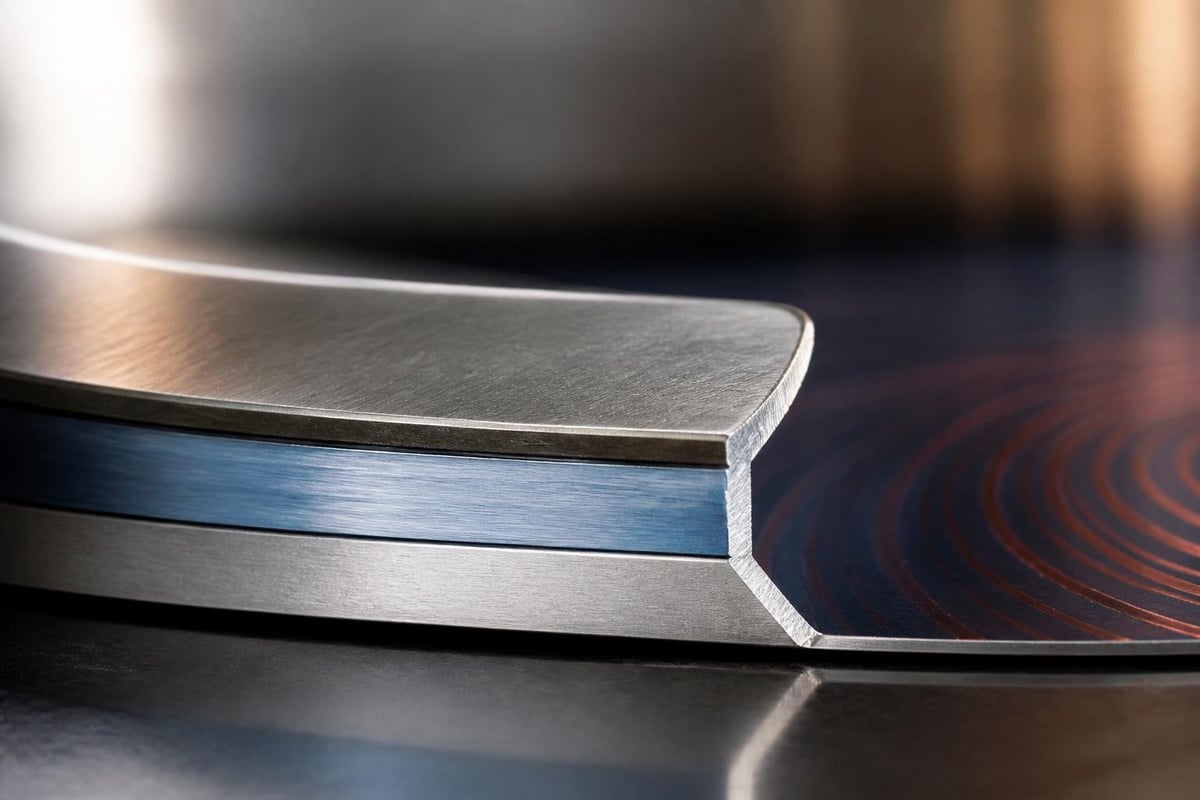
The distinction between standard and premium cookware extends far beyond price point. Materials such as titanium-bonded stainless steel, heavy-gauge copper, and precision-engineered aluminium cores deliver measurable performance advantages that professional chefs and serious home cooks recognise immediately. These materials respond predictably to temperature changes, maintain even heat across the cooking surface, and withstand the rigours of daily use in demanding environments.
When evaluating expensive cookware, understanding material composition proves essential. The layering, thickness, and bonding methods employed in premium pieces directly influence cooking performance and longevity.
| Material Type | Heat Conductivity | Durability Rating | Maintenance Level | Typical Lifespan |
|---|---|---|---|---|
| Tri-ply Stainless | Excellent | Very High | Low | 25+ years |
| Titanium-bonded | Superior | Exceptional | Very Low | Lifetime |
| Copper Core | Outstanding | High | Moderate | 30+ years |
| Hard-anodised Aluminium | Very Good | High | Low | 15-20 years |
| Cast Iron | Good | Exceptional | Moderate | Multi-generational |
The Hestan NanoBond titanium stainless steel range exemplifies this advanced materials approach, featuring molecular titanium bonding that creates surfaces significantly harder than traditional stainless steel whilst maintaining superior heat distribution.
The divide between professional and home cookware has narrowed considerably, with manufacturers now offering restaurant-grade equipment designed for residential use. This convergence reflects growing consumer sophistication and willingness to invest in tools that deliver consistent, repeatable results.
Professional-grade expensive cookware incorporates design elements refined through decades of commercial kitchen use. Ergonomic handles engineered for balance and comfort, reinforced rim construction that resists warping under high heat, and cooking surfaces that develop natural non-stick properties through proper seasoning all contribute to the premium experience.
Superior heat management separates expensive cookware from budget alternatives. Premium pieces utilise thick, evenly distributed metal layers that eliminate hot spots – the primary culprit behind burnt sauces and unevenly cooked proteins. This thermal consistency proves particularly valuable when working with delicate reductions, caramel, or precision temperature-dependent techniques.
According to independent testing from Consumer Reports, premium stainless steel cookware demonstrates significantly better heat retention and distribution compared to thin-gauge alternatives, reducing energy consumption whilst improving cooking outcomes.
Key performance indicators for premium cookware include:
The Hestan ProBond collection addresses these requirements through its tri-ply construction, delivering professional performance across all cooktop types whilst maintaining the aesthetic refinement expected in luxury kitchen environments.
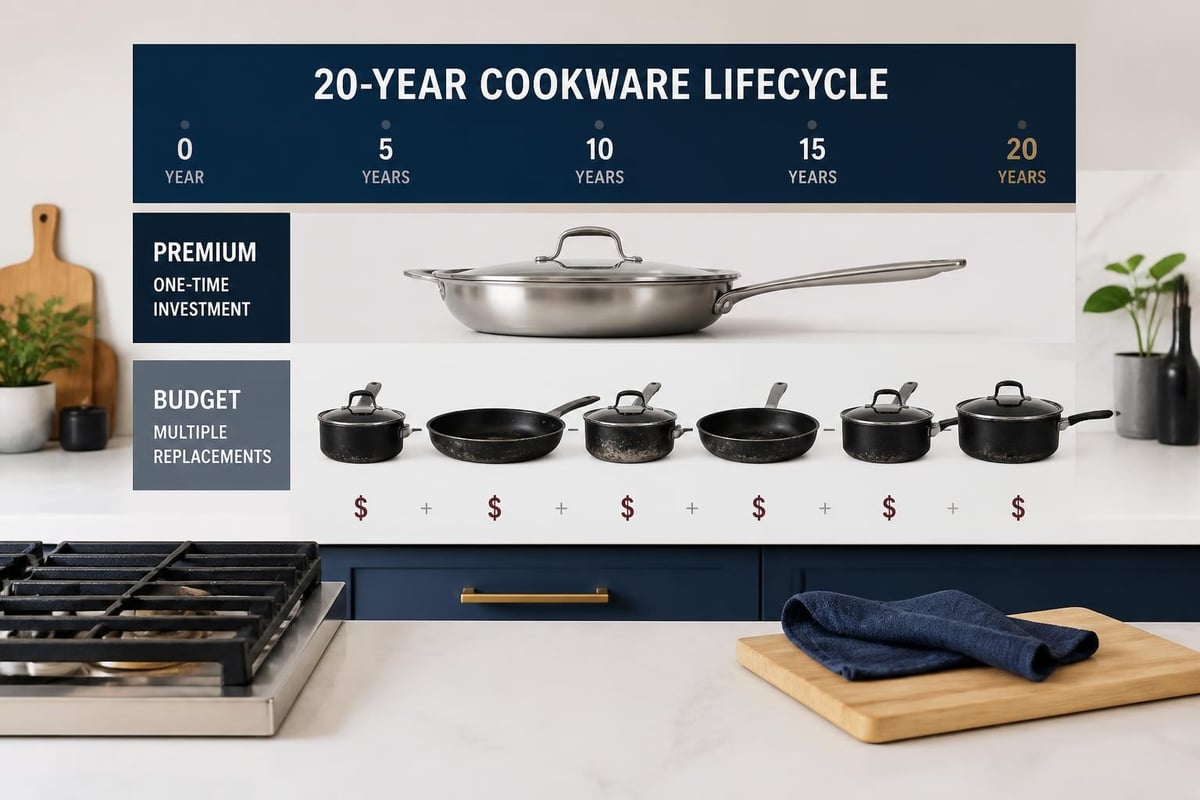
Evaluating expensive cookware purely on initial cost overlooks the fundamental economics of quality kitchen equipment. A comprehensive cost-per-use analysis reveals that premium cookware often represents better long-term value than replacing inferior pieces every few years.
Consider a quality stockpot purchased for £350. Used twice weekly over a conservative 20-year lifespan, the cost per use drops to approximately £0.42 – far less than repeatedly purchasing £80 alternatives that require replacement every three years. This calculation excludes the frustration of poor performance, the environmental impact of disposal, and the aesthetic consistency of maintaining matching, high-quality pieces.
Reputable manufacturers of expensive cookware back their products with substantial warranties, often extending to lifetime coverage for defects in materials or workmanship. This commitment reflects confidence in construction quality and provides genuine financial protection for your investment.
Premium brands also maintain responsive customer service departments capable of addressing questions about optimal use, maintenance requirements, and compatibility with specific cooking techniques or appliances. This ongoing support proves invaluable when integrating new pieces into existing collections or troubleshooting performance concerns.
The regulatory landscape surrounding cookware safety has evolved significantly, particularly regarding non-stick coatings and chemical exposure. Understanding these considerations proves essential when investing in expensive cookware that will feature prominently in daily meal preparation.
Traditional non-stick coatings utilising PFOA (perfluorooctanoic acid) have largely been phased out following regulatory guidance from environmental authorities and research documenting exposure pathways. Modern premium cookware addresses these concerns through alternative approaches: naturally non-stick surfaces developed through seasoning, ceramic coatings free from PFAS compounds, or reliance on proper technique with stainless steel or titanium surfaces.
Safer cookware alternatives include:
Premium manufacturers prioritise transparency regarding materials and manufacturing processes, often providing detailed composition information and third-party testing results. This openness enables informed decisions based on individual health priorities and cooking preferences.
The principles governing expensive cookware selection extend naturally into outdoor cooking environments, where equipment faces additional challenges from weather exposure, temperature extremes, and varied heat sources. For those investing in luxury outdoor kitchens, coordinating indoor and outdoor cookware ensures consistent performance across all culinary spaces.
High-quality stainless steel and cast iron pieces transition seamlessly between indoor cooktops and outdoor grills, pizza ovens, or open flame cooking. This versatility maximises utility whilst maintaining the aesthetic coherence expected in thoughtfully designed outdoor entertaining areas. The Hestan ProBond tri-ply wok, for instance, performs beautifully over high-output outdoor burners whilst maintaining elegance suitable for indoor presentation.
For those designing comprehensive outdoor culinary spaces, integrating premium cookware with architecturally significant features creates cohesive environments where form and function unite. Modular outdoor kitchen systems accommodate professional-grade equipment alongside weather-resistant storage, ensuring expensive cookware remains protected whilst remaining readily accessible.
Outdoor cooking encompasses diverse techniques requiring specific tools. Wood-fired pizza ovens, charcoal grills, and gas burners each present unique temperature profiles and cooking characteristics that influence cookware selection.
| Cooking Method | Ideal Cookware | Key Requirements | Temperature Range |
|---|---|---|---|
| Pizza Oven | Aluminium peel, cast iron | High heat tolerance | 350-500°C |
| Charcoal Grill | Cast iron, heavy stainless | Direct flame resistance | 200-400°C |
| Gas BBQ | Stainless steel, enamelled iron | Even heat distribution | 150-300°C |
| Open Fire | Cast iron, carbon steel | Thermal shock resistance | Variable |
| Outdoor Burner | Professional-grade stainless | Rapid heat response | 100-260°C |
Investing in expensive cookware designed specifically for outdoor use ensures optimal performance whilst protecting your investment from premature degradation. Weather-resistant finishes, reinforced construction, and materials selected for their outdoor durability all contribute to long-term satisfaction.
The story behind expensive cookware often proves as compelling as the product itself. Family-owned manufacturers maintaining centuries-old techniques, artisans hand-finishing each piece, and regional specialisations rooted in local materials and traditions all contribute to the premium positioned within luxury markets.
European manufacturers, particularly those in France, Italy, and the UK, have cultivated reputations for uncompromising quality standards and meticulous attention to detail. These companies often maintain vertical integration, controlling every aspect of production from raw material selection through final inspection. This comprehensive oversight ensures consistency and enables continuous refinement of manufacturing processes.
According to culinary professionals interviewed by WNYC, the tactile quality and performance consistency of heritage cookware prove immediately apparent to experienced cooks. Weight distribution, handle ergonomics, and surface finish all reflect the accumulated knowledge embedded in traditional manufacturing approaches.
The UK's contribution to premium cookware manufacturing combines industrial innovation with craft tradition. British manufacturers pioneered techniques in stainless steel fabrication, enamel coating, and precision engineering that continue influencing global standards. Contemporary brands carry forward this legacy whilst incorporating modern materials science and performance testing.
For homeowners throughout the Cotswolds and broader UK, supporting British-made cookware aligns with values of quality, craftsmanship, and local economic contribution. The same appreciation for heritage and authenticity that draws people to regional architecture and landscape naturally extends to kitchen equipment bearing similar hallmarks of excellence.
Building a comprehensive collection of expensive cookware requires strategic planning rather than impulsive purchasing. Understanding your cooking patterns, preferred techniques, and household size enables targeted investment in pieces that deliver maximum utility and satisfaction.
Essential foundation pieces for serious cooks include:
Beyond these fundamentals, specialised pieces address specific techniques: woks for high-heat stir-frying, double boilers for delicate emulsions, gratin dishes for gratins and baked preparations, and pasta inserts for efficient cooking and draining. The Hestan Provisions pasta insert exemplifies thoughtful specialisation, transforming a standard stockpot into a versatile pasta-cooking system.
Premium cookware contributes significantly to kitchen aesthetics, particularly in open-plan layouts where cooking equipment remains visible. Coordinating finish selections – brushed versus polished stainless, traditional versus contemporary handle designs, matching brand aesthetics – creates visual harmony that elevates the entire space.
For luxury outdoor kitchens, this coordination extends to weather-resistant storage solutions, display options for frequently used pieces, and integration with broader landscape design. Stainless steel finishes complement contemporary architectural elements, whilst enamelled cast iron in heritage colours bridges traditional and modern design vocabularies.
Much like curating linens for hospitality environments – where companies such as Noble Signature Group supply premium hotel linens designed for durability and elegance – selecting cookware involves balancing immediate aesthetic appeal with long-term performance requirements.
Maximising the lifespan of expensive cookware requires understanding proper care techniques specific to each material type. Unlike budget alternatives designed for disposal after short service lives, premium pieces reward thoughtful maintenance with decades of reliable performance.
Material-specific care guidelines:
Storage considerations prove equally important. Proper spacing prevents scratching, pan protectors preserve cooking surfaces, and hanging systems enable air circulation whilst reducing cabinet clutter. For outdoor environments, covered storage protects finishes whilst maintaining convenient access during cooking sessions.
The same attention to detail applied when designing custom home cinema installations through specialists like ANR media – where every component receives careful consideration – applies equally to cookware storage and maintenance systems within luxury kitchens.
The British climate presents unique challenges for outdoor cooking equipment, requiring cookware selection that accounts for temperature fluctuations, moisture exposure, and seasonal storage requirements. Premium pieces designed for outdoor use incorporate features that address these environmental factors.
Winter cooking in outdoor kitchens benefits from cookware with exceptional heat retention – cast iron and heavy-gauge stainless steel maintain temperature despite cold ambient conditions. Summer preparations favour lighter pieces with superior heat conductivity, enabling precise control over high-output burners or wood-fired ovens.
| Season | Cooking Focus | Ideal Cookware | Special Considerations |
|---|---|---|---|
| Spring | Fresh vegetables, light proteins | Stainless sauté pans, steamers | Moderate temperatures, variable weather |
| Summer | Grilled meats, pizza, outdoor entertaining | Cast iron griddles, pizza peels | High heat, extended outdoor time |
| Autumn | Hearty stews, roasted vegetables | Stockpots, roasting pans | Transitional weather, indoor-outdoor flexibility |
| Winter | Slow-cooked dishes, comfort foods | Dutch ovens, braising pans | Heat retention, protected cooking spaces |
Investing in versatile expensive cookware that performs across seasons eliminates the need for multiple specialised collections whilst ensuring optimal results regardless of weather conditions or cooking environment.
The availability of commercial-grade cookware designed for residential applications represents one of 2026's most significant trends in luxury kitchen equipment. These pieces deliver restaurant-level performance whilst incorporating features appropriate for home use: dishwasher compatibility, aesthetic refinement, and ergonomic designs suited to varied user capabilities.
Professional cookware distinguishes itself through reinforced construction, higher gauge materials, and testing protocols that simulate years of intensive daily use. For hospitality clients operating guest kitchens or self-catering accommodations, this durability proves essential – equipment must withstand unfamiliar users whilst maintaining consistent performance across thousands of cooking sessions.
The Hestan NanoBond stockpot exemplifies this crossover appeal, featuring commercial-grade construction in a refined aesthetic suitable for luxury residential settings. Its titanium-bonded surface resists scratching and staining far better than traditional stainless steel, ensuring years of pristine appearance despite frequent use.
The environmental case for expensive cookware rests primarily on longevity – purchasing fewer, higher-quality pieces dramatically reduces manufacturing impact, transportation emissions, and landfill contributions compared to repeatedly replacing inferior products. Premium manufacturers increasingly emphasise sustainable practices throughout their supply chains, from responsibly sourced raw materials through energy-efficient production methods.
Many luxury cookware brands now offer recycling programmes for end-of-life products, ensuring materials return to productive use rather than disposal. This circular approach aligns with broader sustainability values whilst providing consumers with responsible options when eventually replacing even the highest-quality pieces.
Sustainability factors in premium cookware:
For environmentally conscious homeowners throughout Oxfordshire and the Cotswolds, investing in expensive cookware represents a tangible commitment to reducing consumption whilst maintaining exceptional quality of life.
Premium cookware delivers optimal performance when paired with high-quality cooking appliances. The synergy between professional-grade ranges, precision induction cooktops, and expensive cookware creates culinary systems capable of restaurant-level results in residential settings.
Induction cooking, increasingly popular in luxury kitchens, requires magnetic cookware bases – a standard feature in quality stainless steel and cast iron pieces. The precise temperature control offered by induction technology maximises the benefits of expensive cookware's superior heat distribution, enabling techniques requiring exact thermal management.
For outdoor cooking environments, coordinating cookware with professional-grade grills, pizza ovens, and outdoor burners ensures equipment compatibility whilst maintaining aesthetic consistency. Stainless steel finishes complement contemporary outdoor appliances, whilst traditional cast iron pieces bridge rustic and refined design sensibilities.
Looking ahead through 2026 and beyond, several emerging trends promise to reshape the expensive cookware landscape. Advanced materials science continues developing surfaces with enhanced non-stick properties without chemical coatings, improved heat distribution through innovative layering techniques, and lighter weights without sacrificing durability.
Smart cookware incorporating temperature sensors and connectivity features represents another frontier, though adoption remains limited amongst traditionalists who prefer mechanical reliability over electronic complexity. These technologies may eventually prove valuable for specific applications whilst premium mechanical cookware continues serving the majority of cooking needs.
Anticipated developments include:
The fundamental appreciation for quality, craftsmanship, and performance that drives expensive cookware purchasing shows no signs of diminishing, suggesting continued market growth for manufacturers maintaining uncompromising standards.
Investing in expensive cookware represents a commitment to culinary excellence, environmental responsibility, and long-term value that resonates with discerning homeowners and hospitality professionals throughout the UK. Whether equipping a luxury indoor kitchen or creating an exceptional outdoor culinary destination, premium cookware delivers measurable performance advantages whilst serving as beautiful, functional art. Cotswold Cooking Company brings the same dedication to quality and craftsmanship evident in our curated cookware collections to every aspect of luxury outdoor kitchen design and installation, helping clients throughout the Cotswolds and beyond create exceptional cooking environments that inspire culinary creativity for generations.

Leave a comment