


A garden pergola with roof represents the evolution of outdoor living from seasonal accessory to year-round architectural feature. Unlike traditional open-lattice structures that offer limited weather protection, a roofed pergola creates a defined outdoor room that extends your home's usable square footage whilst maintaining that essential connection to your garden. Whether you're planning an outdoor cooking lifestyle or simply seeking a sheltered entertaining space, understanding the design possibilities and practical considerations ensures your investment delivers lasting value and enjoyment.
The fundamental difference between a standard pergola and a garden pergola with roof lies in functionality and architectural intent. A roofed pergola bridges the gap between conservatory and gazebo, offering weather protection without sacrificing the openness that makes outdoor living so appealing.
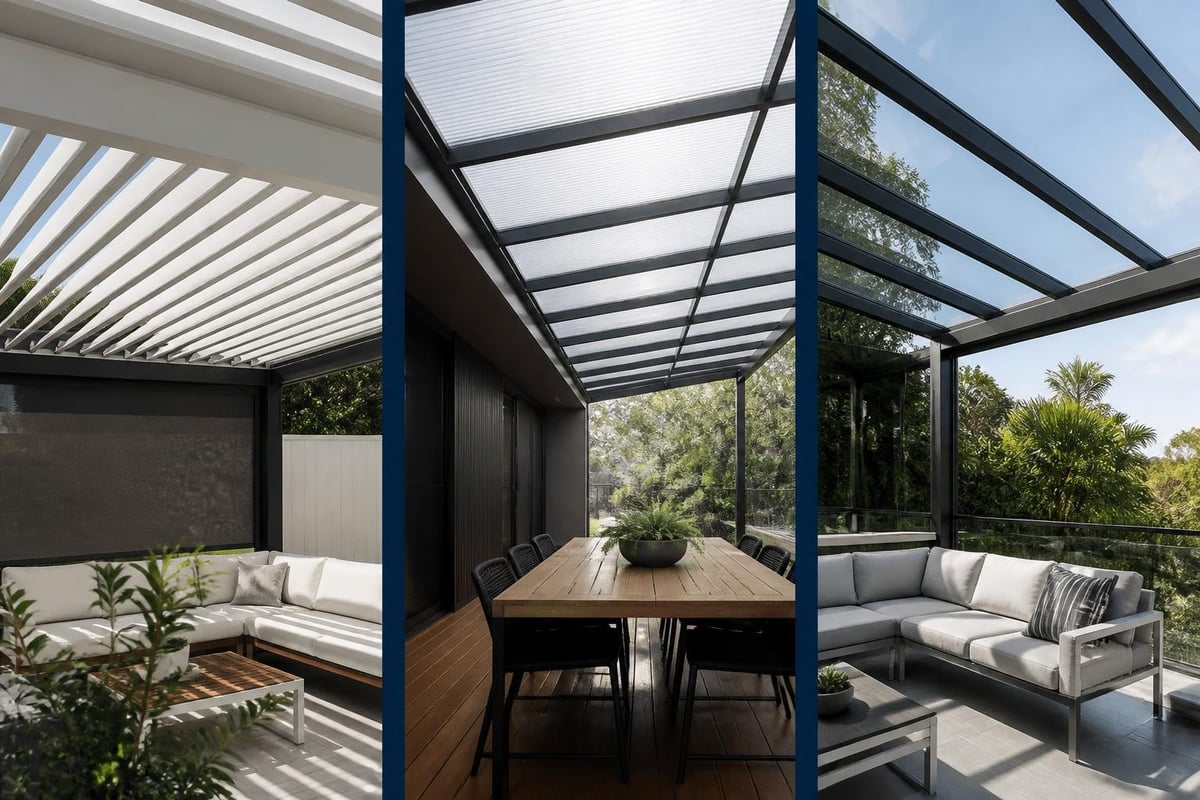
Modern roofed pergolas come in three primary categories:
The architectural trends for 2026 emphasize clean lines, integrated technology, and seamless indoor-outdoor transitions. Resort-style designs that evoke Mediterranean villas or Japanese tea houses are particularly popular amongst discerning homeowners seeking to create distinctive garden destinations.
Material selection directly impacts both aesthetic cohesion and long-term performance. Premium garden pergola with roof installations typically employ one of several proven approaches:
| Material Type | Benefits | Ideal Application | Maintenance Level |
|---|---|---|---|
| Aluminium Framework | Exceptional durability, powder-coat finish options, slim profiles | Contemporary designs, coastal locations | Minimal - occasional cleaning |
| Timber Construction | Natural warmth, traditional aesthetic, customisable staining | Heritage properties, cottage gardens | Moderate - annual treatment |
| Composite Materials | Weather-resistant, consistent appearance, no rotting | Modern minimalist schemes | Low - periodic washing |
| Glass or Polycarbonate Panels | Light transmission, weather protection, UV filtering | Dining areas, plant coverage | Regular - prevent algae build-up |
The framework material establishes the structural character, whilst roof panel selection determines light quality and weather performance. Transparent panels can create stunning stargazing opportunities whilst maintaining full rain protection.
A garden pergola with roof becomes exponentially more valuable when designed as an integral component of your outdoor kitchen strategy. The relationship between cooking zone and covered entertaining area requires careful spatial planning.
Successful integration follows a hospitality-inspired approach to zone planning:
Cooking Zone - Position grills, pizza ovens, and preparation surfaces where heat and smoke can dissipate naturally whilst cooks remain sheltered. A garden pergola with roof should extend sufficiently to protect the primary cooking equipment without trapping heat underneath.
Service Zone - Dedicated areas for storage, refrigeration, and utility connections benefit from full roof coverage to protect cabinetry and appliances from the elements. This is where outdoor kitchen delivery and installation expertise becomes crucial.
Dining Zone - The main entertaining area under the pergola requires adequate headroom, ideally 2.4-2.7 metres at minimum, with consideration for lighting fixtures and ceiling fans.
Premium brands offering bioclimatic pergolas provide intelligent solutions that address all three zones simultaneously. The Tarasola Technic pergola exemplifies this approach, with adjustable louvered roofs that allow precise control over ventilation and weather protection, making it ideal for integrating sophisticated outdoor cooking equipment whilst maintaining comfort for guests.
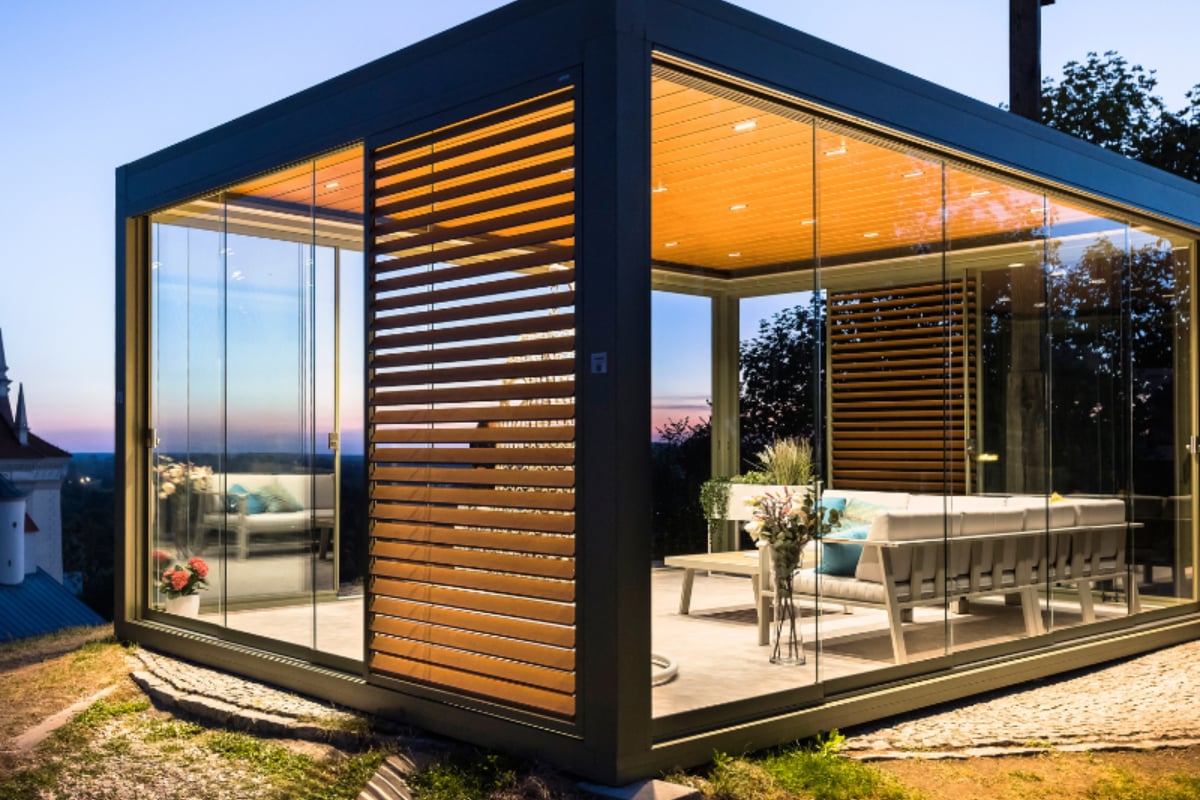
A garden pergola with roof designed to accommodate outdoor cooking requires specific dimensional considerations beyond standard garden structures:
For properties with ambitious outdoor entertaining plans, pergolas spanning 6x5 metres or larger create genuine outdoor rooms. These proportions allow for comprehensive kitchen layouts whilst maintaining comfortable circulation and visual balance.
The primary functional advantage of a garden pergola with roof over traditional open structures is enhanced weather resilience. However, achieving genuine all-season usability requires attention to several interconnected systems.
Weatherproofing effectiveness depends on selecting appropriate roof technology for your climate and usage patterns:
Louvered Systems - Motorized rotating blades allow users to control light, ventilation, and rain protection dynamically. When closed, quality louvered roofs create watertight seals comparable to solid roofing whilst providing the option to open completely during pleasant weather.
Fixed Polycarbonate - These panels offer excellent year-round protection with good light transmission. Multi-wall polycarbonate provides superior insulation compared to single-layer alternatives, reducing heat build-up in summer whilst maintaining usable temperatures in cooler months.
Retractable Fabric Canopies - Whilst offering flexibility, fabric systems provide less robust weather protection than rigid alternatives. They excel in moderate climates where occasional coverage suffices rather than continuous weather defence.
Glass Roofing - Premium installations often incorporate toughened or laminated glass for uncompromised views and maximum light transmission. Self-cleaning coatings reduce maintenance requirements significantly.
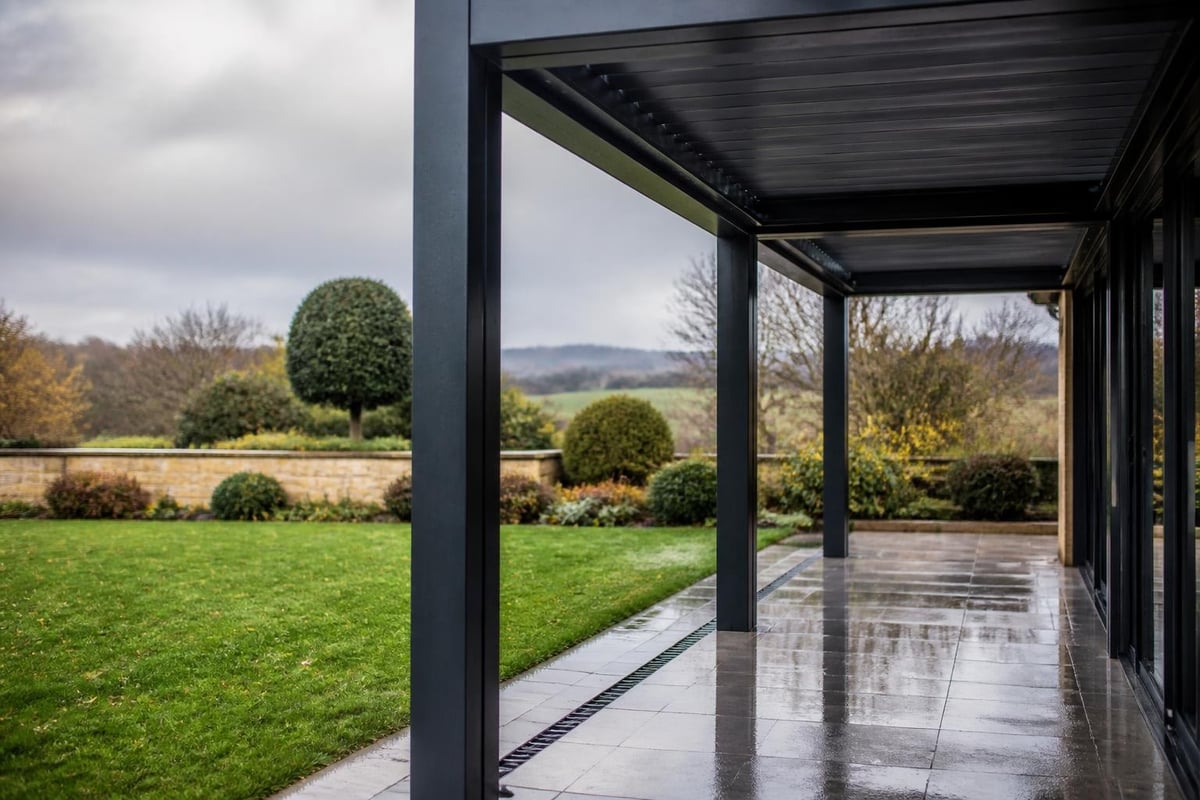
A garden pergola with roof concentrates rainfall that must be directed away from foundation areas and outdoor kitchen components. Professional installations incorporate:
Inadequate drainage planning leads to water ingress around kitchen cabinetry, staining on paving, and potential structural issues. Expert waterproofing approaches emphasize comprehensive water management from roof surface through to ground dispersal.
Whilst the primary purpose of a garden pergola with roof is weather protection, thoughtful planting softens architectural elements and enhances seasonal interest. The integration of climbing plants requires planning during the design phase.
Professional gardeners recommend specific climbing plants that complement rather than compromise roofed structures:
Wisteria - Spectacular spring flowering but requires robust framework and regular pruning to prevent damage to roof mechanisms.
Climbing Roses - Offer fragrance and repeat flowering throughout summer. Select thornless varieties near seating and circulation areas.
Clematis - Provides colour diversity with hundreds of varieties offering different flowering periods. Less vigorous than wisteria, making it suitable for smaller pergolas.
Star Jasmine - Evergreen foliage and intensely fragrant summer flowers create a sensory experience. Particularly effective on side posts rather than roof areas.
Passionflower - Exotic blooms and interesting foliage provide visual drama whilst tolerating the sheltered microclimate created beneath a garden pergola with roof.
The roof system influences planting approaches significantly:
For outdoor kitchens, consider positioning aromatic herbs like rosemary and lavender along pergola edges where their fragrance enhances the cooking and dining experience without creating maintenance issues near food preparation areas.
Installing a garden pergola with roof involves substantially more complexity than erecting a basic garden structure. The additional weight of roofing materials, the precision required for weathertight seals, and the integration of utilities all demand professional expertise.
A roofed pergola carries considerably more load than an open structure, particularly when accounting for:
Standard installations require concrete pad foundations at each post position, typically 500-600mm deep and 400mm square minimum. Larger pergolas or those in exposed locations may require deeper foundations or continuous footings.
The question of whether a garden pergola with roof requires planning permission depends on several factors specific to UK regulations:
Permitted development rights generally allow garden structures without planning approval provided they meet specific criteria including:
However, a garden pergola with roof that incorporates extensive glazing or solid roofing may be classified as a conservatory or garden room, potentially requiring building regulations approval for foundations, drainage, and electrical installations.
Properties in conservation areas, listed buildings, or locations with specific covenants require additional scrutiny. Consulting with planning authorities early in the design process prevents costly modifications after construction.
Premium outdoor kitchens beneath a garden pergola with roof require multiple utility connections:
Electrical Services - Outdoor-rated sockets, lighting circuits, and connections for appliances must comply with Part P Building Regulations. Experienced installers route cables through framework profiles for concealed, weather-protected runs.
Water Supply - Fresh water connections for sinks, ice makers, and cleaning stations require frost-protected pipework with isolation valves accessible for seasonal shutdown.
Gas Services - LPG or natural gas installations demand qualified gas-safe engineers and appropriate ventilation considerations within the roofed structure.
Drainage - Wastewater from sinks requires compliant connections to existing drainage, incorporating appropriate traps and fall gradients.
The comprehensive service approach offered by specialist suppliers ensures all utility connections integrate seamlessly with the pergola structure whilst meeting regulatory requirements.
A garden pergola with roof creates opportunities for sophisticated lighting schemes that would be impractical in exposed garden areas. Thoughtful illumination extends usability into evening hours whilst establishing ambience for entertaining.
Professional lighting designers employ multiple light sources serving distinct purposes:
| Lighting Layer | Function | Typical Fixtures | Placement Strategy |
|---|---|---|---|
| Ambient | General illumination for circulation and safety | Recessed downlights, linear LED strips | Ceiling-mounted, perimeter soffit |
| Task | Focused light for cooking and food preparation | Adjustable spotlights, under-cabinet strips | Above grills, sinks, preparation zones |
| Accent | Highlighting architectural features and plants | Uplights, wall washers, narrow-beam spots | Post bases, planted areas, texture walls |
| Decorative | Creating atmosphere and visual interest | Pendant fixtures, festoon lighting, lanterns | Dining zones, seating areas, entries |
The roof structure provides mounting opportunities that create drama impossible with freestanding garden lighting. Recessed fixtures installed within the roofing panels themselves provide clean, architectural illumination without visible hardware.
Modern garden pergola with roof installations increasingly incorporate smart control systems allowing:
Wireless control systems eliminate the need for multiple switch locations whilst providing convenient smartphone or tablet operation.
For genuine year-round usability, a garden pergola with roof benefits significantly from supplementary heating systems that extend the comfortable season well beyond summer months.
Several proven approaches suit roofed pergola environments:
Infrared Heaters - Mounted to the underside of the roof structure, infrared panels heat people and surfaces rather than air, making them highly efficient in semi-enclosed spaces. They provide instant warmth without preheating time.
Gas Patio Heaters - Freestanding or post-mounted options offer flexibility and high heat output. However, they consume outdoor floor space and require adequate ventilation even under roofed structures.
Wood-Burning Features - Fire pits or fireplaces create focal points whilst providing radiant heat. They require careful positioning relative to roof structures and appropriate smoke management.
Electric Heaters - Wall or ceiling-mounted electric heaters provide convenient, controllable warmth suited to smaller pergolas or supplementary heating roles.
The choice depends on the pergola's dimensions, degree of enclosure, and intended usage patterns. Larger, more open structures benefit from infrared or gas solutions providing broader coverage, whilst intimate dining spaces might prioritize the ambience of flame-based heating.
Converting a garden pergola with roof into a three-season or even four-season space often involves adding side protection:
The degree of enclosure fundamentally changes the structure's character and potentially its regulatory classification. Fully enclosed structures may require building regulations approval even if the original pergola fell within permitted development.
A garden pergola with roof represents a significant investment in property enhancement. Understanding the cost variables and potential return helps inform decision-making.
Several factors influence total project costs:
Size and Complexity - Larger structures require more materials and labor. Complex geometries, curved elements, or multi-level designs command premium pricing.
Roof System Technology - Basic fixed polycarbonate roofs start from £3,000-£5,000 for modest sizes. Premium louvered bioclimatic systems begin around £15,000-£25,000 for typical domestic installations, with bespoke architectural pieces exceeding £40,000.
Framework Materials - Powder-coated aluminium frameworks cost more initially than timber but offer superior longevity and minimal maintenance. Quality hardwoods fall between these extremes.
Integrated Features - Built-in lighting, heating, automated controls, and structural reinforcement for outdoor kitchen equipment all add incremental costs but substantially enhance functionality.
Installation Complexity - Sites requiring extensive groundwork, difficult access, or complex utility connections increase labor costs significantly.
Budget £8,000-£15,000 for a quality entry-level garden pergola with roof suitable for dining areas. Comprehensive outdoor kitchen installations beneath architectural pergolas typically range from £25,000-£60,000 including both structure and cooking equipment.
Design-conscious improvements like architectural pergolas typically contribute to property values by:
Whilst difficult to quantify precisely, landscape and outdoor living improvements generally return 50-80% of their cost in property value for typical installations, with exceptional designs in desirable locations potentially recovering 100% or more.
A properly specified garden pergola with roof should provide decades of service with appropriate care. Maintenance requirements vary substantially based on material selection and local environmental conditions.
Powder-coated aluminium pergolas require minimal ongoing attention:
Quality aluminium installations from reputable manufacturers often include 10-15 year warranties on framework and powder coating, with 3-5 year coverage on mechanical roof systems.
Timber pergolas demand more regular attention:
Well-maintained oak or hardwood pergolas can last 25-30 years or more, whilst softwood structures typically achieve 15-20 years with diligent care.
Different roofing materials age at varying rates:
Polycarbonate: Quality multi-wall panels should maintain clarity and structural integrity for 15-20 years. UV-protective coatings prevent yellowing and brittleness. Budget for eventual panel replacement as part of long-term ownership costs.
Glass: Toughened glass roofing can last indefinitely with appropriate cleaning. Self-cleaning coatings deteriorate over 10-15 years but the glass itself remains functional.
Louvered Blades: Powder-coated aluminium blades should match framework longevity. Mechanical components including motors and gearing typically require replacement after 7-10 years of regular use.
The true value of a garden pergola with roof emerges through extended seasonal usability compared to open garden spaces or basic pergolas.
These transitional seasons showcase roofed pergola advantages most dramatically:
Many owners report their garden pergola with roof sees heaviest use during May-June and September-October when weather variability would otherwise limit outdoor living.
With appropriate heating and optional side screens, roofed pergolas provide surprising winter utility:
The psychological benefit of maintaining garden engagement throughout darker months contributes significantly to wellbeing for many homeowners.
Premium garden pergola with roof installations offer extensive customisation reflecting individual aesthetic preferences and functional requirements.
Successful pergola design responds to existing property architecture:
Traditional Properties - Oak or hardwood frameworks with pitched roofs clad in tiles or shingles echo heritage construction methods. Decorative brackets and traditional joinery details maintain period character.
Contemporary Homes - Clean-lined aluminium structures with flat or mono-pitched roofs, often incorporating glass and minimal ornamentation, extend modern architectural language into the garden.
Transitional Styles - Subtle contemporary materials deployed with traditional proportions bridge the gap between obviously modern and overtly traditional approaches.
The curated selection of premium brands available through specialist retailers ensures architectural alignment across diverse property styles.
Framework and roof finishes profoundly influence overall impact:
Quality powder coating processes offer exceptional durability in colours spanning the full RAL range, enabling precise coordination with existing property features.
Selecting and installing a garden pergola with roof represents a significant enhancement to your outdoor living capabilities, transforming gardens into sophisticated all-season entertaining destinations. The combination of weather protection, architectural definition, and integration possibilities with outdoor cooking equipment creates exceptional value for discerning homeowners who refuse to let British weather limit their enjoyment of outdoor spaces. Whether you're drawn to the clean lines of contemporary bioclimatic systems or the timeless appeal of traditional designs, working with experienced specialists ensures your investment delivers lasting performance and aesthetic satisfaction. Cotswold Cooking Company brings together premium European pergola manufacturers, comprehensive outdoor kitchen expertise, and consultative design services to help you create a refined outdoor environment perfectly suited to your property and lifestyle.

Comments
Leave a comment