


Across the UK and worldwide, the allure of outdoor kitchens is transforming how people experience their gardens. No longer just a place for a summer barbecue, these spaces have evolved into sophisticated culinary hubs at the heart of modern living.
The rise of outdoor kitchens blends luxury, cutting-edge technology, and nature, offering a unique alfresco dining experience. Homeowners are discovering how these spaces enhance entertaining, increase property value, and promote year-round enjoyment and personal wellness.
In this guide, you will find the latest design trends, planning steps, essential features, smart technology, sustainability solutions, and expert insights to help you create the ultimate outdoor kitchen for 2026.
Outdoor kitchens have undergone a remarkable transformation in recent years, reflecting the changing aspirations of homeowners. Once a simple corner for summer BBQs, today’s outdoor spaces are sophisticated culinary environments, tailored for year-round enjoyment and seamless entertaining. The evolution of outdoor kitchens is a testament to innovation, lifestyle shifts, and a growing appreciation for alfresco living.
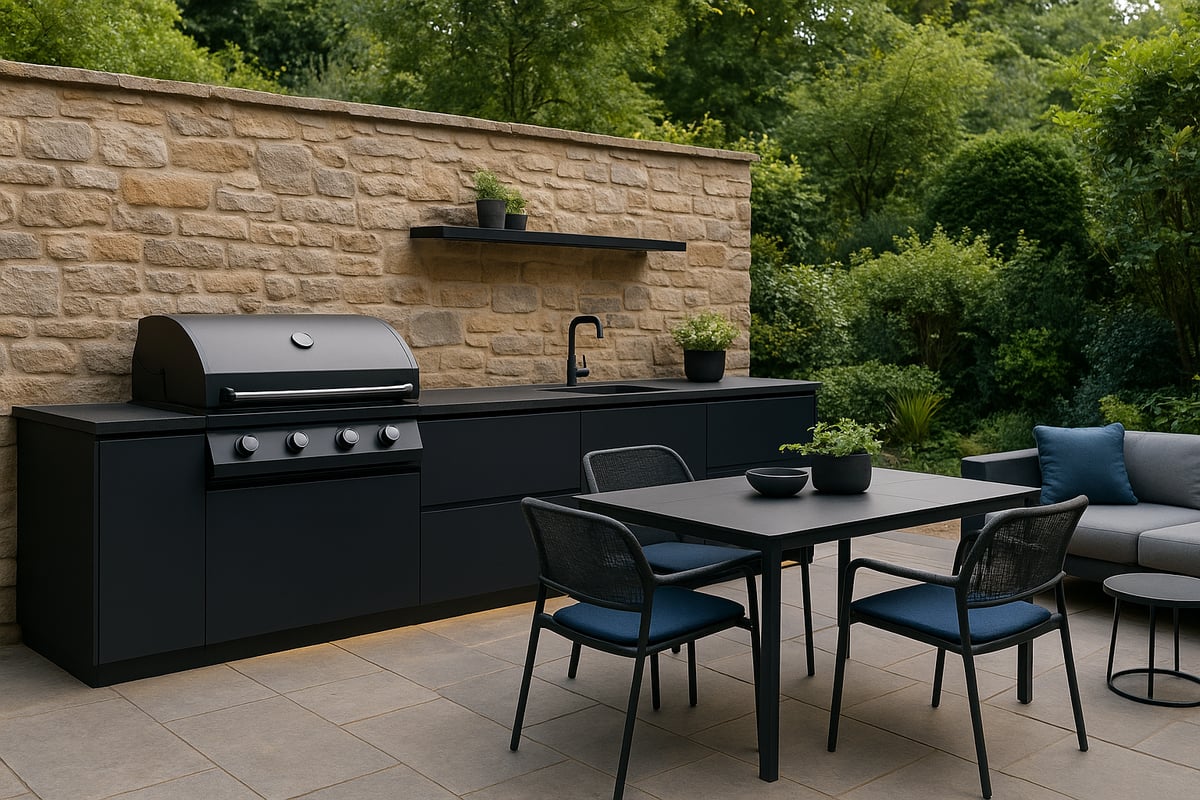
The story of outdoor kitchens in the UK began with modest BBQ setups, often little more than portable grills and a few folding chairs. Over the last decade, the evolution of outdoor kitchens has been shaped by a desire for more versatile and comfortable outdoor living. Homeowners increasingly invest in fully equipped spaces with built-in appliances, running water, and dedicated dining zones.
Key milestones include the introduction of weatherproof cabinetry, high-performance grills, and integrated refrigeration. These innovations have enabled the creation of outdoor kitchens that rival their indoor counterparts in both function and style, making alfresco cooking and entertaining a true extension of the home.
The UK market for outdoor kitchens has seen unprecedented growth, mirroring global trends. According to UK outdoor kitchen market growth statistics, there has been a 15% CAGR from 2021 to 2025, driven by homeowners’ desire for personalisation and all-weather usability. The evolution of outdoor kitchens is further fuelled by a surge in demand for modular and customisable solutions.
The pandemic played a significant role, prompting more people to reimagine their outdoor spaces as essential extensions of daily life. This shift has set a new standard for what is possible in garden design, with more families prioritising year-round functionality.
Looking to 2026, the evolution of outdoor kitchens is defined by the rise of multifunctional zones. Spaces now blend cooking, dining, lounging, and entertainment in a single, flowing layout. Biophilic design principles are prominent, with natural materials, greenery, and seamless transitions between indoors and outdoors.
Contemporary colour palettes feature earthy tones, matte blacks, and brushed metallics, creating a sophisticated yet grounded atmosphere. These trends reflect a desire for luxury, comfort, and a closer connection to nature in the heart of the home.
Technology has become integral to the evolution of outdoor kitchens. Smart grills, app-controlled lighting, and weather sensors are now common features. By 2025, 40% of new installations included smart capabilities, making it easier to manage cooking, lighting, and comfort from a smartphone or voice assistant.
For example, voice-activated appliances and automated pergola systems allow for effortless control, ensuring the outdoor kitchen experience is always tailored to the moment. This integration of technology enhances both convenience and safety, pushing the boundaries of outdoor living.
Sustainability is at the forefront of the evolution of outdoor kitchens. Homeowners are increasingly selecting recycled materials, energy-efficient appliances, and water-saving features. Many opt for solar-powered lighting and eco-composite worktops, reducing their environmental footprint without compromising on style or function.
A recent case study highlights UK families choosing rainwater collection systems and low-energy refrigerators, reflecting a broader commitment to responsible design. These choices ensure that outdoor kitchens are both future-proof and kind to the planet.
Global influences and visionary brands are shaping the evolution of outdoor kitchens in the UK. Names like Sub-Zero & Wolf and Renson set the standard for quality and innovation, while Mediterranean, Scandinavian, and Australian styles inspire British homeowners to embrace open-air living.
British outdoor kitchens now blend local materials, such as Cotswold stone, with international trends, resulting in spaces that are both timeless and on-trend. This fusion ensures that the evolution of outdoor kitchens remains dynamic, diverse, and truly world-class.
Creating the perfect outdoor kitchen in 2026 is a rewarding journey. Whether you are aiming for a simple entertaining space or a luxurious culinary hub, careful planning ensures your investment delivers lasting value. Here is a step-by-step guide to help you navigate the essential stages of outdoor kitchens design and installation.
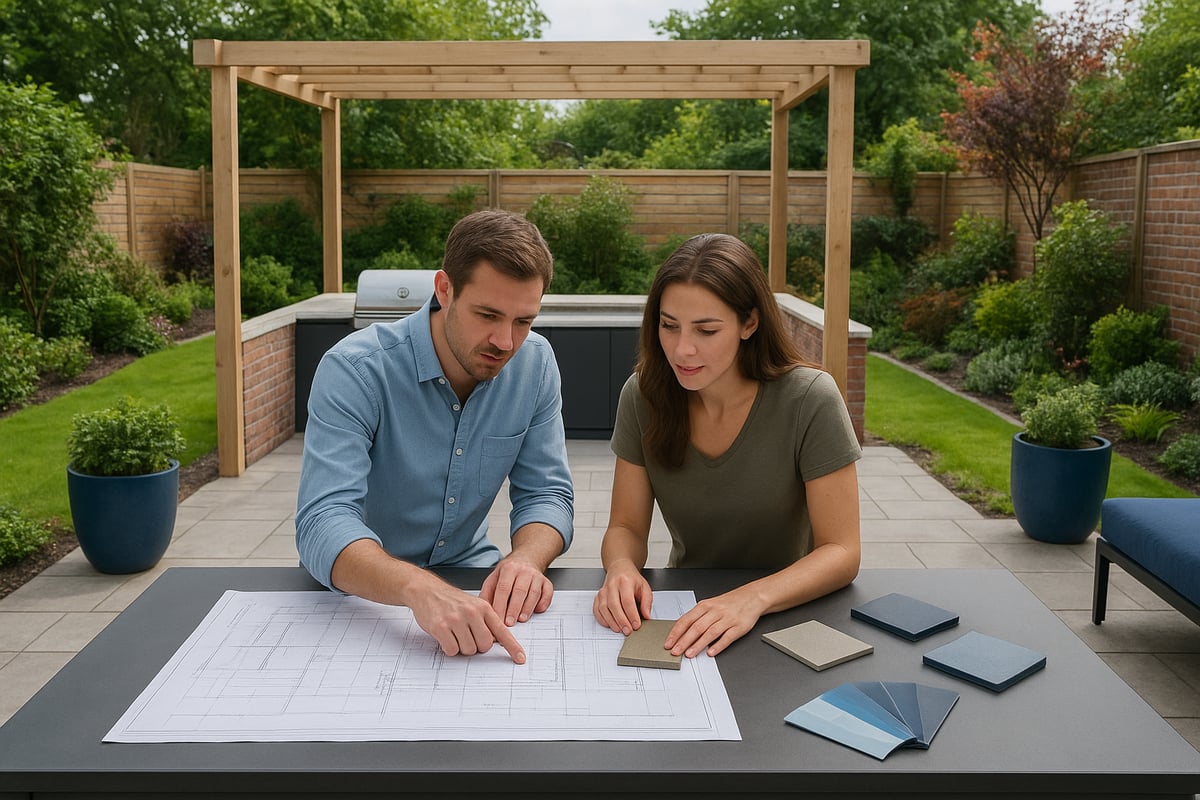
Begin by clarifying your vision for the space. Consider how you plan to use your outdoor kitchen: is it primarily for family meals, large gatherings, or gourmet cooking sessions? Defining your goals will shape every decision.
Budgeting is crucial. The average UK spend for the creation of outdoor kitchens ranges from £10,000 to £35,000, depending on size, materials, and features. Factor in not just appliances, but also professional design, installation, and landscaping.
For example, a family in the Cotswolds prioritised a wood-fired pizza oven and built-in seating to create a welcoming social hub. Understanding your priorities ensures the final design truly reflects your lifestyle and needs.
Assessing your garden’s layout is the next step. Evaluate sun exposure, wind direction, and how the space connects to your home. The positioning of outdoor kitchens can impact both functionality and comfort throughout the year.
Legal considerations are essential. Check if your property is listed or falls within a conservation area, which may affect permissions. Always review local planning regulations, especially for larger structures or boundary proximity.
Optimise for privacy and accessibility. Use existing walls, hedges, or fences to shield the area from wind and neighbours. Smart site planning enhances both enjoyment and the longevity of outdoor kitchens in any environment.
Choosing the right layout is a pivotal decision. Popular options include L-shape, U-shape, galley, and modular islands. The best configuration depends on the size of your garden and how you intend to use the space.
For smaller city gardens, a compact island or galley layout maximises efficiency without overcrowding. In contrast, larger country estates may benefit from multiple zones for cooking, dining, and relaxing.
Get inspired and avoid common pitfalls by reviewing Outdoor kitchen design tips to ensure your layout meets both your aspirations and practical requirements. The layout is the foundation of outdoor kitchens that are both beautiful and functional.
Durability is paramount when selecting materials for your outdoor kitchen. Weather-resistant worktops like granite, porcelain, or eco-composites are increasingly popular for their ability to withstand the UK climate.
Cabinetry should be made from powder-coated aluminium or marine-grade stainless steel to resist rust and moisture. For flooring, consider anti-slip porcelain tiles or composite decking, both safe and easy to maintain.
Recent data shows that 60% of UK buyers now choose low-maintenance materials for the construction of outdoor kitchens, highlighting a shift towards practical yet stylish solutions that last.
Selecting the right appliances brings your outdoor kitchen to life. Essentials include grills, pizza ovens, side burners, and outdoor fridges. For the adventurous, consider smokers, teppanyaki plates, or rotisseries to expand your cooking repertoire.
Energy sources vary: gas, electric, wood, or hybrid options each offer distinct advantages. Think about your preferred cooking style and maintenance requirements before making a choice.
The right mix of appliances ensures the versatility of outdoor kitchens, letting you create everything from quick weekday meals to elaborate feasts for family and friends.
Lighting, heating, and shelter are vital for year-round enjoyment. Use layered lighting: task lights for cooking, ambient lights for dining, and accent lights for atmosphere. Heating options include fire pits, built-in fireplaces, or electric heaters.
Shelter solutions such as pergolas, retractable canopies, and glazed verandas extend the usability of outdoor kitchens in all weathers. Consider automated louvered roofs for flexibility and comfort.
For example, all-season outdoor kitchens with Renson louvered roofs allow you to cook and entertain regardless of rain or shine, enhancing the practicality of outdoor kitchens in the UK.
Enlisting professional help can make a significant difference. Outdoor kitchen specialists guide you from the initial concept, through 3D design and specification, to final installation.
A typical process includes a consultation to understand your needs, detailed planning, and a clear timeline—usually 4 to 12 weeks from design to completion. This ensures every aspect of outdoor kitchens is tailored to your site, style, and budget.
Professional expertise delivers peace of mind and a flawless finish, making your investment in the world of outdoor kitchens both seamless and rewarding.
The world of outdoor kitchens is evolving rapidly, driven by homeowners’ desire for luxury, convenience, and sustainability. Today’s spaces are more than just a place to cook—they are hubs for entertaining, wellness, and technology integration. Understanding the essential features and innovations of outdoor kitchens is key to creating a space that stands the test of time. For a comprehensive overview of outdoor kitchens, including design inspiration and planning essentials, see the Complete guide to outdoor kitchens.
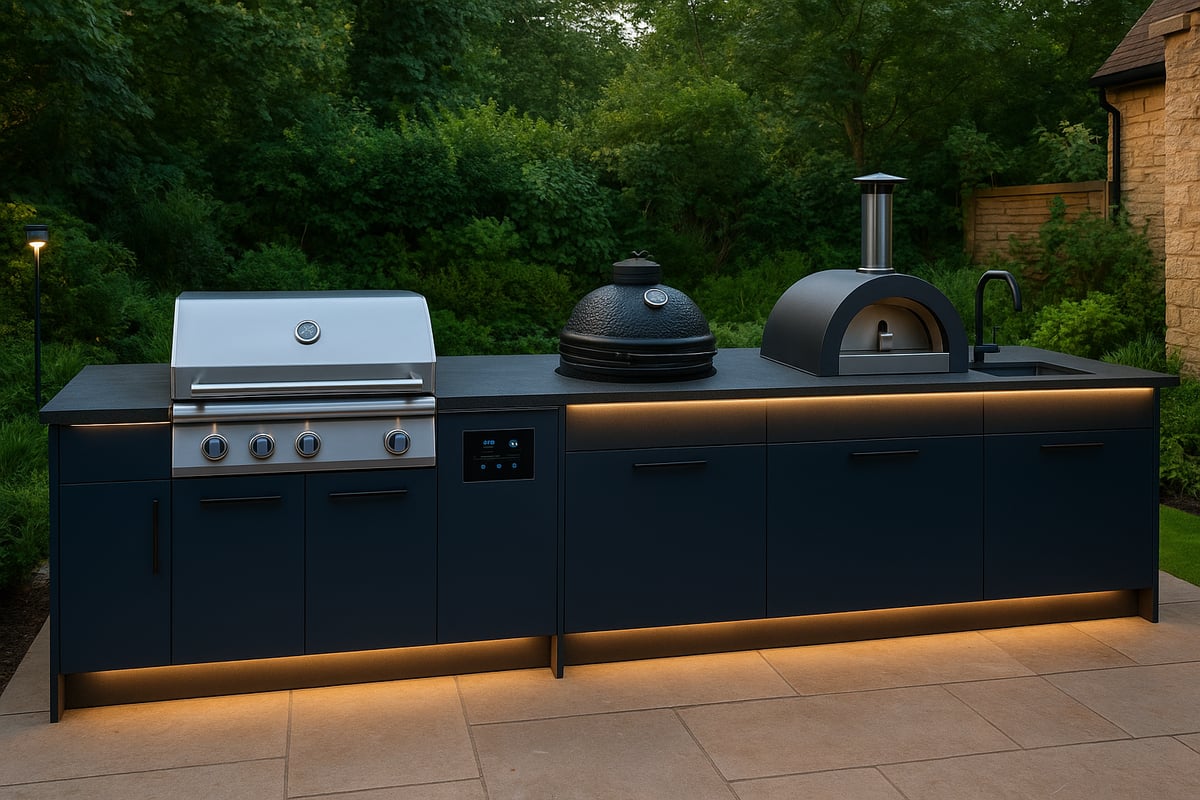
The heart of outdoor kitchens lies in their advanced appliances. Built-in gas BBQs now sit alongside kamado grills and wood-fired pizza ovens, offering versatile cooking options. Outdoor-rated refrigeration units and wine coolers ensure fresh ingredients and perfectly chilled drinks.
Integrated sinks, dishwashers, and ice makers have become standard, allowing seamless prep and clean-up. The inclusion of outdoor kitchen appliances is no longer a luxury but a necessity for modern alfresco cooking. As manufacturers innovate, expect even more energy-efficient and compact equipment in the next generation of outdoor kitchens.
Practicality is at the forefront of outdoor kitchens. Weatherproof cabinetry protects essentials from the elements, while concealed storage solutions keep clutter at bay. Pull-out bins, utensil drawers, and spice racks make organisation effortless.
Space-saving features are particularly valuable for smaller gardens, with modular units and clever design maximising every inch. The rise of outdoor kitchens in urban spaces has driven demand for multi-functional storage that adapts to changing needs.
Technology is reshaping the experience of outdoor kitchens. WiFi-enabled grills offer remote monitoring and recipe integration, while app-controlled lighting, heating, and security simplify management.
Automated cleaning systems and safety shut-offs provide peace of mind, especially for busy households. Voice-activated appliances and integrated weather sensors are expected to feature in most high-end installations, making the smart kitchen outdoors as connected as its indoor counterpart.
Entertainment options are becoming central to the design of outdoor kitchens. Outdoor sound systems, weatherproof TVs, and projectors transform the space into a true social hub.
Fire features, including fire bowls, tables, and linear fireplaces, add warmth and atmosphere. Ambient lighting with LED strips, up-lights, and lanterns creates a welcoming environment for gatherings, day or night.
Eco-friendly innovations are shaping the next wave of outdoor kitchens. Solar-powered lighting and appliance options reduce energy consumption and support a greener lifestyle.
Water-saving taps and rainwater collection systems are being specified more frequently. The use of recycled and locally sourced materials is on the rise, reflecting a wider commitment to sustainability in outdoor design.
Accessibility and safety are critical considerations in the design of outdoor kitchens. Step-free access ensures usability for all, while non-slip surfaces and child-safe appliance controls offer reassurance.
Lighting pathways and installing emergency shut-off points enhance safety and allow for confident use in any season. The essence of outdoor kitchens is not just style, but also a focus on practical and inclusive enjoyment.
Designing for the UK climate is essential for the success of outdoor kitchens. With unpredictable rain, frost, and even heatwaves, planning for all seasons ensures your investment is both practical and enjoyable throughout the year. This section explores how to make the most of outdoor kitchens in any weather with robust materials, innovative shelter, smart lighting, greenery, and proactive maintenance.
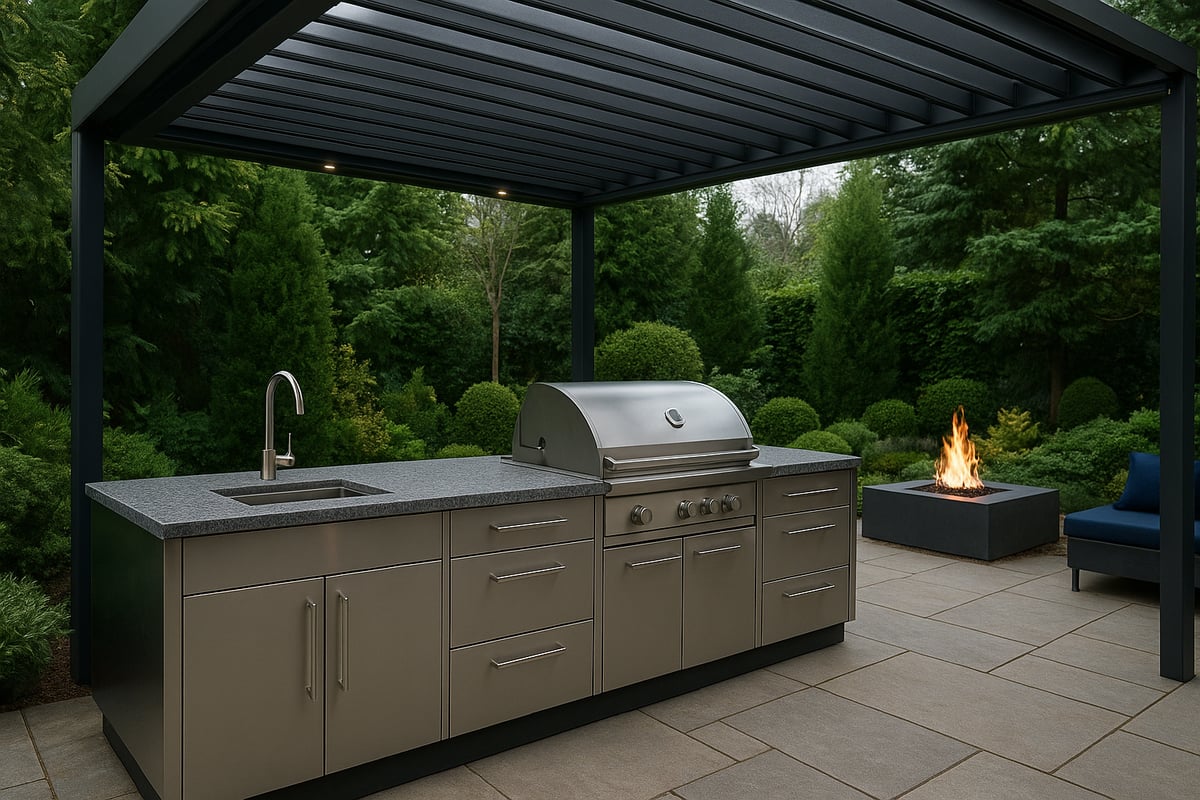
The foundation of outdoor kitchens built for UK weather lies in robust, weatherproof materials. Waterproof cabinetry, rust-resistant appliances, and UV-stable worktops are vital for durability. Drainage solutions prevent water pooling, while frost-proof plumbing protects against winter freezes.
For homeowners in coastal areas, marine-grade materials provide extra resilience against salt and moisture. Incorporating advice from weatherproofing outdoor kitchens helps ensure your setup withstands the elements. Prioritising these features extends the lifespan of outdoor kitchens, keeping them looking and performing at their best.
Flexible shelter is a hallmark of outdoor kitchens in the UK. Pergolas, retractable roofs, and glass verandas offer protection from rain and UV rays, allowing you to cook and entertain in comfort. Integrated heating solutions—such as underfloor systems, wall-mounted heaters, and built-in fire features—extend usability into colder months.
Recent data shows that 70% of outdoor kitchens installed in 2025 included covered zones, reflecting the growing demand for year-round function. By combining shelter with effective temperature control, the enjoyment of outdoor kitchens is no longer limited by the weather.
Proper lighting transforms the usability and safety of outdoor kitchens after dark or during gloomy days. Dimmable LED lighting adapts to cooking and dining needs, while motion sensors boost energy efficiency. Pathway and step lighting ensure safe movement, especially in wet or icy conditions.
Smart controls allow you to adjust brightness and schedule lights remotely, adding both convenience and security. Investing in quality lighting means the heart of outdoor kitchens remains inviting and functional, whatever the season or time of day.
Integrating hardy planting schemes around outdoor kitchens provides colour and interest, even in winter. Choose evergreen shrubs, perennial herbs, and resilient grasses for structure. Living walls and integrated planters bring biophilic design to the fore, enhancing the sensory appeal of outdoor kitchens.
Greenery also acts as a natural windbreak and privacy screen, boosting comfort and aesthetics. Thoughtful planting ensures the surroundings of outdoor kitchens remain vibrant and welcoming, whatever the weather brings.
Routine maintenance is crucial for the longevity of outdoor kitchens. Cleaning surfaces, winterising appliances, and using protective covers prevent damage from moisture and frost. Annual servicing by professionals helps identify issues early and keeps systems running smoothly.
Homeowners benefit from a seasonal checklist:
| Task | Spring | Autumn |
|---|---|---|
| Deep clean surfaces | ✔ | ✔ |
| Check plumbing for leaks | ✔ | ✔ |
| Service heating appliances | ✔ | ✔ |
| Apply oil/sealant to wood | ✔ | ✔ |
| Inspect drainage | ✔ | ✔ |
Consistent care maximises the performance of outdoor kitchens, ensuring they are ready for gatherings in every season.
From city terraces to sprawling estates, the world of outdoor kitchens is bursting with inspiration. Across the UK, homeowners and designers are redefining what it means to cook, entertain, and relax outside. Explore this showcase of outdoor kitchens, each tailored to unique lifestyles and spaces.
Urban living does not limit the possibilities of outdoor kitchens. In London and other cities, compact spaces are being transformed into stylish cooking zones. Designers use vertical storage, fold-away counters, and modular islands to maximise every inch.
A recent example is a townhouse where a sleek BBQ island, integrated fridge, and clever lighting make alfresco dining effortless. The adaptability of outdoor kitchens means even the smallest gardens can become culinary hotspots.
Rural settings invite more expansive designs. Country homes across the UK are embracing the rustic charm and generous layouts of outdoor kitchens. Traditional materials like Cotswold stone, timber, and slate blend seamlessly with the landscape.
In Oxfordshire, one homeowner integrated a pizza oven, fire pit, and raised beds, creating a social hub for all seasons. The enduring appeal of outdoor kitchens in the countryside lies in their ability to foster connection with nature.
The versatility of outdoor kitchens extends to hospitality venues. Pubs, hotels, and event spaces have adopted these features to boost capacity and guest experience. Since 2020, 30 percent of UK hospitality venues have added outdoor kitchens.
Outdoor kitchens are now a key differentiator for venues aiming to attract customers year-round. The adaptability of outdoor kitchens allows for creative configurations that cater to diverse events.
Safety and flexibility are at the heart of family-friendly outdoor kitchens. These spaces often include child-safe appliances, step-free access, and integrated play areas.
A great example is a suburban garden with a dedicated play zone adjacent to the grill area. The thoughtful layout demonstrates how the design of outdoor kitchens can support family life and wellbeing.
Luxury outdoor kitchens are designed for seamless entertaining. Multi-zone layouts integrate bar counters, wine fridges, and even outdoor cinemas, elevating gatherings to a new level.
Award-winning projects often feature statement elements like illuminated worktops and bespoke art installations. For more outdoor kitchen ideas and inspiration, explore curated collections from leading UK designers.
Innovation is at the forefront of outdoor kitchens for 2026. Mixed materials, bold colour palettes, and tech integrations are shaping the next generation of designs.
According to 2026 kitchen design trends, expect to see earthy tones, matte finishes, and modular layouts dominating the scene. The evolving design of outdoor kitchens continues to inspire homeowners to reimagine their outdoor spaces.
As you explore the exciting innovations and practical steps to create your dream outdoor kitchen for 2026, it’s clear that thoughtful planning and expert guidance make all the difference. Whether you’re envisioning alfresco family meals, stylish gatherings, or a space that truly elevates your lifestyle, having a tailored design can transform your ideas into reality. If you’re ready to take the next step, why not start with professional advice that’s as individual as your home?
Get a Free Design Consultation
and let’s turn your vision into a stunning, all-season outdoor kitchen you’ll love for years to come.

Leave a comment