


The outdoor barbecue grill has evolved from a simple cooking device into a cornerstone of sophisticated outdoor living. For discerning homeowners across the UK, particularly throughout Oxfordshire and the Cotswolds, the selection of an outdoor barbecue grill represents a significant investment in both culinary capability and property value. Whether you're designing a complete outdoor kitchen or enhancing an existing space, understanding the nuances of grill selection, placement, and maintenance ensures your outdoor cooking area delivers exceptional performance for years to come. This comprehensive guide explores the essential considerations for choosing and caring for an outdoor barbecue grill that matches your lifestyle and design vision.
The contemporary market offers remarkable variety when selecting an outdoor barbecue grill. Each category presents distinct advantages suited to different cooking styles, spatial configurations, and aesthetic preferences.
Gas grills dominate the UK market due to their convenience and precision temperature control. These systems connect to LPG bottles or natural gas lines, providing instant heat and consistent performance. Professional-grade models feature multiple burners, rotisserie capabilities, and dedicated zones for simultaneous cooking at different temperatures.
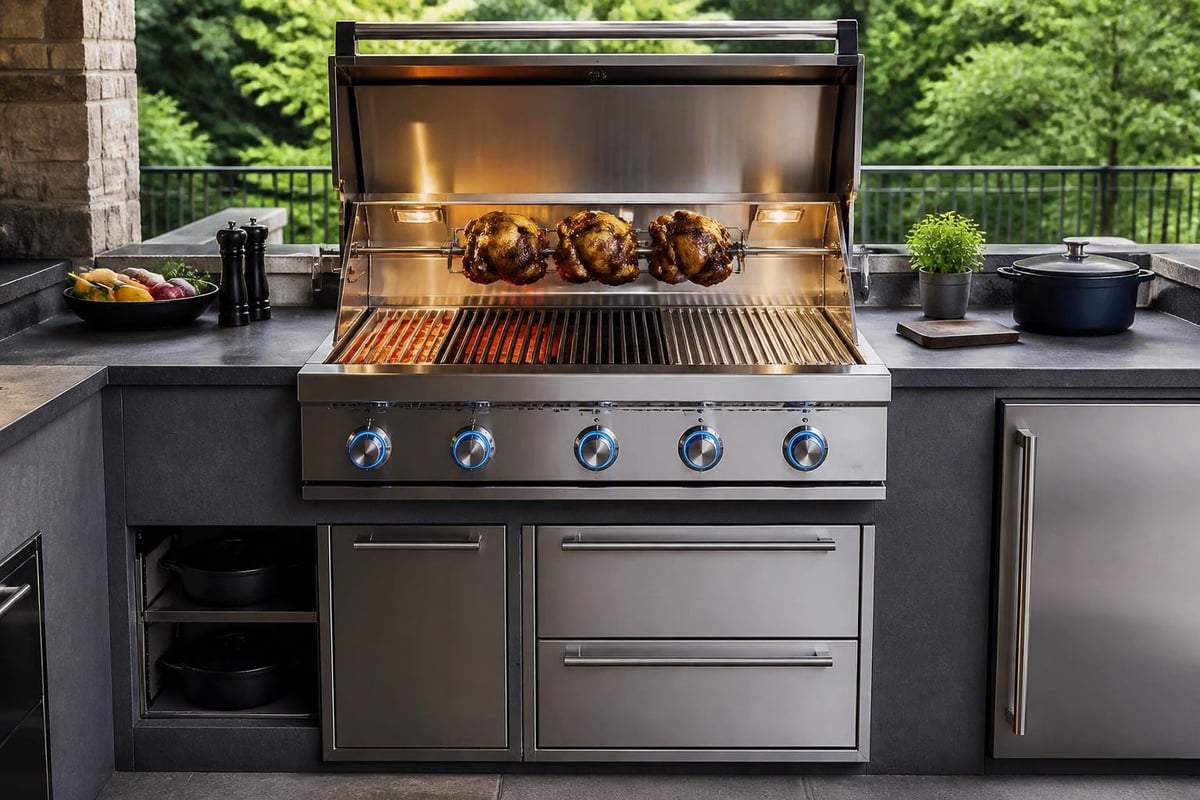
Key advantages of gas-powered systems:
The investment in a premium gas outdoor barbecue grill ranges considerably based on construction materials, burner configuration, and integrated features. Stainless steel construction remains the benchmark for durability, whilst ceramic components enhance heat retention and fuel efficiency.
Traditional charcoal grills continue to attract enthusiasts who prioritise authentic smokiness and high-temperature searing capabilities. These systems require more preparation time but deliver distinctive flavour profiles impossible to replicate with gas alternatives.
Modern charcoal grills incorporate sophisticated airflow management systems that allow precise temperature control. Kamado-style ceramic grills, for instance, maintain stable temperatures for extended periods, making them ideal for both quick searing and long, slow smoking sessions.
| Feature | Gas Grills | Charcoal Grills | Hybrid Systems |
|---|---|---|---|
| Heat-up Time | 10-15 minutes | 20-30 minutes | 10-20 minutes |
| Temperature Control | Excellent | Moderate | Excellent |
| Flavour Profile | Clean, neutral | Rich, smoky | Versatile |
| Maintenance | Low | Moderate | Moderate |
| Running Costs | Medium | Low | Medium-High |
Innovation continues to reshape the outdoor barbecue grill landscape. Hybrid systems combine gas convenience with wood-burning flavour enhancement, whilst electric grills offer practical solutions for covered spaces where smoke management presents challenges.
Hybrid grills typically feature gas burners for primary heat generation alongside dedicated wood chip compartments. This configuration delivers the operational simplicity of gas cooking whilst incorporating authentic smoke flavour when desired.
Successful outdoor barbecue grill installation extends beyond equipment selection. Thoughtful integration within your broader outdoor living environment enhances both functionality and aesthetic cohesion.
Proper grill placement protects both property and occupants whilst optimising cooking efficiency. Position your outdoor barbecue grill at least three metres from structures, including pergolas, fencing, and overhanging vegetation. Adequate ventilation prevents smoke accumulation in covered areas.
Consider prevailing wind patterns to avoid directing smoke toward seating areas or neighbouring properties. Positioning grills away from high-traffic pathways reduces accident risks whilst maintaining convenient access to kitchen preparation zones.
The foundation supporting your outdoor barbecue grill must provide stable, level placement. Porcelain tiling or natural stone bases offer durability and ease of cleaning whilst complementing surrounding hardscape elements.
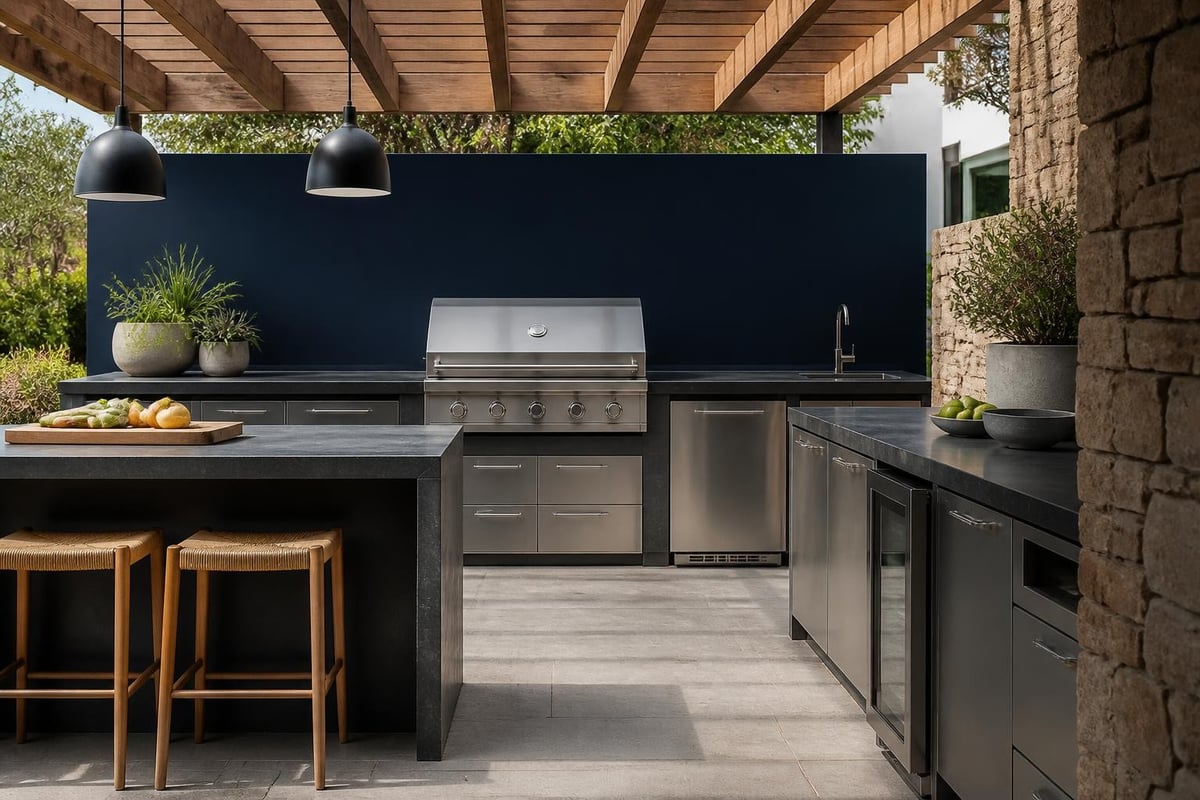
Built-in grills create seamless integration within comprehensive outdoor kitchen designs. These installations typically incorporate surrounding counter space, storage cabinetry, and complementary appliances to form cohesive cooking stations.
Freestanding units offer flexibility for evolving outdoor spaces. Premium models feature substantial construction that rivals built-in alternatives whilst maintaining portability for seasonal adjustments or future relocations.
Built-in grill advantages:
Freestanding grill benefits:
The longevity and performance of any outdoor barbecue grill depends fundamentally upon construction materials and manufacturing standards. Premium materials justify higher investment through enhanced durability and sustained performance.
Not all stainless steel delivers equivalent performance. Marine-grade 304 stainless steel provides superior corrosion resistance essential for UK climates, whilst 430-grade alternatives offer adequate protection at reduced cost.
Examine thickness specifications when evaluating construction quality. Grill boxes fabricated from 3mm stainless steel maintain structural integrity and heat distribution far longer than thinner alternatives. Welded seams demonstrate superior craftsmanship compared to bolted assemblies.
Cast iron cooking grates deliver exceptional heat retention and distinctive sear marks that define professional grilling results. Proper seasoning of cast iron surfaces prevents rust formation and develops natural non-stick properties over time.
Ceramic components excel in heat retention applications. Burner systems incorporating ceramic briquettes distribute heat evenly whilst reducing flare-ups from dripping fats. Kamado-style grills constructed from thick ceramic walls maintain stable temperatures throughout extended cooking sessions.
Advanced features transform basic grilling into comprehensive outdoor cooking experiences. Understanding available options helps identify which capabilities align with your culinary ambitions.
Professional outdoor barbecue grill systems incorporate multiple independently controlled burners. This configuration enables simultaneous cooking at different temperatures-searing steaks over high heat whilst gently warming vegetables or maintaining finished dishes at serving temperature.
Infrared burner technology delivers intense radiant heat exceeding 700°C, perfect for restaurant-quality searing. These specialised burners minimise flare-ups whilst maximising heat efficiency.
Rotisserie attachments expand cooking repertoires beyond traditional grilling. Motor-driven spits slowly rotate poultry, roasts, and other large cuts through indirect heat, ensuring even cooking and self-basting through continuous rotation.
Dedicated smoking compartments allow cold or hot smoking without compromising primary grilling zones. These features appeal to enthusiasts pursuing authentic barbecue traditions alongside conventional grilling applications.
Many premium outdoor cooking enthusiasts complement their barbecue grill with specialised equipment. Pizza ovens, for instance, introduce authentic wood-fired cooking capabilities that pair beautifully with grilled preparations during garden gatherings.
Contemporary outdoor barbecue grill models increasingly incorporate connectivity features. Smartphone applications monitor internal temperatures, adjust burner outputs remotely, and provide cooking guidance through integrated sensors.
Whilst not essential for excellent grilling results, these technologies appeal to those who appreciate data-driven cooking precision and the convenience of monitoring progress whilst entertaining guests.
Diligent maintenance preserves both performance and appearance throughout your outdoor barbecue grill's service life. Establishing consistent cleaning routines prevents common degradation whilst identifying potential issues before they require expensive repairs.
Proper maintenance begins immediately after each cooking session. Whilst grates remain warm, brush away food residue using a sturdy wire brush or stainless steel scraper. This prevents carbonised deposits from accumulating and simplifies future cleaning efforts.
Empty grease management systems after every use. Accumulated fats present fire hazards and attract unwanted wildlife. Most systems feature removable drip trays that require simple washing with warm, soapy water.
Weekly maintenance checklist:
Comprehensive cleaning before winter storage extends equipment longevity. Disassemble removable components including grates, burners, and flavouriser bars. Soak heavily soiled parts in degreasing solutions before scrubbing thoroughly.
Inspect gas lines and connections for deterioration. Replace any components showing cracks, brittleness, or damage. Common grilling mistakes often involve neglecting these critical safety checks.
Apply food-safe oils to cast iron surfaces before storage to prevent rust formation. Cover your outdoor barbecue grill with weather-resistant protection that allows adequate ventilation to prevent moisture accumulation.
| Maintenance Task | Frequency | Impact |
|---|---|---|
| Grate brushing and cleaning | After each use | Prevents flavour contamination and sticking |
| Grease tray emptying | After each use | Reduces fire risk and pest attraction |
| Burner inspection and cleaning | Monthly | Maintains even heat distribution |
| Deep component cleaning | Quarterly | Extends equipment lifespan significantly |
| Gas line inspection | Bi-annually | Critical safety verification |
| Professional servicing | Annually | Identifies hidden issues before failure |
Operating an outdoor barbecue grill safely protects both users and property. Following established safety protocols eliminates common hazards whilst ensuring consistently enjoyable cooking experiences.
Outdoor grilling safety begins with proper clearances from combustible materials. Never position grills beneath wooden pergolas, covered porches, or tree canopies where heat and flames could ignite overhead structures.
Maintain functional fire suppression equipment within immediate reach. Class B fire extinguishers rated for grease fires provide essential protection. Baking soda offers an alternative for small grease flare-ups-never apply water to grease fires.
Establish clear protocols for children and pets around active grilling areas. Hot surfaces remain dangerous long after cooking concludes, with some materials retaining heat for hours following use.
Inspect gas connections before each use by applying soapy water to all joints and fittings. Bubbling indicates leaks requiring immediate attention. Never attempt to use equipment showing signs of gas leaks.
Store LPG cylinders upright in well-ventilated outdoor locations away from building openings. Never bring gas cylinders indoors or store them in enclosed spaces where leaked gas could accumulate.
Replace deteriorated gas lines immediately rather than attempting repairs. Modern quick-disconnect fittings simplify cylinder changes whilst reducing connection failures.
Complete outdoor cooking environments extend beyond standalone grills. Strategic additions enhance functionality whilst creating cohesive entertainment spaces.
Premium outdoor kitchens transform gardens into fully equipped culinary destinations. Integrating your outdoor barbecue grill within purpose-built cabinetry provides weather protection, ample preparation surfaces, and organised storage for cooking equipment and utensils.
Weather-resistant materials including marine-grade stainless steel, teak, and composite decking withstand UK weather patterns whilst maintaining aesthetic appeal. Consider incorporating utility connections during initial construction-water supplies for integrated sinks, electrical circuits for lighting and accessories, and gas lines for multiple appliances.
Countertop materials require careful consideration. Granite and quartzite deliver durability and heat resistance ideal for placing hot pans directly from the grill. Porcelain surfaces offer contemporary aesthetics with minimal maintenance requirements.
Year-round outdoor cooking capability depends upon adequate weather protection. Architectural pergolas create defined outdoor rooms that shield cooking areas from precipitation whilst maintaining essential ventilation.
Retractable canopy systems offer adjustable coverage responding to changing weather conditions. These installations provide shelter during rain whilst opening completely during pleasant weather to maximise natural light and air circulation.
Fixed roof structures require careful design to prevent smoke accumulation. Incorporate adequate clearances above cooking surfaces and consider supplementary ventilation systems for enclosed or partially enclosed spaces.
The outdoor barbecue grill marketplace includes numerous manufacturers spanning budget-conscious to ultra-premium categories. Established brands demonstrate consistent quality through extensive testing, comprehensive warranties, and responsive customer support.
European manufacturers traditionally emphasise compact designs suited to smaller gardens common throughout UK properties. These systems often incorporate innovative features within space-efficient footprints.
American brands typically offer larger cooking surfaces and powerful burner systems reflecting different outdoor living traditions. These options suit properties with expansive gardens accommodating substantial built-in installations.
Comprehensive warranty protection indicates manufacturer confidence in construction quality. Premium outdoor barbecue grill brands commonly offer 10-year warranties on primary components with lifetime coverage for burners and grill boxes.
Verify warranty terms address UK-specific conditions rather than solely covering original manufacturing markets. Some international brands exclude certain weather-related damage common in British climates.
Local service availability significantly impacts ownership experiences. Brands represented by UK distributors with established service networks resolve issues more efficiently than those requiring international coordination for parts and repairs.
Contemporary outdoor barbecue grill selection increasingly reflects environmental consciousness. Several factors influence the ecological impact of outdoor cooking equipment.
Gas grills generally produce lower particulate emissions compared to charcoal alternatives. Modern burner designs maximise combustion efficiency, reducing both fuel consumption and environmental impact.
Charcoal selection significantly affects emissions profiles. Lump hardwood charcoal burns cleaner than briquettes containing chemical binders and additives. For enthusiasts committed to charcoal cooking, sourcing sustainable British hardwood charcoal supports domestic forestry whilst minimising transportation emissions.
Premium outdoor barbecue grill construction using stainless steel and cast iron ensures decades of service, reducing replacement frequency. These materials remain fully recyclable at end-of-life, unlike composite alternatives incorporating mixed materials difficult to separate.
Modular designs allowing component replacement extend useful service life. Rather than discarding entire units when specific elements fail, replaceable burners, grates, and ignition systems enable indefinite operation through periodic maintenance.
Whilst basic freestanding grills require minimal installation beyond positioning and gas connection, built-in systems demand professional expertise ensuring safe, compliant installations.
Simple gas bottle connections fall within most homeowners' capabilities following manufacturer instructions. However, permanent natural gas connections require qualified Gas Safe registered engineers to ensure compliance with UK regulations.
Built-in outdoor barbecue grill installations involve multiple trades. Landscapers prepare foundations and surrounding hardscaping, whilst joiners construct cabinetry and worksurfaces. Electricians install lighting and accessories, completing comprehensive outdoor kitchen projects.
Professional installation services coordinate these various trades, ensuring seamless integration whilst maintaining appropriate warranties. Attempting complex installations without proper expertise risks both safety and equipment performance.
Most outdoor barbecue grill installations proceed without formal planning permission. However, substantial built-in kitchens incorporating permanent structures may require building control notification, particularly when including roofed sections or permanent utility connections.
Consult local planning authorities before commencing significant outdoor construction projects. Requirements vary between councils and may involve additional considerations within conservation areas or listed property curtilages.
Maximising your outdoor barbecue grill investment extends beyond basic grilling. Developing advanced techniques unlocks diverse culinary possibilities that justify premium equipment specifications.
Professional results depend upon understanding and exploiting different temperature zones across cooking surfaces. Direct high-heat zones sear proteins rapidly, creating flavourful crusts whilst maintaining tender interiors. Indirect medium zones cook through thicker cuts without burning exteriors.
Create deliberate temperature gradients by adjusting individual burner outputs or arranging charcoal strategically. This allows simultaneous preparation of items requiring different cooking temperatures-vegetables roasting gently whilst steaks sear intensely.
Transform your outdoor barbecue grill into a smoker by maintaining temperatures between 95-150°C over extended periods. Wood chips or chunks generate smoke that infuses meats with distinctive flavours during slow cooking processes.
Different wood species impart characteristic flavours. Oak provides robust smokiness suitable for beef and lamb, whilst fruit woods like apple and cherry deliver milder sweetness complementing poultry and pork.
Reverse searing techniques begin with gentle indirect cooking until proteins approach target internal temperatures. Final high-temperature searing develops exterior crusts without overcooking interiors, delivering restaurant-quality results consistently.
This approach particularly suits thick-cut steaks and chops where traditional searing risks burning exteriors before interiors cook adequately. Temperature monitoring through probe thermometers ensures precision throughout the process.
Selecting and maintaining an outdoor barbecue grill represents a significant commitment to elevated outdoor living that transforms gardens into year-round culinary destinations. Whether you're drawn to the precision of gas systems, the authenticity of charcoal cooking, or the versatility of hybrid solutions, proper selection, installation, and care ensure decades of exceptional performance. Cotswold Cooking Company specialises in curating premium outdoor cooking equipment perfectly suited to British gardens, offering consultative design services that integrate barbecue grills within comprehensive outdoor kitchens tailored to your specific requirements and aesthetic vision.

Leave a comment