


The outdoor barbecue grill has evolved from a simple summer accessory into the cornerstone of sophisticated outdoor living. For discerning homeowners across the United Kingdom, selecting the right grill represents far more than a casual purchase-it's an investment in culinary capability, architectural design, and the transformation of garden spaces into refined entertaining destinations. As we navigate the increasingly complex landscape of outdoor cooking appliances in 2026, understanding the nuances between fuel types, construction materials, and integration opportunities becomes essential for creating truly exceptional outdoor kitchens that perform beautifully throughout every season.
Modern outdoor barbecue grills fall into several distinct categories, each offering unique advantages for different cooking styles and outdoor living ambitions.
Gas outdoor barbecue grills dominate the UK market for good reason. They deliver instant ignition, precise temperature control, and minimal maintenance requirements that appeal to both weeknight cooks and serious outdoor chefs. Contemporary gas models feature multiple burners, rotisserie capabilities, and infrared searing zones that rival professional kitchen equipment.
Key advantages of gas grills include:
Premium gas outdoor barbecue grills now incorporate ceramic briquettes for heat distribution, stainless steel burners with lifetime warranties, and integrated lighting systems for evening entertaining. Consumer Reports' comprehensive buying guide provides lab-tested ratings across various fuel types, helping buyers understand performance differences.
Despite technological advances, charcoal outdoor barbecue grills retain devoted followings amongst purists who value authentic smoky flavour profiles. These grills demand more hands-on engagement but reward users with unparalleled taste development and the primal satisfaction of live-fire cooking.
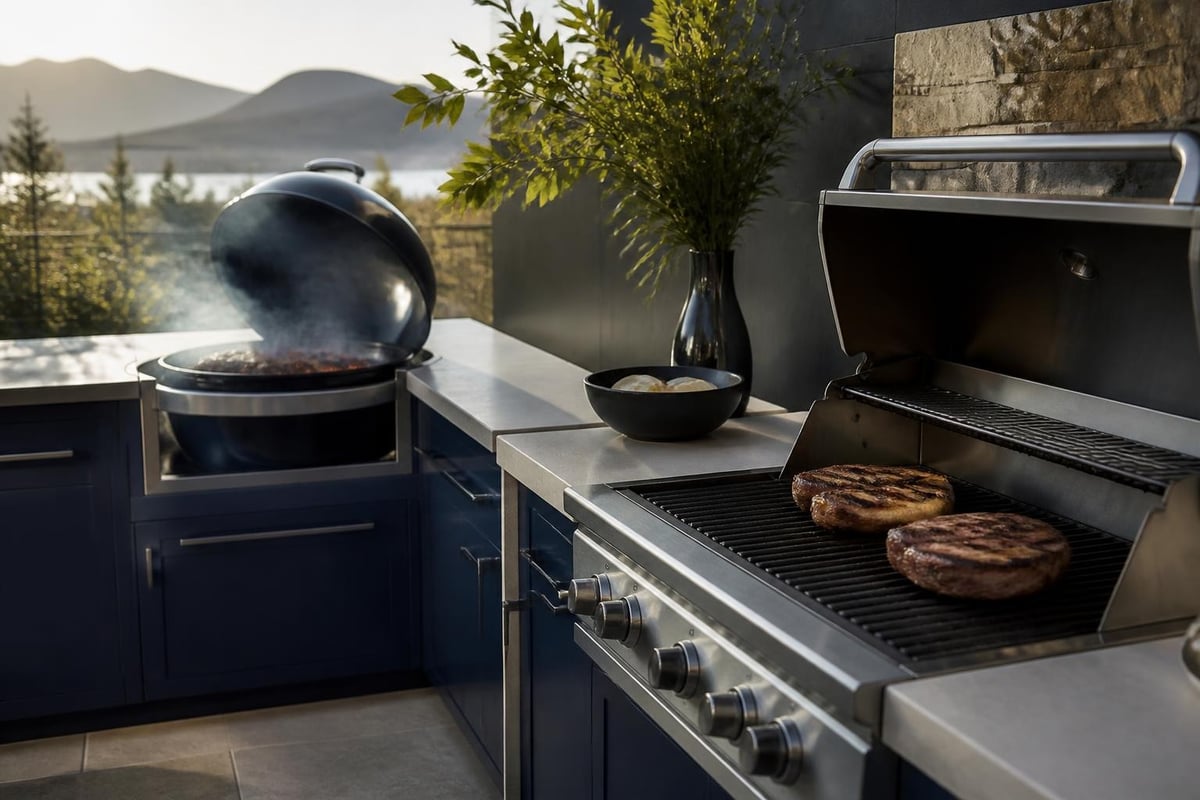
Modern charcoal designs incorporate adjustable coal beds, integrated ash management systems, and precision airflow controls that elevate traditional cooking into refined culinary experiences. Ceramic kamado-style grills represent the premium segment, offering exceptional heat retention, fuel efficiency, and the versatility to smoke, sear, and bake at temperatures ranging from 95°C to 400°C.
| Feature | Gas Grills | Charcoal Grills | Pellet Grills |
|---|---|---|---|
| Ignition Time | 10-15 minutes | 20-30 minutes | 10-15 minutes |
| Temperature Control | Excellent | Moderate | Excellent |
| Flavour Profile | Clean, neutral | Rich, smoky | Wood-influenced |
| Maintenance Level | Low | Moderate-High | Moderate |
| Fuel Cost | Moderate | Low | Moderate-High |
| Weather Resilience | Excellent | Good | Requires protection |
Wood pellet outdoor barbecue grills bridge the gap between traditional smoking and modern convenience. These computer-controlled appliances feed compressed hardwood pellets into a firebox, maintaining precise temperatures whilst imparting subtle wood flavours. Popular amongst enthusiasts who value set-and-forget operation for extended smoking sessions, pellet grills excel at low-and-slow cooking techniques.
Contemporary pellet models feature WiFi connectivity, mobile app control, and programmable cooking cycles that transform complex recipes into accessible achievements.
The longevity and performance of outdoor barbecue grills depend fundamentally on construction materials and engineering quality.
Type 304 stainless steel represents the gold standard for outdoor cooking equipment exposed to British weather conditions. This marine-grade material resists corrosion, maintains structural integrity through temperature cycling, and develops an attractive patina over time rather than deteriorating.
Premium outdoor barbecue grills specify stainless steel thickness in gauges-lower numbers indicate thicker, more durable materials. Commercial-grade units typically feature 14-16 gauge construction, whilst residential models often use 18-20 gauge steel.
Critical stainless steel components include:
Cast iron cooking grates offer superior heat retention and create professional-quality sear marks that aluminium or stainless alternatives cannot match. Porcelain-enamelled cast iron combines traditional performance with easier maintenance, protecting the base material whilst preserving thermal characteristics.
Beyond structural materials, protective finishes determine how outdoor barbecue grills withstand UV exposure, moisture, and temperature fluctuations. Premium powder-coating processes create chemically bonded surfaces that resist chipping, fading, and oxidation far better than traditional paint applications.
Modern outdoor barbecue grills serve as functional centrepieces within comprehensive outdoor kitchen installations rather than standalone appliances. This integration approach transforms gardens into genuine al fresco culinary destinations.
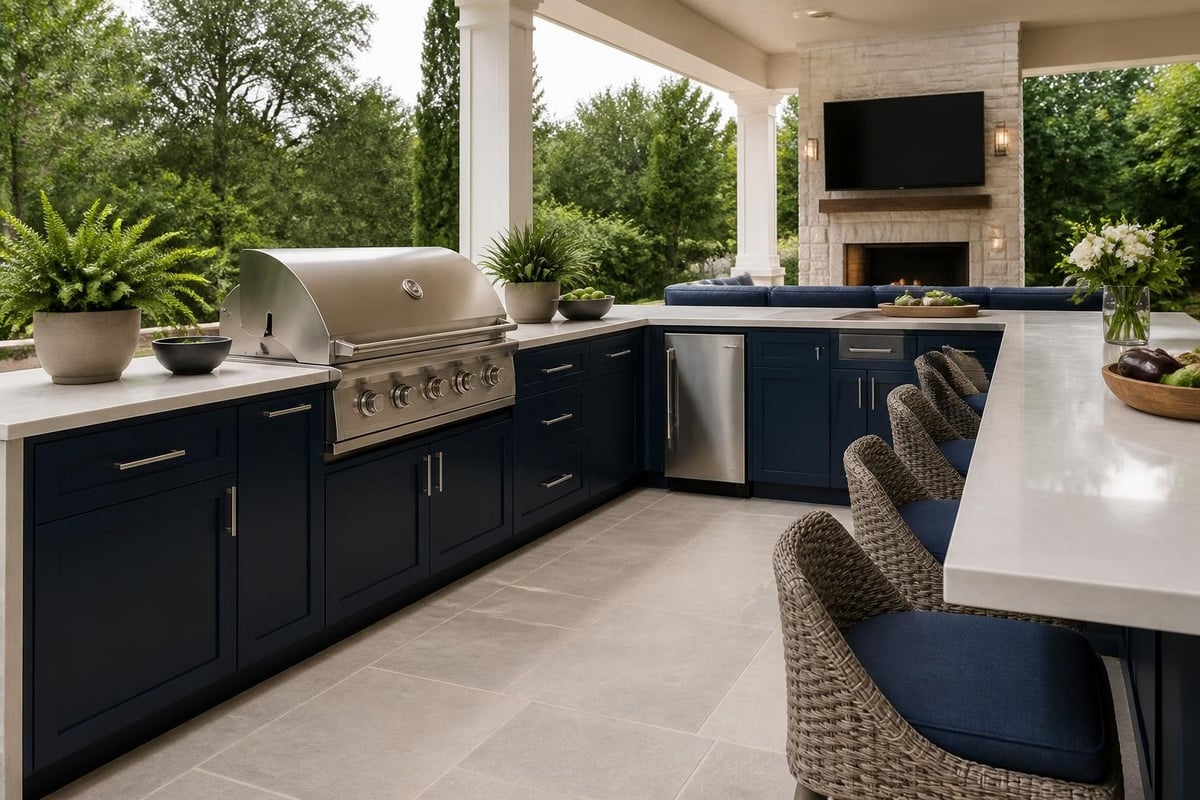
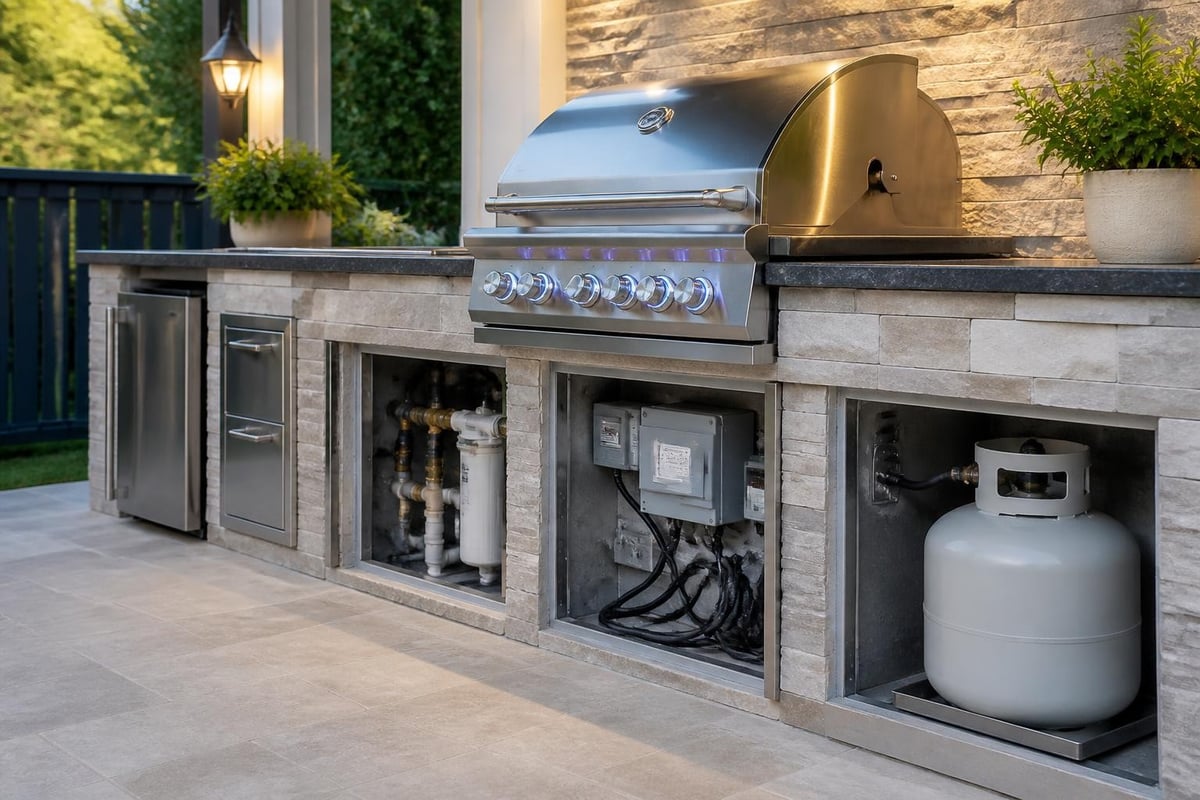
Built-in outdoor barbecue grills offer architectural permanence and seamless integration with surrounding cabinetry, countertops, and utility connections. These installations require careful planning for gas lines, drainage, and ventilation but deliver unmatched aesthetic cohesion.
Freestanding cart-style grills provide flexibility for renters or homeowners who anticipate relocating equipment. High-end freestanding models increasingly blur this distinction, offering substantial construction, extensive storage, and professional capabilities whilst maintaining portability.
For those seeking modular excellence, contemporary outdoor kitchen solutions combine weather-resistant cabinetry with integrated grills, refrigeration, and prep surfaces. These systems allow homeowners to create comprehensive cooking stations that rival indoor kitchen functionality.
Professional outdoor kitchen design positions grills strategically within the work triangle concept, maintaining efficient distances between cooking, preparation, and serving zones. Fire safety regulations require adequate clearances from structures, with NFPA fire code resources providing specific guidance for outdoor cooking appliances near buildings.
Proper ventilation prevents smoke accumulation in covered outdoor spaces, whilst lighting design ensures safe operation during evening entertaining. Consider prevailing wind patterns when positioning outdoor barbecue grills to direct smoke away from seating areas and neighbouring properties.
Understanding technical specifications helps buyers match outdoor barbecue grills to their actual cooking requirements rather than purchasing unnecessary capacity.
British Thermal Units (BTUs) measure heat output, but higher numbers don't automatically guarantee better performance. Efficiency depends on burner design, heat distribution, and how effectively the grill chamber retains thermal energy.
Realistic BTU guidelines for household use:
Calculate BTU-per-square-inch by dividing total output by primary cooking surface area. Values between 80-100 BTU per square inch typically deliver excellent performance for direct grilling.
Primary cooking surface determines how many guests you can serve simultaneously. A 450-square-inch surface accommodates approximately 20 standard burgers, whilst 650+ square inches handles larger gatherings or whole roasts with vegetable sides.
Secondary warming racks add versatility but shouldn't factor into capacity calculations-these elevated surfaces maintain finished items at serving temperature rather than providing active cooking space.
Successful outdoor barbecue grill installations require thoughtful utility planning beyond the appliance itself.
Natural gas outdoor barbecue grills connect to household mains supplies, eliminating tank changes and providing unlimited fuel access. This convenience requires professional installation, underground piping, and permanent positioning but delivers operational freedom for frequent entertainers.
LPG (liquid petroleum gas) systems use replaceable propane bottles, offering installation flexibility and portability. Modern regulators and quick-disconnect fittings simplify tank changes, whilst dual-tank systems prevent mid-cook fuel exhaustion during important gatherings.
Charcoal outdoor barbecue grills demand weatherproof storage for lumpwood or briquettes to prevent moisture absorption that hinders ignition. Dedicated storage units integrated within outdoor kitchen cabinetry maintain fuel quality whilst keeping supplies conveniently accessible.
Pellet grills require particularly dry storage conditions, as compressed wood pellets disintegrate when exposed to humidity. Sealed containers with desiccant packets preserve fuel integrity in the notoriously damp British climate.
Premium outdoor barbecue grills represent significant investments that reward consistent maintenance with decades of reliable service.
Proper grill maintenance extends beyond occasional scraping. Professional cleaning guidance from extension services outlines systematic approaches for different grill types, addressing both food safety and equipment preservation.
Essential maintenance tasks include:
Stainless steel surfaces benefit from periodic application of specialised cleaners that restore lustre without scratching protective finishes. Follow grain patterns when polishing to avoid permanent marking.
British winters test outdoor cooking equipment through freeze-thaw cycles, driving rain, and UV exposure even during dormant months. Quality covers specifically designed for your grill model provide essential protection, but proper preparation matters equally.
Disconnect and store propane tanks in ventilated areas away from the grill. Coat cast iron surfaces with cooking oil to prevent rust formation. Remove and clean grease management components to eliminate frozen blockages that crack housings.
For built-in installations that remain in place year-round, consider the protective advantages of architectural pergolas with adjustable louvre systems that shield equipment whilst maintaining airflow.
Contemporary outdoor cooking carries environmental responsibilities that conscientious buyers increasingly factor into purchasing decisions.
Natural gas outdoor barbecue grills typically produce lower greenhouse gas emissions per cooking session compared to charcoal alternatives. However, the EPA's technical documentation on residential charcoal grilling reveals that emission profiles vary significantly based on fuel quality, ignition methods, and cooking duration.
Sustainable charcoal options include British-produced lumpwood from managed woodlands rather than imported briquettes with chemical binders. FSC-certified sources ensure responsible forestry practices whilst supporting domestic producers.
Recent research published in Environmental Advances examines combustion emissions from charcoal products, highlighting particulate matter (PM) and polycyclic aromatic hydrocarbons (PAHs) as health considerations. Proper ventilation, regular cleaning, and avoiding excessive flare-ups mitigate exposure whilst maintaining the authentic flavours that draw people to outdoor cooking.
Electric outdoor barbecue grills eliminate combustion emissions entirely, though they sacrifice some traditional flavour development. These models suit urban balconies with strict open-flame restrictions or environmentally conscious households prioritising zero-emission operation.
Premium outdoor barbecue grills increasingly incorporate technological innovations that enhance cooking precision and user experience.
| Feature Category | Technology | Primary Benefit |
|---|---|---|
| Temperature Management | Multi-probe digital thermometers | Simultaneous monitoring of meat and chamber temperature |
| Ignition Systems | Electronic push-button or touch controls | Reliable starting in all weather conditions |
| Connectivity | WiFi and Bluetooth app integration | Remote monitoring and alerts via smartphone |
| Lighting | Integrated LED illumination | Safe operation during evening cooking |
| Automation | Programmable cooking cycles | Consistent results for complex recipes |
Rear-mounted rotisserie burners transform outdoor barbecue grills into versatile roasting platforms for whole chickens, legs of lamb, or pork shoulders. Constant rotation ensures even browning whilst self-basting maintains moisture.
Infrared searing zones generate extreme temperatures (up to 800°C) through ceramic or metal emitters that radiate heat directly to food surfaces. This technology creates restaurant-quality crusts on steaks whilst sealing in juices-a feature particularly valued by serious outdoor chefs.
Integrated side burners add stovetop capability for sauces, sautéed vegetables, or bringing water to boil for blanching. These auxiliary stations prevent trips to indoor kitchens, streamlining workflow during elaborate outdoor meals.
Premium installations often incorporate dedicated outdoor cooking collections featuring complementary appliances like pizza ovens, smokers, and flat-top griddles that expand culinary repertoires beyond traditional grilling.
The United Kingdom's maritime climate presents unique challenges that inform intelligent equipment selection.
British outdoor barbecue grills must withstand persistent moisture, dramatic temperature swings, and strong coastal winds in many regions. Marine-grade stainless steel construction proves essential for longevity, whilst sealed electronics protect control systems from water ingress.
Covered outdoor kitchen designs extend usable seasons dramatically. Architectural solutions that combine weather protection with adequate ventilation allow comfortable cooking even during light rain-a crucial consideration given British weather unpredictability.
Exposed positions subject outdoor barbecue grills to wind that disrupts burner flames and reduces heat efficiency. Windbreak panels, strategic positioning near structures, or purpose-built enclosures maintain stable cooking conditions whilst reducing fuel consumption.
High-altitude locations and coastal properties benefit from grills engineered for challenging environments, featuring reinforced burners and enhanced heat retention that compensate for adverse conditions.
Discerning buyers increasingly value manufacturing heritage and brand philosophy when selecting outdoor barbecue grills for luxury installations.
European manufacturers often emphasise minimalist aesthetics, precision engineering, and long-term durability over feature proliferation. These brands typically specify superior materials, offer extended warranties, and provide comprehensive spare parts availability that ensures decades of service.
Italian, German, and Scandinavian producers bring distinct design languages that complement contemporary architectural styles prevalent in high-end British property development. Their outdoor barbecue grills function as design statements whilst delivering exceptional culinary performance.
United States manufacturers pioneered modern gas grilling technology and continue leading in areas like infrared searing, smart connectivity, and heavy-duty construction. American brands often deliver maximum BTU output, expansive cooking surfaces, and comprehensive accessory ecosystems.
This performance-first philosophy appeals to serious outdoor chefs who prioritise cooking capability and technological innovation within their garden entertainment spaces.
Premium outdoor barbecue grills command substantial initial investments that buyers should evaluate against long-term value propositions.
Entry-level grills starting around £300-£500 serve casual users adequately but typically require replacement within 3-5 years. Mid-range models (£1,000-£3,000) offer significantly better construction and often deliver 8-12 years of service with proper maintenance.
Premium outdoor barbecue grills exceeding £5,000 represent lifetime investments when properly maintained. Restaurant-grade construction, comprehensive warranties, and parts availability justify initial costs through decades of reliable performance.
Total ownership costs include:
Comprehensive warranties signal manufacturer confidence whilst protecting buyers from premature failure. Examine coverage terms carefully-premium brands often provide lifetime warranties on stainless steel components, 10-15 years on burners, and 3-5 years on electronics.
After-sales support availability proves crucial for complex installations. Brands maintaining UK-based parts distribution and technical support networks minimise downtime and simplify maintenance over ownership lifecycles.
Built-in outdoor barbecue grills require professional installation for gas connections, structural integration, and warranty compliance.
Only Gas Safe registered engineers should install natural gas connections. Improper installation creates serious safety hazards whilst voiding manufacturer warranties and potentially invalidating household insurance coverage.
Professional installers ensure adequate ventilation clearances, proper regulator sizing, and leak-free connections that meet British safety standards. They also handle necessary building control notifications for permanent outdoor cooking installations.
Grills incorporating rotisserie motors, lighting, or electronic ignition require weatherproof electrical connections installed to current wiring regulations. Outdoor kitchen designs featuring sinks or dishwashers demand proper drainage and water supply installation.
Comprehensive outdoor cooking environments benefit from unified professional installation that coordinates multiple trades, ensures regulatory compliance, and delivers turnkey functionality.
Selecting the ideal outdoor barbecue grill demands careful consideration of fuel types, construction quality, integration possibilities, and long-term performance characteristics. The right choice transforms gardens into sophisticated culinary destinations that enhance property value whilst creating memorable entertaining experiences throughout the year. Whether you're drawn to traditional charcoal authenticity, gas convenience, or technology-driven pellet systems, Cotswold Cooking Company offers expert consultative guidance, hand-selected premium brands, and comprehensive installation services that bring luxury outdoor cooking visions to life across the United Kingdom.

Leave a comment