


The outdoor kitchen and grill has evolved from a simple patio accessory into a sophisticated architectural feature that defines luxury outdoor living. In 2026, discerning homeowners across the UK are investing in fully equipped culinary spaces that rival their indoor kitchens, incorporating premium materials, integrated appliances, and thoughtful design that extends the cooking and entertaining season throughout the year. This transformation reflects a broader shift in how we value outdoor space, treating gardens and terraces as essential extensions of our homes rather than seasonal afterthoughts.
Today's outdoor kitchen and grill installations represent a significant departure from conventional garden cooking arrangements. Rather than standalone units wheeled out for summer gatherings, contemporary designs integrate cooking, preparation, storage, and dining zones into cohesive outdoor rooms.
The distinction between a simple grill and a properly designed outdoor kitchen lies in functionality and permanence. An integrated approach considers workflow, weather protection, utility connections, and aesthetic harmony with existing architecture.
Key components of a comprehensive outdoor kitchen:
Modern designs increasingly embrace the concept of all-in-one outdoor living hubs, where cooking becomes just one element of a broader entertaining ecosystem.
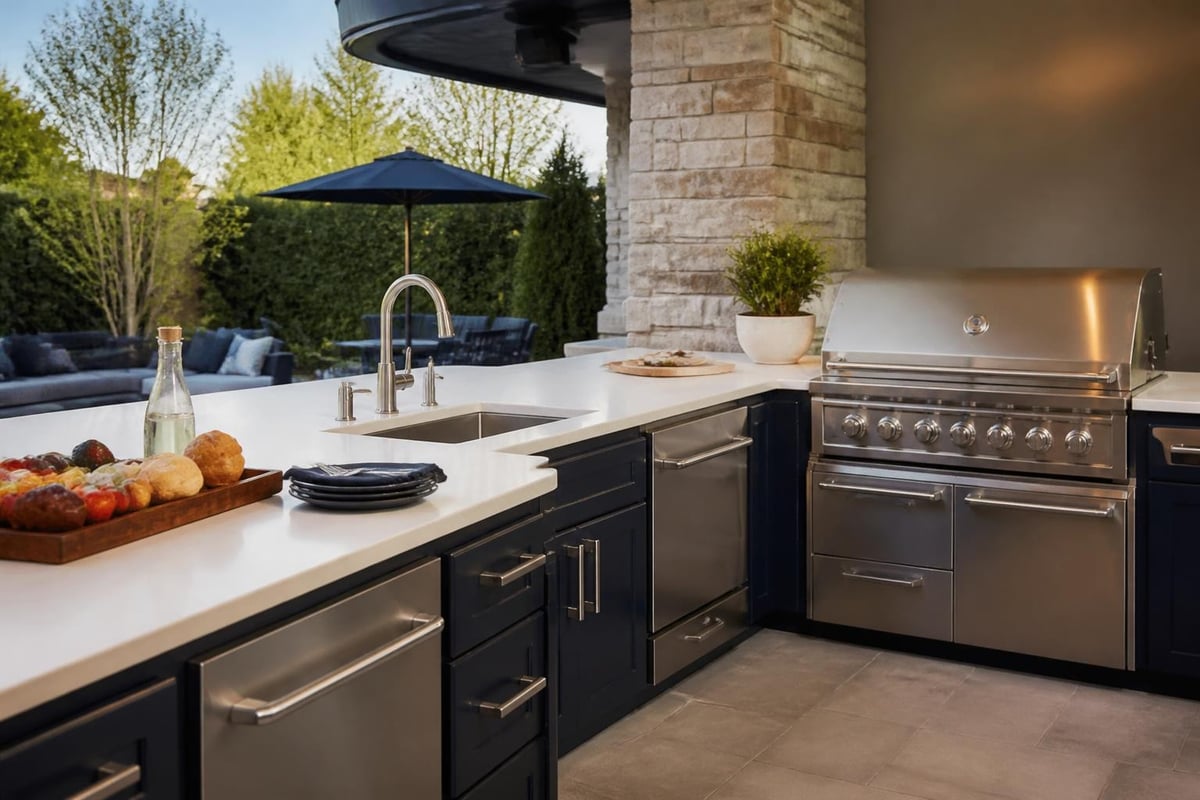
Selecting appropriate materials for an outdoor kitchen and grill installation requires understanding Britain's unique climate challenges. Unlike Mediterranean or Californian outdoor spaces, UK installations must withstand frequent rain, temperature fluctuations, and high humidity whilst maintaining their aesthetic appeal.
| Material | Durability Rating | Maintenance Level | Aesthetic Appeal | UK Climate Suitability |
|---|---|---|---|---|
| Marine-grade stainless steel | Excellent | Low | Contemporary | Outstanding |
| Porcelain worktops | Excellent | Very low | Versatile | Excellent |
| Natural stone (sealed) | Very good | Moderate | Traditional | Very good |
| Engineered quartz | Good | Low | Modern | Good |
| Powder-coated aluminium | Excellent | Low | Clean-lined | Outstanding |
| Teak cabinetry | Very good | Moderate | Classic | Very good |
The choice between materials often reflects personal design preferences and architectural context. Stainless steel delivers professional-grade performance and suits contemporary settings, whilst natural stone creates visual connections with traditional Cotswold architecture.
When considering kitchen countertop materials for 2026, durability and longevity take precedence over passing trends, particularly in outdoor settings where replacement proves considerably more complex than indoor renovations.
Worktop selection significantly impacts both functionality and maintenance requirements. Porcelain offers exceptional stain resistance and heat tolerance, making it ideal for zones adjacent to grills and cooking surfaces. Natural stone brings organic warmth but requires periodic sealing to maintain water resistance.
The Cubic outdoor kitchen range exemplifies this material-conscious approach, combining weather-resistant construction with sleek architectural lines. The Cubic C1 Style Outdoor Kitchen demonstrates how modular configurations can incorporate integrated BBQs, sinks, and preparation zones whilst maintaining visual coherence. These systems create seamless transitions between indoor and outdoor cooking environments, perfect for luxury garden settings.
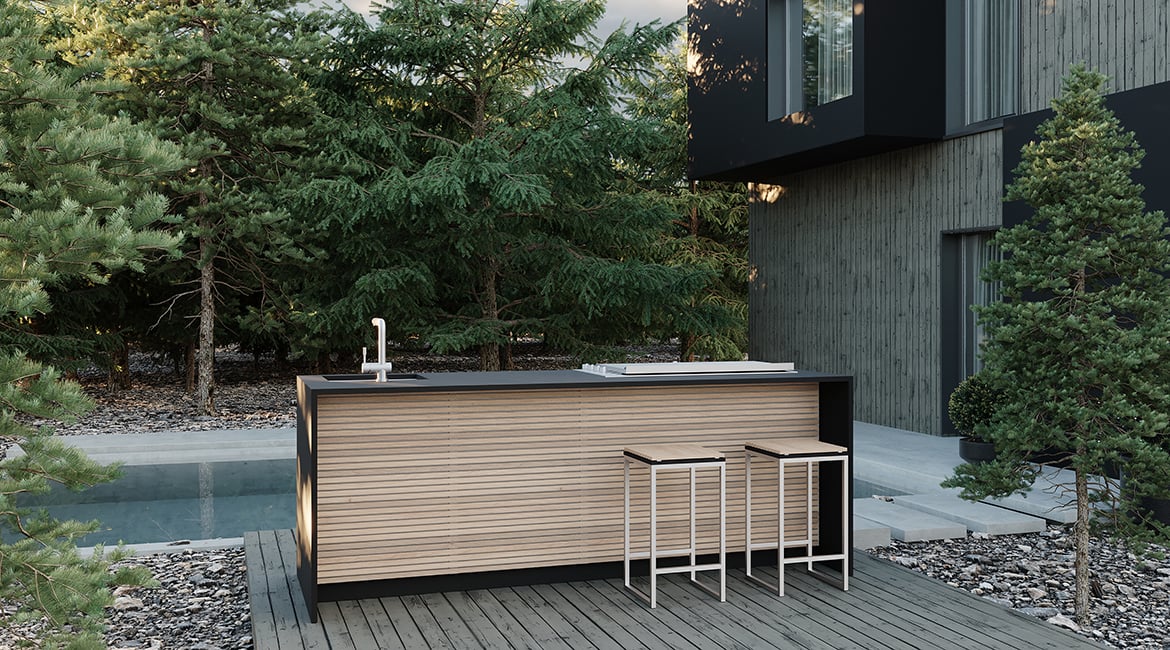
The heart of any outdoor kitchen and grill setup remains the primary cooking appliance. In 2026, the market offers unprecedented choice across fuel types, cooking methods, and technological sophistication.
Gas Grills:
Charcoal Grills:
Hybrid Systems:
Electric Options:
Built-in grills integrate seamlessly into custom outdoor kitchen and grill designs, creating unified aesthetics and maximizing counter space. These installations require professional planning for utility connections and ventilation but deliver superior functionality and property value enhancement.
Freestanding units offer flexibility and lower installation complexity, though they often appear less cohesive within designed outdoor spaces. For premium installations, built-in configurations consistently deliver better long-term satisfaction.
Proper outdoor kitchen and grill installations prioritize safety throughout design and construction phases. British homeowners must navigate building regulations, gas safety requirements, and practical fire prevention considerations.
Following established outdoor grilling safety guidelines prevents accidents and ensures compliance with insurance requirements. Proper clearances from combustible materials, adequate ventilation, and secure gas connections form the foundation of safe outdoor cooking spaces.
Critical safety elements:
Comprehensive grill safety practices extend beyond installation to include regular maintenance schedules, proper cleaning protocols, and seasonal preparation routines that protect equipment investment whilst minimizing risk.
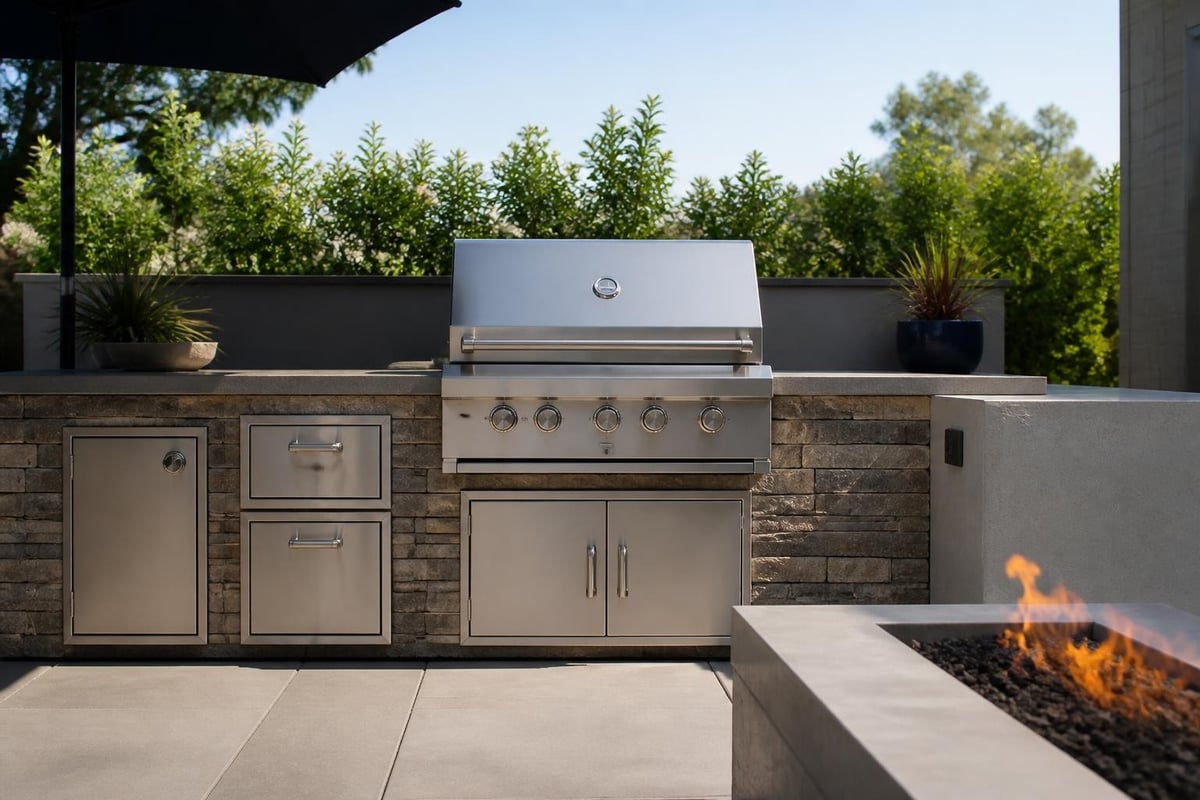
Current outdoor kitchen trends for 2026 reveal sophisticated preferences amongst UK homeowners. The emphasis has shifted from occasional-use summer kitchens toward year-round culinary destinations that function through multiple seasons.
The concept of four-season outdoor kitchens resonates particularly well in the British climate, where unpredictable weather patterns make weather protection essential. Integrated pergola systems, retractable canopies, and strategic shelter placement extend usability far beyond summer months.
Year-round functionality features:
Modern outdoor kitchen and grill designs embrace architectural integration, treating cooking zones as deliberate design features rather than functional necessities. Statement pizza ovens, custom stone cladding, and bespoke metalwork create focal points that enhance garden aesthetics.
The relationship between cooking equipment and shelter structures grows increasingly sophisticated. Premium pergola systems provide both weather protection and architectural definition, establishing distinct outdoor rooms within larger garden contexts.
Effective outdoor kitchen and grill layouts mirror professional kitchen principles whilst adapting to outdoor conditions and entertaining requirements. The classic work triangle connecting preparation, cooking, and cleaning zones remains relevant, though outdoor contexts often prioritize guest interaction and viewing angles.
| Layout Type | Best Suited For | Advantages | Considerations |
|---|---|---|---|
| Linear (Straight Run) | Narrow terraces | Space-efficient, simple workflow | Limited counter space |
| L-Shaped | Corner locations | Good counter area, defines space | Requires corner planning |
| U-Shaped | Larger patios | Maximum workspace, enclosed feel | Needs substantial footprint |
| Island Configuration | Open gardens | Social interaction, 360° access | Requires extensive utilities |
| Peninsula Layout | Semi-enclosed areas | Defines zones, maintains flow | Moderate space requirement |
Successful layouts balance cooking efficiency with social dynamics. Positioning the grill to allow cook-host interaction whilst maintaining comfortable guest distances creates more engaging entertaining experiences.
Often overlooked in basic outdoor kitchen and grill setups, adequate preparation space dramatically improves cooking efficiency. Minimum 600mm counter runs either side of primary cooking surfaces allow for staging ingredients, resting meats, and plating finished dishes.
Integrated sinks within arm's reach of preparation zones eliminate constant indoor trips whilst supporting food safety practices. Specifications should include hot and cold water supplies with adequate drainage infrastructure.
Comprehensive outdoor kitchen and grill installations incorporate multiple cooking methods, expanding culinary possibilities and supporting diverse entertaining styles.
Pizza Ovens: Wood-fired and hybrid pizza ovens have transitioned from novelty items to essential components of serious outdoor kitchens. These units reach temperatures exceeding 400°C, enabling authentic Neapolitan-style cooking whilst adding architectural interest. The Alfa Forni Zeno electric option provides pizza oven capability without wood-firing complexity.
Warming Drawers: Maintaining food temperatures during multi-course outdoor dining proves challenging without proper equipment. Built-in warming drawers solve this practical concern whilst supporting ambitious entertaining menus.
Refrigeration: Outdoor-rated refrigeration units prevent constant indoor access, keeping beverages chilled and ingredients fresh at point of use. Marine-grade models withstand temperature fluctuations and moisture exposure better than adapted indoor units.
Side Burners: Supplementary burners enable simultaneous cooking of accompaniments, sauces, and sides whilst the primary grill handles proteins. This multi-tasking capability transforms outdoor cooking from limiting to liberating.
Proper lighting extends outdoor kitchen and grill usability into evening hours whilst creating atmospheric entertaining environments. Successful schemes layer task lighting, ambient illumination, and accent features.
Task Lighting: Focused illumination over cooking surfaces, preparation zones, and sink areas ensures safe food handling and cooking precision. LED strip lighting beneath overhead structures or within canopy systems provides shadow-free working light.
Ambient Lighting: Softer general illumination defines the broader entertaining space, creating comfortable environments for guests. Warm colour temperatures (2700-3000K) suit outdoor social settings better than clinical cool white.
Accent Lighting: Highlighting architectural features, stone cladding, or specimen planting adds visual depth whilst reinforcing design intentions. These elements separate sophisticated outdoor rooms from basic patio arrangements.
Contemporary systems increasingly incorporate smart controls, allowing scene-setting for different occasions and remote operation through mobile applications.
Progressive outdoor kitchen and grill planning in 2026 incorporates environmental consciousness without compromising performance or aesthetics. Material selection, energy efficiency, and waste management all contribute to sustainability credentials.
Responsibly sourced timber, recycled metal components, and locally quarried stone reduce environmental impact whilst often delivering superior quality. Companies like Tinc demonstrate how sustainable principles extend across lifestyle choices, from cleaning products to outdoor living accessories.
Sustainable design elements:
Energy-efficient grills and appliances reduce ongoing environmental impact whilst lowering operating costs. Gas systems generally prove more efficient than charcoal for regular use, though hybrid configurations offer flexibility for occasional wood-fired cooking.
The most successful outdoor kitchen and grill installations feel inherent to their settings rather than imposed additions. Landscape designers' principles for 2026 emphasize ecological sensitivity, functional comfort, and harmonious material palettes.
Hardscaping Coordination: Paving materials, retaining walls, and built structures should reference existing architectural elements. Cotswold stone installations naturally complement traditional architecture, whilst contemporary materials suit modern builds.
Planting Integration: Strategic planting softens hard structures, provides screening, and introduces sensory elements. Herbs positioned near preparation zones offer practical culinary access whilst releasing aromatic oils. Evergreen structural planting maintains winter interest when outdoor kitchens see less intensive use.
Vertical Elements: Pergola systems serve dual purposes, providing weather protection whilst establishing architectural definition. These structures frame outdoor cooking zones, create intimate scales within larger gardens, and support climbing plants for seasonal interest.
Early planning for gas supplies, water connections, drainage, and electrical services prevents costly retrofitting. Underground service runs should follow logical routes, avoiding future garden development areas and maintaining access for maintenance.
Professional installations coordinate multiple trades, ensuring compliant work that protects property value and insurance coverage. Building control notification may be required depending on installation scope and utility connections.
Proper maintenance preserves outdoor kitchen and grill investments whilst ensuring safe, hygienic cooking environments. British weather presents particular challenges requiring proactive protection strategies.
Daily Care:
Monthly Maintenance:
Seasonal Preparation:
Weather covers designed for specific equipment protect finishes and mechanisms from moisture damage. Quality covers represent modest investments that significantly extend equipment lifespan.
Outdoor kitchen and grill installations represent substantial investments warranting careful financial planning. Understanding cost structures, value returns, and financing options helps homeowners make informed decisions.
| Component | Typical Percentage | Priority Level |
|---|---|---|
| Primary grill/cooking equipment | 25-35% | Essential |
| Cabinetry and storage | 20-30% | High |
| Countertops and surfaces | 15-20% | High |
| Utilities and infrastructure | 10-15% | Essential |
| Shelter/pergola systems | 15-25% | Medium-High |
| Lighting and electronics | 5-10% | Medium |
| Installation and labor | 20-30% | Essential |
Premium installations typically range from £15,000 for basic configurations to £75,000+ for comprehensive outdoor cooking and entertaining suites. Phased implementation allows budget spreading whilst establishing core infrastructure correctly from inception.
Well-executed outdoor kitchen and grill installations enhance property appeal, particularly in premium residential markets. Homes with sophisticated outdoor entertaining capabilities command premium pricing and attract design-conscious buyers seeking lifestyle benefits.
The investment delivers strongest returns when specification aligns with property value bracket and local market expectations. Over-capitalisation remains possible, though quality outdoor living spaces increasingly represent expected rather than exceptional features in luxury properties.
Complex outdoor kitchen and grill projects benefit enormously from professional design input. Experienced consultants navigate regulatory requirements, optimize layouts, specify appropriate equipment, and coordinate installation trades.
Initial Consultation: Understanding lifestyle requirements, entertaining patterns, cooking preferences, and aesthetic aspirations establishes project parameters. Site assessment identifies opportunities and constraints affecting layout possibilities.
Concept Development: Preliminary designs explore spatial configurations, equipment specifications, and material palettes. This iterative phase refines ideas through sketches, mood boards, and specification discussions.
Technical Documentation: Detailed plans, elevations, and specifications guide installation teams whilst supporting regulatory submissions. Utility routing, equipment dimensions, and material specifications ensure accurate execution.
Installation Coordination: Professional project management coordinates groundworks, utilities, construction, and equipment installation. Quality installations require careful sequencing and trade coordination.
Commissioning and Handover: System testing, equipment demonstration, and maintenance guidance complete the process. Establishing service relationships ensures ongoing support.
Creating an exceptional outdoor kitchen and grill transforms how you experience your garden, extending culinary possibilities and entertaining capacity throughout the year. Thoughtful design, quality materials, and professional installation deliver outdoor cooking spaces that enhance daily living whilst adding lasting property value. Cotswold Cooking Company brings together curated brands, design expertise, and comprehensive support to help discerning homeowners across the UK realize their outdoor living ambitions, from initial consultation through to final installation and beyond.

Comments
Leave a comment