


The decision to invest in outdoor kitchen appliance packages represents a significant step towards transforming your garden into a sophisticated culinary destination. Rather than purchasing individual appliances piecemeal, carefully curated packages offer harmonious integration, consistent design language, and often considerable value. For discerning homeowners seeking to create authentic outdoor living spaces, understanding how to select, specify, and install coordinated appliance collections becomes essential to achieving both aesthetic excellence and functional performance.
Outdoor kitchen appliance packages bring together complementary cooking, refrigeration, and preparation equipment designed to work as a cohesive system. These collections typically include built-in grills, side burners, refrigeration units, storage drawers, and supplementary elements such as warming drawers or ice makers.
The primary advantage lies in design continuity. When appliances share the same finish, control aesthetics, and manufacturing standards, the result is a polished, intentional appearance rather than a mismatched assembly. This becomes particularly important in luxury outdoor spaces where every detail contributes to the overall atmosphere.
Most comprehensive outdoor kitchen appliance packages include several core elements:
The National Kitchen & Bath Association's consumer research consistently shows that integrated appliance systems rank among the top priorities for homeowners investing in outdoor kitchens, with functionality and durability being paramount considerations.
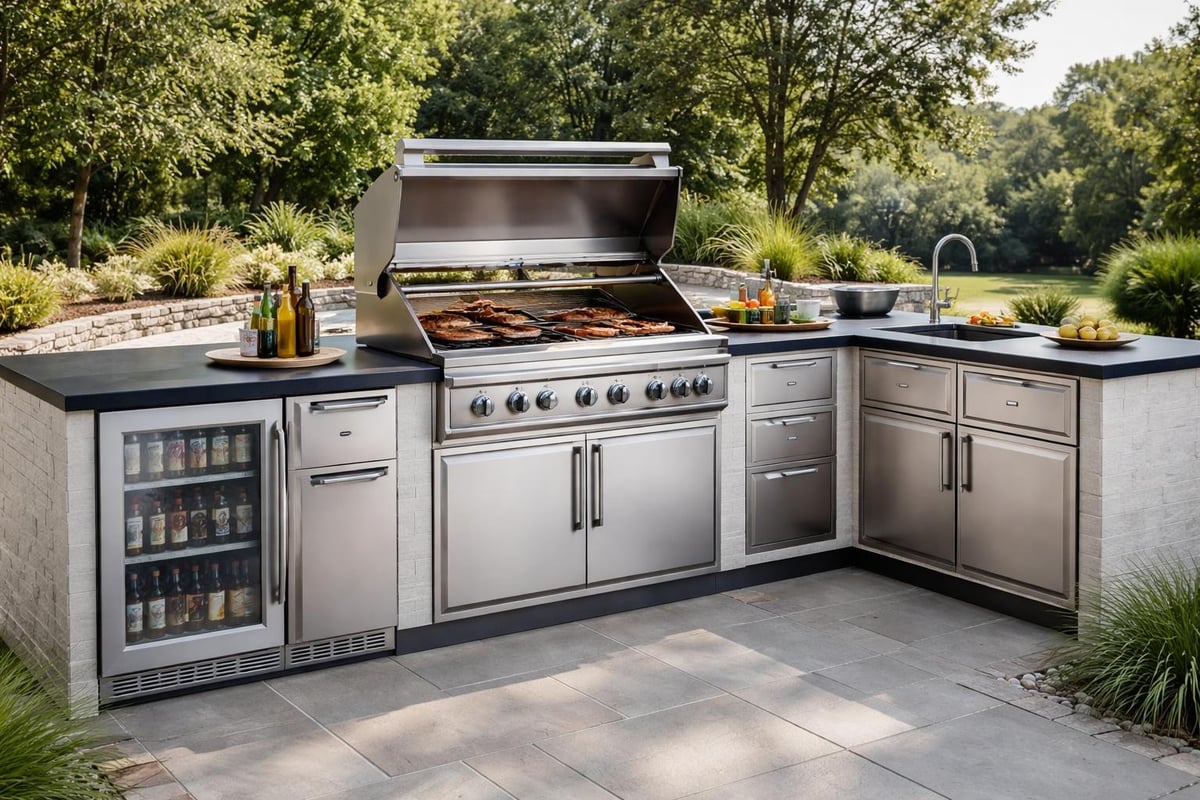
Your culinary preferences should fundamentally shape your appliance selection. Different cooking styles demand different equipment configurations, and understanding these requirements before committing to a package prevents costly modifications later.
For those who prioritise classic barbecue techniques, packages centred around high-performance gas grills with extensive BTU outputs deliver optimal results. Look for features including:
These configurations work particularly well when paired with ample prep space and refrigeration positioned within easy reach of the primary cooking zone.
Many contemporary outdoor chefs embrace diverse cooking techniques beyond traditional grilling. Packages supporting this approach incorporate varied heat sources and cooking surfaces. Consider systems that combine gas grills with separate charcoal zones, built-in griddles, or dedicated pizza oven integration points.
The ability to simultaneously grill proteins, sear vegetables on a plancha, and maintain side dishes in warming drawers transforms outdoor cooking from simple barbecue into comprehensive meal preparation. Expert recommendations on outdoor kitchen appliances increasingly emphasise this versatility as essential for serious outdoor cooking.
British weather presents unique challenges for outdoor appliances. Unlike Mediterranean climates with predictable dry seasons, UK outdoor kitchens must withstand persistent moisture, temperature fluctuations, and occasional frost. This makes material selection absolutely critical.
| Material Grade | Corrosion Resistance | Longevity | Maintenance Requirements | Typical Applications |
|---|---|---|---|---|
| 304 Stainless Steel | Good | 10-15 years | Moderate | Entry-level outdoor appliances |
| 316 Marine-Grade Stainless | Excellent | 20+ years | Low | Coastal or high-exposure locations |
| Powder-Coated Aluminium | Very Good | 15-20 years | Low | Cabinet frames and non-heat zones |
| Ceramic-Coated Cast Iron | Good | 15+ years | Moderate | Cooking grates and heat distributors |
Premium outdoor kitchen appliance packages typically feature 304-grade stainless steel as a minimum standard, with 316 marine-grade materials used in critical exposed components. The investment in superior materials pays dividends through reduced maintenance and extended service life.
Beyond base materials, examining how packages protect sensitive components proves equally important. Quality outdoor appliances incorporate multiple weatherproofing strategies:
When evaluating packages, request detailed specifications on these protective features. Manufacturers committed to UK market performance will prominently feature weatherproofing credentials.
The physical arrangement of appliances within your outdoor kitchen fundamentally affects both workflow efficiency and entertaining dynamics. Outdoor kitchen appliance packages offer various configuration options, but successful implementation requires thoughtful spatial planning.
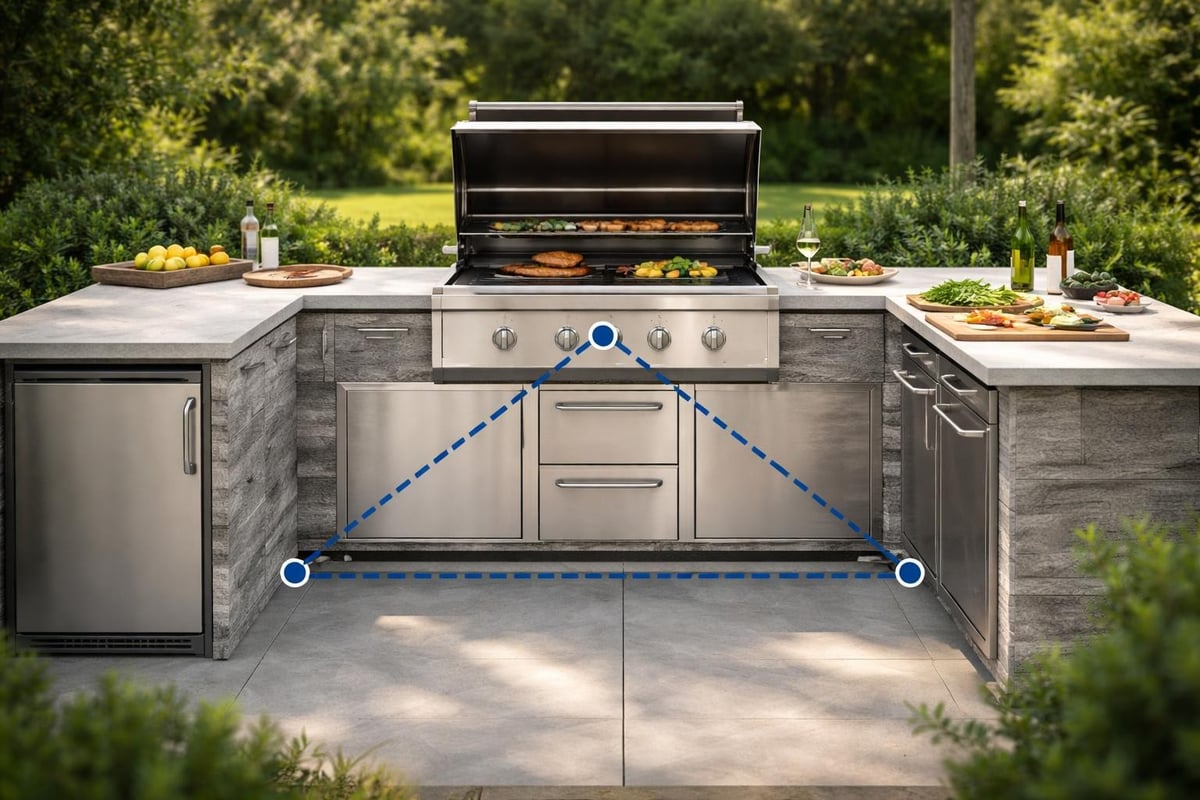
Professional kitchen design relies on the working triangle concept, positioning cooking, preparation, and refrigeration zones at optimal distances. This principle translates effectively to outdoor spaces:
Grill to Refrigeration: 1.2 to 2.1 metres allows easy access to ingredients without excessive movement.
Preparation to Cooking: Minimising this distance (ideally under 1.5 metres) reduces the risk of dropping food during transfer and maintains food safety.
Storage to Preparation: Placing frequently used utensils, seasonings, and equipment within arm's reach of prep surfaces streamlines cooking processes.
Linear configurations work well for narrow spaces, whilst L-shaped or U-shaped layouts better suit larger gardens and create natural congregation zones for guests. Metal outdoor kitchen cabinet systems provide the structural framework for implementing these layouts with precision.
For households where outdoor cooking frequently involves multiple participants, package configurations should incorporate sufficient prep space and avoid bottleneck zones. This typically requires:
These considerations become particularly relevant when entertaining, allowing the primary chef to maintain workflow whilst guests access drinks or contribute to food preparation.
Outdoor refrigeration represents one of the most technically demanding aspects of appliance packages. Unlike indoor units operating in climate-controlled environments, outdoor refrigerators must function across temperature ranges from below freezing to above 30°C whilst resisting moisture ingress and maintaining food safety standards.
Premium outdoor refrigeration units employ compressors specifically engineered for variable ambient temperatures. Standard domestic refrigerators fail rapidly in outdoor installations due to inadequate insulation and temperature control systems designed for stable environments.
Quality outdoor refrigerators feature:
When reviewing outdoor kitchen appliance packages, verify that refrigeration components carry specific outdoor ratings rather than simply weatherproof enclosures around standard domestic units.
Selecting appropriate refrigeration capacity depends on entertaining frequency and cooking volumes. Consider these guidelines:
| Household Size | Typical Usage | Recommended Capacity | Additional Features |
|---|---|---|---|
| 1-2 people | Occasional entertaining | 120-150 litres | Single zone, basic shelving |
| 3-4 people | Regular weekend use | 180-240 litres | Dual zone, adjustable shelving |
| 5+ people | Frequent large gatherings | 280+ litres | Multiple zones, wine storage |
| Professional entertaining | Daily or commercial use | 350+ litres | Commercial-grade, rapid recovery |
Dual-zone refrigeration allows simultaneous storage of beverages at serving temperature whilst maintaining proteins at food-safe levels. This functionality proves particularly valuable during extended outdoor entertaining sessions.
Successful outdoor kitchen appliance packages harmonise with broader garden architecture rather than appearing as isolated installations. This integration requires considering sightlines, material palettes, and functional relationships with other outdoor living elements.
The Cubic C1 Style Outdoor Kitchen exemplifies this integrated approach, featuring modular configurations that adapt to diverse garden layouts whilst maintaining clean, contemporary aesthetics. Its weather-resistant materials and customisable layouts allow seamless incorporation of premium appliance packages within architecturally coherent outdoor spaces.
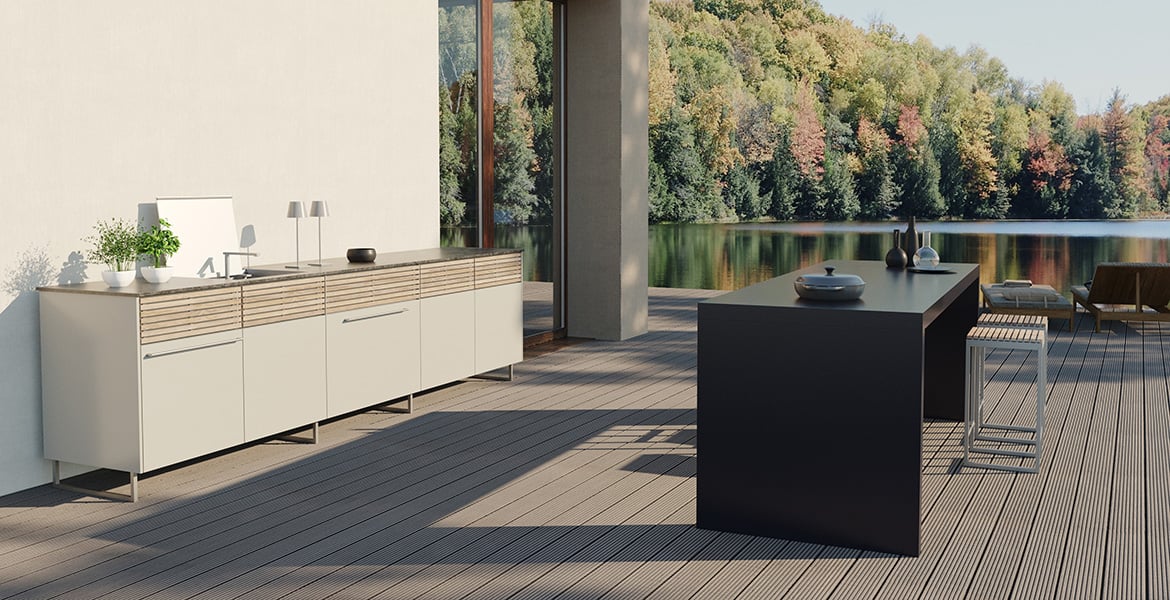
Aligning appliance finishes with surrounding materials creates visual harmony. Stainless steel appliances naturally complement contemporary garden designs featuring metal pergolas, glass balustrades, or polished stone surfaces. For traditional or rustic settings, consider packages offering customisable panel fronts that accept matching materials.
Key integration strategies include:
Professional design consultation ensures these elements work cohesively. The appointment-only space at Thorpe Manor allows detailed discussion of material samples and finish options within the context of your specific project.
Outdoor kitchen appliance packages demand robust utility infrastructure often exceeding initial expectations. Comprehensive planning prevents costly retrofits and ensures safe, compliant installations.
Most outdoor appliances require dedicated electrical circuits meeting specific amperage and voltage requirements. Typical electrical demands include:
All electrical installations must comply with BS 7671 wiring regulations, with particular attention to weatherproof enclosures, appropriate cable ratings for outdoor use, and comprehensive earth fault protection. Engaging qualified electricians familiar with outdoor kitchen installations proves essential.
For LPG or natural gas appliances, proper gas line installation ensures safety and optimal performance. Critical considerations include:
Many homeowners underestimate total BTU requirements when operating multiple gas appliances concurrently. Professional assessment during the design phase prevents performance issues and safety concerns.
Outdoor kitchen appliance packages span considerable price ranges, from entry-level collections around £3,500 to premium systems exceeding £25,000. Understanding value drivers helps allocate budget effectively whilst avoiding false economies.
| Package Tier | Typical Investment | Core Features | Expected Longevity | Best Suited For |
|---|---|---|---|---|
| Entry Level | £3,500-£7,000 | Basic grill, minimal refrigeration, standard finishes | 8-12 years | Occasional users, starter systems |
| Mid-Range | £8,000-£15,000 | Quality grill, dedicated refrigeration, enhanced materials | 12-18 years | Regular entertainers, serious cooks |
| Premium | £16,000-£25,000 | Professional-grade equipment, dual fuel options, luxury finishes | 18-25 years | Culinary enthusiasts, design-focused buyers |
| Ultra-Premium | £26,000+ | Bespoke configurations, commercial-grade components, unique features | 25+ years | Professional use, ultimate outdoor kitchens |
The comprehensive outdoor appliance checklist provides detailed planning templates helping identify which components genuinely enhance your outdoor cooking versus unnecessary additions inflating costs without proportional benefit.
Beyond initial appliance investment, factor in installation expenses and operational costs. Professional installation typically adds 15-25% to appliance costs but ensures proper integration, warranty compliance, and long-term reliability.
Annual operational costs for typical mid-range packages include:
Premium materials and superior construction reduce maintenance requirements, often offsetting higher initial investment through reduced lifetime costs.
Warranty terms significantly impact long-term ownership experience. Premium outdoor kitchen appliance packages distinguish themselves through comprehensive coverage and accessible service networks.
Quality manufacturers offer tiered warranty structures reflecting component criticality:
Structural components (cabinets, frames): Lifetime or 25+ year coverage against manufacturing defects
Cooking surfaces and burners: 5-10 year replacement warranties
Electronic controls and ignition systems: 3-5 year parts and labour coverage
Cosmetic finishes: 1-3 year coverage against corrosion or fading
Scrutinise exclusions carefully. Some warranties void coverage if appliances aren't professionally installed, serviced annually, or protected during winter months. Understanding these conditions prevents warranty disputes.
Brands with established UK service networks provide faster response times and better parts availability. When comparing packages, investigate:
Leading outdoor kitchen brands with strong UK presence offer distinct advantages in service responsiveness compared to international brands relying on limited distributor networks.
British outdoor kitchens serve extended seasons when properly equipped, but outdoor kitchen appliance packages must support this flexibility. Designing for year-round usability maximises investment returns and enhances lifestyle benefits.
Even weather-resistant appliances benefit from winter protection during prolonged non-use periods. Implement these seasonal strategies:
Premium packages increasingly incorporate features supporting year-round operation, including insulated components, all-weather ignition systems, and enhanced temperature control for cold-weather performance.
Combining outdoor kitchen appliance packages with architectural weather protection dramatically extends usable seasons. Covered outdoor kitchens remain functional throughout British winters, transforming occasional summer amenities into genuine lifestyle assets.
Creating year-round outdoor cooking spaces involves integrating pergolas, canopies, or dedicated outdoor rooms with properly specified appliances. This holistic approach ensures comfortable operation regardless of weather conditions.
Understanding installation requirements helps manage expectations and coordinate trades effectively. Outdoor kitchen appliance packages typically require 6-12 weeks from specification to completion, depending on complexity and customisation levels.
Before appliances arrive, complete these preparatory steps:
Professional delivery and installation services coordinate these elements seamlessly, managing trades and ensuring proper sequencing prevents delays or rework.
Following physical installation, comprehensive testing ensures all systems function correctly:
Quality installers provide detailed operational training, explaining maintenance requirements, seasonal procedures, and troubleshooting common issues. This knowledge transfer proves invaluable for long-term satisfaction.
Whilst outdoor kitchen appliance packages offer coordinated collections, most premium systems accommodate personalisation matching specific requirements and aesthetic preferences.
Rather than rigid fixed configurations, quality packages present modular options allowing mix-and-match approaches. Typical customisation possibilities include:
This flexibility ensures packages adapt to your precise needs rather than forcing compromise around predetermined configurations.
Many outdoor cooking enthusiasts incorporate equipment beyond standard package offerings. Common additions include:
Wood-fired pizza ovens creating authentic Neapolitan cooking capabilities
Kamado-style ceramic grills offering exceptional heat retention and smoking performance
Teppanyaki griddles for interactive cooking and Asian-inspired techniques
Rotisserie systems accommodating large-format roasting
Outdoor cooking accessories extend package functionality, transforming standard configurations into highly personalised culinary environments reflecting individual cooking passions.
Choosing outdoor kitchen appliance packages requires balancing numerous factors including cooking style, budget constraints, aesthetic preferences, and long-term lifestyle plans. A structured decision-making approach prevents overwhelm whilst ensuring confident selections.
Before finalising package selection, address these critical questions:
How frequently will you realistically use the outdoor kitchen? Honest assessment prevents over-investment in features rarely utilised.
What cooking techniques matter most to you? Prioritise appliances supporting your preferred methods rather than comprehensive but shallow capabilities.
Who else will use the space? Consider skill levels, safety features, and ease of operation for all potential users.
How does this integrate with broader garden plans? Ensure appliance specifications align with architectural elements and future development intentions.
What support infrastructure exists? Verify utility capacities and access accommodate package requirements without extensive modification.
Engaging specialist outdoor kitchen designers provides invaluable perspective during package selection. Expert guidance available through consultative services helps navigate technical specifications, assess installation feasibility, and optimise configurations for your specific property and preferences.
Professional designers contribute:
This expertise proves particularly valuable for first-time outdoor kitchen buyers navigating unfamiliar territory.
Outdoor kitchen appliance packages transform outdoor spaces into sophisticated culinary destinations when thoughtfully selected and properly installed. By prioritising quality materials, coherent design, and configurations matching your specific cooking style, these integrated systems deliver years of exceptional outdoor living experiences. Whether you're planning a compact entertaining space or an expansive all-season outdoor kitchen, Cotswold Cooking Company offers expert consultation, curated appliance packages from premium European and international manufacturers, and comprehensive installation services helping discerning homeowners across the UK create refined outdoor cooking environments that blend Cotswold heritage with modern performance.

Leave a comment