


Selecting the right outdoor kitchen cabinet wood requires careful consideration of Britain's demanding climate, aesthetic preferences, and long-term performance expectations. Whilst many homeowners dream of incorporating the warmth and natural beauty of timber into their outdoor culinary spaces, understanding which wood species can genuinely withstand moisture, temperature fluctuations, and UV exposure determines whether your investment delivers decades of service or requires premature replacement. This comprehensive guide examines the science behind outdoor kitchen cabinet wood selection, maintenance protocols, and design strategies that preserve both functionality and visual appeal.
The fundamental challenge with outdoor kitchen cabinet wood lies in balancing aesthetic ambition with environmental reality. Unlike indoor cabinetry, outdoor installations face relentless exposure to rain, humidity, frost, and solar radiation. These conditions demand wood species with inherent resistance to rot, warping, and insect damage.
Several hardwood species have proven themselves in exterior applications through decades of architectural use:
Premium Hardwoods:
Secondary Options:
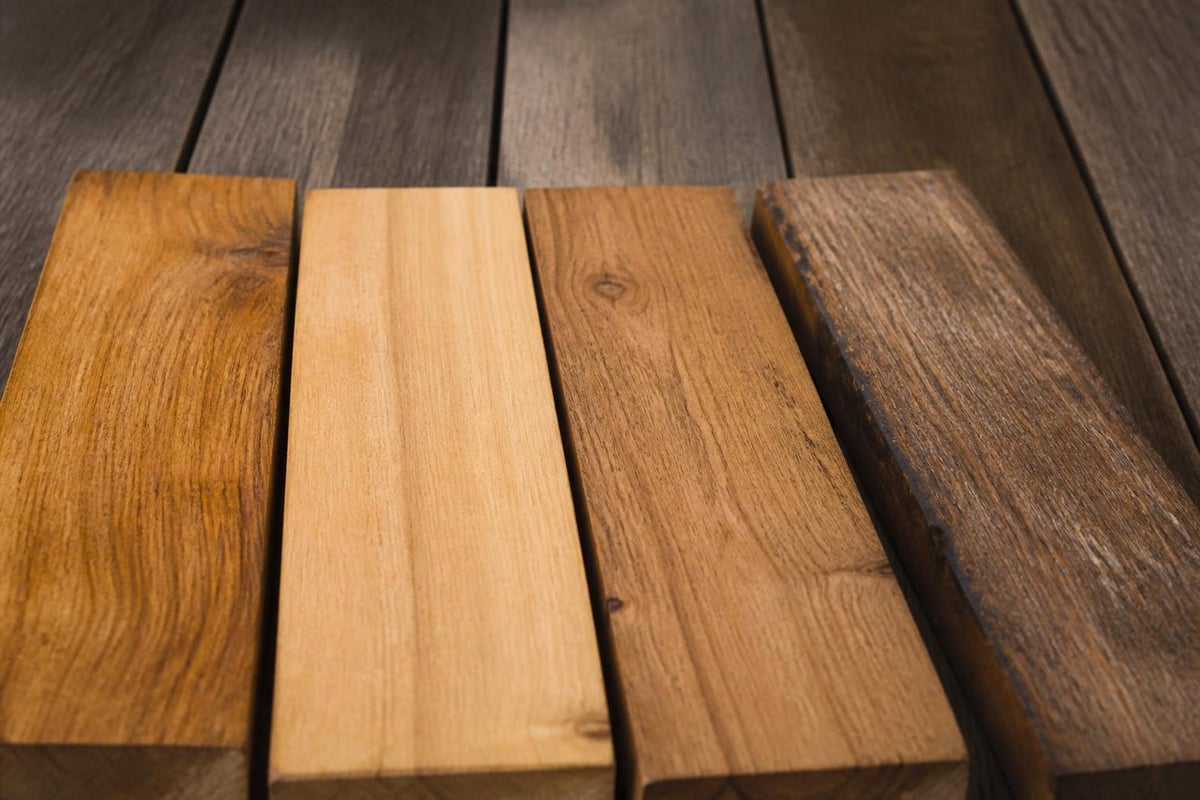
Each species brings distinct advantages. Teak's legendary durability stems from its tight grain and silica content, which naturally repels moisture whilst deterring wood-boring insects. The Cotswolds' variable climate-characterised by damp winters and occasionally intense summer sun-particularly suits teak's adaptive properties. However, selecting materials that can withstand outdoor conditions requires understanding local microclimate factors beyond general regional patterns.
Modern manufacturing has introduced engineered solutions that address traditional timber's vulnerabilities. Marine-grade plywood, constructed with waterproof phenolic resins, offers dimensional stability superior to solid wood. These products undergo rigorous testing to British Standards, ensuring performance in coastal and inland environments alike.
| Material Type | Water Resistance | Lifespan (Years) | Maintenance Level | Initial Cost |
|---|---|---|---|---|
| Teak | Excellent | 25-50+ | Low | High |
| Cedar | Very Good | 15-25 | Moderate | Medium-High |
| Marine Plywood | Excellent | 15-20 | Moderate | Medium |
| Accoya | Excellent | 25+ | Low-Moderate | High |
The engineered approach particularly suits contemporary outdoor kitchen designs where clean lines and consistent appearance take precedence over natural grain variation. Marine-grade constructions combine substrate stability with veneer aesthetics, allowing designers to specify exotic wood faces whilst maintaining structural integrity.
Raw outdoor kitchen cabinet wood, regardless of species, benefits significantly from appropriate finishing systems. The British climate's humidity fluctuations-often shifting from 60% to 95% within hours during spring and autumn-create expansion and contraction cycles that stress unprotected timber.
Professional finishing systems create barriers against moisture penetration whilst allowing wood to breathe:
The choice between penetrating and film-forming finishes affects both maintenance schedules and visual character. Penetrating oils require annual or bi-annual reapplication but preserve wood's tactile qualities and natural appearance. Film-forming systems, whilst offering superior initial protection, eventually crack and peel, necessitating complete removal and refinishing-a labour-intensive process for installed cabinetry.
Strategic design decisions dramatically extend outdoor kitchen cabinet wood lifespan. Overhanging roof structures shield cabinets from direct rainfall, whilst proper ventilation prevents moisture accumulation in enclosed spaces. Understanding weatherproofing principles helps inform these architectural decisions early in the planning process.
Critical Design Elements:
These specifications align with principles observed in traditional Cotswold architecture, where timber elements consistently incorporate drainage pathways and protective overhangs. Modern luxury outdoor kitchens benefit from centuries of vernacular building wisdom adapted to contemporary culinary requirements.
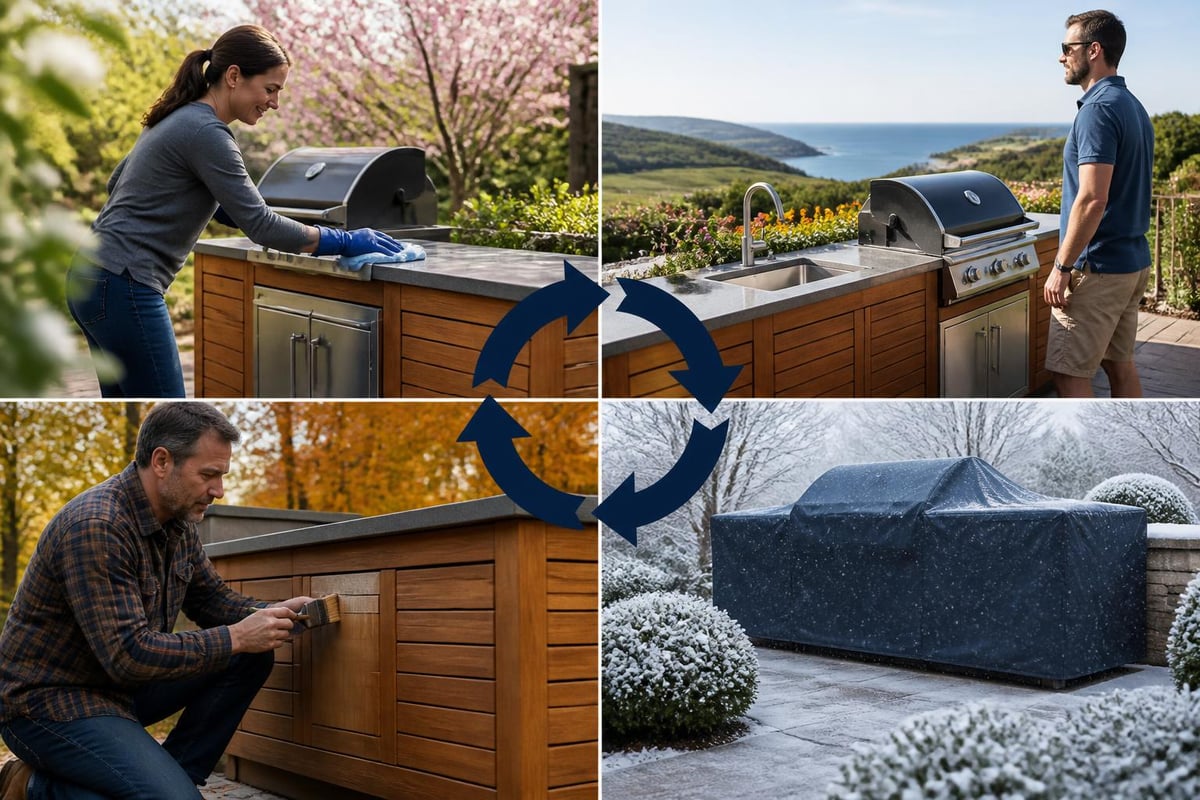
Even the most weather-resistant outdoor kitchen cabinet wood demands regular maintenance to preserve appearance and structural integrity. Establishing annual inspection and treatment schedules prevents minor issues escalating into costly repairs.
Spring (March-May):
Summer (June-August):
Autumn (September-November):
Winter (December-February):
This cyclical approach mirrors maintenance requirements for outdoor materials across various climate zones, adapted specifically for British seasonal patterns.
Despite preventive measures, outdoor kitchen cabinet wood occasionally develops problems requiring intervention:
| Issue | Cause | Solution | Prevention |
|---|---|---|---|
| Surface Greying | UV degradation | Sand and refinish | UV-inhibitor treatments |
| Grain Raising | Moisture cycling | Light sanding, resealing | Quality initial finish |
| Joint Separation | Thermal movement | Refasten, seal gaps | Proper initial joinery |
| Mould Growth | Poor ventilation | Clean with fungicide | Improve air circulation |
| Warping | Uneven moisture exposure | Replace affected components | Balanced finishing (all sides) |
Professional refinishing every 3-5 years maintains optimal protection levels. This interval suits most quality hardwoods when properly designed installation minimises direct weather exposure. For homeowners seeking reduced maintenance commitment, alternative materials to wood merit consideration, though they sacrifice timber's unique aesthetic warmth.
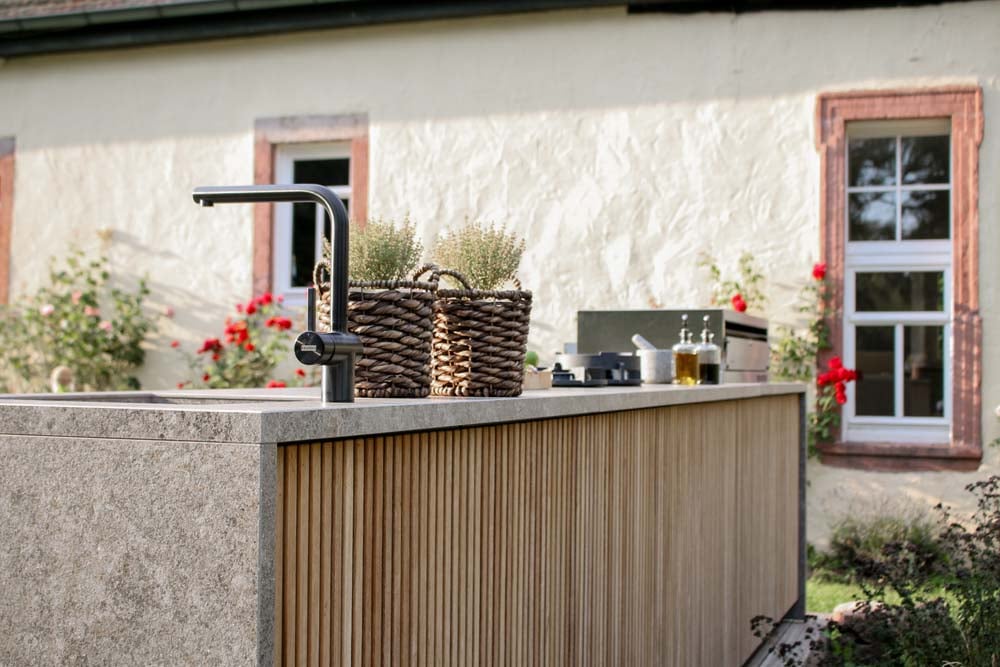
Contemporary outdoor kitchens increasingly blend natural materials with high-performance cooking equipment, creating spaces that function year-round in British climates. Outdoor kitchen cabinet wood brings organic warmth to compositions featuring stainless steel appliances, stone countertops, and integrated technology.
Successful integration balances contrasts whilst maintaining visual coherence:
The modular design principles evident in systems like the Cubic C1 Style Outdoor Kitchen demonstrate how timber elements integrate with weather-resistant frameworks. These configurations allow wood to feature prominently in protected zones whilst more resilient materials handle exposed positions, optimising both aesthetics and longevity.
Outdoor kitchen cabinet wood requires marine-grade or stainless steel hardware to prevent corrosion that stains timber and compromises function:
Proper hardware selection extends outdoor kitchen cabinet wood lifespan by eliminating rust staining and mechanical failure. Choosing outdoor kitchen cabinets involves considering these component-level specifications alongside primary material decisions.
Outdoor kitchen cabinet wood represents a significant investment, with material costs varying substantially across species and construction methods. Understanding total ownership costs-including initial purchase, installation, finishing, and ongoing maintenance-provides realistic budgeting foundations.
Entry-Level Options (£200-400 per linear metre):
Mid-Range Selections (£400-800 per linear metre):
Premium Specifications (£800-2000+ per linear metre):
These ranges reflect materials and fabrication only; installation, finishing, and integration with outdoor cooking appliances add substantially to project totals. However, quality outdoor kitchen cabinet wood installations often outlast cheaper alternatives by decades, improving cost-per-year metrics significantly.
Premium timber cabinetry contributes to property values through several mechanisms:
Estate agents consistently report that well-designed outdoor kitchens featuring quality materials accelerate sales and support asking prices, particularly in premium postcodes where buyers expect superior specifications.
British microclimates vary considerably, influencing outdoor kitchen cabinet wood performance across regions. Coastal installations face salt-laden winds, urban environments contend with pollution, and rural settings experience greater temperature extremes.
Coastal Regions (Cornwall, Norfolk, Scottish Highlands):
Urban Environments (London, Birmingham, Manchester):
Inland/Rural Settings (Cotswolds, Lake District, Welsh Borders):
The Cotswolds specifically experiences moderate temperatures but high humidity, particularly in valley locations. This combination favours outdoor kitchen cabinet wood species with good dimensional stability and natural rot resistance. Understanding material performance in various climates informs species selection for specific property locations.
Professional installation significantly impacts outdoor kitchen cabinet wood longevity. Proper techniques accommodate timber's natural movement whilst protecting vulnerable components from environmental exposure.
Unlike indoor cabinetry mounted to stable walls, outdoor installations require independent structural support:
These foundations mirror techniques used in outdoor dining furniture construction, scaled for cabinetry's greater weight and permanence.
Traditional cabinetmaking methods require modification for outdoor environments:
Master craftsmen working with outdoor kitchen cabinet wood often employ boat-building techniques, recognising similarities between marine and exterior architectural applications. Whether wood proves viable for outdoor kitchens depends substantially on construction quality, not merely material selection.
Contemporary outdoor kitchen cabinet wood design balances traditional craftsmanship with modern minimalism. Current trends favour cleaner lines, mixed materials, and integrated technology whilst respecting timber's organic character.
Scandinavian-Influenced Simplicity:
Industrial-Rustic Fusion:
Cotswold Vernacular Modern:
This final approach particularly suits properties throughout Oxfordshire and surrounding counties, where outdoor kitchen cabinet wood installations complement existing architectural character whilst providing modern functionality.
Natural wood tones dominate 2026 preferences, with homeowners increasingly rejecting painted finishes in favour of authentic material expression:
| Finish Type | Appearance | Maintenance | Trend Status |
|---|---|---|---|
| Natural Oil | Warm, matte, grain-enhancing | Annual reapplication | Rising strongly |
| Clear Marine Varnish | Glossy, protected, amber-toned | 2-3 year renewal | Declining |
| Whitewash/Liming | Pale, textured, Scandinavian | Moderate | Stable |
| Charred (Shou Sugi Ban) | Black, dramatic, Japanese-inspired | Very low | Emerging |
The growing interest in natural finishes reflects broader sustainability concerns and appreciation for authentic materials. Quick maintenance tests help homeowners assess whether their current finishing systems require renewal.
Responsible outdoor kitchen cabinet wood selection increasingly incorporates environmental impact assessment. Discerning clients question timber provenance, harvesting practices, and lifecycle implications.
Reputable suppliers provide documentation demonstrating responsible forestry:
British-grown hardwoods merit particular consideration for outdoor kitchen cabinet wood applications. Native oak, when properly seasoned and treated, performs admirably in UK climates whilst supporting domestic forestry and minimising carbon footprint.
Quality timber cabinetry offers superior end-of-life options compared to composite alternatives:
Reuse Potential:
Carbon Sequestration:
These considerations align with values prevalent among luxury outdoor kitchen clients who increasingly prioritise environmental responsibility alongside aesthetic and functional requirements.
Whilst this guide focuses on outdoor kitchen cabinet wood, prudent designers often recommend strategic material mixing. Hybrid approaches deploy timber where it performs best whilst utilising more resilient materials in challenging locations.
Wood-Appropriate Zones:
Alternative Material Zones:
This pragmatic approach, exemplified in premium outdoor kitchen collections, maximises timber's aesthetic contribution whilst ensuring overall system durability. Comparing outdoor cabinet materials reveals how different substances excel in specific applications.
Selecting and maintaining outdoor kitchen cabinet wood demands informed decision-making balanced against aesthetic aspirations and practical constraints. When properly specified, professionally installed, and diligently maintained, timber cabinetry delivers unmatched warmth and character to exterior culinary spaces. The Cotswold Cooking Company brings decades of expertise to outdoor kitchen design, guiding discerning clients through material selection, architectural integration, and long-term care strategies that transform gardens into sophisticated all-season cooking destinations.

Comments
Leave a comment