


A pergola patio represents the pinnacle of refined outdoor living, transforming ordinary garden spaces into sophisticated, all-season entertainment areas. For discerning homeowners across the UK, these architectural structures combine timeless elegance with practical functionality, creating sheltered zones that extend the usable footprint of your property throughout the year. Whether you're envisioning an intimate dining retreat or a grand entertaining space complete with a fully equipped outdoor kitchen, the pergola patio offers unparalleled versatility in design and purpose.
A pergola patio serves as both architectural statement and functional outdoor room, defining spaces whilst maintaining connection with the surrounding landscape. Unlike fully enclosed structures, these installations balance shelter with openness, allowing natural light filtration whilst providing protection from the elements.
The contemporary pergola patio extends beyond traditional wooden beams draped in climbing plants. Modern iterations incorporate advanced materials, integrated lighting systems, and sophisticated climate control features that rival indoor comfort. Bioclimatic pergolas, for instance, feature adjustable louvred roofs that respond to weather conditions, whilst maintaining the refined aesthetic that complements period properties and contemporary homes alike.
Choosing appropriate materials determines both the visual impact and longevity of your pergola patio. Each option presents distinct characteristics:
| Material | Lifespan | Maintenance | Aesthetic Profile | Weather Resistance |
|---|---|---|---|---|
| Aluminium | 25-30 years | Minimal | Contemporary, clean lines | Excellent |
| Hardwood Oak | 15-25 years | Moderate | Traditional, warm character | Good with treatment |
| Engineered Timber | 20-25 years | Low | Versatile, consistent finish | Very good |
| Steel Frame | 30+ years | Low | Industrial, architectural | Excellent with coating |
Aluminium has emerged as the premium choice for luxury outdoor structures, offering powder-coated finishes that resist corrosion whilst requiring virtually no ongoing maintenance. This proves particularly valuable in the UK climate, where moisture and temperature fluctuations challenge lesser materials.
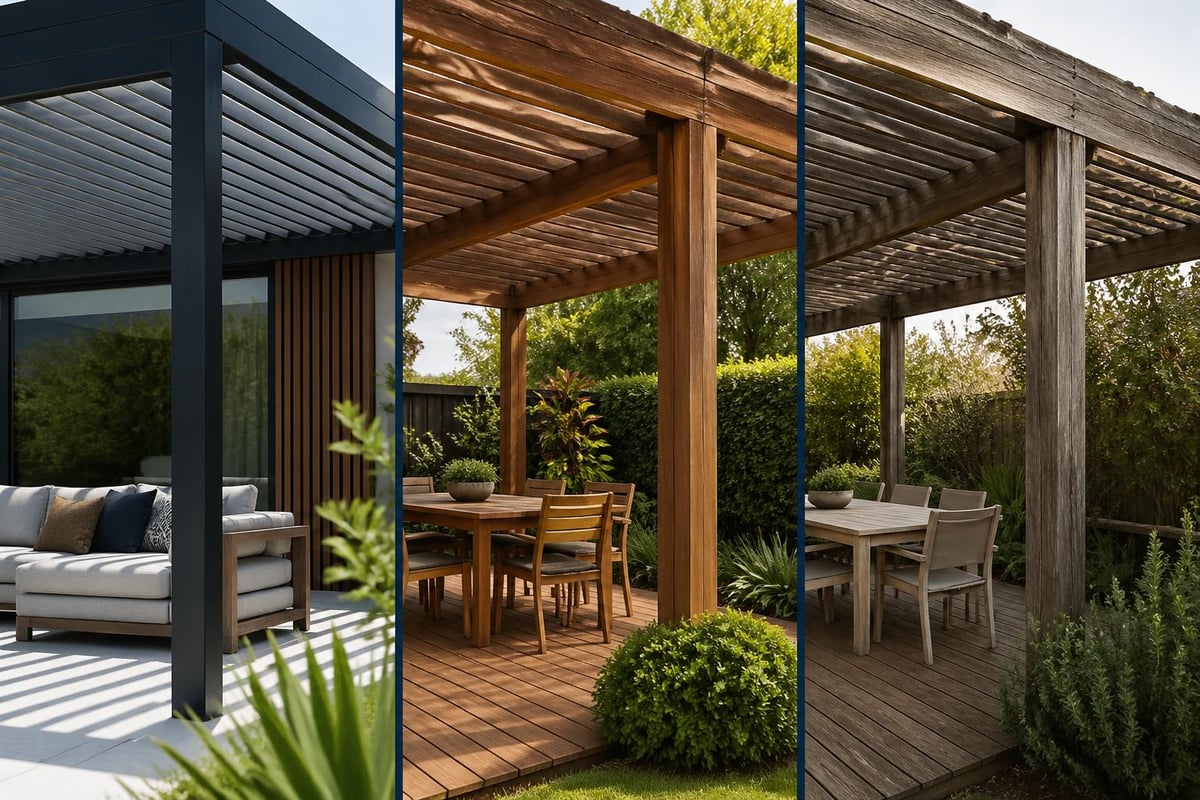
Successful pergola patio design begins with understanding how the space will function within your broader outdoor living vision. Proportion, orientation, and integration with existing architecture determine whether your installation enhances or overwhelms the property.
Consider the pergola patio as an extension of your interior living spaces. The most successful installations create seamless transitions between indoor and outdoor environments, using consistent flooring materials or complementary colour palettes that guide movement naturally.
Key measurements to establish:
The pergola foundation requirements must be addressed early in planning. Existing patio surfaces can often accommodate pergola installations, provided they meet load-bearing specifications and drainage standards. For properties with established gardens, this represents a significant advantage, minimising disruption whilst maximising the structural integrity of your investment.
Strategic positioning transforms a pergola patio from pleasant addition to indispensable outdoor room. South-facing orientations maximise natural light throughout the day, whilst east-facing positions capture morning sun ideal for breakfast settings. West-facing installations excel for evening entertainment, bathing spaces in warm afternoon light.
Wind patterns require equal consideration. Prevailing south-westerly winds across much of the UK dictate the placement of screening elements, whether integrated glass panels, retractable fabric systems, or strategically positioned planting. These interventions create comfortable microclimates that extend the usable season from April through October, and year-round when combined with heating elements.
The pergola patio reaches its full potential when designed around culinary experiences. Outdoor kitchens nestled beneath architectural pergolas create destination spaces that rival any indoor entertaining area, combining weather protection with the unique atmosphere of al fresco dining.
Modern outdoor kitchen design beneath pergola structures considers multiple zones: active cooking areas, preparation surfaces, refrigeration, and storage. Outdoor cooking equipment must be positioned with both ergonomics and safety in mind, maintaining clearances from combustible materials whilst ensuring efficient workflow.
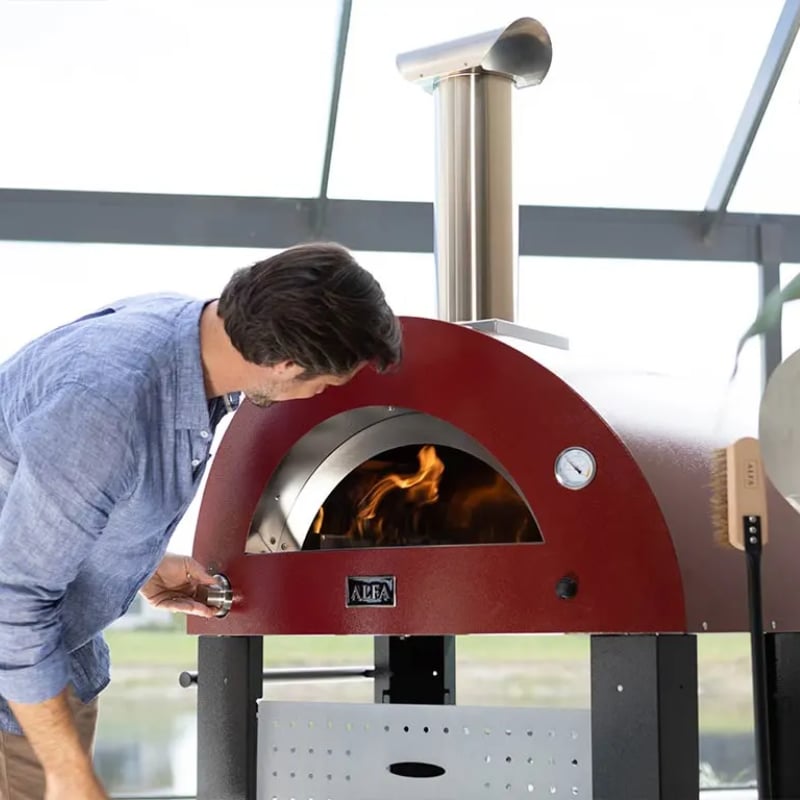
When planning an outdoor kitchen beneath your pergola patio, the integration of wood-fired or gas-powered pizza ovens creates an authentic focal point. For those seeking versatility in fuel options and exceptional performance, selecting equipment that can adapt to different cooking styles proves invaluable for year-round use.
Professional installation of a pergola patio with kitchen facilities requires careful planning of:
The most refined installations conceal these essential services within the pergola structure itself or beneath raised patio surfaces, maintaining clean sightlines and uncluttered spaces that characterise luxury outdoor design.
The UK climate demands thoughtful weatherproofing strategies for any pergola patio. Waterproofing solutions range from fixed canopy systems to adjustable louvred roofs that respond dynamically to changing conditions.
Bioclimatic pergola systems represent the apex of weather adaptation technology. Motorised aluminium louvers rotate through 140 degrees, transforming from fully open to completely sealed within seconds. In closed position, integrated drainage channels within the louver blades channel rainfall to concealed gutters, maintaining a dry environment beneath whilst protecting outdoor furniture and cooking equipment.
These technologies extend the practical use of your pergola patio from occasional summer structure to genuine four-season outdoor room. For properties in the Cotswolds and throughout Oxfordshire, this transformation proves particularly valuable, where mild winters and extended spring and autumn seasons reward those prepared to embrace outdoor living beyond traditional summer months.
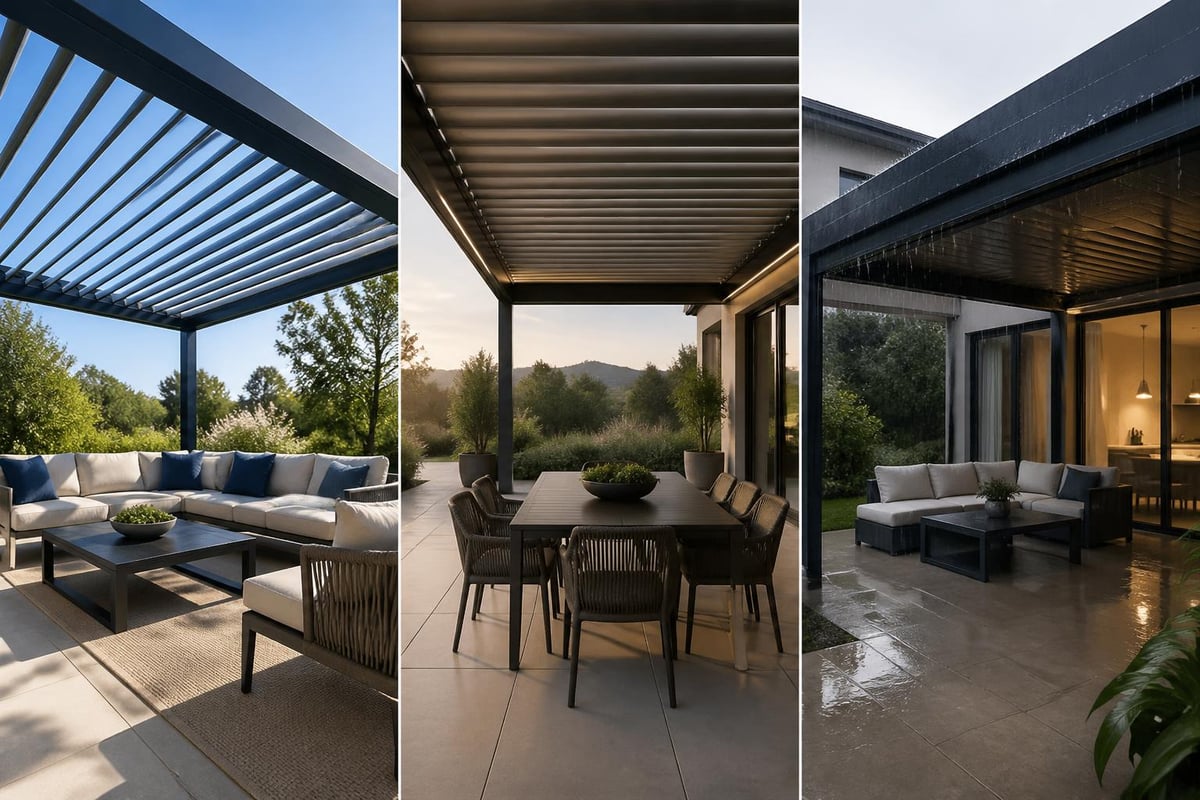
Contemporary pergola patio design encompasses multiple aesthetic directions, each suited to different architectural contexts and personal preferences. Understanding these style families helps refine your vision and communicate effectively with design professionals.
Characterised by clean lines, monochromatic colour palettes, and restrained ornamentation, modern minimalist pergola patios complement contemporary architecture seamlessly. Powder-coated aluminium frames in anthracite, slate grey, or pure white create sharp geometric definitions against sky and landscape. Modern pergola designs emphasise horizontal planes and asymmetric compositions that feel architecturally confident without overwhelming surrounding spaces.
For period properties and country estates, traditional pergola designs honour established architectural languages. Oak beams with visible joinery, curved braces, and sympathetic proportions create structures that appear to have evolved with the property over decades. These installations often incorporate climbing plants as integral design elements, softening hard edges whilst maintaining the structured framework beneath.
The most versatile category blends traditional materials with contemporary detailing. Engineered timber with concealed fixings, slender steel columns supporting substantial beams, or glass-reinforced structures that play with transparency and mass. These hybrid approaches suit the broadest range of properties, from Georgian townhouses to modern barn conversions.
Translating vision into reality requires systematic planning and professional execution. The most successful pergola patio projects follow established sequences that minimise disruption whilst ensuring quality outcomes.
Most pergola patio installations qualify as permitted development in the UK, requiring no formal planning permission provided they meet specific criteria. Structures under 4 metres in height when freestanding or 3 metres when adjacent to boundaries typically proceed without formal applications. However, properties within conservation areas, listed buildings, or those with restrictive covenants require additional scrutiny.
Building regulations may apply when pergolas incorporate fixed glazing, substantial foundations, or electrical installations. Early consultation with local planning authorities clarifies requirements specific to your location and proposed design.
Professional installation typically spans 3-7 days depending on complexity:
The sequence allows for progressive inspection and adjustment, ensuring each stage meets exacting standards before proceeding. For installations incorporating outdoor kitchens, additional time accommodates equipment positioning, utility connections, and commissioning of appliances.
The structural pergola provides the framework, but additional elements transform it into a compelling destination. Thoughtful layering of furnishings, lighting, and atmospheric details creates spaces that invite extended occupation throughout varied seasons.
Effective pergola patio lighting operates across multiple functions: task illumination for cooking and dining, ambient lighting for atmosphere, and accent lighting highlighting architectural features. Layered lighting schemes combine these elements, controlled independently to adapt as evening progresses and activities evolve.
Consider these proven approaches:
Modern systems integrate with home automation platforms, enabling scene programming that adjusts intensity and colour temperature throughout evening. Warm white (2700K-3000K) proves most flattering for social settings, whilst cooler temperatures (4000K) suit task-oriented cooking spaces.
Outdoor dining furniture beneath pergola structures should balance durability with aesthetic refinement. Premium all-weather materials including powder-coated aluminium, high-density polyethylene wicker, and marine-grade fabrics maintain appearance despite exposure to UV radiation and moisture.
Furniture selection checklist:
Scale remains critical. Pergola patios demand furniture proportionate to the overhead structure, avoiding pieces that appear diminutive beneath substantial beams. Conversely, oversized furniture in modestly scaled pergolas creates cramped, uncomfortable environments that discourage use.
Understanding the financial commitment of a pergola patio requires examining both initial installation costs and ongoing value creation. Quality installations represent significant investments, yet deliver returns through enhanced property appeal, extended living space, and lifestyle enrichment.
| Component | Budget Range (GBP) | Value Impact | Priority Level |
|---|---|---|---|
| Basic aluminium pergola (4m x 3m) | £4,500-£8,000 | Moderate | Essential |
| Bioclimatic louvred system (4m x 3m) | £12,000-£18,000 | High | Premium |
| Professional installation | £1,500-£3,500 | High | Essential |
| Integrated outdoor kitchen | £8,000-£25,000+ | Very high | Aspirational |
| Lighting and automation | £2,000-£6,000 | Moderate | Recommended |
| Furnishings and accessories | £3,000-£12,000 | Moderate | Personal choice |
These figures reflect 2026 market conditions across the UK, with regional variations. Metropolitan areas and the South East typically command premiums of 15-25% above national averages, whilst more remote locations may incur additional delivery and installation charges.
Comparing costs between building and buying reveals that professionally designed and installed systems, whilst commanding higher initial investment, deliver superior longevity and functionality. DIY approaches may save 30-40% on labour, yet frequently compromise on design sophistication, material quality, and weatherproofing effectiveness.
Estate agents consistently identify quality outdoor living spaces as influential factors in property valuations. A well-executed pergola patio can add 5-10% to property value in desirable locations, with the most impressive installations commanding even greater premiums. This proves particularly relevant for properties where outdoor space represents a key selling feature.
Beyond monetary returns, the lifestyle value deserves consideration. Extended usable outdoor seasons, enhanced entertaining capacity, and the simple pleasure of well-designed spaces contribute to quality of life in ways that transcend financial calculation.
Ensuring your pergola patio maintains its aesthetic and functional qualities requires appropriate ongoing care. The specific regime depends on materials selected and environmental exposure.
Annual maintenance calendar:
Premium materials substantially reduce maintenance burdens. Powder-coated aluminium requires only periodic washing with mild detergent, whilst automated bioclimatic systems benefit from annual professional servicing to maintain mechanical components and electronic controls.
The pergola patio should not exist in isolation but rather integrate harmoniously with surrounding garden design and architectural context. This holistic approach ensures visual coherence and functional connectivity across your entire outdoor environment.
Threshold transitions between home and pergola patio dramatically influence how readily these spaces are adopted for daily use. Level thresholds removing steps between interior flooring and patio surfaces encourage natural flow, particularly valuable for entertaining when guests circulate freely between environments.
Material continuity reinforces this connection. Extending interior flooring materials onto covered patio areas, or selecting external paving that complements internal finishes, creates visual expansion that makes both spaces feel larger and more cohesive.
Pergolas and plants enjoy a natural synergy. Climbing species such as wisteria, jasmine, or grapevines soften structural lines whilst providing additional shade and seasonal interest. For immediate impact, select semi-mature specimens in large containers that can be trained along beams and uprights.
Recommended climbing plants for UK pergolas:
Position planting to complement rather than compete with the pergola's architectural qualities. Excessive vegetation can obscure refined detailing and compromise weatherproofing systems, whilst sparse planting may leave structures feeling stark and unwelcoming.
Technological advancement continues reshaping what pergola patios can achieve. Contemporary systems incorporate smart home integration, advanced materials science, and environmental responsiveness that would have seemed implausible even a decade ago.
Modern bioclimatic pergolas integrate with comprehensive home automation platforms, enabling sophisticated programming based on weather forecasts, time of day, and occupancy. Rain sensors automatically close louvred roofs before precipitation begins, whilst wind monitors adjust configurations to prevent damage during storms.
Voice control through platforms such as Amazon Alexa or Google Home allows effortless adjustment of roof position, lighting scenes, and integrated heating. These conveniences prove particularly valuable when entertaining, enabling hosts to modify the environment without leaving guests.
Material science delivers increasingly sophisticated options for pergola construction. Thermal-break technology in aluminium profiles reduces heat transfer, improving energy efficiency when pergolas are used as semi-enclosed spaces. Advanced powder coating formulations resist UV degradation and maintain colour integrity for decades, eliminating the fading that plagued earlier finishes.
Glazing options have similarly evolved. Self-cleaning glass coatings reduce maintenance, whilst photochromic and electrochromic glazing adjusts transparency in response to light levels or occupant preference, creating dynamic environments that adapt throughout the day.
Different regions present distinct opportunities and challenges for pergola patio design. Understanding local climate patterns, architectural traditions, and planning contexts ensures installations that function optimally within their specific setting.
The Cotswolds' honey-coloured stone architecture and rolling landscape create particular aesthetic expectations. Pergola designs here often incorporate traditional proportions and materials that harmonise with period properties, whilst embracing modern performance features discreetly integrated within classical frameworks.
Prevailing south-westerly winds and generous rainfall totals across the region make robust weatherproofing essential. Bioclimatic systems with integrated drainage and wind-resistant engineering prove particularly valuable, extending usable seasons that might otherwise be curtailed by unpredictable weather.
Space constraints in metropolitan contexts demand efficient pergola patio designs maximising functionality within compact footprints. Multi-level platforms, integrated storage, and vertical gardening techniques help optimise limited outdoor areas.
Urban microclimates often prove warmer than surrounding countryside, extending outdoor living seasons naturally. However, overlooking from neighbouring properties increases demand for privacy screening integrated within pergola structures, using clever planting, architectural panels, or adjustable louvred systems.
The ultimate ambition for any pergola patio is transformation into a genuine four-season destination rather than fair-weather amenity. Achieving this requires careful integration of comfort systems alongside architectural sophistication.
Modern heating technologies make outdoor spaces genuinely comfortable even during cooler months. Infrared heaters mounted within pergola structures provide targeted warmth without wasting energy heating surrounding air. These systems achieve comfortable temperatures within minutes, enabling spontaneous outdoor use even on crisp autumn evenings or mild winter days.
Gas-powered patio heaters offer portable flexibility, whilst electric radiant panels integrate more seamlessly into refined architectural designs. For the most comprehensive approach, underfloor heating beneath patio surfaces creates gentle ambient warmth that rises through seating areas, mimicking the comfort of interior spaces.
Fully retractable glass screens transform open pergola patios into protected rooms when conditions demand. Track-mounted panels slide completely aside during pleasant weather, then deploy to create weather-tight enclosures during inclement periods. Combined with louvred roofs and integrated heating, these systems deliver genuinely year-round functionality.
For those seeking alternatives to full enclosure, retractable fabric screens offer wind protection whilst maintaining visual connection to the garden. High-performance outdoor fabrics withstand UV exposure and moisture whilst providing effective wind baffling that makes spaces comfortable in breezy conditions without total enclosure.
Creating an exceptional pergola patio requires balancing architectural vision with practical functionality, selecting materials that endure whilst maintaining aesthetic sophistication, and integrating systems that extend usability throughout the year. Whether you're envisioning an intimate dining retreat or a comprehensive outdoor kitchen beneath a state-of-the-art bioclimatic structure, professional guidance ensures your investment delivers lasting value and daily enjoyment. Cotswold Cooking Company brings decades of expertise in luxury outdoor living design, offering comprehensive consultation from initial concept through installation, helping you create refined outdoor destinations that complement your property and lifestyle perfectly.

Leave a comment