


The evolution of outdoor living has transformed the traditional pergola into something far more functional and year-round capable. A pergola with roof represents a significant upgrade from its open-lattice predecessor, offering homeowners the ability to enjoy their garden spaces regardless of Britain's famously unpredictable weather. Whether you're planning an outdoor kitchen, creating a sheltered dining area, or simply seeking a refined architectural statement for your garden, understanding the nuances of roofed pergola design will help you make informed decisions that enhance both property value and lifestyle quality.
The decision to install a pergola with roof fundamentally changes how you interact with your garden throughout the year. Unlike traditional open pergolas that offer minimal weather protection, a properly designed roofed structure creates a genuine outdoor room capable of functioning in rain, wind, and even light snow.
Protection from the elements ranks as the primary benefit, allowing you to invest in quality outdoor furniture, cooking equipment, and entertaining accessories without constant concern about weather damage. This protection extends to your guests as well, making outdoor gatherings feasible even when forecasts look questionable.
From a property perspective, adding a roof to a pergola can increase home value by creating additional functional square footage. Estate agents increasingly recognise outdoor living spaces as genuine selling points, particularly when they demonstrate year-round usability.
The cost implications vary significantly based on materials, complexity, and installation approach. Here's what influences the budget:
Those considering whether to build or buy a pergola should weigh the trade-offs between initial savings and long-term performance, particularly regarding structural integrity and weather resistance.
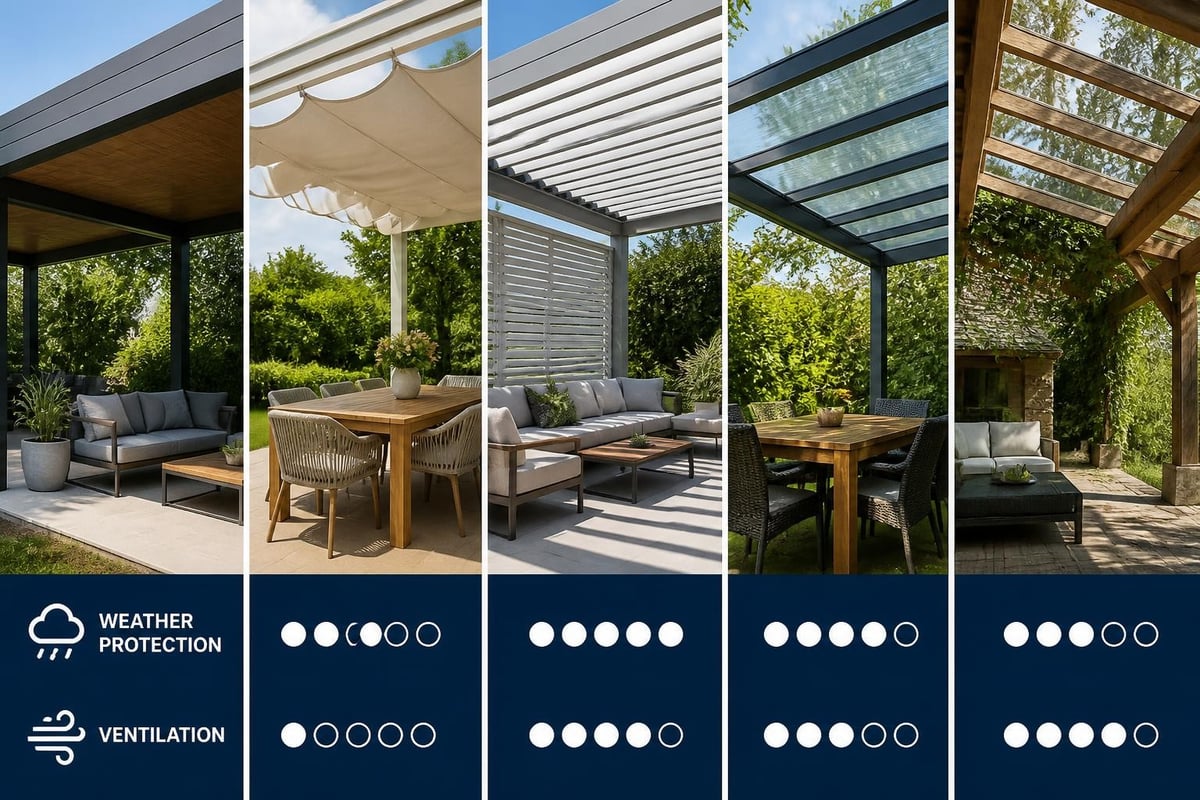
The roofing system you select will define both the aesthetic character and functional capability of your pergola. Modern pergola design offers considerably more sophistication than simple timber beams with climbing plants.
Solid roofs provide maximum weather protection and create genuine outdoor rooms suitable for year-round use. Materials include:
Timber with waterproof membrane: Traditional appearance with modern performance, requiring periodic maintenance but offering excellent insulation properties.
Metal roofing panels: Lightweight aluminium or steel sheets in various profiles (corrugated, standing seam, or flat) offering durability and minimal maintenance requirements.
Insulated composite panels: Premium option combining weather resistance with thermal performance, particularly valuable when integrating heating systems or creating winter-usable spaces.
| Roofing Material | Lifespan | Maintenance | Weather Protection | Aesthetic Appeal |
|---|---|---|---|---|
| Timber with membrane | 15-25 years | Medium | Excellent | Traditional/Natural |
| Aluminium panels | 30-50 years | Low | Excellent | Contemporary/Clean |
| Composite insulated | 25-40 years | Very Low | Outstanding | Modern/Refined |
| Polycarbonate sheets | 10-20 years | Low | Very Good | Transparent/Light |
| Glass panels | 30+ years | Medium | Excellent | Luxury/Premium |
For those seeking flexibility, retractable roof systems allow you to adjust coverage based on weather conditions and personal preference. These sophisticated mechanisms range from manual canvas awnings to fully automated louvred systems.
Bioclimatic louvred roofs represent the pinnacle of adjustable pergola technology. These engineered systems feature rotating aluminium blades that can be positioned to control sunlight, ventilation, and rain protection. When fully closed, they create a weathertight seal; when open, they allow maximum airflow and natural light.
Advanced systems integrate with weather sensors, automatically closing when rain is detected or adjusting blade angles to optimise shade as the sun moves across the sky throughout the day.
Maintaining natural light whilst providing weather protection requires transparent or translucent roofing materials. Polycarbonate panels offer impact resistance and UV protection whilst allowing diffused light transmission, creating bright spaces without harsh direct sunlight.
Glass roofing delivers premium aesthetics and maximum light transmission but requires stronger structural support due to weight considerations. Tempered or laminated glass specifications ensure safety, whilst coating options can provide solar control and self-cleaning properties.
Successful pergola design requires careful attention to multiple factors beyond simply selecting a roof type. The structure must harmonise with your property's architecture, accommodate intended uses, and comply with relevant regulations.
Attached versus freestanding configurations fundamentally affect both design approach and structural requirements. Attached pergolas connect to your home's exterior wall, often extending from patio doors or kitchen areas to create seamless indoor-outdoor transitions. This approach typically requires fewer posts and can integrate with existing rooflines, but demands careful consideration of wall fixings, flashing, and drainage.
Freestanding structures offer greater placement flexibility, allowing you to position the pergola wherever it best serves your garden design. This independence makes them ideal for creating outdoor kitchens away from the house or establishing distinct entertainment zones within larger gardens.
Dimensional planning should account for:
The structure's proportions should complement rather than overwhelm surrounding architecture. A pergola that's too large can dominate smaller gardens, whilst undersized structures appear insignificant in expansive settings.
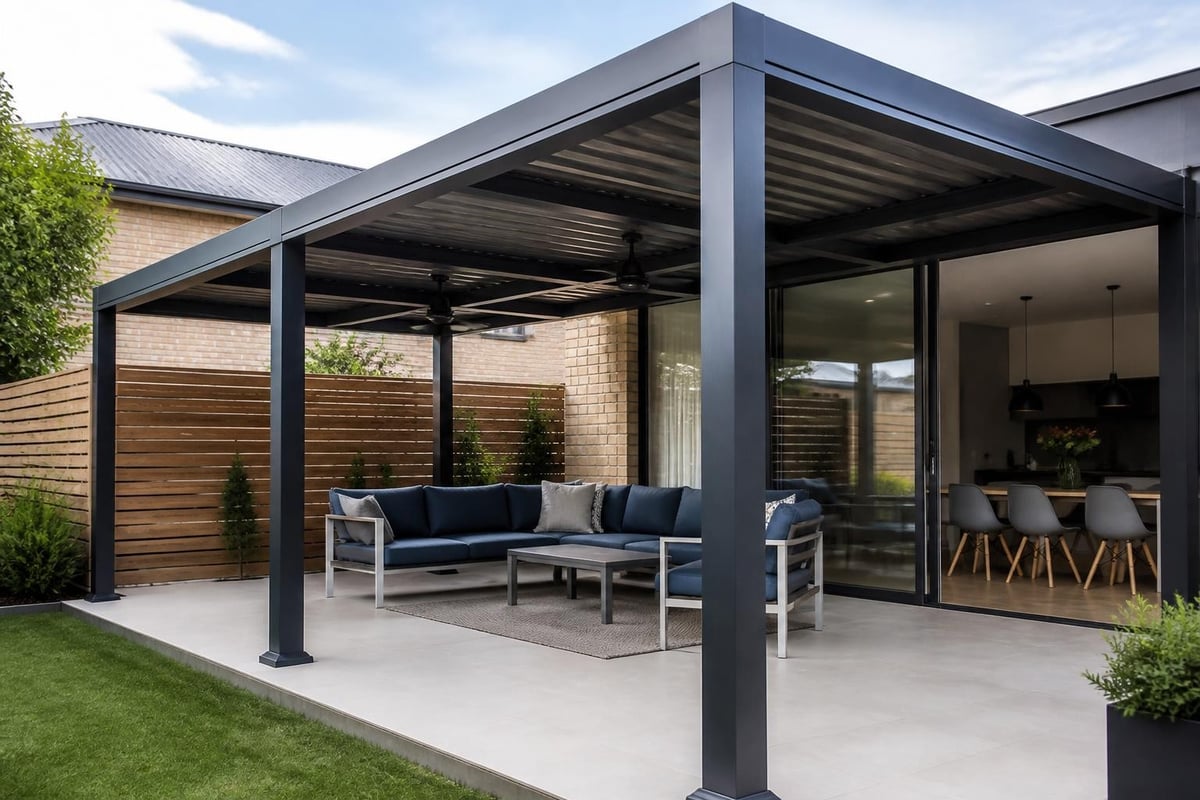
Britain's climate presents specific challenges that influence material selection. Frequent precipitation, temperature fluctuations, high humidity, and occasional freeze-thaw cycles demand materials capable of withstanding these conditions whilst maintaining appearance and structural integrity.
Pressure-treated softwood remains popular for traditional aesthetics and cost-effectiveness. Modern treatment processes significantly extend lifespan, though periodic staining or painting maintains optimal protection. Oak and other hardwoods offer superior durability and refined grain patterns but command premium pricing.
Aluminium frameworks have gained prominence in contemporary pergola design, offering exceptional weather resistance without maintenance requirements. Powder-coated finishes provide colour options whilst protecting against corrosion, and the material's strength-to-weight ratio allows for slender profiles that suit modern architectural styles.
Engineered composite materials combine recycled timber fibres with polymers, creating low-maintenance alternatives that resist rot, insects, and moisture damage whilst mimicking timber's appearance.
Different materials demand varying maintenance commitments:
Those considering various pergola roof options should factor long-term maintenance costs into initial budgeting, as lower upfront investment often translates to higher ongoing commitments.
A pergola with roof becomes exponentially more valuable when thoughtfully integrated with complementary features that extend usability and comfort throughout the year.
British evenings frequently require supplemental heating to maintain comfort, even during summer months. Options include:
Proper illumination transforms pergolas from daytime structures into evening destinations. Layered lighting approaches combine:
Task lighting above cooking and preparation areas, ensuring safety and functionality when preparing food or mixing drinks.
Ambient lighting creating overall atmosphere through uplighting columns, perimeter strips, or recessed ceiling fixtures.
Accent lighting highlighting architectural features, plantings, or decorative elements.
Smart lighting systems with dimming capabilities and programmable scenes allow you to adjust ambiance to suit different occasions and times of evening.
The convergence of outdoor cooking and covered pergola spaces has created exceptional opportunities for year-round culinary experiences. When planning a pergola specifically to accommodate cooking equipment, consider ventilation requirements, utility connections, and spatial arrangements that facilitate efficient workflows.
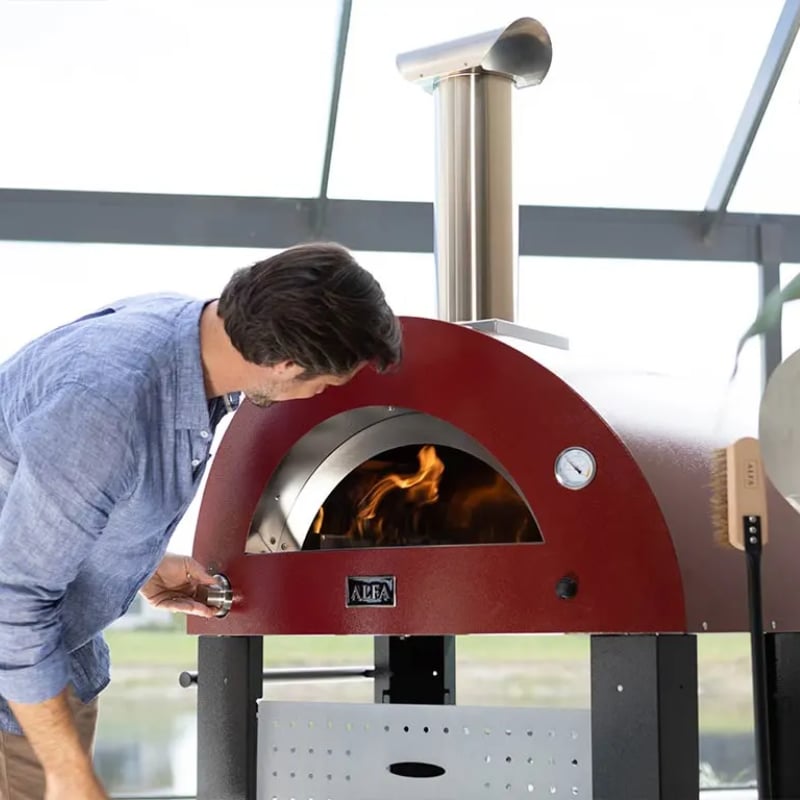
For those serious about outdoor cooking, purpose-built structures create genuine alfresco kitchens rather than simple covered spaces. High-performance equipment demands proper shelter, and a pergola with roof provides the ideal environment. The Alfa Forni Moderno Hybrid Pizza Oven, for example, benefits enormously from overhead protection that allows cooking in all weather conditions whilst the hybrid gas-wood capability reaches authentic pizza-making temperatures in just 30 minutes.
Understanding regulatory requirements prevents costly mistakes and project delays. Whilst many pergolas qualify as permitted development, specific circumstances trigger planning permission requirements.
You'll typically need permission if your pergola:
Even when permitted development rights apply, building regulations may still govern structural aspects, particularly regarding foundations, load-bearing capacity, and drainage.
Pre-application advice services offered by planning departments provide clarity before committing to designs or expenditures. This consultation identifies potential issues early whilst they're easily addressed rather than after construction begins.
For properties in Areas of Outstanding Natural Beauty, National Parks, or conservation zones, additional restrictions often apply. Professional design assistance ensures compliance whilst achieving your aesthetic and functional objectives.
Understanding the financial investment required for a pergola with roof helps establish realistic expectations and prevents budget overruns during the project.
| Pergola Type | Small (12-16m²) | Medium (20-25m²) | Large (30-40m²) | Premium Features |
|---|---|---|---|---|
| Basic timber with polycarbonate | £3,000-£6,000 | £6,000-£10,000 | £10,000-£15,000 | Basic lighting, gutters |
| Mid-range aluminium fixed roof | £8,000-£12,000 | £12,000-£18,000 | £18,000-£25,000 | LED lighting, heating prep |
| Louvred bioclimatic system | £15,000-£22,000 | £22,000-£32,000 | £32,000-£45,000 | Automation, sensors, drainage |
| Bespoke architectural design | £25,000-£40,000 | £40,000-£60,000 | £60,000-£90,000+ | Full integration, custom features |
These ranges reflect supply and installation by professional contractors with appropriate insurance and warranties. DIY installation can reduce costs by 30-40% but requires significant skill, appropriate tools, and acceptance of liability for structural performance.
Beyond the pergola structure itself, budget for:
Groundwork and foundations: Concrete footings, base preparation, and drainage systems add £1,500-£4,000 depending on soil conditions and access.
Utilities: Running electricity for lighting and heating, plumbing for outdoor kitchens or bar areas, and gas lines for heaters or cooking equipment contribute £800-£3,500 based on distances and complexity.
Finishing touches: Flooring upgrades (porcelain tiles, composite decking, natural stone), furniture, soft furnishings, and decorative elements transform basic structures into refined spaces.
Ongoing maintenance: Annual servicing for mechanical systems, cleaning, and periodic refinishing should feature in long-term financial planning.
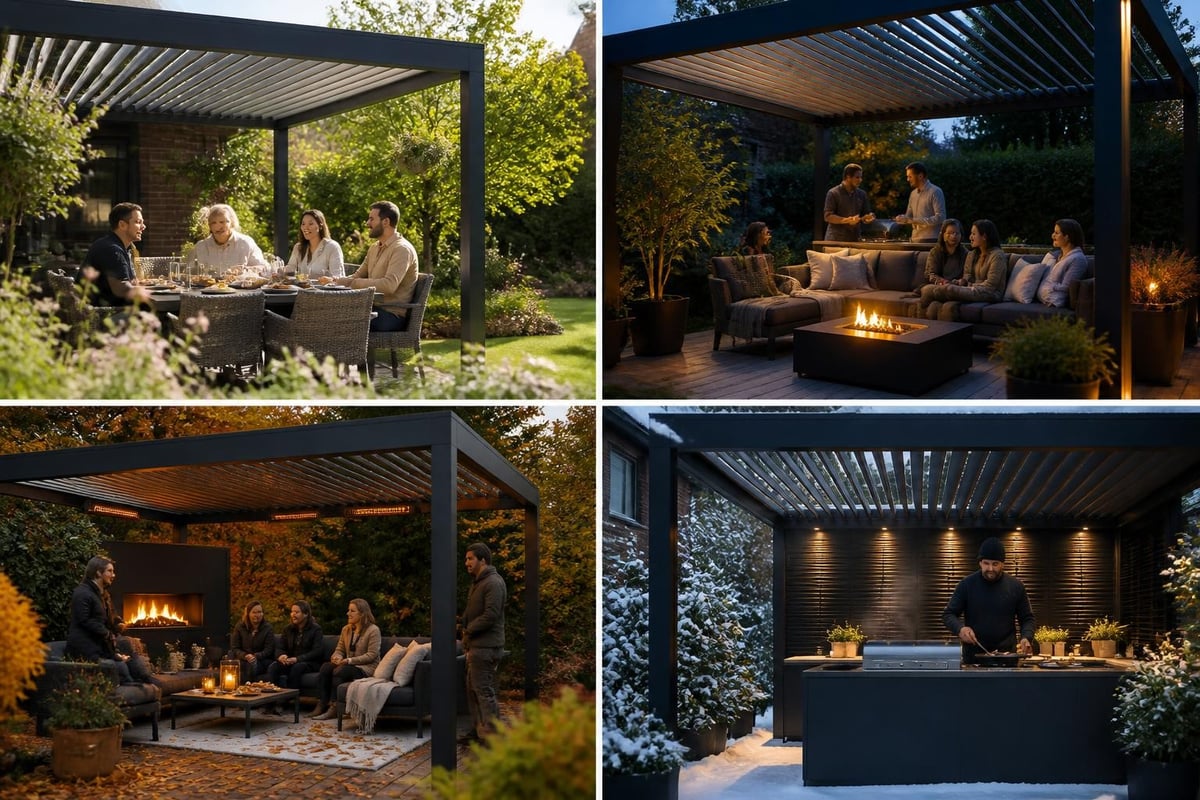
The true value of a pergola with roof emerges through extended seasonal use that justifies the investment through increased property enjoyment and entertainment capabilities.
Warmer months benefit from:
Colder seasons demonstrate the pergola's true versatility when properly equipped:
Weather protection against horizontal rain, the most challenging precipitation type for outdoor structures, becomes critical. Well-designed roofs with adequate overhang and proper sealing keep interior spaces dry even during storms.
Heating integration extends comfortable use well into late autumn and early winter. Combined with weatherproof curtains or screens, heated pergolas function as genuine outdoor rooms throughout traditionally indoor-only months.
Many homeowners discover their investment pays dividends during these months when gardens typically sit unused. The ability to create year-round outdoor cooking lifestyles transforms property enjoyment and provides unique entertainment opportunities.
Pergola design has evolved beyond simple timber structures into sophisticated architectural elements that significantly influence property character and kerb appeal.
Clean lines, minimalist detailing, and premium materials define contemporary pergola design. Aluminium frameworks in anthracite, charcoal, or architectural bronze finishes complement modern properties, whilst flat or mono-pitched roofs align with current architectural trends.
Integrated LED lighting within framework profiles creates seamless illumination without visible fixtures, maintaining clean aesthetics. Concealed guttering and downpipes preserve visual simplicity whilst managing rainwater effectively.
Period properties demand sympathetic design that respects existing architectural language. Oak frameworks with traditional joinery techniques, pitched roofs echoing main building profiles, and proportions scaled to surrounding structures create harmonious additions.
Decorative elements such as chamfered posts, carved brackets, or turned balustrades add period-appropriate detail without compromising functionality. Specialist suppliers offer reproduction hardware and fixings that maintain authentic appearance.
Many properties benefit from transitional approaches that bridge contemporary performance with traditional aesthetics. This might involve choosing pergolas that blend modern materials like powder-coated aluminium frameworks with timber cladding that provides visual warmth and textural interest.
Colour selection plays crucial roles in successful integration. Neutral tones (greys, taupes, soft whites) suit most contexts, whilst bolder choices require careful consideration of surroundings and personal style confidence.
The decision between professional installation and self-build approaches significantly impacts project outcomes, timelines, and long-term satisfaction.
Experienced installers bring:
Professional teams also coordinate trades when projects involve electrical, plumbing, or heating integration, managing scheduling and ensuring proper interface between different systems.
Competent DIY enthusiasts with appropriate skills might consider self-installation when:
Projects involve smaller, simpler structures without complex roofing systems or integrated services. Basic timber pergolas with polycarbonate roofing represent the upper limit of realistic DIY scope for most homeowners.
Kit systems from reputable manufacturers include comprehensive instructions, pre-cut components, and technical support, significantly reducing complexity compared to fully bespoke builds.
Time flexibility exists without pressure to complete by specific dates or for planned events.
However, whether it's cheaper to build or buy depends heavily on accurately valuing your time, possessing required tools, and accepting responsibility for structural performance.
Beyond basic structure and roofing, numerous customisation opportunities allow you to create truly bespoke outdoor spaces reflecting personal style and functional priorities.
Screens and panels attached to pergola sides provide privacy from neighbours, wind protection, or simply define the space psychologically. Options range from fixed timber slats to retractable fabric systems and glazed panels.
Planting integration through climbers on trellises, living walls, or surrounding borders softens hard architectural elements whilst enhancing privacy naturally. Select species appropriate for your climate and aspect, considering evergreen options for year-round screening.
Modern pergolas increasingly incorporate smart technology:
Voice control through Alexa, Google Home, or Apple HomeKit creates seamless operation without dedicated controllers.
Built-in seating, storage benches, and integrated planters maximise space efficiency whilst creating cohesive design. Weather-resistant materials (teak, powder-coated aluminium, all-weather wicker) withstand British conditions whilst requiring minimal maintenance.
For those establishing complete outdoor kitchen installations, coordinating pergola design with cooking equipment, preparation surfaces, and dining arrangements creates functional layouts that enhance both cooking efficiency and entertainment flow.
Protecting your investment requires regular maintenance appropriate to materials and systems installed.
Monthly checks during active seasons:
Seasonal deep maintenance:
Annual professional inspections identify issues before they become significant problems. Mechanical systems (louvred roofs, automated controls, integrated heating) benefit particularly from expert servicing that ensures optimal performance and maintains warranties.
Timber structures may require periodic treatment application every 3-5 years, whilst painted finishes need refreshing as wear becomes apparent. The various roof options available have dramatically different maintenance profiles, with aluminium and composite materials requiring minimal intervention compared to traditional timber.
Environmentally conscious homeowners increasingly consider the ecological impact of outdoor structures throughout design, construction, and operational phases.
Sustainably sourced timber from FSC or PEFC certified forests ensures responsible forestry practices. UK-grown oak and larch reduce transportation impacts whilst supporting domestic forestry industries.
Recycled and recyclable materials including aluminium frameworks and composite decking reduce environmental footprints. At end-of-life, these materials can be reprocessed rather than landfilled.
Low-VOC finishes and water-based treatments minimise harmful chemical release during application and throughout the structure's lifespan.
Solar panels integrated into pergola roofs generate electricity for lighting, heating, and home consumption, offsetting operational costs whilst reducing carbon emissions. South-facing roof sections offer ideal solar orientation in the UK.
Rainwater harvesting from pergola roofs provides irrigation water for gardens, reducing mains consumption. Simple systems with downpipes feeding water butts cost little to implement yet deliver measurable environmental benefits.
LED lighting consumes minimal electricity compared to traditional alternatives, whilst smart controls ensure lights operate only when needed rather than being inadvertently left on.
Understanding how roofed pergolas differ from similar outdoor structures helps clarify whether they suit your specific requirements and preferences.
Gazebos typically feature enclosed sides with screens or windows, creating more room-like spaces compared to pergolas' open character. This enclosure provides superior weather and insect protection but reduces airflow and can feel confined.
Comparing pergolas with roofs to traditional pergolas highlights how roofing transforms functionality whilst maintaining open, airy qualities that make pergolas attractive garden features.
Conservatories create fully enclosed, weatherproof spaces that function almost identically to interior rooms. However, they typically require more substantial foundations, full building regulation approval, and significantly higher investment.
Pergolas offer middle ground: weather protection and extended seasonal use without the expense, complexity, and planning requirements of full conservatory construction.
Retractable awnings and canopies provide temporary shade and light rain protection at lower cost than permanent structures. However, they lack the architectural presence, structural permanence, and comprehensive weather protection that roofed pergolas deliver.
Those seeking genuine year-round outdoor room functionality find pergolas with roofs provide optimal shade and protection compared to temporary covering solutions.
Real-world examples demonstrate how thoughtful pergola design solves specific challenges whilst creating exceptional outdoor living environments.
A London townhouse with limited outdoor space employed a narrow pergola with roof spanning 2.5 x 6 metres along the garden boundary. The structure incorporated:
This design maximised usable outdoor space whilst addressing common urban constraints of overlooking neighbours and limited square footage.
A Cotswolds property created a substantial freestanding pergola serving as both outdoor kitchen and dining pavilion. Features included:
This installation demonstrated how pergolas can serve as genuine outdoor entertaining destinations rather than simple garden shelters.
A coastal Welsh property facing prevailing winds and salt exposure required specialised material selection and engineering. Solutions included:
This example illustrates how regional climate considerations influence material selection and structural design.
A pergola with roof represents a transformative investment in outdoor living, extending garden usability throughout the year whilst creating architectural focal points that enhance property aesthetics and value. By carefully considering roofing systems, materials, integrated features, and design approaches suited to your specific context, you can create outdoor spaces that deliver exceptional performance and enduring satisfaction. Cotswold Cooking Company specialises in designing and supplying premium pergolas alongside luxury outdoor kitchens, bringing together hand-selected brands and expert consultative service to help discerning homeowners create refined, all-season outdoor living destinations across the UK.

Leave a comment