


A retractable gazebo represents one of the most versatile investments for homeowners seeking to maximise their outdoor living experience throughout the British seasons. Unlike permanent structures or basic pop-up canopies, these sophisticated systems offer the flexibility to adapt your garden environment in response to weather conditions, privacy requirements, and entertaining needs. For those cultivating luxury outdoor spaces, particularly when integrating premium cooking and dining zones, understanding the nuances of retractable gazebo design becomes essential to creating a cohesive, functional exterior room that performs beautifully year-round.
The fundamental appeal of a retractable gazebo lies in its dual-mode capability. When retracted, the structure allows unobstructed access to sunlight and starlit evenings, whilst when deployed, it provides essential shelter from rain, excessive sun exposure, and cooling temperatures. This adaptability makes it particularly valuable for gardens where outdoor kitchens and dining areas demand weather protection without permanent enclosure.
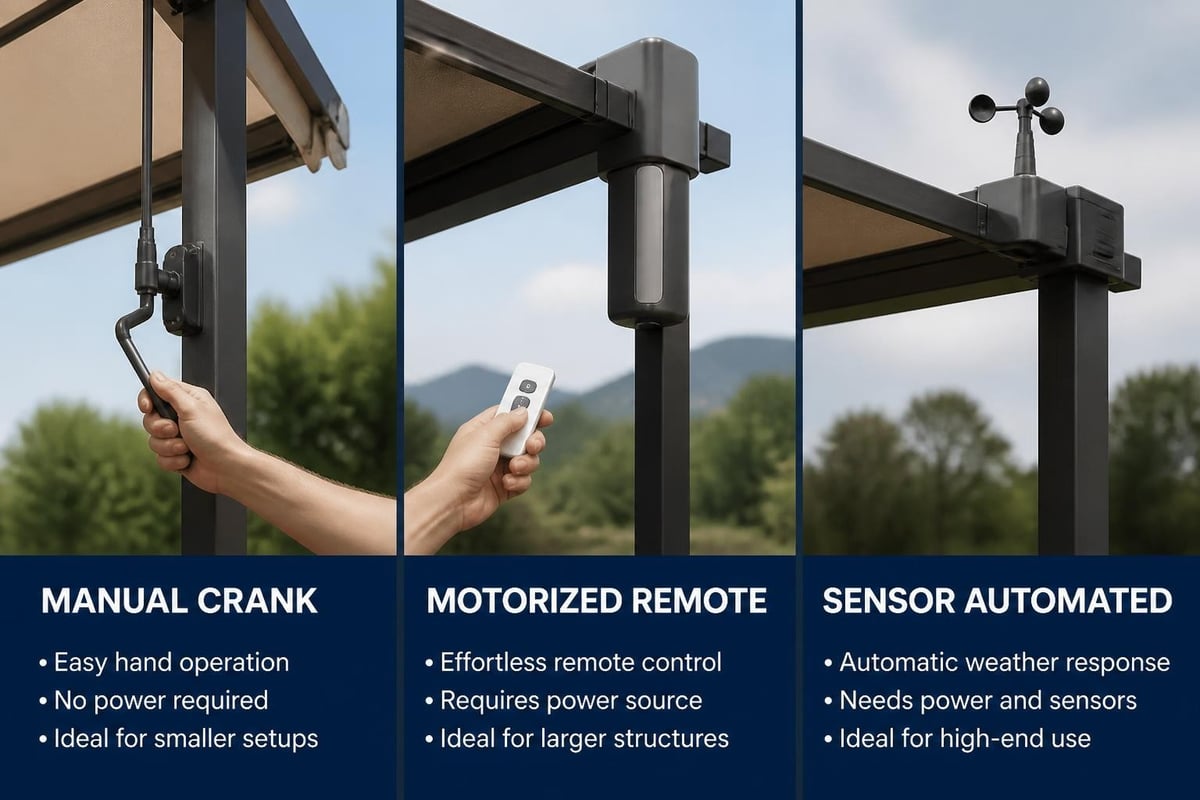
Modern retractable systems have evolved significantly from early canvas awnings. Contemporary designs incorporate sophisticated engineering that balances structural integrity with aesthetic refinement. The retraction mechanism itself varies between manual crank systems, motorised operations with remote controls, and sensor-driven automated models that respond to wind speed and rainfall.
When evaluating retractable gazebo options, the operating system represents a critical consideration. Manual systems offer simplicity and reliability, requiring no electrical infrastructure, though they demand physical effort and may prove cumbersome for larger installations. Motorised mechanisms provide effortless operation at the touch of a button, ideal for frequent adjustments throughout the day.
Advanced systems incorporate:
The sophistication of your chosen system should align with how you intend to use your outdoor space. For homeowners hosting frequent gatherings around luxury outdoor kitchens, motorised operation eliminates the disruption of manual adjustments during events.
The materials comprising your retractable gazebo fundamentally determine its durability, maintenance requirements, and visual impact within your garden design. Premium installations demand careful consideration of both frame construction and canopy fabrication to ensure the structure withstands British weather patterns whilst maintaining architectural coherence with surrounding elements.
Aluminium frames dominate the luxury retractable gazebo market for compelling reasons. This material offers exceptional strength-to-weight ratios, requires minimal maintenance, resists corrosion in damp climates, and accepts powder-coating in virtually any colour specification. When selecting frame materials, consider how they integrate with existing outdoor kitchen structures and garden architecture.
| Material | Durability | Maintenance | Aesthetic Versatility | Weather Resistance |
|---|---|---|---|---|
| Powder-Coated Aluminium | Excellent (20+ years) | Minimal | High - custom colours | Superior |
| Stainless Steel | Exceptional (25+ years) | Low | Moderate - industrial aesthetic | Outstanding |
| Galvanised Steel | Very Good (15-20 years) | Moderate | Limited | Very Good |
| Timber with Treatment | Good (10-15 years) | High | Excellent - natural warmth | Fair |
For properties in the Cotswolds and surrounding regions, where traditional aesthetics often guide design decisions, powder-coated aluminium frames can be specified in heritage colours that complement stone architecture whilst delivering modern performance. Understanding material choices for outdoor structures helps ensure your investment aligns with both functional requirements and design vision.
The retractable canopy itself requires equal attention to material specification. Unlike simple pop-up gazebos that utilise basic polyester, luxury retractable systems employ technical fabrics engineered for specific performance characteristics. Solution-dyed acrylic fabrics represent the premium standard, offering superior UV resistance, colourfast properties that resist fading, water repellency, and resistance to mould and mildew.
High-performance canopy materials include:
The canopy material directly impacts the ambience beneath your retractable gazebo. For outdoor cooking zones, consider how fabric colour and translucency affect lighting conditions during food preparation and dining. Darker fabrics create more dramatic shade but may absorb heat, whilst lighter tones maintain brightness and reflect solar energy. Detailed insights into fabric specifications for retractable systems can guide your specification process.
A retractable gazebo achieves its greatest value when thoughtfully integrated into a comprehensive outdoor living design rather than installed as an isolated element. For properties featuring outdoor kitchens, dining areas, and entertaining zones, the gazebo should complement and enhance these spaces whilst maintaining visual and functional coherence.
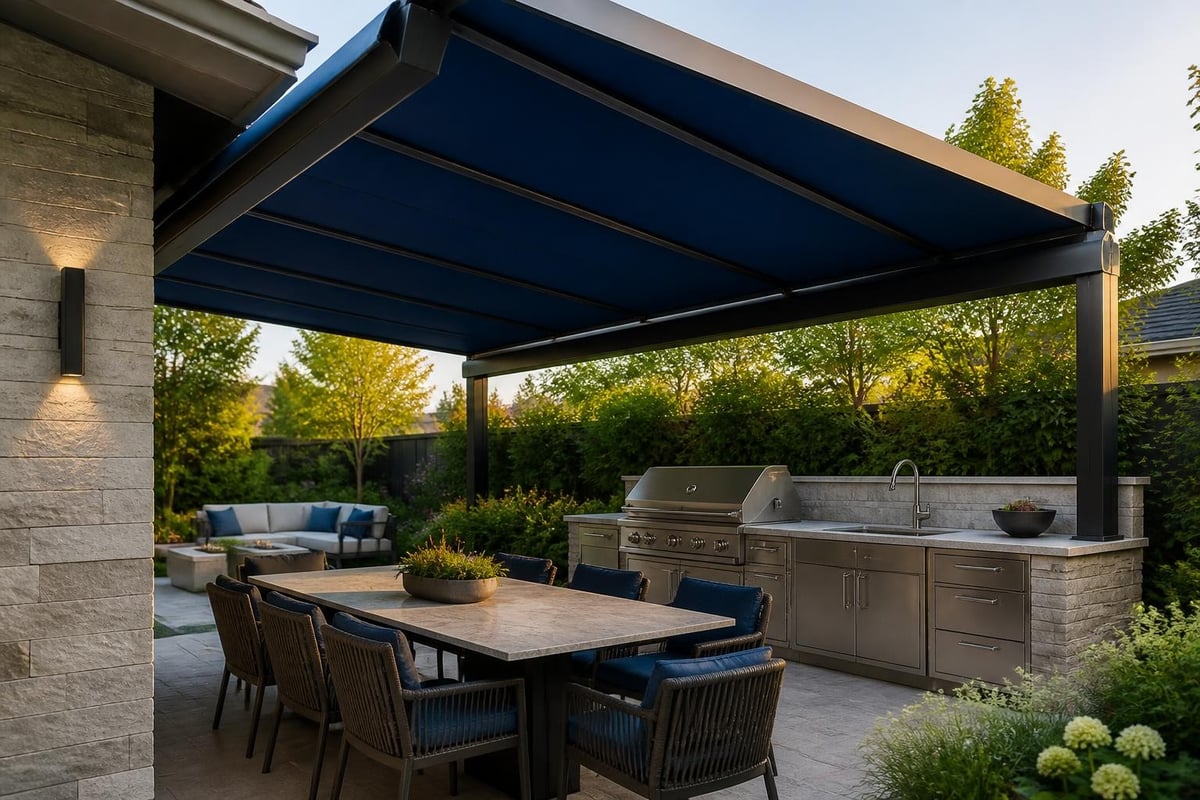
Effective gazebo placement requires careful analysis of how you use your outdoor space throughout the day and across seasons. Consider sun paths, prevailing wind directions, views to preserve or screen, and the relationship between cooking, dining, and lounge areas. A retractable gazebo positioned over an outdoor kitchen provides essential protection for appliances and cooking activities whilst maintaining flexibility for open-air grilling when conditions permit.
When planning coverage areas:
For homeowners investing in year-round outdoor cooking capabilities, the retractable gazebo becomes a critical enabler, extending the usable season and protecting both people and equipment from unpredictable British weather.
The most successful retractable gazebo installations respect the architectural language of the existing property whilst introducing contemporary functionality. In the Cotswolds, where honey-coloured stone and traditional proportions dominate, this might mean selecting frames in heritage colours, incorporating timber-effect finishes, or choosing classical support post designs that echo existing garden structures.
Modern luxury outdoor spaces increasingly blur the distinction between interior and exterior rooms. Your retractable gazebo should reinforce this continuity through material choices, colour coordination, and proportional relationships. When positioned adjacent to contemporary outdoor kitchens featuring sleek surfaces and integrated appliances, consider minimalist frame profiles, neutral canopy colours, and concealed fixings that emphasise clean lines and uncluttered aesthetics.
Whilst some homeowners contemplate DIY installation of retractable gazebos, professional implementation ensures structural security, operational reliability, and warranty compliance. The installation process involves significant considerations beyond simple assembly, particularly for motorised systems or installations integrated with existing outdoor structures.
Proper installation begins with thorough site preparation. Unlike temporary pop-up structures, a quality retractable gazebo requires substantial foundations to resist wind loading and support mechanism operation over years of use. Foundation specifications vary based on gazebo size, local exposure, and soil conditions, but typically involve concrete footings or ground anchors engineered to prevent movement.
Professional installers assess:
For properties featuring existing outdoor kitchens or paving, installation may require selective excavation and reinstatement to achieve proper foundations whilst maintaining surface aesthetics. The comprehensive outdoor installation services provided by specialists ensure these complexities are addressed systematically.
Motorised retractable gazebos require careful electrical planning to ensure safe, reliable operation. Unless solar-powered, the system needs dedicated electrical supply routed from the property to the gazebo location. This work must comply with current electrical regulations and typically requires certified electrician involvement.
Key electrical considerations include:
Understanding how to approach retractable gazebo installation provides valuable context for project planning, even when engaging professional installers.
The retractable gazebo market spans considerable quality and price ranges, from basic residential models to architectural systems suitable for high-end hospitality applications. For homeowners investing in luxury outdoor living environments, understanding premium features helps identify systems that deliver superior performance, longevity, and aesthetic refinement.
Premium retractable gazebo systems often incorporate engineering refinements absent from standard products. These include reinforced frame sections for increased wind resistance, precision-machined joints that eliminate play and rattling, marine-grade fasteners that resist corrosion, and factory-applied protective finishes rather than aftermarket coatings. Bespoke manufacturing allows customisation of dimensions, colours, and features to match specific site requirements and design preferences.
Luxury features distinguishing premium systems:
These enhancements transform a basic shelter into a sophisticated outdoor room capable of comfortable occupation across extended seasons. For properties where outdoor entertaining represents a significant lifestyle component, premium specifications justify their investment through enhanced usability and guest experience.
When integrating a retractable gazebo with high-specification outdoor cooking facilities, coordination between systems elevates the overall installation. Consider how gazebo coverage affects cooking equipment ventilation, whether integrated lighting supplements task illumination for food preparation, and how the structure frames views of the cooking area from dining and lounge zones.
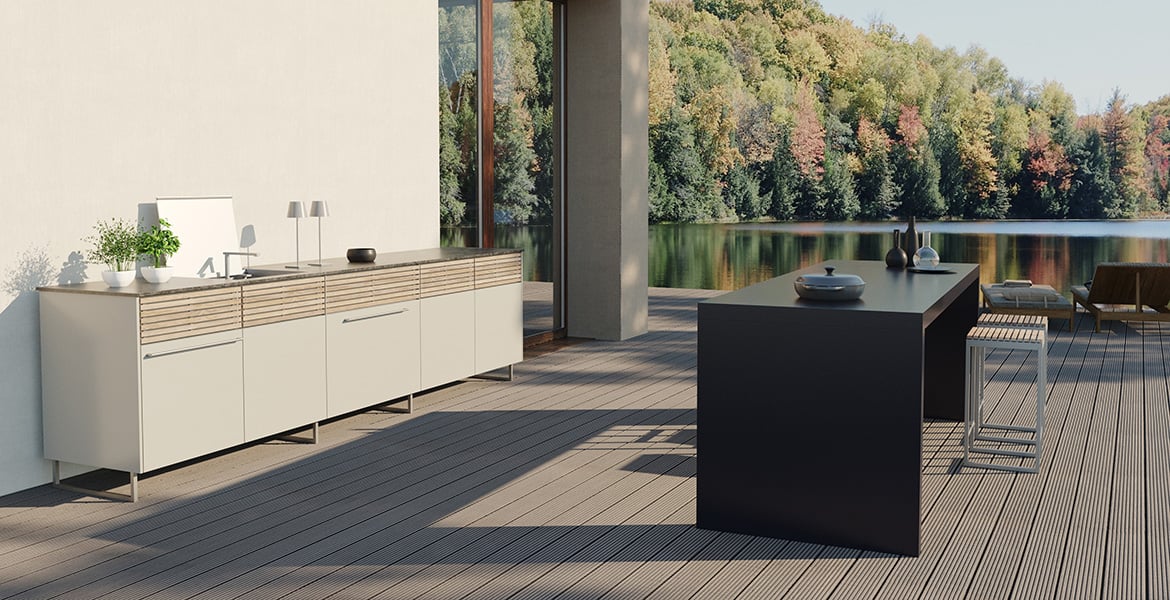
For those specifying modular outdoor kitchen systems such as the Cubic C1 Style Outdoor Kitchen, coordination ensures the retractable gazebo complements the kitchen's minimalist aesthetic whilst providing practical protection for appliances and cooking activities. The clean lines and weather-resistant materials of contemporary outdoor kitchens align perfectly with premium gazebo systems that emphasise structural refinement and operational sophistication.
Preserving your retractable gazebo investment requires establishing appropriate maintenance routines that address both structural elements and operational components. Unlike permanent structures that remain static, retractable systems incorporate moving parts, flexible materials, and electrical components that benefit from regular attention.
Canopy fabrics accumulate environmental deposits over time, including pollen, dust, leaf tannins, and airborne pollutants. Regular cleaning prevents these materials from embedding in fibres and causing permanent staining. Most premium fabrics tolerate gentle brushing and washing with mild soap solutions, though specific manufacturer recommendations should guide your approach.
Monthly maintenance tasks:
Quarterly maintenance tasks:
Understanding materials used in retractable systems helps identify appropriate cleaning products and maintenance approaches for different components.
British winters present particular challenges for retractable gazebos, especially in regions experiencing significant snowfall or prolonged freezing conditions. Many manufacturers recommend retracting canopies during winter months to prevent snow loading damage and reduce exposure to harsh weather. For year-round installations, ensuring proper tension and promptly clearing accumulated snow becomes essential.
Winter care strategies include:
For homeowners maintaining year-round outdoor cooking spaces, balancing weather protection with equipment preservation becomes particularly important during winter months.
Approaching a retractable gazebo purchase requires similar rigour to other significant home improvements. The decision encompasses aesthetic preferences, functional requirements, budget parameters, and long-term maintenance considerations. A systematic planning process ensures your final selection delivers lasting satisfaction and integrates seamlessly with existing outdoor features.
Begin by defining how the retractable gazebo will serve your lifestyle. Document specific uses, such as protecting outdoor dining areas during summer entertaining, shielding cooking zones from afternoon sun, or creating sheltered lounging spaces for evening relaxation. Understanding primary functions helps prioritise features during the selection process.
| Priority Factor | Questions to Consider | Impact on Selection |
|---|---|---|
| Coverage Area | What zones require protection? How many guests typically? | Determines size and configuration |
| Usage Frequency | Daily use or occasional entertaining? Year-round or seasonal? | Influences durability specifications |
| Automation Level | Preference for manual or motorised operation? Need for sensors? | Affects budget and complexity |
| Aesthetic Integration | Traditional or contemporary property? Existing outdoor features? | Guides frame finish and canopy colour |
| Budget Flexibility | Premium features worth investment? Future upgrade possibility? | Defines product tier and supplier options |
Detailed exploration of gazebo architecture and design principles provides valuable context for understanding how different approaches serve varying requirements.
The quality of supplier support significantly influences installation success and long-term satisfaction. Specialist retailers offering consultative design services, as opposed to transactional product sales, help navigate the complexity of material choices, site-specific challenges, and system integration. For properties in the Cotswolds and across Oxfordshire, working with local specialists familiar with regional architectural traditions and planning considerations provides distinct advantages.
Professional consultation should encompass:
Engaging with experienced outdoor living specialists ensures your retractable gazebo project receives the detailed attention necessary for exceptional outcomes.
Retractable gazebo costs vary enormously based on size, materials, automation level, and installation complexity. Basic residential systems begin around £2,000-£3,000 for small manual units, whilst luxury motorised installations with premium materials and integrated features can exceed £15,000-£25,000 for comprehensive coverage of outdoor kitchen and dining zones.
When evaluating costs, consider the complete investment rather than initial purchase price alone:
Premium retractable gazebo systems represent significant investments that deliver value through extended outdoor season usability, protection of expensive cooking equipment, and creation of versatile entertaining environments that enhance property desirability.
When reviewing retractable gazebo options, certain technical specifications provide meaningful insight into performance capabilities and suitability for your requirements. Understanding these parameters helps evaluate supplier claims and compare different systems objectively.
Wind resistance represents perhaps the most critical specification for British installations. Quality systems specify maximum wind speeds they can withstand when extended, typically ranging from Beaufort Force 4 (moderate breeze, 20-28 km/h) for basic models to Force 6 (strong breeze, 39-49 km/h) for reinforced luxury systems. Automated systems with wind sensors typically retract before reaching their maximum rating to ensure safety margins.
Beyond simple wind speed ratings, consider:
These specifications become particularly relevant for exposed sites, coastal properties, or installations in regions experiencing significant weather extremes.
For motorised systems, operational specifications define usability and reliability. Extension and retraction speed affects how quickly the system responds to changing conditions, whilst duty cycle ratings indicate how frequently the mechanism can operate without overheating or premature wear. Quality motors typically complete full extension in 60-90 seconds and support dozens of daily cycles without degradation.
Additional operational considerations include:
Understanding these specifications helps predict how the system will perform in daily use and whether it meets your expectations for convenience and reliability.
Whilst a retractable gazebo offers considerable versatility as a standalone structure, many homeowners achieve optimal outdoor living environments by integrating multiple shade and shelter solutions. Combining fixed and retractable elements creates zones with different characteristics suited to varied activities and weather scenarios.
Fixed pergolas topped with retractable canopy systems represent an increasingly popular hybrid approach. The permanent structure provides architectural presence, supports climbing plants, and houses integrated services such as lighting and heating, whilst the retractable canopy delivers adjustable weather protection. This combination offers particular value for outdoor kitchen coverage, where the fixed frame can support utility connections whilst the canopy adjusts based on cooking activities and weather conditions.
When exploring pergola options for outdoor spaces, consider how retractable elements might enhance functionality. Premium systems such as those featuring bioclimatic louvres or automated fabric roofs deliver exceptional control over light, ventilation, and weather protection. The architectural quality of luxury pergola systems demonstrates how sophisticated engineering creates outdoor spaces rivalling interior room comfort.
Larger gardens and extensive outdoor living areas often benefit from multiple shade structures rather than attempting comprehensive coverage with a single oversized installation. Deploying separate retractable gazebos over distinct activity zones (cooking area, dining space, lounge zone) allows independent control and creates visual interest through varied heights and orientations.
Strategic multi-zone approaches include:
This modular approach provides flexibility to expand coverage incrementally as budgets allow and usage patterns evolve.
Selecting the right retractable gazebo transforms your outdoor space from weather-dependent to year-round functional, extending entertaining seasons and protecting valuable outdoor cooking investments. Whether you're planning a comprehensive outdoor living environment or enhancing an existing garden with flexible weather protection, professional guidance ensures your installation delivers lasting performance and aesthetic refinement. Cotswold Cooking Company combines deep expertise in luxury outdoor living with access to premium brands and comprehensive design services, helping discerning homeowners across the UK create exceptional exterior spaces that perform beautifully through every season.

Leave a comment