


A side burner for grill represents one of the most practical yet overlooked elements in luxury outdoor kitchen design. This versatile cooking station transforms your outdoor entertaining space from a simple grilling setup into a fully functional culinary environment, enabling you to prepare complete multi-course meals without stepping back inside. For discerning homeowners across the UK who value both aesthetic refinement and cooking performance, understanding how to select, position, and integrate a side burner for grill becomes essential to creating that seamless indoor-outdoor cooking experience that defines modern luxury living.
The inclusion of a dedicated side burner for grill elevates your outdoor cooking capabilities beyond traditional grilling. Rather than constantly moving between garden and kitchen, you gain the freedom to prepare sauces, sauté vegetables, simmer stocks, or warm side dishes whilst monitoring your main protein on the grill itself.
This parallel cooking approach mirrors professional kitchen workflows, where multiple heat sources allow chefs to orchestrate complex meals efficiently. In a residential setting, particularly when entertaining guests, this capability means you remain present with your company rather than disappearing indoors between courses.
Key advantages include:
The practical benefits extend to everyday use as well. A side burner for grill proves invaluable for morning coffee preparation, lunchtime soup warming, or evening sauce reductions, making your outdoor kitchen genuinely functional throughout the seasons rather than just a summer amenity.
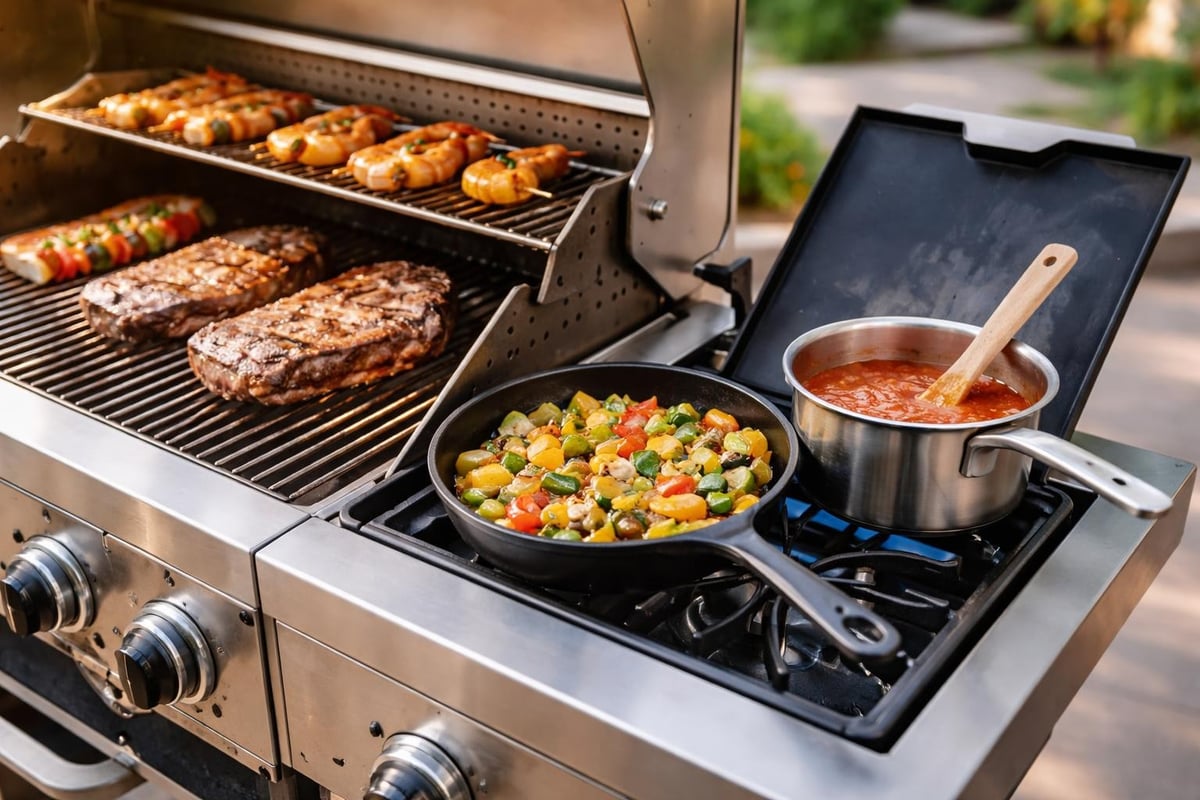
When evaluating a side burner for grill, understanding the technical specifications ensures you select equipment that matches your cooking ambitions and entertaining requirements. British outdoor cooking enthusiasts increasingly demand restaurant-quality performance from their garden kitchens, making informed specification crucial.
British Thermal Units (BTUs) measure the heat output capacity of your side burner. Most quality units range from 12,000 to 18,000 BTUs per burner, with premium models reaching 20,000 BTUs or higher. However, BTU ratings alone don't tell the complete story.
Efficient heat distribution matters equally. A well-designed 15,000 BTU burner with proper flame distribution often outperforms a poorly engineered 20,000 BTU alternative. Look for burners featuring sealed construction, which directs heat upward toward the cooking surface rather than escaping around the burner edges.
Premium side burners typically feature brass or stainless steel burner components. Brass burners offer excellent corrosion resistance and even heat distribution, whilst marine-grade stainless steel provides superior durability in the UK's variable climate conditions.
| Material | Durability | Heat Distribution | Maintenance | Climate Suitability |
|---|---|---|---|---|
| Brass | Excellent | Superior | Low | All UK regions |
| Stainless Steel 304 | Very Good | Good | Very Low | Coastal & inland |
| Stainless Steel 316 | Outstanding | Good | Very Low | Marine environments |
| Cast Iron | Good | Excellent | Moderate | Covered installations |
The purpose of side burners extends beyond basic heating, making quality construction essential for long-term performance and reliability.
Luxury outdoor kitchen design often presents the choice between integrated side burner for grill systems and standalone auxiliary stations. Each approach offers distinct advantages depending on your space, workflow preferences, and overall kitchen architecture.
Integrated configurations position the side burner directly adjacent to or within the main grill unit, creating a compact cooking zone. This arrangement suits smaller terraces or balconies where space efficiency becomes paramount. The unified design typically presents cleaner aesthetic lines and simplified installation requirements.
Modern luxury grill manufacturers increasingly incorporate side burners as standard features on premium models, recognising that complete cooking capability defines contemporary outdoor kitchen expectations. When exploring outdoor barbecue grill designs, you'll notice how integrated burners contribute to streamlined visual appeal whilst maintaining functional separation between grilling and stovetop zones.
Alternatively, standalone built-in side burners integrate into separate counter sections within your outdoor kitchen layout. This configuration offers greater flexibility in workflow design, allowing you to create distinct preparation zones that multiple cooks can access simultaneously without crowding around a single unit.
Benefits of dedicated installations include:
The decision between integrated and standalone configurations should align with your entertaining style, available space, and overall outdoor kitchen design philosophy.
British homeowners typically choose between natural gas and LPG (liquid petroleum gas) when specifying a side burner for grill installations. Each fuel type presents distinct advantages and installation considerations that influence both performance and long-term operating costs.
Natural gas offers convenience and unlimited fuel supply through mains connection, eliminating concerns about running out of gas mid-cooking session. Once installed with proper gas-safe certification, natural gas systems require minimal ongoing maintenance and deliver consistent performance across seasons.
The primary consideration involves connection feasibility. Extending mains gas supply to garden locations requires certified professional installation, potentially involving excavation and permanent piping infrastructure. However, for properties already featuring garden gas supply or those undertaking comprehensive outdoor kitchen projects, natural gas frequently proves the optimal long-term solution.
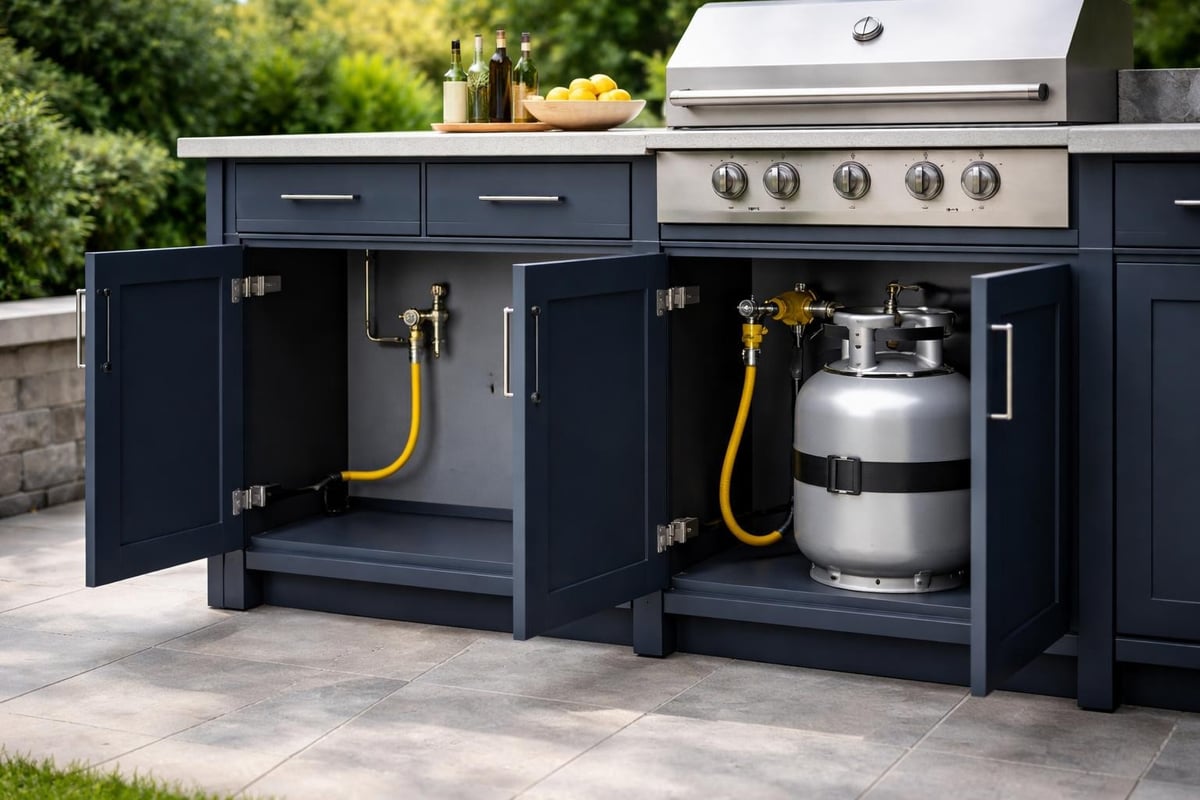
LPG systems offer greater installation flexibility, particularly for properties without accessible mains gas or temporary outdoor kitchen setups. Modern regulators and connection systems enable safe, reliable operation with standard bottled gas supplies readily available throughout the UK.
Premium outdoor kitchen installations typically incorporate concealed bottle storage within cabinetry, maintaining aesthetic refinement whilst ensuring convenient fuel access. Some luxury specifications include dual bottle configurations with automatic changeover valves, guaranteeing uninterrupted cooking even when primary bottles deplete.
Whether adding a side burner to an existing grill or specifying a complete new outdoor kitchen, fuel selection significantly influences both installation complexity and operational convenience.
Specifying a side burner for grill within a luxury outdoor kitchen demands attention to workflow ergonomics, aesthetic cohesion, and weather protection. The most successful installations balance functional performance with visual refinement, creating spaces that feel as considered as interior kitchens whilst embracing their outdoor context.
Professional kitchen design employs the work triangle concept, positioning primary cooking, preparation, and storage zones within efficient reach. This principle translates directly to outdoor kitchens, where your side burner positioning relative to the main grill, prep surfaces, and refrigeration significantly impacts cooking efficiency.
Ideally, position your side burner for grill within easy reach of both the main grilling surface and your primary preparation counter. This arrangement allows seamless movement between tasks without awkward stretching or constant repositioning. Consider right-hand or left-hand dominance when determining exact placement-most cooks work more efficiently when frequently-used elements align with their dominant side.
Standard outdoor kitchen counter heights typically range from 850mm to 950mm, matching interior kitchen specifications. However, luxury installations increasingly incorporate varied counter heights to accommodate different cooking tasks and user preferences.
Your side burner installation should align with comfortable standing working height, enabling extended cooking sessions without back strain or awkward posture. For outdoor kitchens accommodating multiple users of varying heights, consider adjustable or dual-height counter configurations.
The UK's variable climate makes weather protection essential for year-round outdoor kitchen usability. When planning your side burner for grill installation, consider overhead coverage through pergolas, louvered roof systems, or fixed canopies. These structures protect both the cook and equipment from rain whilst maintaining adequate ventilation for combustion appliances.
Modern louvered pergola systems offer particular advantages, enabling you to adjust roof blade angles based on weather conditions. On pleasant days, fully open blades maximise natural light and airflow; during rain, closed positions provide complete protection whilst maintaining the outdoor ambience that makes garden cooking so appealing. Our guide to creating year-round outdoor cooking lifestyles explores weather protection strategies in greater detail.
The UK's maritime climate, characterised by moderate temperatures, high humidity, and frequent precipitation, demands thoughtful material specification for outdoor cooking equipment. A side burner for grill must withstand these conditions whilst maintaining both performance and visual appeal across years of use.
Marine-grade stainless steel (304 or preferably 316) represents the gold standard for outdoor kitchen applications. These alloys contain higher chromium and nickel content, creating a passive oxide layer that resists corrosion even in challenging coastal or high-humidity environments.
Stainless steel grade comparison:
| Grade | Chromium Content | Nickel Content | Corrosion Resistance | Recommended Applications |
|---|---|---|---|---|
| 304 | 18% | 8% | Good | Inland UK locations |
| 316 | 16-18% | 10-14% | Excellent | Coastal & all UK regions |
| 430 | 16-18% | 0% | Fair | Budget applications only |
Premium manufacturers increasingly specify 316-grade stainless throughout their side burner constructions, including burner housings, control panels, and structural components. This specification ensures decades of reliable performance regardless of exposure conditions.
Quality side burner for grill units incorporate purpose-designed protective lids that seal against weather intrusion when not in use. Look for lids featuring integrated heat shields that allow safe closure even when burner surfaces remain warm, protecting both the equipment and preventing accidental contact.
Some luxury specifications include spring-assisted or soft-close lid mechanisms, adding refined operational feel whilst preventing abrupt closures that might damage internal components. These details distinguish premium outdoor kitchens from basic installations, contributing to the overall sense of quality and thoughtful design.
Proper installation of a side burner for grill involves multiple technical considerations, from gas supply certification to structural support and ventilation compliance. Whilst competent DIY enthusiasts might tackle some aspects, luxury outdoor kitchen projects typically benefit from professional design and installation services that ensure both safety compliance and optimal performance.
Any gas appliance installation in the UK requires completion by Gas-Safe registered engineers. This certification ensures compliance with current gas safety regulations, proper connection specifications, and adequate ventilation for combustion appliances.
Professional installers assess your specific site conditions, determining appropriate gas supply sizing, pressure regulation requirements, and emergency shut-off valve positioning. They also ensure installations meet building regulation requirements, which may involve local authority notification depending on project scope and structural modifications.
Built-in side burners require robust structural support within countertop installations. The combined weight of the burner unit, supporting cabinetry, and cooking equipment demands properly engineered foundations and framework.
Premium outdoor kitchen cabinetry typically employs marine-grade stainless steel or powder-coated aluminium framework, providing weather-resistant structural support whilst accommodating the thermal expansion that occurs around cooking appliances. Proper ventilation gaps within cabinetry prevent heat accumulation, extending equipment lifespan and ensuring safe operation.
Modern side burner for grill units increasingly feature electronic ignition systems, eliminating the need for matches or separate lighters. These systems require appropriate electrical supply, typically 12V DC through battery packs or mains-powered transformers.
When specifying electrical integration, ensure all connections meet outdoor installation standards with appropriate IP ratings for moisture protection. Concealed wiring within cabinetry maintains aesthetic refinement whilst protecting electrical components from weather exposure.
Once installed, a side burner for grill opens diverse cooking possibilities that extend far beyond basic stovetop tasks. Understanding these capabilities helps you maximise your investment whilst expanding your outdoor cooking repertoire.
Complex sauces requiring precise temperature control benefit enormously from dedicated side burner preparation. Whether reducing wine-based pan sauces, simmering tomato-based accompaniments, or preparing delicate beurre blanc, having stovetop capability adjacent to your grill enables restaurant-quality finishing techniques.
Professional tips for using grill side burners demonstrate how chefs leverage these auxiliary cooking zones to build layered flavours whilst managing multiple components simultaneously. This parallel processing approach transforms outdoor cooking from simple grilling into comprehensive culinary expression.
British outdoor cooking traditions increasingly embrace breakfast and brunch entertaining, where side burners prove invaluable for preparing eggs, bacon, pancakes, and other stovetop-dependent dishes. The ability to brew fresh coffee, warm pastries, or prepare full English breakfast components outdoors creates memorable morning entertaining experiences.
Beyond traditional meals, side burners enable diverse cooking projects from preserving and canning to outdoor confectionery preparation. This versatility justifies the investment for homeowners seeking genuine multi-season outdoor kitchen functionality rather than summer-only grilling capacity.
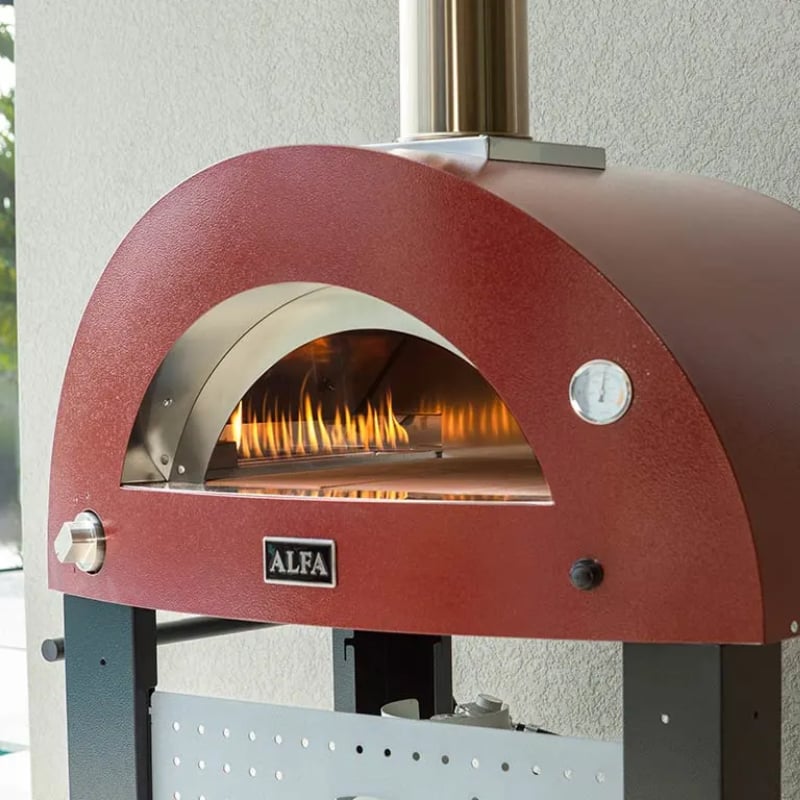
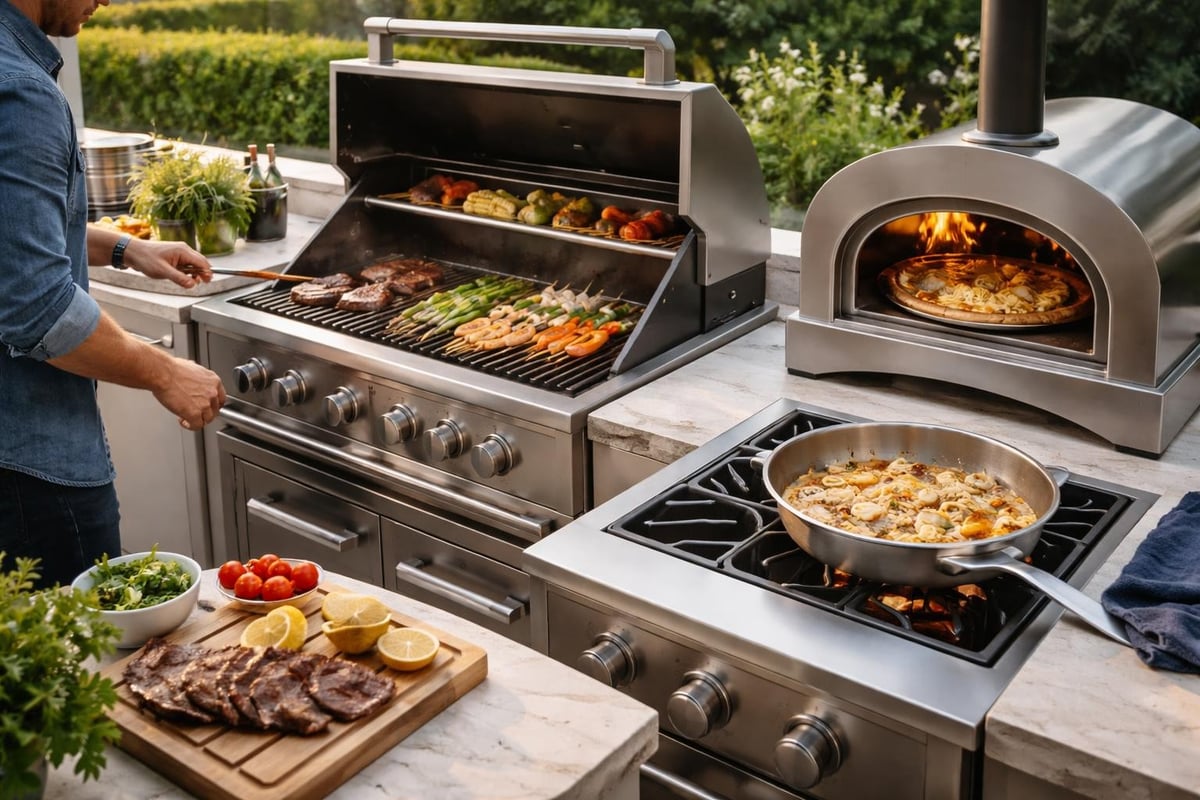
Many luxury outdoor kitchens combine grills, side burners, and dedicated pizza ovens, creating comprehensive cooking capability within a single outdoor zone. When preparing Italian-inspired meals, your side burner provides the perfect station for pasta preparation, sauce simmering, or vegetable sautéing whilst your pizza oven handles the starring role.
For example, whilst preparing authentic Neapolitan pizza in a wood-fired oven, your side burner simultaneously handles the finishing of antipasti, preparation of accompanying sides, or the gentle warming of dessert components. This integrated approach to outdoor kitchen dining exemplifies the sophisticated entertaining capability that defines luxury outdoor living.
The Alfa Forni Moderno Hybrid Pizza Oven pairs beautifully with comprehensive outdoor kitchen specifications that include quality side burners, enabling you to orchestrate complete Italian feasts without compromising on authenticity or flavour. Its hybrid wood and gas capability complements the versatility that side burner cooking provides.
Preserving the performance and appearance of your side burner for grill requires consistent maintenance routines and appropriate seasonal care. Premium equipment justifies this attention through decades of reliable service when properly maintained, whilst neglected installations deteriorate rapidly even with superior initial specifications.
After each cooking session, allow burner surfaces to cool before wiping with appropriate cleaning solutions. Stainless steel surfaces benefit from pH-neutral cleaners specifically formulated for outdoor kitchen applications, avoiding harsh chemicals that might compromise protective oxide layers.
Essential daily maintenance tasks:
Every three months, conduct comprehensive cleaning that addresses areas beyond daily attention. Remove burner grates and inspect flame ports for blockages, using appropriate cleaning tools to clear any accumulated debris. Check ignition systems for proper spark generation and clean electrode contacts.
Stainless steel surfaces benefit from periodic application of purpose-formulated stainless steel polish, which enhances corrosion resistance whilst restoring visual brilliance. However, avoid over-polishing, which can remove protective finishes on some premium equipment.
Whilst quality side burner for grill installations tolerate year-round exposure in the UK climate, winter preparation extends equipment lifespan and maintains optimal performance. For households reducing outdoor cooking during colder months, consider these protective measures:
Premium outdoor kitchen cabinetry with integrated side burners benefits from complete weather-resistant construction, eliminating the need for extensive winterisation whilst enabling spontaneous cold-weather cooking when the mood strikes.
Discerning homeowners evaluating side burner for grill options encounter numerous manufacturers and specification levels. Understanding how premium offerings differ from standard equipment helps justify investment in quality whilst aligning expectations with performance capabilities.
| Feature | Standard Specification | Premium Specification | Luxury Specification |
|---|---|---|---|
| Burner Material | Stainless steel 430 | Stainless steel 304 | Stainless steel 316 or brass |
| BTU Output | 10,000-12,000 | 15,000-18,000 | 18,000-25,000 |
| Ignition System | Manual/piezo | Push-button electronic | Illuminated electronic with safety features |
| Lid Construction | Single-wall stamped | Double-wall insulated | Triple-layer with heat shields |
| Control Valves | Standard brass | Precision brass with flame adjustment | Commercial-grade with simmer settings |
| Warranty Coverage | 1-2 years limited | 3-5 years comprehensive | 10+ years comprehensive |
These specifications directly influence both cooking performance and long-term satisfaction. Premium and luxury specifications particularly suit homeowners pursuing outdoor cooking station ideas that emphasise restaurant-quality results and enduring quality.
Contemporary luxury outdoor kitchen design increasingly favours modular construction systems that enable customised configurations whilst maintaining cohesive aesthetic presentation. Understanding how side burner for grill components integrate within these systems helps you plan spaces that balance functional requirements with visual harmony.
Modular outdoor kitchen systems allow you to specify individual components-grills, side burners, refrigeration, storage, and preparation surfaces-that share consistent design language, material specifications, and dimensional standards. This approach provides flexibility to create layouts precisely suited to your space whilst ensuring professional-grade integration.
Quality modular systems incorporate standardised cutout dimensions, enabling you to swap or upgrade individual components without reconstructing entire countertop sections. This future-proofing proves valuable as cooking preferences evolve or new technology emerges.
Successful outdoor kitchen design maintains material and finish consistency across all elements. Your side burner should complement main grill finishes, cabinetry hardware, and architectural details. Premium manufacturers offer coordinated product families where side burners, grills, storage drawers, and access doors share identical stainless steel grades, handle designs, and surface treatments.
This coordination extends to less visible elements as well. Matching countertop cutout radiuses, consistent gap spacing between components, and aligned control panel orientations contribute to the refined appearance that distinguishes luxury installations from assembled collections of disparate equipment.
Purpose-designed cabinetry beneath your side burner for grill provides both structural support and valuable storage capacity. Premium outdoor kitchen cabinetry incorporates features such as adjustable shelving, integrated bottle storage, and specialised drawer inserts for cooking utensils and accessories.
Modern outdoor kitchen gas installations increasingly conceal all fuel supply infrastructure within cabinetry, maintaining clean visual lines whilst ensuring convenient access for maintenance and bottle changes. This concealment requires thoughtful planning during initial design phases but dramatically enhances the finished installation's refined appearance.
Even premium side burner for grill installations occasionally encounter operational challenges. Understanding common issues and their solutions enables you to maintain optimal performance whilst avoiding frustration during important entertaining occasions.
Inconsistent flame patterns typically indicate blocked burner ports or improper gas pressure regulation. Regular cleaning prevents most port blockages, whilst professional gas supply inspection ensures appropriate pressure delivery. Some installations require pressure regulators adjusted for specific elevation or supply distance from mains connection.
Electronic ignition systems depend on clean electrode gaps and proper grounding. Moisture accumulation, grease buildup, or corrosion around ignition components causes most failures. Keeping these areas clean and dry prevents majority of ignition issues, though battery replacement or electrode adjustment occasionally proves necessary.
Difficulty achieving or maintaining specific temperatures often relates to wind exposure or inadequate BTU capacity for the cooking task. Installing windbreaks or relocating side burners to more sheltered positions resolves many temperature control challenges, whilst ensuring appropriate burner specification for intended cooking styles prevents capacity limitations.
Professional outdoor kitchen designers account for these variables during initial planning, positioning side burner for grill installations in locations that balance workflow convenience with environmental protection. This foresight prevents common frustrations whilst ensuring your investment delivers consistent performance across varied cooking scenarios and weather conditions.
Luxury outdoor kitchens represent significant investments in both financial terms and property enhancement. Ensuring your side burner for grill specification accommodates evolving needs and preferences maximises long-term satisfaction whilst protecting investment value.
Consider whether your current outdoor kitchen layout allows future expansion or component upgrades. Modular designs with additional counter space enable subsequent integration of second side burners, dedicated wok burners, or specialised cooking appliances as your outdoor cooking ambitions develop.
Planning utility infrastructure-gas lines, electrical supplies, drainage-with capacity beyond immediate requirements facilitates future additions without extensive reconstruction. This approach proves particularly valuable for properties undergoing phased outdoor development or homeowners uncertain about ultimate outdoor cooking requirements.
Emerging outdoor kitchen technology increasingly incorporates smart controls, temperature monitoring, and connectivity features. Whilst not essential for basic cooking functionality, these capabilities enhance convenience and enable precise cooking control particularly valuable for ambitious culinary projects.
When specifying a side burner for grill within new outdoor kitchen projects, consider infrastructure that accommodates future technology integration even if immediate installation doesn't include these features. Providing conduit for future wiring or ensuring WiFi coverage in outdoor cooking zones costs little during initial construction but significantly reduces future upgrade complexity.
Luxury outdoor kitchens benefit from design approaches that emphasise timeless elegance over fashionable trends. Classic material specifications-quality stainless steel, natural stone countertops, refined hardware-maintain appeal across decades, whilst trend-driven colour schemes or novelty features date quickly.
This philosophy particularly applies to visible components like side burner control panels and protective lids. Understated, professional-grade styling integrates seamlessly within diverse architectural contexts and accommodates evolving garden design directions without requiring replacement or modification.
A thoughtfully specified side burner for grill transforms outdoor entertaining from occasional summer grilling into year-round culinary expression, enabling you to orchestrate restaurant-quality meals entirely within your garden environment. By understanding the technical specifications, design considerations, and integration opportunities detailed throughout this guide, you're equipped to make informed decisions that align with both immediate cooking requirements and long-term outdoor living aspirations. The Cotswold Cooking Company brings decades of expertise in luxury outdoor kitchen design and specification, helping discerning homeowners throughout the UK create refined outdoor culinary spaces that blend Cotswold heritage with contemporary performance. Explore how our consultative approach can transform your outdoor cooking vision into reality at Cotswold Cooking Company.

Leave a comment