


Outdoor living is set to reach new heights in 2025, with outdoor kitchens becoming a must-have for UK homes and hospitality venues. The demand for efficient, stylish, and convenient outdoor cooking solutions has fuelled a surge in gas-powered designs.
If you are considering an upgrade, outdoor kitchen gas stands out for its exceptional performance, versatility, and reliability in any season. Whether you are a homeowner or manage a hospitality venue, these solutions are ideal for year-round entertaining.
This essential guide covers everything you need to know, from gas types and installation to safety, design, maintenance, and the latest trends for 2025. Get ready to make informed decisions and transform your outdoor space.
Outdoor kitchen gas is transforming how UK homeowners and venues approach alfresco cooking. As outdoor living becomes a cornerstone of modern home design, understanding your gas options is essential to building a functional, stylish, and future-proof space. Whether for family gatherings or large-scale entertaining, choosing the right outdoor kitchen gas system sets the foundation for performance and convenience.
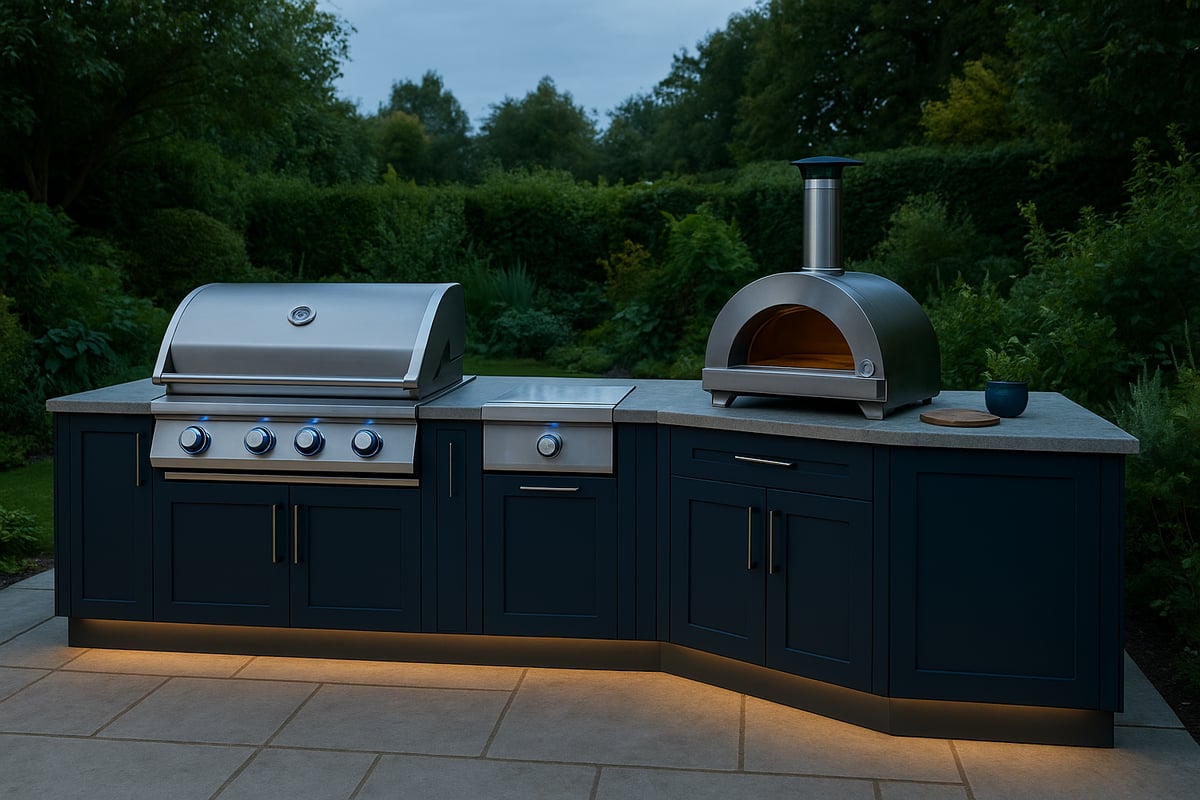
When selecting outdoor kitchen gas, the two leading options are natural gas (mains supplied) and LPG (bottled propane or butane). Each offers unique advantages suited to different locations and needs.
| Gas Type | Supply Method | Key Benefits | Best For |
|---|---|---|---|
| Natural Gas | Connected to mains | Consistent supply, no refills | Urban and suburban |
| LPG (Propane/Butane) | Bottled cylinders | Flexible placement, portable | Rural or off-grid |
Natural gas is ideal for properties with existing connections, offering a continuous supply for your outdoor kitchen gas setup. LPG, on the other hand, provides flexibility for sites without mains access, making it perfect for countryside homes or mobile installations.
Outdoor kitchen gas delivers instant heat and precise temperature control, giving cooks the flexibility to sear, grill, or slow-roast with ease. Unlike charcoal or wood, gas is clean burning and produces minimal smoke, ensuring comfort for guests and cooks alike.
Gas appliances ignite quickly, so there is no waiting around for coals to heat up. This reliability means outdoor kitchen gas is well suited to the UK climate, allowing you to cook outdoors all year, even when the weather is unpredictable.
Additional benefits include:
One of the standout advantages of outdoor kitchen gas is its efficiency. Natural gas is generally cheaper per unit than LPG, but both are more cost-effective over time compared to charcoal or wood. With gas, there is less waste and more control, reducing overall running costs.
LPG requires periodic cylinder replacement or refilling, but offers portability and independence from the grid. Natural gas, while requiring initial installation, provides a set-and-forget solution for high-use outdoor kitchens.
A well-designed outdoor kitchen gas system can deliver significant savings over the years, especially for frequent entertainers or hospitality venues.
Modern outdoor kitchen gas systems are designed for lower emissions and cleaner combustion. Both natural gas and LPG produce fewer particulates and greenhouse gases than wood or charcoal, aligning with future UK regulations on outdoor fuel use.
As sustainability becomes a priority, outdoor kitchen gas offers an environmentally responsible choice without sacrificing cooking performance.
Outdoor kitchen gas powers a wide range of appliances, from BBQs and grills to pizza ovens and side burners. Gas-fired appliances are favoured for their reliability and versatility, supporting everything from quick weeknight meals to large gatherings.
For inspiration and to explore the latest models, see the Gas-Fired Outdoor Kitchen Appliances collection, which features premium choices tailored to UK outdoor kitchens.
Popular gas-compatible appliances include:
Recent trends show a surge in demand for outdoor kitchen gas. According to a 2024 survey, 60% of new outdoor kitchens in the UK now specify gas as the primary fuel source. Luxury homes and hospitality venues favour gas for its ease of use, low maintenance, and ability to deliver professional-level results.
From London terraces to rural estates, outdoor kitchen gas is setting the standard for modern, high-use outdoor living spaces.
Designing your dream outdoor kitchen gas setup requires careful planning. From choosing the right space to ensuring safe installation, each stage plays a vital role. This step-by-step guide will walk you through the essentials, helping you make informed decisions for a seamless and efficient outdoor kitchen gas experience.
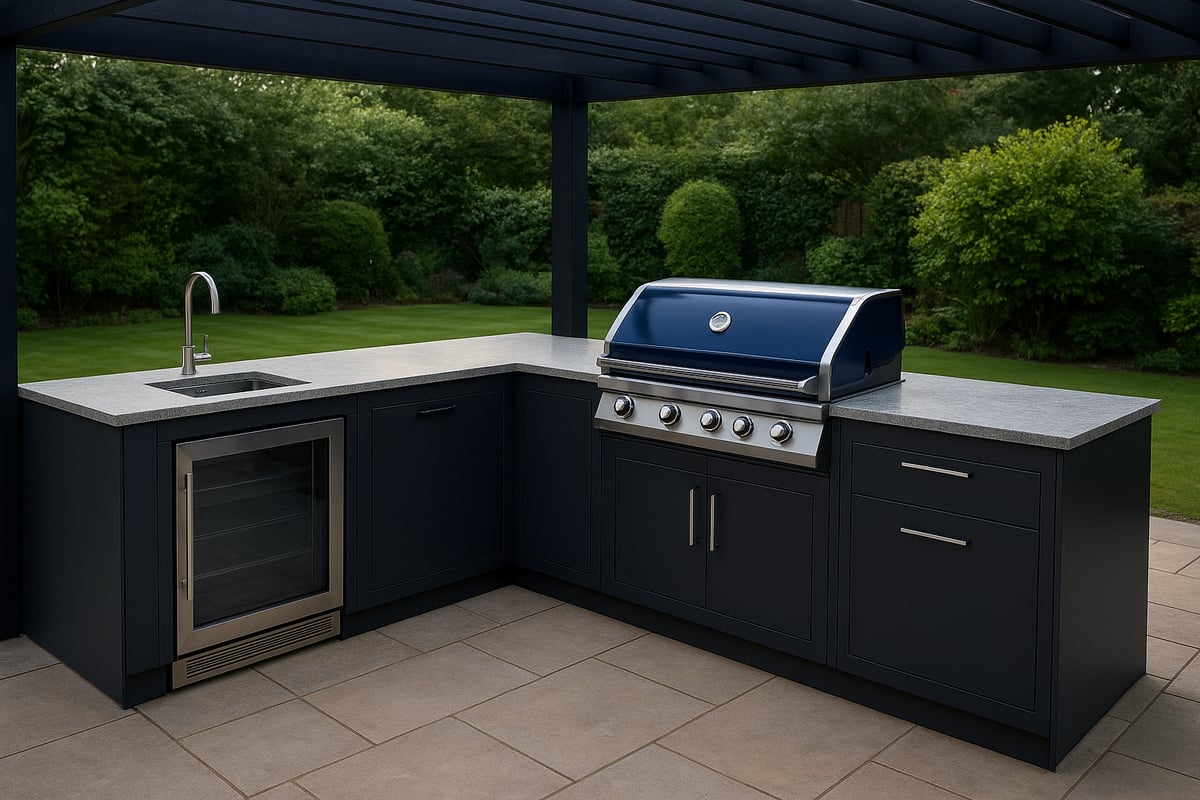
Begin by evaluating your available space. Measure the area where you want to install your outdoor kitchen gas setup, considering both width and depth. Think about how you intend to use the space: Is it mainly for family meals, large gatherings, or professional entertaining?
Layout options matter. An urban terrace might call for a compact, linear design, while a rural garden may allow for a spacious L-shape or island configuration. Proximity to your gas supply is crucial, as it affects installation complexity and ongoing convenience.
Frequency of use and your preferred cooking styles should also influence your decisions. Do you need a simple grill or a full suite of appliances? Assess whether you require refrigeration, sinks, or dedicated prep areas alongside your outdoor kitchen gas appliances.
In the UK, check if you need planning permission or if building regulations apply, especially in conservation areas or listed properties. For example, a city home may need special approval for gas lines, while a countryside setting often offers more flexibility.
Careful planning at this stage ensures your outdoor kitchen gas project meets your lifestyle and local requirements.
Selecting the right gas supply is a pivotal step in your outdoor kitchen gas project. The two main options are mains-supplied natural gas and bottled LPG (propane or butane).
Natural gas connects directly to your home’s supply. It provides a continuous fuel source, is generally more cost-effective over time, and reduces the need for refilling. However, installation can be more complex and may require trenching or routing pipes over longer distances.
LPG cylinders offer flexibility, making them ideal for properties without mains gas or in rural areas. Bottled gas is easy to store and relocate, but you’ll need to monitor levels and arrange timely refills. Running costs can be slightly higher, and you must ensure safe storage.
| Feature | Natural Gas | LPG (Bottled) |
|---|---|---|
| Availability | Mains connection | Portable |
| Running Cost | Lower | Moderate |
| Installation | More involved | Simpler |
| Refilling | Not required | Regularly needed |
For example, a countryside home without gas mains often chooses LPG for its outdoor kitchen gas needs, enjoying the flexibility it brings.
Safe and compliant installation is non-negotiable for every outdoor kitchen gas project. Always engage a Gas Safe registered engineer to handle all connections and certify the work.
The typical installation process includes trenching for underground pipes, securely running the gas line, making appliance connections, and pressure testing the system. Each step must follow UK safety standards and undergo compliance checks.
Common pitfalls include using incorrect pipe materials, inadequate ventilation, or improper pressure settings. These issues can lead to leaks or inefficient operation. To avoid such risks, consider using a reputable service that specialises in outdoor kitchen gas delivery and installation. For a detailed overview of professional installation processes, refer to Outdoor Kitchen Delivery & Installation.
Before signing off, verify all appliances are compatible, and ensure emergency shut-off valves are accessible. Diligent safety protocols give peace of mind and protect your investment.
Choosing the right appliances is at the heart of a functional outdoor kitchen gas setup. Begin with essential elements like a premium gas BBQ, side burners, and possibly a pizza oven. Opt for appliances designed for outdoor use and check that they are compatible with your chosen gas type.
Next, integrate utilities such as refrigeration, sinks, and dedicated lighting. Plan for weatherproof sockets and ensure all electrical elements are safe for outdoor environments. Ventilation is vital, especially in semi-enclosed spaces, to prevent gas build-up and maintain air quality.
Weather protection is another key consideration. Use canopies or pergolas to shield appliances and create a comfortable cooking zone year-round. In luxury installations, multi-appliance setups can include fridges, wine coolers, and even gas fire tables, all coordinated for seamless operation.
Smart planning and integration ensure your outdoor kitchen gas area is both beautiful and practical, ready for entertaining in any season.
Outdoor kitchen gas safety is essential for every homeowner and hospitality venue planning a high-performance outdoor cooking space. Adhering to regulations and following best practices helps prevent accidents and ensures your investment is protected.

Every outdoor kitchen gas installation in the UK must comply with strict regulations. The Gas Safety (Installation and Use) Regulations 1998 set clear standards for safe design, installation, and use of gas appliances outdoors. Only Gas Safe registered engineers are legally permitted to work on gas supplies and appliances, ensuring all work is certified and compliant.
For homeowners and hospitality operators, checking your engineer's credentials on the Gas Safe Register official site is a crucial step. This guarantees your outdoor kitchen gas setup meets all legal and insurance requirements.
Managing fire and explosion risks is a priority with any outdoor kitchen gas system. Key steps include proper placement of appliances away from flammable materials and ensuring adequate clearances around burners and gas cylinders. Good ventilation is essential to disperse any gas leaks and prevent dangerous build-up.
Install your outdoor kitchen gas appliances in open or semi-open spaces, never in fully enclosed areas. Always keep ignition sources away from gas storage. Regularly inspect hoses and connections for signs of wear or damage.
Carbon monoxide is a silent, odourless threat in any outdoor kitchen gas environment. Install carbon monoxide detectors in nearby indoor areas and under covered outdoor spaces. Test alarm functionality at least twice a year.
When using LPG cylinders, always store them upright and outside in a well-ventilated area. Never keep cylinders below ground level or inside enclosed structures. Securely close valves after use and check for leaks using soapy water on connections.
Routine maintenance is vital for outdoor kitchen gas safety. Clean burners, check all gas lines, and inspect for leaks at least every season. Schedule an annual safety inspection with a Gas Safe engineer, even if everything appears normal.
According to recent HSE statistics, most outdoor kitchen gas incidents result from neglected maintenance or DIY installation. Prevention strategies, such as regular servicing and professional checks, significantly reduce risks and prolong the life of your appliances.
Adopting best practices for outdoor kitchen gas safety is straightforward with a simple checklist:
Following these guidelines helps safeguard your property, family, and guests. By making safety a top priority, you can enjoy your outdoor kitchen gas setup with confidence throughout the year.
Luxury outdoor kitchen gas spaces are transforming UK gardens and terraces into sophisticated culinary destinations. The right design blends style, function, and durability, creating an environment where cooking and entertaining are a joy all year round.
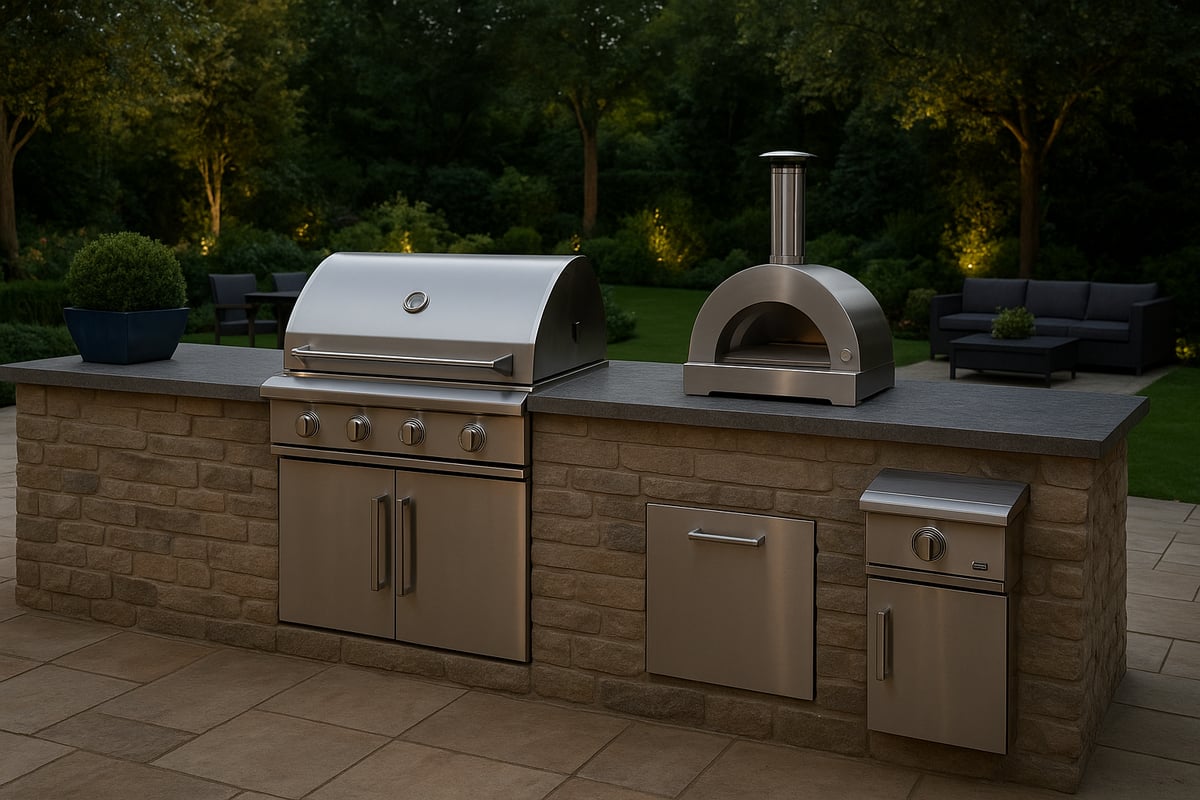
The foundation of any successful outdoor kitchen gas project is a well-considered layout. Popular configurations include L-shape, U-shape, and island setups, each offering unique benefits for flow and accessibility.
Zoning is key to maximising both function and enjoyment. Designate distinct areas for cooking, preparation, dining, and socialising. This ensures that the chef is never isolated and guests can mingle comfortably.
For example, a high-end project in the Cotswolds showcased a seamless transition between indoor and outdoor living spaces, with a dedicated cooking zone, bar area, and lounge all connected by a central island. For more inspiration on planning your layout, see these 10 Tips for Designing Your Outdoor Kitchen.
Choosing the right materials is essential for any outdoor kitchen gas installation, especially given the UK's unpredictable weather. Stainless steel remains a top choice for appliances and cabinetry, offering resistance to rust and easy cleaning.
Stone, porcelain, and composite surfaces provide durability and a refined look. Weatherproof cabinets and splashbacks protect against moisture and temperature shifts, keeping your investment looking new for years.
For year-round use, consider insulation for appliances and surfaces, along with integrated heating options. Coastal installations benefit from marine-grade materials, which withstand salt and humidity without compromise.
Selecting premium appliances is at the heart of a luxury outdoor kitchen gas design. High-spec gas BBQs, grills, pizza ovens, and side burners provide versatility for different cooking styles and occasions.
Look for features such as rotisserie kits, infrared burners, and smart controls for precision and convenience. Modular appliances make it easy to customise your setup, ensuring it matches both your design vision and culinary ambitions.
Matching the finish and design of your appliances to the overall aesthetic unifies the space, making entertaining effortless and stylish.
Lighting is crucial in any outdoor kitchen gas environment, enhancing safety and setting the right mood. Task lighting above worktops and grills ensures visibility, while ambient lighting creates a welcoming atmosphere for evening gatherings.
Accessories add comfort and flair. Built-in gas fire pits, heaters, and smart controls extend usability into cooler months. Entertaining spaces with integrated gas fire tables become the focal point for guests, blending warmth and elegance.
Consider weather-resistant fixtures and dimmable options to adapt the ambience for different occasions and seasons.
The Cotswold Cooking Company stands out for its bespoke outdoor kitchen gas solutions, serving discerning homeowners and hospitality venues across the UK. Their expertise covers every stage, from vision-led consultation to design, installation, and aftercare.
Clients benefit from a curated selection of premium gas appliances and access to leading brands. Each project is tailored to suit the client's lifestyle, entertaining needs, and architectural context.
The Thorpe Manor showroom offers a hands-on experience, where visitors can explore all-season outdoor living products and receive expert advice for their dream outdoor kitchen gas space.
Proper maintenance is the cornerstone of a safe and efficient outdoor kitchen gas setup. Regular checks and timely troubleshooting not only extend appliance lifespan but also ensure your outdoor entertaining space remains safe and ready for use throughout the year.
Routine Maintenance Essentials
Staying on top of routine maintenance is essential for any outdoor kitchen gas system. Begin by cleaning burners and grates after each use to prevent grease build-up. Inspect all gas connections and hoses regularly for signs of wear, cracks, or leaks. Tighten any loose fittings and replace worn components promptly.
A monthly inspection schedule will keep your outdoor kitchen gas appliances performing at their best. Adhering to manufacturer guidelines for each appliance is crucial for warranty and safety.
Winterisation and Seasonal Protection
Preparing your outdoor kitchen gas installation for winter is vital in the UK climate. Start by shutting off the gas supply at the mains or LPG cylinder. Disconnect hoses and store them in a dry location. Use weatherproof covers for all gas appliances to protect against moisture and frost.
These steps help prevent damage and ensure your outdoor kitchen gas system is ready to use when the warmer months return.
Troubleshooting Common Issues
Even with regular care, issues can arise. Common problems include low flame output, ignition failure, or the smell of gas. For low flame, check for blocked burners or low gas supply. Ignition problems often stem from dirty electrodes or dead batteries. If you detect a gas odour, shut off the supply immediately and ventilate the area.
Here is a quick troubleshooting checklist:
| Issue | Likely Cause | Solution |
|---|---|---|
| Low flame | Blocked jets, low gas | Clean jets, refill supply |
| Ignition failure | Dirty electrode | Clean or replace electrode |
| Gas smell | Leak or loose fitting | Shut off gas, call expert |
For further guidance, consult the Outdoor Kitchen Safety FAQs which address common safety and maintenance questions specific to gas outdoor kitchens.
When to Call a Professional
Some situations demand expert attention. Persistent gas odours, visible damage to hoses, or inconsistent appliance performance warrant a visit from a Gas Safe registered engineer. Annual safety checks are recommended for all outdoor kitchen gas installations, ensuring compliance with legal safety standards.
Manufacturer recommendations typically advise:
Extending Appliance Lifespan
Proper care can extend the life of your outdoor kitchen gas appliances well beyond their warranty period. Regular cleaning, prompt repairs, and seasonal protection are key. Always follow the appliance manual for specific maintenance intervals.
A well-maintained outdoor kitchen gas setup will reward you with reliable performance, safety, and peace of mind for many years.
The landscape of outdoor kitchen gas is evolving rapidly in 2025, with smart technology, sustainability, and design integration reshaping the way homeowners and venues approach outdoor living. Innovations in appliances, regulations, and consumer preferences are setting the stage for a new era of convenience and efficiency.
Smart technology is at the forefront of outdoor kitchen gas innovation this year. Modern gas appliances now feature app-based controls, allowing users to adjust temperatures, monitor fuel levels, and receive maintenance alerts directly from their smartphones.
Remote monitoring and automation mean you can preheat your grill or oven before guests arrive, ensuring seamless entertaining. These advancements are not just for convenience, they also improve safety by enabling real-time diagnostics and automatic shut-off functions. For both homeowners and hospitality venues, smart outdoor kitchen gas systems are becoming the new standard for reliable, efficient outdoor cooking.
Sustainability is a key driver in outdoor kitchen gas trends for 2025. Hybrid gas-electric appliances are gaining popularity, offering the flexibility of gas cooking with the efficiency of electric features. Solar integration is another emerging solution, powering lighting, refrigeration, and even some cooking functions.
These innovations help reduce overall emissions and energy costs. Compared to traditional charcoal or wood-fired options, outdoor kitchen gas systems deliver cleaner performance and comply with stricter environmental standards. As the UK moves toward greener living, eco-friendly outdoor kitchen gas solutions are increasingly sought after.
Minimalist aesthetics and seamless integration are defining the latest design trends in outdoor kitchen gas. Modular cabinetry, concealed gas lines, and coordinated finishes create a streamlined look that blends with both contemporary and classic garden settings.
Multi-functional spaces are also on the rise, with zones for cooking, dining, and relaxation all interconnected. For inspiration, the Top outdoor kitchen trends 2025 highlight how designers are using weatherproof materials and smart lighting to enhance both form and function. Outdoor kitchen gas setups are now a centrepiece for year-round entertaining.
Regulatory updates are shaping how outdoor kitchen gas is installed and maintained in the UK. Anticipated changes to safety and environmental standards mean homeowners and businesses must stay informed and compliant.
Market data reveals a sharp rise in outdoor kitchen gas adoption, with forecasts predicting continued growth as technology advances and consumer demand increases. According to UK outdoor kitchen market growth, the sector is set for significant expansion, reflecting the shift toward high-performance, low-maintenance outdoor spaces.
Future-proofing is a top priority for those investing in outdoor kitchen gas. Modular designs offer flexibility for upgrades, while smart appliances ensure compatibility with emerging technologies. Consumers are increasingly seeking solutions that balance luxury, sustainability, and practicality.
Innovative brands are responding with new product launches focused on energy efficiency, app connectivity, and durable materials. As market forecasts suggest, outdoor kitchen gas will remain the preferred choice for those who value versatility and year-round usability.
As you’ve seen throughout this guide, creating a gas-powered outdoor kitchen is all about blending performance, style, and year-round convenience. Whether you’re starting from scratch or upgrading your existing space, having the right layout, premium appliances, and expert guidance makes all the difference. If you’re ready to take the next step towards a truly bespoke outdoor cooking experience, why not let our specialists help you design the perfect solution tailored to your needs? Book your free, no-obligation consultation today and turn your vision into a reality: Get a Free Design Consultation

Leave a comment