


Outdoor living is thriving in 2026, with more homeowners turning their gardens and patios into functional, stylish retreats. Selecting the right sink for outdoor spaces is essential for seamless entertaining, efficient cooking, and a cohesive design. This comprehensive guide makes choosing the perfect sink for outdoor use simple, covering key factors like materials, installation, styles, and the latest trends. Whether you want a practical setup or a luxury outdoor kitchen, our expert advice will help you create an inviting, value-boosting space tailored to your needs.
Outdoor living has become a staple of modern UK homes, with more people investing in functional, stylish spaces. At the heart of these spaces, the right sink for outdoor use can transform daily routines, making everything from food prep to garden clean-up more efficient.
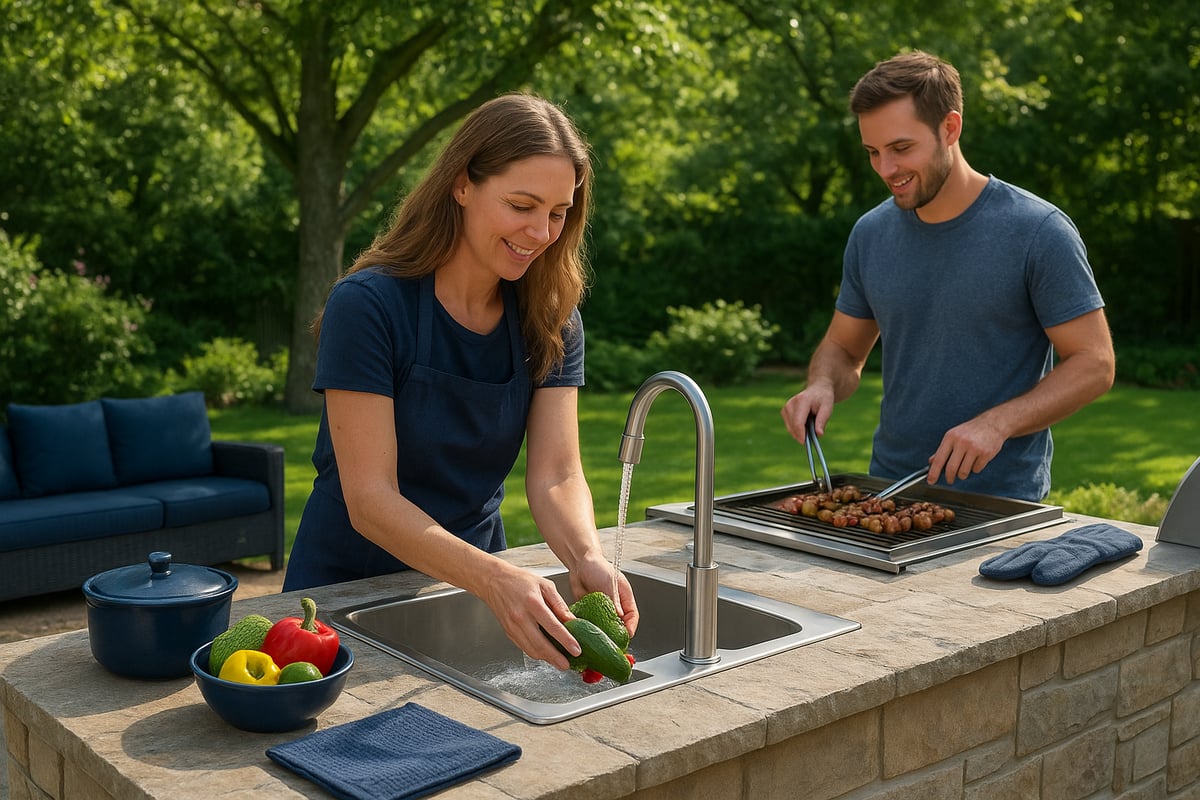
A sink for outdoor areas is more than a convenience—it is a game-changer for how you use your garden or patio. It streamlines everything from barbecuing to gardening, reducing the need to carry items back and forth to your indoor kitchen.
For example, placing a sink for outdoor food prep next to your BBQ minimises cross-contamination and speeds up meal preparation. To see how a sink can fit seamlessly into your setup, browse Outdoor kitchens inspiration and ideas.
The versatility of a sink for outdoor spaces is unmatched. It caters to a variety of tasks that keep your outdoor area clean and functional.
According to industry reports, outdoor kitchen installations in the UK have surged by 30% since 2023, reflecting the growing demand for a practical sink for outdoor enjoyment.
Choosing the best location for your sink for outdoor use is crucial. Think about the flow between your cooking, dining, and cleaning zones.
A well placed sink for outdoor kitchens truly elevates both function and design, making outdoor living seamless.
Avoiding common errors ensures your investment in a sink for outdoor spaces pays off for years to come.
Careful planning guarantees your sink for outdoor use remains a reliable centrepiece, whatever the British weather brings.
Choosing the right sink for outdoor spaces involves more than picking a style you like. It requires careful planning, practical decisions, and an understanding of your unique needs. Let us walk you through the essential considerations to make your outdoor kitchen both beautiful and functional.

Begin by evaluating the available area for your sink for outdoor installation. Measure precisely, accounting for worktops, appliances, and movement flow. Consider how you plan to use the space: is the sink for outdoor cooking, gardening, or entertaining? If you host frequent gatherings, opt for a larger, deeper basin to handle heavy use.
Think about workflow. The sink for outdoor activities should be positioned close to your prep or BBQ zone, reducing unnecessary steps. For occasional use, a compact model may suffice, but daily use demands a robust, accessible setup. Factor in storage and proximity to water sources.
Selecting the right material is crucial for a sink for outdoor environments. Popular choices include stainless steel, granite composite, ceramic, and stone. Stainless steel is highly resistant to corrosion and easy to clean, while stone and granite composite offer a premium, natural aesthetic.
Each material has its pros and cons. For example, granite composite resists scratches but is heavy, and ceramic looks classic yet chips easily. UK weather can be harsh, so opt for materials proven to withstand frost and rain. For a comprehensive evaluation, see this Outdoor kitchen sink materials comparison.
The style of sink for outdoor spaces affects both aesthetics and practicality. Choose from inset (drop-in), undermount, or freestanding sinks. Modular outdoor kitchens often require specific mounting types for a seamless fit.
Deep basins are ideal for washing large pots or garden tools, while shallow sinks suffice for handwashing. Consider compatibility with worktops and adjacent appliances. Freestanding units offer flexibility for movable setups, whereas inset options provide a sleek, integrated look.
A well-planned water supply is essential for your sink for outdoor use. Decide if you need only cold water or both hot and cold. Connecting to your mains supply ensures constant flow, but portable water systems offer flexibility for seasonal or temporary setups.
Drainage is equally important. Assess whether you can connect directly to household waste, or if a soakaway or greywater system is needed. Proper plumbing will prevent leaks, ensure hygiene, and keep your sink for outdoor spaces running efficiently.
Investing in a quality sink for outdoor kitchens can range from £100 to over £1,000. Balance your initial budget with expected longevity and maintenance costs. Stainless steel and granite composite typically offer better value over time due to their resilience.
Cheaper models may require frequent replacement, diminishing long-term value. Consider modular units like IKEA’s GRILLSKÄR for affordable, weatherproof solutions. Prioritise durability to ensure your sink for outdoor use remains a feature for years to come.
Your sink for outdoor settings should complement the overall design of your outdoor kitchen or patio. Match the sink’s finish to your furniture and fittings, whether you prefer a modern, rustic, or traditional look.
Customisation options abound, from coloured basins to bespoke tap fittings. Harmonising the sink for outdoor use with the broader décor enhances the sense of a unified, stylish living space. Pay attention to small details, such as handles and splashbacks, for a polished result.
Modern outdoor sinks can be both attractive and eco-friendly. Choose water-saving taps and consider models made from recycled or sustainably sourced materials. Some brands now offer sinks for outdoor use crafted from recycled stainless steel or composites.
Opt for accessories that reduce water waste, and think about integrating rainwater collection for plant watering. Sustainable choices not only benefit the environment but can also add value to your home and outdoor lifestyle.
Choosing the right material for your sink for outdoor is a decision that impacts functionality, longevity, and aesthetics. Each material offers unique strengths and weaknesses, so understanding how they perform in UK conditions is vital. Let us examine the leading options in detail.
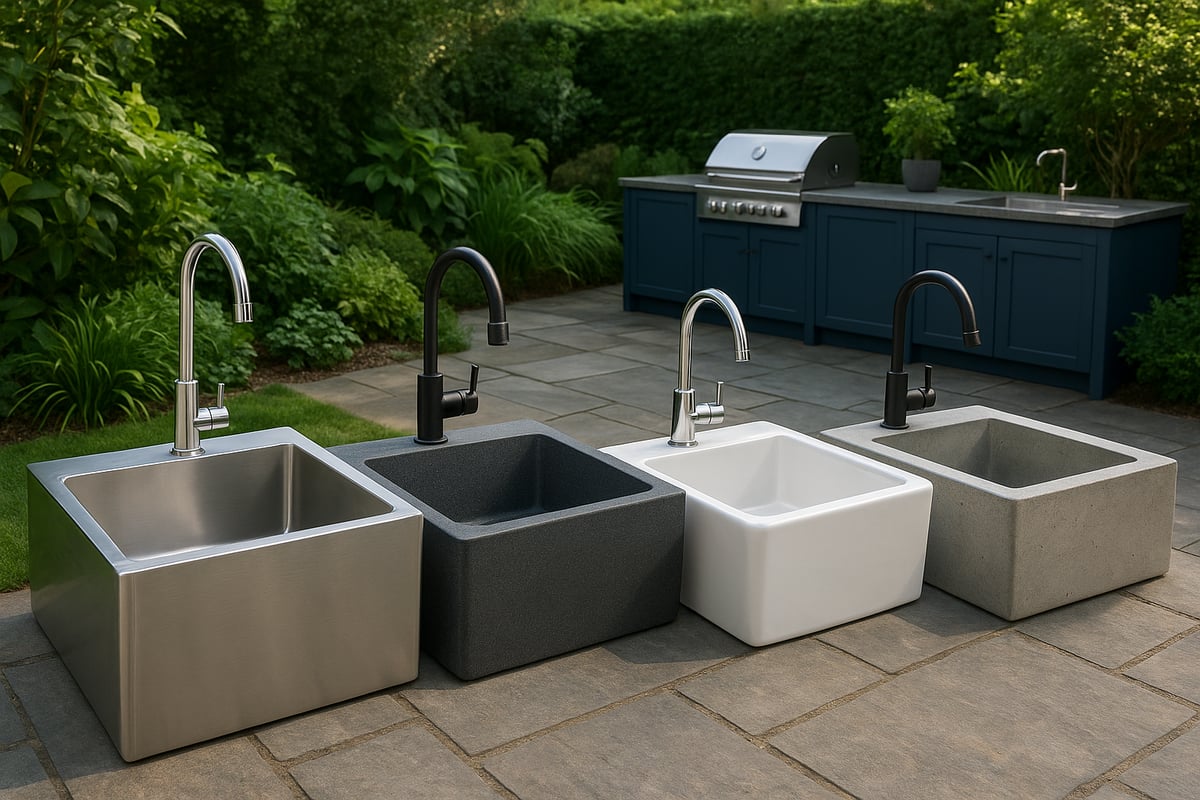
Stainless steel is the most popular choice for a sink for outdoor use in the UK. Its main advantages include excellent resistance to rust, corrosion, and staining, even in wet climates. This makes it exceptionally hygienic and easy to maintain.
However, stainless steel can show water spots and is prone to surface scratches, especially if abrasive cleaning pads are used. Despite these minor drawbacks, it remains the go-to material for modern outdoor kitchens and high-use areas. If you want a reliable, low-maintenance sink for outdoor, stainless steel is a smart investment.
For those seeking a natural look, granite composite or stone is an attractive option for a sink for outdoor. These materials offer robust heat and scratch resistance, which is perfect for heavy-duty food prep or gardening tasks.
On the downside, granite composite and natural stone are heavier and may require reinforced supports or professional installation. Some types need periodic sealing to maintain their finish. They are best suited to luxury outdoor spaces, rustic garden kitchens, or traditional designs where aesthetics are just as important as performance.
A ceramic or porcelain sink for outdoor use brings a timeless, classic style to your patio or garden kitchen. These sinks are highly resistant to stains and easy to clean, making them a favourite for vintage or cottage-inspired outdoor settings.
Yet, ceramic and porcelain are less impact-resistant compared to other materials. They can chip or crack if struck by heavy pots or tools. Regular care is important to preserve the finish and avoid damage. For occasional use or decorative outdoor kitchens, these sinks offer a charming solution.
Concrete and custom materials allow for complete personalisation of your sink for outdoor. Concrete can be cast into any shape, size, or texture, delivering a truly bespoke result that matches your design vision.
The main drawbacks are cost and the need for professional installation. Concrete sinks are heavy and require periodic sealing to prevent staining. However, they are durable and uniquely stylish. If you want your sink for outdoor to be a centrepiece, custom options are ideal. For those seeking flexibility, explore Modular outdoor kitchen solutions to see how different materials can be seamlessly integrated.
UK weather presents challenges for any sink for outdoor. Materials must endure frost, heavy rain, UV exposure, and temperature swings. Stainless steel resists corrosion and is easy to wipe down. Granite composite and stone handle temperature extremes well but need occasional sealing. Ceramic is best protected from hard impacts and should be covered in winter. Concrete is highly durable but must be sealed to avoid moisture damage.
Here is a quick comparison:
| Material | Pros | Cons | Best Uses |
|---|---|---|---|
| Stainless Steel | Rustproof, hygienic | Shows water spots, scratches | Modern, high-use, easy care |
| Granite/Stone | Natural, heat-resistant | Heavy, may need sealing | Luxury, rustic, traditional |
| Ceramic/Porcelain | Classic, stain-resistant | Prone to chipping | Cottage, vintage, light use |
| Concrete/Custom | Customisable, durable | Expensive, needs sealing | Bespoke, statement designs |
To select the best material for your sink for outdoor, match your choice to your primary activities, desired style, and willingness to maintain the sink. If you cook and entertain often, stainless steel or granite composite are practical. For bespoke or luxury installations, concrete or custom materials excel. Always consider the local climate and how much time you can dedicate to upkeep.
If integrating your sink for outdoor into a larger kitchen system, ensure that your chosen material complements your worktops and appliances. Modular solutions make it easier to adapt or upgrade as your needs evolve.
Choosing the right sink for outdoor spaces is about more than just looks. The right configuration, installation style, and accessories can transform your outdoor kitchen or garden area into a highly functional, stylish retreat. Let us explore the main styles and installation options so you can make the best decision.

The bowl configuration of your sink for outdoor use directly affects how you work and entertain. Single bowls are ideal for compact spaces or quick handwashing, while double bowls are perfect for multitasking. Deep utility sinks are favoured for gardening and washing large pots, whereas shallower bowls can be more practical for drinks preparation or rinsing produce.
Comparison Table:
| Bowl Type | Best Use | Pros | Cons |
|---|---|---|---|
| Single Bowl | Small patios, handwashing | Space-saving, easy to clean | Limited multitasking |
| Double Bowl | Large kitchens, BBQ prep | Multitasking, food safety | Needs more space |
| Deep Utility | Gardening, heavy-duty cleaning | Versatile, high capacity | Heavier, uses more water |
| Compact/Handwash | Drinks, quick rinse stations | Fits anywhere, efficient | Less versatile |
Selecting the right bowl style ensures your sink for outdoor enhances both workflow and hygiene. Think about your main activities to guide your choice.
How your sink for outdoor is installed will influence durability and ease of use. Inset (drop-in) sinks are fitted into a pre-cut worktop opening, making them popular for modular kitchens. Undermount sinks are installed beneath the worktop, offering a sleek, seamless look and easier cleaning. Freestanding units are ideal for flexible layouts, as they do not require integration into existing worktops.
Each method has its own pros and cons:
For a step-by-step overview of installing inset and undermount options, see this Installation guide for inset and undermount sinks.
The mounting method you choose should suit your workflow, space, and the intended use of your sink for outdoor.
The right tap and accessories are essential for getting the most out of your sink for outdoor. Outdoor taps come in several forms: pillar taps are simple and robust, mixers allow precise temperature control, while pull-out taps provide flexibility for rinsing large trays or filling buckets.
Enhance your sink with accessories like:
For a weatherproof solution, consider models like the KALLSJÖN tap, designed for outdoor conditions. These options help extend the life and usability of your sink for outdoor, making tasks more efficient.
Reliable plumbing is the backbone of any sink for outdoor. Decide if you need cold water only or both hot and cold supplies. Some setups link to the home’s mains, while others use a portable water system for seasonal use.
Drainage is another key consideration. Direct connections to waste pipes are ideal for year-round use, but soakaways or greywater recycling solutions are popular for eco-friendly or temporary installations.
Always ensure that your plumbing and drainage choices comply with local regulations. Proper planning here prevents headaches and keeps your sink for outdoor running smoothly.
Installing a sink for outdoor can be a DIY job if you are comfortable with basic plumbing and have a straightforward setup. Simple freestanding or portable sinks often just need a hose attachment and basic drainage.
However, for complex installations—like undermount sinks, integrated worktops, or connections to hot water—professional help is recommended. Professionals ensure proper sealing, compliance with plumbing codes, and correct drainage to avoid leaks.
Safety should always be your top priority. If in doubt, consult a qualified installer to keep your sink for outdoor safe, functional, and long-lasting.
Keeping your sink for outdoor use in top condition ensures it remains functional, attractive, and hygienic for years to come. Proper care routines and simple accessories can make a significant difference in durability.
Regular cleaning is vital to prolong the life of your sink for outdoor spaces. Use non-abrasive cleaners for stainless steel, and always wipe in the direction of the grain to prevent streaks and maintain its shine. For granite composite and stone sinks, opt for mild soap and a soft sponge to avoid damaging the surface.
Ceramic and porcelain sinks benefit from gentle cleaning agents that prevent chipping or dulling the glaze. Rinse thoroughly after each use, especially if you have been prepping food or potting plants. This routine helps prevent staining, limescale, and rust, keeping your sink for outdoor environments looking its best.
Outdoor sinks need extra attention as the seasons change. In autumn, clear away leaves and debris to avoid blockages and surface stains. Before winter, drain the water lines and use insulated covers to protect your sink for outdoor use from frost and freezing temperatures.
If your area experiences harsh winters, consider disconnecting the plumbing or using anti-freeze solutions specifically designed for outdoor water systems. According to industry research, regular seasonal care can extend the lifespan of a sink for outdoor applications by up to five years. This investment in protection ensures year-round usability and prevents costly repairs.
Over time, you may encounter minor issues with your sink for outdoor settings. Blocked drains are common, especially in garden zones, so clear strainers regularly and flush the system with hot water when needed. Address scratches and chips promptly using recommended repair kits for your sink material.
For plumbing concerns, check seals and fittings at the start and end of each season to prevent leaks. If you are unsure about drainage requirements or legal compliance, consult the legal regulations for outdoor kitchen sinks in the UK to ensure your installation meets current standards. Staying proactive helps maintain a reliable and safe sink for outdoor enjoyment.
Accessories are an excellent way to protect and extend the life of your sink for outdoor spaces. Chopping boards, drainers, and silicone mats can prevent scratches and reduce wear on the sink surface. Upgrading to weather-resistant taps and fittings adds further durability, especially in exposed locations.
Consider integrating storage solutions for cleaning products and utensils, keeping the area tidy and reducing clutter. For more inspiration on keeping your space functional, explore this outdoor dining essentials collection which features products designed to complement your sink for outdoor use. These simple additions help ensure your investment remains practical and visually appealing for years.
Smart technology is transforming the sink for outdoor use. Homeowners now expect features like touchless taps, which boost hygiene and reduce water waste. Integrated water filtration systems ensure fresh, clean water for cooking or gardening tasks.
Some advanced models include water usage monitors and app-controlled flow, allowing you to track consumption or adjust settings remotely. These innovations make the sink for outdoor spaces not just a functional addition, but a centrepiece for modern, connected living.
Eco-conscious living is driving the development of sustainable sink for outdoor options. Water-saving taps and aerators are now common, helping to reduce overall consumption without sacrificing performance.
Manufacturers are increasingly using recycled stainless steel and other eco-friendly materials, ensuring that your sink for outdoor installation supports green principles. Brands prioritising sustainability are gaining popularity, reflecting a wider shift towards responsible outdoor living.
In 2026, the sink for outdoor design is all about style and integration. Homeowners are choosing finishes like matte black, brushed brass, and natural stone to match their outdoor furniture and kitchen modules.
There is a strong trend towards seamless integration with worktops, BBQ units, and garden prep zones. Modular kitchens allow you to coordinate your sink for outdoor use with other elements, creating a cohesive and visually appealing space.
Modular sink units are revolutionising how we approach outdoor kitchens. These systems offer integrated storage, prep surfaces, and shelving for cleaning products or BBQ tools.
Multi-functional designs mean your sink for outdoor spaces can be tailored to any layout, from compact patios to large entertaining areas. For inspiration, explore this outdoor cooking equipment guide, which highlights how the right sink complements your overall setup.
The desire for unique, personalised gardens is fuelling demand for made-to-measure sinks and bespoke installations. Homeowners are working closely with designers to ensure their outdoor sinks fit seamlessly into the overall scheme, both functionally and aesthetically.
Future-proofing your outdoor kitchen means choosing sinks and fittings that can adapt to new technologies and changing lifestyles. Whether you want smart features, sustainable materials, or a one-of-a-kind look, the latest trends ensure your investment remains relevant for years to come.
Now that you’ve explored the essential considerations for choosing the perfect outdoor sink, you might be thinking about how all the elements of your new space will come together. At The Cotswold Cooking Company, we know that every detail matters when creating an outdoor kitchen that’s as practical as it is beautiful. If you’d like personalised advice or guidance to ensure your sink fits seamlessly within your overall design, I invite you to Get a Free Design Consultation. Let’s work together to transform your outdoor area into a sophisticated, all season culinary retreat.

Leave a comment