


Structure pergolas represent a sophisticated evolution of traditional garden architecture, combining classical design principles with contemporary materials and engineering. For discerning homeowners seeking to create refined outdoor living spaces, understanding the architectural considerations, structural requirements, and design possibilities of these elegant installations is essential. Whether you're planning a covered dining area, an extension to your luxury outdoor kitchen, or a standalone garden feature, the structural integrity and aesthetic harmony of your pergola will define its success as both a functional and beautiful addition to your property.
The term "structure pergolas" encompasses both the physical characteristics and regulatory classification of these outdoor installations. Historically, pergolas originated as Mediterranean garden features, designed to support climbing plants whilst providing partial shade. Modern iterations have evolved considerably, incorporating advanced materials and engineering techniques that blur the lines between simple garden features and substantial architectural structures.
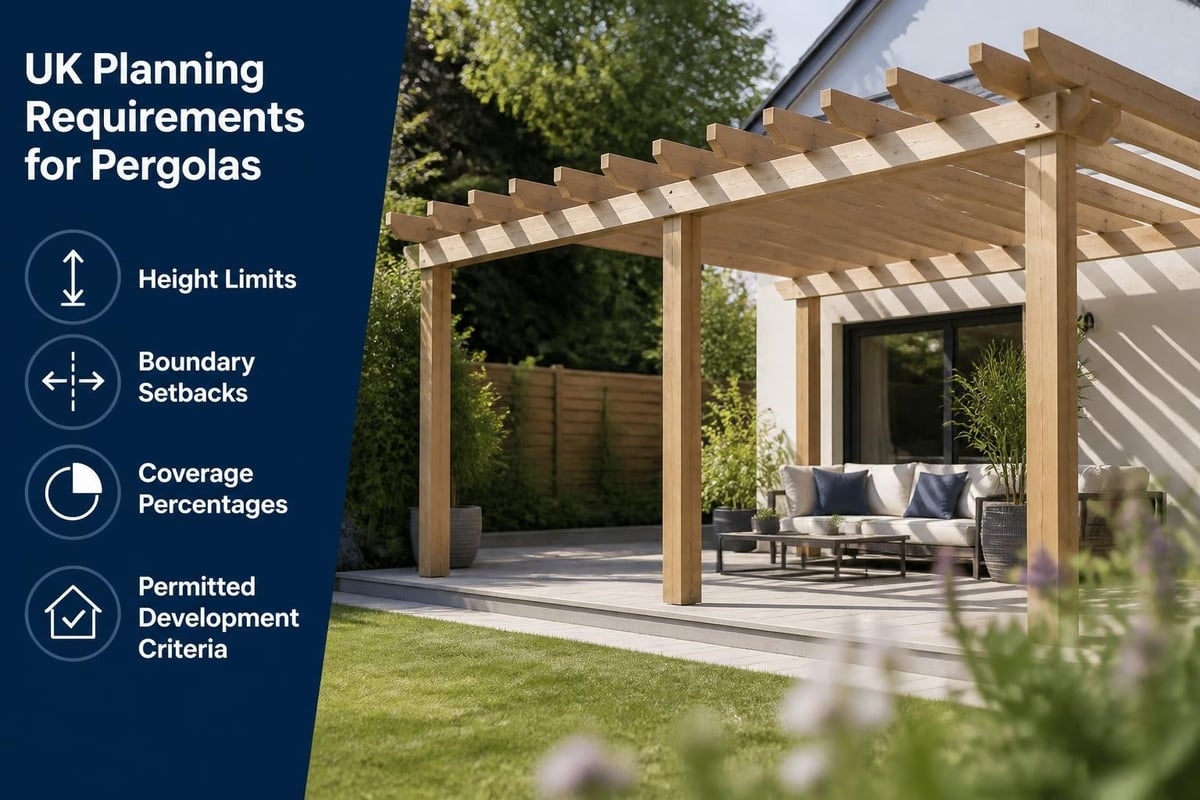
Understanding whether a pergola is considered a structure depends on several factors including size, permanence, foundation type, and local planning regulations. In the UK, pergolas typically fall under permitted development rights when they meet specific criteria:
For luxury installations, particularly those integrated with outdoor kitchens or featuring bioclimatic roof systems, consulting with planning authorities ensures compliance whilst maximizing design potential.
The selection of materials fundamentally influences both the longevity and aesthetic character of structure pergolas. Contemporary luxury installations offer remarkable diversity in construction approaches, each with distinct advantages for different architectural contexts.
| Material | Durability (Years) | Maintenance Level | Architectural Style | Cost Range |
|---|---|---|---|---|
| Hardwood (Oak, Teak) | 25-40+ | Moderate | Traditional, Cotswold | £8,000-£25,000 |
| Aluminium Powder-Coated | 30-50+ | Minimal | Contemporary, Minimalist | £12,000-£45,000 |
| Steel Frame with Timber | 40-60+ | Low-Moderate | Industrial, Modern | £15,000-£35,000 |
| Composite Materials | 25-35 | Minimal | Versatile | £10,000-£28,000 |
Premium hardwoods remain popular for period properties and Cotswold settings, where natural grain patterns and weathering characteristics complement traditional architecture. However, engineered aluminium systems increasingly dominate the luxury market, offering:
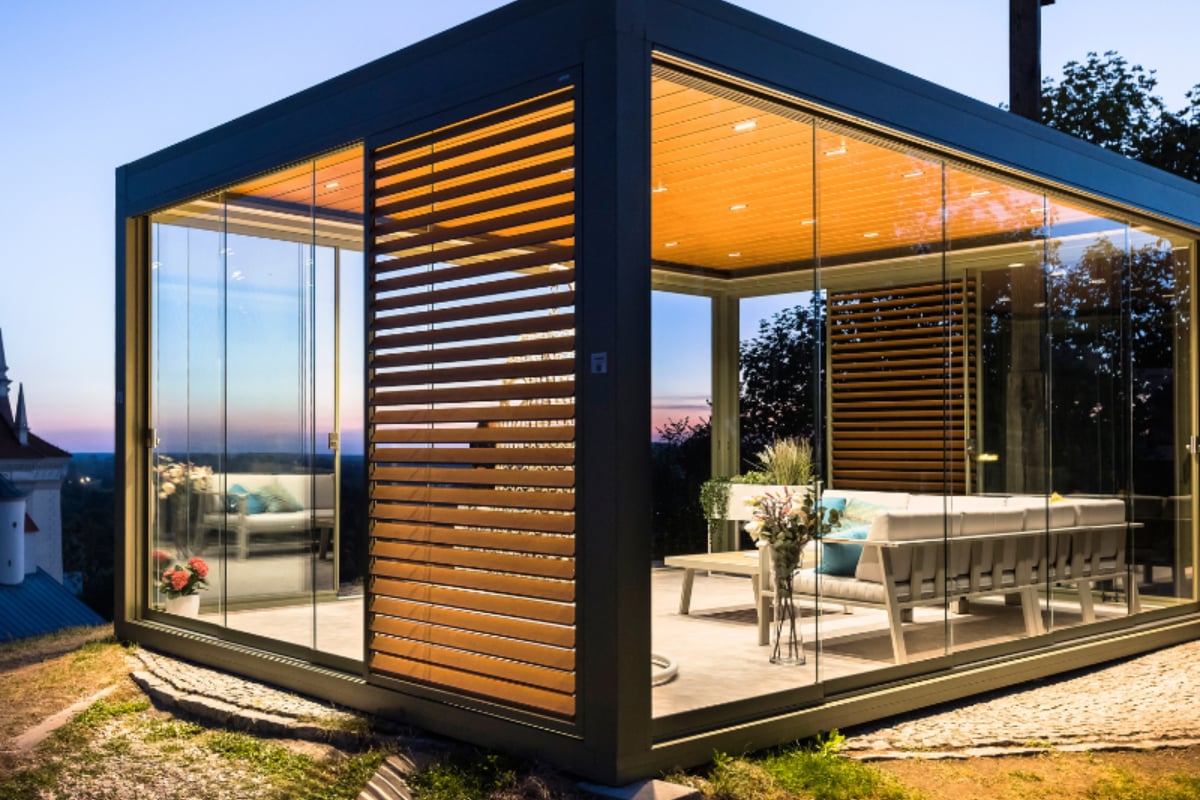
The most sophisticated structure pergolas incorporate adjustable louvre systems that transform static shading into dynamic climate control. These architectural installations feature rotating aluminium slats that pivot from fully open to completely closed, offering:
For clients seeking year-round outdoor living, bioclimatic pergolas paired with outdoor kitchens create genuinely functional spaces across all seasons. The Tarasola range exemplifies this architectural approach, combining European engineering with bespoke design options tailored to individual properties.
Determining the appropriate size for structure pergolas requires balancing practical functionality with proportional harmony. Undersized installations feel cramped and fail to define outdoor rooms effectively, whilst oversized structures can overwhelm garden settings and create unwelcoming cavernous spaces.
Width considerations should account for furniture placement with adequate circulation:
Depth requirements vary based on function and sun angle:
Height specifications influence both spatial perception and regulatory compliance:
Structure pergolas achieve visual coherence when dimensions relate harmoniously to existing buildings. Professional designers employ several principles:
For properties with outdoor kitchens, positioning structure pergolas to create sheltered cooking and dining zones whilst maintaining connection to gardens requires careful three-dimensional planning. Outdoor kitchen delivery and installation services often include spatial design consultation to optimize these relationships.
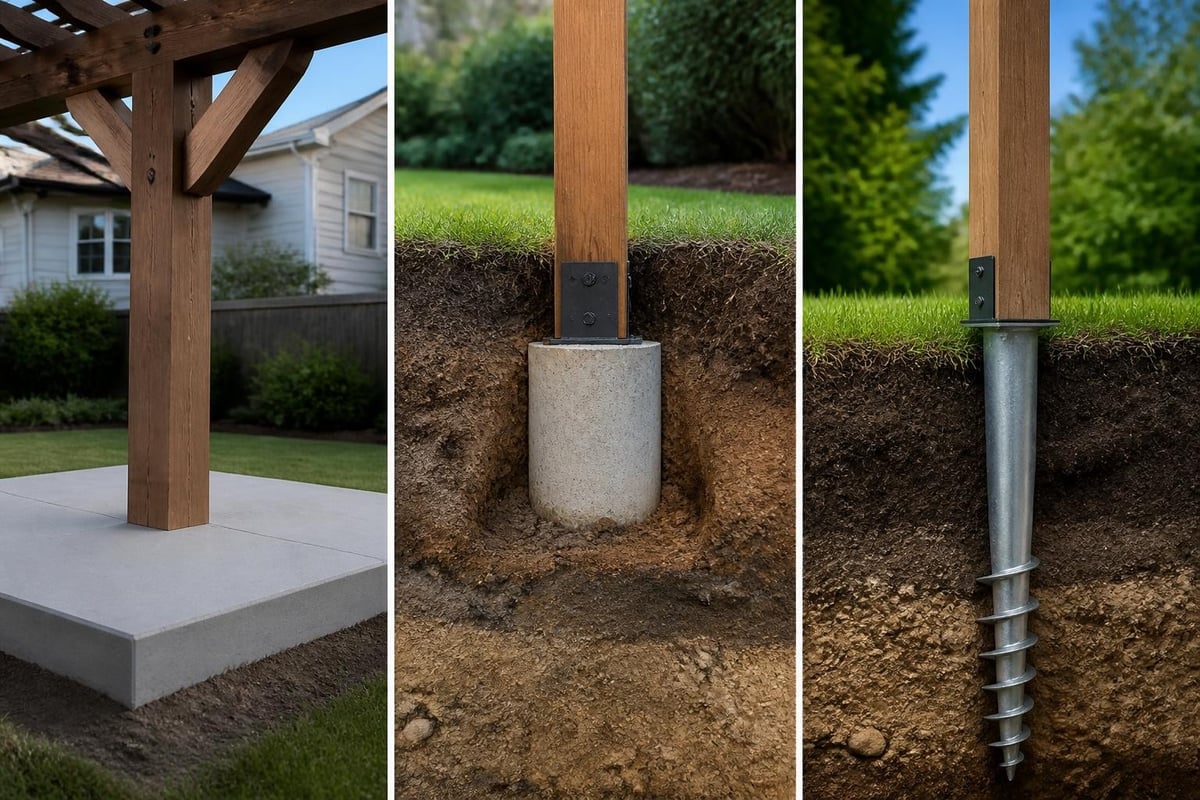
The engineering underpinning structure pergolas determines safety, longevity, and performance under environmental loads. Premium installations require foundations and frameworks designed for specific site conditions and intended use.
Concrete pad foundations provide maximum stability for large or heavily-loaded pergolas:
Individual post footings offer flexibility for irregular sites:
Screw pile systems suit sensitive gardens or heritage settings:
Professional engineering ensures structure pergolas withstand environmental forces:
| Load Type | Consideration | Design Factor |
|---|---|---|
| Dead Load | Permanent structure weight | Material density × volume |
| Live Load | People, furniture, equipment | 1.5-2.0 kN/m² |
| Wind Load | Lateral pressure and uplift | Based on exposure category |
| Snow Load | Seasonal accumulation | Regional climate data |
| Seismic | Ground movement (rare UK) | Minimal for most locations |
Bioclimatic louvre systems introduce additional considerations due to mechanical components and greater wind resistance when closed. Manufacturers provide engineering certifications for specific wind zones, typically ranging from force 8-12 on the Beaufort scale.
The evolution of outdoor living has transformed structure pergolas from decorative garden features into essential architectural elements that enable year-round entertaining. When paired with luxury outdoor kitchens, these installations create cohesive culinary destinations rivalling indoor facilities.
Effective design segregates activities whilst maintaining visual and spatial flow:
Cooking zone considerations:
Dining area integration:
Circulation and service routes:
Premium structure pergolas incorporate sophisticated building services:
These systems transform structure pergolas into true outdoor rooms, extending the functionality of indoor kitchens into garden settings. Professional installation ensures all services meet outdoor electrical and plumbing standards whilst maintaining aesthetic refinement.
Selecting the right pergola design requires understanding how different architectural languages complement existing property character whilst expressing personal taste.
Cotswold vernacular pergolas emphasize:
Classical proportions draw from Mediterranean precedents:
Modernist structure pergolas prioritize:
Industrial aesthetic installations feature:
For properties blending periods or styles, transitional designs bridge traditional and contemporary languages. Powder-coated aluminium in heritage colours, or timber cladding over steel frames, offer visual warmth whilst incorporating modern performance.
Understanding covered patio construction regulations ensures structure pergolas meet building codes whilst achieving design objectives. In the UK, installations must satisfy:
Professional designers navigate these requirements whilst optimizing aesthetic and functional outcomes. For clients, working with specialists familiar with local authority expectations streamlines approval processes and prevents costly modifications.
Whilst smaller pergolas suit competent DIY construction, luxury structure pergolas demand professional expertise:
Professional installation advantages:
When DIY may be appropriate:
For most clients investing in luxury outdoor living, professional design and installation represents prudent stewardship of both budget and property value. Exploring the full outdoor journey from concept through completion clarifies the process and expected timescales.
Once core architecture is established, carefully selected accessories elevate structure pergolas from functional shelter to refined outdoor rooms.
Beyond fixed roofing or louvre systems, supplementary options include:
Thoughtful illumination extends usability whilst creating atmosphere:
| Lighting Type | Purpose | Installation Location | Control Method |
|---|---|---|---|
| Downlights | Task lighting for cooking/dining | Recessed in beams | Dimmer switches |
| Strip LEDs | Ambient perimeter glow | Top of beams, inside gutters | RGB controllers |
| Pendant fixtures | Decorative focal points | Suspended from structure | Individual switches |
| Uplights | Architectural highlighting | Ground-mounted at posts | Photocell timers |
Integrated systems synchronize multiple lighting zones, allowing scenes tailored to different activities from casual family meals to formal entertaining.
Structure pergolas equipped with effective heating extend outdoor season considerably:
Radiant infrared heaters provide:
Gas-fired patio heaters offer:
For fully integrated installations, underfloor heating within porcelain bases creates luxurious warmth underfoot, particularly effective when paired with premium tiling systems.
Preserving the beauty and performance of structure pergolas requires appropriate maintenance tailored to materials and exposure.
Natural wood pergolas demand regular attention:
Premium hardwoods like oak develop attractive silver patina if left untreated, whilst regular oiling maintains original honey tones. Client preference dictates maintenance approach.
Engineered materials require minimal intervention:
Powder-coated aluminium maintains appearance for decades with only basic cleaning, making it ideal for time-poor clients seeking luxury without intensive upkeep.
Structure pergola costs vary enormously based on size, materials, features, and installation complexity. Understanding value drivers enables informed decision-making aligned with long-term objectives.
Basic timber pergolas: £6,000-£15,000
Mid-range engineered systems: £15,000-£35,000
Luxury bioclimatic installations: £35,000-£75,000+
When integrated with outdoor kitchens, combined installations often achieve better value through coordinated design and single mobilization of contractors.
Quality structure pergolas enhance property appeal:
Estate agents report well-executed outdoor living installations can add 5-10% to property values in prime markets, though this depends heavily on overall property quality and local buyer preferences.
Modern technology enables visualization before commitment. Interactive pergola configurators allow exploration of dimensions, finishes, and accessories, generating accurate quotations for specific requirements.
Professional specification typically follows structured stages:
This consultative approach ensures structure pergolas perfectly suit both practical needs and aesthetic aspirations. For those considering comprehensive outdoor transformations, booking a showroom appointment provides opportunity to experience materials and finishes firsthand.
The UK's variable climate demands structure pergolas designed for all weather conditions whilst maximizing fair-weather enjoyment.
Effective solar control prevents overheating beneath pergolas:
Year-round functionality requires weatherproofing and heating:
Bioclimatic systems excel at seasonal adaptation, opening fully for summer ventilation whilst closing completely during winter storms, creating protected outdoor rooms regardless of conditions.
Structure pergolas represent a sophisticated architectural investment that transforms outdoor spaces into year-round destinations for cooking, dining, and entertaining. By carefully considering materials, dimensions, integration with outdoor kitchens, and long-term functionality, these elegant structures deliver decades of enhanced outdoor living. Whether you're drawn to traditional Cotswold timber designs or contemporary bioclimatic systems, professional design ensures your pergola complements your property whilst meeting practical needs. Cotswold Cooking Company brings together premium European pergola brands, expert design consultation, and comprehensive installation services to help you create the refined outdoor space you envision, backed by decades of experience in luxury outdoor living.

Comments
Leave a comment