


A white pergola remains one of the most enduring choices in contemporary outdoor design, offering a refined canvas that elevates any garden or terrace into a sophisticated entertaining space. The crisp, clean aesthetic of a white structure creates visual lightness whilst providing architectural definition, making it particularly well-suited to both traditional Cotswold properties and modern minimalist homes. As homeowners increasingly seek to extend their living spaces beyond four walls, the white pergola has emerged as a cornerstone element in creating year-round outdoor kitchens and dining areas that combine timeless elegance with cutting-edge functionality.
The popularity of white pergolas transcends fleeting design trends, rooted instead in fundamental principles of light, space, and architectural harmony. White reflects natural light rather than absorbing it, creating brighter, more inviting spaces beneath the structure even during overcast British weather. This reflective quality proves particularly valuable when positioning a white pergola over outdoor dining areas, as it enhances visibility whilst maintaining an airy, unencumbered feel.
Beyond aesthetics, white serves as a remarkably versatile backdrop for integrating seasonal planting schemes and decorative elements. Whether adorned with wisteria and climbing roses in warmer months or dressed with festoon lighting for winter gatherings, a white pergola adapts seamlessly to changing design intentions. The timeless appeal of white pergolas makes them particularly suitable for properties where architectural coherence between indoor and outdoor spaces remains paramount.
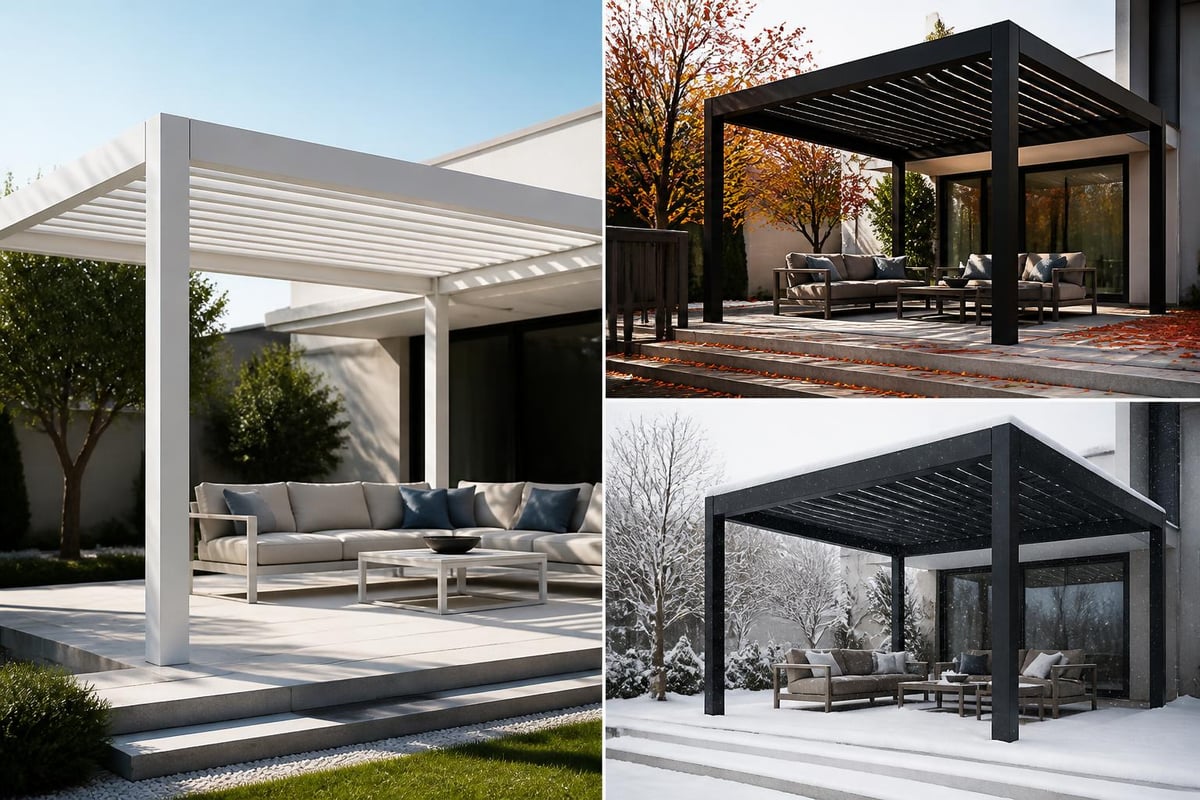
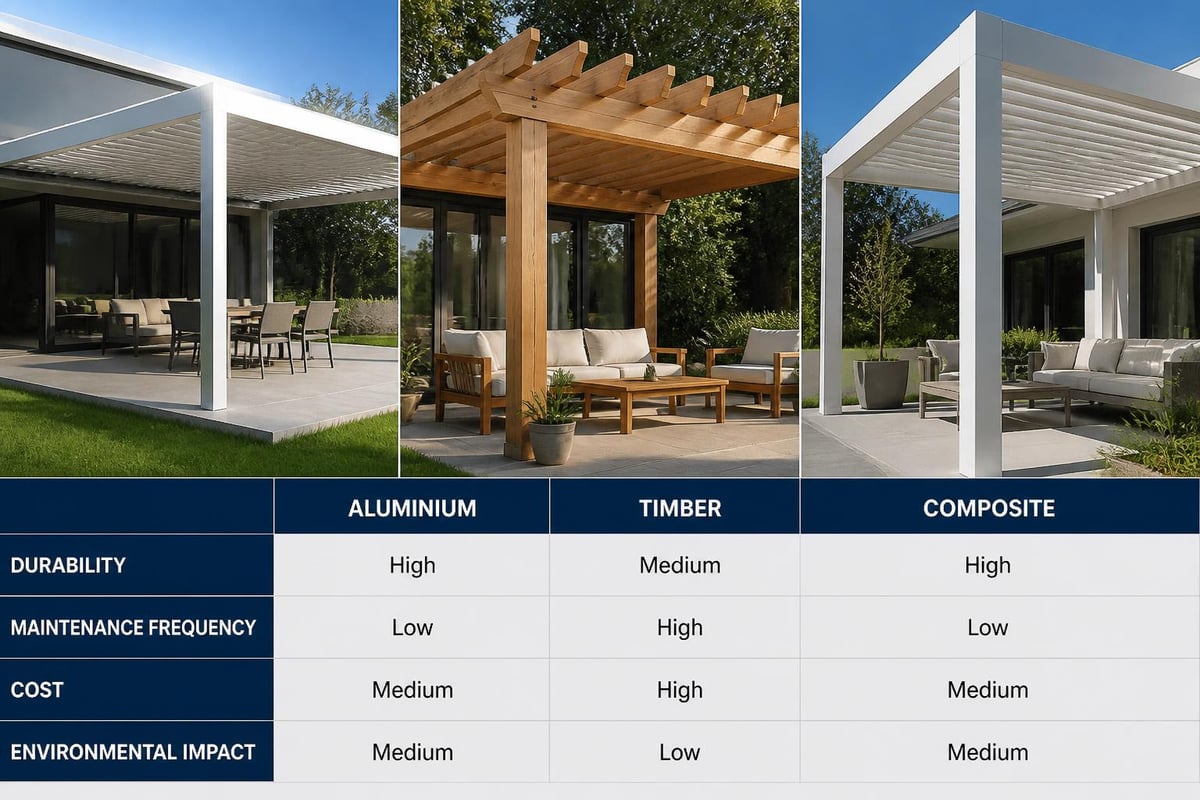
When specifying a white pergola for luxury outdoor living, material selection fundamentally determines both longevity and maintenance requirements. Powder-coated aluminium frames offer exceptional durability whilst requiring minimal upkeep, with high-quality finishes resisting chalking and discolouration even in exposed locations. Traditional timber pergolas finished in specialist exterior white paints create warmth and texture, though they demand more regular attention to preserve their pristine appearance.
The architectural style of your property should inform pergola design proportions and detailing. Georgian and Victorian homes benefit from pergolas incorporating classical column profiles and refined joinery details, whilst contemporary residences suit clean-lined structures with minimal ornamentation. Successful integration requires careful consideration of existing rooflines, window proportions, and material palettes to ensure the white pergola enhances rather than competes with the main dwelling.
| Design Element | Traditional Approach | Contemporary Approach | Hybrid Solution |
|---|---|---|---|
| Column Style | Turned or fluted posts with capitals | Square-section aluminium profiles | Tapered posts with subtle detailing |
| Beam Configuration | Cross-beams with decorative end cuts | Flat-profile laminated beams | Minimal beams with integrated lighting |
| Roof Detail | Open rafters with traditional spacing | Adjustable louvred systems | Fixed louvres with concealed drainage |
| Finish Material | Painted hardwood or softwood | Powder-coated aluminium | Composite materials with wood grain |
The white pergola provides an ideal architectural framework for luxury outdoor kitchens, defining cooking and dining zones whilst maintaining visual connectivity with surrounding garden spaces. When planning integration, consider the pergola as both shelter and spatial organiser, establishing clear circulation paths between preparation, cooking, and serving areas. The white finish particularly complements stainless steel appliances and natural stone worktops, creating a cohesive palette that feels intentional rather than accidental.
Positioning requires balancing practical considerations with aesthetic aspirations. Locate your white pergola to shelter primary cooking equipment from prevailing weather whilst ensuring adequate ventilation for grills and smokers. Many discerning clients now specify bioclimatic systems with adjustable louvres, enabling fine control over sunlight, airflow, and protection from rain. These engineered solutions transform a white pergola from seasonal structure to year-round outdoor room, extending the British entertaining calendar significantly.
The Tarasola range exemplifies this evolution, combining architectural purity with advanced functionality. These premium European-manufactured pergolas offer motorised louvre control, integrated LED lighting, and concealed drainage systems, all housed within elegant white aluminium profiles that suit both traditional and contemporary settings.
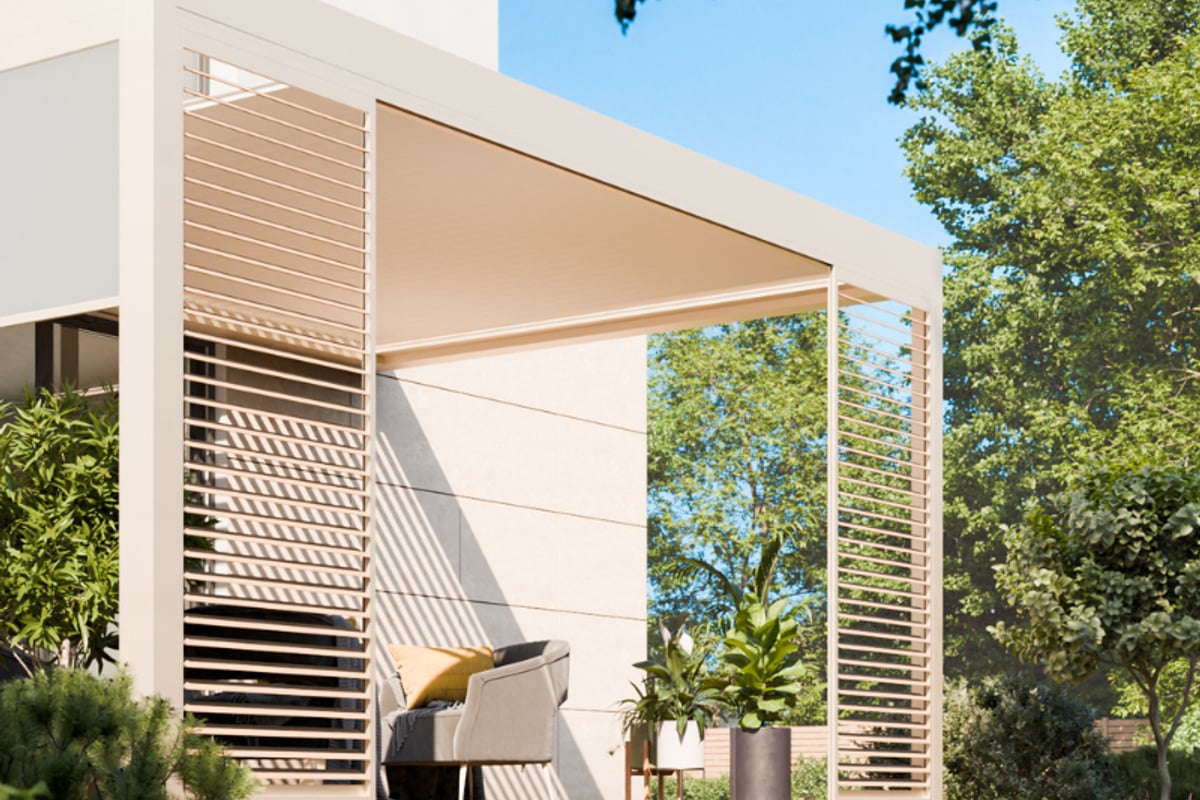
British weather demands robust weatherproofing for any outdoor structure, and white pergolas require particular attention to prevent water ingress and maintain finish integrity. Waterproofing solutions range from retractable fabric canopies to permanently installed polycarbonate or glass roof panels, each offering distinct advantages depending on your usage patterns and aesthetic preferences.
For luxury outdoor kitchen applications, consider these approaches:
Proper anchoring methods prove equally critical, particularly for freestanding white pergola installations in exposed locations. Ground-fixed systems using steel posts set in concrete foundations provide maximum stability, whilst surface-mounted brackets offer easier installation on existing paving or decking. For permanent outdoor kitchen installations, ground-fixed anchoring enables integration of services including power, water, and gas supplies with minimal visual impact.
Premium white pergola installations demand materials engineered to maintain their appearance across decades rather than seasons. Powder-coated aluminium extrusions offer exceptional longevity, with quality finishes incorporating UV inhibitors and self-cleaning properties that minimise maintenance. When evaluating options, examine powder coating thickness specifications, typically ranging from 60 to 100 microns for exterior applications, with thicker coatings providing enhanced protection.
Timber alternatives require more considered specification but deliver unmatched warmth and traditional character. European oak, sweet chestnut, and accoya all perform well in exterior applications when properly treated and maintained. For white finishes on timber, microporous paint systems allow the wood to breathe whilst providing water resistance, though they necessitate recoating every three to five years depending on exposure and quality of initial preparation.
White functions as both colour and non-colour within garden design, creating dramatic contrast against foliage whilst receding visually to emphasise planting and landscape features. This dual quality makes a white pergola particularly effective in smaller gardens, where darker structures might overwhelm limited space. The psychology of white in outdoor design extends beyond simple aesthetics, evoking cleanliness, modernity, and spaciousness whilst providing a neutral backdrop for evolving design schemes.
When planning planting around white pergola structures, consider these complementary approaches:
The versatility of white pergola designs accommodates diverse architectural styles, from traditional pergola ideas incorporating ornate detailing to minimalist structures with clean geometric lines. Classical interpretations often feature columns with bases and capitals, cross-beam rafters with decorative end cuts, and proportions derived from historical precedent. These elements suit period properties whilst providing opportunities for personalisation through paint finish choice, from brilliant white to softer chalky tones.
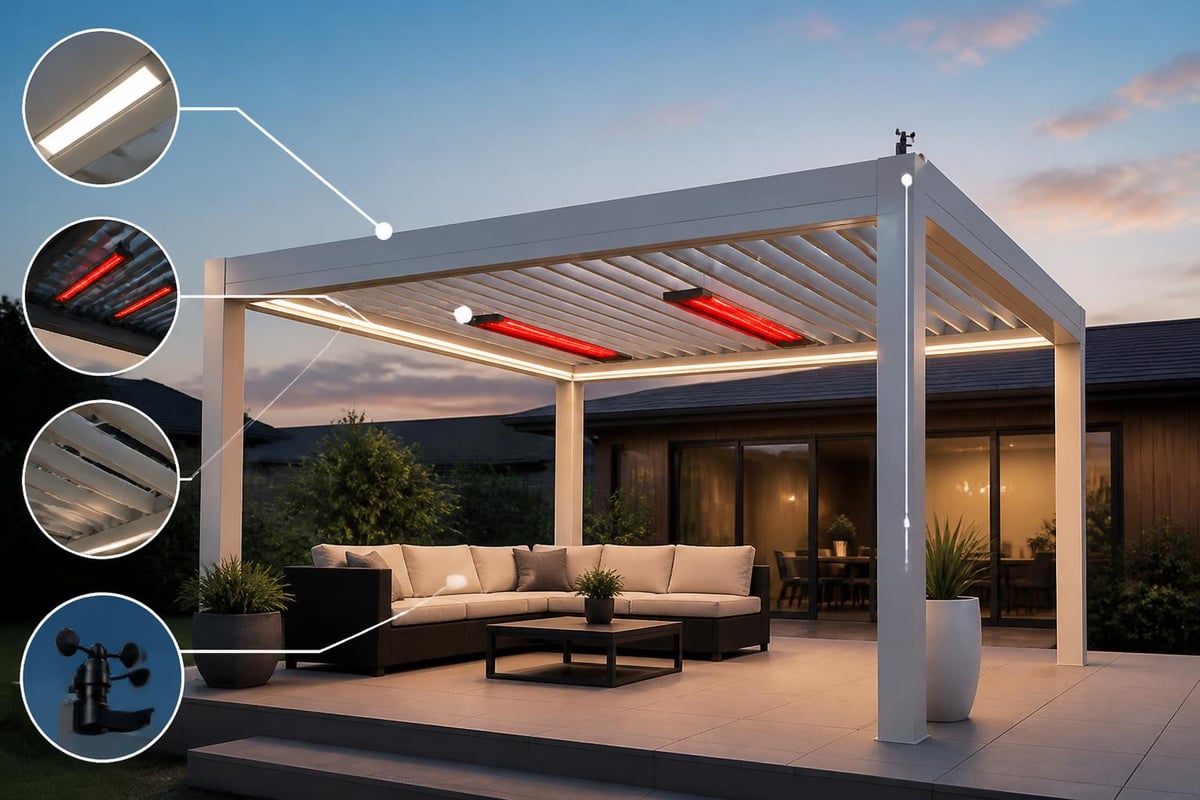
Contemporary white pergola designs emphasise structural honesty and material purity, with slender profiles, concealed fixings, and integrated technologies including motorised louvres, LED lighting, and heating elements. The finest examples demonstrate that modernist principles need not feel cold or austere; thoughtful detailing, quality materials, and precise fabrication create structures of quiet sophistication that complement rather than compete with natural surroundings.
| Style Category | Defining Features | Best Suited For | Maintenance Level |
|---|---|---|---|
| Classical Revival | Ornate capitals, turned posts, decorative rafters | Period properties, traditional gardens | Medium to high |
| Georgian Minimalism | Simple posts, refined proportions, subtle detailing | Town houses, formal gardens | Medium |
| Modern Bioclimatic | Integrated louvres, concealed drainage, minimal profiles | Contemporary homes, year-round use | Low |
| Coastal Contemporary | Light structures, open sides, nautical influences | Exposed locations, modern retreats | Low to medium |
Successful white pergola design requires careful attention to scale relationships between the structure, surrounding buildings, and available garden space. Undersized pergolas appear tentative and fail to provide adequate shelter, whilst oversized structures dominate gardens and create oppressive rather than protective environments. As a general principle, pergola height should relate to the floor area it covers, with taller structures (2.8 to 3.2 metres) suited to larger footprints exceeding 20 square metres.
When integrating with outdoor cooking areas, allow sufficient headroom above heat-generating appliances for safe operation and adequate ventilation. Pizza ovens and large grills benefit from pergola coverage that extends at least 600mm beyond the cooking equipment on all sides, creating defined zones for preparation and plating whilst protecting chefs from weather. This spatial generosity transforms functional necessity into gracious entertaining architecture.
Contemporary white pergola installations increasingly incorporate technological systems that extend usability and comfort. Integrated LED lighting serves both functional and atmospheric purposes, with options ranging from discreet downlighters providing task lighting over kitchen zones to colour-changing systems creating ambience for evening entertaining. Quality installations conceal all wiring within structural elements, maintaining the clean aesthetic whilst enabling sophisticated control systems.
Heating integration transforms white pergolas into genuine four-season spaces, with options including:
Sound systems, automated blinds, and even outdoor television installations now feature in many luxury white pergola projects. The key lies in thoughtful integration that preserves architectural clarity whilst delivering desired functionality. Work with specialists who understand both outdoor living requirements and the technical challenges of exterior installations to achieve reliable, long-lasting results.
The financial comparison between building and purchasing a white pergola involves multiple variables beyond initial material costs. Bespoke fabrication enables precise specification to suit your exact requirements, site conditions, and aesthetic preferences, but typically commands premium pricing. Off-the-shelf systems offer cost advantages and faster installation timelines, though they may require compromise on dimensions, materials, or integrated features.
For luxury outdoor kitchen applications, bespoke approaches generally deliver superior outcomes. Custom fabrication accommodates specific appliance dimensions, unusual site geometries, and integration with existing architectural elements. The investment premium typically ranges from 30 to 60 percent compared with standard systems, but this differential diminishes when considering the enhanced functionality and aesthetic cohesion achieved through tailored design.
Quality white pergola installations represent significant long-term value, both in enhanced outdoor living experiences and measurable property appreciation. Well-designed and properly installed structures require minimal ongoing maintenance when specified with appropriate materials, with powder-coated aluminium systems often requiring only periodic cleaning to maintain appearance. Timber installations demand more regular attention but reward owners with characterful patina development and the satisfaction of caring for natural materials.
Budget for these typical maintenance requirements:
The neutral palette of a white pergola provides exceptional flexibility when selecting outdoor furniture and decorative elements. Contemporary metal furniture in dark bronze or charcoal creates sophisticated contrast, whilst natural teak or oak maintains warmth and textural interest. For dining areas, consider weather-resistant upholstered seating that invites extended gatherings, with removable cushion covers enabling regular cleaning and seasonal colour changes.
Successful styling balances permanence with flexibility, establishing core elements that remain in place year-round whilst incorporating seasonal accents. Fixed features might include:
Layer these foundations with movable elements including outdoor rugs, throw cushions, portable fire features, and seasonal planting displays. This approach enables evolution of the space across seasons and occasions whilst maintaining coherent design intent. The white pergola framework provides visual discipline that prevents outdoor spaces from appearing cluttered even when well-furnished and accessorised.
Thoughtful lighting transforms white pergola spaces from daytime shelters into luminous evening destinations, extending the entertaining day whilst creating atmosphere and defining architectural features. The reflective quality of white surfaces amplifies lighting effects, meaning relatively modest illumination levels create significant impact. Layer multiple lighting types for flexibility:
Ambient lighting establishes overall illumination levels using downlighters, uplighters, or indirect systems concealed within structural elements. Warm white colour temperatures (2700-3000K) create inviting environments that complement candlelight and firelight.
Task lighting provides adequate illumination for cooking, food preparation, and dining activities. Position dedicated fixtures over work surfaces, grills, and dining tables with individual switching to enable adjustment based on activities.
Accent lighting highlights architectural features, planting, or decorative elements, creating visual interest and depth. Low-voltage systems with individual fixture control enable sophisticated lighting compositions that evolve throughout evenings.
Integration of control systems enables scene-setting appropriate to different occasions, from bright working light for outdoor kitchen tasks to subdued atmospheric lighting for intimate dining. Quality installations include weatherproof switching positioned conveniently whilst maintaining aesthetic integrity, with wireless control increasingly popular for its installation simplicity and operational convenience.
Most white pergola installations fall within permitted development rights in England, enabling construction without formal planning permission provided specific criteria are met. Structures must not exceed four metres in height, cannot occupy more than 50 percent of garden area, and must observe boundary setbacks typically of two metres. However, properties in conservation areas, listed buildings, or designated landscapes may require planning consent regardless of size.
For outdoor kitchen installations incorporating gas, electricity, and water supplies, Building Regulations compliance proves essential. Gas installations require certification by Gas Safe registered engineers, whilst electrical work must comply with Part P regulations, typically necessitating certification by qualified electricians. Water supply and drainage connections may require approval from local building control, particularly when creating permanent installations.
Consult with experienced designers familiar with both planning frameworks and outdoor living requirements early in the design process. This professional guidance prevents costly mistakes whilst potentially unlocking design solutions that maximise both regulatory compliance and functional performance. The investment in proper consultation typically represents a small fraction of overall project costs whilst significantly reducing risk and future complications.
A white pergola represents far more than architectural ornament, functioning as the foundational element that transforms outdoor spaces into refined year-round living destinations. Whether your vision encompasses intimate dining terraces or expansive culinary entertainment zones, the clarity and versatility of white structures provide the perfect canvas for realising sophisticated outdoor living aspirations. Cotswold Cooking Company combines decades of outdoor living expertise with access to Europe's finest pergola manufacturers and outdoor kitchen brands, delivering fully consultative design services from initial concept through installation and beyond.

Leave a comment