


The evolution of outdoor cooking has brought a remarkable innovation to British gardens: the bbq pod. This sophisticated outdoor structure combines weather protection, integrated cooking equipment, and entertaining space into a single, cohesive design solution. For homeowners seeking to extend their culinary ambitions beyond the kitchen walls, a bbq pod represents the pinnacle of outdoor living, offering both functionality and architectural elegance whilst transforming underutilised garden areas into all-season destinations.
A bbq pod fundamentally reimagines how we approach outdoor cooking spaces. Rather than simply placing a barbecue on a patio, this integrated solution incorporates shelter, cooking equipment, counter space, and often seating within a purpose-designed structure. The concept draws inspiration from Scandinavian outdoor traditions whilst adapting to British weather conditions and contemporary design sensibilities.
The structure typically features a roof system that provides weather protection without compromising ventilation, essential for safe cooking operations. Modern bbq pod designs incorporate openable panels, adjustable louvres, or retractable elements that allow for airflow management whilst shielding users from rain and excessive sun.
Every well-designed bbq pod comprises several essential elements working in harmony:
The sophistication of these elements varies considerably depending on design ambition and budget allocation. Premium installations may incorporate built-in BBQ solutions with professional-grade equipment rivalling indoor kitchen capabilities.
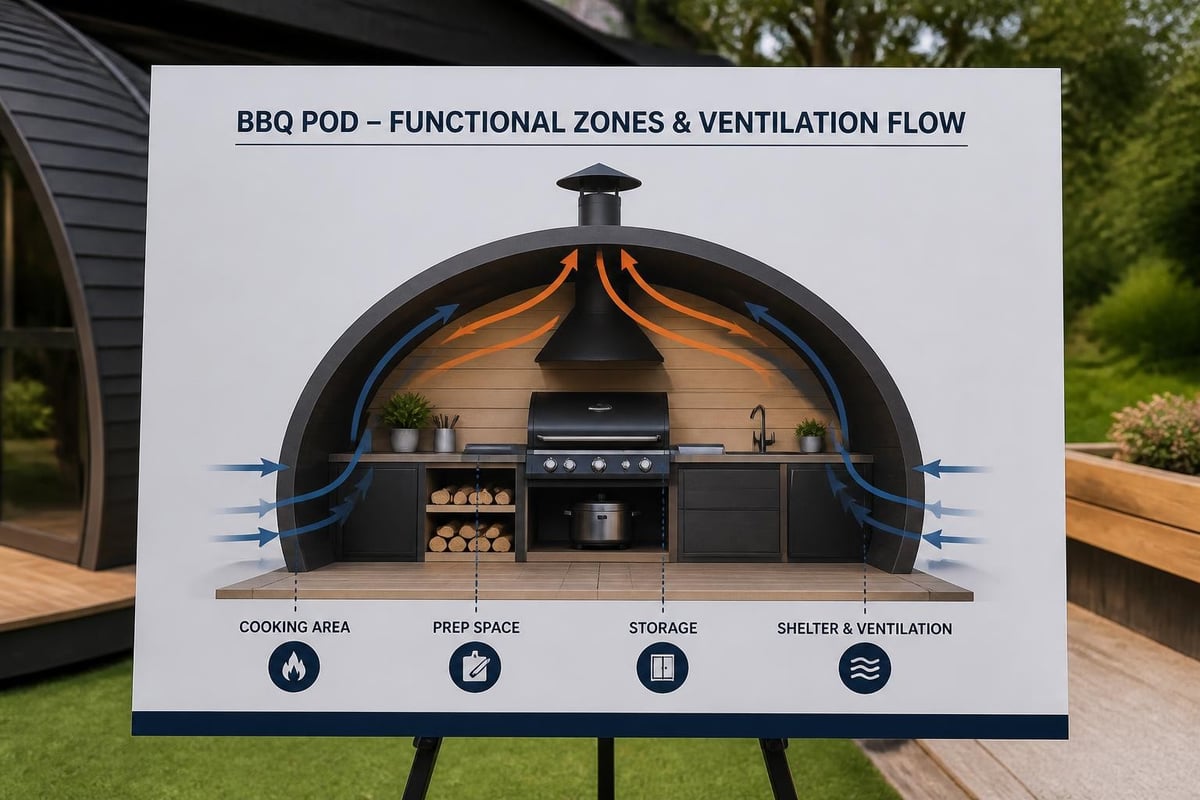
Creating a successful bbq pod requires careful planning across multiple dimensions. Location selection proves critical, with considerations extending beyond mere convenience to encompass prevailing wind direction, proximity to the main dwelling, and integration with existing garden design elements.
The footprint of your bbq pod must accommodate both functional requirements and comfortable movement. A minimum working area of 3 metres by 3 metres provides adequate space for essential cooking operations, though 4 metres by 4 metres allows for more generous counter space and equipment options.
| Area Function | Minimum Dimension | Recommended Dimension | Premium Dimension |
|---|---|---|---|
| Cooking Zone | 1.5m width | 2.0m width | 2.5m+ width |
| Preparation Surface | 1.0m length | 1.5m length | 2.0m+ length |
| Circulation Space | 1.0m clearance | 1.2m clearance | 1.5m clearance |
| Overall Footprint | 9m² | 16m² | 20m²+ |
Height clearance deserves equal attention, particularly when incorporating pizza ovens or tall grilling equipment. A minimum internal height of 2.4 metres ensures comfortable working conditions whilst allowing adequate smoke clearance before reaching the roof structure.
The British climate demands materials capable of withstanding temperature fluctuations, moisture exposure, and UV degradation. Premium bbq pod constructions typically employ powder-coated aluminium frames for their exceptional strength-to-weight ratio and corrosion resistance.
Countertop materials must withstand heat exposure, water contact, and regular cleaning whilst maintaining aesthetic appeal. Porcelain, natural stone, and marine-grade composites each offer distinct advantages. The modular outdoor kitchen trend has introduced innovative material solutions combining durability with refined aesthetics.
The heart of any bbq pod lies in its cooking equipment selection. This decision fundamentally shapes the structure's capabilities and determines the culinary experiences possible within the space.
Modern bbq pods can accommodate multiple heat sources, creating versatility that extends far beyond traditional grilling:
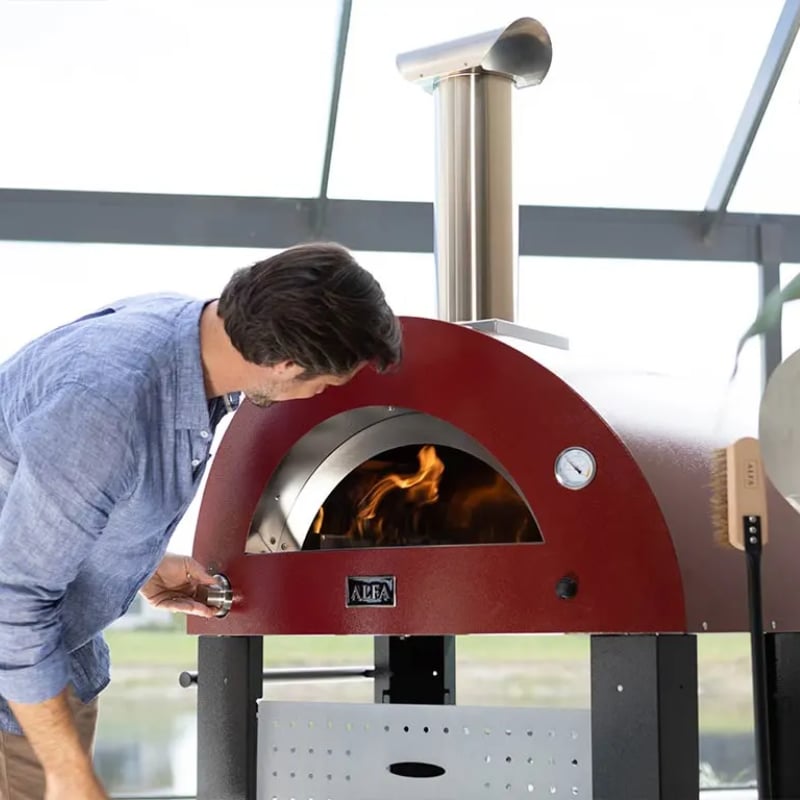
For those seeking the versatility of wood-fired cooking with gas convenience, hybrid solutions like the Alfa Forni Moderno Hybrid Pizza Oven exemplify how contemporary design addresses multiple cooking preferences within a single, beautifully crafted unit.
Proper infrastructure planning ensures your bbq pod functions seamlessly without compromising safety or convenience. Gas supply requires qualified installation with appropriate pressure regulation and safety shutoffs. Electrical provisions should include weather-protected outlets positioned away from water sources, along with dedicated circuits for high-draw appliances.
Water connections transform convenience dramatically, enabling integrated sinks for food preparation and cleanup. Drainage must be properly planned to prevent standing water and ensure compliance with local regulations.
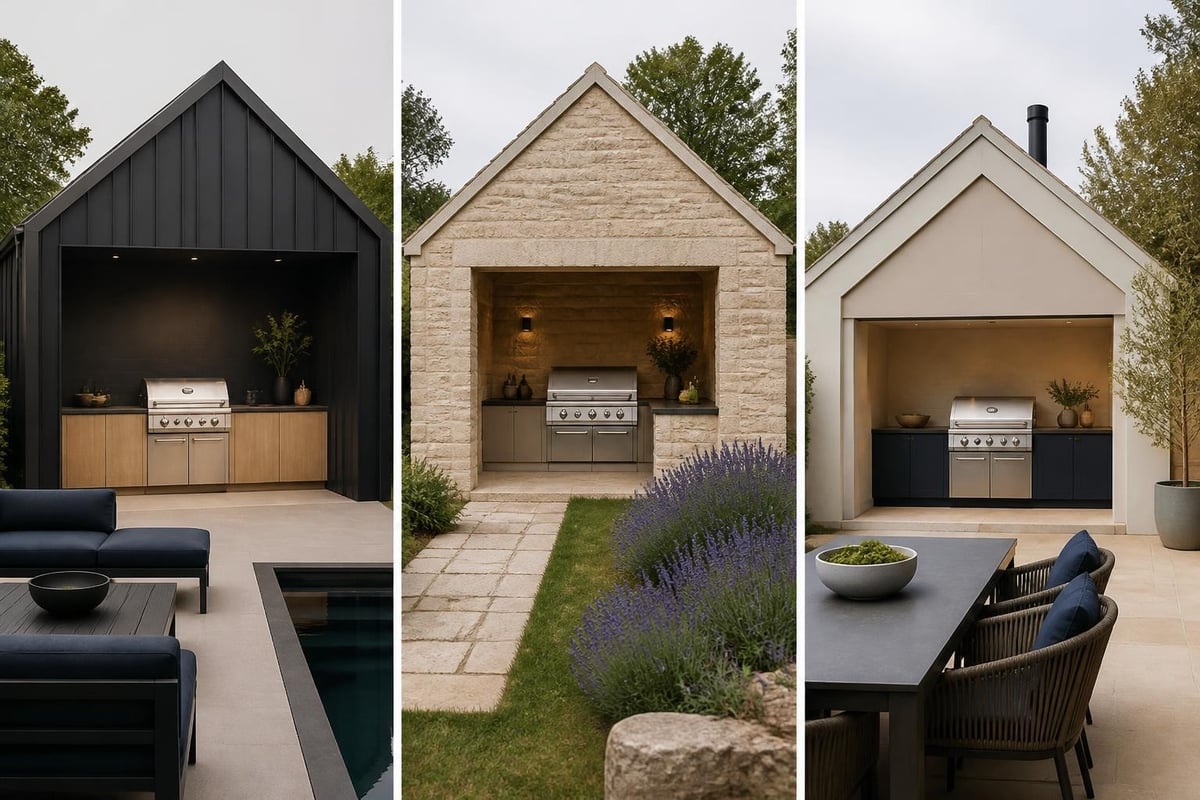
A bbq pod should enhance rather than dominate your garden's visual character. Contemporary designs range from minimalist structures with clean lines to traditional forms echoing estate architecture.
Sleek aluminium frames, flat rooflines, and integrated lighting characterise contemporary bbq pod design. These structures often feature retractable side panels that blur boundaries between shelter and open-air cooking, whilst maintaining weather protection when needed.
Glass elements, whether as windbreaks or partial enclosures, preserve sight lines across the garden whilst providing protection from lateral wind and rain. LED strip lighting integrated into structural elements creates atmospheric evening illumination without requiring separate fixture installation.
For properties with period architecture, bbq pod designs can incorporate traditional materials and forms whilst housing modern equipment. Timber post-and-beam construction, slate roofing, and stone cladding create visual harmony with historic buildings whilst providing contemporary functionality.
When designing an outdoor kitchen, the interplay between traditional aesthetics and modern performance defines truly successful installations.
The true value of a bbq pod emerges through its ability to extend outdoor cooking beyond summer months. Proper design enables comfortable operation throughout the year, transforming what might be seasonal equipment into a genuine extension of your culinary capabilities.
Integrated heating solutions range from overhead infrared panels to freestanding patio heaters positioned strategically within the structure. Premium installations may incorporate underfloor heating within the pod's foundation, creating warmth that rises naturally around users.
Wind protection proves equally important as temperature management. Strategic placement relative to prevailing winds, combined with adjustable side panels or permanent windbreaks, creates microclimates that remain comfortable even during blustery conditions.
Effective weatherproofing extends beyond simply adding a roof. Proper drainage channels prevent water accumulation on surfaces and around equipment. Guttering systems direct rainfall away from cooking zones and walkways.
| Weather Challenge | Design Solution | Performance Benefit |
|---|---|---|
| Heavy Rain | Louvred roof with adjustable pitch | Water evacuation whilst maintaining ventilation |
| Strong Wind | Partial side panels with opening sections | Wind reduction without full enclosure |
| Snow Load | Reinforced roof structure | Safe operation throughout winter |
| Summer Heat | Retractable panels and adequate airflow | Temperature management and comfort |
Storage provisions must accommodate cushions, covers, and seasonal equipment whilst protecting them from moisture and temperature extremes. Built-in cupboards with weather seals offer superior protection compared to freestanding alternatives.
A bbq pod rarely exists in isolation. The most successful installations connect thoughtfully with surrounding outdoor areas, creating fluid transitions between cooking, dining, and relaxation zones.
Physical proximity between your bbq pod and dining space influences both convenience and social dynamics. Positioning these zones within easy serving distance whilst maintaining visual connection allows cooks to remain engaged with guests throughout the preparation process.
Covered walkways or shared rooflines create weather-protected paths between cooking and dining areas, particularly valuable during unpredictable British weather. Some designs incorporate the dining table directly within an extended bbq pod structure, creating a unified entertaining environment.
Thoughtful landscaping enhances both the functionality and visual appeal of your bbq pod. Planted borders soften hard architectural lines whilst potentially providing fresh herbs for immediate culinary use. Strategic tree placement offers dappled shade during summer without obstructing winter sun angles.
Hardscaping materials should coordinate with the bbq pod's finish palette, creating visual cohesion across the outdoor space. Outdoor kitchen designs increasingly emphasise this holistic approach, treating cooking structures as integral landscape elements rather than isolated additions.
Transforming bbq pod aspirations into reality requires careful attention to regulatory compliance, site preparation, and construction methodology.
Most bbq pod installations fall under permitted development rights, provided they meet specific size and placement criteria. Structures under 30 square metres located more than 2 metres from boundaries typically require no planning permission, though verification with local authorities proves prudent.
Building regulations may apply depending on your bbq pod's construction method and utility connections. Gas and electrical work must comply with relevant safety standards, with installations performed by appropriately qualified professionals.
Proper groundwork ensures longevity and stability. Concrete pad foundations provide the most robust base, particularly for heavier structures or those incorporating significant masonry elements. The foundation should extend beyond the bbq pod's footprint to prevent edge loading and settlement.
Adequate drainage beneath and around the structure prevents water accumulation that could compromise both foundation stability and user comfort. Slight grading away from the structure combined with perimeter drainage channels manages surface water effectively.
The complexity of bbq pod installation varies dramatically depending on design ambition. Modular systems with pre-fabricated components may suit competent DIY enthusiasts, particularly when utility connections are minimal. However, custom designs incorporating gas lines, electrical circuits, and integrated equipment warrant professional installation.
Professional contractors bring expertise in structural integrity, weather-sealing techniques, and utility installation that proves difficult to replicate without specialised knowledge. The investment in qualified installation typically yields superior long-term performance and safety compliance.
The bbq pod framework represents only half the equation; equipment selection determines actual cooking capabilities and long-term satisfaction.
Entry-level equipment provides basic grilling functionality at accessible price points, typically featuring lighter construction and fewer advanced features. Mid-range options introduce better materials, improved temperature control, and enhanced durability suitable for regular use.
Premium equipment tiers deliver professional-grade performance, exceptional build quality, and extended warranties reflecting manufacturer confidence. Brands like Grillandia, Whistler, and others curated by specialists like Cotswold Cooking Company represent investment-grade solutions designed for decades of service.
Your bbq pod's equipment should align with actual cooking preferences rather than theoretical capabilities rarely utilised. Frequent pizza enthusiasts benefit enormously from dedicated wood-fired ovens, whilst those prioritising traditional grilling may find elaborate multi-burner systems unnecessary.
Consider the typical number of guests you entertain when selecting equipment capacity. Oversized grills consume excessive fuel and space for couples cooking primarily for two, whilst undersized equipment frustrates those regularly hosting larger gatherings.
Strategic accessory selection transforms a basic bbq pod into a comprehensive outdoor culinary workspace rivalling indoor kitchens.
Premium accessories extend capabilities significantly. Under-counter refrigeration maintains ingredient quality throughout extended cooking sessions. Heated serving drawers keep completed dishes at optimal temperatures whilst finishing touches proceed.
Modern bbq pods can incorporate sophisticated technology enhancing both convenience and performance. Automated temperature monitoring systems alert users to optimal cooking moments via smartphone applications. Voice-controlled lighting and music systems enable hands-free operation whilst managing multiple cooking tasks.
Weather stations with predictive capabilities help plan outdoor cooking sessions around approaching conditions. Some premium installations integrate with home automation systems, enabling pre-heating equipment before arriving home or adjusting lighting and heating remotely.
Protecting your investment requires consistent maintenance aligned with materials and equipment specifications.
Spring preparation involves thorough cleaning after winter dormancy, inspection of all utility connections for weather damage, and testing safety systems before resuming regular use. Equipment burners should be inspected and cleaned, removing any debris or corrosion accumulated during storage.
Autumn preparation focuses on weatherproofing before harsher conditions arrive. Deep cleaning removes summer cooking residues, whilst equipment receives protective treatments preventing corrosion during wetter months. Drainage systems require inspection ensuring adequate function throughout winter rainfall.
Material-specific care extends service life significantly. Stainless steel surfaces benefit from specialised cleaners preventing water spotting and maintaining lustre. Powder-coated finishes require gentle cleaning avoiding abrasive materials that could compromise protective layers.
| Component | Maintenance Frequency | Key Tasks |
|---|---|---|
| Cooking Surfaces | After each use | Remove residue, apply protective oil |
| Structural Elements | Quarterly | Inspect joints, tighten fixings, check seals |
| Utility Connections | Annually | Professional inspection of gas/electric |
| Drainage Systems | Bi-annually | Clear debris, verify flow patterns |
Protective covers designed specifically for your equipment provide additional defence against environmental exposure during periods of non-use. Quality covers feature breathable materials preventing moisture accumulation whilst blocking UV degradation and precipitation.
Understanding the financial commitment involved in bbq pod creation enables realistic planning and prevents mid-project compromises that undermine initial design intentions.
Basic bbq pod installations begin around £5,000-£8,000 for simple structures with entry-level equipment. Mid-range projects typically fall between £12,000-£25,000, incorporating quality materials, professional installation, and reliable equipment. Premium installations with custom design, luxury finishes, and professional-grade equipment commonly exceed £30,000-£50,000.
Hidden costs frequently emerge during installation. Utility connections requiring significant excavation or electrical panel upgrades add substantially to base estimates. Site preparation for uneven terrain or poor drainage conditions similarly impacts total investment.
A well-executed bbq pod provides value extending beyond immediate enjoyment. Property appeal increases significantly, particularly within demographics valuing outdoor living capabilities. Estate agents consistently report that quality outdoor kitchens and cooking spaces enhance marketability and support premium pricing.
The calculation should also consider displacement of restaurant dining. A bbq pod enabling regular home entertaining reduces expenditure on commercial dining whilst providing superior control over ingredients, preparation methods, and social environment.
Contemporary bbq pod design draws from diverse influences, creating opportunities for personalisation reflecting individual aesthetic preferences.
Scandinavian approaches emphasise clean lines, natural materials, and seamless indoor-outdoor transitions. These designs often feature light timber elements, minimalist hardware, and neutral colour palettes harmonising with natural surroundings.
Mediterranean influences bring warmth through terracotta, natural stone, and rustic timber elements. These designs often incorporate visible cooking processes as entertainment, with equipment positioned for guest viewing and interaction.
Adaptations for British climates increasingly incorporate all-weather protection without sacrificing openness characteristic of outdoor cooking. Traditional materials like oak framing and slate roofing create continuity with period architecture, whilst modern weatherproofing techniques ensure practical year-round function.
The collections available from specialists demonstrate how contemporary design balances aesthetic refinement with practical performance suited to British conditions.
Bespoke bbq pod design enables precise alignment with individual requirements and site-specific considerations unavailable through standardised solutions.
Custom installations accommodate specific cooking preferences through equipment selection addressing actual use patterns. Dedicated smoking chambers, multiple pizza ovens, or integrated teppanyaki plates represent specialised capabilities impossible within generic designs.
Counter heights, storage accessibility, and workflow patterns can be optimised for primary users' physical dimensions and cooking styles. Left-handed cooks, those with mobility considerations, or multiple family members with varying heights all benefit from customised spatial planning.
Personalisation extends to structural character through custom joinery, specialty finishes, and integrated architectural features. Carved timber details, commissioned metalwork, or bespoke tile installations transform functional structures into genuine garden focal points.
Lighting design offers particular scope for creativity, with options ranging from discreet recessed fixtures to statement pendant installations. Custom colour temperatures and dimming capabilities create distinct atmospheres for different occasions.
A bbq pod represents a transformative investment in outdoor living, creating a dedicated space where culinary ambition meets year-round usability within the comfort of your garden. Whether you envision intimate family dinners or elaborate entertaining, the right design marries functional excellence with aesthetic refinement suited to your property and lifestyle. Cotswold Cooking Company specialises in creating bespoke outdoor cooking solutions that blend Cotswold heritage with cutting-edge performance, offering comprehensive consultative services from initial concept through final installation to help you realise your vision for exceptional outdoor living.

Leave a comment