


For discerning homeowners seeking to elevate their outdoor entertaining spaces, a built in charcoal grill for outdoor kitchen installations represents the pinnacle of culinary authenticity and architectural integration. Unlike freestanding alternatives, built-in charcoal grills blend seamlessly with stonework, cabinetry, and countertops, creating a cohesive design that honours both traditional cooking methods and contemporary aesthetics. This approach transforms your garden into a year-round culinary destination where the unmistakable aroma of charcoal-grilled food mingles with the refined atmosphere of thoughtfully designed outdoor living.
The decision to incorporate charcoal into a permanent outdoor kitchen design stems from multiple considerations beyond mere cooking preference. Charcoal grilling delivers unparalleled flavour depth through the Maillard reaction and smoke infusion, creating results that gas alternatives simply cannot replicate.
A built in charcoal grill for outdoor kitchen spaces offers temperature versatility that professional chefs and home entertainers genuinely value. Charcoal achieves higher peak temperatures than most gas grills, reaching upwards of 700°C for perfect steakhouse-quality searing. This intense heat creates restaurant-grade crusts whilst maintaining tender, juicy interiors.
Key performance advantages include:
The thermal mass of quality charcoal creates exceptionally even heat distribution once properly established. This characteristic proves invaluable when grilling delicate fish, vegetables, or when maintaining consistent temperatures during extended cooking sessions.
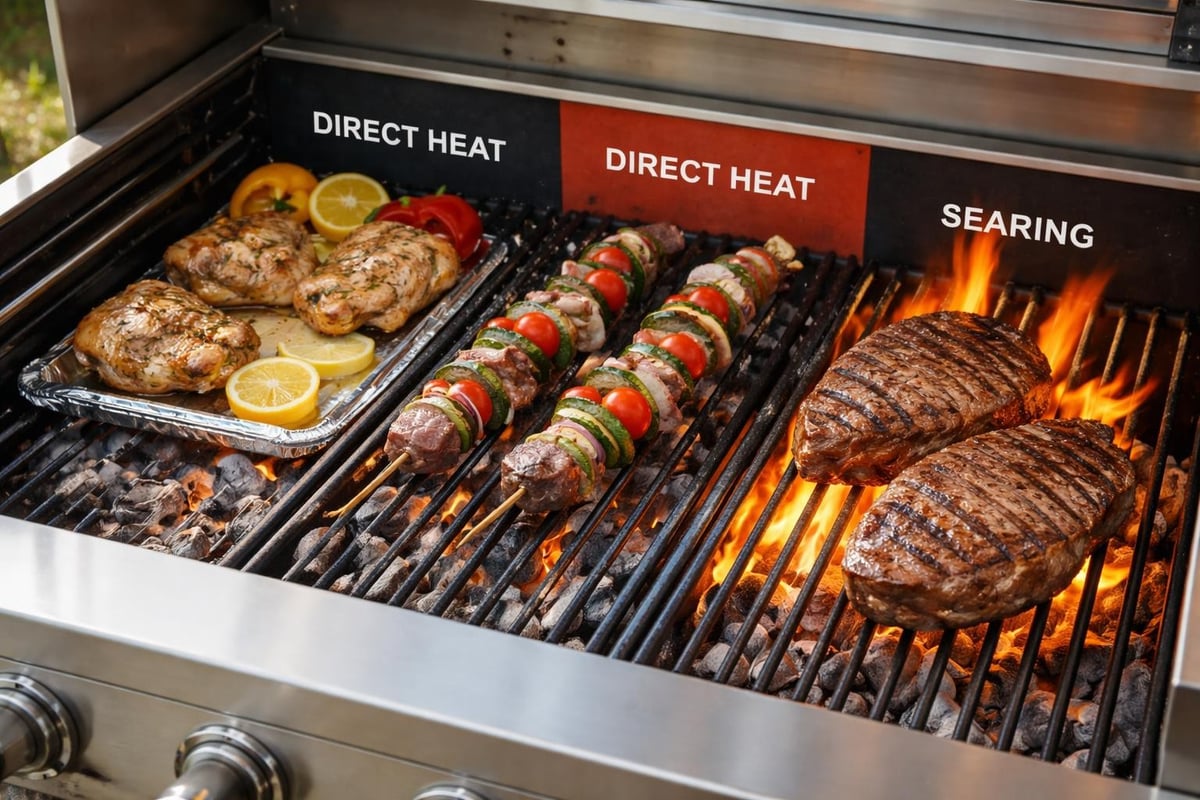
When planning your outdoor cooking space, a permanently installed charcoal grill becomes an architectural feature rather than an afterthought. This integration allows for bespoke surrounding infrastructure including prep zones, utensil storage, and ash management systems.
Professional installation ensures proper ventilation, clearances, and fire safety compliance whilst maintaining the aesthetic integrity of your outdoor room. The permanence of built-in installations justifies investment in premium materials-marine-grade stainless steel, cast iron grates, and weather-resistant components designed for decades of service.
Creating a functional and beautiful charcoal grilling station requires thoughtful planning that balances practicality with visual harmony. Your outdoor kitchen should complement your home's architecture whilst providing intuitive workflow for food preparation and service.
The classic kitchen work triangle applies equally to outdoor spaces. Position your built in charcoal grill for outdoor kitchen use within comfortable reach of preparation surfaces, refrigeration, and serving areas. Allow minimum 900mm clearance on either side for safe manoeuvring during cooking.
| Design Element | Recommended Specification | Purpose |
|---|---|---|
| Grill-to-prep distance | 600-1200mm | Safe food handling zone |
| Counter height | 900-950mm | Comfortable working position |
| Overhead clearance | Minimum 1200mm | Smoke dispersal and safety |
| Side clearances | 900mm each side | Heat protection and access |
| Rear ventilation gap | 150-300mm | Air circulation and maintenance |
Consider prevailing wind patterns when positioning your grill to prevent smoke drifting towards seating areas or neighbouring properties. According to comprehensive outdoor kitchen planning guides, proper siting contributes significantly to user satisfaction and longevity of the installation.
British weather demands robust construction materials that withstand freeze-thaw cycles, persistent moisture, and temperature fluctuations. Marine-grade 316 stainless steel offers superior corrosion resistance compared to standard 304 grade, particularly in coastal regions or areas with high humidity.
Surrounding countertops should utilise sealed natural stone, porcelain, or composite materials designed for exterior applications. Avoid porous materials that absorb grease or water unless properly sealed and maintained. The premium outdoor kitchen collections showcase how thoughtful material selection creates enduring beauty and functionality.
Not all built-in charcoal grills offer equivalent performance or longevity. Understanding the hallmarks of quality construction ensures your investment delivers satisfaction for years to come.
Examine thickness of the firebox and cooking chamber-14-gauge steel minimum for durability, though 11-gauge or thicker provides superior heat retention and structural integrity. Welded construction surpasses bolted assemblies in longevity and thermal efficiency.
Critical construction elements:
Premium manufacturers incorporate commercial-grade components designed for restaurant environments, ensuring residential installations operate flawlessly under demanding entertaining schedules. Resources like the Luxor charcoal grill specifications demonstrate the engineering sophistication available in purpose-designed built-in units.
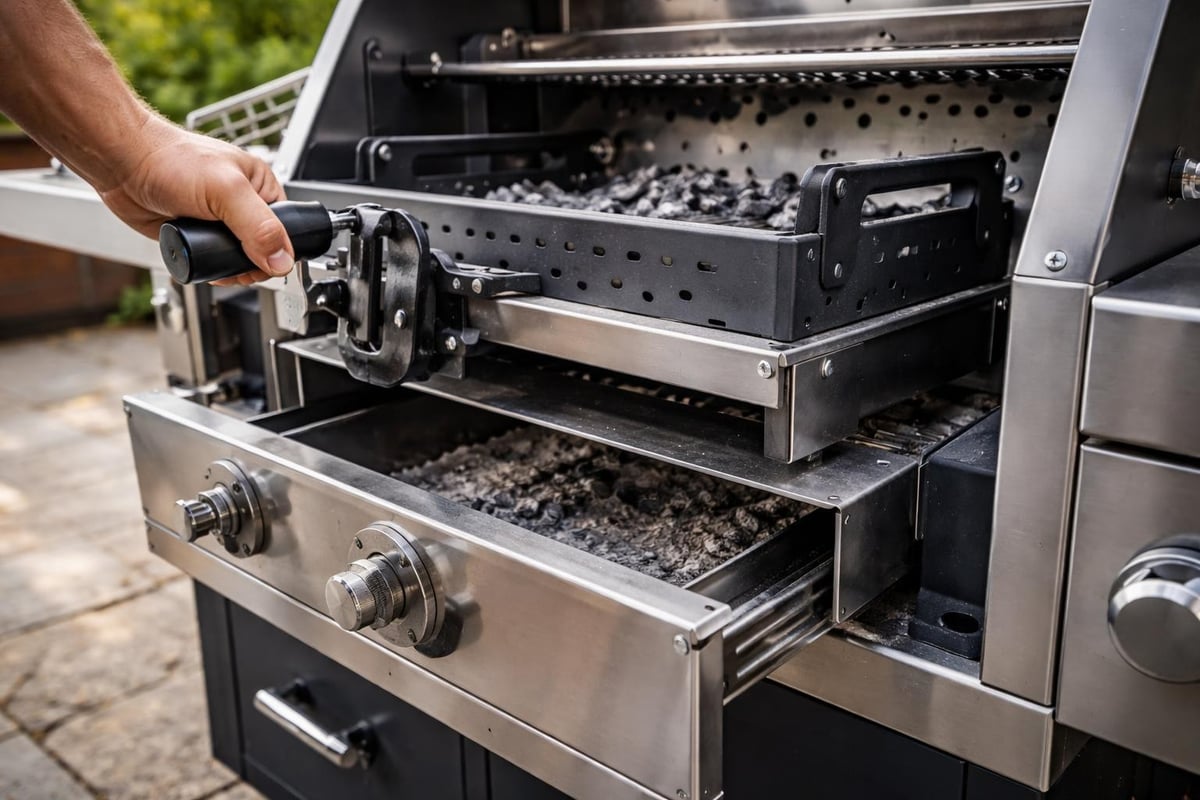
Effective ventilation separates mediocre charcoal grills from exceptional performers. Dual-vent systems-intake dampers below the charcoal and exhaust vents in the lid-provide precise oxygen control that governs combustion intensity.
The best built in charcoal grill for outdoor kitchen installations feature calibrated vent mechanisms that allow minute adjustments. This precision enables temperature holds within 10-15°C ranges, essential for indirect cooking methods like smoking brisket or roasting whole birds.
Consider grills incorporating temperature gauges positioned at grate level rather than dome level, as this provides accurate readings where food actually cooks. Integrated probe thermometers represent a valuable upgrade for monitoring internal food temperatures without lifting the lid and losing heat.
Proper installation of a built in charcoal grill for outdoor kitchen spaces requires expertise beyond basic DIY capabilities. Professional installation ensures compliance with building regulations, gas safety standards where applicable, and manufacturer warranty requirements.
Built-in grills demand substantial structural support given their weight when fully loaded with charcoal and food. Foundations should comprise reinforced concrete bases or engineered framework capable of supporting 150-200kg static loads with adequate safety margins.
Surrounding cabinetry must incorporate non-combustible materials or appropriate insulation barriers. Most manufacturers specify minimum clearances from combustible materials-typically 300-450mm-that must be maintained during construction. Consultation with qualified builders ensures compliance whilst maintaining design intent.
Whilst outdoor grills don't require mechanical extraction like indoor appliances, thoughtful smoke management enhances user comfort and neighbourhood relations. Position grills away from overhead structures unless purpose-designed ventilation canopies are installed.
Consider natural airflow patterns and prevailing winds during site selection. Strategic placement of privacy screens, pergolas, or architectural elements can redirect smoke whilst maintaining the refined aesthetic expected in luxury outdoor spaces.
For those seeking versatility, some systems now offer hybrid capabilities. The Char-Broil Patio Bistro E2Coal demonstrates innovative approaches to combining electric convenience with charcoal authenticity, though purpose-designed built-in units typically offer superior performance.
Understanding how built-in charcoal grills compare to other outdoor cooking methods helps inform specification decisions aligned with your culinary priorities and entertaining style.
| Cooking System | Temperature Range | Flavour Profile | Fuel Cost | Maintenance Level | Design Integration |
|---|---|---|---|---|---|
| Built-in Charcoal | 95-760°C | Exceptional smoke character | Moderate | High | Excellent |
| Built-in Gas | 150-425°C | Clean, predictable | Low | Low | Excellent |
| Kamado-style | 95-425°C | Superior smoke retention | Moderate | Moderate | Good |
| Pellet Grills | 95-260°C | Consistent smoke | Moderate-High | Moderate | Fair |
| Hybrid Systems | Variable | Versatile | Variable | Moderate | Good |
Gas grills provide convenience and rapid ignition, yet sacrifice the nuanced flavour development charcoal delivers. The latest Weber innovations demonstrate how technology enhances charcoal grilling through smart temperature monitoring whilst preserving authentic cooking methods.
Kamado-style ceramic grills represent another premium option for built-in outdoor kitchens. These thick-walled cookers excel at heat retention and fuel efficiency, with specialised built-in kamado designs offering weather-resistant stainless hardware suited to permanent installations.
However, traditional built-in charcoal grills typically provide larger cooking surfaces and easier access for high-heat searing applications. Kamados shine in low-and-slow cooking scenarios where their exceptional insulation maintains steady temperatures over extended periods.
A built in charcoal grill for outdoor kitchen installations represents a significant investment deserving proper care to ensure decades of reliable service. Establishing systematic maintenance routines prevents premature deterioration and maintains optimal cooking performance.
After each grilling session, allow grates to cool slightly then brush away residual food particles whilst still warm. This prevents carbonised deposits from hardening and becoming difficult to remove. Remove ash completely after the grill cools to prevent moisture absorption that causes corrosion.
Essential maintenance tasks include:
Quality stainless steel construction significantly reduces maintenance burden compared to painted steel alternatives. Marine-grade materials withstand British weather with minimal intervention, though periodic cleaning maintains appearance and prevents buildup.
Even weather-resistant installations benefit from seasonal attention. Before winter, conduct thorough cleaning, apply protective coatings to exposed metal surfaces, and ensure drainage points remain clear. Custom-fitted covers provide additional protection against ice, snow, and prolonged moisture exposure.
Spring commissioning should include inspection of all moving parts, replacement of worn components, and verification that ventilation systems operate freely. This attention ensures your grill performs flawlessly when entertaining season begins.
The comprehensive range of outdoor cooking solutions available demonstrates manufacturer commitment to durability and long-term performance across varying British climates.
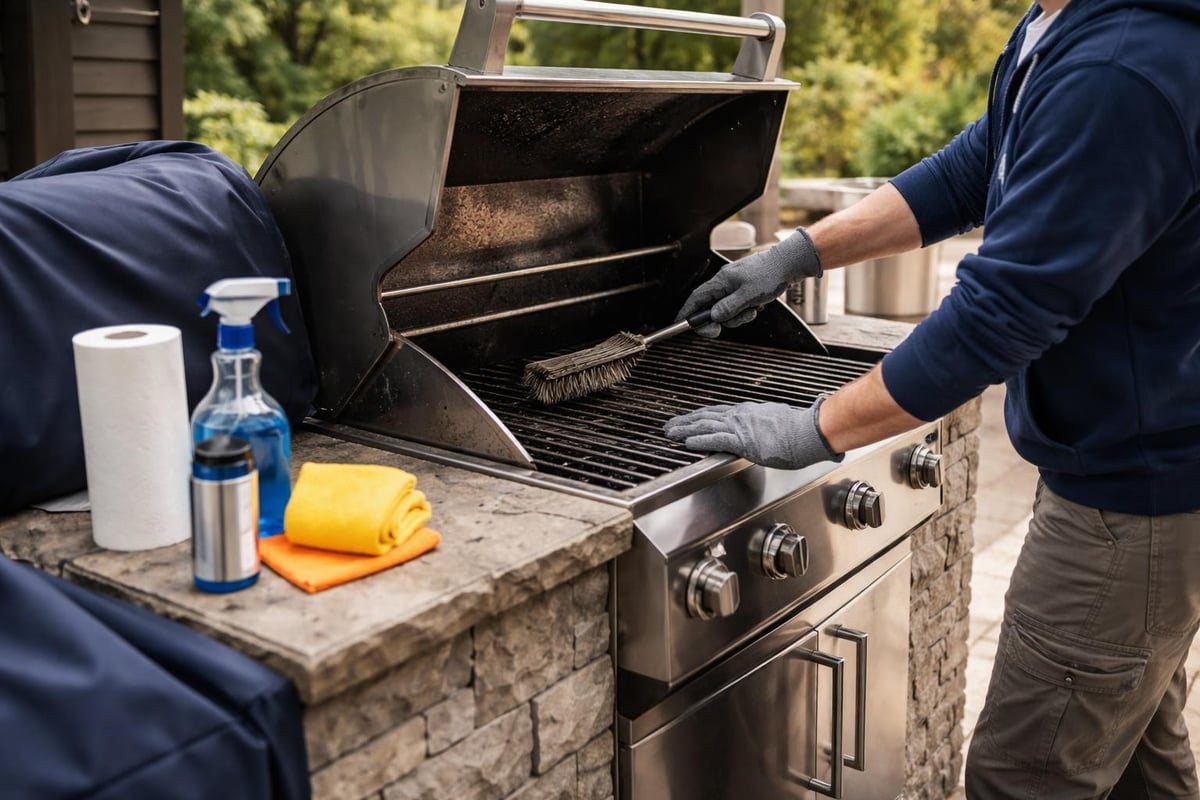
Once your primary grill installation is complete, complementary equipment and accessories expand culinary capabilities and improve user experience. Strategic additions transform competent outdoor kitchens into comprehensive cooking environments.
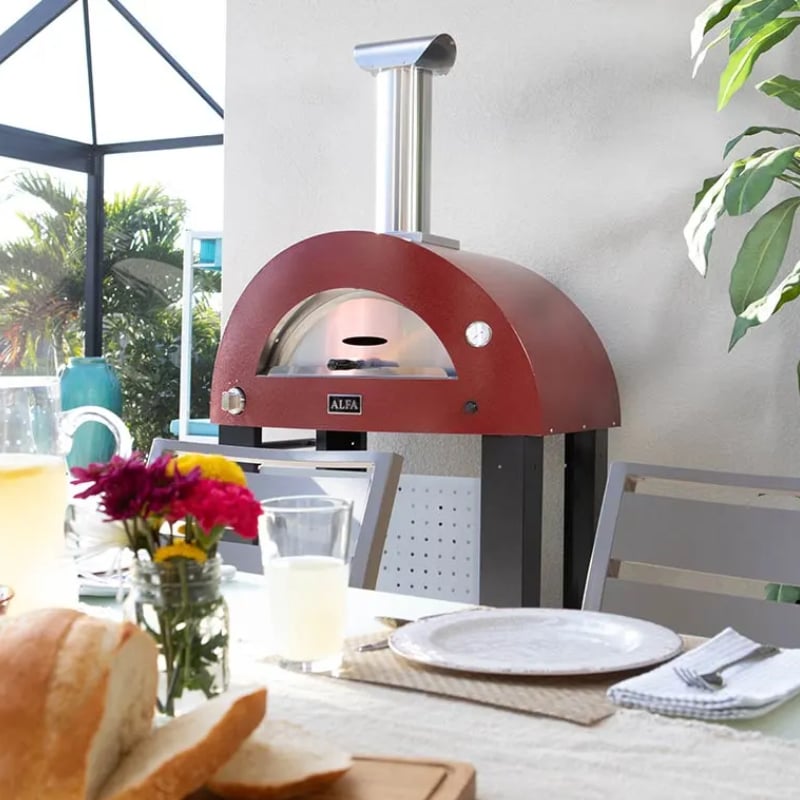
Consider integrating additional cooking modalities alongside your charcoal grill. Wood-fired pizza ovens create diverse menu options for gatherings whilst sharing infrastructure and design language. Many homeowners find the combination of charcoal grilling and pizza baking provides exceptional versatility.
For those who appreciate authentic Italian cooking traditions, solutions like the Alfa Forni Moderno Hybrid Pizza Oven deliver restaurant-quality results whilst complementing the artisanal nature of charcoal grilling. This handcrafted Italian oven reaches 500°C in approximately 30 minutes, producing genuine Neapolitan pizzas in just 90 seconds through either wood or gas fuel options.
Purpose-designed storage solutions maintain the organised, refined appearance expected in luxury outdoor spaces. Incorporate weatherproof drawers for utensils, pull-out bins for charcoal and wood supplies, and dedicated compartments for cleaning equipment.
Integrate task lighting beneath overhead structures or within cabinetry to extend usable hours into evening. LED strip lighting provides excellent visibility without generating heat or consuming excessive power. Position electrical outlets strategically for accessories like rotisseries or temperature monitoring devices.
British homeowners face unique considerations when specifying a built in charcoal grill for outdoor kitchen projects. Understanding regional requirements, sourcing considerations, and installation standards ensures successful outcomes.
Most outdoor kitchen installations fall within permitted development rights, though proximity to boundaries, overall size, and height restrictions apply. Built-in grills themselves rarely require planning permission when positioned within private gardens, though larger structures incorporating roofs or substantial enclosures may trigger requirements.
Building Control notification may be necessary where electrical or gas installations are involved, even in outdoor settings. Engaging qualified professionals familiar with UK regulations ensures compliance whilst protecting your investment through proper documentation.
British weather patterns demand thoughtful consideration of rain protection, wind breaks, and seasonal usability. Whilst charcoal grills function effectively in cold weather-often better than gas alternatives-user comfort benefits from overhead coverage and strategic screening.
Pergolas, louvred roofs, and retractable canopies extend usability without creating fully enclosed spaces that require complex ventilation systems. These architectural elements complement traditional Cotswold design vernacular whilst providing practical weather protection.
The outdoor kitchen market offers numerous manufacturers, yet significant quality disparities exist between budget-focused products and genuine luxury installations. Distinguishing marketing claims from substantive engineering requires informed evaluation.
Premium brands typically offer comprehensive warranties-10 years or more on primary components-reflecting confidence in construction quality. Examine warranty terms carefully, noting exclusions and maintenance requirements that might void coverage.
Quality indicators to assess:
Resources like detailed product catalogues from established manufacturers provide transparency regarding specifications and available features, enabling informed comparisons.
Working with specialist retailers ensures access to premium brands, expert specification advice, and coordinated installation services. Comprehensive consultative approaches consider your entire outdoor living vision rather than focusing narrowly on individual appliances.
Curated collections from established names deliver proven performance whilst maintaining aesthetic cohesion across your outdoor space. This integrated approach creates harmonious environments where cooking equipment, furniture, and architectural elements work together seamlessly.
A built in charcoal grill for outdoor kitchen installations represents substantial financial commitment requiring careful value assessment. Understanding total cost of ownership beyond initial purchase price informs realistic budgeting.
Quality built-in charcoal grills typically range from £2,000 to £8,000 depending on size, features, and construction quality. This core appliance cost represents approximately 25-35% of total outdoor kitchen investment when including surrounding infrastructure, installation, and complementary equipment.
| Cost Category | Typical Range (GBP) | Percentage of Total |
|---|---|---|
| Charcoal grill unit | £2,000-£8,000 | 25-35% |
| Surrounding cabinetry | £3,000-£10,000 | 35-45% |
| Countertops and surfaces | £1,500-£5,000 | 15-20% |
| Installation labour | £2,000-£6,000 | 15-25% |
| Accessories and extras | £500-£2,000 | 5-10% |
These figures reflect quality materials and professional installation appropriate for permanent luxury installations. Budget alternatives exist but typically compromise longevity, performance, or aesthetic refinement.
Beyond monetary considerations, outdoor kitchens deliver lifestyle benefits difficult to quantify purely financially. Extended entertaining seasons, enhanced property appeal, and enriched family experiences contribute genuine value that transcends initial costs.
Well-executed outdoor living spaces typically return 60-80% of investment upon property sale, with premium installations in desirable locations occasionally achieving full cost recovery. The combination of practical utility and aspirational appeal makes outdoor kitchens among the most valued home improvements.
Mastering your built in charcoal grill for outdoor kitchen use opens sophisticated cooking techniques previously confined to restaurant environments. Understanding advanced methods maximises your investment whilst impressing guests with exceptional results.
Professional pitmasters rely on two-zone fire configurations that create distinct direct and indirect heat areas. Bank hot coals to one side for searing whilst leaving the opposite side coal-free for gentle cooking or resting meat.
This arrangement enables simultaneous preparation of items requiring different temperatures-sear steaks over intense direct heat whilst roasting vegetables in the cooler indirect zone. The technique also provides safety zones for managing flare-ups without losing cooking capacity.
Strategic wood selection transforms competent grilling into extraordinary flavour experiences. Fruit woods like apple and cherry provide mild sweetness suited to poultry and pork, whilst hickory and oak deliver robust smoke character ideal for beef.
Soak wood chunks briefly before adding to established charcoal beds, creating sustained smoke without excessive ash. Position smoking woods upwind of food items to maximise smoke contact during cooking. For comprehensive guidance on built-in charcoal techniques, resources like specialist grilling information offer valuable insights.
Achieving consistent results requires understanding damper adjustments and their thermal effects. Opening intake vents increases oxygen supply, raising combustion intensity and temperature. Exhaust dampers regulate draft strength, fine-tuning the amount of heat retained versus vented.
Practice maintaining target temperatures using vent adjustments alone before introducing food. This skill development transforms charcoal grilling from approximate art into precise science, delivering restaurant-quality consistency in your outdoor kitchen.
Your built in charcoal grill for outdoor kitchen use should complement comprehensive outdoor living plans rather than functioning as an isolated element. Thoughtful integration with dining areas, lounging zones, and landscape design creates cohesive environments.
Position cooking zones within comfortable serving distance of dining areas without creating excessive foot traffic through prep spaces. Allow 3-4 metres between grill and primary seating to manage smoke and heat whilst maintaining conversational proximity.
Consider sightlines from indoor living areas-outdoor kitchens visible from main reception rooms benefit from particularly refined aesthetic detailing. Conversely, kitchens positioned in secluded garden areas might prioritise functionality over visual perfection from all angles.
Select materials and finishes that reference your home's existing architecture. Cotswold stone, York paving, or reclaimed materials create natural visual connections between indoor and outdoor spaces whilst honouring regional character.
Repeat design motifs-arched openings, column details, or decorative metalwork-to reinforce stylistic cohesion. This attention to architectural continuity elevates outdoor kitchens from utilitarian additions into integral components of your home's design narrative.
Thoughtful planning accommodates evolving needs and emerging technologies without requiring complete reconstruction. Building flexibility into initial designs maximises long-term value and satisfaction.
Specify infrastructure that supports potential equipment additions or replacements. Oversized electrical service, capped gas lines, and generous countertop dimensions provide adaptation capacity as your requirements evolve.
Consider whether future generations might prefer gas convenience over charcoal authenticity. Designing spaces that could accommodate either fuel type-without extensive demolition-preserves options whilst committing to current preferences.
Smart temperature monitoring, automated ventilation controls, and app-connected cooking systems continue advancing. Whilst some traditionalists question technological enhancement of charcoal grilling, conveniences like remote temperature alerts genuinely improve outcomes for extended cooking sessions.
Provision for electrical connections and weather-protected mounting points enables future technology adoption without compromising current aesthetics. Discrete conduit pathways maintain clean appearances whilst supporting connectivity.
A thoughtfully designed built in charcoal grill for outdoor kitchen spaces delivers unmatched cooking authenticity, architectural integration, and long-term value when properly specified and installed. From material selection through maintenance protocols, each decision shapes your outdoor culinary experience for decades to come. Whether you're planning an intimate family cooking space or a comprehensive entertaining environment, Cotswold Cooking Company brings specialist expertise, curated premium brands, and complete design-through-installation services to transform your outdoor living aspirations into refined reality.

Leave a comment