


A cedar pergola represents one of the most refined choices for transforming a garden into an architectural destination. Combining natural beauty with exceptional durability, cedar has long been favoured by discerning homeowners who seek structures that age gracefully whilst requiring minimal intervention. When thoughtfully designed and professionally installed, a cedar pergola becomes far more than garden ornamentation-it anchors an outdoor living space, defines entertaining zones, and creates year-round usability that elevates property value and lifestyle alike.
Western red cedar (Thuja plicata) has earned its reputation as the premier softwood for outdoor structures through a unique combination of natural properties. The species contains naturally occurring oils and compounds that resist decay, insect damage, and moisture penetration-qualities that make it particularly suited to the British climate.
According to the US Forest Service species profile, western red cedar demonstrates exceptional durability even without chemical treatment. This inherent resistance stems from thujaplicins and other extractives concentrated in the heartwood, providing protection that synthetic treatments struggle to replicate.
When specifying a cedar pergola, understanding the material characteristics ensures informed decisions:
The USDA Forest Products Laboratory research confirms that cedar's cellular structure and extractive content deliver longevity that justifies the initial investment, particularly for structures exposed to weather year-round.
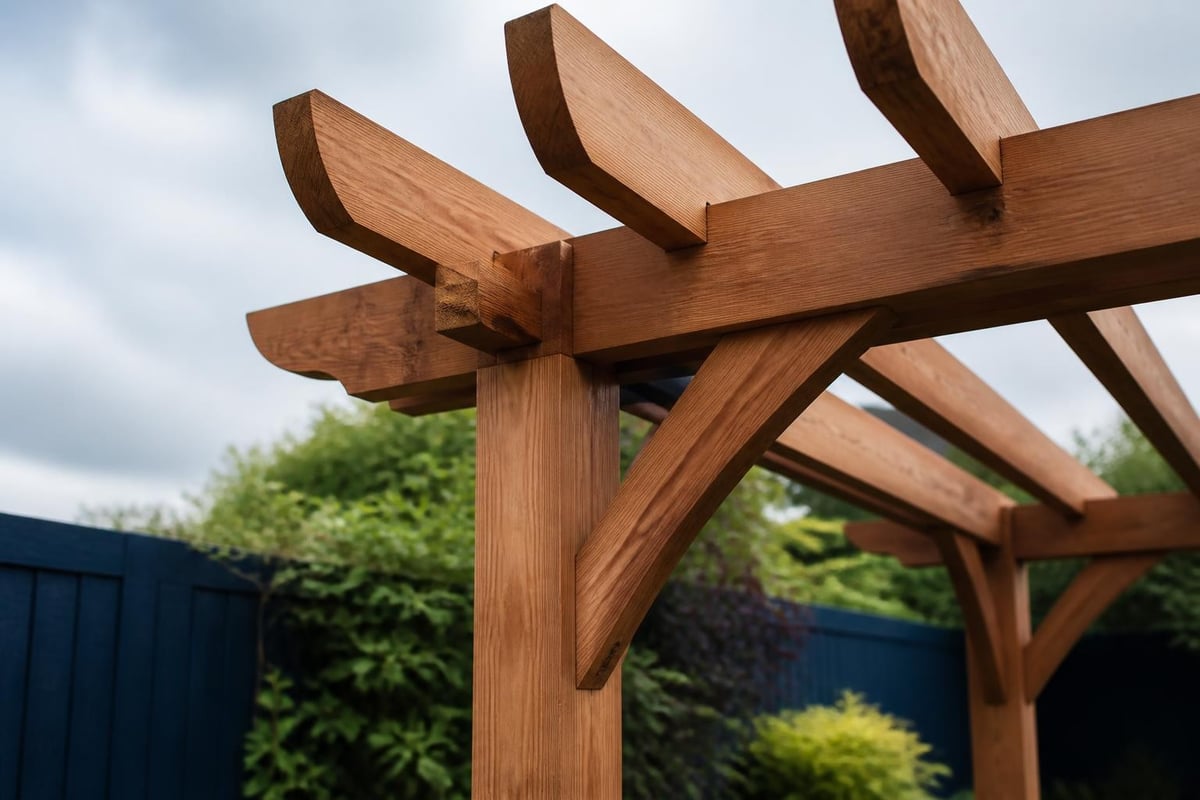
Creating a truly exceptional cedar pergola requires balancing architectural intent with practical performance. The design process begins not with timber selection but with understanding how the structure integrates into the broader landscape and living pattern.
Cedar's versatility allows expression across design vocabularies:
| Style | Characteristics | Best Suited For |
|---|---|---|
| Traditional Cotswold | Heavy timbers, rustic joinery, natural finish | Period properties, rural settings, heritage conservation areas |
| Contemporary Minimalist | Clean lines, concealed fixings, precision milling | Modern architecture, urban gardens, architectural awards |
| Mediterranean Hybrid | Lighter sections, decorative brackets, white or grey stain | Courtyard gardens, pool areas, entertaining-focused spaces |
| Transitional Fusion | Mix of traditional joinery with modern proportions | Most UK gardens, versatile aesthetic, wide appeal |
House Beautiful's pergola design guide showcases current trends favouring clean-lined cedar structures that complement rather than compete with landscape planting.
Strategic placement transforms a cedar pergola from decorative element to functional asset:
Professional landscape designers understand that landscape integration requires considering the pergola's relationship to existing trees, lawn areas, and built features from the earliest planning stages.
Whilst a cedar pergola may appear straightforward, proper engineering ensures safety and longevity. The International Code Council guidelines provide framework for residential structures, though pergolas often fall into a grey area requiring professional interpretation.
Cedar's relative lightness doesn't eliminate the need for proper foundations. Ground conditions across the Cotswolds vary significantly-from Cotswold brash to Oxford clay-each demanding different foundation approaches.
Foundation options ranked by permanence and cost:
Posts should be specified with a minimum 100mm x 100mm section for domestic-scale structures, increasing to 150mm x 150mm for spans exceeding 3.5 metres or when supporting glazed roofing systems.
Traditional timber joinery creates structural integrity whilst celebrating craftsmanship. Modern cedar pergola construction often employs:
The Wood Handbook from USDA Forest Products Laboratory provides engineering data for connection design, ensuring joints don't become weak points as the timber seasons and settles.
The synergy between a cedar pergola and a luxury outdoor kitchen creates an unparalleled entertaining environment. Cedar's natural fire resistance (though not fireproof) and dimensional stability make it compatible with professional-grade outdoor cooking equipment when properly specified.
When planning a cedar pergola to shelter an outdoor kitchen, several factors demand attention:
Clearance and safety spacing:
Material compatibility: Cedar complements the premium materials found in luxury outdoor kitchens. When paired with stainless steel modular outdoor kitchen systems, natural cedar tones create warmth that prevents the space feeling clinical whilst maintaining the refined aesthetic discerning clients expect.
The Tarsaola collection exemplifies how architectural pergola design can integrate with outdoor culinary spaces, offering weather protection and aesthetic cohesion that elevates the entire outdoor living zone.
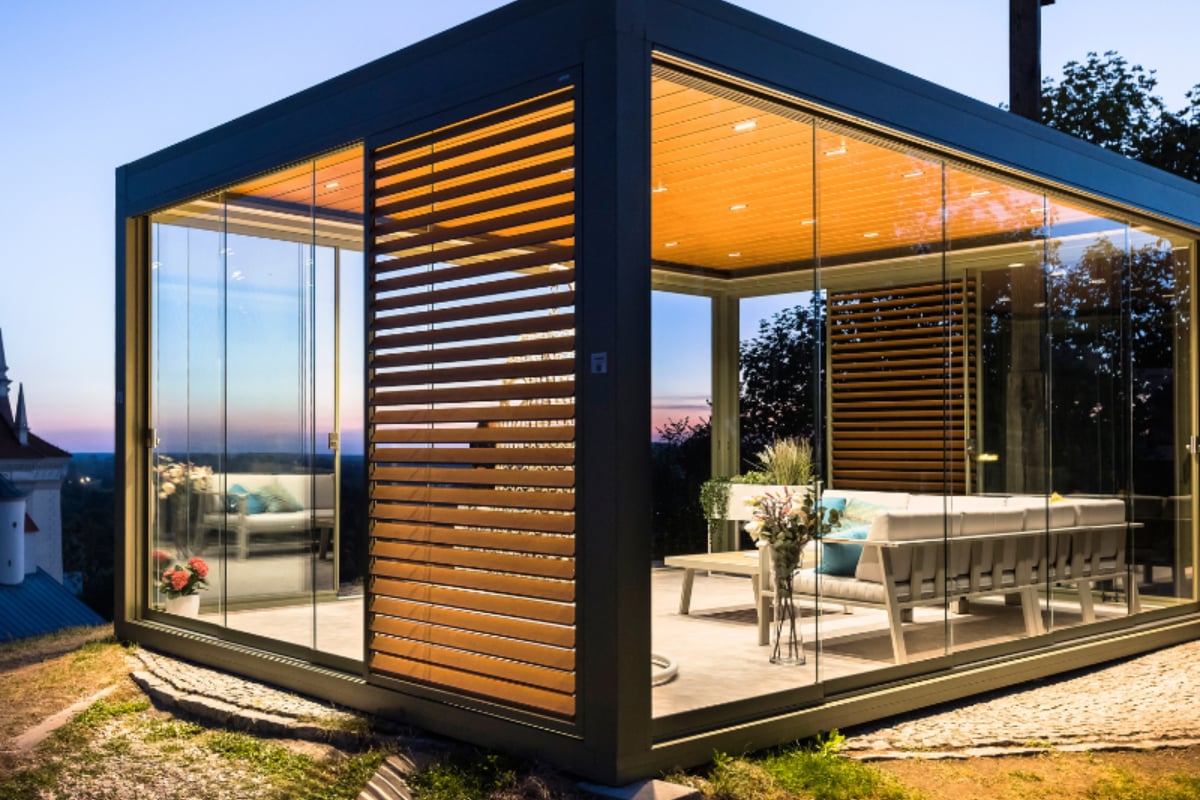
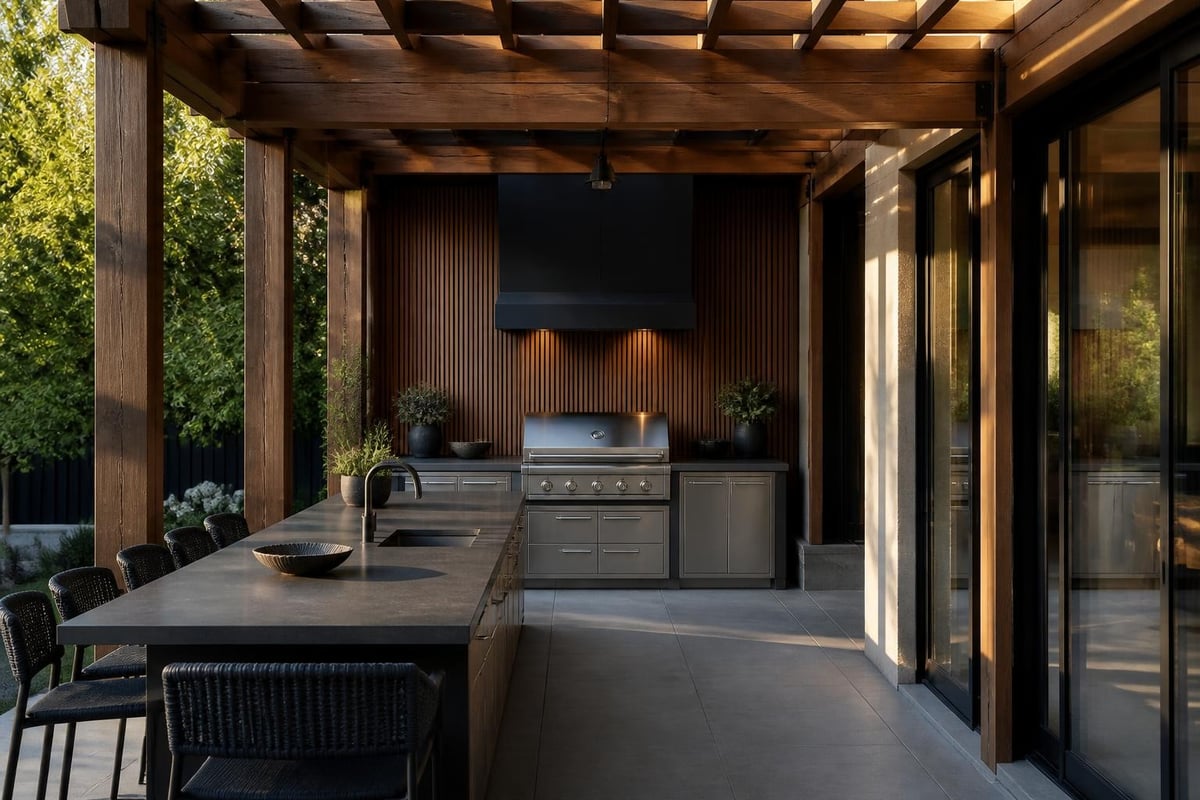
Cedar pergolas provide natural mounting points for lighting that transforms evening entertaining:
For clients creating comprehensive outdoor entertainment environments, coordinating pergola lighting with custom home cinema and audio systems ensures cohesive ambience across both covered and open garden zones.
Cedar's natural durability makes it forgiving, yet proper finishing extends lifespan and maintains appearance. Untreated cedar weathers to an attractive silver-grey patina-a look many clients prefer for its organic character. Others favour preserving the warm honey tones through regular maintenance.
| Finish Type | Appearance | Maintenance Frequency | Longevity | Best Application |
|---|---|---|---|---|
| Natural/Untreated | Silver-grey patina | None required | 20-30 years structural | Low-maintenance preference, rustic aesthetic |
| Clear UV Sealer | Natural cedar colour | Annual recoating | 15-25 years | Visibility of grain priority, willing to maintain |
| Semi-Transparent Stain | Enhanced colour, visible grain | Every 2-3 years | 20-30 years | Colour preference, moderate maintenance |
| Solid Colour Stain | Opaque, any colour | Every 3-5 years | 25-35 years | Matching exterior palette, lowest maintenance |
Consumer Reports' wood stain guidance recommends oil-based penetrating stains for horizontal surfaces and water-based options for vertical elements on cedar structures, balancing performance with environmental considerations.
Professional finishing ensures optimal protection:
For structures installed in sustainable building projects, specifying water-based, low-VOC finishes aligns with green building certification requirements whilst protecting cedar effectively.
Discerning clients increasingly enquire about material provenance and environmental impact. Western red cedar, when responsibly sourced, represents a genuinely sustainable choice that supports both forest management and long-term structural performance.
Reputable suppliers provide cedar certified under recognised forestry standards:
Cedar's longevity amplifies its sustainability credentials-a structure lasting 30+ years with minimal maintenance embodies lower lifecycle environmental impact than alternatives requiring replacement or extensive chemical intervention.
Whilst cedar species grow in Britain, commercially available "cedar" for construction almost universally refers to western red cedar from North America. British-grown alternatives lack the heartwood extractive concentration that provides natural durability, making imported western red cedar the pragmatic choice for outdoor structures.
A cedar pergola installation unfolds across several stages, each demanding precision:
Phase 1: Site Preparation (Days 1-2)
Phase 2: Foundation Work (Days 3-5)
Phase 3: Frame Construction (Days 6-8)
Phase 4: Finishing (Days 9-10)
Professional installers working with luxury outdoor kitchen specialists coordinate pergola installation with kitchen placement, ensuring posts don't conflict with service runs and that roof loads don't compromise underground utilities.
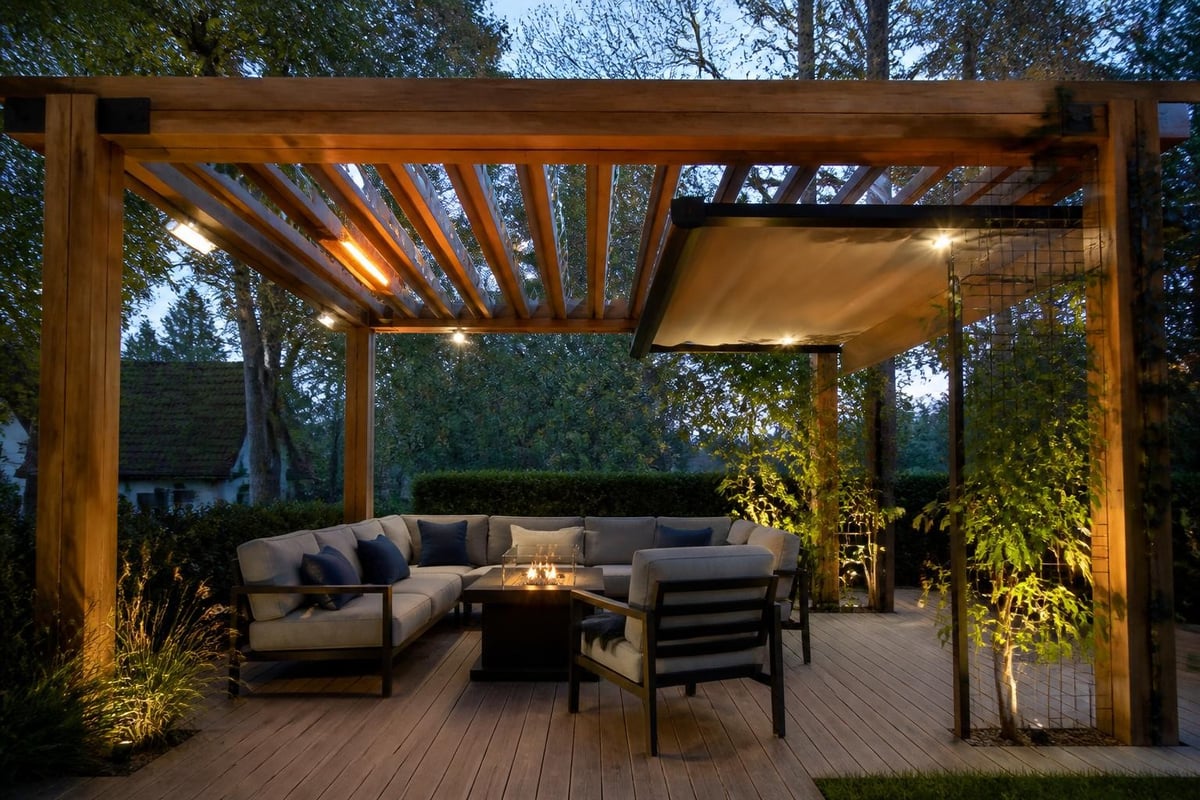
A thoughtfully specified cedar pergola accommodates enhancement systems that extend usability:
Fabric or louvre systems transform a cedar pergola from shade provider to weather shelter:
Extending season use into cooler months:
Architectural Digest's landscape design principles demonstrate how strategic planting completes a cedar pergola. Climbing plants add vertical interest, seasonal variation, and additional shade:
Recommended climbers for cedar pergolas:
Planting pockets should be planned during construction to avoid damaging foundations retrospectively.
Cedar pergola pricing varies dramatically based on specification, size, and complexity. Understanding cost drivers enables informed budgeting:
Budget framework for cedar pergola investment:
These figures reflect supply and installation in the Cotswolds and surrounding counties during 2026, with variations depending on site access, ground conditions, and specification detail.
Quality cedar pergola installation delivers measurable value:
When integrated with comprehensive outdoor cooking facilities, a cedar pergola becomes the architectural anchor that transforms gardens into true outdoor rooms commanding premium valuation.
Cedar's low-maintenance reputation doesn't mean zero maintenance. A simple annual routine preserves appearance and ensures structural integrity:
Spring assessment (April-May):
Cleaning protocol:
Finish recoating:
Every 3-5 years, commission professional structural assessment:
Early intervention for minor issues prevents costly remediation later whilst ensuring the cedar pergola remains safe and compliant with current building standards.
Most cedar pergolas in domestic gardens fall under permitted development, though several factors can trigger planning requirements:
Conditions requiring planning application:
Building Regulations rarely apply to standalone cedar pergolas unless:
Engaging with local planning authority early prevents costly mistakes. Oxfordshire and Gloucestershire councils maintain online portals for preliminary enquiries, streamlining the consent process where required.
A cedar pergola represents far more than timber joinery-it embodies a commitment to creating outdoor living spaces that honour craftsmanship whilst delivering decades of refined enjoyment. Whether anchoring an intimate courtyard or defining an expansive entertainment terrace, cedar's natural properties and timeless appeal ensure your investment matures gracefully alongside your garden. The Cotswold Cooking Company combines deep expertise in outdoor living design with access to the finest pergola systems and outdoor kitchen equipment, guiding discerning clients from initial concept through to installation and ensuring every element works in harmony to create truly exceptional outdoor spaces.

Leave a comment