


An enclosed gazebo represents far more than a simple garden structure. For discerning homeowners seeking to maximise their outdoor living potential, it serves as an architectural bridge between interior comfort and alfresco freedom, creating a protected sanctuary that functions beautifully throughout every season. As luxury outdoor living continues its remarkable growth across the UK, particularly in regions such as the Cotswolds where traditional craftsmanship meets contemporary design expectations, the enclosed gazebo has emerged as an essential element for those who refuse to compromise on quality or year-round usability.
The enclosed gazebo differs fundamentally from its open-air cousin through the integration of protective walls, glazing, or screening that shields occupants from weather whilst maintaining visual connection to the surrounding landscape. This distinction transforms a decorative structure into a genuinely functional outdoor room.
Modern enclosed gazebos incorporate several defining characteristics that elevate them beyond basic shelter:
The National Association of Home Builders has documented the rising prominence of enclosed outdoor structures in residential design, noting their particular appeal to clients seeking multi-season functionality.
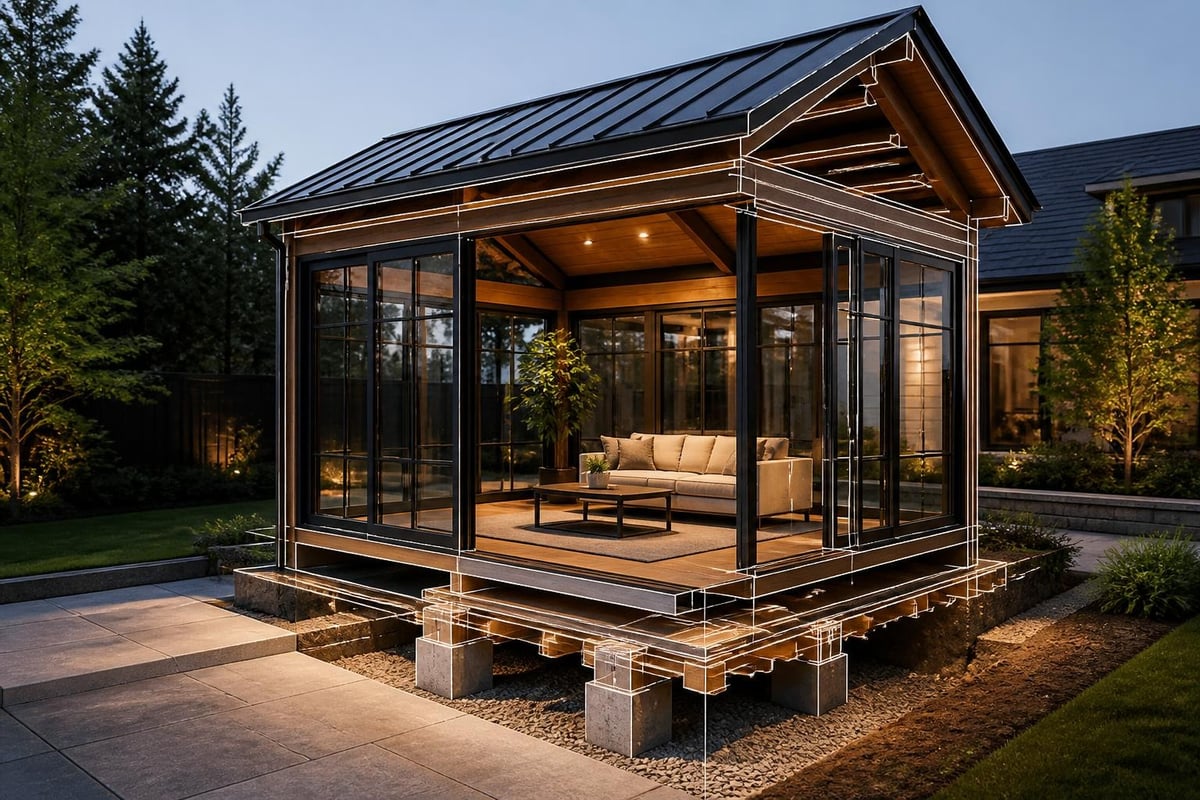
Choosing appropriate materials for an enclosed gazebo demands careful consideration of both performance and visual harmony. The structure must endure British weather patterns whilst maintaining aesthetic refinement.
| Material Category | Primary Options | Key Benefits | Maintenance Requirements |
|---|---|---|---|
| Structural Frame | Aluminium, Steel, Timber | Strength, design flexibility, finish options | Low (metal), Moderate (timber) |
| Glazing | Toughened glass, Polycarbonate, Acrylic | Transparency, UV protection, impact resistance | Periodic cleaning, seal inspection |
| Roofing | Solid panel, Glass, Polycarbonate | Weather protection, light transmission control | Annual inspection, gutter clearing |
| Flooring | Porcelain, Natural stone, Composite decking | Durability, slip resistance, thermal properties | Seasonal cleaning, occasional sealing |
Timber frames require particular attention to preserve their beauty over time. The USDA Forest Products Laboratory provides extensive research on wood durability and finishing treatments, whilst BioResources offers comprehensive guidance on protecting exterior woodwork from moisture, UV degradation, and biological attack.
For those passionate about outdoor cooking and entertaining, the enclosed gazebo presents remarkable opportunities to create a sheltered culinary destination. This application has become increasingly popular amongst clients of Cotswold Cooking Company, where protected outdoor kitchens enable year-round cooking regardless of weather.
The primary advantage of an enclosed gazebo lies in its ability to house sophisticated cooking equipment that might otherwise require excessive weather protection. Premium outdoor kitchens benefit enormously from this shelter.
When planning a cooking-focused enclosed gazebo, consider these essential elements:
Premium modular systems such as Grillandia Outdoor Kitchens offer exceptional flexibility within enclosed structures, with weather-resistant construction and customisable configurations that adapt perfectly to protected environments. Their UV-resistant finishes and robust materials ensure longevity even within partially enclosed spaces where condensation and temperature fluctuations occur.
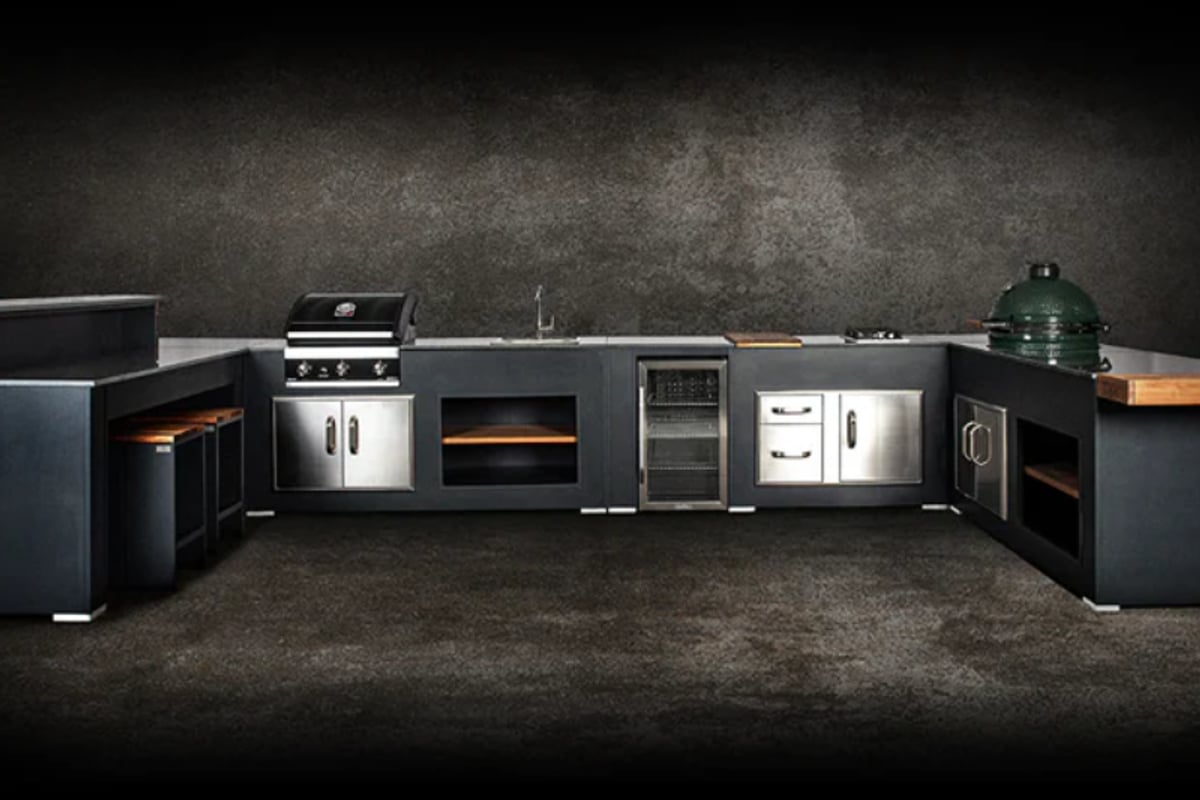
An enclosed gazebo intended for culinary use requires thoughtful climate management. Heat from cooking appliances, combined with solar gain through glazing, can create uncomfortable conditions during warmer months.
Effective strategies include:
The investment in proper climate control transforms an enclosed gazebo from a seasonal amenity into a genuine year-round asset.
Successfully implementing an enclosed gazebo requires navigation of planning requirements, building regulations, and accessibility considerations that vary based on structure size, permanence, and intended use.
In the United Kingdom, many enclosed gazebos qualify as permitted development, exempting them from formal planning applications. However, this depends on several factors:
Permitted development typically allows structures when:
Building regulations may apply when the enclosed gazebo includes:
The International Code Council provides valuable technical guidance on accessory structures, though UK builders must primarily reference domestic building regulations.

For homeowners planning enclosed gazebos accessible to guests with mobility considerations, or for commercial applications, accessibility features warrant careful attention. The ADA Standards for Accessible Design establish clear requirements for accessible routes, door widths, and turning circles, whilst the U.S. Access Board guidance offers practical advice specifically for outdoor structures.
Key accessibility considerations include:
One compelling advantage of the enclosed gazebo centres on protection from insects, particularly during evening entertaining when mosquitoes and midges become problematic. The enclosure strategy significantly enhances comfort without chemical interventions.
Effective pest management begins with proper construction detailing. Fine mesh screening (18×16 mesh or finer) effectively excludes most flying insects whilst maintaining airflow. The University of Florida IFAS Extension provides science-based guidance on screening specifications and integrated pest management for protected outdoor structures.
Additional approaches include:
For those seeking chemical-free pest reduction, Penn State Extension offers research on particle films and biological control methods suitable for outdoor living spaces.
The most successful enclosed gazebos feel less like garden sheds and more like sophisticated outdoor rooms. This requires thoughtful attention to interior finishes, furnishings, and decorative elements.
Architectural Digest regularly features exceptional outdoor room designs that demonstrate how careful styling elevates functional spaces into destinations. Several principles consistently appear:
Flooring establishes foundation Select materials that complement interior floors whilst offering appropriate durability. Porcelain tiles, natural stone, or premium composite decking create continuity with indoor spaces.
Lighting creates ambience Layer task lighting for cooking and dining with ambient fixtures that establish mood. Dimmable LED systems offer flexibility across different occasions.
Furnishings prioritise comfort All-weather furniture has evolved dramatically, with pieces offering genuine comfort and refined aesthetics. Look for materials that withstand enclosed-but-outdoor conditions.
Textiles add warmth Weather-resistant fabrics in cushions, throws, and outdoor rugs introduce colour and texture. Choose fade-resistant materials designed for exterior application.
Accessories personalise Planters, artwork designed for outdoor use, and decorative objects transform the gazebo into an extension of personal style.
| Design Element | Considerations | Recommended Approach |
|---|---|---|
| Colour Palette | Weather impact, heat absorption | Lighter tones for heat management, darker accents for depth |
| Furniture Scale | Proportionality to space | Slightly smaller than indoor equivalents to avoid crowding |
| Storage Solutions | Equipment, cushions, tableware | Built-in cabinetry or weather-resistant units |
| Technology Integration | Audio, lighting control, heating | Discrete installation with weatherproof components |
For those incorporating sophisticated entertaining technology, specialists such as ANR Media can integrate custom audio-visual solutions that transform an enclosed gazebo into an immersive environment for both dining and entertainment.
An enclosed gazebo represents a significant investment that rewards proper maintenance with decades of reliable service. Establishing routine care protocols prevents minor issues escalating into costly repairs.
Spring preparation (March-April)
Summer monitoring (May-September)
Autumn weatherproofing (October-November)
Winter vigilance (December-February)
Different materials demand tailored maintenance approaches:
Timber structures require annual inspection of finishes, with re-coating every 2-3 years using appropriate exterior-grade products. Pay particular attention to end-grain and joinery where moisture penetration typically begins.
Aluminium and steel frames benefit from periodic cleaning with mild detergent, inspection of powder-coating for chips, and touch-up treatment of any exposed metal to prevent corrosion.
Glazing systems need regular cleaning to maintain transparency, examination of seals and gaskets, and replacement of any cracked or damaged panels to preserve thermal performance.
Mechanical systems including fans, heaters, and lighting require annual professional servicing to ensure safety and optimal performance.
The true value of an enclosed gazebo emerges through consistent use across all seasons. Strategic planning enables this structure to serve multiple functions throughout the year.
Spring and summer: Configure the gazebo for maximum openness, utilising operable panels to blur boundaries between enclosed and open-air spaces. Focus on outdoor cooking, al fresco dining, and extended evening entertaining.
Autumn: As temperatures moderate, the enclosed gazebo becomes ideal for harvest celebrations and transitional weather entertaining. Heating systems extend comfortable use into cooler evenings.
Winter: With appropriate heating and weatherproofing, the gazebo transforms into a protected retreat for cold-weather cooking, festive gatherings, and even winter barbecuing sessions that would be impossible in exposed locations.
Beyond dining and cooking, enclosed gazebos accommodate diverse activities:
This versatility significantly enhances return on investment, transforming what might seem an entertaining-focused luxury into an essential element of daily life.
When evaluating outdoor room options, homeowners often consider several structural approaches. Understanding their respective strengths helps clarify whether an enclosed gazebo best serves specific requirements.
| Structure Type | Weather Protection | Visual Openness | Year-Round Use | Typical Cost Range | Best Application |
|---|---|---|---|---|---|
| Enclosed Gazebo | Excellent | Moderate-High | Yes, with heating | £15,000-£60,000+ | All-season entertaining, cooking |
| Open Gazebo | Minimal | Excellent | Fair-weather only | £3,000-£15,000 | Summer shade, decorative focal point |
| Conservatory | Excellent | High | Yes, typically insulated | £20,000-£80,000+ | Additional living room, direct house connection |
| Pergola with Screens | Moderate | Moderate | Three-season | £8,000-£35,000 | Flexible seasonal protection |
| Garden Room | Excellent | Moderate | Yes, fully insulated | £25,000-£100,000+ | Home office, gym, separate accommodation |
The enclosed gazebo occupies a valuable middle ground, offering substantial weather protection and extended usability without requiring the full building integration and expense of a conservatory or permanent garden room.
An enclosed gazebo represents a significant financial commitment that warrants careful evaluation of both immediate costs and long-term value implications.
Design and planning (5-10% of total): Professional design services ensure the structure integrates harmoniously with existing architecture whilst optimising functionality and compliance.
Structure and materials (40-50%): The gazebo frame, roofing, glazing, and foundational elements constitute the largest expense category, with premium materials commanding appropriate premiums.
Services installation (15-25%): Electrical work, plumbing for outdoor kitchens, gas connections, and heating systems require qualified tradespeople and proper certification.
Finishes and fittings (15-25%): Flooring, internal finishes, lighting, and built-in elements complete the structure.
Landscaping integration (5-10%): Paths, planting, and surrounding hard landscaping ensure the gazebo sits coherently within the garden.
Quality outdoor living spaces consistently demonstrate positive effects on property valuations. Estate agents report that well-executed outdoor rooms appeal strongly to prospective buyers, particularly in premium property segments where outdoor entertaining features as an expected amenity rather than a luxury addition.
The enclosed gazebo offers particular appeal because it:
Most property professionals estimate quality enclosed gazebos recover 60-80% of their cost in added property value, with exceptional examples in sought-after locations potentially achieving full cost recovery or even premium returns.
Whilst enthusiastic homeowners may contemplate self-build approaches for simple garden structures, the enclosed gazebo's complexity rewards professional involvement throughout the process.
Experienced outdoor living specialists bring invaluable expertise across multiple dimensions:
Site assessment and orientation: Professionals evaluate sun paths, prevailing winds, privacy considerations, and access routes to optimise gazebo placement and orientation.
Material specification: Knowledge of performance characteristics, longevity expectations, and appropriate applications ensures material selections align with budget, aesthetics, and functional requirements.
Regulatory navigation: Understanding planning requirements, building regulations, and compliance procedures streamlines approval processes and prevents costly modifications.
Integration planning: Coordinating utilities, designing traffic flow, and ensuring visual harmony with existing structures requires holistic perspective.
Vendor relationships: Established suppliers provide access to premium materials, competitive pricing, and reliable delivery schedules.
Installation quality: Professional construction ensures structural integrity, weatherproofing effectiveness, and finish quality that amateur efforts rarely achieve.
The investment in professional services typically represents exceptional value, preventing expensive mistakes whilst ensuring the finished gazebo performs reliably for decades.
An enclosed gazebo transforms outdoor living from seasonal possibility into year-round reality, creating a protected culinary and entertaining destination that enriches daily life whilst enhancing property value. Whether you envision intimate family dinners, grand entertaining occasions, or simply a sheltered retreat for enjoying your garden regardless of weather, the enclosed gazebo delivers exceptional versatility and enduring pleasure. Cotswold Cooking Company specialises in creating bespoke outdoor living solutions that blend Cotswold craftsmanship with cutting-edge design, offering comprehensive consultation from initial concept through final installation to help you realise your vision for refined, all-season outdoor living.

Leave a comment