


The art of outdoor entertaining has evolved dramatically, transforming from simple barbecue gatherings into sophisticated culinary experiences that rival professional kitchens. At the heart of this evolution lies specialist equipment that enables ambitious cooking projects, particularly for those who appreciate artisan bread, fresh pasta, and authentic pizza. A professional dough mixer represents a significant upgrade for any outdoor kitchen designed for serious entertaining, enabling consistent results whether you're preparing sourdough loaves, hand-stretched pizza bases, or fresh pasta for weekend guests.
Professional dough mixers differ fundamentally from standard kitchen appliances through their robust construction, powerful motors, and specialised mixing actions. The development of these machines reflects decades of commercial bakery innovation now accessible to discerning homeowners.
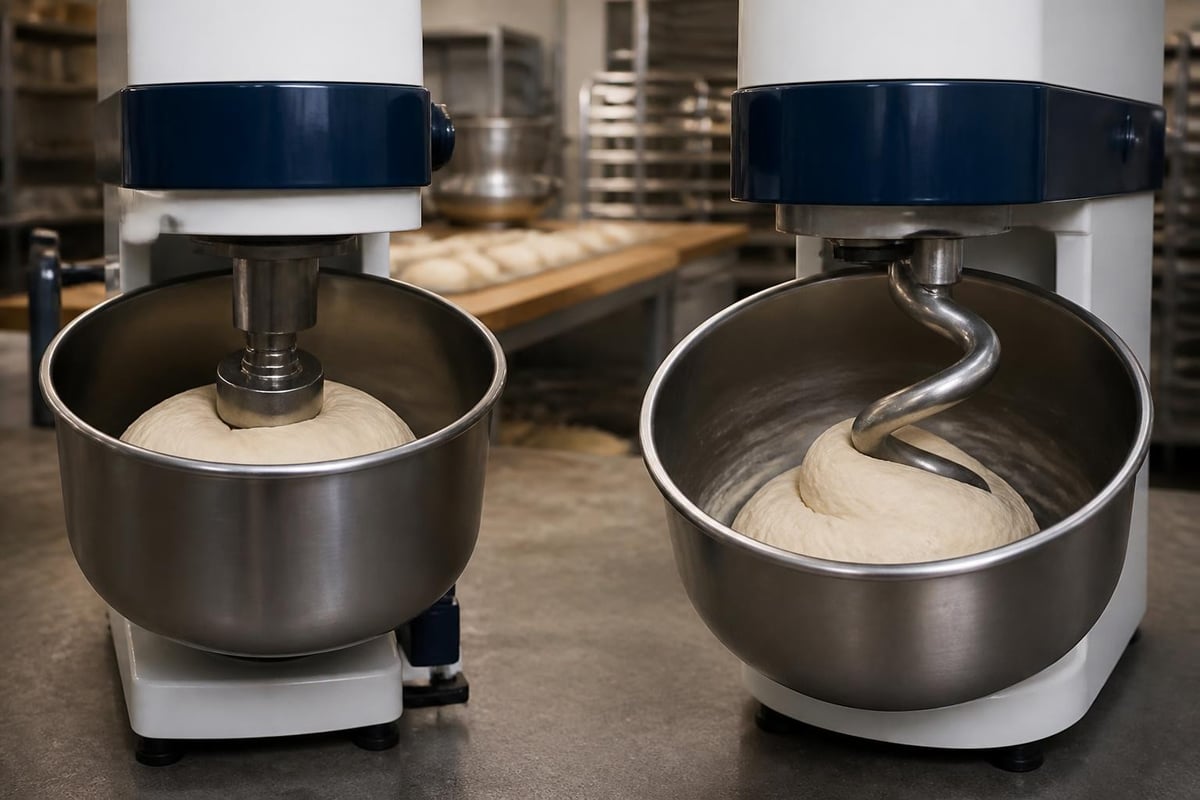
Two dominant mixing technologies serve different dough preparation needs. Planetary mixers feature a stationary bowl with a rotating attachment that moves around a central axis, whilst spiral mixers employ a rotating bowl and fixed spiral arm working in tandem.
The planetary system offers exceptional versatility. A single dough mixer with planetary action handles everything from delicate cake batters to dense bread doughs, making it ideal for outdoor kitchens where space considerations demand multi-purpose equipment. The Ooni Halo Pro Spiral Mixer introduced a novel dual-kneading action specifically engineered for pizza enthusiasts.
Spiral mixers, conversely, excel at high-hydration doughs and large batch production. Their gentle yet thorough kneading action develops gluten networks without overworking the dough, crucial for achieving the perfect chew in artisan breads and authentic Neapolitan pizza bases.
| Mixing System | Best For | Motor Power | Bowl Capacity | Typical Use Case |
|---|---|---|---|---|
| Planetary | All-purpose baking | 300-500W | 4-7 litres | Home entertaining, varied recipes |
| Spiral | Bread and pizza dough | 500-800W | 5-10 litres | High-volume pizza preparation |
| Hybrid | Versatile operations | 400-600W | 5-8 litres | Professional home kitchens |
Motor power determines what a dough mixer can realistically handle. Entry-level models featuring 250-300 watt motors struggle with stiff doughs, particularly when doubling recipes for larger gatherings. Professional-grade mixers specify motors between 500-800 watts, providing the torque necessary for consistent performance.
Key motor considerations include:
The latest innovations from manufacturers like KitchenAid demonstrate significant engineering improvements. KitchenAid's Artisan Plus Stand Mixer features enhanced speed control and refined gear mechanisms, addressing previous limitations in slow-speed stability crucial for gentle dough incorporation.
Outdoor kitchen design demands thoughtful equipment integration that considers weather protection, power supply, and workflow efficiency. A professional dough mixer becomes genuinely practical only when properly incorporated into the broader outdoor culinary environment.
British weather presents unique challenges for outdoor kitchen equipment. Even the most robust dough mixer requires protection from moisture, temperature fluctuations, and direct sunlight exposure that can degrade plastic components and electronic controls.
Dedicated appliance garages within outdoor kitchen cabinetry provide ideal housing. These enclosed compartments maintain stable temperatures whilst offering quick access during food preparation. When designing outdoor kitchen accessories and storage solutions, specify:
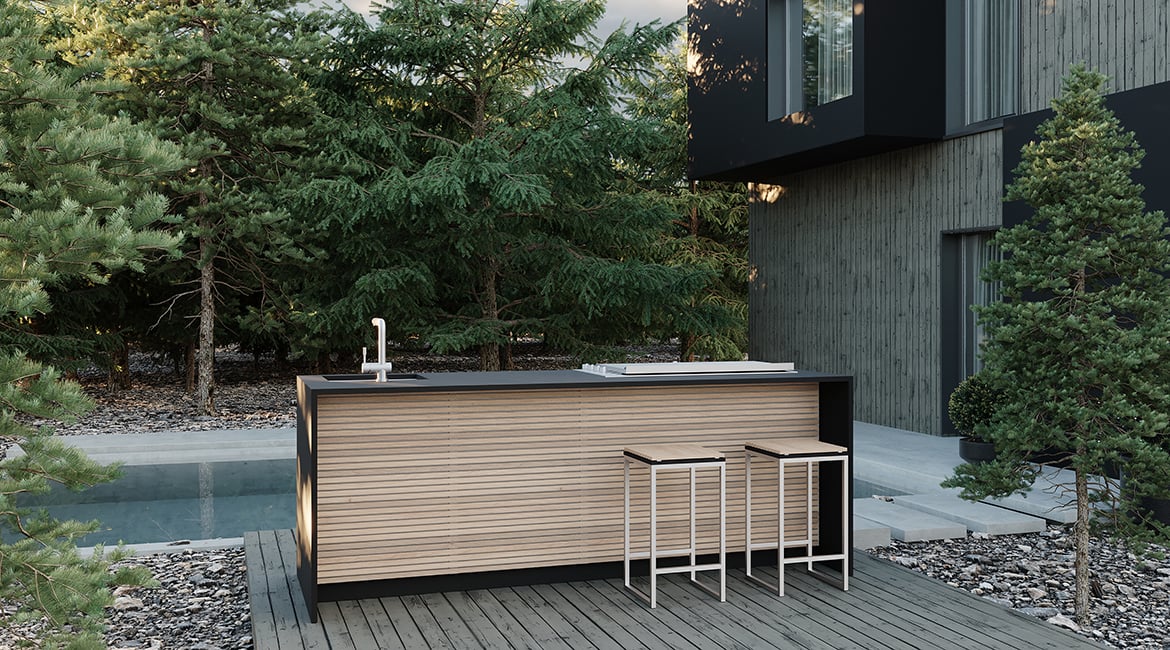
The Cubic C1 Style Outdoor Kitchen exemplifies modular outdoor kitchen design with integrated appliance zones. Its weather-resistant construction and customisable layout accommodate specialist equipment whilst maintaining clean aesthetic lines essential for luxury outdoor spaces.
Operating a professional dough mixer outdoors requires proper electrical infrastructure. Most models demand 13-amp supplies, with some commercial-grade units requiring dedicated circuits to prevent breaker trips during peak operation.
Essential electrical specifications:
Choice paralysis affects many buyers confronting the extensive dough mixer market. Understanding your specific entertaining patterns and culinary ambitions clarifies which features justify investment versus those that represent marketing rather than practical value.
Bowl capacity directly influences how many guests you can efficiently serve. A 4.5-litre mixer handles dough for approximately four to six pizzas, whilst 7-litre models manage batch sizes for eight to twelve guests comfortably.
Consider your typical gathering size when specifying capacity. Weekend dinners for six guests differ significantly from garden parties hosting twenty. Larger bowls also provide headroom preventing flour clouds during initial mixing, a practical consideration often overlooked until you're cleaning flour from outdoor surfaces.
Popular stand mixer reviews consistently emphasise capacity matching to cooking ambitions, noting that undersized mixers frustrate ambitious cooks who inevitably attempt beyond-capacity batches.
Premium dough mixers transcend single-purpose tools through extensive attachment systems. Pasta rollers, meat grinders, vegetable spiralisers, and grain mills transform a stand mixer into a comprehensive food preparation station.
For outdoor kitchens emphasising authentic Italian cooking alongside pizza preparation, pasta attachments prove invaluable. Fresh tagliatelle, pappardelle, and ravioli elevate outdoor dining experiences, particularly when paired with wood-fired cooking methods explored in our guide to outdoor grill setups.
| Attachment Type | Functionality | Outdoor Kitchen Application | Approximate Cost |
|---|---|---|---|
| Pasta roller/cutter | Fresh pasta sheets and shapes | Italian-themed garden dinners | £150-250 |
| Meat grinder | Sausage making, burgers | BBQ preparation, charcuterie | £180-300 |
| Spiraliser | Vegetable noodles, garnishes | Health-focused entertaining | £80-150 |
| Food processor | Chopping, slicing, grating | Prep work efficiency | £120-200 |
Professional-grade features separate adequate performance from exceptional results. Understanding which advanced capabilities deliver genuine value versus those offering marginal improvements helps justify investment levels.
Automated timing ensures consistent gluten development without constant monitoring. Set your dough mixer for the precise kneading duration, then focus on preparing toppings, lighting your pizza oven, or entertaining guests.
Recent innovations include programmable mixing sequences that automatically adjust speed throughout the kneading cycle. Initial slow incorporation prevents flour dispersal, followed by medium-speed gluten development, and final rest periods allowing dough relaxation.
Mechanical configuration affects both capacity and convenience. Tilt-head models offer superior accessibility for scraping bowls and adding ingredients mid-mix, whilst bowl-lift designs handle heavier doughs without motor strain.
Tilt-head advantages:
Bowl-lift advantages:
The KitchenAid Artisan Plus updates demonstrate how tilt-head technology continues advancing, with new 2025 models featuring reinforced mechanisms handling denser dough loads previously requiring bowl-lift designs.
Different recipes demand specific mixing approaches. Understanding these requirements prevents disappointing results and equipment damage from inappropriate use.
Authentic Neapolitan pizza requires 65-70% hydration ratios, creating exceptionally sticky doughs that challenge mixer capabilities. Spiral mixers excel here, with their gentle folding action developing gluten without tearing.
Planetary mixers manage high-hydration doughs when operated correctly. Use dough hooks rather than beaters, maintain medium-low speeds, and avoid over-mixing which generates excessive heat damaging yeast activity.
Brioche, challah, and similar enriched doughs incorporate substantial butter and eggs. These ingredients initially prevent gluten development, requiring extended mixing times that stress underpowered motors.
A robust dough mixer with at least 500 watts handles enriched doughs confidently. Expect 15-20 minute mixing sessions compared to 8-10 minutes for standard bread doughs.
Pasta dough remains relatively stiff and low-hydration, incorporating whole eggs rather than water. This density demands powerful motors and sturdy construction. Many home bakers successfully prepare pasta dough manually, but a quality mixer ensures consistency when entertaining larger groups.
The Ooni Halo Pro has proven popular among pizza enthusiasts specifically because its design accommodates both high-hydration pizza doughs and stiffer pasta preparations, offering genuine versatility for Mediterranean-focused outdoor entertaining.
Outdoor equipment faces accelerated wear from temperature cycling, humidity, and environmental contamination. Proper maintenance extends dough mixer lifespan and ensures reliable performance season after season.
Thorough cleaning after each use proves essential, particularly in outdoor settings where insects and debris present additional contamination risks. Remove mixing bowls and attachments immediately after use, preventing dough residue hardening in crevices.
Recommended cleaning sequence:
Even within dedicated outdoor kitchen cabinetry, seasonal storage prevents deterioration during extended non-use periods. Winter months present particular challenges in the UK, with freezing temperatures potentially damaging electronic components and seals.
For mixers stored outdoors year-round, consider:
A professional dough mixer represents one component within a comprehensive bread and pizza preparation workflow. Additional equipment enhances results and streamlines the process from flour to finished product.
Consistent dough rising requires stable temperatures between 24-27°C. Outdoor kitchens, particularly those designed for year-round outdoor living, benefit from dedicated proofing solutions.
Commercial proofing cabinets maintain precise temperature and humidity, though their size and cost make them impractical for most residential applications. Alternative approaches include:
Professional baking demands weight-based measurements rather than volume. Digital scales accurate to 1-gram increments ensure consistency, particularly crucial when hydration ratios determine dough character.
Position scales within your outdoor kitchen prep zone, ideally near the dough mixer to streamline ingredient incorporation. Waterproof models withstand inevitable flour dust and occasional moisture exposure.
Despite mechanical mixing, hand tools remain essential for portioning, shaping, and final adjustments. Bench scrapers, bowl scrapers, and dough cutters complement your mixer investment.
Essential hand tool collection:
Equipment functionality matters tremendously, yet aesthetic integration determines whether your outdoor kitchen achieves the refined, cohesive appearance befitting luxury outdoor spaces. A professional dough mixer should enhance rather than detract from your overall design vision.
Manufacturers increasingly recognise that kitchen equipment serves as design elements. KitchenAid's expanded colour range reflects this shift, offering mixers in heritage metallics, matte finishes, and bold statement colours integrating seamlessly with outdoor kitchen palettes.
For outdoor environments emphasising natural materials and understated elegance, consider brushed stainless steel or matte black finishes that complement stone worktops and timber elements. Alternatively, bold colours create intentional focal points within neutral outdoor kitchen designs.
Professional mixers occupy significant worktop space, challenging outdoor kitchen layouts where every square centimetre requires careful consideration. Permanent countertop placement suits those using their mixer frequently, whilst appliance garages with lift-up mechanisms accommodate occasional users.
When planning your outdoor kitchen layout, allocate dedicated zones for specific activities. Position your dough mixer near ingredient storage but away from high-heat cooking zones where temperature fluctuations might affect performance.
The dough mixer market continues evolving, with 2026 bringing refinements addressing long-standing user frustrations and introducing genuinely novel capabilities.
Space constraints drive demand for smaller footprint mixers delivering professional performance. Salter's new stand mixer exemplifies this trend, packing substantial power into a compact frame whilst maintaining competitive pricing.
These space-efficient models suit outdoor kitchens where maximising usable work surface takes precedence over maximum bowl capacity.
Digital integration remains controversial among traditional bakers who value tactile feedback and manual control. However, smart mixers offering recipe databases, automated speed adjustment, and remote monitoring appeal to tech-forward cooks.
Current implementations remain somewhat gimmicky, though future iterations promise genuine utility through precise torque monitoring that adjusts mixing speed based on dough development rather than arbitrary time parameters.
Environmental consciousness increasingly influences purchasing decisions. Modern dough mixers consume considerably less energy than predecessors, with brushless motors and improved gear efficiency reducing power draw without compromising performance.
Manufacturers also emphasise repairability, offering replacement parts and service manuals enabling decades-long product life rather than planned obsolescence. This approach aligns perfectly with luxury outdoor kitchen investment, where equipment longevity justifies premium pricing.
Bridging commercial bakery capabilities with residential applications defines the contemporary high-end dough mixer market. Understanding what genuinely constitutes professional performance versus marketing hyperbole helps avoid disappointment.
Commercial bakeries run mixers continuously throughout production shifts. Residential "professional-grade" models typically specify duty cycles, the maximum operating time before requiring rest periods preventing motor overheating.
Quality home mixers handle 20-30 minute continuous operation comfortably, sufficient for any residential application including large batch pizza dough for garden parties. True commercial units operate indefinitely, though this capability proves unnecessary for outdoor entertaining scenarios.
Die-cast metal housings and all-metal gearing separate premium mixers from budget alternatives employing plastic internal components. Metal construction provides superior durability, vibration dampening, and heat dissipation.
Examine mixer specifications carefully, noting whether "metal construction" refers to housing only or extends to internal gears and transmission components. All-metal gearing justifies premium pricing through dramatically extended service life.
| Feature | Consumer Grade | Premium Home | Commercial Grade |
|---|---|---|---|
| Motor power | 250-350W | 450-600W | 700-1200W |
| Gear construction | Plastic/metal hybrid | All-metal | Heavy-duty all-metal |
| Bowl capacity | 3-5 litres | 5-8 litres | 10-20 litres |
| Duty cycle | 10 minutes | 30 minutes | Continuous |
| Warranty | 1-2 years | 3-5 years | 5-10 years |
| Price range | £150-300 | £400-700 | £1000-3000 |
Premium dough mixers represent significant investments requiring justification beyond occasional use. Maximising utility ensures your equipment earns its place within your outdoor kitchen specification.
Mixer versatility extends far beyond bread and pizza. Fresh pasta, homemade sausages, vegetable noodles, and nut butters all become accessible with appropriate attachments, transforming your mixer into a comprehensive food preparation platform.
Consider monthly culinary themes focusing on different mixer capabilities. January might emphasise fresh pasta making, whilst summer months spotlight burger grinding and sausage preparation for barbecues. This approach builds skills progressively whilst preventing equipment languishing unused.
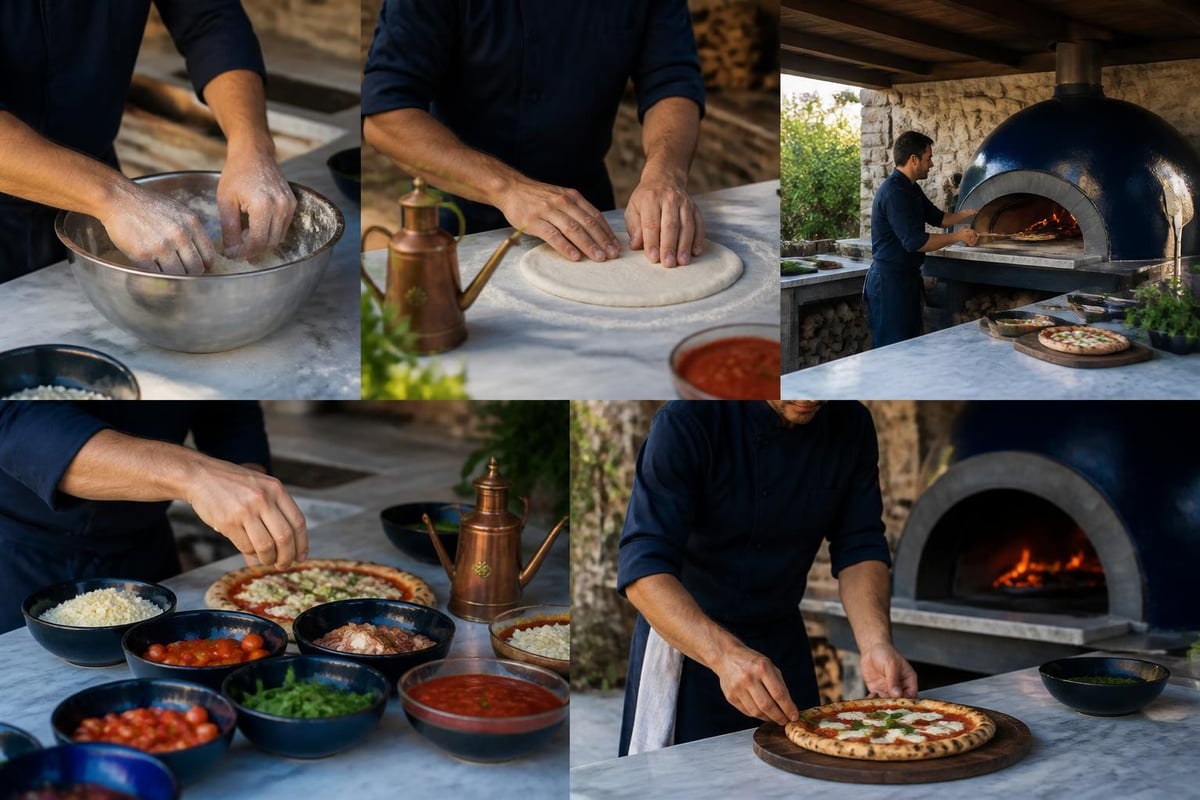
Pizza-making evenings create memorable entertaining experiences whilst justifying professional equipment investment. Guests participate in dough stretching and topping selection, transforming meal preparation into interactive entertainment.
The proven popularity of wood-fired pizza ovens demonstrates enthusiast appetite for authentic home pizza preparation. Pairing quality dough production with excellent cooking equipment delivers genuinely restaurant-quality results.
Investing in professional equipment often motivates skill advancement. Online courses, specialist books, and baking communities provide structured learning paths transforming enthusiastic amateurs into accomplished home bakers.
This educational journey adds intrinsic value beyond the equipment itself, building expertise that enriches every outdoor entertaining occasion.
Professional dough mixing capabilities transform outdoor kitchens from simple grilling stations into comprehensive culinary environments supporting ambitious cooking projects year-round. Whether you're pursuing authentic Neapolitan pizza, artisan sourdough, or fresh pasta, the right equipment integration elevates results whilst streamlining preparation workflows. The Cotswold Cooking Company specialises in creating luxury outdoor spaces that accommodate both traditional cooking methods and modern culinary equipment, blending Cotswold heritage with cutting-edge performance. From initial design consultation through installation and beyond, Cotswold Cooking Company helps discerning homeowners across the UK realise their vision for refined, all-season outdoor entertaining spaces.

Leave a comment