


The outdoor living landscape has evolved dramatically over recent years, with discerning homeowners now seeking pieces that rival their interior furnishings in quality, craftsmanship, and aesthetic appeal. Luxury outdoor furniture has transcended its traditional role, becoming an essential element in creating sophisticated alfresco environments that function beautifully throughout the year. As we move through 2026, the emphasis on architectural design, premium materials, and seamless integration with outdoor kitchens and covered spaces has never been stronger across the UK's most refined properties.
Luxury outdoor furniture represents far more than weather-resistant seating. It embodies a design philosophy that prioritises timeless aesthetics, exceptional craftsmanship, and materials engineered to withstand the British climate whilst maintaining their visual appeal. The distinction between standard outdoor pieces and truly luxurious options lies in the attention to detail, the quality of construction, and the ability to create cohesive outdoor environments that feel as refined as interior spaces.
Premium outdoor furniture exhibits several hallmark characteristics:
The investment in luxury pieces reflects a commitment to outdoor living as a permanent lifestyle choice rather than a seasonal consideration. This approach aligns perfectly with the growing trend towards outdoor covered kitchens, where furniture becomes an integral part of a year-round entertaining space.
Choosing the right materials represents perhaps the most critical decision when specifying luxury outdoor furniture. Each material brings distinct characteristics, maintenance requirements, and visual qualities that must complement your overall outdoor design vision.
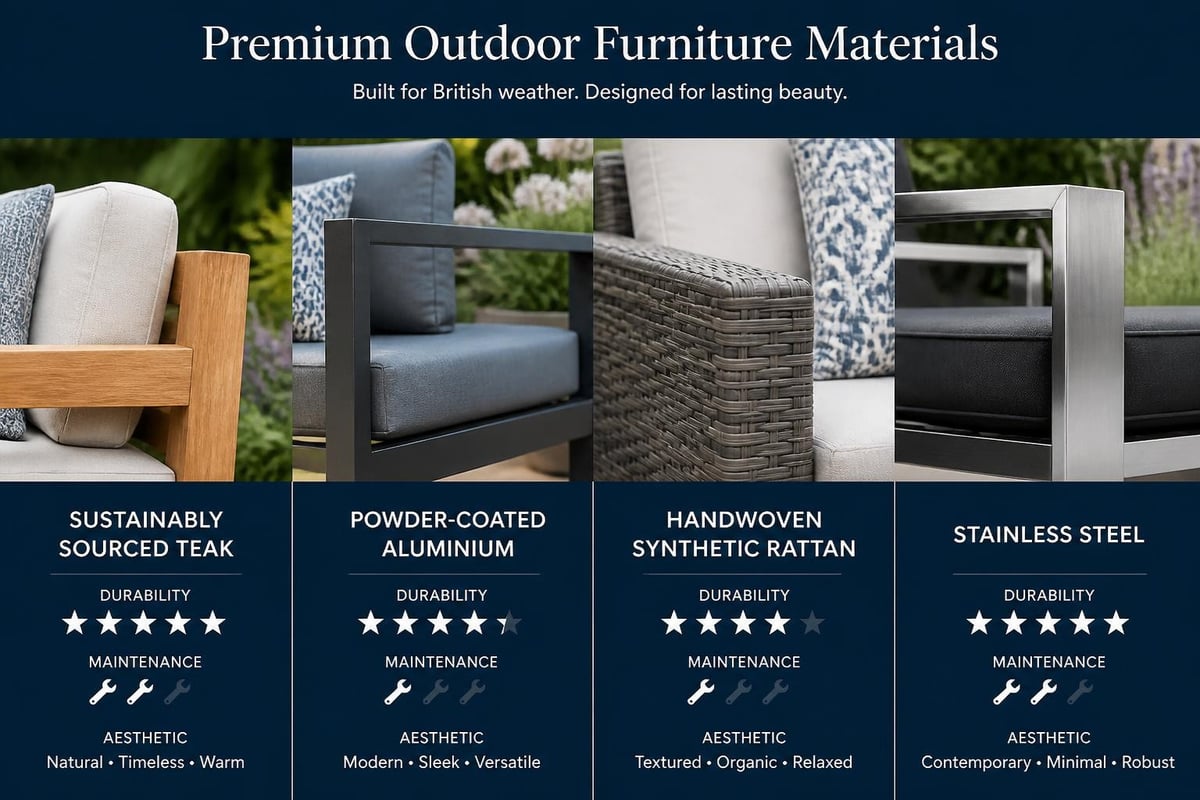
Sustainably sourced teak remains the gold standard for luxury outdoor furniture, prized for its natural oils that provide inherent weather resistance. Grade A teak develops a beautiful silvered patina over time, though it can be maintained in its original honey tone with appropriate treatment. According to Forbes' analysis of outdoor furniture materials, teak's combination of durability and aesthetic appeal makes it particularly suitable for British gardens where furniture remains exposed year-round.
Alternative premium hardwoods include:
Powder-coated aluminium and stainless steel have revolutionised luxury outdoor furniture design. These materials enable the sleek, architectural lines that characterise contemporary outdoor spaces whilst providing exceptional longevity. The lightweight nature of aluminium makes it ideal for modular configurations, whilst marine-grade stainless steel offers industrial-chic appeal for modern properties.
| Material | Durability (Years) | Maintenance Level | Aesthetic Style | Weight Consideration |
|---|---|---|---|---|
| Grade A Teak | 25-30+ | Low (optional oiling) | Classic/Contemporary | Heavy |
| Powder-Coated Aluminium | 15-20 | Very Low | Contemporary/Minimalist | Very Light |
| Marine-Grade Stainless | 20-25+ | Low | Industrial/Modern | Medium |
| Synthetic Rattan | 10-15 | Very Low | Contemporary/Coastal | Light |
| Iroko Hardwood | 20-25 | Low | Traditional/Contemporary | Heavy |
Premium synthetic rattan has evolved considerably, with high-end manufacturers now producing materials that rival natural fibres in appearance whilst offering superior weather resistance. The best examples feature UV-stabilised polymers woven over powder-coated aluminium frames, creating pieces that maintain their appearance throughout decades of use.
Performance fabrics for cushions and upholstery now incorporate solution-dyed acrylics and advanced water-repellent treatments, delivering comfort without compromising weather resistance. These materials resist fading, mildew, and moisture whilst remaining soft and inviting.
The design landscape for luxury outdoor furniture in 2026 reflects broader architectural movements, with a clear emphasis on minimalism, natural materials, and pieces that blur the boundaries between indoor and outdoor living.
Clean lines and geometric precision dominate contemporary luxury outdoor furniture design. This aesthetic aligns with the Bauhaus-inspired approach seen in collaborations between fashion houses and established furniture manufacturers, where restraint and proportion take precedence over ornamentation.
Key characteristics include:
Counterbalancing minimalism, there's a strong movement towards organic forms and natural textures. This trend embraces the inherent beauty of materials, celebrating wood grain, stone texture, and the handcrafted quality of artisan pieces. The Tuscan Villa aesthetic exemplifies this approach, bringing Mediterranean warmth to British gardens through terracotta tones, natural linens, and rustic finishes.
Curved silhouettes and biomorphic shapes soften outdoor spaces, creating intimate conversation areas within larger terraces. These pieces often feature hand-finished details that highlight craftsmanship rather than industrial precision.
Luxury outdoor furniture achieves its full potential when integrated within a considered outdoor living scheme. This requires thinking beyond individual pieces to create zones that function as outdoor rooms, each with distinct purposes yet contributing to a unified aesthetic.
The outdoor dining area represents the heart of many luxury outdoor spaces, particularly when positioned adjacent to a premium outdoor kitchen. Selecting dining furniture requires consideration of both formal entertaining and casual family meals, often achieved through extendable tables or multiple seating options.
For those investing in luxury outdoor furniture, the dining table serves as a focal point around which the entire space organises. Materials should complement rather than match kitchen cabinetry, creating visual interest through thoughtful contrast. A teak dining table, for instance, provides warmth against the sleek lines of contemporary stainless steel cooking equipment.
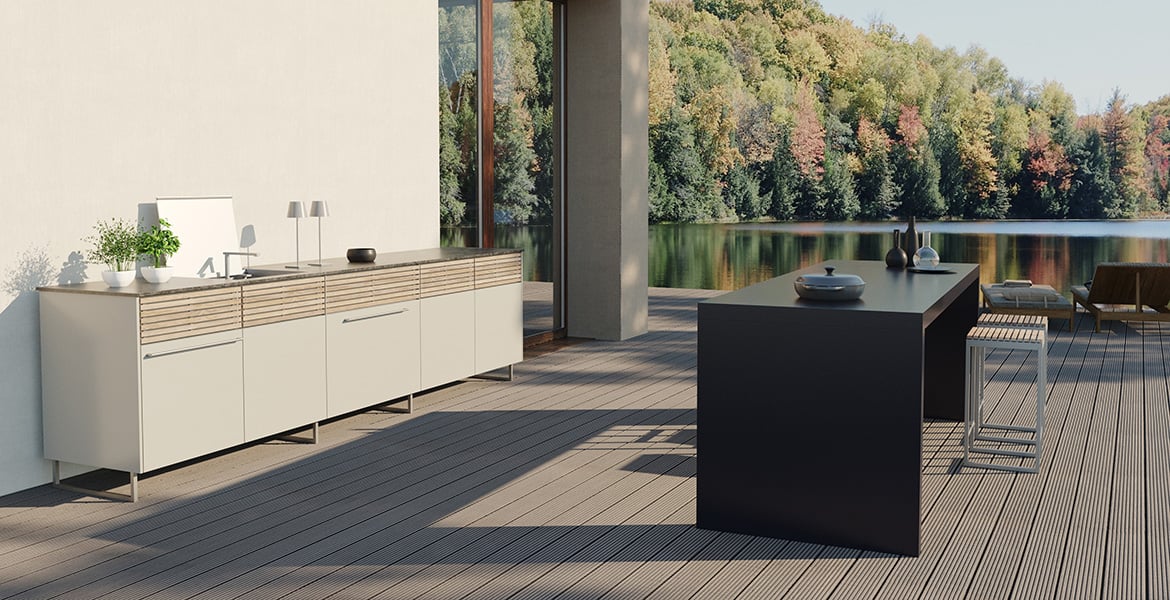
The Cubic C1 Style Outdoor Kitchen exemplifies how modular outdoor kitchens create opportunities for cohesive furniture placement, with its clean lines and customisable configurations allowing dining areas to flow naturally from cooking zones.
Luxury seating arrangements should encourage lingering conversation and comfortable relaxation. Deep-seated sofas with generous cushioning, complemented by occasional tables positioned for convenience, create resort-style comfort in residential settings.
Essential elements include:
The selection of garden sunloungers has expanded considerably, with luxury options now incorporating adjustable mechanisms, integrated side tables, and weather-resistant upholstery that rivals indoor furniture in comfort.
The British climate demands furniture capable of performing beautifully across all seasons. Luxury outdoor furniture achieves this through material selection, protective finishes, and design details that facilitate drainage and air circulation.
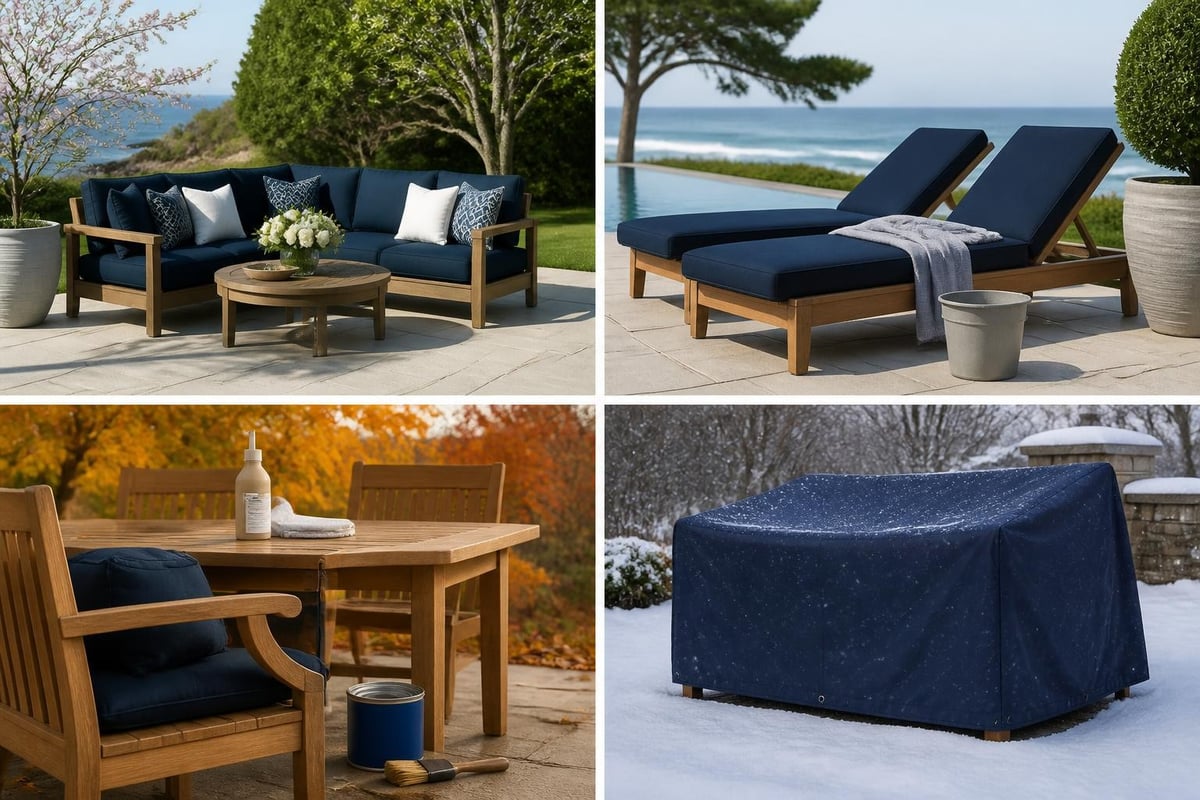
Even the finest materials benefit from thoughtful protection during periods of harsh weather or extended non-use. Custom-fitted covers manufactured from breathable, waterproof fabrics protect investment pieces whilst allowing air circulation to prevent condensation and mildew.
Seasonal care protocols:
Premium manufacturers incorporate thoughtful design details that extend furniture lifespan significantly. Drainage holes in seat bases prevent water accumulation, whilst slightly angled surfaces encourage runoff rather than pooling. Removable cushion covers with quality zips allow for cleaning and replacement without discarding entire pieces.
Modular construction enables component replacement, meaning a damaged section needn't compromise an entire seating arrangement. This approach aligns with sustainable luxury principles, where longevity and repairability represent true quality.
The luxury market increasingly prioritises environmental responsibility alongside aesthetic and functional excellence. Discerning buyers in 2026 expect transparency regarding material sourcing, manufacturing processes, and end-of-life considerations.
Certification standards to consider:
According to Woodbury Furniture's trend analysis, sustainable materials and ethical production represent non-negotiable expectations rather than premium add-ons in the luxury segment.
The most sustainable furniture is that which remains in use for decades. Investment in pieces built to last directly reduces environmental impact through avoided replacement cycles. This philosophy underpins traditional craftsmanship approaches where furniture becomes more beautiful with age rather than deteriorating.
| Sustainability Factor | Budget Furniture | Luxury Outdoor Furniture | Environmental Impact |
|---|---|---|---|
| Expected Lifespan | 3-5 years | 20-30+ years | 6x fewer replacements |
| Repairability | Limited/Impossible | Components replaceable | Extends functional life |
| Material Sourcing | Often unverified | Certified sustainable | Protects ecosystems |
| Manufacturing Energy | Mass production | Often artisanal/local | Lower transport emissions |
| End-of-Life | Landfill | Recyclable/Biodegradable | Reduced waste impact |
The optimal furniture selection varies considerably depending on the specific characteristics of your outdoor space, from intimate courtyard gardens to expansive terraced areas with multiple functional zones.
Limited space demands multi-functional pieces and clever spatial planning. Luxury outdoor furniture for urban contexts often features integrated storage, folding elements, and vertical rather than horizontal emphasis.
Space-maximising strategies:
Larger properties allow for multiple furniture zones, each with distinct character and purpose. The challenge shifts from space efficiency to creating intimacy within expansive areas and ensuring cohesive design across dispersed elements.
Establishing clear sightlines between outdoor cooking zones and dining areas ensures seamless entertaining flow. Conversation pits, fire features, and water elements become focal points around which furniture arrangements organise.
Architectural pergolas transform outdoor furniture possibilities by providing weather protection and creating defined rooms within gardens. The Tarasola pergola range, with its retractable louvred roof system, exemplifies how premium structures enable year-round furniture use whilst protecting investment pieces from the harshest weather.
Furniture beneath pergolas can embrace more delicate materials and finishes, as protection from direct rainfall and intense sunlight extends durability. This creates opportunities for pieces that might otherwise require seasonal storage.
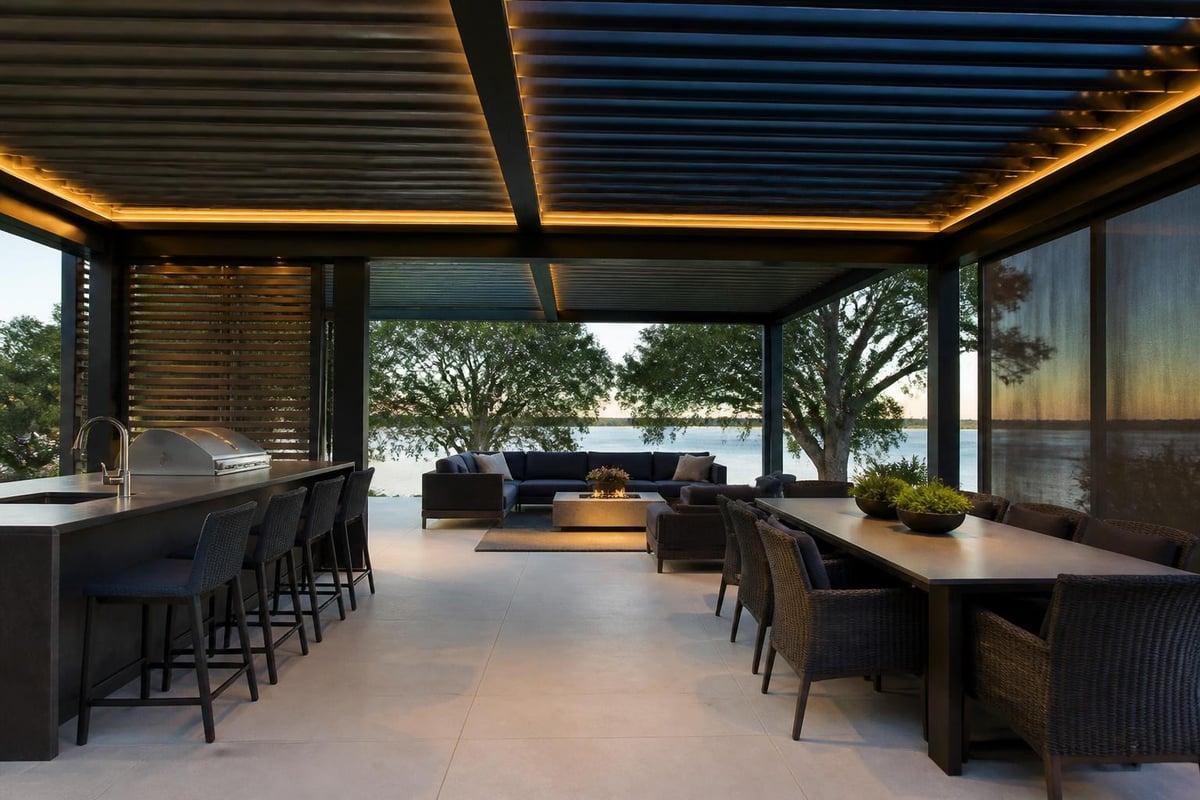
The colour choices within luxury outdoor furniture significantly influence the overall atmosphere and visual cohesion of outdoor spaces. Current trends favour sophisticated neutrals punctuated with considered accent colours.
Enduring palette options:
Neutral frameworks allow seasonal refreshment through cushion changes without requiring furniture replacement. This approach provides longevity whilst maintaining design flexibility.
Modern outdoor cushion fabrics deliver remarkable durability without aesthetic compromise. Solution-dyed acrylics maintain colour vibrancy for years, whilst advanced water-repellent treatments cause moisture to bead rather than absorb. Quick-drying foam cores prevent the unpleasant dampness that characterised earlier outdoor cushions.
Premium manufacturers now offer cushion warranties extending five years or more, reflecting genuine confidence in material performance. This represents a stark contrast to budget alternatives requiring annual replacement.
Luxury outdoor furniture represents a significant financial commitment, making informed decision-making essential. Understanding the factors that preserve value and deliver genuine return on investment ensures satisfaction with purchase decisions.
Rather than focusing solely on initial outlay, consider the functional lifespan and frequency of use. A £5,000 outdoor dining set used daily throughout eight months annually over a 25-year lifespan costs approximately £2.50 per use. This compares favourably with budget alternatives requiring replacement every three years.
Value factors beyond price:
Established manufacturers with heritage and reputation for quality maintain stronger resale values than anonymous mass-market producers. Well-maintained pieces from recognised brands often sell for 40-60% of original retail value after a decade, whilst budget furniture typically holds no resale worth.
Proper care ensures luxury outdoor furniture delivers decades of beautiful performance. Maintenance requirements vary by material but generally demand less effort than might be expected, particularly when compared to the replacement logistics of lower-quality alternatives.
Annual thorough cleaning removes accumulated grime and prevents material degradation. For most luxury pieces, this involves gentle washing with pH-neutral solutions, thorough rinsing, and complete drying before applying any protective treatments.
Material-specific protocols:
| Material Type | Cleaning Method | Treatment Frequency | Protective Products |
|---|---|---|---|
| Teak Wood | Soft brush, mild soap | Twice yearly | Teak oil (optional) or leave natural |
| Powder-Coated Metal | Soft cloth, mild detergent | Quarterly | Automotive wax for added protection |
| Synthetic Rattan | Pressure wash (low setting) | Bi-annually | UV protectant spray |
| Performance Fabrics | Machine wash (removable) | As needed | Fabric guard reapplication annually |
| Stainless Steel | Microfibre cloth, specific cleaner | Monthly | Stainless polish for marine environments |
Whilst quality outdoor furniture withstands year-round exposure, strategic seasonal adjustments extend lifespan considerably. Cushions always benefit from indoor storage during winter months, whilst covers protect furniture frames from the harshest conditions.
Ensure furniture sits on well-drained surfaces rather than directly on grass or soil where moisture accumulation accelerates deterioration. Elevating pieces on protective pads or purpose-designed feet improves air circulation and prevents water damage.
Luxury outdoor furniture achieves its full design potential through thoughtful integration with architectural features, landscaping elements, and cooking equipment. This holistic approach creates outdoor environments that feel intentionally designed rather than furnished as afterthoughts.
Fire pits and outdoor fireplaces extend usability into cooler months whilst providing captivating focal points. Furniture arrangement around fire features should balance warmth access with conversation facilitation, typically achieved through partial-circle or horseshoe configurations.
The outdoor fire pits and tables collection demonstrates how premium fire features integrate with luxury seating, creating year-round gathering spaces that rival interior living rooms for comfort and appeal.
Thoughtful illumination transforms outdoor spaces after dark, making furniture selection even more critical as pieces become silhouettes against evening light. Materials with interesting textures cast beautiful shadows, whilst metallic finishes reflect ambient light to create atmospheric glow.
Lighting layers for outdoor furniture zones:
While furniture provides structure, planting introduces organic movement and seasonal variation. Container gardens positioned near seating areas bring fragrance and visual interest within arm's reach, whilst larger specimens create privacy screens and backdrop definition.
Consider how plant shadows will fall across furniture throughout the day, as dappled shade patterns add visual complexity to simple material surfaces. Evergreen screening maintains privacy year-round, whilst deciduous plants allow welcome winter sun penetration.
Specifying luxury outdoor furniture often benefits from professional design input, particularly for complex spaces with multiple functional requirements. Design consultants bring material knowledge, spatial planning expertise, and access to trade-exclusive collections.
Professional specification typically involves:
This comprehensive approach ensures furniture selections enhance rather than compromise outdoor living potential. The investment in professional guidance typically represents 10-15% of furniture budget but delivers value through avoided mistakes and optimised outcomes.
Many luxury outdoor furniture manufacturers operate through trade-only channels, making design professionals essential for accessing certain collections. These exclusive ranges often feature superior construction, extended warranties, and customisation options unavailable through retail channels.
Trade pricing can offset design fees entirely, whilst professional relationships ensure priority production scheduling and post-purchase support exceeding typical retail service levels.
Luxury outdoor furniture purchases should anticipate evolving needs and design preferences, ensuring pieces remain relevant and functional throughout their considerable lifespan.
Systems allowing configuration changes accommodate shifting usage patterns without requiring complete replacement. Sectional seating rearranges for different entertaining formats, whilst dining tables with expansion mechanisms adapt to varying guest numbers.
Future-proof features:
Whilst contemporary trends influence aesthetic preferences, truly successful luxury outdoor furniture balances current appeal with enduring design fundamentals. Pieces following classical proportions, honest material expression, and functional clarity maintain relevance regardless of shifting fashions.
The finest examples from designers working in the 1950s remain highly desirable today, demonstrating how quality design transcends temporal limitations. This historical perspective informs confident specification of pieces that will enhance outdoor spaces for generations.
Selecting luxury outdoor furniture represents an investment in outdoor living quality that delivers returns through enhanced property appeal, lifestyle enrichment, and decades of beautiful performance. The emphasis on premium materials, thoughtful design, and integration with architectural features creates outdoor spaces functioning as genuine extensions of interior living areas throughout the year. Whether furnishing an intimate courtyard or expansive country terrace, the principles of material excellence, timeless design, and professional specification ensure outcomes that justify initial investment many times over. Cotswold Cooking Company brings comprehensive expertise to outdoor living projects, combining hand-selected luxury furniture with premium outdoor kitchens, architectural pergolas, and complete design consultancy to transform gardens into refined year-round destinations. Our appointment-only consultative approach at Thorpe Manor ensures every element works harmoniously to create outdoor spaces that reflect both Cotswold heritage and contemporary living aspirations.

Leave a comment