


Picture yourself transforming your garden into a chef’s paradise, where each meal becomes a memorable experience enjoyed under the open sky.
This essential handbook is your definitive resource for navigating every facet of the outdoor cooking cabinet landscape in 2026.
Outdoor entertaining is more popular than ever, and you deserve the best. Explore the latest innovations, materials, and layouts redefining outdoor kitchens. Discover how a well-chosen outdoor cooking cabinet can elevate both your culinary performance and the aesthetics of your alfresco space. Ready to take the next step? Follow our expert guide to design, install, and maintain your dream outdoor kitchen.
We’ll cover cabinet types, materials, design tips, installation, care, and future trends.
Transforming your outdoor space into a functional kitchen starts with selecting the right outdoor cooking cabinet. These cabinets provide essential structure, storage, and style for alfresco culinary experiences. Whether you are planning a full outdoor kitchen or a compact cooking area, understanding the fundamentals of outdoor cooking cabinet design is crucial for a successful project.

An outdoor cooking cabinet is a purpose-built storage and housing solution designed specifically for use in exterior kitchens. Unlike indoor cabinetry, which is often made from materials vulnerable to moisture and UV damage, outdoor cooking cabinet options prioritise weather resistance and durability. These cabinets integrate seamlessly with grills, pizza ovens, fridges, and other appliances, forming the backbone of a functional outdoor kitchen.
Typical setups include a mix of base and wall cabinets, often paired with island units for added workspace. According to Houzz (2024), 68% of new outdoor kitchens in the UK now feature dedicated cabinets as part of their design. For a deeper dive into the distinctions between outdoor and indoor cabinetry, see this Differences between outdoor and indoor cabinets resource.
Outdoor cooking cabinet types are diverse, each suited to different spaces and needs. Common categories include:
You can choose modular cabinets, which offer flexibility for reconfiguration, or bespoke options tailored for seamless integration with your garden. Storage solutions such as pull-out drawers, adjustable shelving, and dedicated spice racks enhance organisation. Modular units are ideal for adaptability, while built-in cabinets provide a streamlined, cohesive aesthetic for your outdoor cooking cabinet setup.
Selecting the best outdoor cooking cabinet involves assessing several key features. Weather resistance is paramount; look for waterproofing, UV protection, and rustproof materials. Effective ventilation prevents heat build-up, especially near grills or ovens, while lockable units enhance security for valuable items.
Appliance integration is also vital, with many cabinets designed to accommodate fridges, sinks, or cooktops. Durable hardware, such as soft-close hinges and corrosion-resistant handles, ensures long-lasting performance. Investing in these features extends the life of your outdoor cooking cabinet and improves day-to-day usability.
The right outdoor cooking cabinet delivers a host of advantages:
Rightmove (2025) reports that homes with outdoor kitchens sell 14% faster, highlighting the appeal of well-designed outdoor spaces. By adding a quality outdoor cooking cabinet, you are investing in both functionality and aesthetics.
Despite their benefits, installing an outdoor cooking cabinet comes with challenges. Exposure to rain and sun can degrade materials if not properly selected. For small gardens, space constraints require creative configurations, such as slimline or corner cabinets. Pests may be attracted to food storage, so secure seals and marine-grade materials are essential.
Balancing aesthetics with function can be tricky, but choosing finishes that complement your garden helps. For coastal properties, marine-grade stainless steel offers resilience against salt air, ensuring your outdoor cooking cabinet stands the test of time.
Selecting the right materials for your outdoor cooking cabinet is the foundation for a kitchen that stands the test of time and the unpredictable UK climate. The right choice not only delivers on style, but also ensures your investment offers lasting value and reliability.
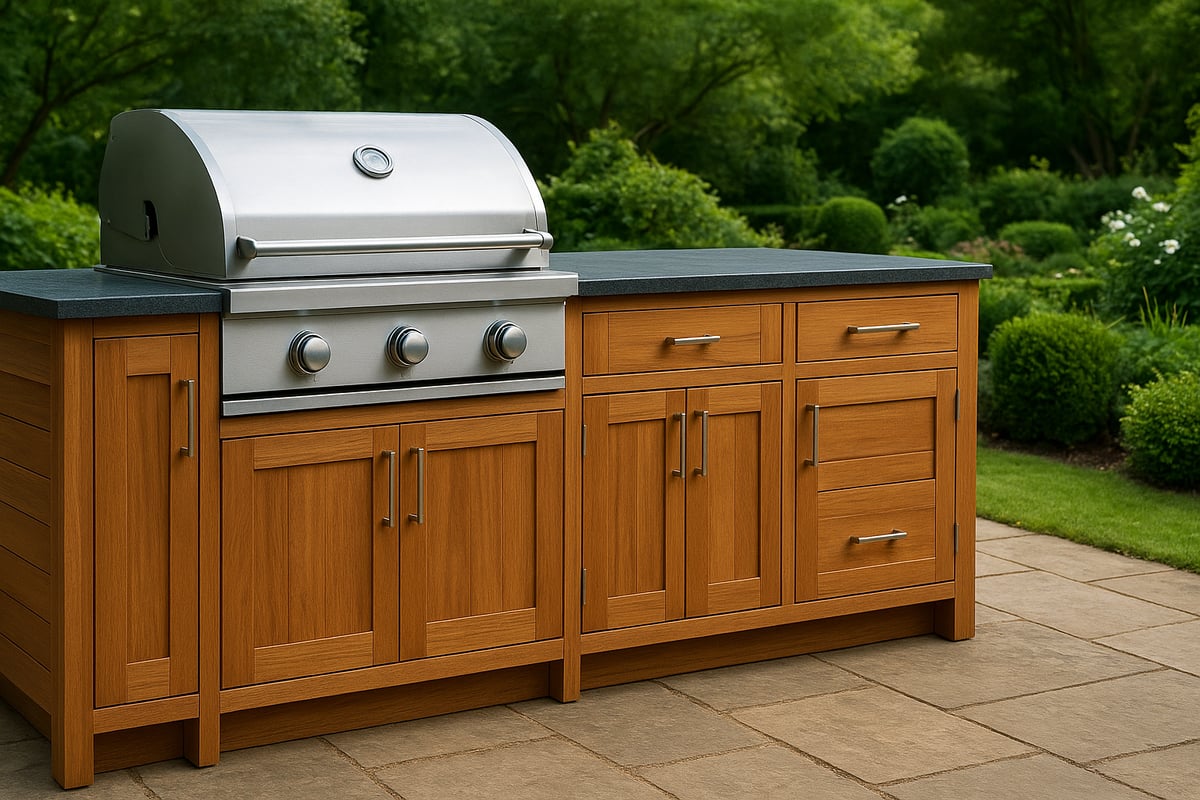
When planning your outdoor cooking cabinet, material selection is crucial. Stainless steel is a perennial favourite, prized for its corrosion resistance and contemporary appearance. Marine-grade polymers are engineered to be weatherproof and colourfast, making them ideal for year-round use. Teak and other hardwoods bring natural warmth, though they require regular maintenance to preserve their beauty. Aluminium is lightweight and rust-resistant, while concrete and stone offer exceptional durability and bespoke customisation.
For a comprehensive look at the best materials for weatherproof outdoor kitchens, including performance tips and design inspiration, see the Best materials for weatherproof outdoor kitchens guide.
Each material brings unique advantages to your outdoor cooking cabinet, so consider both practical needs and design preferences.
Comparing materials helps you balance longevity, maintenance, and budget for your outdoor cooking cabinet. The table below summarises key features:
| Material | Lifespan | Maintenance | Cost per Unit | Sustainability |
|---|---|---|---|---|
| Stainless Steel | 20+ years | Low, occasional clean | £1,000–£2,500 | Recyclable |
| Polymer | 15–20 years | Minimal, easy wipe | £800–£1,800 | Recycled options |
| Hardwood | 10–15 years | Oil, regular care | £1,200–£3,000 | FSC available |
| Aluminium | 15–20 years | Low, non-corrosive | £1,000–£2,200 | Recyclable |
| Concrete/Stone | 20+ years | Sealant, easy clean | £1,500–£3,500 | Variable |
Stainless steel offers superior longevity for your outdoor cooking cabinet, while hardwood requires dedication to maintain its natural finish. Polymers and aluminium provide a balance of resilience and ease of care.
Weatherproofing is non-negotiable for any outdoor cooking cabinet. Look for powder-coated finishes that shield against moisture, UV rays, and temperature swings. Quality sealants further protect wood and stone from the elements. In the UK’s damp climate, cabinets made from powder-coated aluminium or marine-grade polymer deliver excellent performance, resisting rust and fading.
Real-world experience shows that a well-finished outdoor cooking cabinet can thrive even in rainy or coastal regions. Always check for robust construction and high-quality hardware to ensure long-term durability.
Proper care extends the life of your outdoor cooking cabinet. Stainless steel and aluminium need only mild, non-abrasive cleaners. For hardwoods like teak, regular oiling and seasonal inspections prevent cracking and warping. Polymers are virtually maintenance-free, requiring just a quick wipe-down. Concrete and stone should be resealed annually to repel stains and moisture.
Adopt a routine cleaning schedule for your outdoor cooking cabinet and address any minor repairs promptly. Use protective covers during winter to guard against harsh weather.
Sustainability is an increasing priority for outdoor cooking cabinet buyers. Choose FSC-certified woods for responsible forestry. Recycled metals and polymers are widely available, reducing environmental impact without compromising quality. Low-VOC finishes and adhesives further support a healthier outdoor space.
Eco-conscious brands are leading the way in 2026, offering outdoor cooking cabinet options that blend performance with environmental stewardship. These choices let you enjoy alfresco living while caring for the planet.
Designing a functional and stylish outdoor cooking cabinet setup requires careful planning. Your choices in layout, configuration, and features can transform an ordinary garden into a culinary destination. By considering flow, appliance integration, customisation, and accessibility, you ensure your outdoor cooking cabinet meets both practical and aesthetic needs.
Start by assessing how you intend to use your outdoor cooking cabinet area. Are you hosting large gatherings, intimate dinners, or family barbecues? Define zones for cooking, prepping, serving, and storage to maximise efficiency.
Consider the shape of your kitchen. An L-shaped layout offers clear separation between cooking and prep zones, while a U-shaped design creates a sociable hub for multiple cooks. Keep walkways wide for safe movement and easy access to all areas.
Flow is key. Place your outdoor cooking cabinet close to indoor access points for convenience. Remember, good planning ensures your alfresco kitchen becomes a seamless extension of your home.
Your outdoor cooking cabinet configuration should integrate naturally with existing garden structures. Wall-mounted units are perfect for compact spaces, while island cabinets encourage social cooking and conversation.
Pay attention to standard heights and depths for ergonomic comfort. In smaller gardens, use vertical storage and pull-out solutions to make every inch count. Position cabinets to shelter them from prevailing winds and harsh sun, extending their lifespan.
When planning, ensure your outdoor cooking cabinet provides enough storage for utensils, cookware, and ingredients without cluttering the space.
A well-designed outdoor cooking cabinet can house a range of appliances, including built-in grills, pizza ovens, fridges, and sinks. Plan for power, water, and drainage needs early, as retrofitting can be costly.
Safety comes first. Incorporate proper ventilation and ensure all electrical and gas connections are compliant with UK regulations. Seamless integration of your appliances into the outdoor cooking cabinet enhances both function and appearance.
For a cohesive look, select appliances that match your cabinet finishes and hardware, creating a unified and professional outdoor kitchen.
The latest trends for outdoor cooking cabinet design blend minimalism, industrial flair, and natural textures. Matte black and stone grey remain popular, while wood tones add warmth and character.
Handleless cabinets and integrated smart lighting create a streamlined effect. Mixing materials, such as combining stainless steel with timber, adds depth and sophistication. Pair contemporary cabinets with heritage garden elements for a unique, timeless feel.
Stay ahead of the curve by incorporating these design cues, ensuring your outdoor cooking cabinet remains stylish and on-trend.
Bespoke outdoor cooking cabinet solutions allow you to tailor every detail to your space and lifestyle. Modular add-ons, such as spice racks, wine storage, and hidden bins, increase functionality without sacrificing style.
Choose from a range of finishes and hardware to reflect your personality. Personal touches, like custom laser-etched panels, can make your outdoor cooking cabinet truly one-of-a-kind.
With modular systems, you can expand or reconfigure your kitchen as your needs change, ensuring long-term satisfaction and flexibility.
Designing your outdoor cooking cabinet with accessibility in mind makes it enjoyable for everyone. Height-adjustable cabinets and easy-grip handles accommodate users of all ages and abilities.
Soft-close doors and drawers improve safety and comfort, especially in family settings. For wheelchair users, ensure clear access routes and consider lowered worktops.
Universal design principles create an inclusive outdoor cooking cabinet setup, allowing all guests to participate in the alfresco experience.
The Cotswold Cooking Company offers a consultative approach to outdoor cooking cabinet design, guiding you from concept through to installation. Their curated selection features premium brands and materials, ensuring durability and elegance.

Experience their innovative designs first-hand at the Thorpe Manor showroom, where you can explore options and get expert advice. Their end-to-end service covers planning, delivery, and aftercare, making your outdoor kitchen journey seamless.
Ready to transform your garden? Book your showroom appointment for personalised guidance and discover how a bespoke outdoor cooking cabinet can elevate your alfresco space.
Transforming your garden into a culinary oasis begins with careful planning. This step-by-step guide takes you through every stage of selecting, installing, and enjoying your new outdoor cooking cabinet, ensuring a result that is as functional as it is beautiful.
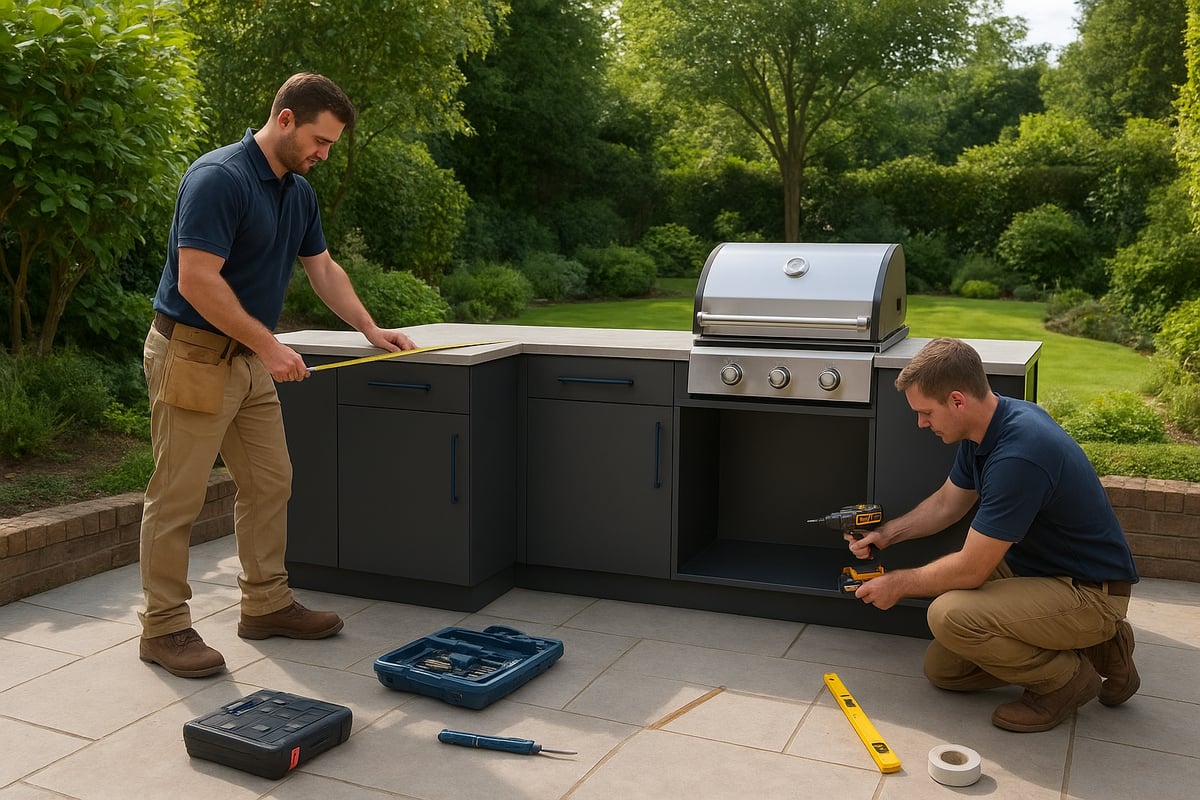
Begin by evaluating your available space. Measure the area where your outdoor cooking cabinet will be installed, taking note of any existing features like patios, pergolas, or garden beds.
Consider how sun, shade, and wind might affect your setup. For example, positioning your outdoor cooking cabinet away from prevailing winds can enhance comfort while cooking.
Determine your primary goals: Is your focus on entertaining, family meals, or gourmet cooking? Tailor your design to suit these needs. A compact patio may require streamlined cabinets, while a large garden allows for multiple zones.
Establishing a budget for your outdoor cooking cabinet project is essential. Factor in cabinet materials, brand preferences, installation, and groundwork.
Typical costs include:
| Component | Estimated Cost (2025) |
|---|---|
| Cabinets (per unit) | £800–£3,000 |
| Installation | £1,500–£4,000 |
| Appliances | £1,000–£5,000 |
| Additional groundwork | £500–£2,000 |
Plan for future upgrades or expansions. According to recent data, the average UK outdoor kitchen spend in 2025 ranged from £8,000 to £15,000.
Select a style that complements your home's architecture and garden design. Decide between sleek modern, rustic wood, or industrial metal finishes for your outdoor cooking cabinet.
Choose materials suited to your environment. For coastal areas, marine-grade polymer resists salt and moisture, while stainless steel offers durability and a contemporary look.
Think about features like open versus closed storage, integrated lighting, and hardware. Personalise your outdoor cooking cabinet with accessories such as spice racks, utensil drawers, or wine storage to maximise functionality.
Map out the utility requirements for your outdoor cooking cabinet. Determine where you need power outlets, water supply, drainage, and gas connections.
Ensure all utility placements comply with UK building regulations. Work with professionals to plan safe and efficient routes for cables and pipes.
Consider appliance needs. Will you be including fridges, sinks, or grills? Proper ventilation and lighting are crucial for both safety and comfort.
Decide whether to install your outdoor cooking cabinet yourself or hire experts. Professional installation ensures precision and compliance with safety standards.
To find reputable installers, seek recommendations and verify credentials. If you choose the DIY route, evaluate your skills, tools, and available time. Modular kits can simplify the process, but complex layouts may require a professional touch.
For a seamless experience from delivery to installation, consider using a dedicated service such as Outdoor kitchen delivery and installation for guidance and support.
Prepare your site by levelling the ground, establishing proper drainage, and marking cabinet positions. Once your outdoor cooking cabinet arrives, check all components for damage before assembly.
Assemble base units, secure them in place, and fit appliances according to manufacturer instructions. Coordinate with electricians and plumbers for utility connections.
A typical installation timeline ranges from 2 to 6 weeks, depending on cabinet complexity and site conditions. Regular communication with installers helps keep the project on track.
After installation, inspect your outdoor cooking cabinet for fit, finish, and function. Add final touches such as décor, lighting, or planters to personalise your space.
Register warranties and schedule routine maintenance to ensure longevity and performance.
A well-maintained outdoor cooking cabinet ensures your alfresco kitchen remains a focal point for years to come. Regular care not only preserves its appearance but also maximises performance and longevity. By following these maintenance tips, you can safeguard your investment and enjoy seamless outdoor cooking in every season.
Keeping your outdoor cooking cabinet clean is essential to prevent the build-up of grime, grease, and mildew. Establish a regular cleaning routine suited to the cabinet’s material. For stainless steel, use a soft cloth with mild detergent and avoid abrasive pads. Wooden cabinets benefit from gentle cleaning and periodic oiling to maintain their finish.
For more detailed guidance on best practices for different surfaces, see this overview of outdoor kitchen cabinet materials and styles. Consistent care helps your outdoor cooking cabinet maintain its beauty and function.
Outdoor cooking cabinet longevity depends on effective protection from rain, sun, and temperature extremes. Invest in high-quality weatherproof covers that fit snugly and allow for airflow. If possible, situate cabinets under a shelter or pergola to minimise direct exposure.
Seasonal storage is vital for portable cabinets, especially in winter. By shielding your outdoor cooking cabinet from harsh conditions, you extend its lifespan and reduce the need for repairs.
Even the best outdoor cooking cabinet can encounter problems over time. Common issues include rust, corrosion, faded finishes, and stuck hardware. Regularly check for signs of wear and address them early.
For frequently asked questions and troubleshooting tips specific to outdoor kitchen cabinetry, visit the Cubic Outdoor Kitchens FAQs page. Being proactive with maintenance prevents minor issues from becoming costly repairs.
Pests can quickly turn an outdoor cooking cabinet into a hiding spot or food source. To deter rodents and insects, keep all food sealed and stored in airtight containers. Inspect cabinets regularly for entry points and seal any gaps.
A well-sealed outdoor cooking cabinet offers robust protection against unwanted guests, ensuring your kitchen remains hygienic and safe for family and friends.
Proper winterisation is crucial for preserving your outdoor cooking cabinet during the colder months. Begin by emptying all cabinets, disconnecting appliances, and draining any water lines to prevent freezing.
By following a comprehensive winter maintenance checklist, you can confidently leave your outdoor cooking cabinet ready for use when the next alfresco season arrives.
The outdoor cooking cabinet is evolving rapidly as technology and design blend seamlessly with outdoor living spaces. In 2026, expect the outdoor kitchen to feel just as advanced and comfortable as your indoor culinary space. Let’s explore the key trends shaping the future of the outdoor cooking cabinet, from smart innovations to sustainable materials and expanded functionality.
Smart features are transforming the outdoor cooking cabinet into a central hub for culinary creativity. In 2026, expect app-controlled lighting, built-in charging stations, and integrated speakers to become standard features. Imagine adjusting your cabinet lighting or monitoring your grill temperature directly from your smartphone.
A smart outdoor cooking cabinet can also include voice-activated controls and Wi-Fi-connected appliances. For example, smart fridges and grills now offer remote monitoring, so you can prepare side dishes indoors while keeping an eye on your barbecue. For a comprehensive look at these innovations, see the latest outdoor kitchen cabinet trends for 2026.
Sustainability is at the forefront of outdoor cooking cabinet design in 2026. Eco-conscious homeowners are choosing cabinets made from recycled metals, FSC-certified woods, and low-VOC finishes. Solar-powered cabinets and lighting not only reduce energy consumption but also add a modern touch to your garden.
Brands are leading the charge by using upcycled materials and environmentally friendly production methods. Choosing a sustainable outdoor cooking cabinet ensures your alfresco kitchen supports a greener future. Look for products that prioritise recyclability and long-term durability while reducing environmental impact.
The aesthetic of the outdoor cooking cabinet continues to evolve, blending the boundaries between indoor and outdoor living. Biophilic design is gaining traction, with natural materials, greenery, and earthy tones taking centre stage. Homeowners are opting for matte black, stone grey, and rich wood finishes to create a timeless yet contemporary look.
Features such as handleless doors, smart lighting, and seamlessly integrated appliances define the modern outdoor cooking cabinet. These design choices not only enhance visual appeal but also improve functionality, making your outdoor kitchen a true extension of your home.
The outdoor cooking cabinet is no longer just about storage. In 2026, it is designed for multi-functional use, serving as a prep station, bar, and serving area. Modular expansions allow families to adapt their outdoor kitchens for gatherings, parties, or intimate family meals.
Innovative features such as pull-out countertops, built-in wine racks, and hidden rubbish bins are becoming standard. The modern outdoor cooking cabinet transforms your garden into a year-round social hub, supporting both everyday living and special occasions.
Having explored the key materials, design considerations, and the latest innovations in outdoor cooking cabinets, you’re now equipped with the knowledge to create a truly exceptional alfresco kitchen. But turning inspiration into reality is often easier with expert guidance. If you’d like tailored advice to match your unique space, style, and requirements, why not let our specialists help you refine your vision? With a bespoke approach rooted in Cotswold craftsmanship and years of experience, we can ensure your outdoor kitchen is both beautiful and practical for years to come.
Get a Free Design Consultation

Leave a comment