


An outdoor cooking station represents far more than a simple barbecue placed on a patio. It's a carefully conceived culinary environment that extends your home's living space into the garden, creating a focal point for entertaining whilst elevating everyday outdoor dining into something genuinely extraordinary. For discerning homeowners across the UK, particularly those with properties in the Cotswolds, Oxfordshire, and beyond, the outdoor cooking station has become an essential element of contemporary garden design-blending architectural sophistication with practical functionality.
The growing demand for these installations reflects a broader shift in how British families approach outdoor living. No longer content with seasonal barbecuing, homeowners now seek year-round capabilities, professional-grade equipment, and spaces that seamlessly integrate with landscaping and architectural features. This comprehensive guide explores everything you need to know about planning, designing, and installing an outdoor cooking station that delivers both aesthetic refinement and culinary performance.
Today's outdoor cooking station bears little resemblance to the standalone grills of previous decades. These are fully integrated outdoor kitchens designed with the same attention to workflow, materials, and functionality as their indoor counterparts.
A properly configured outdoor cooking station typically comprises several distinct zones. The primary cooking area features built-in grills, griddles, or specialised equipment. The preparation zone includes weatherproof countertops with adequate surface area for food staging. Storage solutions-both refrigerated and ambient-keep ingredients, utensils, and serving pieces readily accessible. Many installations also incorporate washing facilities, eliminating the need to shuttle items indoors constantly.
The distinction between a basic outdoor cooking setup and a sophisticated outdoor cooking station lies in integration and permanence. Whilst portable equipment serves occasional use adequately, a purpose-built station becomes a permanent garden feature-hardwired for utilities, constructed from durable materials, and designed to function reliably across British weather conditions.
Material choices fundamentally determine both the longevity and aesthetic character of your outdoor cooking station. The UK climate presents particular challenges: temperature fluctuations, persistent moisture, and freeze-thaw cycles demand materials that perform consistently without degradation.
Premium material options include:
Avoid porous materials that absorb moisture or those requiring frequent sealing. Your outdoor cooking station must withstand everything British weather delivers whilst maintaining its appearance year after year. Proper material specification at the design stage prevents costly replacements and ensures your investment delivers decades of service.
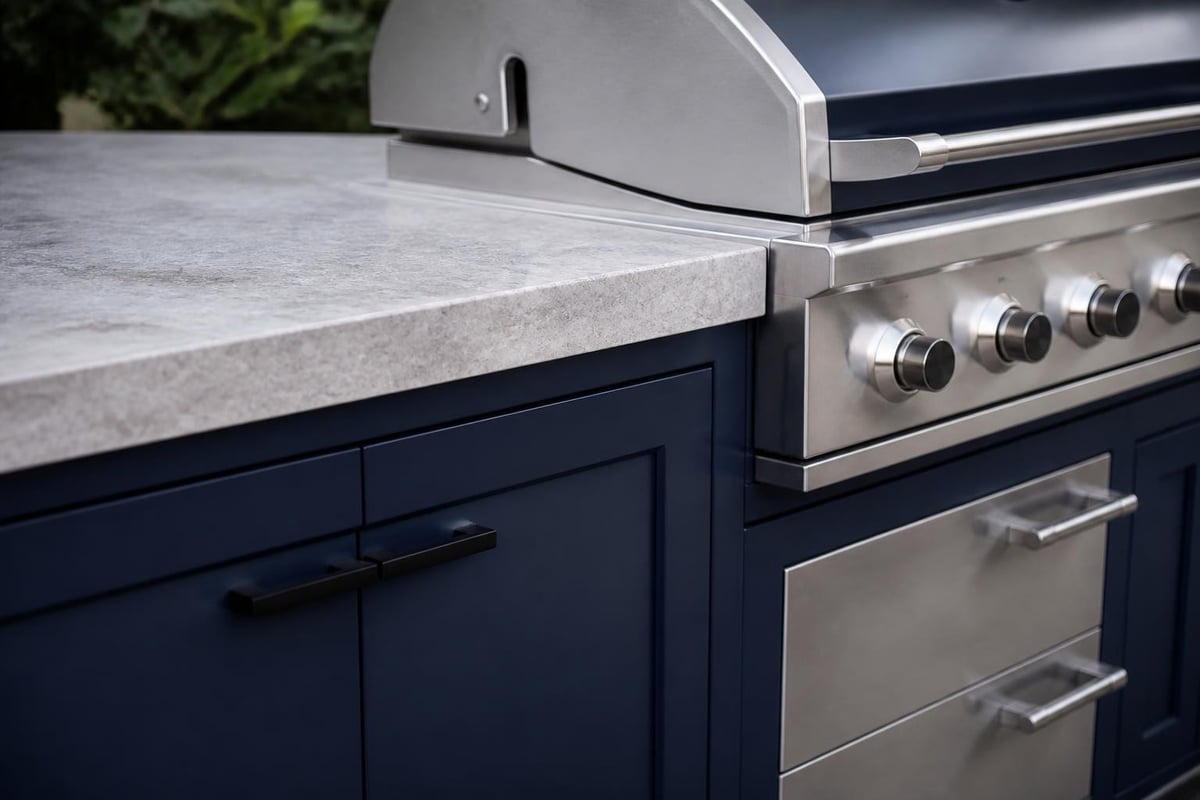
| Material Category | Primary Options | Key Benefits | Maintenance Level |
|---|---|---|---|
| Countertops | Granite, Quartzite, Porcelain | Heat-resistant, frost-proof, elegant | Low |
| Cabinetry | Marine Stainless Steel, Powder-coated Aluminium | Corrosion-resistant, weatherproof | Very Low |
| Flooring | Porcelain Pavers, Natural Stone, Resin-bound Gravel | Non-slip, drainage-friendly | Low to Medium |
| Framework | Stainless Steel, Powder-coated Steel | Structural integrity, longevity | Very Low |
The most successful outdoor cooking stations follow established kitchen design principles whilst adapting them for exterior environments. The classic work triangle-positioning cooking, preparation, and cleaning zones within easy reach-remains relevant, though the configuration must account for outdoor entertaining dynamics.
Consider traffic flow carefully. Your outdoor cooking station should allow the cook to work efficiently without guests constantly crossing the primary work zone. Position the grill or primary cooking surface where the chef can engage with guests whilst maintaining focus on food preparation. This social aspect distinguishes outdoor cooking from traditional indoor kitchen work.
Effective space allocation begins with understanding how you'll use the outdoor cooking station. A household that entertains frequently requires different provisions than one seeking occasional family dining. Scale your installation appropriately-overly ambitious projects consume garden space and budget without delivering proportional benefits.
Essential zone requirements:
Allow at least 90cm clearance behind the outdoor cooking station for comfortable movement. If designing an island configuration, ensure 120cm clearance on all sides. These dimensions prevent the cramped conditions that compromise both safety and enjoyment. Outdoor cooking safety guidelines emphasise adequate spacing to reduce fire risks and improve ventilation.
Equipment selection transforms your outdoor cooking station from a functional workspace into a culinary destination. The British market now offers extraordinary variety, from traditional charcoal systems to cutting-edge gas grills and hybrid technologies.
Built-in grills form the centrepiece of most installations. Choose between gas (convenient, controllable heat), charcoal (traditional flavour), or pellet systems (versatile temperature management). Many premium manufacturers now offer modular systems allowing you to combine multiple heat sources within a single outdoor cooking station framework.
Beyond the primary grill, consider these valuable additions:
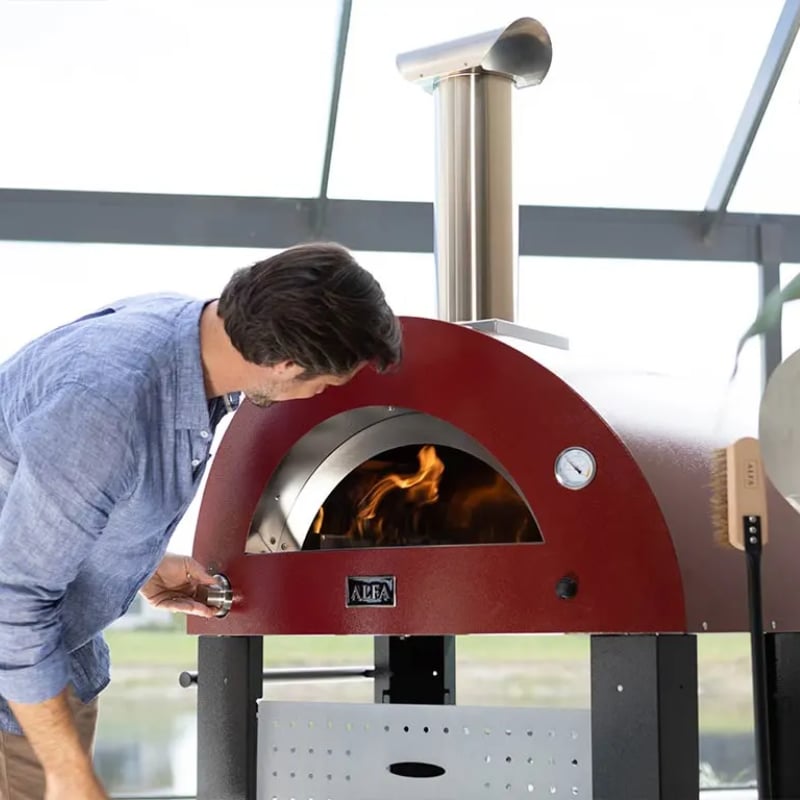
For those seeking the authentic flavour of wood-fired cooking combined with modern convenience, the Alfa Forni Moderno Hybrid Pizza Oven represents an exceptional addition to any outdoor cooking station. Handcrafted in Italy, this beautifully designed oven reaches 500°C in approximately 30 minutes, allowing you to switch seamlessly between LPG gas and wood fuel using the included hybrid kit-perfect for everything from quick weeknight pizzas to leisurely weekend entertaining with that distinctive wood-fired flavour.
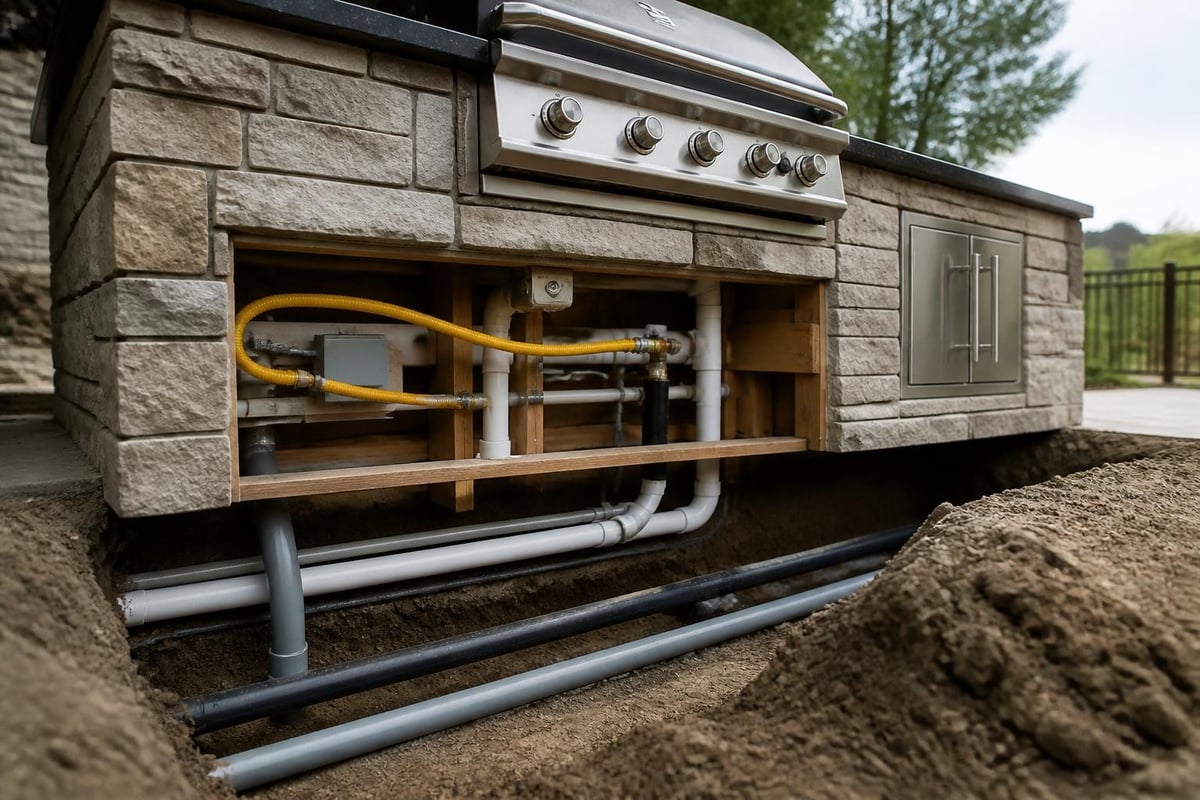
A properly equipped outdoor cooking station requires thoughtful utility planning. Gas, electricity, and water connections must be professionally installed, meeting current building regulations and safety standards.
Gas supply options:
Electrical requirements extend beyond simple lighting. Modern outdoor cooking stations often incorporate refrigeration, extraction fans, power sockets for appliances, and sophisticated lighting systems. Engage a qualified electrician familiar with outdoor installations-weatherproofing, RCD protection, and appropriate IP ratings are non-negotiable. Expert placement guidance highlights the importance of considering utility access during the planning phase.
Water supply enables integrated sinks, simplifying food preparation and cleanup. If mains connection proves impractical, consider installing a dedicated outdoor water point during construction rather than attempting retrofitting later.
British weather presents unique challenges for outdoor cooking station owners. Rain, wind, frost, and humidity all threaten both equipment longevity and user comfort. Successful installations incorporate comprehensive weatherproofing strategies from the design stage.
Overhead protection proves invaluable. Architectural pergolas, canopies, or dedicated outdoor kitchen roofing shield your outdoor cooking station from direct rainfall whilst maintaining the open-air ambience. Modern bioclimatic pergolas offer adjustable louvres, allowing ventilation during dry weather and complete coverage when needed.
| Weather Challenge | Protection Strategy | Implementation Approach |
|---|---|---|
| Rain | Overhead canopy, sloped countertops | Install pergola or permanent roof structure |
| Wind | Strategic positioning, windbreak panels | Site against walls, install glass screens |
| Frost | Insulated cabinetry, winterisation protocols | Drain water systems, use frost-proof materials |
| UV Exposure | Fade-resistant finishes, shaded storage | Specify marine-grade materials, add awnings |
Equipment covers provide additional protection during extended periods of non-use. Custom-fitted covers-preferably breathable materials preventing condensation buildup-preserve appliance finishes and mechanisms. However, well-designed outdoor cooking stations using premium materials should tolerate exposure without requiring constant covering.
Safety represents a non-negotiable aspect of outdoor cooking station design. The combination of high temperatures, flammable fuels, and outdoor conditions demands rigorous attention to protective measures.
Position your outdoor cooking station away from combustible materials. Building an outdoor kitchen safely requires maintaining minimum clearances from property boundaries, structures, and vegetation. Most manufacturers specify clearance requirements-typically 60cm from combustible surfaces and 90cm overhead clearance for ventilation.
Multiple fire safety considerations influence outdoor cooking station design:
Gas installations must comply with Gas Safety (Installation and Use) Regulations. Only Gas Safe registered engineers should undertake connection work. Request certification upon completion-this documentation proves essential for insurance purposes and future property transactions.
Electrical work similarly requires Part P Building Regulations compliance. Outdoor circuits demand RCD protection, weatherproof enclosures rated appropriately for exterior use, and professional installation certificates. Comprehensive outdoor cooking safety guidelines emphasise these preventive measures as fundamental to responsible outdoor kitchen ownership.
An outdoor cooking station should complement your property's architectural character rather than appearing as an afterthought. Successful integration requires considering materials, proportions, and positioning within the broader landscape design.
For Cotswold properties, natural stone cladding harmonises beautifully with traditional architecture. Dry-stone walling techniques or dressed stone facing creates visual continuity between the outdoor cooking station and existing structures. Contemporary homes might favour clean-lined stainless steel and rendered finishes, creating bold contrasts with planting schemes.
Design considerations for different property styles:
Lighting extends usability into evening hours whilst creating atmosphere. Layer ambient illumination (overhead fixtures or pergola-mounted lights), task lighting (directional fixtures for work surfaces), and accent lighting (highlighting architectural features or landscaping). LED systems offer energy efficiency and controllability through smart home integration.
The outdoor cooking collection showcases diverse approaches to aesthetic integration, demonstrating how carefully curated equipment and materials create cohesive outdoor environments.
Outdoor cooking station projects span remarkable price ranges-from modest installations around £5,000 to comprehensive luxury environments exceeding £50,000. Understanding cost drivers helps establish realistic budgets aligned with your aspirations.
Primary cost categories include:
Premium equipment commands higher initial investment but typically delivers superior performance, longevity, and warranty coverage. Consider lifecycle costs rather than purchase price alone-a well-specified outdoor cooking station using quality components requires minimal replacement and delivers decades of reliable service.
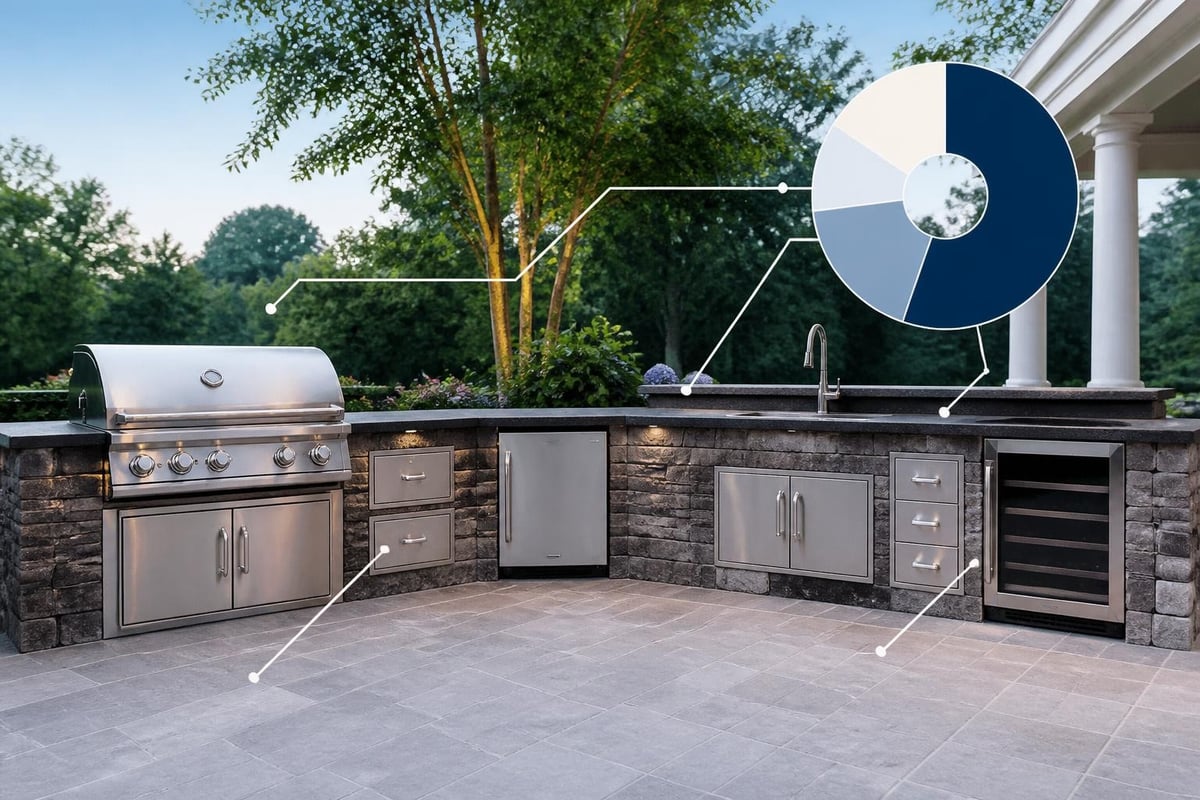
Phased implementation offers an alternative to immediate comprehensive installation. Begin with essential cooking capabilities and permanent infrastructure, adding refinements progressively. This approach spreads financial commitment whilst allowing you to refine requirements based on actual usage patterns.
Proactive maintenance preserves your outdoor cooking station's performance and appearance across years of service. Establish regular cleaning schedules and seasonal routines addressing specific requirements.
Daily maintenance tasks:
Monthly maintenance tasks:
Seasonal preparation proves particularly important in the UK climate. Before winter, drain water systems preventing freeze damage, clean and cover equipment thoroughly, and consider disconnecting gas supplies to portable appliances. Food safety for outdoor cookouts extends beyond cooking practices to encompass proper equipment maintenance and cleanliness.
Spring recommissioning reverses these steps-inspect all systems, clean thoroughly, test ignition systems, and verify proper operation before the entertaining season begins. Many premium equipment suppliers offer annual servicing programmes providing professional inspection and maintenance.
Whilst enthusiastic homeowners might contemplate self-designed outdoor cooking stations, professional consultation typically delivers superior results. Experienced designers understand spatial dynamics, material performance, regulatory requirements, and equipment integration in ways that prevent costly mistakes.
A comprehensive design consultation addresses multiple critical aspects. Site assessment identifies opportunities and constraints-aspect, access, existing utilities, and integration with landscape features. Equipment specification matches capabilities to your cooking preferences and entertaining patterns. Material selection balances aesthetic preferences with performance requirements and budget parameters.
Professional designers also navigate the regulatory landscape effectively. Building regulations, planning permissions (where applicable), gas safety compliance, and electrical certifications all require careful attention. Experienced consultants ensure your outdoor cooking station meets all requirements whilst maximising design potential.
The consultative approach employed by specialists enables bespoke solutions rather than off-the-shelf compromises. Each property presents unique opportunities-a skilled designer identifies these, creating outdoor cooking stations that feel integral to your home rather than generic additions. Prefabricated outdoor kitchens offer one solution, though truly refined installations often benefit from custom specification.
Beyond functional cooking requirements, thoughtful outdoor cooking station design creates natural gathering spaces that enhance social occasions. The layout should encourage interaction whilst keeping guests comfortable and engaged.
Counter height and overhang dimensions determine whether bar-style seating works effectively. Standard 90cm counter height with 30cm overhang accommodates stools comfortably, creating a natural perch for guests to chat with the chef whilst food cooks. Alternatively, separate dining areas positioned nearby maintain visual connection without crowding the work zone.
Entertainment-focused features include:
The finest outdoor cooking stations blur the distinction between cooking and entertaining. Rather than isolating the chef, they create theatrical cooking experiences where food preparation becomes part of the gathering's appeal. Open designs, dramatic equipment, and considered sightlines all contribute to this integration.
Understanding the installation process helps set realistic expectations for your outdoor cooking station project. From initial consultation to final commissioning, comprehensive installations typically span 8-12 weeks, though timelines vary based on complexity and customisation requirements.
Typical project phases:
Weather significantly influences outdoor construction schedules. Foundation work and certain finishing processes require dry conditions, potentially extending timelines during winter months. Experienced installers build contingency into project planning, managing expectations realistically whilst maintaining quality standards.
Professional installation ensures proper integration of all elements. Gas connections, electrical work, plumbing, and structural assembly all demand specific expertise. Attempting DIY installation of complex outdoor cooking stations typically proves false economy-errors compromise both safety and performance whilst potentially invalidating warranties.
The most satisfying outdoor cooking stations reflect their owners' personalities and cooking preferences. Customisation opportunities abound-from equipment selection to aesthetic detailing-allowing you to create truly bespoke environments.
Equipment choices offer obvious personalisation. Dedicated pizza oven enthusiasts might prioritise wood-fired capabilities, whilst barbecue aficionados require substantial grill capacity and smoking equipment. The grills and smokers collection demonstrates the remarkable variety available, each option suited to different culinary approaches.
Beyond equipment, finishing details express individual style. Hardware selection, lighting fixtures, material combinations, and decorative elements all contribute character. Some homeowners embrace minimalist aesthetics-clean lines, monochromatic palettes, and restrained detailing. Others prefer warmer, more textured approaches incorporating natural materials and layered finishes.
Functional customisation proves equally important. Left-handed cooks benefit from reversed workflow layouts. Wheelchair users require adjusted counter heights and clearances. Families with young children might prioritise safety features and accessible storage. Truly bespoke outdoor cooking stations accommodate these individual requirements rather than forcing compromise with standardised solutions.
| Customisation Category | Options Available | Impact on Functionality |
|---|---|---|
| Equipment Configuration | Modular islands, L-shaped layouts, linear designs | Workflow efficiency, capacity |
| Material Palette | Stone types, metal finishes, accent materials | Aesthetic character, maintenance |
| Utility Features | Smart controls, integrated audio, automated lighting | Convenience, ambience |
| Storage Solutions | Drawer configurations, door styles, organisational inserts | Accessibility, organisation |
Technology and outdoor living trends evolve continuously. Thoughtful outdoor cooking station design anticipates future requirements, incorporating flexibility for upgrades and modifications without requiring wholesale reconstruction.
Modular equipment frameworks facilitate updates. Rather than permanently mounting specific appliances, specify standardised cutouts and utility connections accommodating various manufacturers' products. This approach allows equipment upgrades without cabinetry modifications-a more sustainable and cost-effective long-term strategy.
Smart home integration represents growing interest among outdoor cooking station owners. Wi-Fi enabled temperature controllers, automated lighting systems, and integrated entertainment solutions all enhance functionality. Install conduit and junction boxes during construction even if immediate smart technology implementation isn't planned-retrofitting proves far more disruptive and expensive.
Consider future lifestyle changes during planning. Growing families might require expanded capacity. Aging-in-place considerations suggest wheelchair-accessible designs. Investment properties benefit from broad appeal rather than highly specialised configurations. Building appropriate flexibility ensures your outdoor cooking station remains valuable across changing circumstances.
The luxury outdoor furniture collection complements cooking installations, creating complete outdoor living environments that adapt as requirements evolve.
Creating an exceptional outdoor cooking station requires balancing aesthetic ambition with practical functionality, premium materials with appropriate budget allocation, and immediate needs with long-term value. Whether you're planning a compact installation for a London townhouse garden or a comprehensive outdoor kitchen for a Cotswolds estate, thoughtful specification and professional guidance ensure results that enhance your property and elevate your outdoor entertaining for decades to come. Cotswold Cooking Company brings decades of expertise to every outdoor cooking station project, offering comprehensive design consultation, curated equipment selection from world-leading brands, and complete installation services that transform your outdoor space into a refined culinary destination.

Leave a comment