


Transforming your garden into a year-round culinary destination begins with selecting the right outdoor kitchen unit. Whether you're planning intimate family dinners or grand-scale entertaining, a carefully designed outdoor kitchen unit offers the perfect blend of functionality, aesthetics and weather-resistant durability. For discerning homeowners across the UK, the choice extends far beyond simply placing a barbecue in the garden-it requires thoughtful consideration of materials, layout, equipment integration and long-term performance.
An outdoor kitchen unit represents a fundamental shift in how we approach garden design and outdoor living. Rather than standalone appliances scattered across a patio, these integrated systems consolidate cooking, preparation, storage and serving zones into cohesive, professionally designed installations.
Modern outdoor kitchen units combine premium materials with architectural precision. Powder-coated stainless steel, weather-resistant composites and engineered stone surfaces deliver both visual appeal and practical longevity. The modular nature of contemporary units allows for customisation that responds to individual site constraints, entertaining patterns and aesthetic preferences.
Every functional outdoor kitchen unit incorporates several essential zones:
The configuration of these elements determines both the workflow efficiency and the overall footprint of your outdoor kitchen unit. Professional design consultancies examine circulation patterns, prevailing wind direction and sight lines to optimise placement and orientation.
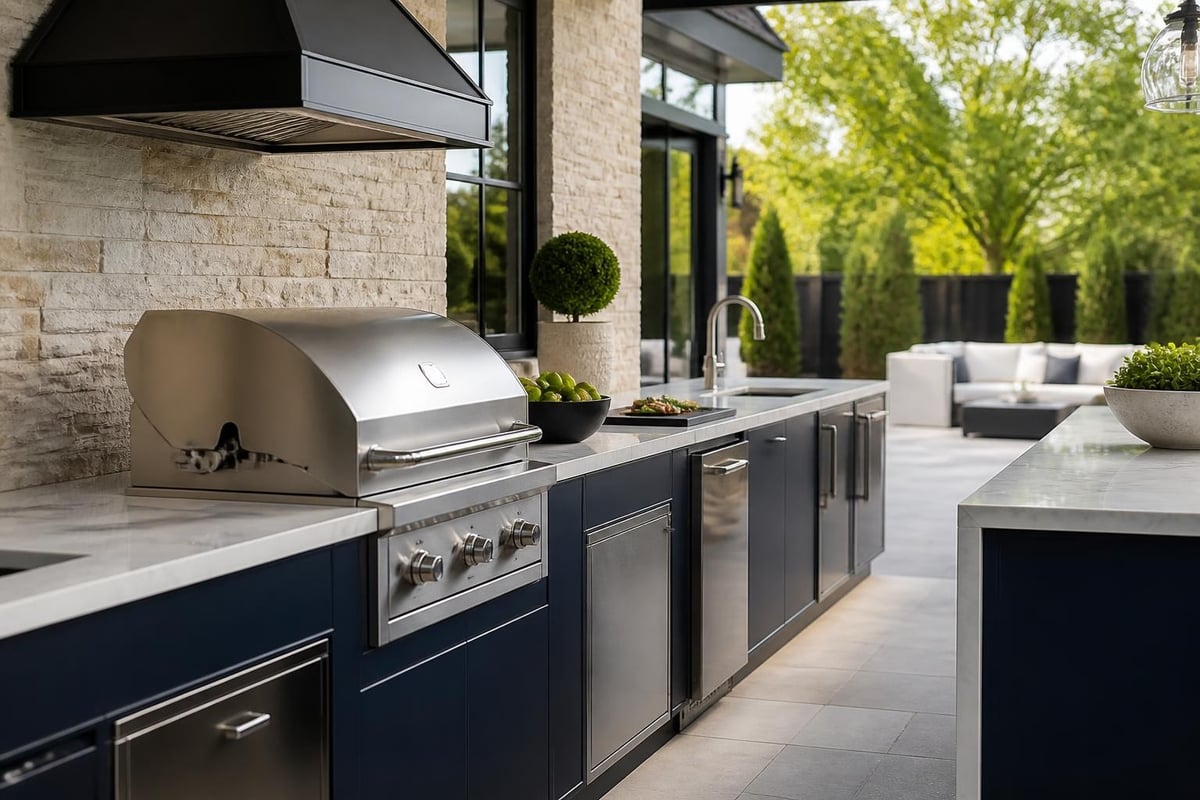
The British climate demands outdoor kitchen units engineered for year-round exposure to rain, frost, UV radiation and temperature fluctuations. Material selection fundamentally influences longevity, maintenance requirements and aesthetic consistency over time.
Powder-coated stainless steel represents the gold standard for luxury outdoor kitchen units. Grade 304 or 316 stainless steel provides exceptional corrosion resistance, while powder coating in custom colours allows seamless integration with surrounding architecture. The American Society of Landscape Architects emphasises material durability as a primary consideration when specifying outdoor cooking installations.
| Material | Weather Resistance | Maintenance | Aesthetic Lifespan | Cost Tier |
|---|---|---|---|---|
| Powder-Coated Stainless Steel | Excellent | Low | 15-25 years | Premium |
| Marine-Grade Polymer | Excellent | Very Low | 10-20 years | High |
| Treated Timber Frame | Moderate | High | 5-10 years | Mid |
| Natural Stone Veneer | Good | Moderate | 20+ years | Premium |
| Weather-Resistant Composite | Very Good | Low | 12-18 years | High |
Beyond the cabinetry itself, worktop materials require particular attention. Porcelain, granite and engineered quartz withstand thermal shock from hot cookware whilst resisting staining and UV degradation. For seamless indoor-outdoor aesthetics, many designers specify identical worktop materials for both kitchen environments.
British outdoor kitchen units must accommodate persistent moisture, freeze-thaw cycles and occasionally high winds. Drainage design prevents water accumulation within cabinet bases, whilst raised plinths ensure adequate ventilation beneath units. Door mechanisms incorporate weather-resistant seals, and electrical components require IP65 or higher ingress protection ratings.
Ventilation planning extends beyond simple air movement. Permanently installed cooking equipment often requires compliance with building and fire codes, particularly when gas connections or high-BTU burners form part of the installation. Understanding these requirements early in the design process prevents costly modifications during installation.
The physical configuration of your outdoor kitchen unit dramatically influences both functionality and social dynamics. Professional designers typically work within three primary layout archetypes, each responding to different site conditions and entertaining styles.
Straight-line units maximise efficiency in compact spaces or when installed against boundary walls. This configuration creates a clear working zone whilst preserving open entertaining areas. Linear layouts work particularly well when the cooking area needs visual separation from dining zones.
For larger gardens, linear configurations can extend to incorporate multiple cooking appliances. A 4-metre run might integrate a built-in BBQ, side burners, refrigeration and generous preparation surfaces. The Grillandia outdoor kitchen system offers modular elements that adapt to linear configurations whilst maintaining design cohesion.
L-shaped outdoor kitchen units capitalise on corner locations, defining distinct entertaining zones whilst maintaining cook-guest interaction. The perpendicular arrangement naturally separates cooking from serving, with the corner often housing a premium appliance or statement feature.
Galley configurations place parallel units opposite one another, creating a defined cooking corridor. This professional-style layout suits serious outdoor cooks who value efficiency and dedicated workspace. However, galley designs require adequate clearance-typically 1.2 to 1.5 metres between facing units-to accommodate multiple cooks and safe appliance access.
Freestanding island units command attention in spacious gardens, creating a focal point for entertaining. Islands facilitate 360-degree circulation, allowing guests to gather around whilst maintaining comfortable separation from active cooking zones. This configuration particularly suits open-plan outdoor living spaces where the kitchen integrates with dining and lounging areas.
Peninsula designs offer similar benefits whilst requiring less square footage. One end anchors to a wall or pergola structure, providing utility connection points whilst maintaining three-sided accessibility.
The heart of any outdoor kitchen unit lies in its integrated appliances. Equipment selection balances cooking performance, weather resistance, fuel availability and aesthetic coordination.
Built-in BBQ grills range from basic three-burner units to professional-grade stations incorporating rotisseries, infrared searing zones and dedicated smoking compartments. Stainless steel construction throughout-not merely on visible surfaces-ensures longevity. Quality units feature double-walled construction, heavy-gauge grates and sealed burner boxes preventing moisture ingress.
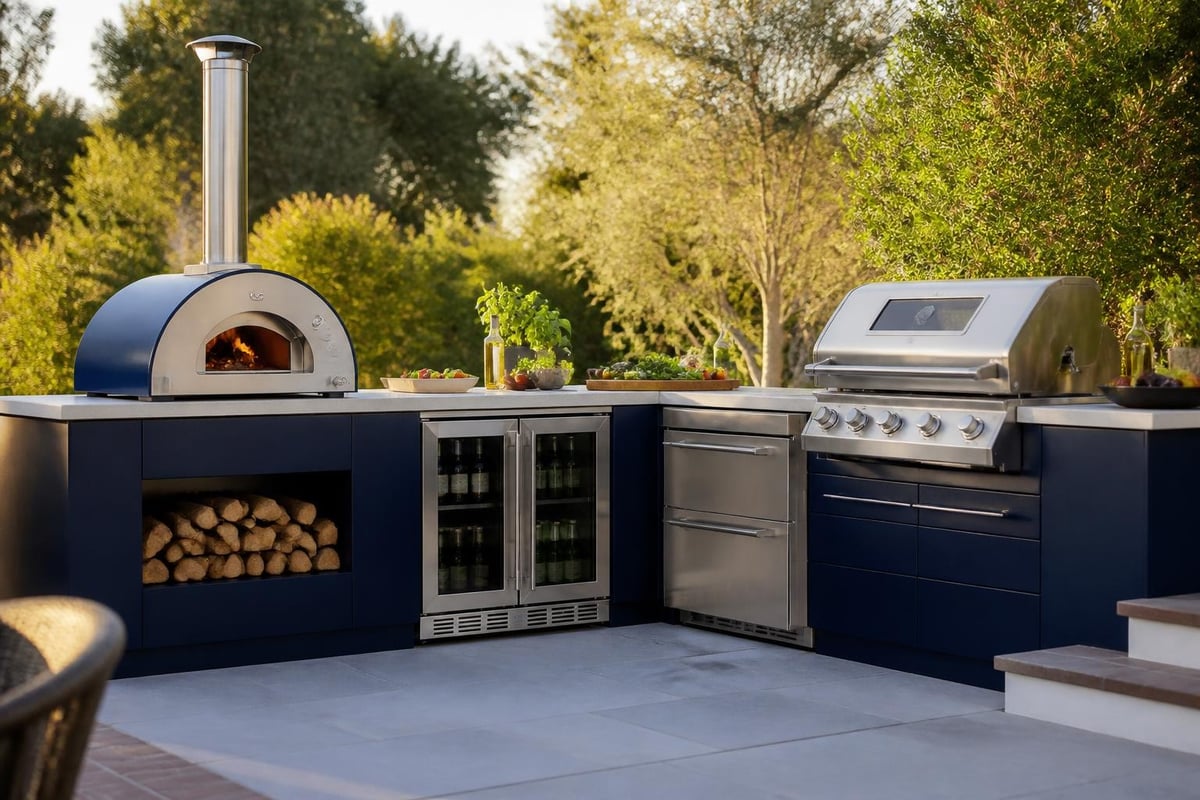
Beyond primary cooking appliances, ancillary equipment transforms basic functionality into comprehensive outdoor culinary capability:
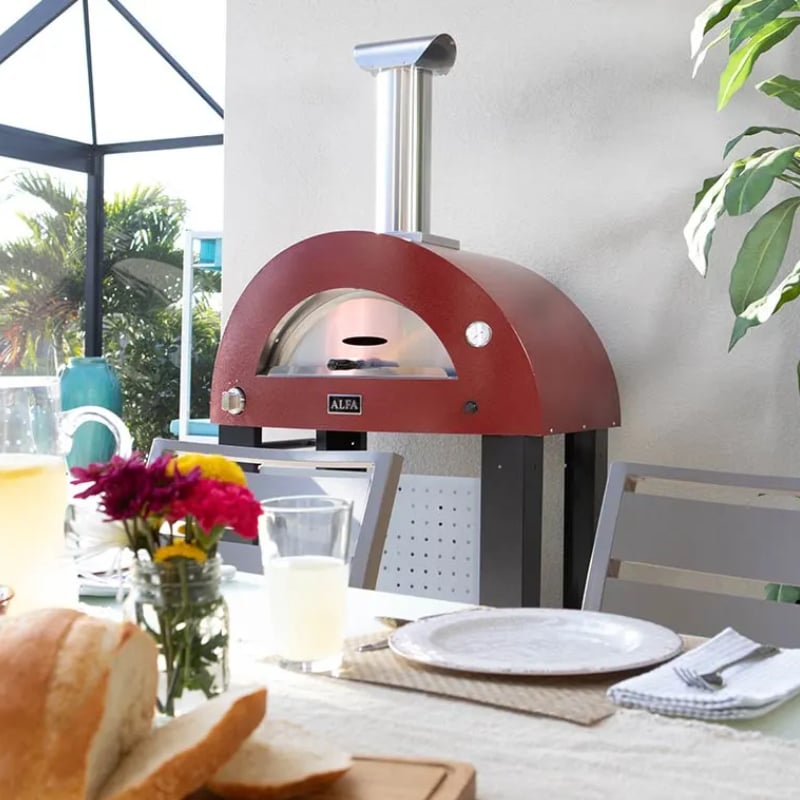
Wood-fired pizza ovens introduce artisan cooking capabilities whilst creating visual theatre. The Alfa Forni Moderno Hybrid Pizza Oven exemplifies hybrid versatility, offering both gas convenience and authentic wood-fired flavour within a single handcrafted Italian unit that reaches 500°C in approximately 30 minutes.
When specifying refrigeration, standard domestic units lack the insulation, compressor capacity and weather resistance required for outdoor installation. Purpose-designed outdoor refrigeration withstands temperature extremes, incorporates corrosion-resistant components and maintains consistent internal temperatures regardless of ambient conditions.
Professional outdoor kitchen unit installations demand robust utility infrastructure. Unlike portable equipment, permanent installations require properly specified gas, water, electrical and drainage connections.
Natural gas and LPG connections must comply with national fire and safety codes. Qualified gas engineers size supply lines based on appliance BTU requirements and run distances, ensuring adequate pressure at each burner. Shut-off valves must be readily accessible, typically within 1 metre of each appliance.
For properties without mains gas, bulk LPG tanks or individual cylinder storage require careful siting. Regulations stipulate minimum distances from buildings, boundary lines and ignition sources. Many luxury installations conceal LPG infrastructure within landscaping or purpose-built enclosures.
RCBO-protected electrical circuits rated for outdoor use power lighting, refrigeration and ancillary equipment. Weatherproof outlets positioned at convenient heights accommodate small appliances whilst maintaining visual discretion. Some installations incorporate dedicated circuits for extraction systems or outdoor heating elements.
Water supply enables integrated sink stations, making fresh ingredient preparation and interim clean-up dramatically more convenient. Cold supply suffices for most applications, though hot water circulation extends functionality for thorough equipment cleaning. Drainage connections require compliance with local building regulations, with trapped waste pipes preventing odours whilst accommodating future maintenance access.
The most successful outdoor kitchen units exhibit seamless visual integration with existing architecture and landscape design. Rather than appearing as retrofitted additions, premium installations feel purposefully conceived as extensions of the home's living space.
Materiality provides the primary tool for achieving this integration. Matching external wall finishes, coordinating with indoor kitchen aesthetics or echoing pergola structures creates visual continuity. Colour selection extends beyond mere preference-neutral palettes maintain timelessness, whilst bolder choices demand careful coordination with plantings, hard landscaping and seasonal variations.
Proportional relationships matter enormously in outdoor settings. An oversized outdoor kitchen unit overwhelms modest gardens, whilst undersized installations appear tentative in expansive grounds. Professional designers establish proportions through dimensional drawings that account for viewing distances, surrounding structures and intended entertaining scale.
Whilst weather-resistant materials withstand exposure, overhead shelter transforms seasonal usability. Integrated pergolas with retractable roofing systems provide rain protection whilst maintaining open-air ambience during favourable weather. Some homeowners incorporate full roofing with heating and lighting, creating genuinely year-round outdoor rooms.
The relationship between kitchen units and sheltering structures requires early coordination. Structural posts affect layout options, whilst roof heights influence extraction requirements. When planning shelter simultaneously with the outdoor kitchen unit, designers optimise clearances, lighting positions and weatherproofing details from the outset.
For entertaining spaces that rival indoor luxury, consider how complementary installations enhance the overall experience. Just as custom home cinema specialists transform interior rooms into immersive entertainment destinations, outdoor cooking zones benefit from thoughtful integration of audio systems, ambient lighting and climate control that extends comfortable outdoor living well beyond traditional summer months.
Outdoor cooking generates smoke, grease-laden vapour and combustion by-products that require proper management. Whilst outdoor installations benefit from natural air movement, certain configurations and appliance choices demand active extraction or enhanced ventilation planning.
Traditional building codes focus primarily on indoor extraction, creating gaps in outdoor-specific ventilation standards. However, best practice suggests several scenarios where enhanced ventilation significantly improves comfort and equipment longevity:
Research into barbecue emissions demonstrates measurable air-quality impacts from outdoor cooking, particularly when using solid fuels. Gas appliances produce cleaner combustion, whilst charcoal and wood generate higher particulate levels. Understanding these trade-offs informs both equipment selection and siting decisions.
Properly sized extraction hoods capture rising heat and smoke, directing it away from occupied areas whilst protecting surrounding structures from discolouration. Stainless steel canopies rated for outdoor use incorporate weather-resistant fans, grease filters and integrated lighting. For premium installations, extraction systems connect to powered ventilation that operates automatically when cooking equipment activates.
Outdoor kitchen unit installations intersect with multiple regulatory frameworks. Understanding requirements before commencing work prevents delays, ensures safety and maintains property value.
Most freestanding outdoor kitchen units require no formal planning permission, falling within permitted development rights. However, several scenarios trigger consent requirements:
Building regulations govern gas, electrical and drainage works regardless of planning status. Gas connections require certification by Gas Safe registered engineers. Electrical installations demand compliance with BS 7671 wiring regulations, typically involving Building Control notification or certified installer schemes.
Local authorities maintain specific guidance on outdoor cooking installations, addressing aspects from setback distances to ventilation requirements. Consulting these resources early in the design process identifies potential constraints whilst informing specification decisions.
Whilst competent DIY enthusiasts might tackle simple cabinetry assembly, comprehensive outdoor kitchen units benefit enormously from professional installation. Experienced teams ensure:
Premium suppliers typically offer complete design-through-installation services, coordinating trades and managing project timelines. This integrated approach prevents the coordination challenges and accountability gaps that arise when multiple contractors work independently.
Even premium outdoor kitchen units require routine maintenance to preserve appearance and functionality. Establishing maintenance protocols from initial installation protects your investment whilst ensuring safe, reliable operation.
Winter preparation prevents freeze damage and preserves finishes during harsh weather:
Spring commissioning reverses these processes whilst enabling inspection for any winter damage. Check door seals, hinges and drawer mechanisms for smooth operation. Gas connections require leak testing before first seasonal use, whilst electrical components benefit from visual inspection for moisture ingress or pest damage.
Different materials demand specific care approaches:
| Surface Type | Cleaning Method | Frequency | Products to Avoid |
|---|---|---|---|
| Stainless Steel | Mild detergent, microfibre cloth | After each use | Abrasive cleaners, steel wool |
| Powder Coating | Warm soapy water | Weekly | Solvents, harsh chemicals |
| Stone Worktops | pH-neutral cleaner | After food prep | Acidic cleaners, bleach |
| Stainless Grates | Brass brush, degreaser | After each cooking session | Wire wheels, corrosive cleaners |
BBQ grills require particular attention. Regular removal of grease and carbon deposits prevents flare-ups whilst maintaining even heat distribution. Burner ports need occasional clearing to ensure proper gas flow, whilst ignition systems benefit from protective covers when not in use.
Professional servicing every 12-24 months addresses components beyond routine homeowner maintenance. Technicians inspect gas connections, test safety shut-offs, verify electrical continuity and address any emerging wear issues before they compromise performance or safety.
Outdoor kitchen unit projects span an enormous price spectrum, from modest modular installations to bespoke architectural statements. Understanding cost drivers enables realistic budget planning whilst identifying opportunities for phased implementation.
Professional designers typically allocate outdoor kitchen budgets across several categories:
Entry-level outdoor kitchen units suitable for occasional use begin around £3,000-£5,000, typically comprising basic cabinetry and a mid-range built-in BBQ. Mid-tier installations offering year-round durability, expanded appliance selection and quality materials range £8,000-£15,000. Premium bespoke systems incorporating architectural finishes, professional-grade equipment and comprehensive utility integration extend from £20,000 to £50,000 or beyond.
Budget-conscious approaches need not compromise long-term vision. Several strategies optimise initial investment whilst preserving future expansion capability:
Install comprehensive infrastructure initially-gas lines, electrical circuits, water supply and drainage-sized for ultimate build-out. Base cabinetry and structure can then be implemented in phases, adding appliances and finishing details as budget permits.
Prioritise weather-resistant construction quality over appliance specification. Cabinetry replacement proves far more disruptive than upgrading a BBQ grill. Investing in premium powder-coated stainless steel units ensures longevity, whilst appliance upgrades can occur incrementally.
Consider modular systems designed for expansion. Many premium ranges allow seamless addition of units, maintaining visual consistency whilst spreading costs across multiple seasons. This approach proves particularly effective for growing families or homeowners anticipating increased entertaining frequency.
The true measure of an outdoor kitchen unit's success extends beyond specification sheets and material quality-it resides in how naturally the installation integrates into daily life and special occasions.
Different entertaining styles demand distinct functional priorities. Frequent casual dining favours quick-access storage, simple clean-up and efficient workflow that accommodates solo cooking. Large gatherings require expanded preparation surfaces, multiple cooking zones and adequate refrigeration for pre-event staging.
Modern outdoor living transcends pure cooking functionality. The most engaging outdoor kitchen units anchor broader garden rooms incorporating dining, lounging and activity zones. Strategic positioning enables the cook to maintain social connection whilst managing food preparation-the outdoor equivalent of the kitchen island that has dominated interior design for decades.
Integration with adjacent spaces amplifies utility and enjoyment. Positioning your outdoor kitchen unit near dedicated dining areas reduces service distances whilst maintaining pleasant separation between active cooking and eating zones. For properties hosting regular celebrations, consider how the kitchen relates to garden circulation, allowing guests to move naturally between different activity areas.
Just as professional photo booth providers transform events through shareable visual experiences, thoughtfully designed outdoor cooking spaces create memorable moments centred around food, conversation and the unique pleasure of alfresco dining. These installations become settings for milestone celebrations, regular family meals and spontaneous summer evenings that define home life.
The outdoor kitchen market continues evolving, driven by changing lifestyle expectations, technological advancement and growing appreciation for year-round outdoor living. Understanding emerging trends informs specification decisions that maintain relevance and functionality for decades.
Smart controls increasingly appear in outdoor kitchen units, enabling remote monitoring, automatic ignition and precision temperature management. Wi-Fi enabled BBQ controllers maintain consistent heat during long, slow cooking sessions, whilst app-based interfaces provide alerts and cooking guidance. Some systems integrate with whole-home automation platforms, coordinating outdoor lighting, music and climate control.
However, technology integration demands careful consideration of weather exposure, long-term support and interface complexity. Premium installations favour professional-grade controls with proven outdoor durability over consumer-focused smart devices that may lack weather resistance or sustained manufacturer support.
Growing environmental consciousness influences both equipment selection and operational approach. Gas appliances offer cleaner combustion than charcoal, whilst electric options eliminate direct emissions entirely. When paired with renewable energy sources, electric outdoor cooking equipment delivers genuinely low-carbon performance.
Material sustainability extends beyond pure environmental impact. Locally sourced stone, responsibly harvested timber accents and recycled-content composites appeal to ecologically minded homeowners whilst often delivering superior aesthetic character compared to mass-produced alternatives.
Water management receives increasing attention, with designers specifying low-flow taps, grey-water compatible drainage and catchment systems that redirect rainwater runoff for garden irrigation. These considerations align with broader sustainable landscape design whilst reducing operational environmental impact.
Outdoor kitchens facilitate cooking methods aligned with health-conscious lifestyles. Grilling reduces added fats compared to many indoor techniques, whilst smoke infusion delivers flavour without heavy sauces or seasonings. Dedicated zones for vegetable preparation, separate refrigeration for fresh produce and ample workspace encourage the kind of ingredient-focused cooking that supports nutritious eating patterns.
The outdoor setting itself contributes to wellbeing. Natural light, fresh air and connection to garden settings create psychological benefits that complement nutritional advantages. For families seeking to reduce screen time and increase meaningful interaction, outdoor cooking and dining provide natural gathering opportunities removed from interior distractions.
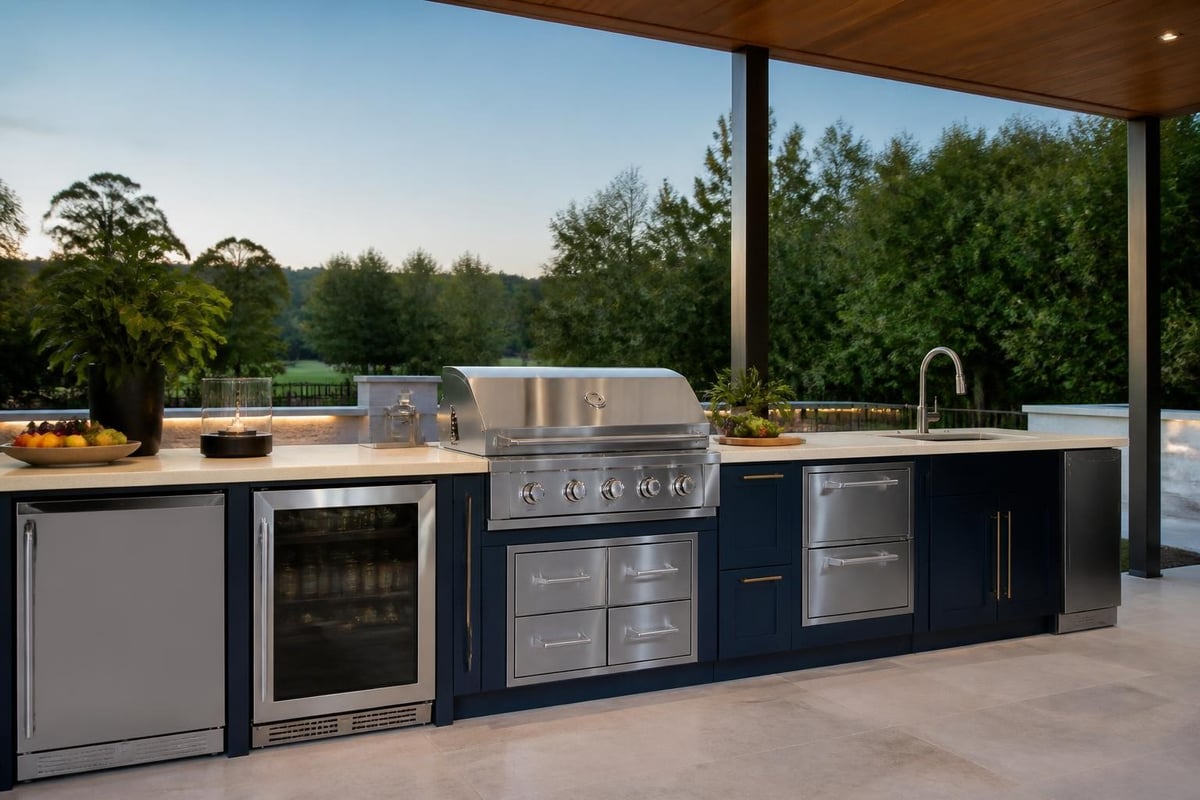
The diversity of UK regional climates, architectural styles and garden traditions influences outdoor kitchen unit design in subtle but important ways. What succeeds in sheltered Cotswold gardens may require modification for exposed Scottish Highlands installations.
Coastal locations demand enhanced corrosion resistance. Salt-laden air accelerates degradation of untreated metals, making marine-grade stainless steel or powder-coated finishes essential rather than optional. Regular washing removes salt accumulation, whilst additional protective treatments extend component lifespan.
Wind exposure varies dramatically across UK regions. Exposed hilltop gardens require different consideration compared to sheltered urban courtyards. Windbreaks, strategic positioning and integrated shelter prove essential in high-wind locations, both for user comfort and to prevent heat loss affecting cooking performance.
Architectural vernacular influences aesthetic decisions. Traditional Cotswold stone properties favour outdoor kitchen units that echo local materiality and proportions. Modern architectural statements might specify powder-coated steel in contemporary colours, creating intentional contrast rather than seamless integration. Understanding regional design language prevents installations that appear incongruous with surrounding context.
Selecting and installing an outdoor kitchen unit represents a significant investment in how you experience your property, creating opportunities for memorable entertaining whilst expanding functional living space throughout the year. Success requires balancing aesthetic vision with practical requirements, weather performance with design ambition, and immediate needs with long-term flexibility. The Cotswold Cooking Company brings together curated collections from Europe's finest manufacturers with comprehensive design consultation, helping discerning clients across the UK transform their gardens into refined culinary destinations that reflect both personal style and the highest standards of craftsmanship.

Leave a comment