


Unlock the full potential of your outdoor culinary space with the perfect outside kitchen door. As more UK homeowners embrace stylish outdoor kitchens, choosing the right door is essential for connecting indoor comfort with outdoor living. The right option not only boosts security and weatherproofing, but also enhances the overall look and usability of your space.
This practical 2026 handbook will guide you through styles, materials, installation, and maintenance. Discover expert tips to ensure your outside kitchen door delivers flawless results, making your outdoor kitchen a true extension of your home.
Unlocking the true value of an outdoor kitchen begins with the right outside kitchen door. This essential feature acts as both a gateway and a guardian for your culinary space, shaping how you use, secure, and enjoy your garden kitchen throughout the year.
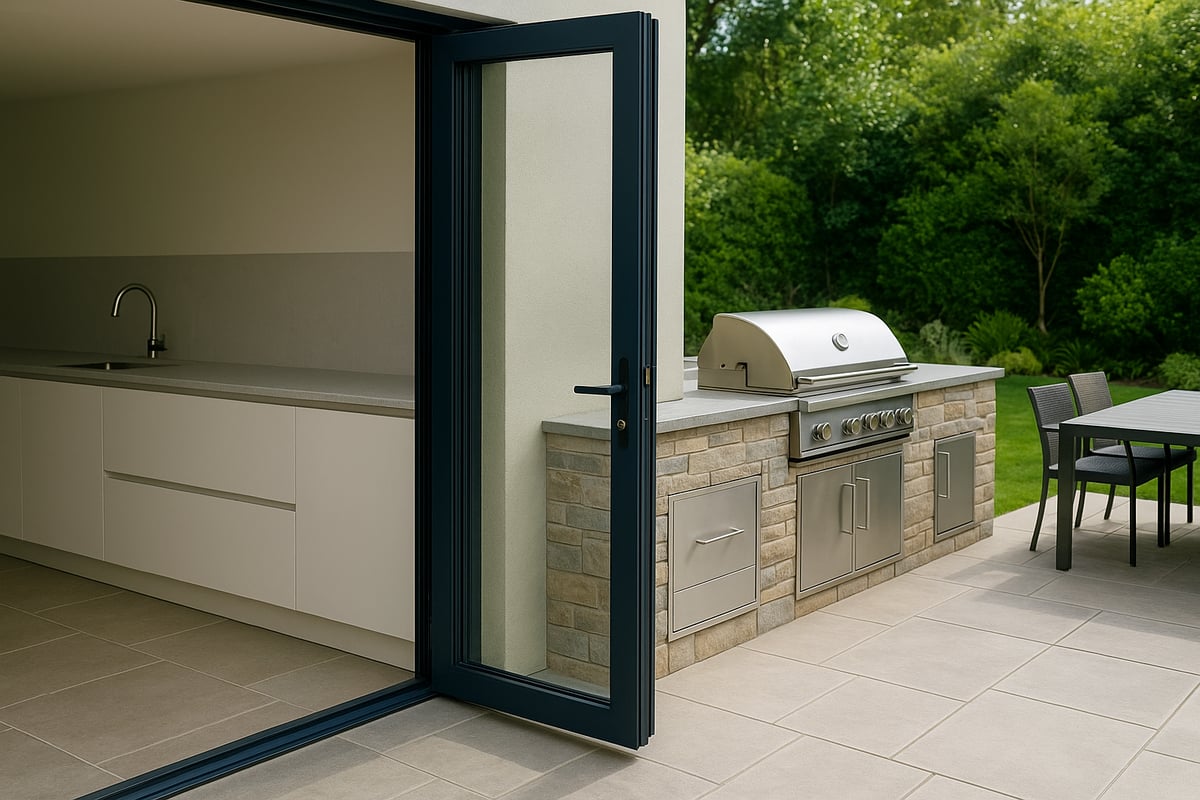
An outside kitchen door is not simply a standard exterior door placed at the rear of your home. It is specifically designed to handle the unique demands of an outdoor culinary area. Compared to traditional doors, it must withstand higher exposure to weather, temperature changes, and frequent use.
Key functions of an outside kitchen door include:
The placement of an outside kitchen door can significantly influence how you move between cooking, dining, and entertaining zones. Thoughtful positioning improves flow and convenience, making outdoor gatherings more enjoyable. For a comprehensive approach to planning your space and choosing the right door, consult this Outdoor Kitchen Planning Guide.
Selecting the ideal outside kitchen door brings a host of practical and aesthetic benefits. One of the most significant is improved energy efficiency. Well-insulated doors can reduce heat loss by up to 20 percent, helping to maintain comfortable temperatures both indoors and out.
Security is another crucial factor. Modern doors often feature multi-point locking systems and reinforced frames, providing peace of mind for homeowners. Easy access is essential for entertaining, allowing guests and hosts to move effortlessly between spaces.
A well-chosen outside kitchen door also enhances the visual appeal of your home, blending with your garden and interior design. This investment can even boost property value by creating a desirable, functional living area.
Outdoor kitchens face constant exposure to the elements. An outside kitchen door must prevent rain, wind, and draughts from entering the space. Without proper sealing, leaks and temperature fluctuations can become ongoing problems.
Common challenges include:
Design mistakes, such as poor placement or mismatched styles, can disrupt usability and aesthetics. Learning from real-world examples helps you avoid these pitfalls and ensures your outside kitchen door performs as intended.
Outdoor kitchens are more popular than ever among UK homeowners, with a 30 percent rise in installations over the last three years. In 2026, the integration of smart home systems is a major trend, enabling remote control of lighting, heating, and door access.
Sustainability is also front of mind. Demand is growing for eco-friendly materials that offer durability without compromising on style. Recycled composites, certified timber, and energy-efficient glazing are leading choices for the modern outside kitchen door.
Innovative design ensures your outdoor kitchen remains future-proof, blending technology, sustainability, and visual harmony. Staying ahead of these trends enables you to create a space that is both practical and inspiring.
Selecting the ideal outside kitchen door is a crucial step in designing a space that performs beautifully year-round. With so many options available, understanding the latest door styles, materials, and features will help you achieve the perfect balance of functionality, security, and visual appeal.
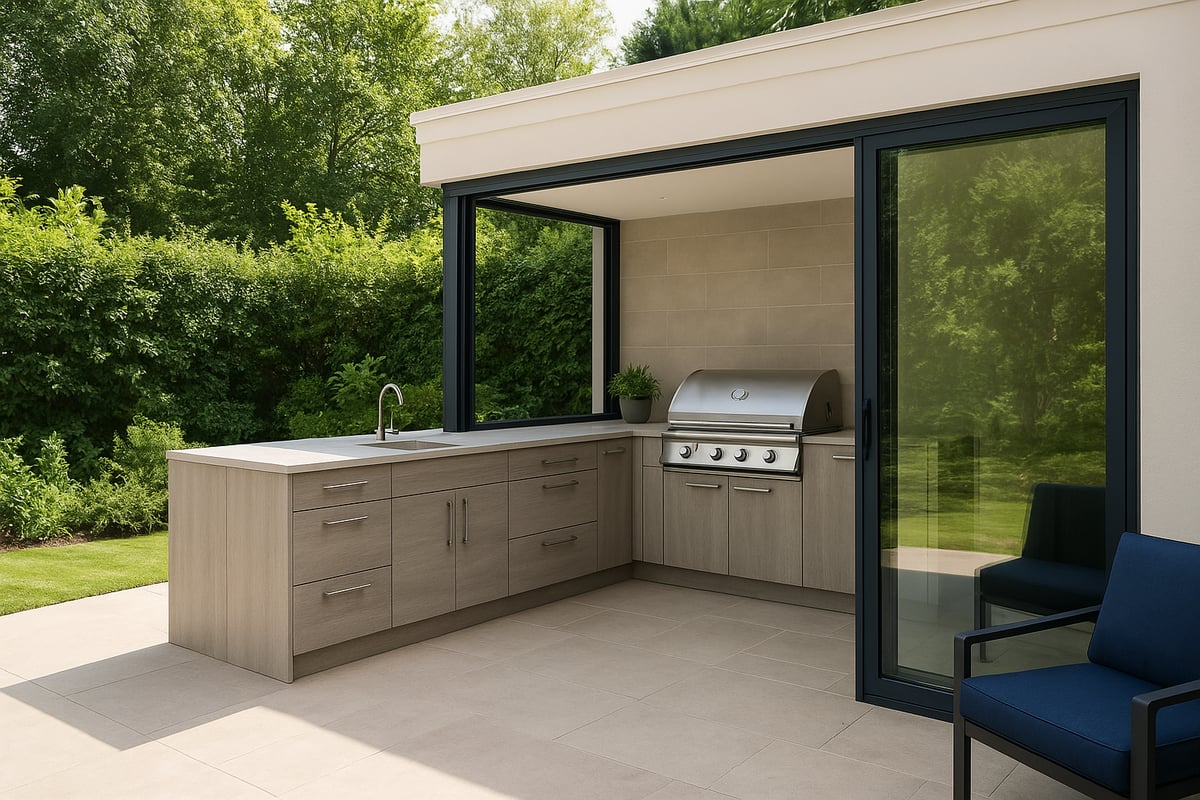
The style of your outside kitchen door sets the tone for your entire outdoor space. Bi-fold doors are popular for their ability to open wide, merging kitchen and garden. Sliding doors offer a sleek, contemporary look and save space, making them ideal for compact areas. French doors bring a classic touch and allow plenty of light, while pivot doors create a bold architectural statement.
When considering trends, 2026 window and door trends highlight a shift towards larger glass panels and minimalist frames, enhancing both light and garden views. Each style has its strengths: bi-folds maximise access, sliders are great for tight spots, and French doors suit traditional homes. Assess your garden size, desired opening width, and the overall character of your home when choosing your outside kitchen door.
The material you select for your outside kitchen door will impact its longevity, maintenance needs, and appearance. Timber doors offer natural warmth and can be painted or stained, but require regular care. Aluminium is lightweight, rust-resistant, and ideal for modern designs. uPVC provides excellent weatherproofing and is budget friendly, though it may lack the premium feel of other options. Composite materials combine the best qualities of timber and plastic, delivering strength and low maintenance.
Here’s a quick comparison:
| Material | Pros | Cons |
|---|---|---|
| Timber | Warm, customisable | Needs regular upkeep |
| Aluminium | Durable, low maintenance | Can be pricier |
| uPVC | Affordable, weatherproof | Limited colour options |
| Composite | Strong, low maintenance | Higher upfront cost |
For your outside kitchen door, consider how each material stands up to rain, wind, and temperature swings, as well as the visual harmony with your home’s exterior.
Security is a top priority for any outside kitchen door. Opt for doors with multi-point locking systems, reinforced frames, and toughened or laminated glass. These features not only deter break-ins but may also help meet insurance requirements.
Weatherproofing is equally vital. Look for high-quality seals around the frame and threshold to prevent draughts and water ingress. Modern draught-proofing technologies, such as brush seals and thermal breaks, can improve energy efficiency and comfort. Your outside kitchen door should be robust enough to handle the UK's unpredictable weather, ensuring year-round usability and peace of mind.
Glazing plays a central role in the performance and ambience of your outside kitchen door. Double or triple glazing offers superior insulation, helping to maintain comfortable temperatures and reduce energy bills. For privacy or sun control, consider tinted or frosted glass, or opt for low-E coatings to reflect heat while letting in natural light.
The right glass choice enhances both security and enjoyment of your outdoor kitchen. Large glazed panels connect you visually with your garden, while specialised glass options can address specific needs like privacy or glare reduction.
Customising your outside kitchen door allows you to achieve a seamless look that complements your home’s architecture. Choose from a wide range of colours, finishes, and hardware styles to match existing features. Pay attention to handle design and placement for a cohesive appearance.
For accessibility, consider low thresholds and wider openings, making your outdoor kitchen more inclusive. Inclusive design ensures everyone can enjoy the space, regardless of mobility. The right outside kitchen door should feel like a natural extension of your home, blending practicality with personal style.
Transforming your outdoor cooking area with a new outside kitchen door requires careful planning and attention to detail. By breaking the process into clear steps, you can ensure your project runs smoothly from start to finish. Each phase, from assessment to installation checks, plays a vital role in achieving a reliable, stylish, and functional result.
Start by evaluating your outdoor kitchen’s location and the wall structure where you want to install your outside kitchen door. Measure the opening accurately, considering both width and height, and factor in any obstructions such as pipes or outdoor units. Think about how people will move through the space, ensuring the door will not block essential pathways or appliances.
Assess how the door will connect your indoor and outdoor spaces. Consider traffic flow, especially if you plan to entertain or cook outdoors frequently. This is also the stage to check legal requirements. In the UK, certain projects may require planning permission for outdoor kitchens, especially if structural changes are involved. To ensure compliance, consult the official Planning permission for outdoor kitchens guidance.
Review your climate exposure. Will your outside kitchen door face prevailing winds or heavy rain? Identifying these factors now helps you choose the right type and features later.
Once you have assessed your needs, compare different outside kitchen door options. Look at reputable suppliers, both local and national, and request detailed quotes. Consider the pros and cons of each provider, including their experience with outdoor kitchen projects and the breadth of their product range.
Investigate lead times, as custom doors may require several weeks for delivery. Examine warranties and after-sales support, which are essential for long-term peace of mind. Verify that any door you choose meets UK standards, such as PAS 24 for security or Secured by Design certification.
Ask for references or case studies of previous installations. This helps ensure your chosen supplier is familiar with outdoor conditions and can deliver a door that stands up to the elements.
With your outside kitchen door selected, it is time to prepare the site. Clear the area inside and out, removing any debris or furniture that could obstruct the installation. Protect surfaces from dust and moisture, using covers or sheeting where necessary.
Check the wall structure for stability and repair any damage before work begins. Weatherproof the opening to prevent water ingress during installation, especially if rain is forecast. Have a checklist ready for required tools and materials, such as spirit levels, sealants, fixings, and safety gear.
Schedule the installation at a time that minimises disruption to your household. Inform neighbours if noise or access may be affected, and ensure children or pets are kept safely away from the work zone.
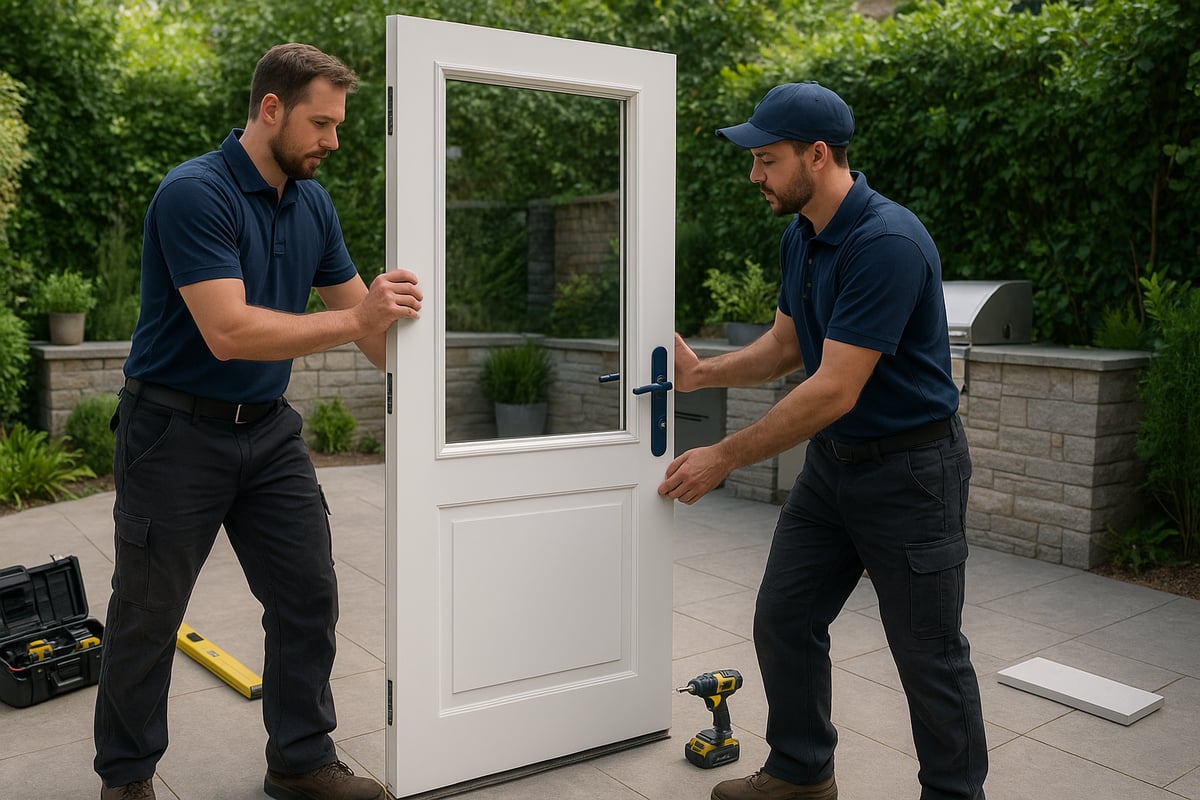
Deciding whether to hire a professional or attempt a DIY installation depends on your skills and the complexity of the project. Professional installers bring expertise, ensuring your outside kitchen door is fitted securely and meets all regulations. They can often complete the job in a single day, reducing inconvenience and guaranteeing a high-quality finish.
DIY installation can save money but carries risks. Common pitfalls include poor alignment, inadequate sealing, or damaging the frame. Mistakes here may void warranties or lead to future issues with draughts and leaks. If you are unsure, it is best to consult a specialist, especially for larger or bespoke doors.
Compare costs: professional installation may be more expensive upfront but often offers better long-term value. Factor in the cost of any required tools and the time needed if you choose the DIY route.
Once your outside kitchen door is in place, carry out thorough checks before signing off the project. Test the door for smooth opening and closing, ensuring it aligns properly within the frame. Inspect all seals and thresholds for gaps or draughts, and confirm that locks and handles work correctly.
Check for any signs of moisture ingress or loose fixings. Address minor snags immediately to prevent bigger problems later. If your door features advanced security or weatherproofing technologies, test these features according to manufacturer instructions.
A well-executed post-installation check ensures your outside kitchen door performs at its best, offering security, insulation, and aesthetic appeal for years to come.
A well-maintained outside kitchen door is key to keeping your outdoor space secure, stylish, and functional for years to come. With regular care, you not only extend its life but also ensure it performs at its best through every season.
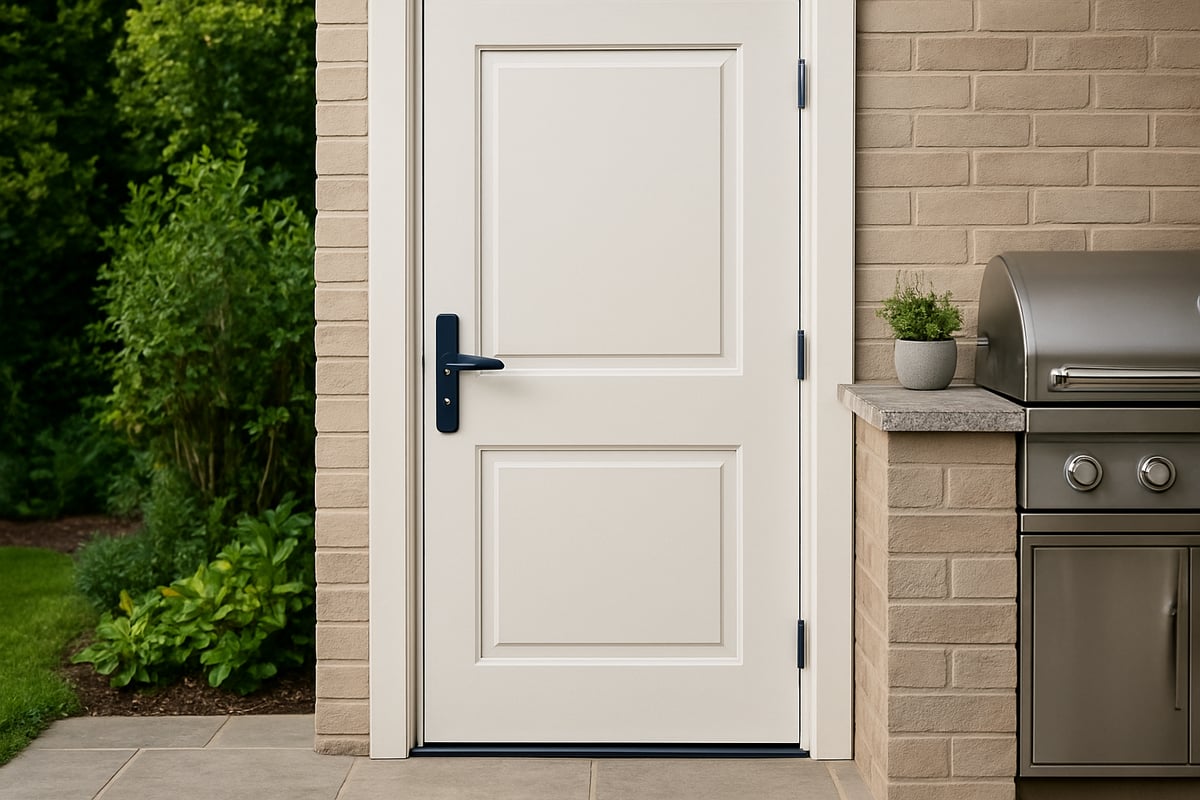
Consistent cleaning is the foundation of outside kitchen door maintenance. Start by wiping down the frame and glazing with a soft cloth and a mild detergent. For aluminium or uPVC doors, non-abrasive cleaners prevent scratching and preserve the finish. Timber doors benefit from a specialist wood cleaner to protect against damp and UV damage.
Aim to clean your outside kitchen door at least once a month, or more often if your kitchen faces prevailing winds or heavy rain. Pay special attention to the thresholds and tracks, as debris can hinder smooth operation and cause premature wear.
Preventing mould, mildew, and corrosion is vital, especially in the UK’s damp climate. Ensure all seals and weatherstrips are dry after cleaning. If you have questions about suitable products or methods, the Cubic Outdoor Kitchens FAQs offer guidance on protecting your investment.
Regular upkeep not only keeps your outside kitchen door looking its best, it also helps spot minor issues before they become costly repairs.
At the change of each season, a thorough inspection of your outside kitchen door is recommended. Begin with the seals and gaskets – check for cracking, gaps, or signs of wear. Replace any damaged weatherstrips to maintain insulation and keep pests at bay.
Next, examine hinges, handles, and locking mechanisms. Apply lubricant to moving parts to ensure smooth operation and prevent rust. Tighten any loose screws, and check that the door aligns correctly within the frame.
Look for condensation on glazing, particularly in winter. Persistent moisture may indicate failed seals, which can lead to swelling or warping. Address minor swelling by adjusting the hinges or sanding edges, but consult a professional if the door no longer closes properly.
Quick repairs keep your outside kitchen door secure and energy efficient. If you notice persistent draughts, leaks, or difficulty locking, do not hesitate to seek specialist advice.
Following the manufacturer’s maintenance guidelines is the best way to ensure your outside kitchen door lasts for years. Many modern doors come with care instructions tailored to their material and finish – keep these handy for reference.
Consider upgrading weatherproofing or security features as your needs change. For example, installing new seals or a multi-point locking system can boost both comfort and peace of mind. Regular maintenance also provides an opportunity to refresh hardware or update finishes for a new look.
Real-life examples from UK homeowners show that, with proper care, an outside kitchen door can remain in excellent condition for over a decade. A well-cared-for door not only withstands the elements, it continues to enhance the beauty and functionality of your outdoor kitchen year after year.
Selecting the ideal outside kitchen door can truly transform your outdoor cooking and entertaining experience. The right door is much more than a barrier; it offers a seamless link between your home and garden, adding value and style. Let us explore the practical ways a well-chosen outside kitchen door enhances daily life and future-proofs your investment.
A thoughtfully selected outside kitchen door is essential for creating a smooth transition between your indoor and outdoor spaces. By choosing a style that opens wide, such as bi-fold or sliding doors, you can make your kitchen feel larger and more connected to the garden. This encourages guests to move effortlessly between cooking, dining, and relaxing areas, making entertaining both practical and enjoyable.
Research shows that homes with effective indoor-outdoor flow see increased property value. A well-designed outside kitchen door not only boosts kerb appeal, but also makes your outdoor kitchen more usable throughout the year. Integrating the door with outdoor heating, lighting, and shading solutions can further extend the season and ensure comfort, even on cooler days.
For everyday use, easy access is key. The right outside kitchen door allows you to carry food, drinks, and utensils without hassle, helping you enjoy every gathering, large or small.
Looking for inspiration? Across the UK, homeowners are transforming their gardens with creative outside kitchen door solutions. Contemporary projects feature everything from classic French doors to innovative modular systems that adapt to different layouts.
For example, many leading designs now incorporate modular outdoor kitchens, where the outside kitchen door is tailored to complement cabinetry, worktops, and appliances. You can explore real-world examples in the Modular Outdoor Kitchens Collection, which highlights flexible layouts and integrated doors that suit a range of garden sizes.
Before-and-after case studies demonstrate how the right outside kitchen door can elevate the entire space. Architects recommend matching door finishes and hardware to your home’s existing style for a cohesive look. This attention to detail ensures your investment stands out for all the right reasons.
Choosing an outside kitchen door with adaptability in mind means your space will continue to meet your needs as trends evolve. Modular and customisable doors support lifestyle changes, whether you want to extend your kitchen or reconfigure your garden in the future.
Sustainability is also a key consideration for 2026. Opt for doors made from responsibly sourced materials with energy-efficient glazing to reduce your carbon footprint. Many modern designs are now compatible with smart home systems, allowing you to automate security, lighting, or ventilation for added convenience.
For more on the latest innovations, see the insights on 2026 kitchen design trends, which highlight how outside kitchen door choices are shaping the future of outdoor living.
By selecting the right outside kitchen door now, you are investing in a flexible, stylish, and future-ready outdoor kitchen that will serve your family for years to come.
Selecting the right outside kitchen door is a significant investment, so it is essential to approach suppliers and installers armed with the right questions and a clear understanding of your needs. This section offers expert guidance to help you make informed decisions and avoid costly mistakes.
Before committing to any outside kitchen door, prepare a checklist of essential questions for your chosen supplier or installer. This ensures you understand the product's suitability and guarantees long-term satisfaction.
A transparent supplier will be happy to provide this information, helping you compare options and avoid ambiguity. Understanding these aspects early in the process can prevent future disputes and ensure your outside kitchen door meets your expectations.
When choosing an outside kitchen door, be alert to potential pitfalls that could compromise your investment. One common oversight is neglecting planning permissions or building regulations. Always verify compliance, as failure to do so can lead to legal or safety issues. For comprehensive guidance, consult the building regulations for outdoor kitchens to ensure your installation is up to code.
Other red flags include unclear product specifications, lack of proper documentation, and installers who cannot demonstrate experience with outdoor projects. Ignoring long-term maintenance requirements or underestimating the importance of weatherproofing features can result in costly repairs or replacements. By addressing these risks early, you can enjoy peace of mind and a durable, functional outside kitchen door.
To maximise the value of your outside kitchen door, approach the process with negotiation and research. Ask about price flexibility, delivery options, and installation packages. Make use of supplier expertise to tailor solutions for your garden's unique requirements. Professional installation services, such as those detailed on Outdoor Kitchen Delivery & Installation, often provide warranties and streamlined aftercare, adding long-term value.
Remember, an outside kitchen door should be a feature that enhances your outdoor living experience, not just an afterthought. By leveraging expert advice and focusing on after-sales support, you ensure your investment delivers lasting performance and style.
Whether you are just starting to plan your dream outdoor kitchen or looking to refine your existing space, having the right guidance makes all the difference. We have explored everything from styles and materials to installation tips and longevity, so you can feel confident in your decisions. If you would like tailored advice or want to turn your vision into reality, I encourage you to Get a Free Design Consultation. Let us help you create an outdoor kitchen that is as functional as it is stunning, perfectly suited to your lifestyle and the unique character of your home.

Leave a comment