


The ancient art of robata grilling represents one of the most refined and sophisticated approaches to outdoor cooking, combining centuries-old Japanese technique with contemporary culinary precision. Originally developed in fishing villages along Japan's northern coastlines, this method has evolved into a celebrated cooking style that perfectly aligns with the values of discerning homeowners seeking to elevate their outdoor entertaining spaces. For those investing in luxury outdoor kitchens, understanding robata offers insights into how traditional craftsmanship and modern design can create exceptional culinary experiences.
Robata, also known as robatayaki, emerged during the Edo period when Japanese fishermen would cook their fresh catches over charcoal braziers whilst at sea. The term translates to "fireside cooking," reflecting the communal nature of this technique. Unlike conventional grilling methods that rely on direct flame contact, robata employs radiant heat from binchōtan charcoal, a premium white oak charcoal that burns at exceptionally high temperatures whilst producing minimal smoke.
This cooking philosophy centres on reverence for ingredients. The slow, controlled heat allows proteins and vegetables to develop complex flavours whilst maintaining their natural moisture and texture. Professional chefs across the world have embraced robata for its ability to deliver consistent results and distinctive char that cannot be replicated through other methods.
The authentic robata setup features several distinctive components that distinguish it from standard grilling equipment:
The visual spectacle of robata cooking has made it a centrepiece in high-end restaurants globally, and this same theatrical quality translates beautifully to residential outdoor kitchens where entertaining is paramount.
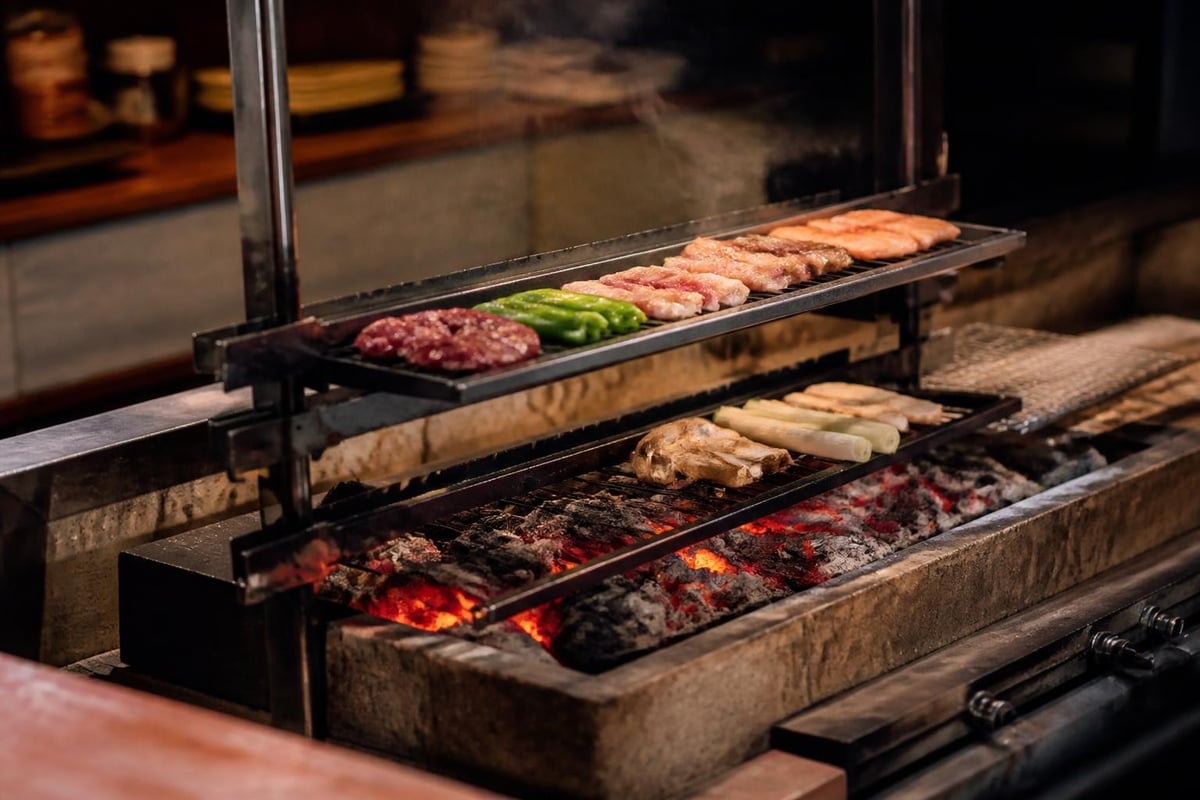
Contemporary robata grills designed for residential use incorporate advanced engineering whilst preserving traditional cooking principles. Professional chefs prefer robata grills because they provide intense radiant heat that locks in natural juices, producing a caramelized exterior whilst maintaining tender interiors.
The technical specifications of premium robata equipment typically include:
| Feature | Standard Grill | Premium Robata Grill |
|---|---|---|
| Heat Source | Gas or charcoal | Binchōtan charcoal |
| Temperature Range | 200-300°C | 300-500°C |
| Heat Distribution | Direct flame | Radiant infrared |
| Cooking Control | Fixed grates | Adjustable height system |
| Material Construction | Stainless steel or cast iron | Marine-grade stainless steel |
| Maintenance Requirements | Moderate | Specialized care protocols |
When incorporating robata capabilities into outdoor kitchen and grill configurations, spatial planning becomes crucial. The equipment requires adequate ventilation, appropriate clearances, and thoughtful positioning to maximize both functionality and guest interaction. Many discerning clients choose to feature robata as the focal point of their outdoor cooking zones, creating an immersive dining experience reminiscent of Tokyo's finest establishments.
The architectural integration demands consideration of several factors. Proper ventilation systems must handle the unique characteristics of charcoal combustion, whilst surrounding materials need to withstand prolonged exposure to high temperatures. Weather-resistant cabinetry, adequate prep surfaces, and strategic lighting all contribute to a fully realized robata station.
Premium robata grills utilize marine-grade stainless steel construction, ensuring longevity in challenging outdoor environments. Proper stainless steel maintenance becomes essential for preserving both aesthetic appeal and functional performance across seasons.
The construction quality directly impacts cooking performance. High-grade materials maintain consistent heat distribution, resist warping under extreme temperatures, and provide the structural integrity necessary for adjustable grate mechanisms. When evaluating robata equipment for luxury installations, examining build quality reveals the manufacturer's commitment to authentic performance.
| Charcoal Type | Burn Temperature | Burn Duration | Smoke Production | Best Applications |
|---|---|---|---|---|
| Binchōtan (White Oak) | 450-500°C | 4-6 hours | Minimal | Premium proteins, delicate vegetables |
| Binchotan (Alternatives) | 400-450°C | 3-4 hours | Low | General robata cooking |
| Standard Hardwood | 300-350°C | 2-3 hours | Moderate | Casual outdoor grilling |
The choice of fuel fundamentally affects outcomes. Authentic binchōtan charcoal, whilst representing a significant investment, delivers the clean, intense heat that defines true robata cooking. This premium fuel burns longer and cleaner than conventional charcoal, producing the distinctive flavour profile that characterizes this technique.
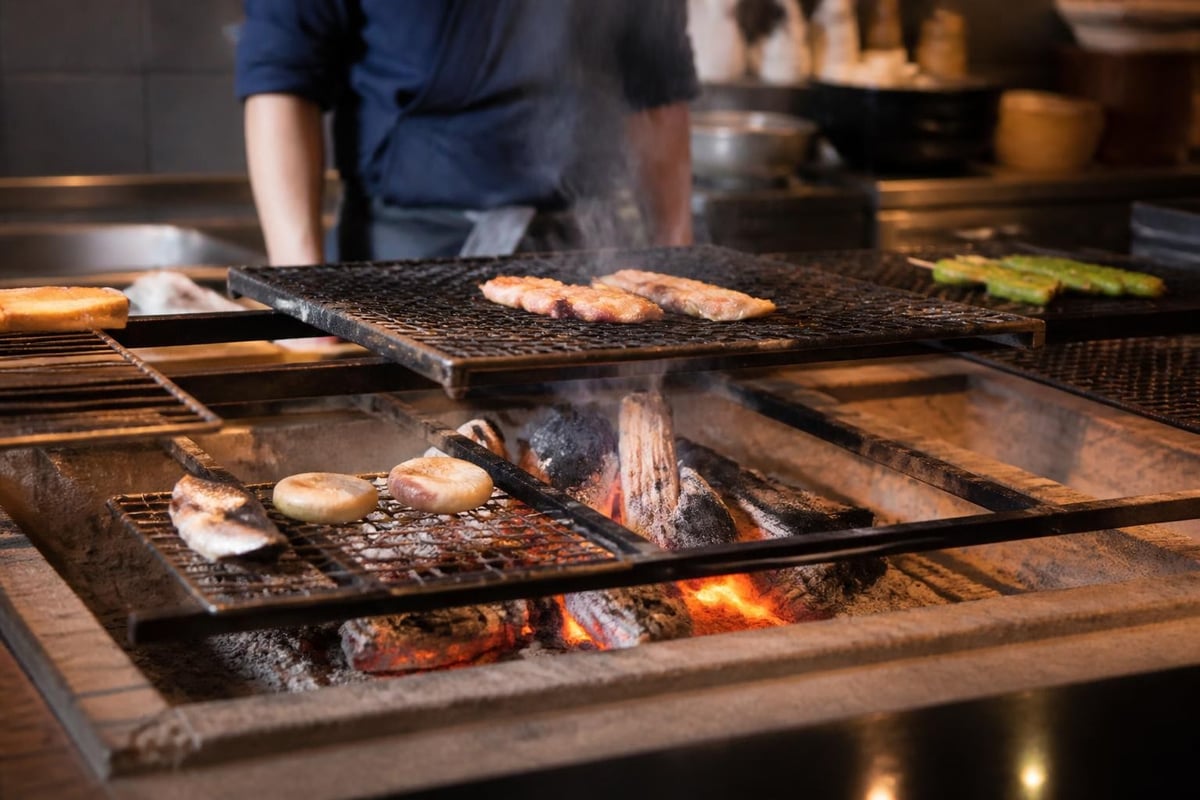
Understanding robatayaki techniques reveals the versatility of this cooking method. Traditional ingredients include seafood, premium cuts of beef and pork, seasonal vegetables, and speciality items like shiitake mushrooms and Japanese sweet potato. The key lies in selecting ingredients with excellent inherent quality, as the cooking method enhances rather than masks their natural characteristics.
Modern interpretations expand beyond Japanese cuisine whilst respecting core principles. British seasonal produce, from heritage carrots to locally sourced lamb, responds beautifully to robata treatment. The technique suits both intimate family dining and large-scale entertaining, adapting to various culinary preferences whilst maintaining its distinctive character.
Successful robata cooking follows specific protocols:
The methodology rewards patience and attention. Unlike high-speed grilling that prioritizes rapid throughput, robata encourages thoughtful engagement with the cooking process, creating opportunities for interaction between host and guests.
The aesthetic impact of robata equipment extends beyond pure functionality. When thoughtfully integrated into comprehensive outdoor grill setups, these pieces become sculptural elements that reinforce the luxury positioning of the entire outdoor kitchen. Stainless steel finishes complement contemporary architectural styles, whilst the equipment's geometric forms create visual interest within broader landscape designs.
For clients investing in complete outdoor living environments, robata grills pair exceptionally well with protective structures that enable year-round use. The combination of precision cooking equipment with weather-resistant enclosures transforms outdoor spaces into genuine extensions of interior living areas, suitable for entertaining across all seasons.
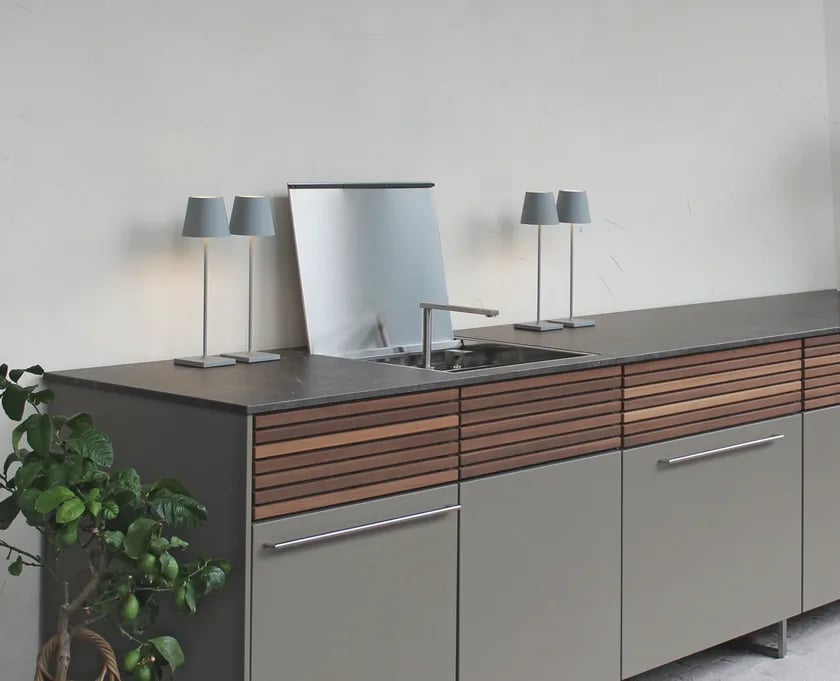
The Cubic C1 Style Outdoor Kitchen exemplifies how modular outdoor kitchen systems can incorporate specialized cooking equipment whilst maintaining clean, minimalist aesthetics. Its configurable nature allows for customization that accommodates robata requirements alongside complementary cooking methods, creating versatile culinary workstations.
Effective robata integration requires careful spatial analysis:
Premium robata equipment demands systematic maintenance to preserve performance and appearance. Detailed maintenance guidelines outline cleaning procedures, component inspection schedules, and preventative care measures that extend equipment lifespan whilst ensuring food safety standards.
Daily maintenance includes removing ash residue, cleaning grates whilst warm, and inspecting adjustment mechanisms. Seasonal protocols involve deeper cleaning of interior surfaces, assessment of structural components, and verification of proper ventilation function. These practices protect significant equipment investments whilst maintaining optimal cooking performance.
| Maintenance Task | Frequency | Time Required | Difficulty Level |
|---|---|---|---|
| Ash removal and grate cleaning | After each use | 15-20 minutes | Simple |
| Deep interior cleaning | Weekly with regular use | 45-60 minutes | Moderate |
| Component inspection | Monthly | 20-30 minutes | Simple |
| Professional servicing | Annually | 2-3 hours | Professional |
| Stainless steel polishing | Bi-weekly | 15 minutes | Simple |
British climate presents unique challenges for outdoor cooking equipment. Whilst premium robata grills feature weather-resistant construction, supplementary protection enhances longevity. Custom covers, protective enclosures, or integration within permanent structures shield equipment from prolonged exposure to moisture and temperature fluctuations.
For clients committed to year-round outdoor cooking, incorporating robata within covered outdoor kitchens or beneath architectural pergolas provides optimal conditions. This approach mirrors the protected yet open-air environments of traditional Japanese establishments, creating comfortable cooking and dining experiences regardless of season.
The robata technique represents more than merely a cooking method; it embodies a culinary philosophy that values ingredient integrity, precise technique, and communal dining experiences. Modern implementations respect these principles whilst adapting to contemporary lifestyles and design preferences.
Authenticity manifests through commitment to proper technique rather than rigid adherence to traditional aesthetics. A robata installation within a Cotswold stone outdoor kitchen can honour Japanese cooking philosophy whilst reflecting local architectural heritage. This cultural synthesis creates unique outdoor spaces that transcend simple style categorization, offering instead thoughtfully designed environments that support exceptional cooking and entertaining.
Premium manufacturers offer extensive customization possibilities:
These options enable designers and homeowners to create bespoke installations that fulfill both functional requirements and aesthetic aspirations, resulting in outdoor kitchens that genuinely reflect individual tastes whilst maintaining cooking authenticity.
Proper installation proves critical for safety, performance, and longevity. Professional installation teams understand clearance requirements, ventilation specifications, and structural considerations essential for robata equipment. Expert installation services ensure compliance with building regulations whilst optimizing equipment placement for operational excellence.
The commissioning process includes verification of proper assembly, testing of adjustment mechanisms, assessment of ventilation adequacy, and instruction on correct operation and maintenance. This comprehensive approach prevents common issues that compromise performance or safety, establishing the foundation for years of reliable service.
Maximizing robata functionality requires thoughtful outdoor kitchen accessories selection:
Quality accessories enhance the cooking experience whilst protecting equipment from improper use. Investing in professional-grade tools demonstrates commitment to the craft and contributes to superior culinary outcomes.
Premium robata equipment represents substantial investment, with authentic installations ranging from £8,000 to £25,000 depending on size, materials, and customization. This expenditure positions robata as a considered addition rather than impulse purchase, suitable for clients who value exceptional cooking capabilities and distinctive entertaining experiences.
The value proposition extends beyond equipment cost. Robata cooking elevates outdoor entertaining from casual to extraordinary, creating memorable experiences that guests remember long after the meal concludes. For homeowners who frequently host gatherings or possess serious culinary interests, the investment aligns with broader lifestyle aspirations and property enhancement goals.
| Investment Component | Approximate Cost Range | Value Consideration |
|---|---|---|
| Premium robata grill | £8,000 - £15,000 | Core cooking capability |
| Professional installation | £2,000 - £4,000 | Safety and performance assurance |
| Ventilation system | £1,500 - £3,000 | Year-round usability |
| Accessories and tools | £500 - £1,200 | Operational excellence |
| Annual maintenance | £300 - £600 | Longevity and reliability |
Quality robata equipment, properly maintained, delivers decades of reliable service. Marine-grade stainless steel construction resists corrosion in challenging outdoor environments, whilst precision-engineered mechanisms maintain adjustment accuracy over thousands of cooking sessions. This durability contrasts favourably with lower-quality alternatives requiring replacement after several seasons, ultimately providing superior value despite higher initial investment.
Mastering robata technique requires commitment to learning and practice. Understanding traditional Japanese grilling methods provides foundation knowledge, whilst hands-on experience develops the intuition necessary for consistently excellent results. Many equipment suppliers offer instructional support, from initial orientation sessions to advanced technique workshops.
For homeowners serious about developing robata proficiency, working with professional chefs or attending specialized courses accelerates skill development. This educational investment complements equipment expenditure, ensuring the full potential of robata cooking is realized rather than equipment becoming an underutilized showpiece.
Successful robata entertaining balances traditional approaches with personal creativity. Starting with classic preparations builds confidence and understanding, whilst gradual experimentation incorporates regional ingredients and contemporary flavour profiles. Menu development considers cooking times, heat requirements, and presentation aesthetics, creating cohesive dining experiences that showcase robata's versatility.
Seasonal menu planning maximizes ingredient quality and availability. Spring might feature asparagus and wild garlic, summer highlights British lamb and heritage tomatoes, autumn showcases game and root vegetables, whilst winter embraces hearty proteins and preserved items. This seasonal rhythm mirrors Japanese culinary philosophy whilst celebrating local terroir.
Operating robata equipment safely requires understanding specific protocols beyond general grilling safety. High combustion temperatures, specialized charcoal characteristics, and adjustment mechanisms present unique considerations. Comprehensive safety guidelines address proper ignition procedures, clearance maintenance, fire management, and emergency protocols.
Essential safety practices include:
These protocols protect both operators and property, enabling confident use of equipment whilst minimizing risk. Integrating safety consciousness into routine operation becomes second nature with practice, supporting enjoyable rather than anxious cooking experiences.
The growing appreciation for authentic cooking techniques suggests continued robata popularity within luxury outdoor kitchen design. Discerning homeowners increasingly value equipment that delivers genuine performance advantages rather than mere aesthetic appeal. This trend favours robata's technical sophistication and culinary capabilities, positioning it as a permanent rather than passing feature within high-end outdoor spaces.
Future developments may include hybrid systems combining traditional charcoal with supplementary heat sources for enhanced versatility, improved temperature monitoring technology for precise control, and refined ventilation solutions enabling robata integration in more varied architectural contexts. These innovations will expand accessibility whilst preserving the fundamental characteristics that define authentic robata cooking.
Robata grilling represents the convergence of ancient culinary wisdom and contemporary outdoor living aspirations, offering discerning homeowners a sophisticated approach to outdoor entertaining that transcends conventional barbecuing. Whether you're planning a complete outdoor kitchen transformation or seeking to enhance existing capabilities, Cotswold Cooking Company provides expert consultation, premium equipment selection, and comprehensive installation services that bring your outdoor culinary vision to reality.

Leave a comment