


The modern pergola with sides represents a significant evolution in outdoor living design, transforming what was once a simple open structure into a sophisticated, weatherproof extension of your home. For discerning homeowners seeking to maximise their outdoor investment, particularly in the unpredictable British climate, this enhanced architectural feature delivers both aesthetic refinement and practical functionality throughout the year. By incorporating protective side elements, these structures create intimate, sheltered spaces perfect for luxury outdoor kitchens, dining areas, and entertaining zones that remain usable regardless of weather conditions.
A traditional pergola consists of vertical posts supporting an open lattice or beam roof, designed primarily to support climbing plants whilst providing partial shade. However, a pergola with sides extends this concept significantly by incorporating vertical screening, panels, or enclosures that offer wind protection, privacy, and enhanced weather resistance.
This architectural enhancement transforms the pergola from a decorative garden feature into a functional outdoor room. The sides can take numerous forms, from fixed glass panels and retractable screens to slatted timber or aluminium louvres, each offering distinct advantages depending on your specific requirements and aesthetic preferences.
The British climate presents unique challenges for outdoor living spaces. Wind, rain, and temperature fluctuations can render even the most beautifully designed open pergola uncomfortable for significant portions of the year.
Adding sides addresses these limitations directly:
The investment in a pergola with sides delivers measurably longer seasonal use compared to open structures, making it particularly valuable for outdoor kitchen installations where weather protection is paramount.
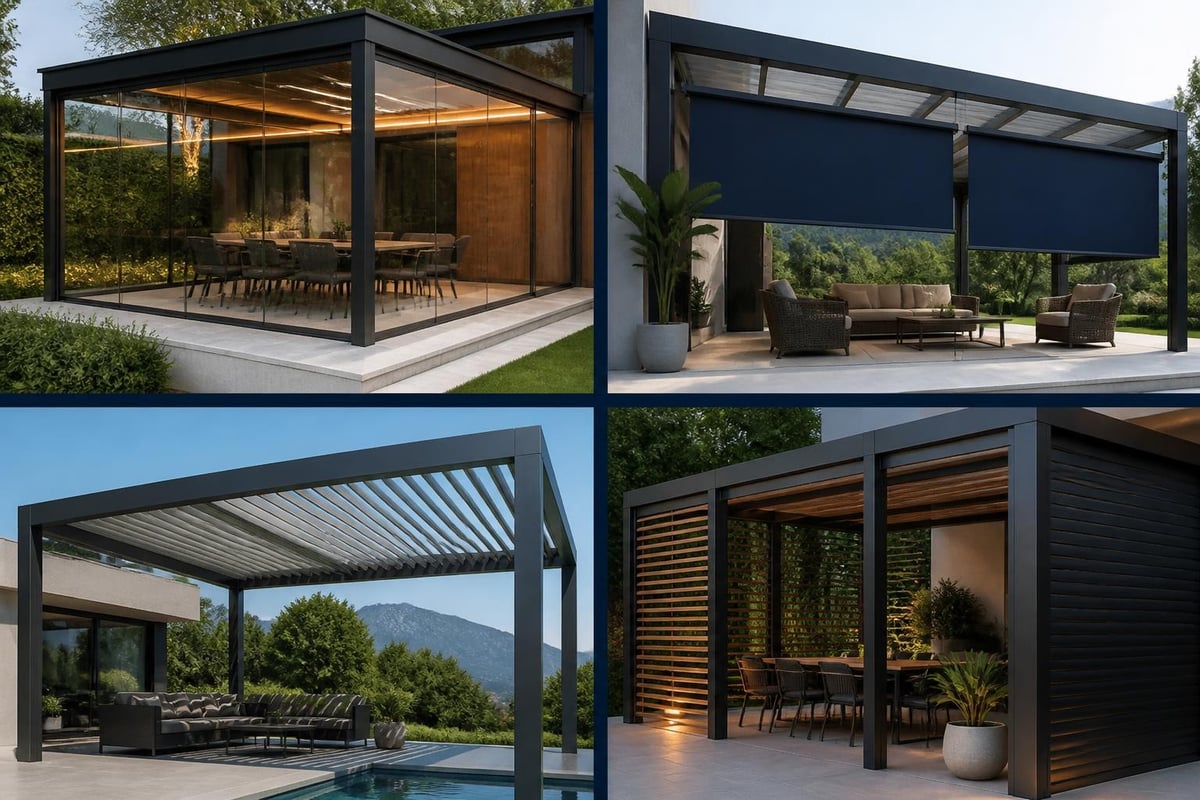
The market for pergola with sides solutions has expanded considerably, with manufacturers offering increasingly sophisticated systems that blend aesthetics with performance. Understanding your options enables informed specification aligned to your outdoor living vision.
Frameless or minimally framed glass panels represent the premium end of pergola enclosure systems. These provide unobstructed views whilst offering complete wind and rain protection.
Benefits include:
Glass systems work particularly well when paired with bioclimatic roof systems, creating fully weatherproof outdoor rooms. However, they represent a significant investment and require professional installation to ensure proper water drainage and structural integrity.
For those seeking seasonal flexibility, retractable screens offer an elegant solution. Modern systems use durable outdoor fabrics that resist UV degradation, mildew, and weather damage whilst retracting neatly when not required.
These systems excel in several applications:
Quality varies significantly across brands. Premium options feature motorised operation, wind sensors, and marine-grade fabrics that withstand British weather conditions over multiple seasons. According to weatherproofing experts, retractable systems should include proper tensioning mechanisms to prevent flapping and premature wear.
Adjustable aluminium louvre panels have gained considerable popularity amongst design-conscious buyers. These sophisticated systems feature vertical slats that rotate from fully open to completely closed positions, offering unprecedented control over ventilation, privacy, and light.
| Feature | Fixed Glass | Retractable Screens | Louvre Systems |
|---|---|---|---|
| Weather Protection | Excellent | Good | Excellent |
| Ventilation Control | Limited | Moderate | Exceptional |
| Privacy Options | Permanent | Adjustable | Adjustable |
| Maintenance | Low | Moderate | Low |
| Initial Investment | High | Moderate | High |
| Aesthetic Integration | Contemporary | Soft/Traditional | Architectural |
Louvre systems integrate seamlessly with modern architectural styles whilst providing the functional flexibility demanded by year-round outdoor living. When combined with similar roof systems, they create comprehensive climate-controlled environments.
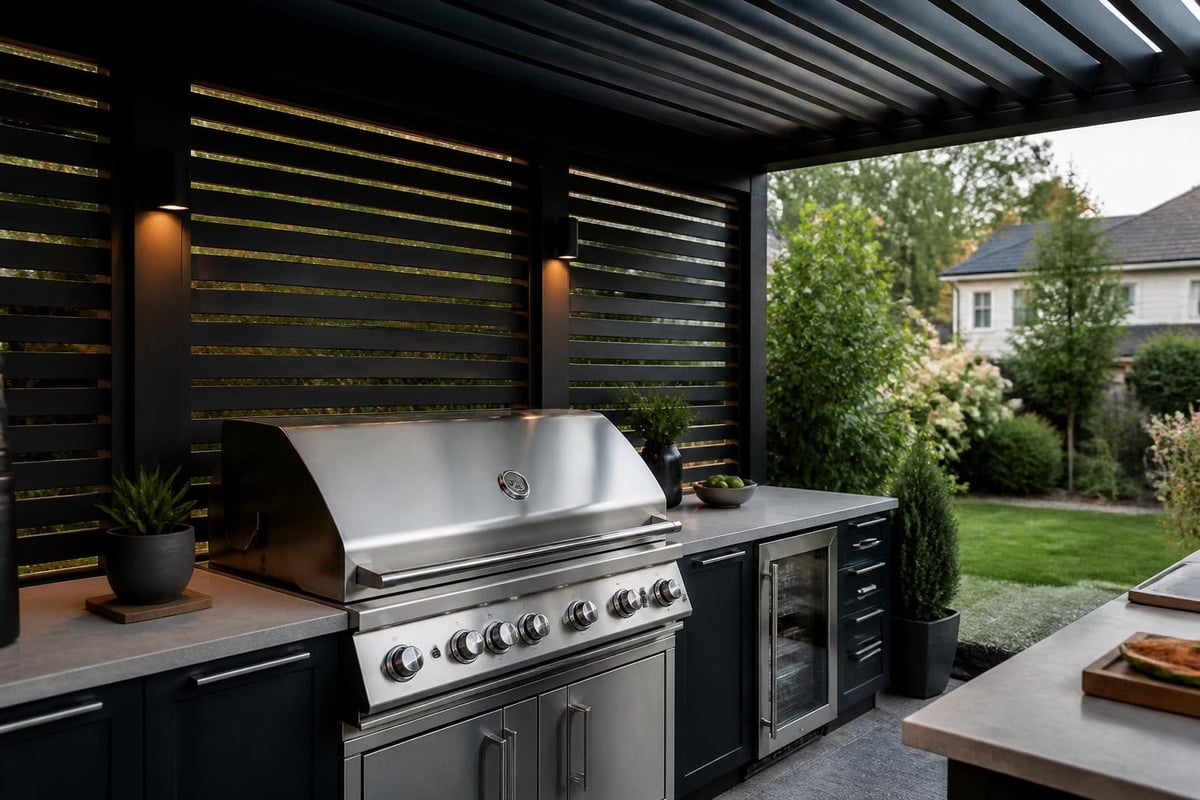
The structural materials supporting your pergola with sides fundamentally influence its longevity, maintenance requirements, and aesthetic character. Selecting appropriate materials ensures your investment performs reliably across decades of British weather exposure.
Traditional timber pergolas offer warmth and natural beauty that complement garden settings beautifully. However, timber requires ongoing maintenance and careful species selection for outdoor applications.
Premium timber options include:
Timber pergolas with sides require particular attention to drainage details where side panels meet posts. Water pooling accelerates deterioration, particularly in concealed joints. Proper design includes drip edges, sealed connections, and adequate ventilation behind any fixed panels.
Engineered aluminium pergola systems have revolutionised the market over recent years, offering exceptional durability with minimal maintenance. Powder-coated finishes resist corrosion, fading, and chalking whilst providing clean, contemporary aesthetics.
Aluminium advantages:
For luxury installations combining outdoor kitchens with enclosed pergola structures, aluminium provides the structural stability required for integrated utilities, lighting, and heating systems without the dimensional movement associated with timber.
For larger spans or applications requiring exceptional load-bearing capacity, powder-coated steel offers unmatched strength. This proves particularly valuable when incorporating heavy side elements like extensive glass panels or when supporting substantial roof loads including photovoltaic panels.
Steel's strength allows for wider spacing between support posts, creating more open, flowing spaces. However, fabrication costs typically exceed aluminium, and the material demands perfect powder coating coverage to prevent rust in the British climate.
The synergy between a pergola with sides and a luxury outdoor kitchen creates transformative outdoor living environments. Weather protection extends your cooking season significantly whilst defining distinct functional zones for preparation, cooking, and dining.
When planning an outdoor kitchen beneath an enclosed pergola, several design considerations ensure optimal performance and enjoyment.
Enclosed cooking spaces require adequate ventilation to prevent smoke accumulation and manage cooking odours. Even with side panels, proper air circulation remains essential for comfort and safety.
Design strategies include:
Professional outdoor kitchen designers specify ventilation capacity based on your specific cooking equipment. Gas barbecues, wood-fired ovens, and commercial-grade grills each generate different ventilation demands.
Premium outdoor cooking equipment represents substantial investment. A pergola with sides delivers critical protection extending appliance lifespan and reducing maintenance requirements.
Protection benefits include:
When specifying a pergola with sides for outdoor kitchen applications, the Tarasola Technic bioclimatic pergola exemplifies premium European engineering designed specifically for year-round use. Its adjustable roof louvres and optional side panel systems create the controlled environment demanded by sophisticated outdoor culinary installations.
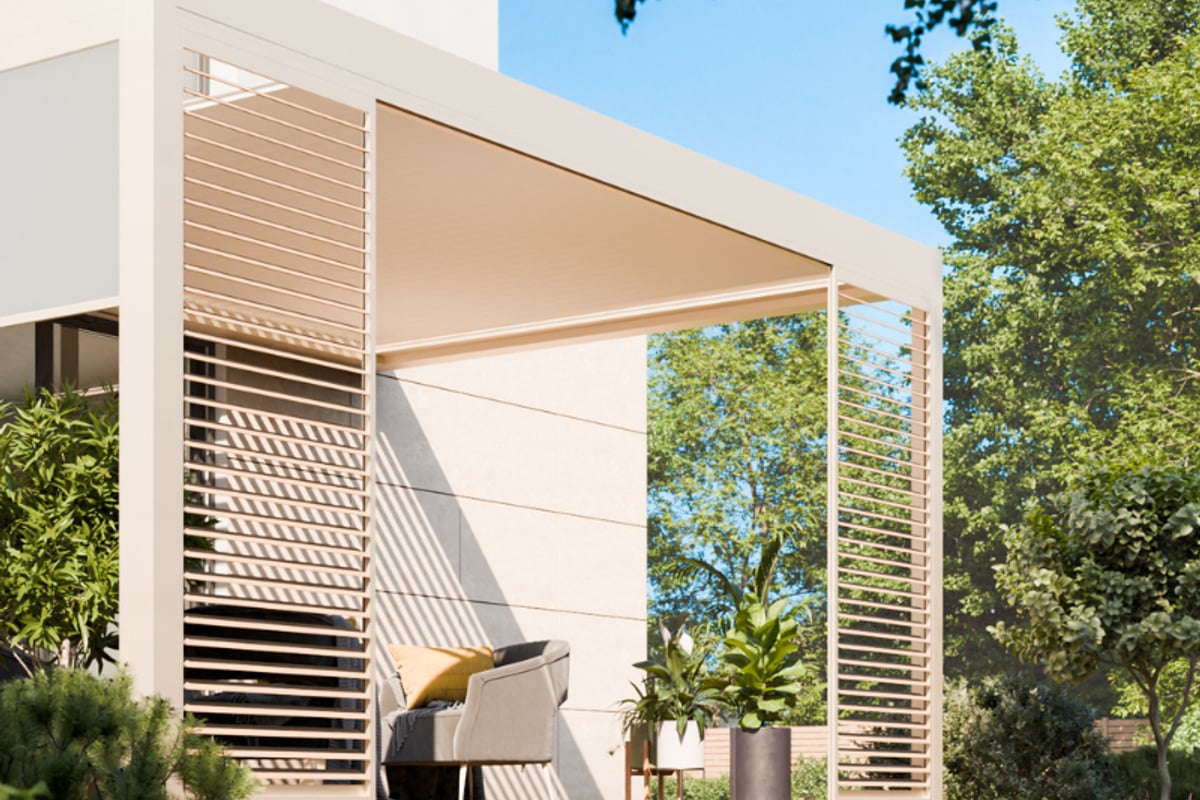
A well-designed pergola with sides accommodates multiple functional zones beneath a single cohesive structure. This integrated approach creates seamless entertaining flow whilst maintaining distinct areas for different activities.
Typical zoning includes:
Strategic placement of different side enclosure types between zones provides privacy where needed whilst maintaining visual connection across the space. For example, fixed glass panels might separate cooking from dining zones, reducing smoke transfer whilst maintaining sightlines, whereas retractable screens on the dining area perimeter offer flexible weather protection.
Installing a pergola with sides demands considerably more expertise than simple open structures. The integration of side panels, weatherproofing details, and structural engineering requirements necessitate professional involvement for optimal results.
Before proceeding with installation, several factors require careful evaluation to ensure compliance and longevity.
Essential considerations include:
Many homeowners wonder whether building or buying a pergola makes more financial sense. For pergola with sides installations, the complexity typically favours engineered systems from specialist manufacturers. These arrive with comprehensive technical specifications, weatherproofing details, and often include professional installation, removing much of the risk associated with bespoke builds.
Engaging experienced installers delivers measurable advantages beyond simply assembling components. Professional teams bring expertise that ensures long-term performance.
Installation expertise includes:
For those considering building a pergola themselves, understanding these complexities helps set realistic expectations. The additional side enclosures significantly increase complexity compared to basic open structures.
Modern pergola with sides systems offer extensive customisation enabling precise tailoring to your aesthetic preferences and functional requirements. Understanding available options ensures your specification addresses both immediate needs and future aspirations.
Thoughtful lighting transforms enclosed pergolas into magical evening destinations. Modern systems integrate illumination seamlessly within structural elements rather than appearing as afterthoughts.
Lighting strategies include:
LED technology's minimal heat generation and low power consumption makes it ideal for enclosed structures. Quality systems include weatherproof drivers, marine-grade connections, and dimmable controls for atmosphere management.
Extending outdoor season into colder months requires effective heating solutions. A pergola with sides creates the partially enclosed environment where heating performs efficiently without wasteful energy loss.
| Heating Type | Heat Output | Running Cost | Installation | Best Application |
|---|---|---|---|---|
| Infrared Panel | Focused warmth | Low-Moderate | Moderate | Dining zones |
| Gas Patio Heater | High radiant | Moderate | Low | Large open areas |
| Electric Radiant | Controllable | Moderate-High | High | Cooking zones |
| Integrated Fireplace | Ambient + functional | Variable | Very High | Feature element |
Infrared heating panels mounted to pergola roof structures deliver particularly effective warmth in enclosed spaces. They heat surfaces and people directly rather than warming air, making them ideal where side panels reduce air movement. When comparing different approaches, experts suggest that properly enclosed spaces reduce heating requirements by approximately 40% compared to fully open structures.
Professional pergola with sides installations incorporate comprehensive rainwater management preventing water damage and creating sustainable drainage solutions.
Integrated systems include:
Quality manufacturers engineer these systems as integral components rather than additions, ensuring proper capacity and reliable performance across decades of service.
A pergola with sides should complement your property's architectural character whilst expressing your personal aesthetic preferences. Contemporary systems offer sufficient design flexibility to suit virtually any style from traditional cottage gardens to ultra-modern townhouse terraces.
Clean lines, minimal embellishment, and industrial materials characterise contemporary pergola design. Aluminium structures with frameless glass sides and integrated louvre roofs epitomise this aesthetic.
Key characteristics:
This approach suits modern properties where outdoor spaces extend interior minimalist design language. The refined aesthetic pairs beautifully with contemporary outdoor kitchen equipment and streamlined furniture.
For period properties or those with vernacular architectural character, timber structures with sympathetic detailing maintain aesthetic coherence whilst delivering modern performance.
Design elements include:
Even with traditional aesthetics, modern engineering ensures structural adequacy and longevity. The key lies in concealing contemporary fixings and weatherproofing details whilst celebrating traditional proportions and materials.
Many luxury outdoor spaces successfully blend contemporary performance with softer, more traditional aesthetics. This transitional approach proves particularly popular amongst homeowners seeking timeless appeal without sacrificing functionality.
Characteristics include mixing materials thoughtfully, such as timber posts with aluminium roof systems, or contemporary structures softened with natural climbing plants and fabric side panels. According to garden design specialists, this approach offers the broadest appeal and typically ages most gracefully as design trends evolve.
The primary advantage of a pergola with sides lies in its ability to transform outdoor spaces into year-round destinations. Understanding how to optimise your structure across seasons maximises your investment's value and enjoyment.
During warmer months, the flexibility of adjustable side systems becomes most apparent. Strategic opening and closing of panels manages sun exposure, creates cooling breezes, and defines comfortable outdoor rooms.
Warm weather strategies:
The ability to fine-tune your environment responds to British summer's variable conditions far more effectively than fixed structures or simple open pergolas.
As temperatures drop and weather deteriorates, enclosed sides transform your pergola into a weatherproof sanctuary extending outdoor season by months.
Cold weather optimisation includes:
Many owners of enclosed pergolas report comfortable outdoor dining well into November and resuming outdoor cooking as early as February, compared to traditional open structures usable primarily between May and September.
Even the most robust pergola with sides has operational limits during extreme weather. Understanding these parameters protects both your structure and investment.
Storm protocols include:
Premium manufacturers provide specific wind ratings and operational guidelines. Adhering to these ensures warranty protection and prevents damage during Britain's increasingly frequent severe weather events. For those interested in permanent metal structures designed specifically for extreme weather resilience, specialists like Metal Structure Sales LLC offer engineered solutions with comprehensive wind and snow load ratings.
Preserving your pergola with sides investment requires understanding specific maintenance requirements for different system components. Establishing regular care routines ensures decades of reliable performance and aesthetic appeal.
Implementing a structured inspection regime identifies minor issues before they escalate into expensive repairs.
Essential annual checks include:
Recording inspection findings creates maintenance history valuable for warranty claims and helps identify recurring issues requiring attention.
Different enclosure types demand distinct maintenance approaches ensuring optimal longevity.
Glass panels require:
Fabric screens need:
Louvre systems benefit from:
While many maintenance tasks suit capable homeowners, certain activities demand professional expertise. Annual servicing by qualified technicians familiar with your specific system provides peace of mind and often proves cost-effective by preventing premature component failure.
Professional services typically include electrical safety testing, structural integrity verification, motorised component calibration, and comprehensive weatherproofing inspection that identifies emerging issues invisible to untrained eyes.
A pergola with sides represents substantial investment in your property and lifestyle. Understanding cost drivers, expected returns, and value delivery helps frame decisions and set appropriate expectations.
Pergola with sides pricing varies enormously based on size, materials, features, and installation complexity. Breaking down cost components provides clarity on where your investment goes.
Primary cost drivers include:
Budget-conscious buyers often phase installations, starting with essential structure and basic sides before adding premium features like motorised controls or integrated heating as finances permit.
Well-designed outdoor living spaces demonstrably enhance property values, particularly in premium market segments where lifestyle amenities command significant premiums.
Value drivers include:
Estate agents report that exceptional outdoor living installations can add 5-15% to property values in appropriate markets, though this varies significantly by location, property type, and installation quality. The key lies in proportionate investment relative to overall property value and ensuring installations complement rather than overwhelm existing architecture.
Beyond financial considerations, a pergola with sides delivers intangible lifestyle benefits that justify investment for many homeowners. The ability to enjoy outdoor spaces regardless of weather, create memories through alfresco entertaining, and develop cooking skills in premium outdoor kitchen environments provides satisfaction that transcends monetary value.
For households that previously used outdoor spaces only sporadically, enclosed pergolas often transform lifestyle patterns, with families reporting 300-400% increases in outdoor space usage following installation.
Understanding how pergolas with sides relate to alternative outdoor structures helps clarify whether this solution best suits your specific requirements and constraints.
This comparison frequently arises amongst homeowners exploring outdoor shelter options. Whilst both provide weather protection, fundamental differences influence which proves more appropriate.
Gazebos typically feature:
Pergolas with sides offer:
For detailed guidance on choosing between gazebos and pergolas, experts suggest considering your primary use case. Gazebos excel as standalone garden focal points, whilst pergolas with sides prove superior for extending living spaces and housing functional elements like cooking equipment.
Glass rooms or conservatory-style outdoor rooms represent another alternative worth considering. These fully enclosed structures with glazed roofs and walls create year-round spaces indistinguishable from interior rooms.
Glass rooms provide:
Pergolas with sides counter with:
The choice ultimately depends on whether you prioritise a true outdoor experience with weather protection or prefer a fully controlled environment separate from genuine outdoor living.
At the opposite end of the spectrum, traditional open pergolas without sides represent the baseline comparison. These deliver aesthetic enhancement and partial shade but limited practical weather protection.
Open pergolas suit specific applications beautifully, particularly supporting climbing plants in ornamental garden contexts. However, for homeowners investing in outdoor kitchens or seeking serious weather protection, the modest additional investment in side enclosures delivers disproportionate functional benefits. According to outdoor living specialists, modern pergola designs increasingly incorporate some form of side enclosure precisely because the enhanced usability justifies the incremental cost.
A pergola with sides transforms outdoor living from seasonal indulgence into year-round lifestyle enhancement, particularly when integrated with premium outdoor cooking installations that demand weather protection and defined functional spaces. The combination of flexible enclosure, architectural refinement, and practical performance creates outdoor environments rivalling interior comfort whilst maintaining authentic connection to garden settings. At Cotswold Cooking Company, we specialise in curating complete outdoor living solutions that blend premium European pergola systems with luxury outdoor kitchens, delivering fully consultative design services that transform your outdoor space into a refined, all-season culinary destination perfectly suited to British climate demands.

Leave a comment