


Gas-powered pizza ovens have revolutionised outdoor cooking for homeowners seeking authentic pizzeria results without the complexity of wood-fired alternatives. The efficiency and precision of pizza oven gas systems make them particularly attractive for luxury outdoor kitchen installations, where convenience meets culinary performance. Understanding the nuances of gas-fired pizza ovens helps discerning homeowners make informed decisions when creating their ideal outdoor entertaining space.
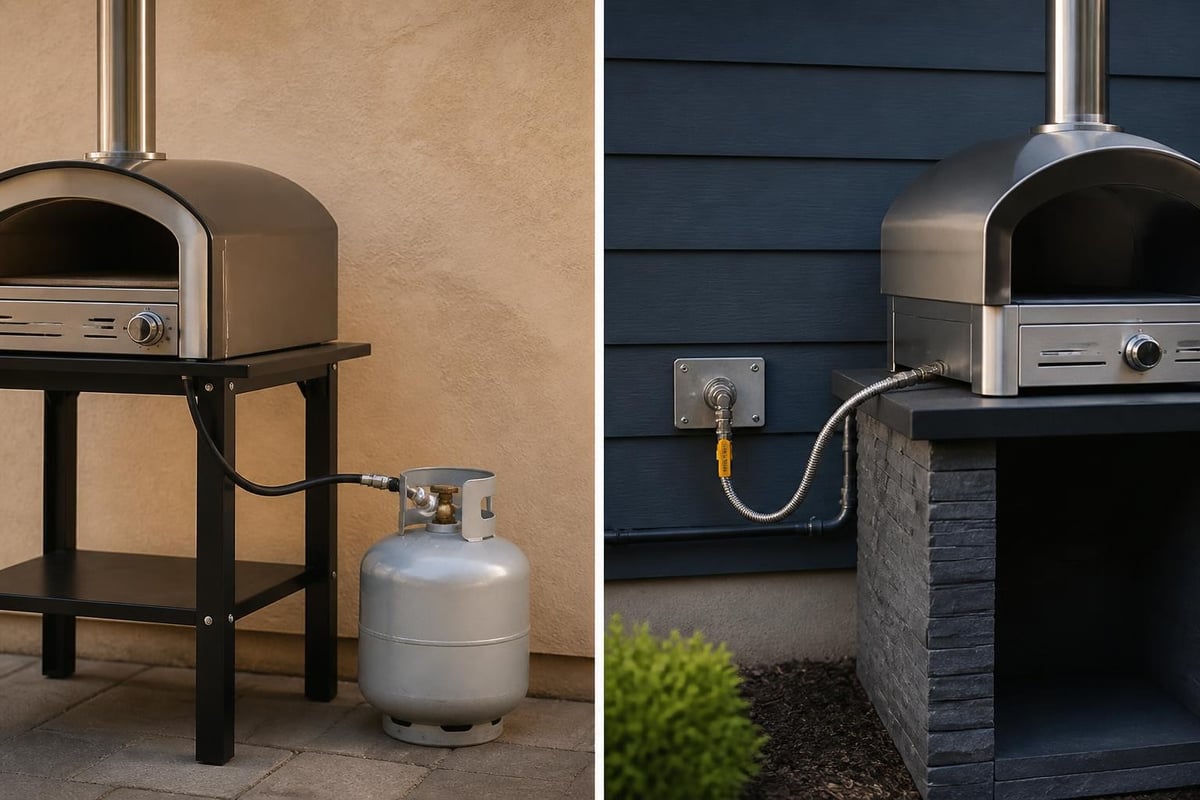
When selecting a gas-powered pizza oven, you'll encounter two primary fuel types: liquid petroleum gas (LPG) and natural gas. Each offers distinct advantages depending on your property configuration and usage patterns.
LPG (Propane) Systems
LPG delivers exceptional portability and flexibility for outdoor installations. Stored in refillable bottles ranging from 6kg to 47kg capacity, propane systems require no permanent connection to utility infrastructure. This makes them ideal for properties without natural gas service or installations where flexibility matters.
Natural Gas Connections
Natural gas systems connect directly to your property's mains supply, eliminating the need for bottle replacements. This permanent solution suits dedicated outdoor kitchen installations where convenience and unlimited fuel supply take priority.
| Feature | LPG (Propane) | Natural Gas |
|---|---|---|
| Installation Flexibility | High - portable placement | Low - fixed connection required |
| Fuel Cost | Higher per BTU | Lower per BTU |
| Convenience | Bottle replacement needed | Unlimited supply |
| BTU Output | 2,500 BTU/cubic foot | 1,000 BTU/cubic foot |
| Initial Setup Cost | Lower | Higher (requires gas line) |
The performance of pizza oven gas systems centres on precise temperature control and consistent heat distribution. Unlike wood-fired ovens that require constant fuel management, gas systems deliver reliable results through regulated burner technology.
Modern gas pizza ovens reach optimal cooking temperatures of 400-500°C within 20-30 minutes. This rapid preheat time significantly outperforms wood-fired alternatives, making gas systems perfect for spontaneous entertaining or commercial applications where efficiency matters.
The regulated nature of gas combustion provides several operational advantages:
Quality gas pizza ovens incorporate sophisticated burner configurations that replicate the even heat distribution of traditional wood-fired designs. Understanding these mechanisms helps you evaluate different models effectively.
Burner Placement Strategies
Premium models feature ceramic or refractory stone cooking surfaces that absorb and radiate heat, creating the thermal mass necessary for authentic Neapolitan-style pizzas. This design bridges the gap between gas convenience and traditional cooking results.
Safety protocols for gas pizza ovens extend beyond basic operation to encompass installation, maintenance, and emergency procedures. Proper attention to these factors ensures decades of safe, enjoyable outdoor cooking.
Professional installation by Gas Safe registered engineers remains mandatory for natural gas connections. Even LPG systems benefit from expert setup to ensure proper ventilation and compliance with UK building regulations.
Clearance requirements for gas pizza ovens typically specify minimum distances from combustible materials, walls, and overhead structures. These specifications vary by manufacturer but generally include:
Modern pizza oven gas systems incorporate multiple safety mechanisms that prevent accidents and ensure reliable operation. When evaluating models, prioritise these critical features:
Flame Failure Devices
Automatic gas shutoff when flame extinguishes prevents dangerous gas accumulation. This thermocouple-based system represents essential safety technology for any gas appliance.
Pressure Regulators
Consistent gas pressure maintains stable flame characteristics and prevents dangerous pressure fluctuations. Quality regulators also extend component lifespan through controlled fuel delivery.
Ventilation Systems
Proper ventilation prevents carbon monoxide accumulation and ensures complete combustion. Outdoor covered kitchens require particular attention to ventilation design when incorporating gas pizza ovens.
Choosing the appropriate gas pizza oven involves balancing performance requirements, installation constraints, and aesthetic preferences. The decision-making process benefits from systematic evaluation of key factors.
Your entertaining style and frequency dictate the appropriate oven capacity. Pizza oven gas systems range from compact single-pizza models to large commercial units accommodating multiple simultaneous cooks.
Residential Capacity Guidelines
BTU output correlates directly with maximum temperature and recovery time between pizzas. Higher BTU ratings enable faster cooking and quicker temperature recovery, critical for serving multiple guests efficiently.
Understanding operational costs helps justify initial investment and informs ongoing budget planning. Pizza oven gas consumption varies significantly based on design efficiency and usage patterns.
| Usage Pattern | LPG Consumption | Estimated Cost/Hour | Natural Gas Consumption | Estimated Cost/Hour |
|---|---|---|---|---|
| Preheating | 1.2-1.5 kg/hour | £1.80-£2.25 | 3.5-4.0 m³/hour | £2.10-£2.40 |
| Cooking | 0.8-1.0 kg/hour | £1.20-£1.50 | 2.5-3.0 m³/hour | £1.50-£1.80 |
| Maintaining Temp | 0.5-0.7 kg/hour | £0.75-£1.05 | 1.5-2.0 m³/hour | £0.90-£1.20 |
Note: Costs based on 2026 UK average fuel prices
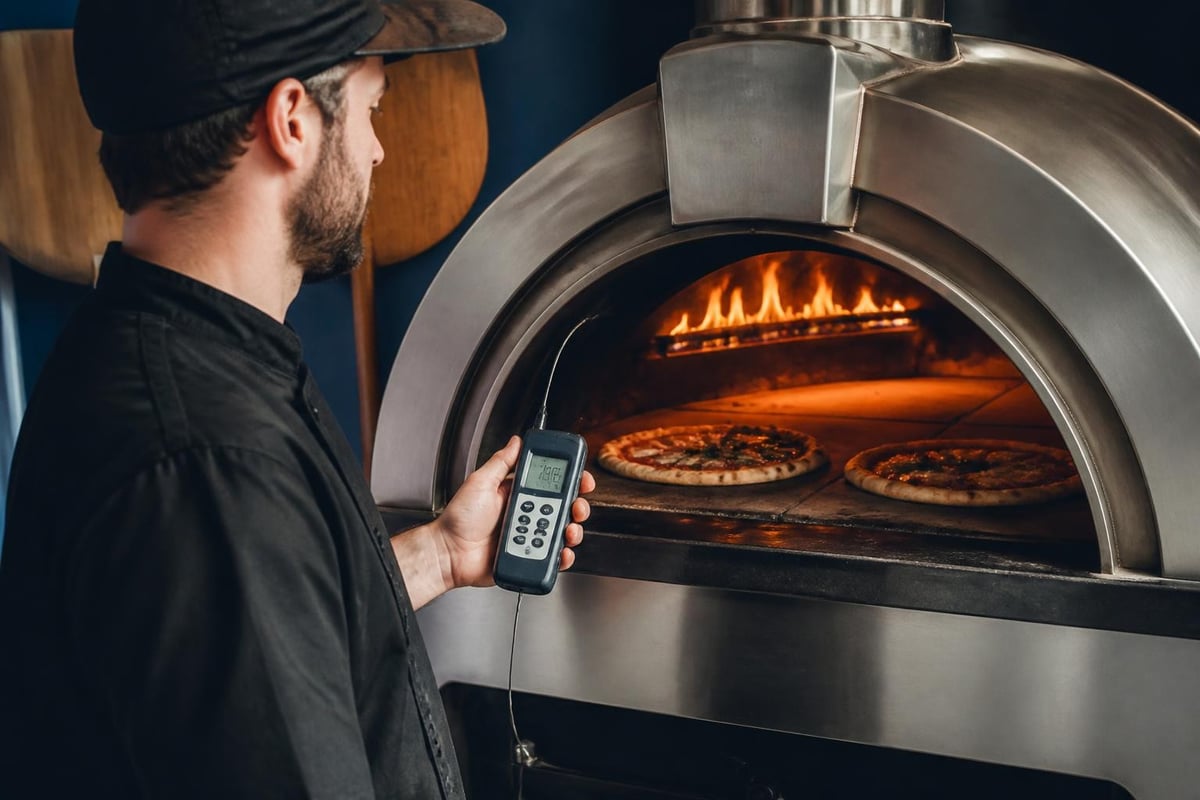
Regular maintenance for gas pizza ovens ensures optimal performance, extends equipment lifespan, and maintains safety standards. Establishing systematic maintenance routines prevents costly repairs and preserves cooking quality.
After each significant cooking session, basic cleaning prevents buildup that affects performance and flavour transfer. These simple tasks take minutes but deliver substantial long-term benefits.
Comprehensive pizza oven cleaning addresses accumulation that affects heat distribution and gas efficiency. Schedule these tasks during low-use periods for minimal disruption.
Interior Cleaning Process
Gas System Inspection
Professional annual servicing by Gas Safe registered engineers maintains warranty compliance and ensures safe operation. This inspection should include pressure testing, leak detection, and burner adjustment.
Creating cohesive outdoor entertainment spaces requires thoughtful integration of pizza oven gas systems within broader kitchen designs. The architectural and functional relationship between cooking appliances, preparation zones, and dining areas defines successful outdoor living environments.
Strategic pizza oven positioning maximises workflow efficiency whilst creating natural gathering points for guests. Consider these placement principles when planning your outdoor cooking space:
Work Triangle Configuration
Position the pizza oven, preparation surface, and refrigeration within efficient reach to minimise movement during cooking. This professional kitchen principle adapts perfectly to outdoor environments, enhancing both functionality and entertainment value.
Viewing Orientation
Orient the oven front toward primary seating or dining areas, allowing guests to observe the cooking process. This theatrical element transforms meal preparation into entertainment whilst keeping the cook socially engaged.
For properties investing in complete outdoor kitchen installations, models like the Alfa Forni Moderno 2 Pizze Hybrid Pizza Oven offer exceptional versatility by accommodating both gas and wood fuel sources. This dual-fuel capability provides cooking flexibility whilst maintaining the convenience of gas operation for everyday use.
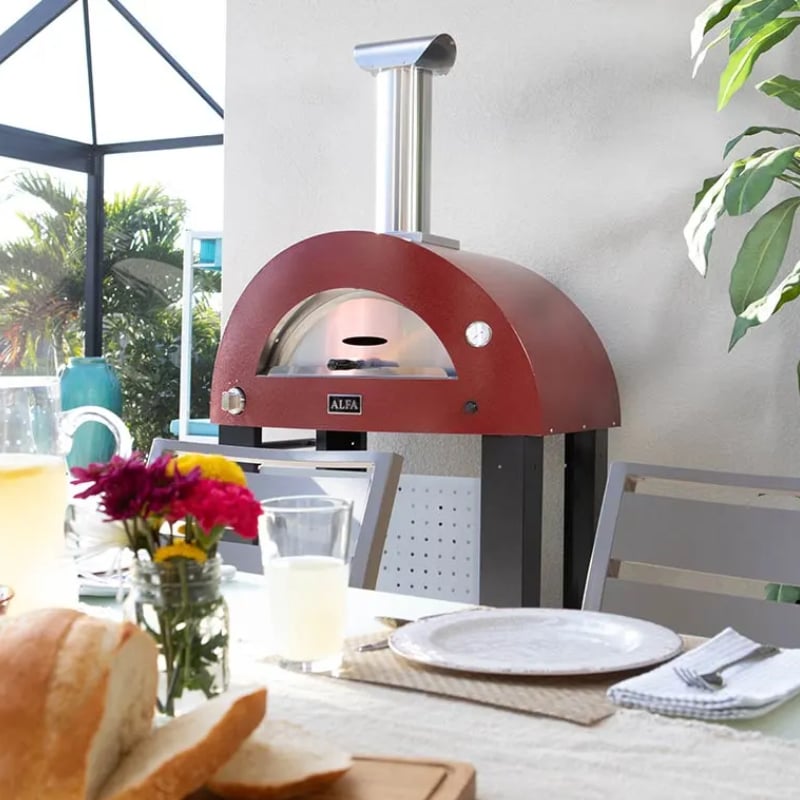
UK weather patterns necessitate protective measures that extend usability throughout the year. Pizza oven gas systems benefit from architectural integration that shields equipment whilst maintaining proper ventilation.
Pergola structures with adjustable louvred roofs provide ideal protection, creating all-weather cooking environments without compromising safety clearances. These architectural elements transform outdoor kitchens into year-round destinations rather than seasonal amenities.
Contemporary pizza oven gas technology extends beyond basic fuel delivery to incorporate sophisticated control systems and enhanced cooking capabilities. Understanding these advanced features helps identify models that deliver exceptional long-term value.
Integrated thermometers and digital controls eliminate guesswork, providing precise temperature monitoring and adjustment. Premium systems feature:
Features to consider in gas-fired pizza ovens increasingly include hybrid fuel systems that accommodate both gas and wood. This versatility appeals to enthusiasts seeking flavour variety whilst maintaining gas convenience for regular use.
Hybrid System Advantages
Informed purchasing decisions require understanding how pizza oven gas systems compare to wood-fired and electric alternatives. Each fuel type offers distinct characteristics that suit different priorities and circumstances.
| Attribute | Gas Pizza Ovens | Wood-Fired Ovens | Electric Ovens |
|---|---|---|---|
| Preheat Time | 20-30 minutes | 45-90 minutes | 15-25 minutes |
| Temperature Control | Precise, instant adjustment | Manual, requires experience | Very precise, automated |
| Flavour Profile | Clean, neutral | Smoky, traditional | Neutral, consistent |
| Maintenance | Moderate - burner cleaning | High - ash removal, chimney | Low - element replacement |
| Fuel Cost | Moderate | Variable, wood-dependent | Higher electricity costs |
| Installation Complexity | Gas connection required | Chimney/flue essential | Electrical circuit needed |
| Weather Dependency | Minimal | Significant - wind affects performance | None |
| Environmental Impact | Moderate emissions | Higher particulates | Depends on electricity source |
Gas systems strike an optimal balance between authentic results and user-friendly operation. The learning curve for achieving consistent results proves significantly shorter than wood-fired alternatives whilst delivering superior flavour compared to electric models.
Skill Development Timeline
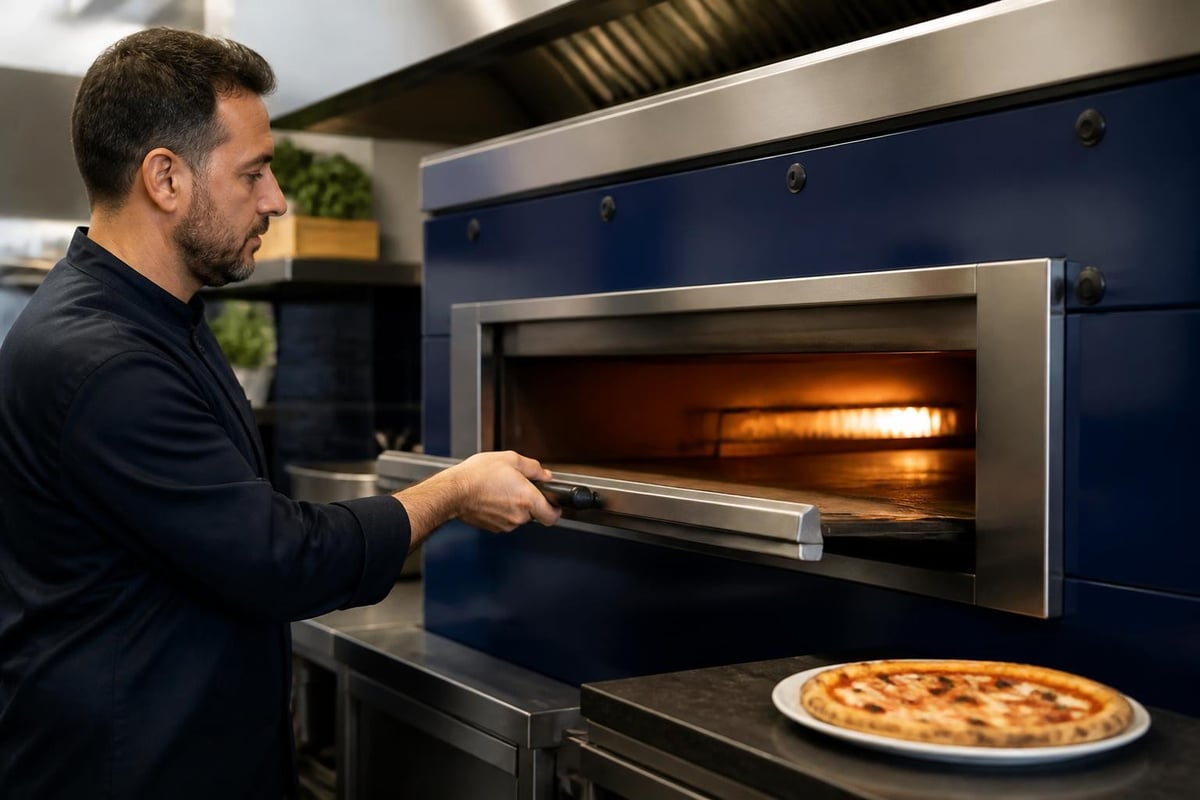
Professional hospitality environments demand reliability, efficiency, and consistent output that gas pizza ovens deliver exceptionally well. Understanding commercial requirements helps residential buyers identify features that enhance long-term satisfaction.
Commercial pizza oven gas systems accommodate continuous operation throughout service periods, maintaining temperature stability despite frequent door opening and rapid pizza succession. Key commercial features include:
Commercial installations require adherence to stringent safety and performance standards beyond residential requirements. Gas Safe registration, local authority approval, and insurance compliance represent essential considerations for hospitality applications.
Professional kitchen equipment designed for commercial use typically exceeds residential safety margins, making these models excellent choices for discerning homeowners seeking maximum durability and performance.
Efficient pizza oven gas management extends beyond operational technique to encompass proper storage, handling, and inventory planning. These practices ensure continuous availability whilst maintaining safety standards.
UK regulations mandate specific storage conditions for LPG cylinders that protect against leaks, theft, and environmental hazards:
Properties with natural gas connections benefit from unlimited fuel availability but require different management considerations:
Pressure Monitoring
Consistent supply pressure ensures optimal burner performance. Install pressure gauges to identify supply issues before they affect cooking results. Supply pressure should typically range between 19-21 mbar for standard pizza oven gas systems.
Emergency Shutoff Accessibility
Ensure gas isolation valves remain easily accessible for emergency situations. All household members should understand shutoff locations and procedures.
Sustainability-conscious homeowners increasingly evaluate cooking equipment based on environmental impact alongside performance characteristics. Pizza oven gas systems offer several ecological advantages when compared to alternative fuel types.
Modern gas pizza ovens produce significantly fewer particulate emissions than wood-fired alternatives whilst generating less carbon dioxide per cooking session than electric models powered by fossil-fuel electricity grids. Complete combustion in properly maintained gas systems minimises harmful emissions:
Maximising fuel efficiency reduces environmental impact whilst lowering operational costs. Implement these strategies for optimal gas pizza oven performance:
Innovation in outdoor cooking equipment continues advancing, with manufacturers developing enhanced features that improve convenience, efficiency, and cooking results. Understanding emerging trends helps identify future-proof investments.
Internet-enabled pizza ovens allow remote temperature monitoring, automated cooking programmes, and integration with smart home systems. Expected developments include:
Future pizza oven gas systems will likely incorporate broader fuel compatibility, allowing seamless switching between propane, natural gas, and potentially hydrogen as clean fuel infrastructure develops. This adaptability provides resilience against fuel availability fluctuations and evolving environmental regulations.
Emerging modular pizza oven concepts enable component upgrades without complete replacement. Burner systems, control modules, and cooking surfaces become individually replaceable, extending equipment lifespan and reducing long-term ownership costs.
Whilst experienced homeowners might consider self-installation of portable LPG pizza ovens, permanent installations require professional expertise to ensure safety, compliance, and optimal performance. Understanding installation complexity guides appropriate decision-making.
Natural gas connections legally require Gas Safe registered installation. Beyond regulatory compliance, professional installation delivers several critical advantages:
Portable LPG pizza ovens with flexible hose connections permit homeowner installation provided you follow manufacturer guidance and basic safety protocols. These installations avoid permanent modifications whilst delivering excellent performance.
DIY Installation Checklist
Outdoor kitchen accessories that complement pizza oven installations often require less technical expertise, allowing homeowners to enhance functionality through gradual additions.
Understanding typical operational challenges and their solutions minimises disruption and maintains consistent cooking results. Most pizza oven gas problems resolve through straightforward diagnostic procedures.
Failed ignition represents the most common complaint with gas pizza ovens. Systematic troubleshooting identifies the source quickly:
Check Sequence:
Inconsistent temperature distribution affects cooking quality and suggests maintenance needs or operational adjustments:
Ideal gas combustion produces blue flames with minimal yellow tipping. Predominantly yellow or orange flames indicate incomplete combustion requiring immediate attention:
Potential Causes:
Commercial pizza oven maintenance protocols provide additional troubleshooting guidance applicable to residential equipment.
Selecting the right pizza oven gas system transforms outdoor entertaining whilst adding substantial value to luxury properties. The combination of precise temperature control, operational convenience, and authentic cooking results makes gas-powered pizza ovens ideal for discerning homeowners seeking professional-quality outdoor culinary capabilities. Whether you're planning a complete outdoor kitchen installation or adding a standalone pizza oven to your existing space, Cotswold Cooking Company provides expert consultation, premium equipment selection, and comprehensive installation services throughout the UK, ensuring your outdoor cooking investment delivers decades of exceptional performance and enjoyment.

Leave a comment