


The pizza wood oven has evolved from rustic necessity to sophisticated centrepiece in contemporary outdoor kitchen design. More than simply a cooking appliance, a properly specified wood-fired pizza oven represents the intersection of artisanal tradition, architectural presence and exceptional culinary performance. For discerning homeowners seeking to transform their outdoor spaces into year-round entertaining destinations, understanding the technical requirements, material specifications and design considerations of these remarkable cooking instruments proves essential.
Traditional wood-fired ovens offer distinctive cooking characteristics that gas and electric alternatives cannot replicate. The radiant heat from refractory masonry, combined with the live flame and wood smoke, creates the precise conditions required for authentic Neapolitan pizza. According to the Associazione Verace Pizza Napoletana, a proper pizza wood oven must reach temperatures between 430°C and 480°C, with cooking times of 60 to 90 seconds.
Key performance benefits include:
The thermal dynamics of a pizza wood oven create cooking conditions fundamentally different from conventional ovens. Heat radiates from all surfaces whilst the live flame provides direct infrared energy to the pizza top, creating the characteristic leopard-spotted char on properly made dough whilst maintaining a soft, chewy interior.
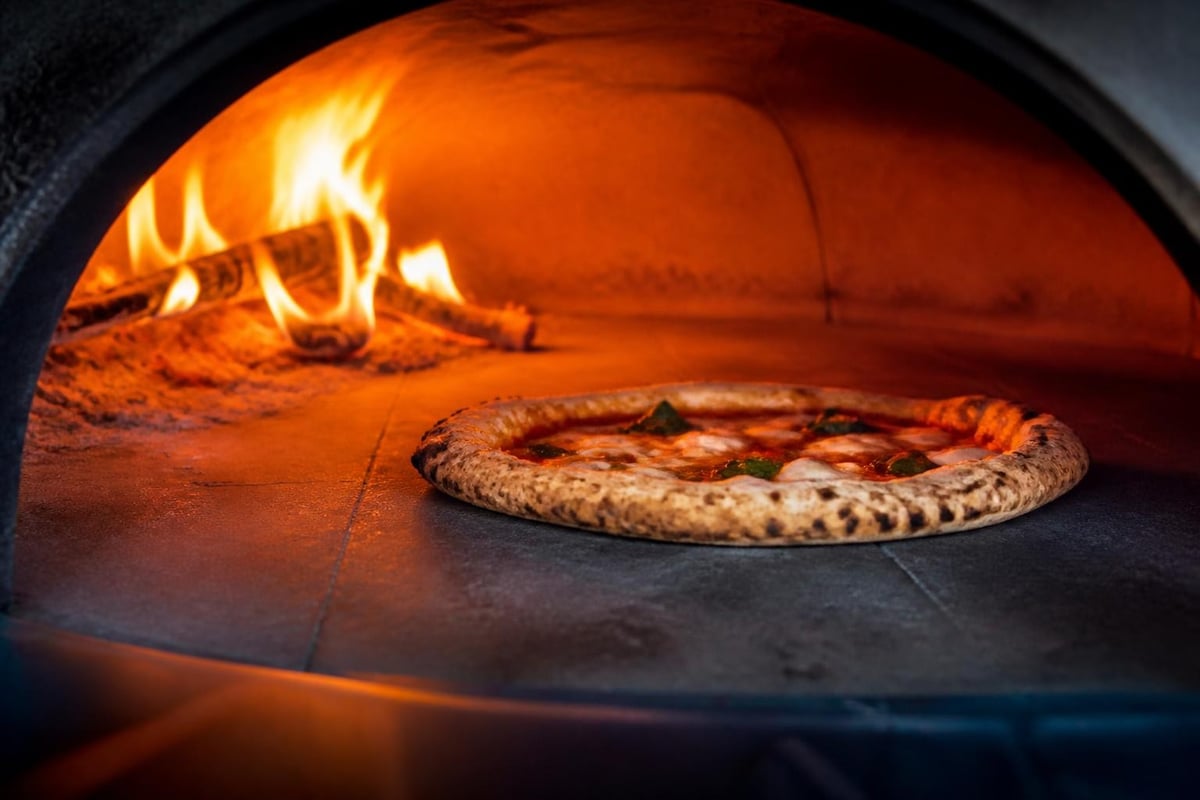
The performance of any pizza wood oven depends fundamentally upon material selection and construction methodology. Refractory materials form the heart of these cooking instruments, with specifications varying according to application intensity and performance expectations.
| Material Component | Specification | Performance Characteristic |
|---|---|---|
| Oven Floor | ASTM C27 firebrick or refractory concrete | Thermal conductivity, abrasion resistance |
| Dome Construction | High-alumina refractory or insulating firebrick | Heat retention, structural integrity |
| Insulation Layer | Ceramic fibre blanket or vermiculite concrete | Thermal efficiency, heat loss prevention |
| Exterior Finish | Render, stone, tile or engineered panels | Weather resistance, aesthetic integration |
Professional-grade pizza wood ovens incorporate multiple insulation layers to maximise heat retention whilst minimising exterior surface temperatures. This proves particularly important in residential applications where safety considerations and fuel efficiency matter significantly.
The dome geometry influences both heat distribution and cooking performance. Traditional Neapolitan ovens feature a dome height approximately 65-75% of the internal diameter, creating optimal heat reflection and flame dynamics. Lower domes concentrate heat more intensely, whilst higher vaults provide greater working space for larger cooking projects.
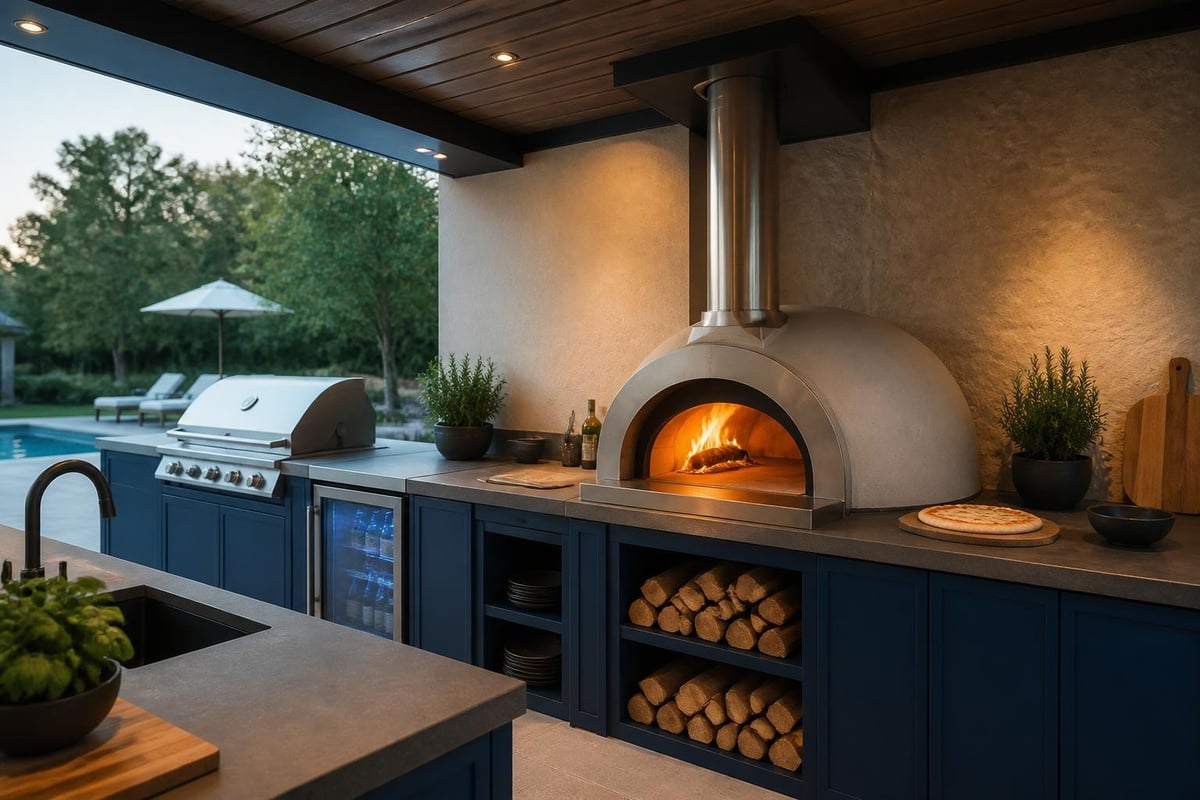
Successful pizza wood oven installation requires thoughtful integration with broader outdoor kitchen architecture. The oven's substantial thermal mass, ventilation requirements and operational clearances demand careful planning during the design phase.
When specifying an outdoor kitchen layout, positioning the pizza oven creates natural workflow patterns. Many designers place the oven at one terminus of the cooking zone, allowing the operator clear sightlines whilst maintaining separation from preparation areas. The Grillandia Outdoor Kitchens range offers modular configurations that accommodate both built-in and freestanding pizza ovens, with weather-resistant materials and customisable layouts designed specifically for UK climates.
These thoughtfully designed systems allow homeowners to create cohesive outdoor cooking environments where the pizza wood oven functions as an integrated element rather than an afterthought.
Proper ventilation proves absolutely critical for safe pizza wood oven operation. Wood combustion produces smoke, particulates and combustion gases requiring effective evacuation. The Masonry Heater Association provides technical guidance on flue sizing, chimney height and venting strategies for residential wood-fired appliances.
Essential ventilation requirements include:
Local building regulations govern wood-fired oven installations, with requirements varying by jurisdiction. Many authorities require formal approval for permanent installations, particularly those incorporating substantial masonry work or commercial-scale equipment. Consulting with building control early in the design process prevents costly modifications later.
Mastering a pizza wood oven requires understanding fire management, temperature zones and cooking techniques distinct from conventional ovens. The relationship between fuel type, fire positioning and oven temperature creates a learning curve that rewards patient practice.
Fire building sequence:
Different wood species provide varying heat outputs and flavour characteristics. Hardwoods such as oak, ash and beech offer sustained burning temperatures with minimal smoke production once properly established. Fruitwoods including apple and cherry contribute subtle aromatic notes particularly suited to pizza and bread applications.
The King Arthur Baking Company provides excellent guidance on transitioning traditional baking techniques to wood-fired environments, with temperature management strategies applicable to pizza production.
A properly managed pizza wood oven offers temperature zones enabling diverse cooking applications beyond pizza. Understanding these thermal regions unlocks the full potential of wood-fired cooking.
| Temperature Range | Cooking Application | Technique Notes |
|---|---|---|
| 450-500°C | Neapolitan pizza | 60-90 second cook time, active fire |
| 350-400°C | Roman-style pizza, focaccia | 3-5 minute cook, established coals |
| 250-300°C | Roasted vegetables, fish | Indirect heat, door partially closed |
| 180-220°C | Bread baking, slow roasts | Residual heat, fire removed |
| 100-150°C | Drying, slow cooking | Extended residual heat period |
This thermal versatility transforms a pizza wood oven into a complete outdoor cooking system. A typical entertaining sequence might progress from high-temperature pizza service through roasted mains to slow-baked desserts, all from a single firing cycle.
For those seeking simplified operation without sacrificing wood-fired authenticity, hybrid systems offer compelling advantages. The Alfa Forni Modorno Hybrid Pizza Oven exemplifies this approach, allowing operation with either LPG gas or wood fuel through an included conversion kit, reaching 500°C in approximately 30 minutes whilst maintaining the flexibility to switch between fuel types according to circumstances.
Wood combustion inevitably produces smoke and particulates, raising legitimate environmental and neighbourly considerations. The U.S. Environmental Protection Agency provides comprehensive guidance on minimising emissions from residential wood burning, with principles directly applicable to pizza oven operation.
Modern pizza wood oven designs incorporate features that reduce emissions whilst improving efficiency. Proper insulation maintains higher combustion temperatures, promoting more complete fuel burning with reduced smoke production. Secondary air injection systems, common in contemporary designs, introduce oxygen above the fuel bed to combust volatile gases before they exit the chimney.
Emission reduction strategies include:
Responsible operation respects neighbouring properties whilst maintaining cooking performance. Running ovens during appropriate hours, ensuring proper chimney height for effective smoke dispersal, and maintaining equipment in good condition all contribute to harmonious outdoor cooking.
Wood fuel represents a renewable energy source when sourced responsibly. Many UK homeowners access locally harvested hardwood from managed woodlands, supporting regional forestry whilst reducing transportation impacts. Kiln-dried pizza oven wood, available from specialist suppliers, offers consistent moisture content and clean burning characteristics.
The carbon implications of wood burning remain subject to ongoing debate. Whilst wood combustion releases carbon dioxide, responsibly managed forestry captures equivalent carbon during tree growth, creating a theoretically neutral cycle. However, incomplete combustion and particulate emissions introduce environmental costs requiring balanced consideration.
For those prioritising minimal emissions whilst retaining outdoor oven cooking capability, electric and gas alternatives deserve consideration. These systems eliminate wood smoke entirely whilst sacrificing some authentic flavour characteristics and visual appeal that wood firing provides.
Selecting appropriate pizza wood oven dimensions requires honest assessment of entertaining patterns, available space and performance expectations. Manufacturers specify oven capacity in pizzas per firing, with residential models typically ranging from single-pizza portable units to substantial multi-pizza installations.
Capacity categories:
Larger ovens offer greater cooking capacity but require proportionally more fuel, extended heating times and increased installation complexity. The thermal mass scales cubically whilst the cooking surface increases as the square of diameter, meaning larger ovens demand substantially more energy to reach operating temperature.
Physical placement constraints often prove more limiting than performance considerations. A pizza wood oven requires non-combustible surroundings, adequate structural support for significant weight (ranging from 150kg for compact models to over 1,000kg for substantial masonry installations), and sufficient clearance for safe operation.
Those designing comprehensive outdoor kitchens benefit from integrating oven selection with broader layout planning, ensuring proportional relationships between cooking zones, preparation surfaces and dining areas.
Quality pizza wood ovens deliver decades of reliable service when properly maintained. The refractory materials withstand extreme thermal cycling, whilst exterior components require periodic inspection and maintenance to ensure weather protection.
Essential maintenance practices:
UK weather patterns present particular challenges for outdoor cooking equipment. Freeze-thaw cycles, persistent moisture and temperature fluctuations can stress materials and accelerate deterioration. High-quality covers specifically designed for pizza ovens provide essential protection during dormant periods.
Many homeowners question whether to leave permanent installations exposed or provide additional shelter. Purpose-built outdoor kitchen pergolas offer excellent protection whilst extending the useable season significantly, transforming fair-weather cooking spaces into year-round entertainment venues.
Even properly specified pizza wood ovens occasionally present operational difficulties. Understanding common issues and their remedies prevents frustration whilst developing mastery.
| Challenge | Likely Cause | Solution |
|---|---|---|
| Excessive smoke during startup | Damp wood, insufficient draft | Use dry kindling, ensure chimney clear |
| Difficulty maintaining temperature | Inadequate fuel, air leaks | Increase fuel feeding, check door seal |
| Uneven cooking | Fire positioned incorrectly | Move fire to side, rotate pizza |
| Floor too hot, dome insufficient | Fire not established in dome | Allow longer preheat, position fire appropriately |
| Cracked dome or floor | Thermal shock, structural issues | Gradual heating/cooling, professional assessment |
Thermal shock represents the most common cause of refractory damage. Introducing water to a hot oven, heating too rapidly from cold, or subjecting materials to extreme temperature differentials creates stress fractures. Proper firing protocols prevent most such damage.
Skilled operators extend pizza wood oven capabilities far beyond margherita and marinara. The unique cooking environment enables techniques impossible in conventional ovens, rewarding creativity and experimentation.
Bread baking in residual heat produces exceptional results, with the falling temperature curve perfectly suited to artisan loaves. As the oven cools from pizza temperatures, a window between 220-250°C provides ideal conditions for crusty sourdough, whilst further cooling to 180-200°C suits enriched breads and pastries.
Roasting benefits tremendously from radiant heat and wood smoke. Whole fish, lamb shoulders, vegetable medleys and even paella develop remarkable depth when cooked in a properly managed wood oven. The key lies in understanding heat management, using thermal zones strategically and selecting appropriate cookware.
Specialised techniques include:
Those serious about expanding their wood-fired repertoire benefit from exploring built-in grills that complement pizza oven capabilities, creating comprehensive outdoor cooking systems addressing diverse culinary applications.
Pizza wood oven pricing spans an enormous range, from affordable portable models under £500 to bespoke masonry installations exceeding £25,000. Understanding the factors driving this variation helps align investment with expectations and requirements.
Price determinants include:
Portable stainless steel units offer entry-level access to wood-fired cooking, requiring minimal installation whilst delivering authentic results. Mid-range prefabricated ovens balance performance with practicality, featuring quality refractory materials in weather-resistant enclosures. Premium custom masonry installations represent permanent architectural features, with specifications tailored precisely to individual requirements.
The value proposition extends beyond the appliance itself. A properly integrated pizza wood oven enhances property appeal, creates distinctive entertaining opportunities and provides cooking performance unattainable through conventional equipment. For those valuing craftsmanship, authenticity and outdoor living, the investment proves entirely defensible.
When evaluating options, consider total cost of ownership including installation, necessary infrastructure, accessories and ongoing fuel expenses. A seemingly economical initial purchase may require substantial supporting investment, whilst premium systems often include comprehensive packages reducing unexpected costs.
The decision between professional installation and self-build approaches depends upon technical capability, available time and project complexity. Simple freestanding ovens on prepared bases represent straightforward DIY projects, whilst substantial built-in installations demand professional expertise.
Professional installation ensures compliance with building regulations, proper structural support, correct ventilation configuration and weather-appropriate detailing. Specialists bring experience with material selection, thermal performance optimisation and integration with broader outdoor kitchen systems that self-builders rarely possess.
Self-build projects offer significant cost savings and personal satisfaction, though they demand considerable research, skill development and time investment. The Masonry Heater Association provides technical resources for those undertaking masonry oven construction, covering design principles, material specifications and building techniques.
Critical professional installation elements:
Even experienced DIY enthusiasts often benefit from professional consultation during the design phase, ensuring projects meet technical requirements before substantial investment occurs.
The pizza wood oven category continues evolving, with manufacturers introducing innovations addressing convenience, performance and sustainability. Hybrid fuel systems represent perhaps the most significant recent development, offering wood-fired authenticity with gas-ignition convenience.
Digital temperature monitoring and control systems bring precision to traditionally analogue processes. Integrated thermometers, wireless monitoring and even automated fuel-feeding mechanisms appear in premium residential and commercial models, reducing the learning curve whilst maintaining cooking quality.
Material science advances produce lighter, more efficient refractory compositions. Modern insulating materials achieve superior thermal performance at reduced weight, enabling portable designs previously impossible. These developments democratise wood-fired cooking, making quality equipment accessible to broader audiences.
Environmental regulations increasingly influence design priorities. Manufacturers invest in cleaner-burning combustion systems, improved insulation for fuel efficiency and alternative materials reducing embodied carbon. These trends align with broader sustainability movements whilst preserving authentic cooking characteristics.
The integration of pizza wood ovens within comprehensive outdoor kitchen systems continues accelerating. Rather than standalone appliances, contemporary designs embed ovens within architecturally cohesive outdoor living environments featuring weather protection, comfortable seating and supporting infrastructure for year-round use.
The pizza wood oven represents a profound investment in outdoor living quality, offering unmatched cooking performance, architectural presence and entertaining versatility when properly specified and integrated. Whether selecting a compact portable unit or commissioning a bespoke masonry installation, understanding the technical, operational and design considerations ensures results that delight for decades. Cotswold Cooking Company brings expert guidance to every stage of the process, from initial consultation through design, specification and installation, helping discerning clients across the UK create exceptional outdoor cooking destinations that honour artisanal tradition whilst embracing contemporary luxury.

Leave a comment