


Transforming your outdoor space into a year-round culinary destination requires careful consideration of every architectural element, and few components prove as critical as your pergola roofing. A polycarbonate pergola roof offers the perfect balance of protection, aesthetics, and functionality that discerning homeowners demand when creating sophisticated outdoor environments. This advanced roofing solution has become increasingly popular amongst those seeking to combine Cotswold heritage with modern performance, offering unparalleled durability whilst maintaining the refined elegance expected in luxury outdoor design.
Polycarbonate represents a thermoplastic polymer renowned for its exceptional strength-to-weight ratio and remarkable versatility in architectural applications. When selecting a polycarbonate pergola roof, you'll encounter two primary material types, each offering distinct advantages.
Multiwall panels feature a honeycomb-like internal structure that creates air pockets between layers. This configuration delivers:
The cellular design also reduces weight whilst maximising structural integrity, making installation considerably more manageable without compromising performance.
Solid panels provide a sleek, glass-like appearance that suits contemporary architectural styles. These sheets offer:
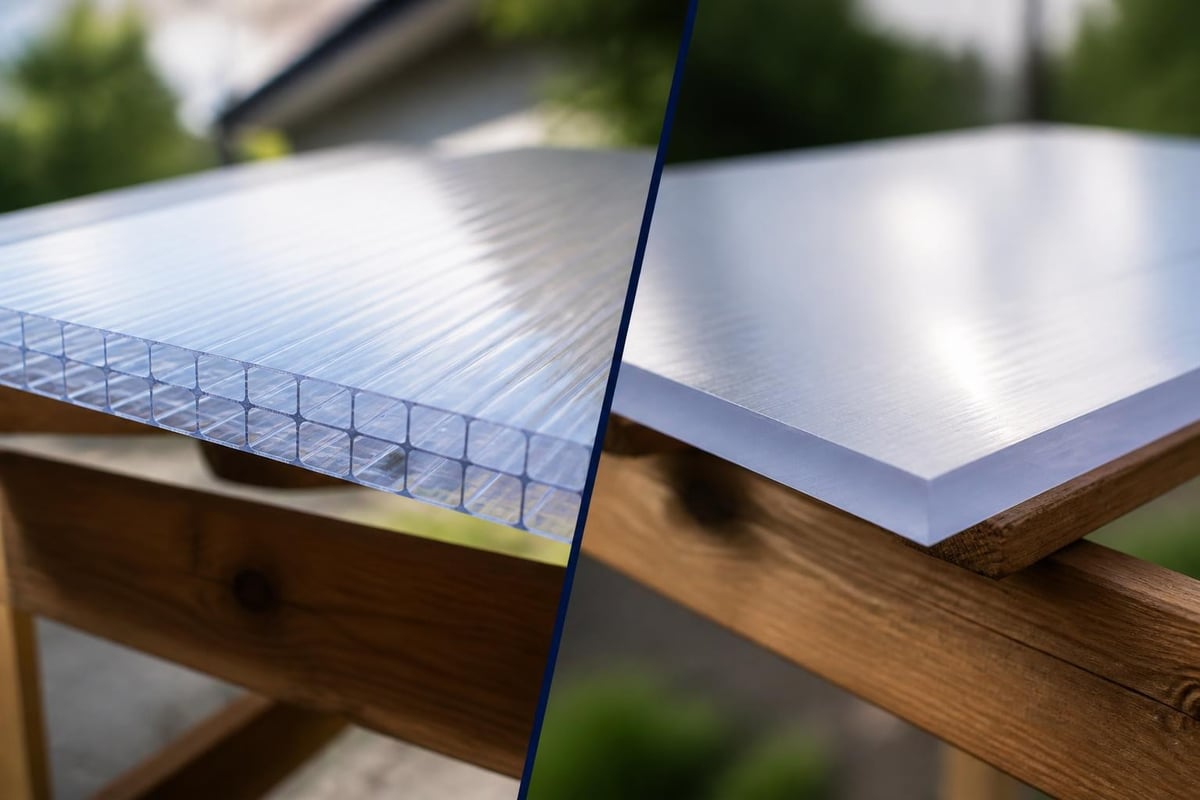
| Feature | Multiwall Polycarbonate | Solid Polycarbonate |
|---|---|---|
| Light Transmission | 50-85% (diffused) | 80-90% (clear) |
| Thermal Insulation | Excellent | Moderate |
| Weight (per m²) | 1.3-3.5 kg | 1.4-7.2 kg |
| Impact Resistance | 200x glass | 250x glass |
| Typical Thickness | 6-25mm | 3-12mm |
The polycarbonate pergola roof transforms traditional outdoor cooking spaces into sophisticated, weather-protected environments suitable for entertaining throughout the year. Unlike conventional roofing materials, polycarbonate allows you to maintain connection with your surroundings whilst providing essential protection.
UV protection stands paramount when considering outdoor comfort. Premium polycarbonate panels incorporate UV-resistant coatings that block up to 99.9% of harmful ultraviolet radiation whilst permitting beneficial natural light. This characteristic proves invaluable when designing outdoor spaces where guests gather for extended periods.
The material's natural light diffusion creates an ambient atmosphere that eliminates harsh shadows across preparation surfaces. When integrated with premium outdoor cooking equipment, this even illumination enhances both functionality and aesthetics, allowing you to showcase culinary creations in optimal lighting conditions.
Temperature management beneath a polycarbonate pergola roof surpasses many alternative materials. The benefits of polycarbonate include maintaining comfortable conditions during summer whilst preventing heat loss during cooler months, extending your outdoor cooking season considerably.
Multiwall polycarbonate structures provide unexpected acoustic benefits, dampening rainfall noise that might otherwise interrupt conversation during dinner parties. This subtle advantage distinguishes luxury outdoor installations from basic covered structures, maintaining the refined atmosphere expected by discerning clients.
Professional installation of a polycarbonate pergola roof demands precise attention to structural engineering and thermal expansion allowances. The material expands and contracts with temperature fluctuations, requiring specific fixing methods to prevent stress fractures or panel distortion.
Proper pitch calculation ensures adequate water runoff whilst maintaining architectural proportions. Most installations require a minimum 5-degree slope, though steeper angles may prove necessary in high-rainfall regions like the Cotswolds.
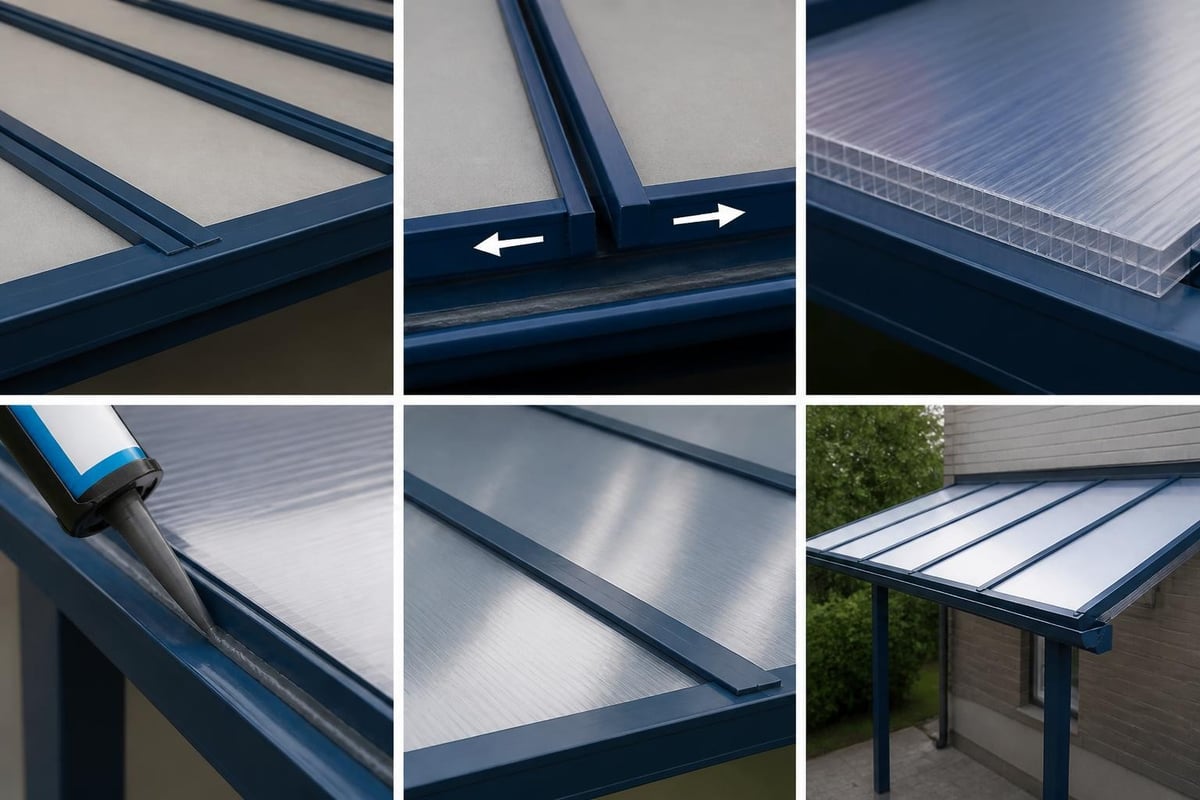
Specialist glazing bars designed for polycarbonate applications create weathertight seals whilst accommodating thermal movement. These profiles feature:
Proper weatherproofing techniques prove essential when integrating polycarbonate roofing with existing structures. Flashing details, end closures, and perimeter sealing require meticulous execution to prevent leaks that could compromise your outdoor kitchen investment.
Year-round functionality distinguishes a polycarbonate pergola roof from seasonal alternatives. Understanding how the material performs during different weather conditions helps optimise design decisions for your specific location and requirements.
Winter performance showcases polycarbonate's insulating properties. Multiwall panels trap air within their cellular structure, creating a thermal barrier that reduces heat loss by up to 60% compared to single-glazed alternatives. This characteristic proves particularly valuable when creating year-round outdoor cooking spaces where comfort during colder months extends usability significantly.
During summer months, selecting appropriately tinted panels controls solar heat gain without eliminating natural light. Bronze, opal, and grey tints each offer different light transmission and heat rejection characteristics, allowing you to fine-tune the environment beneath your pergola.
| Tint Colour | Light Transmission | Heat Reduction | Best Application |
|---|---|---|---|
| Clear | 90% | Minimal | Maximum brightness required |
| Opal | 50-60% | Moderate | Diffused, glare-free lighting |
| Bronze | 45-55% | Good | Warm ambience, solar control |
| Grey | 40-50% | Excellent | Maximum heat rejection |
The material's impact resistance withstands severe weather events that would shatter glass or damage traditional roofing. Polycarbonate panels resist hailstones, falling branches, and wind-borne debris, protecting both your outdoor kitchen equipment and guests during unexpected storms.
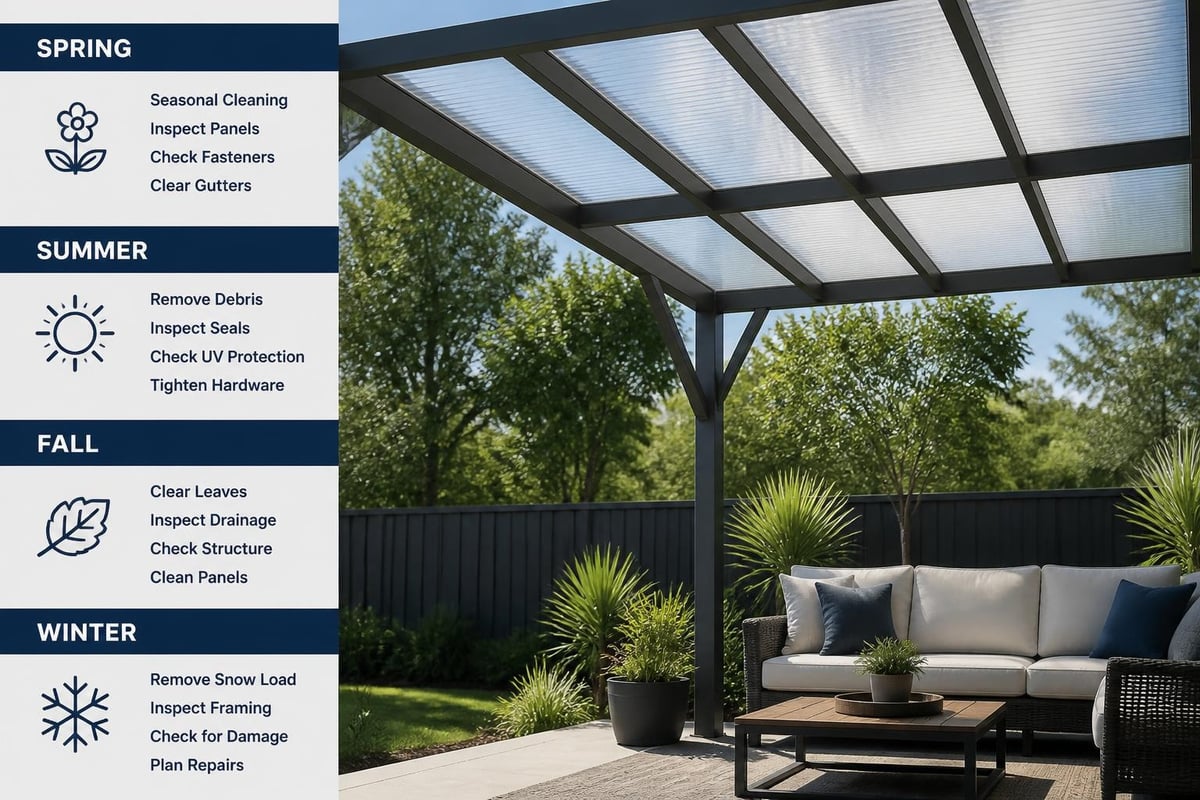
Premium polycarbonate installations deliver decades of reliable performance when properly maintained. Understanding care requirements ensures your investment retains its clarity, structural integrity, and aesthetic appeal throughout its service life.
Cleaning protocols require gentle approaches to prevent surface scratching. Soft microfibre cloths, mild detergent solutions, and low-pressure water prove most effective. Avoid abrasive cleaners, solvents, or harsh chemicals that might damage UV-protective coatings.
Manufacturers typically warrant polycarbonate panels for 10-15 years, though properly maintained installations commonly exceed 25 years of service. Detailed maintenance information emphasises regular inspections of fixing points, seals, and drainage channels to identify potential issues before they compromise performance.
Periodic tasks include:
The material's resistance to yellowing, clouding, and brittleness surpasses many alternatives, maintaining optical clarity that preserves your outdoor space's refined appearance. UV-resistant coatings prevent the degradation commonly observed in untreated plastics exposed to prolonged sunlight.
Investment in a polycarbonate pergola roof varies considerably based on panel quality, structural complexity, and installation requirements. Understanding cost factors enables realistic budget planning for your outdoor kitchen project.
Material expenses represent the most straightforward component. Premium multiwall panels range from £35 to £85 per square metre depending on thickness and specifications, whilst solid sheets command £45 to £120 per square metre for high-clarity variants. These prices reflect quality materials with comprehensive UV protection and extended warranties.
Installation costs depend heavily on structural complexity and site accessibility. Professional fitting typically adds 40-60% to material costs, though this investment ensures proper thermal expansion allowances, weatherproofing, and structural integrity. Detailed cost breakdowns highlight regional variations and specification impacts on total project expenditure.
| Cost Component | Budget Range (£/m²) | Notes |
|---|---|---|
| Premium Panels | 45-120 | Includes UV coating, warranty |
| Aluminium Framework | 85-165 | Powder-coated, engineered systems |
| Professional Installation | 75-145 | Includes sealing, flashing, finishing |
| Drainage Integration | 25-55 | Guttering, downpipes, connections |
| Additional Features | 40-95 | Lighting, heating, automation |
When comparing alternatives, consider lifecycle costs rather than initial expenditure alone. Glass requires significantly higher initial investment and ongoing maintenance, whilst fabric solutions demand replacement every 5-8 years. The polycarbonate pergola roof's durability and minimal maintenance requirements often deliver superior long-term value.
Sophisticated outdoor environments demand cohesive design where roofing integrates seamlessly with structural elements and surrounding architecture. Modern architectural pergola systems incorporate polycarbonate roofing as a fundamental component rather than an afterthought.
Premium European manufacturers offer complete systems where framework, roofing, and finishing details harmonise aesthetically and functionally. These integrated solutions provide consistent thermal expansion characteristics, coordinated drainage, and unified visual language that elevates outdoor spaces beyond basic covered areas.
For those seeking premium architectural solutions that combine polycarbonate roofing with bioclimatic functionality, systems like the Tarsaola demonstrate how advanced engineering and refined aesthetics create truly exceptional outdoor environments. These bespoke European-made structures integrate adjustable louvre systems with fixed polycarbonate sections, offering unprecedented environmental control whilst maintaining architectural elegance.
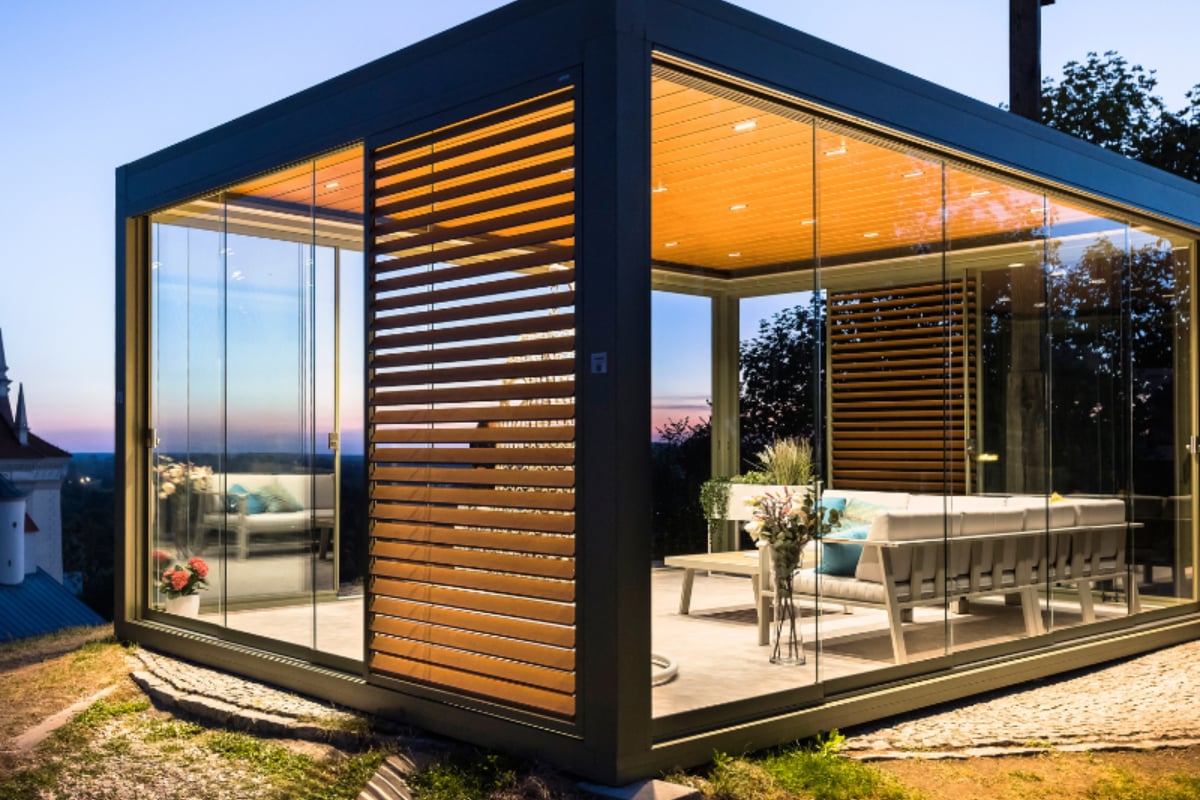
Polycarbonate roofing adapts to various architectural styles when specified thoughtfully. Contemporary designs favour clear or lightly tinted panels that maintain visual lightness, whilst traditional schemes benefit from bronze or opal variants that soften natural light and complement heritage materials.
Perimeter detailing proves critical to achieving refined aesthetics. Concealed fixings, powder-coated aluminium trims, and integrated LED lighting channels transform functional roofing into architectural features worthy of luxury outdoor kitchens.
When building pergola structures, consider how polycarbonate panels interact with adjacent materials. Timber frameworks benefit from colour-matched fixings and seals, aluminium systems allow minimal reveals and clean lines, whilst masonry supports require careful flashing to prevent moisture ingress.
Modern outdoor kitchen design increasingly prioritises environmental responsibility alongside aesthetic and functional requirements. A polycarbonate pergola roof contributes to sustainable building practices through several mechanisms.
Energy efficiency reduces reliance on artificial lighting and climate control. Natural light transmission eliminates daytime lighting requirements, whilst thermal insulation properties maintain comfortable temperatures with minimal heating intervention during transitional seasons. These characteristics align with contemporary expectations for responsible luxury.
The material's longevity prevents frequent replacement cycles that generate construction waste. A properly specified polycarbonate installation serving 25-30 years significantly reduces environmental impact compared to alternatives requiring replacement every 5-10 years.
Recyclability at end-of-life provides further environmental credentials. Polycarbonate thermoplastics can be reprocessed into new products, though the extended service life means disposal considerations remain decades away for most installations.
Manufacturing processes for premium polycarbonate panels increasingly incorporate recycled content and renewable energy, reducing embodied carbon. When selecting materials, enquire about manufacturer sustainability credentials to ensure alignment with broader environmental values.
Luxury outdoor kitchens demand individualised solutions reflecting personal taste and functional requirements. Polycarbonate roofing systems offer extensive customisation possibilities that standard alternatives cannot match.
Panel configuration allows creative design expressions. Combining different tints creates visual interest whilst managing light and heat selectively across zones. Clear panels over dining areas maximise connection with surroundings, whilst bronze sections above cooking zones reduce solar heat gain where equipment already generates warmth.
Integrated lighting transforms evening ambience. LED strips concealed within glazing bars provide architectural accent lighting, whilst recessed downlights mounted between panels deliver functional illumination for food preparation. These electrical integrations require planning during initial design phases to ensure proper waterproofing and accessibility.
Custom sizing eliminates field cutting and associated risks of compromising panel integrity. Manufacturers can produce panels to exact specifications, ensuring perfect fit and minimising installation time. This bespoke approach suits complex geometries where standard dimensions prove inadequate.
Comprehensive pergola design guidance emphasises coordinating these advanced features during initial planning rather than retrofitting, ensuring seamless integration and optimal performance.
UK planning regulations significantly impact pergola installations, particularly when incorporating substantial roofing systems. Understanding regulatory requirements prevents costly modifications or removal orders.
Permitted development rights often allow pergola construction without formal planning permission, provided specific criteria are met. However, polycarbonate roofing may trigger additional scrutiny in conservation areas or properties with Article 4 directions limiting permitted development.
Key regulatory considerations include:
Listed buildings and properties within Areas of Outstanding Natural Beauty face additional constraints. The Cotswolds' protected status means many installations require careful navigation of planning requirements to ensure compliance whilst achieving desired outcomes.
Building Control involvement becomes necessary when structures exceed certain dimensions or include electrical, plumbing, or heating installations. Professional consultation during design phases identifies regulatory obligations early, preventing project delays.
Architects, designers, and informed homeowners require detailed technical information when specifying a polycarbonate pergola roof. Understanding performance metrics enables optimal material selection for specific applications and environments.
| Specification | Multiwall (16mm) | Solid (6mm) | Relevance |
|---|---|---|---|
| Light Transmission | 75% | 88% | Natural illumination levels |
| U-Value (W/m²K) | 1.9 | 4.2 | Thermal insulation performance |
| Impact Resistance | 20,000 J/m | 25,000 J/m | Hail and debris protection |
| Maximum Span | 1,800mm | 1,200mm | Framework spacing requirements |
| Fire Rating | Class B-s1,d0 | Class B-s1,d0 | Safety compliance |
| Weight | 2.8 kg/m² | 7.2 kg/m² | Structural loading |
Thermal expansion coefficients prove critical for proper installation detailing. Polycarbonate expands approximately 0.065mm per metre per degree Celsius, requiring adequate clearance within fixing systems to prevent buckling or stress fractures during temperature fluctuations.
Wind load calculations determine minimum thickness and maximum span dimensions for exposed locations. Coastal properties and elevated sites require more robust specifications than sheltered urban gardens, with structural engineers calculating precise requirements based on local wind speed data.
Various roofing options demonstrate how polycarbonate compares against alternatives including glass, metal, and fabric systems across multiple performance criteria, helping inform specification decisions.
The primary purpose of incorporating a polycarbonate pergola roof extends beyond mere weather protection. Strategic design transforms outdoor kitchens into functional, comfortable spaces rivalling interior equivalents.
Microclimate control represents perhaps the most significant functional advantage. By moderating temperature extremes, blocking precipitation, and filtering harsh sunlight, polycarbonate roofing creates stable conditions suitable for year-round culinary activities. This environmental control proves essential when operating premium cooking equipment sensitive to temperature and moisture.
Protecting investment-grade outdoor appliances from weathering extends equipment lifespan significantly. Premium grills, pizza ovens, and cooking surfaces maintain optimal performance and appearance when sheltered from direct rainfall and intense UV exposure that degrades finishes and seals over time.
The covered environment enables permanent installation of amenities typically restricted to indoor kitchens. Integrated lighting, sound systems, and climate control equipment function reliably beneath polycarbonate protection, elevating outdoor cooking from occasional recreation to daily lifestyle.
Storage integration becomes practical when weather protection ensures consistent dry conditions. Custom cabinetry housing cookware, utensils, and ingredients remains accessible and protected, eliminating the inconvenience of transferring supplies between indoor and outdoor spaces for each cooking session.
When designing comprehensive outdoor cooking spaces, consider how polycarbonate roofing facilitates amenities that would prove impractical in exposed locations, fundamentally expanding functional possibilities and enhancing user experience.
Strategic planning ensures your polycarbonate pergola roof accommodates evolving needs and preferences over decades of service. Incorporating flexibility during initial design prevents costly modifications when requirements change.
Modular framework systems allow expansion or reconfiguration without complete reconstruction. Standardised panel dimensions and connection methods enable adding sections, incorporating technology upgrades, or adapting layouts as outdoor entertaining patterns evolve.
Technology integration provisions future-proof installations for innovations yet unavailable. Conduit routing for future smart home integration, reinforcement for potential motorisation, and pre-wiring for advanced lighting systems cost relatively little during construction but prove invaluable when upgrading years later.
Material selection favouring premium specifications ensures longevity matching property investment horizons. Whilst economy panels offer initial savings, premium alternatives with comprehensive warranties and superior UV protection deliver better long-term value through extended service life and maintained appearance.
Consider how your outdoor kitchen might evolve. Space for additional cooking equipment, expansion of dining capacity, or integration with adjacent outdoor living areas influences initial pergola sizing and configuration, preventing expensive reconstruction when needs expand.
A polycarbonate pergola roof represents a sophisticated solution for discerning homeowners seeking to create refined, year-round outdoor cooking environments. By combining exceptional weather protection with aesthetic flexibility and minimal maintenance requirements, this roofing option delivers the performance and elegance expected in luxury outdoor living spaces. Whether you're planning a new outdoor kitchen or enhancing an existing space, Cotswold Cooking Company provides expert consultation, premium products from hand-selected European manufacturers, and comprehensive installation services to transform your vision into reality.

Leave a comment