


Creating exceptional bbq outdoor areas requires more than simply positioning a grill on your patio. For discerning homeowners, these spaces represent an extension of refined indoor living, blending culinary performance with architectural beauty. Whether you're planning intimate family dinners or entertaining guests throughout the seasons, thoughtfully designed outdoor cooking zones transform gardens into sophisticated culinary destinations that enhance both property value and lifestyle quality.
The foundation of successful bbq outdoor areas begins with comprehensive spatial planning and a clear understanding of how you'll use the space throughout the year. Rather than treating outdoor cooking as an afterthought, integrate it into your garden's overall design narrative from the outset.
Professional designers recommend dividing bbq outdoor areas into distinct functional zones that work harmoniously together:
Each zone should flow naturally into the next, creating an intuitive workspace that mirrors the efficiency of premium indoor kitchens. Consider traffic patterns carefully-you'll want clear pathways that don't interrupt the cook whilst allowing guests to move comfortably between areas.
When planning your outdoor cooking layout, position the BBQ with prevailing wind patterns in mind to direct smoke away from dining areas. Typically, locating cooking zones 3-5 metres from main seating provides optimal separation whilst maintaining social connection.
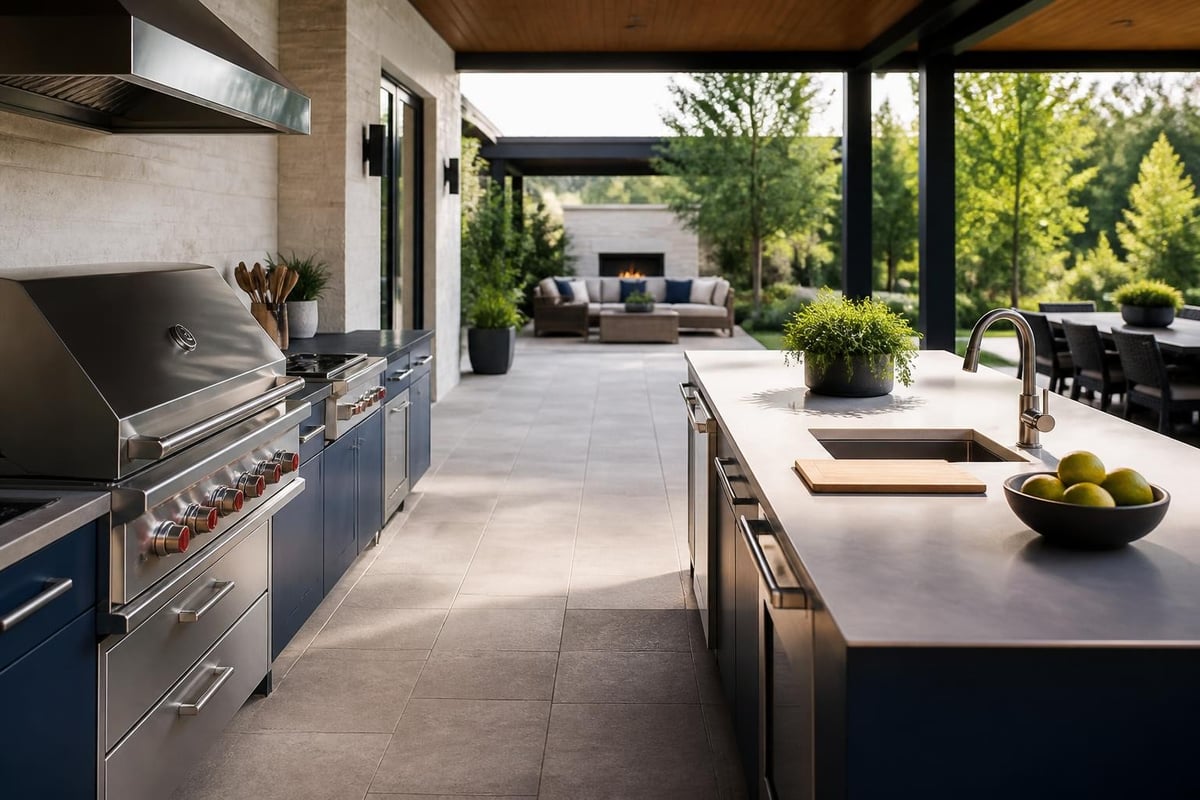
Protecting your investment and extending usability throughout the British climate makes architectural shelter essential for premium bbq outdoor areas. The right structure transforms seasonal entertainment spaces into year-round destinations.
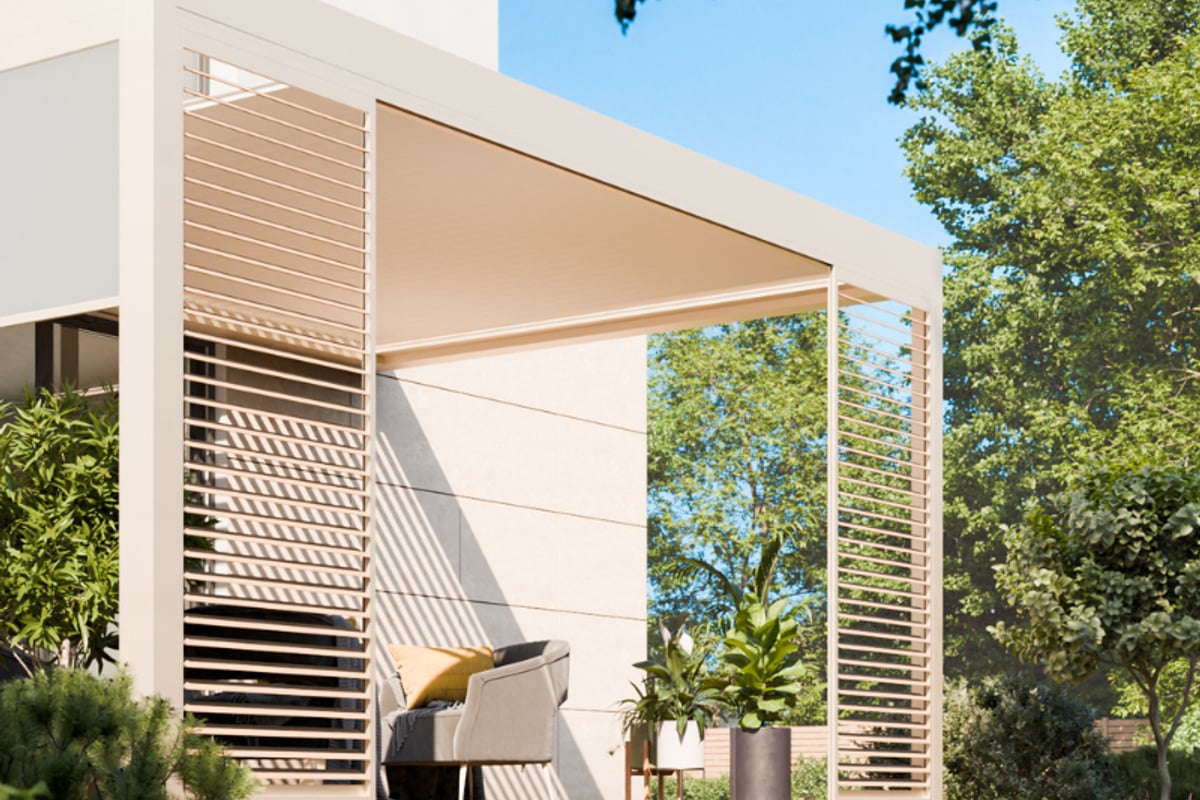
Modern bioclimatic pergolas represent the pinnacle of outdoor shelter design, offering adjustable louver systems that provide precise control over sunlight, ventilation, and weather protection. These architectural features seamlessly blend with luxury outdoor kitchens whilst maintaining clean sightlines to your garden.
The Tarsaola pergola system exemplifies this approach, combining precision-engineered louvres with minimalist European design that complements contemporary and traditional properties alike. With integrated LED lighting, heating options, and automated weather sensors, these structures create comfortable outdoor rooms that rival indoor spaces for refinement.
| Shelter Type | Weather Protection | Year-Round Use | Aesthetic Impact | Investment Level |
|---|---|---|---|---|
| Bioclimatic Pergola | Excellent | All seasons | Architectural statement | Premium |
| Fixed Canopy | Good | Three seasons | Clean, modern | Moderate-High |
| Retractable Awning | Moderate | Fair weather | Discreet | Moderate |
| Gazebo Structure | Very Good | All seasons | Traditional charm | Moderate-Premium |
Premium bbq outdoor areas demand materials that withstand British weather whilst maintaining visual appeal across decades. Powder-coated aluminium frames resist corrosion and require minimal maintenance compared to timber alternatives. For roofing elements, toughened glass panels create bright, protected spaces whilst solid insulated panels provide superior weather protection for areas requiring complete coverage.
Understanding how shelter enhances outdoor living helps you select solutions proportionate to your cooking ambitions and entertaining frequency.
The heart of any outdoor cooking area lies in selecting equipment that matches your culinary aspirations whilst integrating seamlessly into your design vision. For luxury installations, this extends far beyond choosing a basic grill.
High-performance grilling systems form the centrepiece of sophisticated outdoor kitchens:
For properties prioritising design consistency, built-in units create cleaner aesthetic lines than freestanding alternatives. Premium manufacturers offer customisable fascia panels that coordinate with cabinetry finishes, ensuring your cooking equipment enhances rather than dominates the visual narrative.
When planning outdoor grill setups, specify BTU output appropriate to your cooking volume. Professional-grade burners delivering 60,000-90,000 BTUs provide the intense heat required for perfect sears and restaurant-quality results.
Exceptional bbq outdoor areas frequently incorporate multiple heat sources to expand culinary possibilities:
The integration of diverse cooking methods transforms outdoor kitchens from simple grilling stations into comprehensive culinary workshops. This versatility particularly appeals to food enthusiasts who view outdoor cooking as an immersive experience rather than mere convenience.
Worktop selection fundamentally impacts both functionality and longevity in bbq outdoor areas. Unlike indoor kitchens, outdoor surfaces endure dramatic temperature fluctuations, UV exposure, and precipitation-demanding materials engineered specifically for exterior application.
| Material | Heat Resistance | Stain Resistance | Maintenance | Frost Tolerance | Aesthetic Range |
|---|---|---|---|---|---|
| Granite | Excellent | Excellent | Low | Excellent | Natural, varied |
| Porcelain | Excellent | Excellent | Very Low | Excellent | Contemporary, uniform |
| Concrete | Very Good | Moderate | Moderate | Good (sealed) | Industrial, customisable |
| Stainless Steel | Excellent | Good | Moderate | Excellent | Professional, modern |
| Dekton | Excellent | Excellent | Very Low | Excellent | Wide palette |
Premium installations increasingly favour large-format porcelain slabs that eliminate grout lines and create seamless expanses reminiscent of luxury interior design. These engineered surfaces resist heat marks from hot pans, withstand freezing temperatures without cracking, and maintain colour integrity despite years of UV exposure.
For those seeking complete outdoor kitchen solutions, coordinating worktop materials with cabinetry finishes creates cohesive design language that elevates the entire space.
Ground surfaces in bbq outdoor areas must balance slip resistance with aesthetic refinement. Textured porcelain pavers provide excellent traction when wet whilst offering design flexibility through varied formats and finishes. Natural stone creates timeless elegance but requires sealing to prevent staining from cooking oils and food spills.
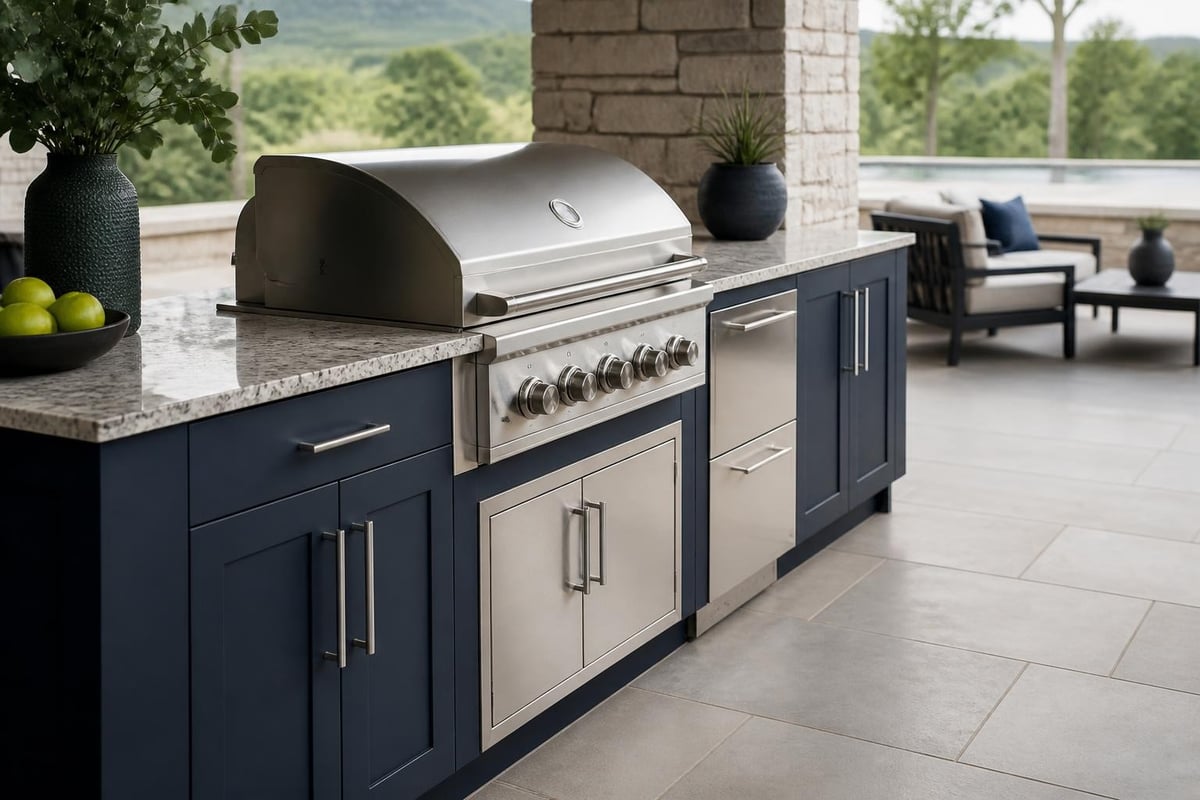
Sophisticated bbq outdoor areas require robust utility planning that supports culinary ambitions without compromising safety or functionality. Professional installation of gas, electrical, and water services ensures reliable performance whilst maintaining regulatory compliance.
For properties incorporating gas-fired equipment, choosing between natural gas and LPG connections depends on existing infrastructure and usage patterns:
Natural Gas Advantages:
LPG Benefits:
Both systems require qualified gas engineers for installation and annual servicing. Specify quick-disconnect fittings that enable equipment removal for seasonal storage or servicing without shutting down the entire system.
Modern outdoor kitchens demand substantial electrical capacity to power refrigeration, lighting, heating, and small appliances. Minimum specifications should include:
Planning electrical infrastructure during initial construction prevents expensive retrofitting. Consider future requirements-pre-installing additional circuits accommodates equipment upgrades without extensive modifications.
Integrated sinks transform bbq outdoor areas from basic cooking zones into functional prep kitchens. Hot and cold water supply enables proper food hygiene whilst facilitating cleanup. For outdoor barbecue sink installations, ensure adequate drainage with appropriate fall to prevent standing water.
In regions experiencing freezing temperatures, specify frost-proof taps with interior shutoff valves. This prevents pipe damage during winter months whilst maintaining year-round access when conditions permit outdoor cooking.
Thoughtful storage solutions distinguish exceptional bbq outdoor areas from basic installations. Premium outdoor kitchens incorporate weather-sealed cabinetry that protects cookware, utensils, and supplies whilst maintaining streamlined aesthetics.
Marine-grade stainless steel and powder-coated aluminium represent optimal choices for outdoor cabinetry, offering corrosion resistance and structural integrity across decades. Quality manufacturers incorporate:
The Cubic C1 Style Outdoor Kitchen exemplifies modular storage design, with customisable drawer configurations that adapt to individual cooking styles. Its sleek minimalist lines create visual calm whilst maximising usable storage volume.
Purpose-designed storage elements enhance functionality in luxury outdoor kitchens:
When designing outdoor bbq storage, position frequently used items within arm's reach of primary cooking zones whilst relegating seasonal equipment to less accessible locations.
Exceptional lighting transforms bbq outdoor areas from daytime-only spaces into enchanting evening destinations. Sophisticated schemes layer multiple light sources to balance task illumination with atmospheric warmth.
Cooking zones require bright, shadow-free illumination enabling precise food preparation after sunset. LED strips mounted beneath overhead canopies provide even distribution without glare. Specify colour temperatures around 4000K-warm enough to feel inviting yet cool enough to accurately assess food colour and doneness.
Directional spotlights focused on grill surfaces and worktops supplement ambient lighting, creating the visibility levels essential for safe food handling. Dimmable controls allow intensity adjustment matching activity levels-bright for active cooking, subdued for relaxed entertaining.
Beyond functional requirements, decorative lighting establishes mood and highlights architectural features:
Integrating smart lighting controls enables scene programming that transitions seamlessly from cooking to dining to entertainment modes. This technology delivers luxury hotel-level sophistication tailored to residential entertaining.
British weather necessitates supplemental heating in bbq outdoor areas to maximise usable months. Strategic warmth provision transforms fair-weather spaces into comfortable autumn and spring retreats.
Different heating approaches suit varied architectural configurations and usage patterns:
| Heating Type | Heat Distribution | Installation Complexity | Running Cost | Aesthetic Impact |
|---|---|---|---|---|
| Infrared Panels | Targeted, instant | Moderate | Low-Moderate | Discreet |
| Gas Patio Heaters | Radial, ambient | Simple | Moderate | Traditional |
| Fire Features | Central, focal | Complex | Variable | Dramatic statement |
| Underfloor Heating | Even, subtle | Very Complex | Moderate-High | Invisible |
Premium installations increasingly favour infrared technology that heats people and surfaces rather than air, providing immediate comfort whilst minimising energy waste. These systems integrate elegantly into pergola structures or mount discreetly on walls.
For properties seeking year-round outdoor cooking capabilities, combining architectural shelter with effective heating extends the entertaining season substantially.
Dining furniture selections significantly influence how bbq outdoor areas function as social spaces. Premium outdoor furnishings balance weather resistance with comfort levels approaching interior standards.
Different entertaining styles demand varied seating approaches:
For frequent entertainers, investing in generous seating capacity prevents last-minute furniture scrambling. As a guideline, plan for 20-30% more seating than typical guest counts to accommodate unexpected additions comfortably.
Quality outdoor furniture construction employs powder-coated aluminium frames, solution-dyed acrylic fabrics, and quick-draining cushion cores. These specifications ensure furnishings withstand exposure whilst maintaining appearance across seasons.
Dining surfaces in bbq outdoor areas endure unique challenges-hot plates, spilled wine, and weather exposure. Toughened glass tops offer elegant transparency and simple cleaning. Ceramic and porcelain surfaces provide exceptional durability with organic texture. Teak and other hardwoods deliver timeless warmth when properly maintained.
Position dining tables to capture optimal views whilst avoiding direct smoke paths from cooking zones. This separation enhances guest comfort without isolating cooks from conversation.
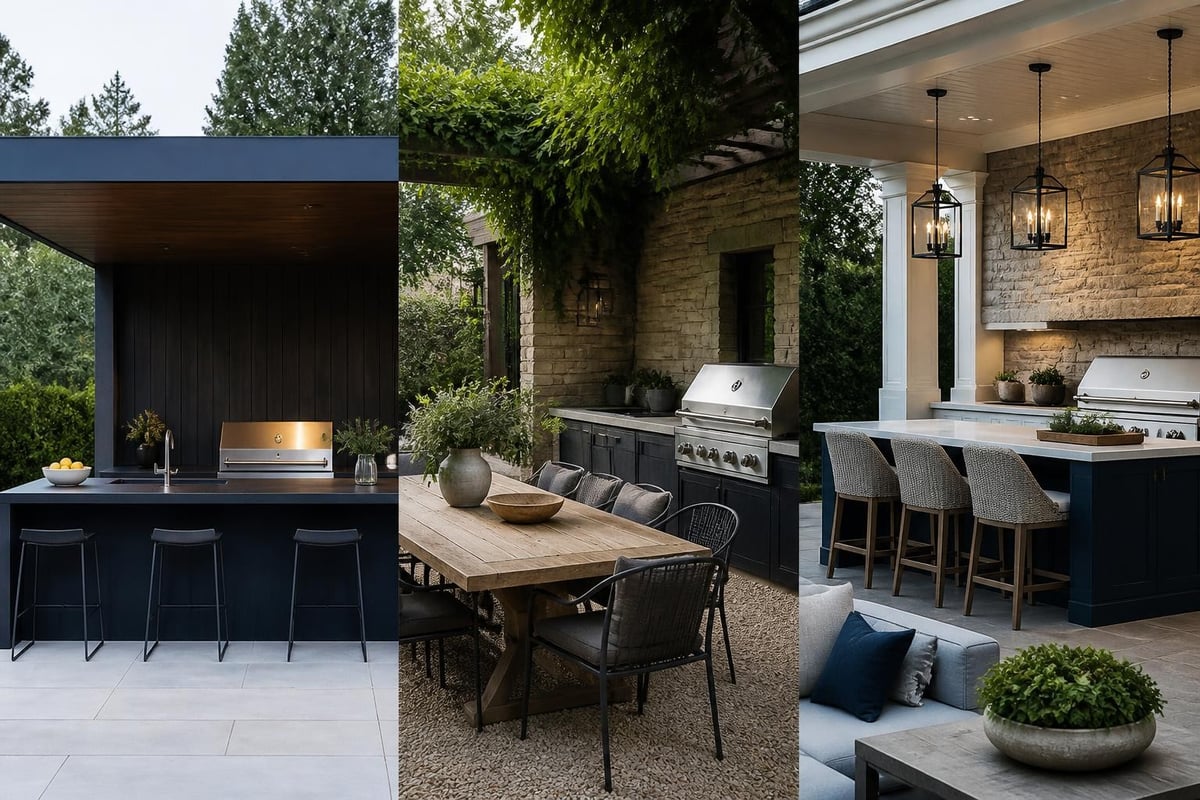
Premium bbq outdoor areas span diverse aesthetic directions, each offering distinct character whilst supporting sophisticated entertaining. Your selection should harmonise with existing architecture and reflect personal taste.
Clean-lined modern designs emphasise horizontal planes, monochromatic palettes, and concealed storage. Flush-mounted equipment disappears into seamless cabinetry. Polished concrete or large-format porcelain creates uninterrupted surfaces. Frameless glass screens define zones without visual obstruction.
This approach particularly suits modern architectural styles and appeals to those valuing visual restraint. The challenge lies in maintaining warmth-soften stark aesthetics through natural wood accents, tactile fabrics, and considered planting.
Classic designs honour heritage garden styles through natural materials, curved lines, and layered plantings. Brick or stone surrounds anchor bbq outdoor areas into established landscapes. Timber pergolas with climbing plants create romantic overhead canopies. Traditional ironwork and classic lighting fixtures reinforce period character.
For Cotswold properties and historic homes, this direction maintains architectural consistency whilst incorporating modern cooking performance. The key is balancing authentic materials with contemporary functionality invisible to casual observers.
Blending contemporary convenience with traditional warmth, transitional designs represent the most versatile approach. Neutral colour schemes provide backdrop flexibility. Mixed materials combine modern metals with natural stone. Furniture selections span style periods. This eclectic direction accommodates evolving tastes without requiring complete redesign.
Reviewing diverse BBQ area ideas helps identify aesthetic preferences before committing to specific design directions.
Successful bbq outdoor areas facilitate effortless hosting through thoughtful workflow design that anticipates cook and guest needs throughout entertaining sequences.
Efficient outdoor kitchens enable advance preparation that reduces last-minute pressure. Adequate refrigeration stores marinated meats and pre-prepared sides. Generous worktop areas accommodate plating stations. Covered storage protects serving platters and utensils from weather.
When hosting outdoor gatherings, positioning prep zones near indoor kitchen access streamlines ingredient transfer whilst maintaining outdoor focus during actual cooking.
During active entertaining, logical equipment placement prevents crossed paths and bottlenecks:
This choreography enables smooth progression from raw ingredients through cooking to plated service without spatial conflicts.
Well-designed outdoor kitchens simplify cleanup through integrated sinks, ample counter drainage, and accessible waste disposal. Specify smooth, non-porous surfaces that wipe clean easily. Install adequate outdoor lighting for after-dark cleanup. Consider covered storage for dirty cookware requiring later attention.
For those planning outdoor pizza parties or other specialised entertaining, dedicated equipment zones streamline both preparation and cleanup specific to those events.
Premium bbq outdoor areas exist within broader garden narratives rather than as isolated installations. Thoughtful landscape integration creates cohesive outdoor environments where cooking spaces feel natural and intentional.
Paving materials, retaining walls, and pathways should employ consistent design language connecting outdoor kitchens to surrounding garden areas. Repeating stone types, paver patterns, or material finishes creates visual flow that unifies disparate zones.
Consider level changes thoughtfully-sunken dining areas create intimate enclosures whilst raised platforms provide elevated viewpoints. Steps between levels require adequate width and proper lighting for safe navigation with laden plates.
Strategic plantings soften hard architectural elements whilst providing sensory richness:
Avoid positioning plants directly above cooking zones where smoke and heat cause damage. Select species tolerant of occasional ash or grease exposure in immediately adjacent areas.
Premium bbq outdoor areas balance openness encouraging social flow with sufficient enclosure for intimate entertaining. Consider views both outward to garden vistas and inward from neighbouring properties. Strategic screening-whether architectural, planted, or combined-creates comfortable enclosure without claustrophobic confinement.
Understanding outdoor entertaining space design helps balance these competing requirements effectively.
Creating exceptional bbq outdoor areas represents significant investment requiring realistic budget planning and phased implementation strategies. Understanding cost drivers enables informed decisions balancing immediate desires against long-term value.
Outdoor kitchen investments distribute across several categories:
Premium installations incorporating architectural shelters, multiple cooking appliances, and extensive storage naturally command higher investment than basic configurations. However, quality construction delivers decades of reliable service whilst enhancing property value substantially.
For properties managing budget constraints, phased development enables gradual capability expansion:
Phase One: Establish core cooking zone with primary grill, basic prep surface, and essential storage
Phase Two: Add architectural shelter providing weather protection and extended season use
Phase Three: Expand with complementary cooking appliances, refrigeration, and enhanced storage
Phase Four: Complete with premium finishes, integrated technology, and refined landscaping
This approach delivers immediate functionality whilst allowing refinement as budgets permit. Many homeowners find initial outdoor kitchen use informs subsequent phase priorities through practical experience.
When exploring prefabricated outdoor kitchens versus custom builds, consider both immediate costs and long-term flexibility for modification or expansion.
Preserving investment value and performance in bbq outdoor areas requires consistent maintenance tailored to British climate challenges. Establishing routine care schedules prevents deterioration whilst maintaining showroom presentation.
Regular attention prevents buildup requiring intensive intervention:
These simple habits consume minimal time whilst dramatically extending material lifespan and maintaining aesthetic appeal.
Different seasons demand specific attention:
Spring Activation:
Autumn Preparation:
Winter Protection:
Different surface materials require tailored maintenance approaches. Stainless steel benefits from specialised cleaners preventing water spotting and fingerprints. Natural stone needs periodic resealing maintaining stain resistance. Powder-coated finishes require gentle cleaning avoiding abrasive products that damage protective layers.
Consulting manufacturer guidelines for specific equipment and materials ensures appropriate care methods protecting warranties whilst optimising longevity.
Modern bbq outdoor areas increasingly incorporate technology enhancing convenience, safety, and entertainment value. Smart integration transforms outdoor cooking from manual processes into refined experiences rivalling indoor kitchen sophistication.
Advanced pergola systems offer automated louver adjustment responding to weather sensors. Rain detection triggers automatic closure preventing equipment exposure. Sun sensors optimise shade provision throughout changing daylight angles. Wind monitors retract vulnerable elements during high gusts.
These automated responses protect investments whilst maintaining comfort without constant manual intervention. Integration with home automation systems enables remote monitoring and control even when away from property.
Professional-grade outdoor cooking equipment now features:
Such features particularly benefit less experienced cooks, providing confidence through precise control and guidance.
Outdoor kitchens serve as entertainment hubs benefiting from integrated audio-visual technology. Weather-resistant speakers deliver ambient music or sporting event broadcasts. Mounted displays enable recipe following or guest entertainment. Integrated charging stations keep devices powered throughout extended gatherings.
Specify all technology components with appropriate IP ratings ensuring weather resistance. Consult qualified installers for proper integration maintaining both functionality and safety standards.
Premium bbq outdoor areas prioritise safety through proper planning, quality installation, and ongoing vigilance. Understanding regulatory requirements and best practices protects both property and occupants.
All gas installations require qualified engineers certificated for outdoor applications. Annual servicing maintains safety whilst ensuring optimal performance. Installations must incorporate:
Never attempt DIY gas work-improper installation risks carbon monoxide poisoning, fire, or explosion.
Outdoor cooking inherently involves open flames and high temperatures demanding fire safety consciousness:
Position cooking zones considering prevailing winds and proximity to flammable materials. Specify non-combustible surfaces within equipment surrounds.
Outdoor electrical installations must meet stringent safety requirements including RCD protection, appropriate IP ratings, and proper earthing. All work requires qualified electricians familiar with exterior application demands.
Avoid extension cords as permanent solutions-they create trip hazards and rarely provide adequate weather protection. Install sufficient permanent outlets eliminating temporary wiring needs.
Transforming your garden into a sophisticated entertaining destination through exceptional bbq outdoor areas requires balancing aesthetic vision with practical functionality, quality materials with thoughtful design, and immediate enjoyment with long-term value. Whether you're planning an intimate cooking zone or a comprehensive outdoor culinary theatre, professional guidance ensures your investment delivers decades of refined outdoor living. Cotswold Cooking Company brings expertise in luxury outdoor kitchen design, premium European equipment curation, and comprehensive installation services to discerning clients throughout the UK, creating bespoke solutions that honour heritage whilst embracing modern performance.

Leave a comment